
1973 Chevrolet Corvette
$25,995
Vehicle Details
Chevrolet
Corvette
1973
80,000 miles
AMB1756
Coupe
Manual
Gasoline
350
Description
1973 Chevrolet corvette Coupe 2D Matching number motor and trans. 350 Muncie 4 speed transmission Driven 80,000 miles Manual transmission Exterior color: Orange · Interior color: Brown Fuel type: Gasoline Very good condition 3+ owners This vehicle is paid off Please Note The Following **Vehicle Location is at our clients home and Not In Cadillac, Michigan. **We do have a showroom with about 25 cars that is by appointment only **Please Call First and talk to one of our reps at 231-468-2809 EXT 1 **
Classic Chevrolet Corvette Buyer's Guide
Chevrolet Corvette Market Overview
Based on 616 Chevrolet Corvette listings currently on ClassicCarsArena.com
Classic Chevrolet Corvette Buyer's Guide
The Chevrolet Corvette has been America's sports car for over seventy years, but the classic Corvette market splits into three distinct generations, each with its own buyer profile and its own pitfalls. The C1 (1953-1962), C2 mid-year (1963-1967), and C3 shark (1968-1982) cover three decades of evolution from solid-axle straight-six convertibles to small-block legends to LT-1-powered chrome-bumper cars. Knowing which Corvette is yours — and what it actually is versus what the seller claims — is the difference between a sound investment and an expensive lesson.
What to Check Before Buying
Common Issues
What to Look For
Price Guide
Did You Know?
Also Consider
Similar classic cars shoppers also browse:
How Does It Compare?
Head-to-head matchups for the Chevrolet Corvette:
1973 Chevrolet Corvette
Contact Seller
Listed by dealer
Nationwide consignment dealer
Classic Car Deals lists vehicles from owners across the country. The vehicle is at the owner's home — not at the dealer's address. Contact the dealer to confirm the vehicle's actual location before traveling.
Buying safely?
Read our scam-avoidance tips before paying →
Listing Actions
Browse by Era
1970s Classics for SaleAll 1973 Classics
Browse all 1973 Cars for SaleGet classic car alerts
Latest arrivals, newest deals, and discount coupons — straight to your inbox.
Selling your classic car?
Reach millions of classic car enthusiasts on the largest US classics marketplace.
Sell Your Car →Similar Listings
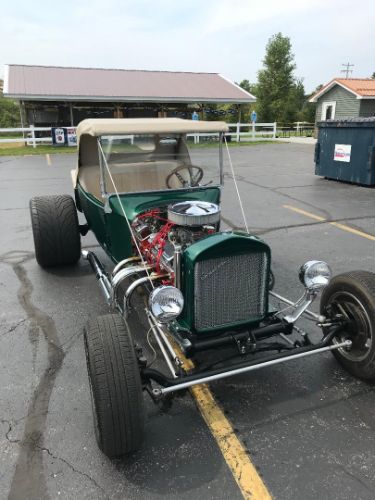 Dealer
 United States
1918 Chevrolet 100
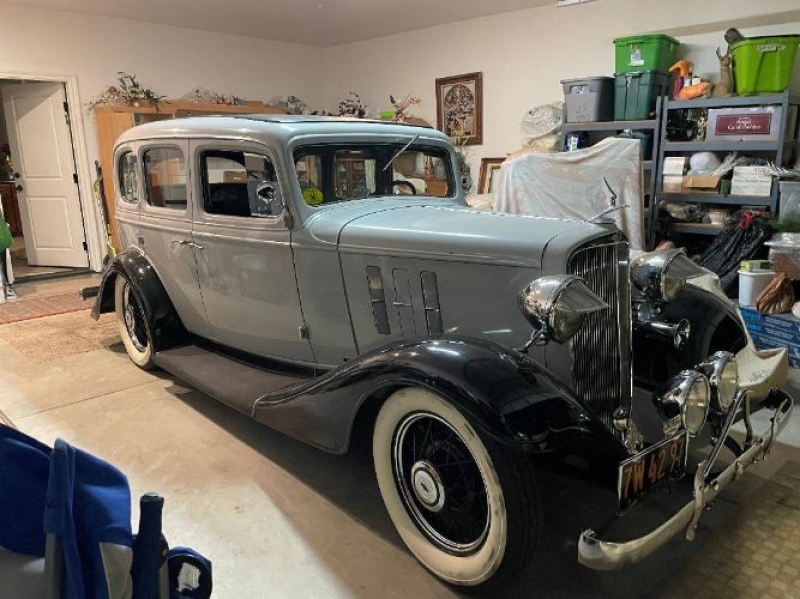 Dealer
United States
Dealer
United States
1923 Chevrolet Master
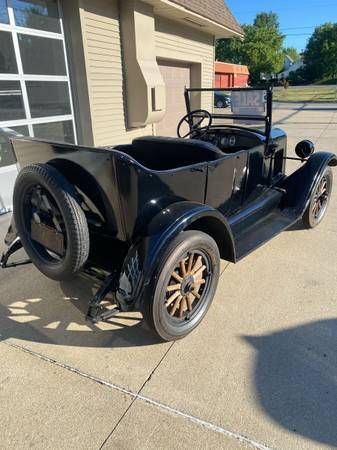 Dealer
United States
Dealer
United States
1925 Chevrolet Superior K
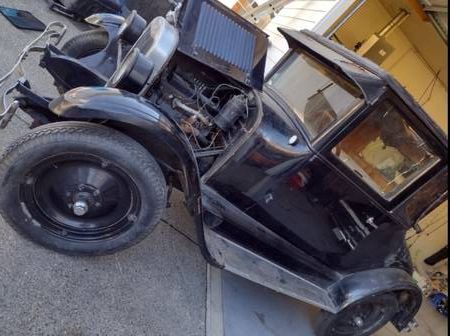 Dealer
United States
Dealer
United States
1926 Chevrolet 100
Contact Seller
Call this seller?
You're about to call Classic Car Deals about the 1973 Chevrolet Corvette.
+1 (231) 468-2809
Report this Ad
Help us keep the marketplace clean. Our moderation team reviews every report within 24 hours.