
Chevrolet Deluxe Buyer's Guide (1941–1948)
The Chevrolet Deluxe is the honest working man's version of the wartime and early postwar Chevy — same 216 Stovebolt engine and body as the Special Deluxe, less chrome, lower price then and now. For a buyer who wants to drive a piece of American history without paying Special Deluxe premiums, this is the car.

I tell people all the time: the Deluxe and the Special Deluxe are the same car underneath. Same 216 Stovebolt six, same body, same suspension, same frame. What you're paying extra for on the Special Deluxe is chrome window moldings, better upholstery, and the nameplate. If those things matter to you for show purposes, fine. But if you want to drive a 1947 Chevrolet to cruise nights and enjoy it, the Deluxe gives you everything that matters at a 15–20% discount. That's real money, and it buys a lot of mechanical sorting.
Deluxe vs Special Deluxe — The Real Difference
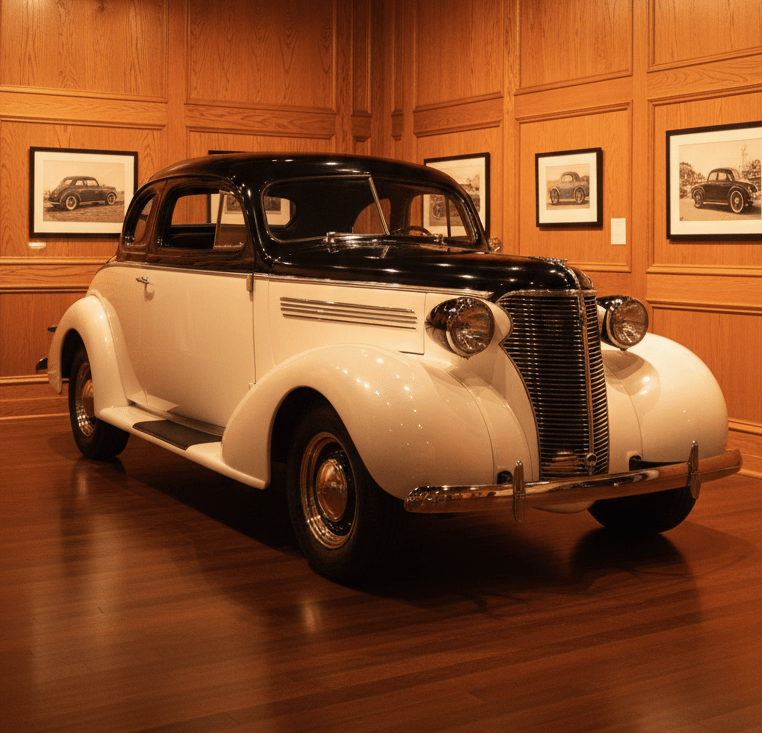
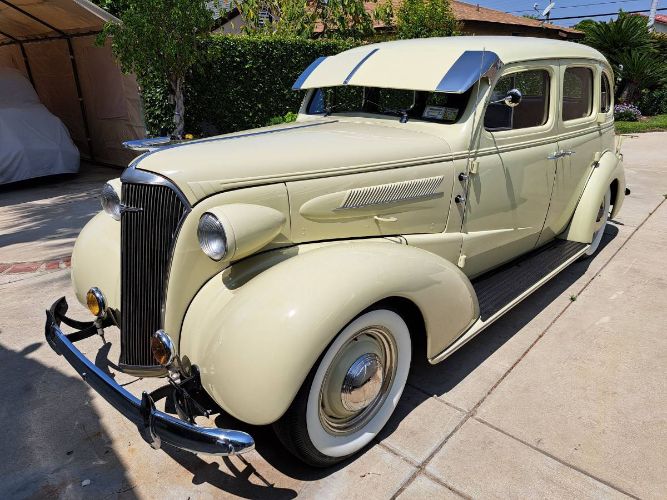
Chevrolet offered the Deluxe and Special Deluxe as parallel trim levels throughout the 1941–1948 run. The Deluxe was the lower trim: painted window surrounds instead of chrome, simpler upholstery fabric, fewer brightwork details. The Special Deluxe added chrome garnish moldings around the windows, a richer interior, the chrome grille surround, and on special body styles (convertible, woodie wagon) the prestige designation.
Production was interrupted for WWII — civilian car manufacturing halted in early 1942 and resumed for the 1946 model year using updated 1942 designs. The 1946–1948 Deluxe and Special Deluxe share the same platform. Parts interchangeability across the entire 1941–1948 run is excellent for mechanical components.
The Stovebolt Six
Every Deluxe left the factory with the 216.5 cubic inch overhead-valve inline six producing approximately 90 horsepower. This engine is one of the most reliable American powerplants of its era — simple overhead-valve architecture, cast-iron construction, and a reputation for running indefinitely with basic maintenance. Valve adjustments and oil changes are the primary scheduled service items. Parts are widely available through vintage Chevrolet specialists.
Body Styles and What to Target
The Deluxe was available in business coupe, sport coupe, and four-door sedan configurations — the convertible and woodie wagon body styles were reserved for the Special Deluxe trim. For the buyer seeking a driver, the sport coupe is the most visually appealing Deluxe body. The four-door sedan offers more practicality and slightly lower prices.
The 1947–1948 models are the most refined and have the best parts availability. The 1946 cars are mechanically identical but early-production examples can have more assembly variation. All years share the same engine and drivetrain.
Rust Inspection
The rust pattern on the Deluxe is identical to the Special Deluxe: cowl channel first, floor pans second, lower rear quarters third. These cars trap water in the lower body structure and the floors deteriorate before the exterior shows visible rust. Lift the carpet under both front and rear seats and probe the metal directly. The trunk floor corners are the fourth zone — water pools there through the trunk lid seal.
| Specification | Detail |
|---|---|
| Engine | 216.5 ci Stovebolt inline six, 90 hp |
| Transmission | 3-speed manual (synchromesh 2nd/3rd) |
| Wheelbase | 116 inches |
| Body styles | Business coupe, sport coupe, 4-door sedan |
| Difference from Sp. Deluxe | Painted (not chrome) window moldings, simpler upholstery |
"I've watched buyers walk past a solid Deluxe to pay a premium for a Special Deluxe with a leaking cowl, just because of the chrome. That's backwards. The chrome is cosmetic — the cowl is structural. A Deluxe with clean metal is a better buy than a Special Deluxe with rust every time. When you're doing the math, remember: the chrome costs money to fix, but it fixes. Structural metal costs real money and takes real time."
— Mike Sullivan
Pricing
Driver-quality Deluxe coupes and sedans trade in the $10,000–$17,000 range. Show-quality examples reach $22,000–$32,000. These prices run approximately 15–20% below equivalent Special Deluxe cars — the trim discount is real and consistent. For a buyer focused on mechanical condition and driving enjoyment rather than show points, the Deluxe is the better value in the 1941–1948 Chevrolet market.
Browse Chevrolet Deluxe listings
What to Look For
Cowl channel rust — probe the windshield base vent slots first. Floor pans under front and rear seats. Lower rear quarters inside the trunk corners and at the bottom of rear fenders. Trunk floor at the corners. Verify Stovebolt starts cold and idles steadily — rough idle often means valve adjustment needed. Check for oil seepage at rear main seal and timing cover. Test 3-speed synchromesh on 2nd and 3rd gears. Inspect 6-volt electrical: all lights, gauges, wipers — most issues trace to ground connections. Assess trim completeness — Deluxe painted trim is simpler to source than Special Deluxe chrome.Pre-Purchase Checklist
-
Cowl channel probe
Probe windshield base vent slots — soft metal means structural repair required -
Floor pans
Lift front and rear seat carpet and probe for rust-through -
Trunk corners
Remove trunk mat and probe lower corners for water damage -
Lower rear quarters
Check inside trunk at lower corners and fender bottoms outside -
Running board mounts
Inspect lower body attachment points for rust -
Cold start
Start from cold — verify steady idle, no excessive valve noise -
Oil leaks
Check under engine for rear main seal and timing cover seepage -
Transmission synchro
Shift 2nd and 3rd — grinding means worn synchro rings -
Electrical function
Test all lights, gauges, wipers — 6-volt issues trace to grounds -
Trim assessment
Inventory all trim — note what's missing before agreeing on price
Common Issues
Cowl channel rust is universal on unrestored examples — same failure pattern as Special Deluxe. Floor pan rust follows from water trapped in the lower body. Lower rear quarter and trunk corner rust are the secondary zones. The 6-volt positive-ground electrical system requires all grounds to be clean and correct — intermittent electrical failures are almost always a ground issue. Rear main seal oil seepage is common on high-mileage engines. Valve clearances require periodic adjustment — noisy valve train is a maintenance item, not a mechanical failure. Running board mounting points rust at the lower body attachment brackets.More Deluxe for sale
 Dealer
 United States
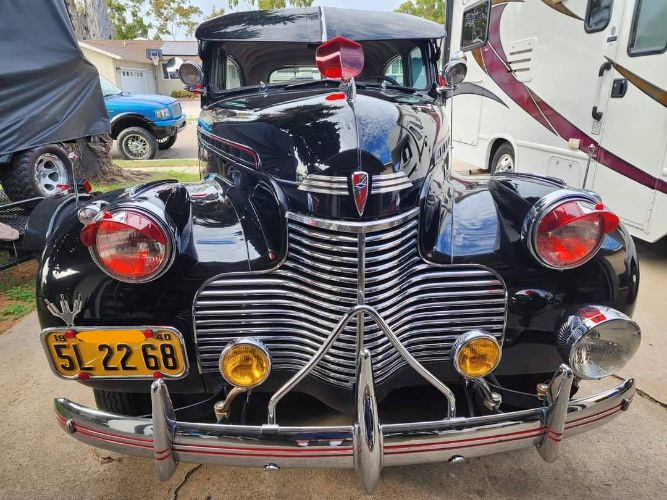
1940 Chevrolet Deluxe
 Dealer
United States
Dealer
United States
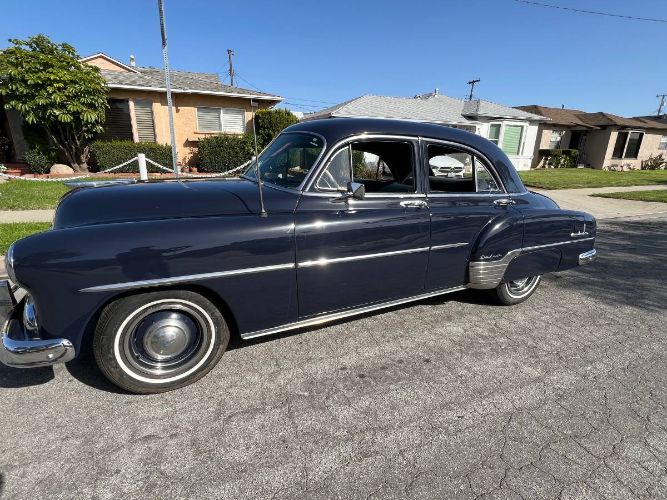
1952 Chevrolet Deluxe
Pricing Guide
Driver-quality coupes and sedans: $10,000–$17,000. Show quality: $22,000–$32,000. Prices run 15–20% below equivalent Special Deluxe. The Special Deluxe (slug: special-deluxe) is the companion trim with chrome moldings, convertible, and woodie wagon options — those body styles are not available in Deluxe trim. For a driver-quality purchase focused on the Stovebolt experience, the Deluxe offers better value at every condition level.Fun Facts
Chevrolet sold more cars in 1941 than any other US manufacturer, and the Deluxe was the volume workhorse of that success — the Special Deluxe was the glamour car but the Deluxe outsold it significantly. The 216 Stovebolt six was so durable that it remained in production for truck applications well into the 1950s, long after Chevrolet cars had moved to the modern 235 six. Many 1946–1948 Chevrolets were purchased by returning WWII veterans using savings accumulated during wartime service — demand was so strong that dealers had waiting lists.Frequently Asked Questions
Ready to find your Deluxe?
Browse 6+ active Chevrolet Deluxe listings on Classic Cars Arena.
View Listings →