
Chevrolet Impala SS Buyer's Guide
The Chevrolet Impala SS brought Super Sport performance to the full-size car — combining the appeal of a premium Chevrolet with available 409ci, 427ci, and 454ci engines that made the big car go like few others in the muscle car era.

Mike Sullivan here, and the Impala SS occupies a unique space in the performance car world. Most muscle cars are mid-size or pony cars — the Impala SS was the full-size alternative for buyers who needed room for a family but didn't want to give up performance. It's a different kind of muscle car, and it produced some genuinely great machines.
The Impala SS name covered the 1961–1969 model years, and each period has its character. The early cars with the legendary 409ci engine are culturally immortal — the Beach Boys made sure of that. The mid-decade cars with the 396 and 427 are capable performers. The 1969 cars are the most refined and the last of the classic Impala SS era before the nameplate went into hibernation until the 1990s.
The 409 Era (1961–1965)
When the Beach Boys released "409" in 1962, the Impala SS became a cultural touchstone that it has never fully left. The song was written because the 409ci W-engine genuinely was one of the fastest production cars on American roads in 1961–1962. The dual four-barrel 409 produced 409 horsepower — a remarkable coincidence of displacement and horsepower that the marketing department understood immediately.
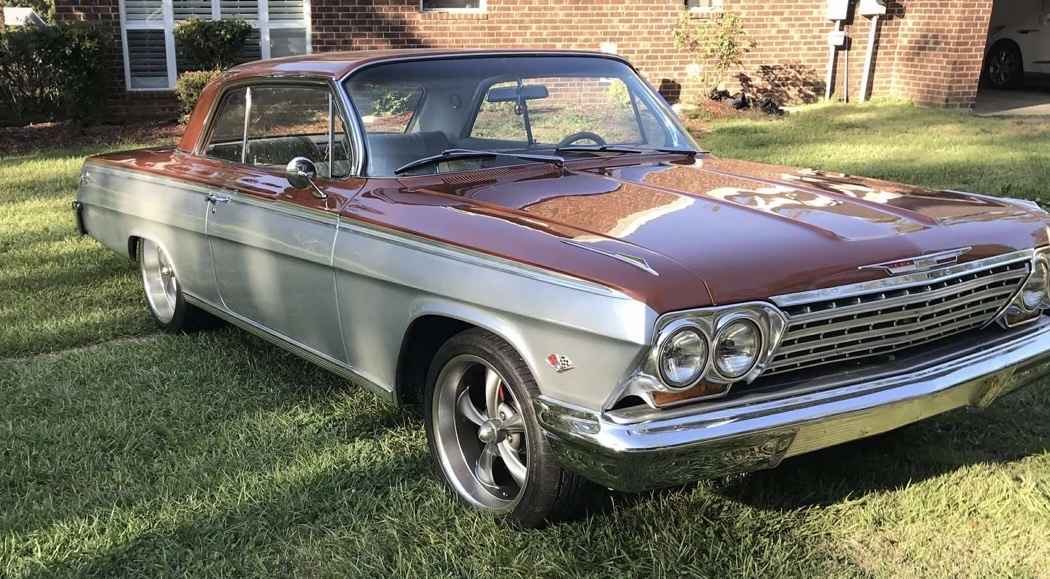
The 1961–1965 Impala SS with the 409ci W-engine is the foundational performance full-size. The body styling of this era is beautiful — the 1961 "bubble top" is one of the cleanest designs Chevrolet ever produced, and the 1962–1964 cars with the semi-fastback roofline are almost as attractive. The Super Sport package on these cars added specific interior trim, a floor console, and bucket seats that elevated the experience beyond the standard bench-seat Impala.
The Mid-Decade Transition (1965–1967)
The 1965 Impala received a redesign that made it larger and smoother — the 1965–1966 Impalas are among the best-proportioned full-size cars of the decade. The 409 was phased out in favor of the 396ci big-block (which was actually more powerful in some configurations), and the available options grew to include the 427ci Turbo-Jet engine — a different, more modern design than the W-engine 409.
The 1966–1967 Impala SS with the 427ci big-block is a genuinely quick full-size car — 385 horsepower in the standard configuration, with dealer-installed performance upgrades available that pushed the output significantly higher. These cars are undervalued relative to mid-size muscle cars of the same period, which makes them interesting for buyers who prefer full-size proportions.
The 1968–1969 Cars: The Refined Expression
The 1968–1969 Impala SS represents the design at its most resolved. The body is large, handsome, and balanced — the proportions work in a way that larger cars sometimes don't. The available 427ci Turbo-Jet (396 standard, 427 and 427ci L72 available) made these cars genuinely capable. The interiors of the 1968–1969 SS models are among the most comfortable and well-finished of the classic muscle era — this is a car you can drive four hours without fatigue.
The SS 427 Specific
The most collectible Impala SS designation is the SS 427, available from 1967–1969. The 427 Turbo-Jet big-block in its highest state of street tune produced 425 horsepower — competitive with anything in the full-size segment. Finding a documented SS 427 with the correct engine and transmission combination is increasingly difficult as cars have been separated from their original drivetrains over 55 years. Documentation via the trim tag and broadcast sheet is essential.
Browse Chevrolet Impala SS listings
What to Look For
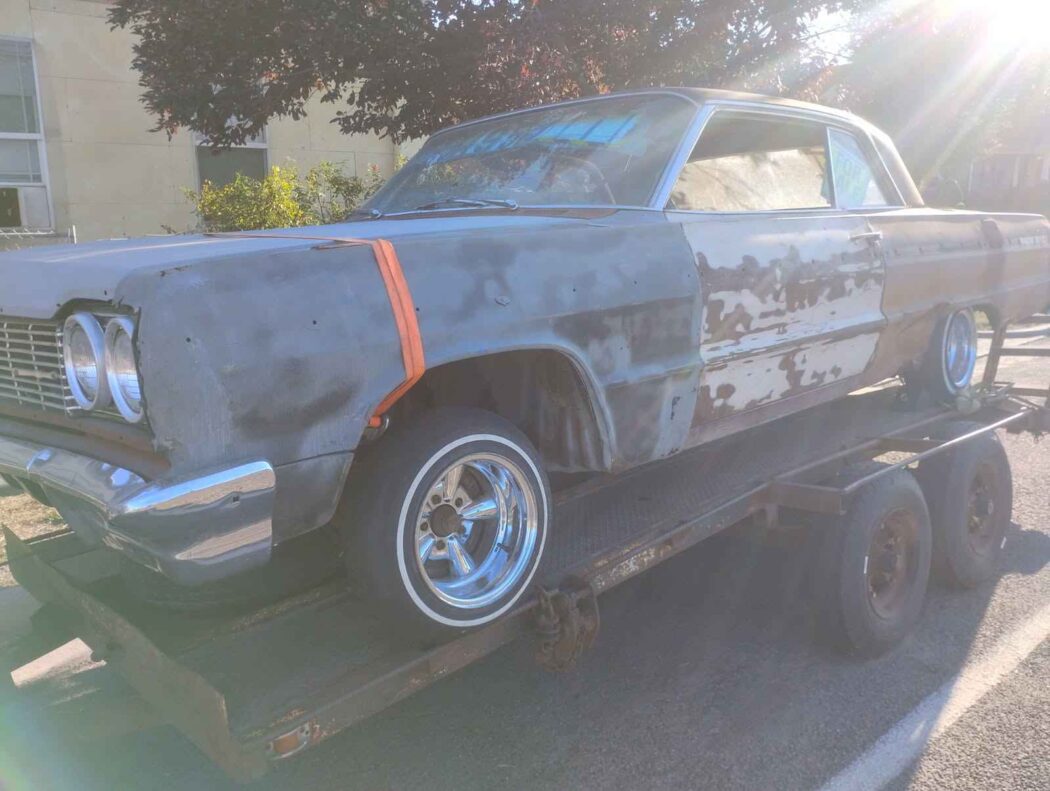
Verify the SS designation via the trim tag — the Super Sport code must be present to authenticate an SS. On 409-equipped cars, verify engine codes against the W-engine reference list. Check the cowl area, lower rear quarter panels, and trunk floor for rust — the full-size B-body platform rusts in these specific locations. On 1968–1969 cars, inspect the lower rocker area. Verify all SS-specific interior components (bucket seats, console, specific gauges) are present and correct for the year.Pre-Purchase Checklist
-
Trim Tag SS Code
Verify the Super Sport option code on the trim tag — required to authenticate as a factory SS. -
409 Engine Numbers
On W-engine 409 cars, verify engine block casting numbers against documented 409 W-engine references. -
Cowl Rust
Inspect cowl area at windshield base — structural rust here is expensive to repair. -
Rear Quarter Panels
Probe lower rear quarters and trunk floor — these rust consistently on northern-state B-body cars. -
SS Interior
Verify bucket seats, center console, and specific SS gauges are correct for the year and original. -
Broadcast Sheet
Check under the carpet for the broadcast sheet — confirms factory build options. -
Rocker Panels (1968–1969)
Check lower rockers on late cars — water intrusion from the lower edge seal causes hidden rust. -
Muncie 4-Speed
Test all gears on 4-speed cars — synchronizer wear is common and expensive to rebuild correctly.
Common Issues
Misrepresented non-SS Impalas with added SS badging — trim tag verification is essential. Cowl area rust from windshield seal failure. Lower rear quarter and trunk floor rust. W-engine 409 availability for restoration parts — less common than the FE or big-block Chevy parts. Worn Muncie four-speed synchronizers on SS 4-speed cars. Incorrect or replaced bucket seats and center consoles on "restored" examples.More Impala SS for sale
 Dealer
 United States
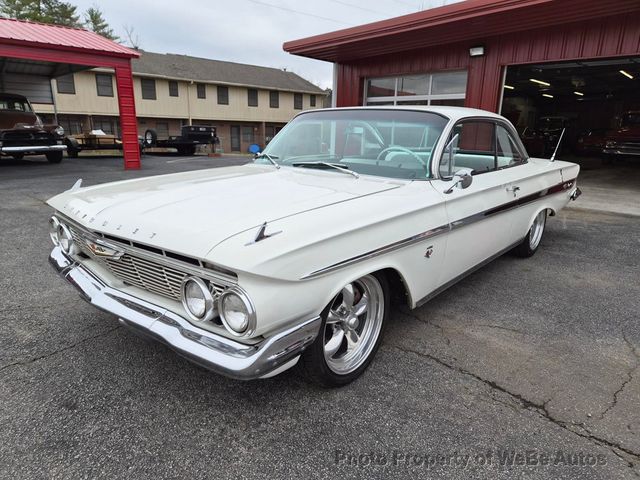
1961 Chevrolet Impala SS
 Dealer
United States
Dealer
United States
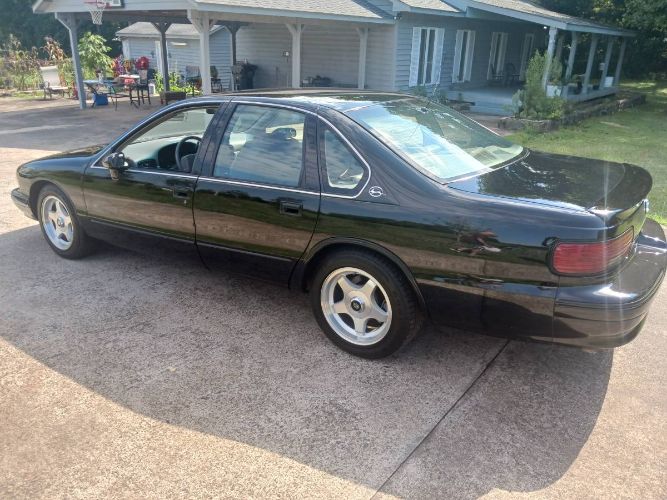
1994 Chevrolet Impala SS
Pricing Guide
1961–1964 SS 409 (documented): $35,000–$75,000. 1961 bubble-top SS with 409: $50,000–$100,000+. 1965–1967 SS 396: $22,000–$45,000. 1967–1969 SS 427 (documented): $40,000–$85,000. 1967–1969 SS 427 L72 (425hp, documented): $60,000–$120,000. Base Impalas misrepresented as SS: avoid without documentation.Fun Facts
The Beach Boys' 1962 hit "409" was written after Brian Wilson's friend Dave Marks bought a 1962 Chevrolet with the 409ci engine. The song was recorded quickly to cash in on the hot rod craze and reached #1 on the Billboard charts, making the Impala SS the only car to have a Number One hit written specifically about its engine. The 1961 Impala "bubble top" (named for its low, curved rear roofline) is widely considered one of the most elegant full-size American car designs ever produced.Frequently Asked Questions
Ready to find your Impala SS?
Browse 6+ active Chevrolet Impala SS listings on Classic Cars Arena.
View Listings →