
Classic Chevrolet Silverado Buyer's Guide
Buyer's guide for classic Chevrolet Silverado-trim C/K trucks (1975–1998). Covers square-body and OBS generation Silverado trucks: what to inspect, how to verify trim level, and current market pricing.

Before the Silverado became a standalone model in 1999, it was the top-trim designation on Chevrolet's C/K truck line — and it was the truck that every serious buyer checked the box for. From its 1975 introduction through the end of the square-body and OBS generations, the Silverado trim represented the best-equipped, best-finished version of the most popular American work truck. Today, those same trucks are actively collected, and the Silverado badge carries real premium in the classic truck market.
Understanding the Silverado Name
The Silverado trim level debuted in 1975 on the C/K truck platform, positioned above the base Custom and Custom Deluxe trims. It brought wood-grain interior accents, extra sound deadening, upgraded seats, and chrome exterior trim. The square-body generation (1973–1987) Silverado trucks are the most collected today; the OBS generation (1988–1998) that followed is entering serious collector territory with low-mileage examples now commanding real money.
Square-Body Silverado (1975–1987)
The square-body Silverado is the crown jewel of the classic Chevrolet truck market in 2024. The 1981–1987 short-bed Fleetside Silverado — with its revised front end, quad-rectangular headlights, and well-sorted trim — is the configuration that commands the highest prices. Two-tone paint combinations (Saddle Tan and Cream White; Colonial Yellow and Cream) that are factory original are desirable and add meaningful premium.
OBS Silverado (1988–1998)
The "OBS" (Old Body Style) generation Silverado launched in 1988 with a completely redesigned aerodynamic body. Low-mileage OBS Silverados (under 80,000 miles) in original condition are now actively sought, particularly the 1996–1998 model years which received sequential fuel injection and the final refinements to the platform.
What to Inspect
Square-body Silverados rust at the cab corners, lower quarters, frame rails under the cab, and the infamous cowl area where the windshield base meets the firewall. The cowl drain is critical — plugged drains rot the cab from the inside out over years. OBS trucks rust primarily at the lower door skins, cab corners, and the bed floor.
| Generation | Years | Key Engines | Collector Status |
|---|---|---|---|
| Square-body Silverado | 1975–1987 | 350 V8, 400 V8, 454 V8 | Peak demand, strong appreciation |
| OBS Silverado | 1988–1998 | 350 TBI V8, 454 V8 | Emerging collector, low-mile premiums |
"A real Silverado — not a base truck rebadged — has the YE9 Silverado trim code on the cowl tag and the interior to prove it. I've seen plenty of trucks with Silverado emblems bolted on by previous owners trying to get more money. Check the tag, check the interior trim, and compare. The real ones are worth the premium. The clones are not."
— Robert Halloran
Market Outlook
Square-body Silverado trucks are now firmly in the $25,000–$55,000 range for clean original short-beds. Two-tone Silverados in correct factory combinations command the top end. Well-executed LS-swapped restomod Silverados have cracked six figures at auction. OBS Silverados are earlier in their appreciation cycle: low-mileage survivors are $18,000–$35,000 and climbing — the trajectory looks very similar to where square-body trucks were in 2017–2019.
Browse Chevrolet Silverado listings
 Dealer
 United States
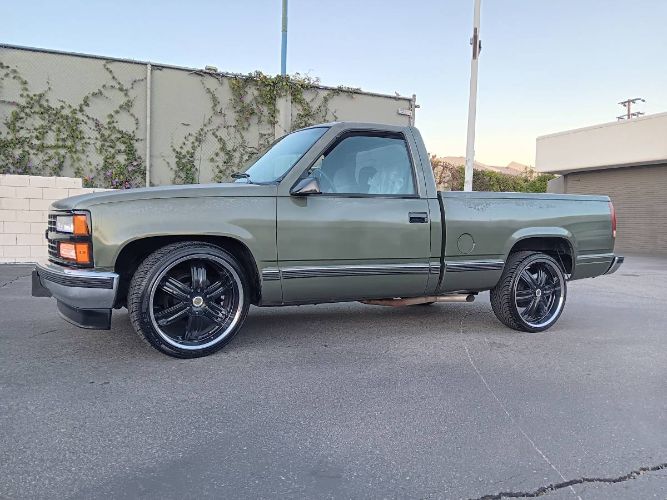
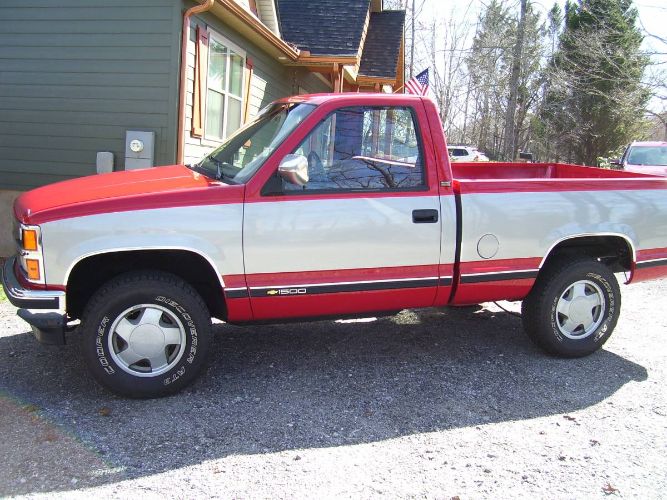
1988 Chevrolet Silverado
 Dealer
United States
Dealer
United States
1988 Chevrolet Silverado
What to Look For
Trim verification first. The Silverado trim code (YE9) on the cowl tag is the definitive proof (Z62 is the Scottsdale code). Compare the trim tag to the interior.Frame and cab second. Standard C/K frame inspection: flashlight under the truck, screwdriver to probe suspicious areas, particular attention to cab mounts and the cowl area.
Engine and transmission third. The 350 V8 in either generation should start cold without excessive cranking, idle smoothly, and pull cleanly through the full rev range.
Pre-Purchase Checklist
-
Verify YE9 Silverado trim code on cowl tag
The cowl tag lists all RPO codes. YE9 is the Silverado package code on square-body trucks (Z62 is Scottsdale). Without it, you're paying Silverado money for a base truck. -
Inspect cowl drain area
Open cowl vents above windshield. Look for rust, debris, and water staining. Plugged drains rot the cab from inside out. -
Check cab corners and lower rocker panels
Press firmly on lower door corners. Flex indicates rust-through underneath. -
Pull floor mats, inspect floor pans
Driver and passenger sides. Look for patch panels welded over rust holes. -
Inspect frame rails with flashlight and screwdriver
Focus on sections under cab and at rear crossmembers. -
Check engine oil condition
Milky oil = coolant intrusion. Black sludge = neglected service. -
Test all Silverado-trim interior features
Power windows, power locks, A/C, cruise control — failures indicate deferred maintenance. -
Verify bed style and condition
Short-bed Fleetside is most valuable. Inspect bed floor and crossmembers for rust under any bed liner. -
Drive at highway speed for 30 minutes
Listen for differential whine, transmission slip, vibration. -
Document with photos before purchase
Cowl tag, VIN, engine bay, every panel, undercarriage.
Common Issues
Square-body trucks (1973–1987) rust at the cowl area, lower cab corners, rocker panels, floor pans, and cab mount points. The cowl drain is particularly problematic — blocked drains cause rot inside the firewall hidden until major disassembly.OBS trucks (1988–1998) rust at cab corners, lower door skins, and bed floors. The rust pattern is similar but less severe due to better factory corrosion protection.
Mechanically, both generations are robust. The 400 small-block fitted in some 1973–1980 trucks has a cracked-block vulnerability if it has been overheated.
More Silverado for sale
 Dealer
United States
Dealer
United States
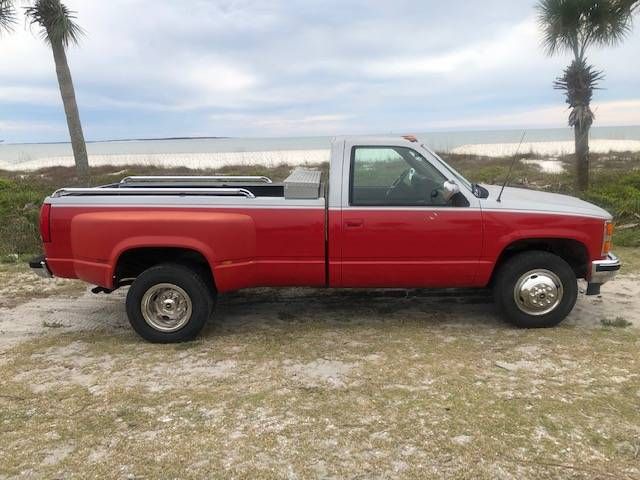
1988 Chevrolet Silverado
 Dealer
United States
Dealer
United States
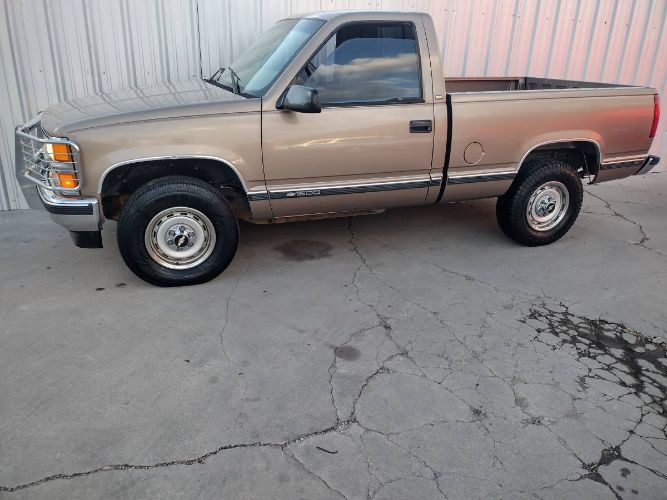
1997 Chevrolet Silverado
Pricing Guide
Square-body Silverado short-bed Fleetside (1981–1987): $28,000–$55,000 for clean original drivers; $60,000–$95,000 for professional restorations. Two-tone factory colours add 10–15% premium. Long-bed trucks are $8,000–$12,000 less.Earlier square-body Silverados (1975–1980): $22,000–$45,000 for drivers.
OBS Silverado (1988–1998): $15,000–$35,000 for low-mileage survivors. This generation is in its early appreciation phase.
Fun Facts
The Silverado name lived a double life for nearly 25 years: from 1975 to 1998 it was a trim level on C/K trucks, then from 1999 onward it became the standalone model name.The square-body Chevrolet truck was named Motor Trend Truck of the Year in its debut year (1973).
Frequently Asked Questions
Ready to find your Silverado?
Browse 6+ active Chevrolet Silverado listings on Classic Cars Arena.
View Listings →