
Classic Chevrolet C/K Series Buyer's Guide (1960–1987)
The C/K naming system covers three decades of Chevrolet trucks — the 1960–1966 originals, the iconic 1967–1972 Action Line, and the beloved Square Body era. Here's how the generations differ and what to look for in each.

When Chevrolet reorganized its truck lineup in 1960, the letters C and K became the foundation of an American institution. C for conventional two-wheel drive, K for four-wheel drive — simple, clear, and enduring. For twenty-seven years, the C/K series covered everything from half-ton haulers to one-ton workhorses across three distinct styling generations. If you're looking at a Chevrolet truck from this era and it isn't specifically labeled C10 or K10 in the listing, the buying principles here apply across the whole family.
The Three Generations
Understanding which generation you're buying is the first step in any C/K evaluation. Each has distinct styling, structural differences, and a different collector market.
1960–1966: The First Generation
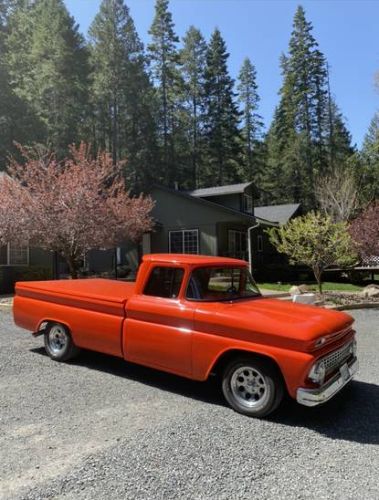
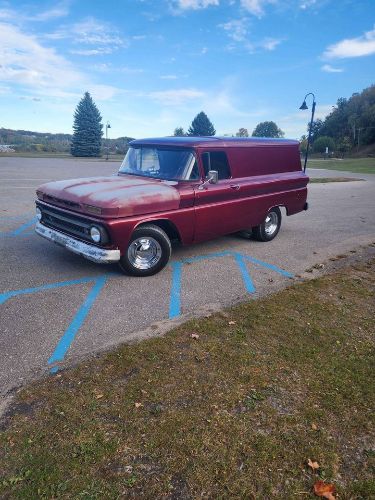
Chevrolet's first year with the C/K designation brought a genuinely clean, forward-looking design. Dual headlights, a wider cab, and a lower ride height gave these trucks a contemporary look. The 235 inline-six or optional 283 V8 handled duty. These are the rarest of the C/K generation and carry premiums among knowledgeable collectors — their design quality is underappreciated because the later generations are more culturally famous.
1967–1972: The Action Line — The Sweet Spot
The 1967 redesign is universally considered the high point of Chevrolet truck design. The new body had a larger greenhouse, cleaner lines, and a wider stance. Engine choices ran from the 250 inline-six through the 350 and 396/402 V8. Fleetside (smooth-sided bed) and Stepside (exposed fenders) body styles were available. The 1967–1972 generation is the most desirable of the C/K era — clean examples command premium prices across all configurations.
1973–1987: The Square Body
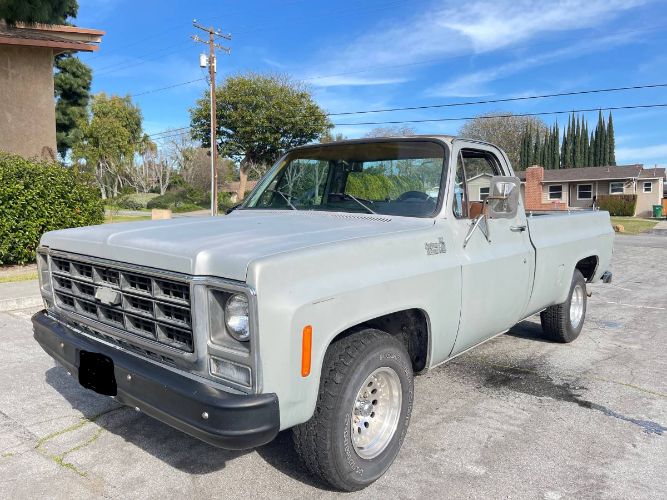
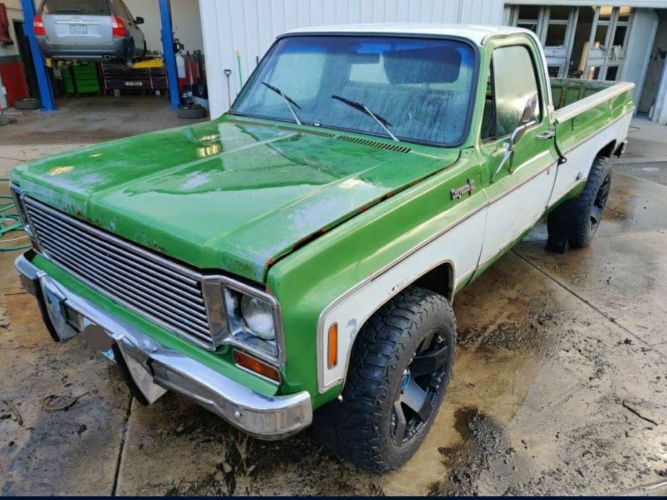
The third generation introduced the boxy "Square Body" styling that became the definitive American truck look of the late 1970s and 1980s. More interior room, improved payload ratings, and the eventual Crew Cab configuration made these trucks genuinely capable working vehicles. The Square Body is the most available and most affordable C/K generation — and its market has been rising steadily as the generation that grew up with them reaches collecting age.
Understanding C, K, and the Ton Ratings
- C = 2WD: C10 = half-ton, C20 = three-quarter ton, C30 = one-ton
- K = 4WD: K10 = half-ton 4x4, K20 = three-quarter ton 4x4
- 10 series (half-ton): Most common, most collectible across all eras
- 20 series (3/4-ton): Heavier axles, stiffer springs — distinct buying audience
- 30 series (one-ton): Commercial/work truck, often dual rear wheels, less collector demand
What to Look For in Person
Frame condition is the foundation. Get underneath and probe the full length of both rails — front kick-up, mid-frame, rear kick-up, and the section above the rear axle. Surface rust that wires off to solid metal is acceptable. Pitting that accepts a screwdriver tip under pressure is not.
Cab corners are the most common body rust location across all three generations. Water enters the lower door channel and drains into the cab corner, causing rust that starts inside the structure. Reproduction corners are available, but full assessment of spread is required before pricing. Inner cab structure rust behind the outer corner is more expensive.
Beds rust at the floor and at where the inner and outer panels meet at the top of the bed sides. Evaluate whether the bed floor is original steel, replacement wood, or replacement steel — each tells a story about the truck's working history.
| Generation | Years | Common Engines | Key Notes |
|---|---|---|---|
| 1st gen | 1960–1966 | 235 six, 283/327 V8 | Rarest, underappreciated |
| Action Line | 1967–1972 | 250 six, 307/350/396/454 V8 | Most desirable generation |
| Square Body | 1973–1987 | 250/292 six, 305/350/400/454 V8 | Most available, rising market |
"Don't buy somebody else's project. A truck that somebody started and didn't finish has usually been taken apart, had parts scattered, and sat exposed to weather while it waited for motivation that never came. Either buy a finished truck or buy a clean rust-free truck and build it yourself. The middle ground — the 'project' that's actually a parts explosion — is where money goes to die."
— Robert Halloran
Market Outlook
The 1967–1972 Action Line holds the top of the C/K market. Short-wheelbase trucks in driver condition trade at $22,000–$35,000; show quality at $50,000–$80,000. The 1973–1987 Square Body has been the fastest-appreciating segment: clean drivers trade at $18,000–$30,000 now vs. $10,000–$12,000 five years ago. The 1960–1966 first generation remains the value buy — underpriced relative to design quality and rarity.
Browse Chevrolet C/K Series listings
 Dealer
 United States
1963 Chevrolet C/K Series
 Dealer
United States
Dealer
United States
1979 Chevrolet C/K Series
What to Look For
Frame rails front-to-back — probe with screwdriver at kick-up sections and mid-frame. Cab corners — tap from outside and inspect inside lower door channel; reproduction panels available. Bed floor — assess original steel vs. replaced wood or panels. Inner cab structure behind outer corners — more expensive rust damage often hidden. Engine bay firewall for accident damage. Decode VIN before visiting to verify claimed trim level and engine. Check transfer case engagement on K (4WD) models. Inspect driver's side frame behind cab on Square Body for bracket-area corrosion. Check rocker panels and door bottoms.Pre-Purchase Checklist
-
Frame rail inspection
Probe full length of both rails with screwdriver — kick-ups and mid-section -
Cab corners
Tap from outside; inspect lower door channel from inside for water damage -
Inner cab structure
Inspect behind outer cab corner for deeper rust -
Bed floor condition
Assess original steel, replacement wood, or aftermarket panels -
VIN decode
Decode VIN before inspection to verify claimed engine, transmission, trim -
4WD engagement (K models)
Test 2H, 4H, 4L — clean engagement with no grinding -
Engine cold start
Listen for valve train or bearing noise; check oil condition -
Transmission function
Smooth engagement in all ranges, no delayed Drive from cold -
Rocker panels and door bottoms
Check lower door edges and rockers for rust -
Firewall integrity
Check firewall for front collision evidence -
Cab mounts (Square Body)
Check lower rear cab panels above cab mounts for rust — common on '73–'87 -
Axle seals (K models)
Inspect front knuckle seals and differential fill levels
Common Issues
Cab corner rust is universal across all C/K generations — the drainage channel routes water directly into the corner structure. Reproduction corners exist but inner structure must be assessed. Frame rust at kick-up sections is the structural concern. The 350 and 454 V8s are robust with enormous aftermarket support but high-mileage engines commonly need valve train work. On K-series trucks the Dana 44 front axle develops knuckle seal leaks and limited-slip wear. The TH350 and TH400 automatics are generally durable — delayed engagement from cold indicates a seal issue. Square Body trucks (1973–1987) rust at the lower rear cab panels above the cab mounts.More C/K Series for sale
 Dealer
United States
Dealer
United States
1974 Chevrolet C/K Series
 Dealer
United States
Dealer
United States
1963 Chevrolet C/K Series
Pricing Guide
1967–1972 Action Line: short-wheelbase driver $22,000–$35,000; show quality $50,000–$80,000. Square Body 1973–1987: driver $18,000–$30,000; show $38,000–$60,000. First gen 1960–1966: undervalued at $16,000–$28,000 driver. K-series 4WD carries 10–20% premium over equivalent C-series. Big-block documented trucks command meaningful premiums.Fun Facts
The 1967 redesign was shaped by GM's truck design studio, later GM's VP of Design. "Like a Rock" first appeared in 1991 advertising for the final Square Body years. The 1967–1972 C10 and its GMC sibling were the first American trucks offered with a factory full-floating rear axle as standard on heavy-duty variants.Frequently Asked Questions
Ready to find your C/K Series?
Browse 6+ active Chevrolet C/K Series listings on Classic Cars Arena.
View Listings →