
Chrysler Windsor Buyer's Guide
The Chrysler Windsor occupied the most interesting position in Chrysler's lineup for over two decades — below the New Yorker in price but sharing its chassis, its engineering ambitions, and eventually its remarkable Forward Look styling. The Windsor is the Chrysler that real collectors understand.

Sarah Whitfield here. The Windsor has lived in the New Yorker's shadow for its entire collector life, and I find this unjust. The Chrysler Windsor from 1955 to 1961 is one of the most dramatic, intelligently styled American cars of the postwar era — it carries the full force of Virgil Exner's "Forward Look" design language, the Chrysler Corporation's engineering confidence of the mid-1950s, and a driving experience that genuinely distinguished the marque from General Motors and Ford products of the period. The Windsor offered all of this at the entry level of the Chrysler brand.
The prewar (1939–1942) and immediate postwar (1946–1954) Windsors are a different matter — important to marque completists but less visually dramatic. This guide covers the full range but concentrates collector attention where it properly belongs: the Forward Look era.
Windsor Origins: 1939–1942
Chrysler introduced the Windsor name in 1940 for the 1940 model year — positioned as an entry-level Chrysler above the Plymouth and DeSoto lines but below the New Yorker and Saratoga. The name honored Windsor, Ontario, where many Chrysler vehicles were assembled for the Canadian market. The prewar Windsor used Chrysler's L-head straight-six engine (later an L-head straight-eight) and was styled conservatively in the Chrysler tradition of the era.
These prewar cars are historically complete and attract prewar specialists, but they're not the cars that define the Windsor's place in collector consciousness. The real story begins in 1955.
The Forward Look Revolution: 1955–1956
In 1955, Virgil Exner's design revolution arrived in full force across the Chrysler product lineup. The "Forward Look" — low, wide, finned, and decidedly aggressive compared to the rounded forms that General Motors was producing — transformed every Chrysler marque simultaneously. The Windsor received the full Forward Look treatment: a new body with longer, lower proportions, a wraparound windshield, modest but well-integrated tailfins, and an interior quality that benchmarked above competitive offerings.
The 1955–1956 Windsor used the 301ci "Poly" (Polyspherical) V8 — not the famous Hemi that powered the New Yorker and 300 series, but an excellent overhead-valve design with hemispherical-influenced combustion chambers that produced 188–225 horsepower. This engine is often overlooked because it isn't the Hemi, but it's a genuinely capable, well-designed unit that rewards maintenance.
The 1957–1958 Apex
The 1957 Chrysler Windsor is, in the view of many serious collectors, the finest American car of its decade for styling per dollar. Exner's second-generation Forward Look went even further: longer fins, a lower body, a wider windshield, and a swept-tail design that was simultaneously dramatic and graceful. The 1957 Windsor was a full foot longer than the comparable 1956 car, yet it sat lower and looked faster. The 354ci Poly V8 produced 285 horsepower in standard tune.
The 1957 Chrysler products are infamous for quality control issues — the rush from design to production introduced panel fit problems and trim durability issues that gave contemporary buyers legitimate complaints. From a collector's perspective, these cars were assembled to a lower standard than Chrysler's peak production, which means more examples have deteriorated than might otherwise be the case. Survivors with intact original structure are valuable precisely because so many were compromised.
| Year | Engine | Output | Styling Notes |
|---|---|---|---|
| 1955–1956 | 301ci Poly V8 | 188–225 hp | First Forward Look, wraparound windshield |
| 1957–1958 | 354ci Poly V8 | 285–290 hp | Apex tailfins; quality control issues |
| 1959–1960 | 383ci V8 | 305–325 hp | Revised fins, cleaner tail treatment |
| 1961 | 361ci V8 | 265 hp | Final Windsor year; unit body construction |
The 1959–1961 Final Years
The 1959 redesign softened the extreme fins of 1957–1958 into a cleaner treatment that, in retrospect, represents Exner's most controlled application of the Forward Look. The 383ci V8 was a new engine family that would carry Chrysler through the 1960s. The 1961 Windsor marked the end of the nameplate — Chrysler eliminated it for 1962, consolidating the lineup.
The 1961 cars introduced unit body construction to the Windsor, replacing the separate-body-on-frame approach that had defined all previous Windsors. This makes 1961 a transition year: technically the most modern Windsor but arguably the least characterful for the collector who values the traditional Chrysler full-body architecture.
"The Chrysler Windsor represents what I value most in the collector market: genuine quality and genuine styling at a price that reflects name recognition rather than substance. From a concours judging perspective, a correctly restored 1957 Windsor Convertible is as worthy of attention as any New Yorker of the same year. The market disagrees with me on price — which is why I tell serious buyers to act."
— Sarah Whitfield
Browse Chrysler Windsor listings
 Dealer
 United States
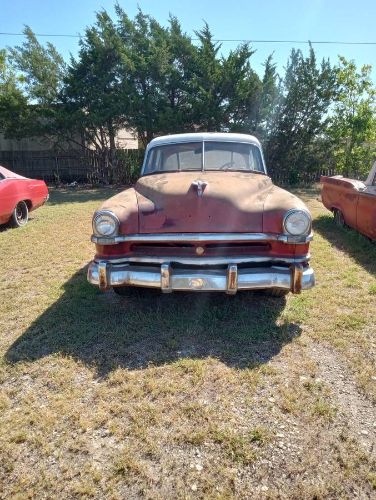
1951 Chrysler Windsor
 Dealer
United States
Dealer
United States
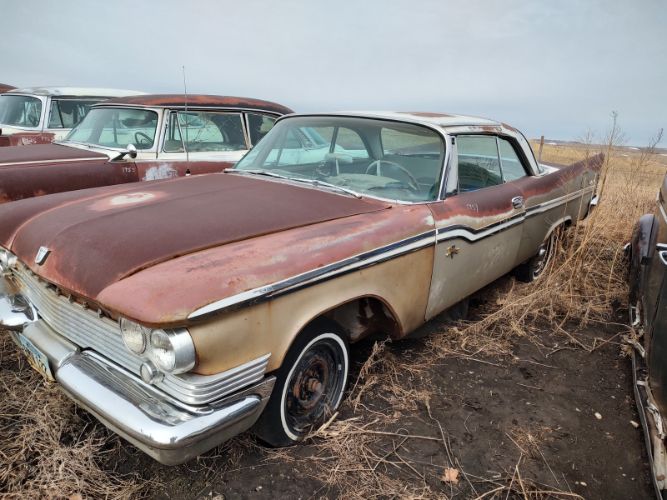
1959 Chrysler Windsor
What to Look For
On 1957–1958 Windsors specifically, inspect the body structure carefully — the quality control issues of those production years mean more body panel fits problems and more compromised structural sections than comparable 1955–1956 or 1959–1961 examples. Probe the lower rear quarters and the rear floor pan thoroughly. On all Forward Look Windsors (1955–1961), inspect the tailfin bases for rust — water accumulates in the fin cavities. On convertibles, inspect the body structure behind the rear doors for water damage from top-down intrusion. On any Windsor, verify the Poly V8 runs without excessive oil consumption — a cold-start smoke test addresses this. The TorqueFlite automatic transmission on post-1956 cars is one of the most durable American automatics ever built, but verify clean operation through all selector positions.Pre-Purchase Checklist
-
Body Panel Fit (1957–1958)
On 1957–1958 cars, check body panel gaps carefully — production quality control issues make structural problems more common. -
Tailfin Base Rust
Probe the bases of all tailfins where they meet the lower body — water accumulates and rusts from inside. -
Rear Floor Pan
Inspect from underneath and inside — rear floor pan rust is common on salt-belt examples. -
Poly V8 Smoke Test
Cold start — blue smoke indicates valve seal wear on the Poly V8; manageable but budget for repair. -
Torsion Bar Ride Height
Check that the car sits level and the front suspension feels consistent — torsion bar deterioration causes uneven height. -
TorqueFlite Operation
Select all positions (D, L, R, N) — TorqueFlite is durable but band adjustment needed on high-mileage examples. -
Convertible Structure (if applicable)
On convertibles, inspect behind rear doors for water damage and structural rust from top-down intrusion. -
Chrome Trim Completeness
Inventory the exterior chrome — Windsor-specific pieces can be difficult to source correctly.
Common Issues
1957–1958 production quality control issues: body panel gaps, trim clip failures, and fit problems more common than adjacent years. Tailfin base rust from water accumulation in the fin cavities. Rear floor pan and trunk floor rust on salt-belt cars. Poly V8 oil consumption from worn valve seals on high-mileage unrestored examples. Convertible top mechanism rust and hydraulic seal failures. TorqueFlite band adjustment needed on high-mileage examples. Front torsion bar deterioration causing uneven ride height — the torsion bar front suspension on all 1957–1965 Chrysler products requires inspection.More Windsor for sale
 Dealer
United States
Dealer
United States
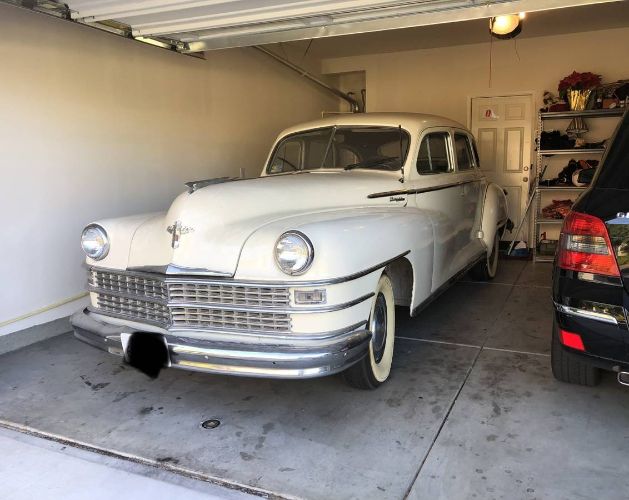
1947 Chrysler Windsor
 Dealer
United States
Dealer
United States
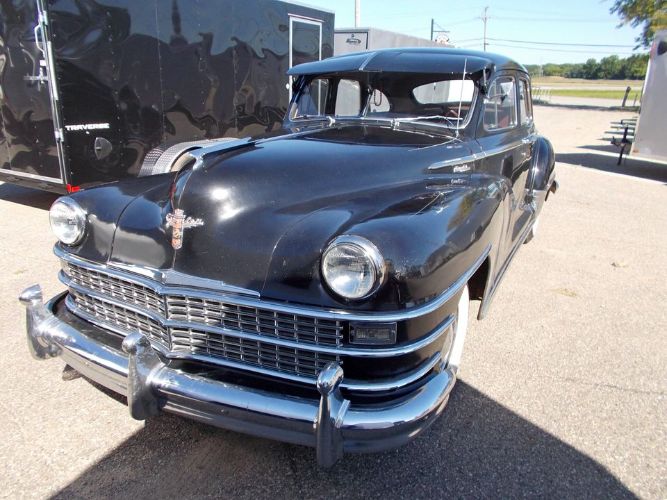
1947 Chrysler Windsor
Pricing Guide
Prewar Windsor (1940–1942): $12,000–$28,000. Postwar Windsor (1946–1954): $8,000–$20,000. 1955–1956 Windsor (driver): $12,000–$25,000. 1957–1958 Windsor (structurally sound driver): $16,000–$35,000. 1957–1958 Windsor Convertible (documented): $35,000–$65,000. 1959–1961 Windsor: $12,000–$28,000. Equivalent New Yorker examples trade at 20–35% premium for the same year and condition — the Windsor's value proposition.Fun Facts
The Chrysler Windsor was named for Windsor, Ontario — the Canadian city directly across the Detroit River from the Chrysler headquarters — where many Chrysler vehicles were assembled for Canadian and export markets. The 1957 Chrysler lineup, including the Windsor, was designed so quickly (Virgil Exner's team had approximately 18 months from concept to production) that quality control suffered across the entire model year — a known historical issue that paradoxically makes intact 1957 Chrysler survivors more valuable. The TorqueFlite automatic transmission introduced in 1956 Chrysler products (available on the Windsor from 1957) is widely considered the most durable automatic transmission ever fitted to an American production car.Frequently Asked Questions
Ready to find your Windsor?
Browse 6+ active Chrysler Windsor listings on Classic Cars Arena.
View Listings →