
Ford Galaxie 500 vs Chevrolet Impala SS — Full-Size American Muscle
<p>The Ford Galaxie 500 and Chevrolet Impala SS competed directly throughout the 1960s for the full-size muscle car buyer — and both were factory-built NASCAR contenders at their peak. The Impala SS won the popularity contest by a landslide: Chevrolet sold more Impalas in a single year than Ford sold Galaxies in several. The Galaxie 500, by virtue of lower production and more aggressive NASCAR involvement, has emerged as the better investment for serious collectors. The comparison today is not just about which is a better car — it is about which market you want to enter.</p>
Specs side-by-side
| Spec | Chevrolet Impala | Ford Galaxie |
|---|---|---|
| Peak engine (NASCAR era) | 409 V8 (425 hp, 1963) | 427 High Riser FE (425 hp) |
| Peak street engine | 427 L72 (425 hp, 1966–1969) | 428 Cobra Jet (335 hp, 1968) |
| Factory documentation | Protect-O-Plate / dealership records | Marti Report (1967–1969) |
| Aftermarket support | Excellent — deepest of any full-size American car | Good — FE engine well supported |
| 2026 value (top spec) | $45,000–$90,000 | $45,000–$90,000 |
| Market liquidity | High — broad recognition | Moderate — specialist buyer base |
The case for Chevrolet Impala
The Chevrolet Impala SS makes its case on liquidity, recognition, and the deepest parts supply of any full-size American car of the 1960s. The 409 (1961–1965) and the L72 427 (1966–1969) Impala SS are familiar to every muscle car buyer in the country — the recognition premium is real and translates directly to resale speed. Production volumes that dwarf the Galaxie mean more clean examples exist, more specialists know these cars, and the aftermarket support (trim, chrome, mechanical components) is more complete. The 1967 Impala SS 427 L72 is a legitimate collectible at $45,000–$85,000 that draws buyers at every auction. For a first-time full-size muscle car buyer, the Impala SS is the less risky choice: deeper market, more buyers, more transparent pricing.
The case for Ford Galaxie
The Ford Galaxie 500 makes its investment case on relative scarcity, NASCAR heritage, and a market that has not fully caught up with its performance credentials. The 1963–1964 Galaxie 500 XL with 427 High Riser or the 1966–1968 fastback with 428 Cobra Jet represent the performance ceiling of the full-size Ford segment, and they traded blows with the 409 Chevrolet and the Hemi Plymouth on the strip and on the superspeedway. The Marti Report for 1967–1969 cars provides the same factory documentation level as the Corvette tank sticker or the Camaro broadcast sheet — making authentication straightforward. In my shop, the Galaxie consistently appraises 15–25% below comparable-specification Chevrolet product for equivalent condition — that gap represents buying opportunity for the collector who does the homework.
Verdict
For the collector who wants to maximize long-term appreciation from an undervalued starting point, the Ford Galaxie 500 — particularly the 1963–1964 XL with 427 or the 1966–1968 fastback with 428 CJ — is the better investment. The market gap versus comparable Chevrolet product is not justified by any meaningful quality or performance difference, and it is closing. For the collector who wants immediate liquidity and the deepest buyer pool, the Impala SS is the safer choice. The Marti Report and Impala SS registry documentation make authentication equally rigorous for both; the buying decision comes down entirely to market strategy.
Recent Chevrolet Impala listings
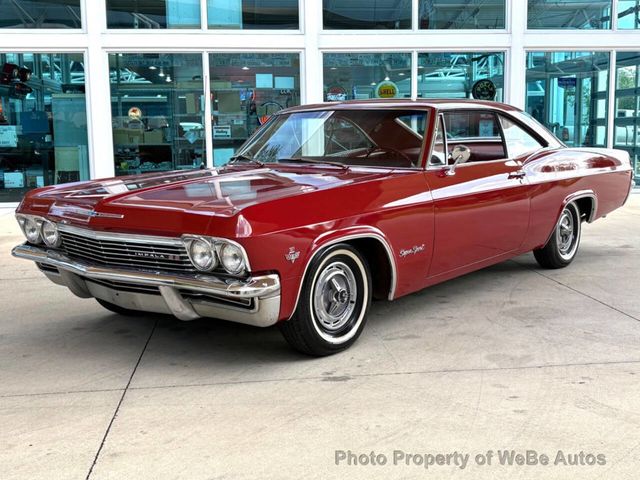 Dealer
 United States
1965 Chevrolet Impala
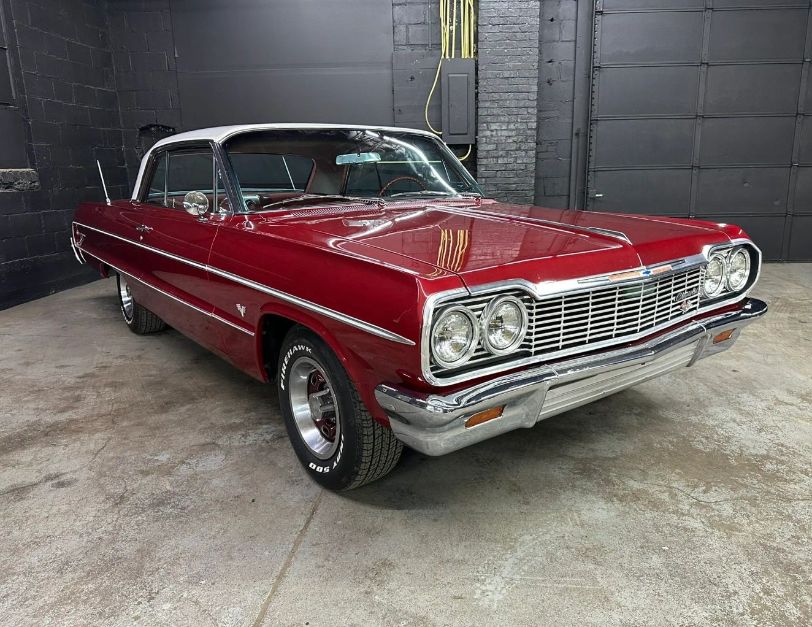 Dealer
United States
Dealer
United States
1964 Chevrolet Impala
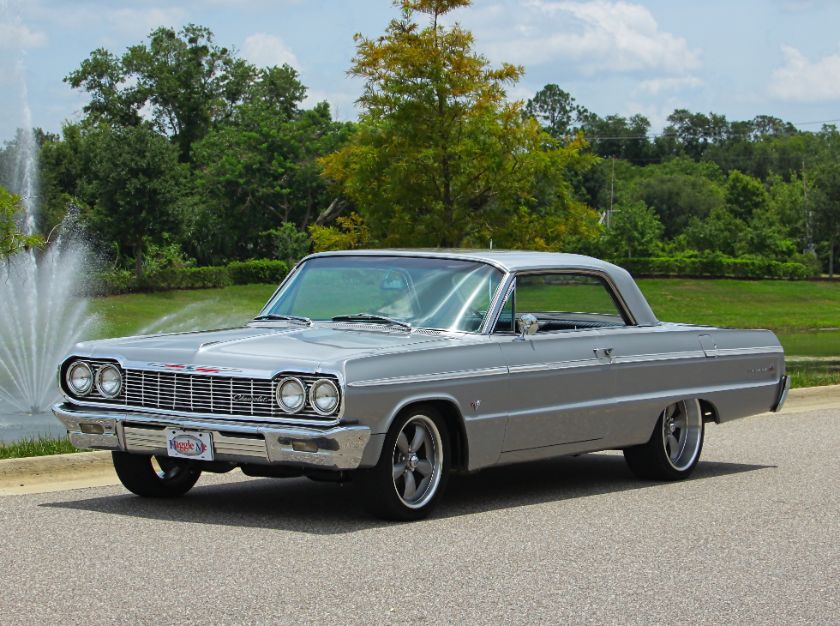 Dealer
United States
Dealer
United States
1964 Chevrolet Impala
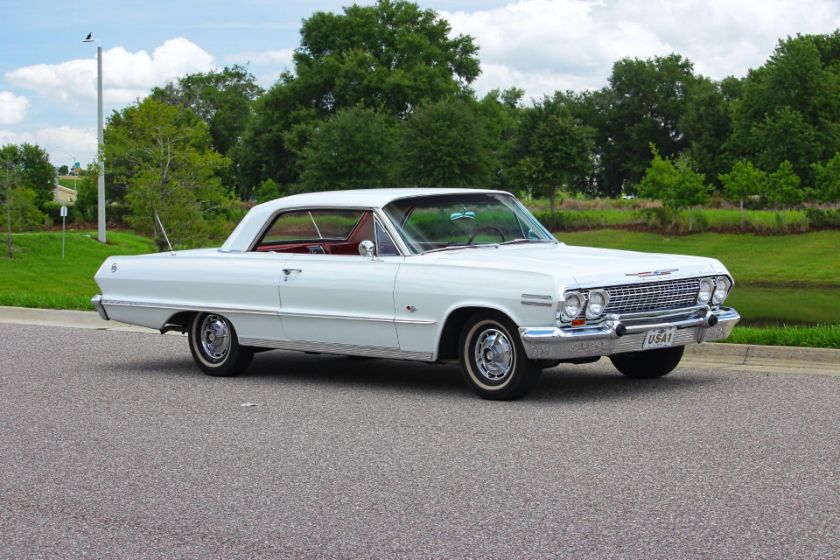 Dealer
United States
Dealer
United States
1963 Chevrolet Impala
Recent Ford Galaxie listings
 Dealer
United States
Dealer
United States
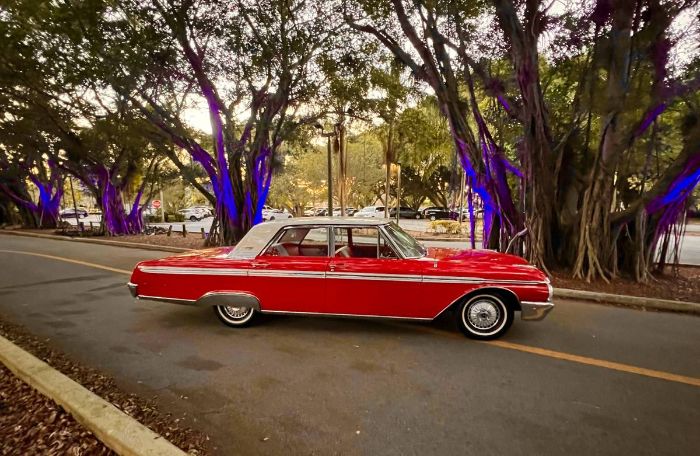
1962 Ford Galaxie
 Dealer
United States
Dealer
United States
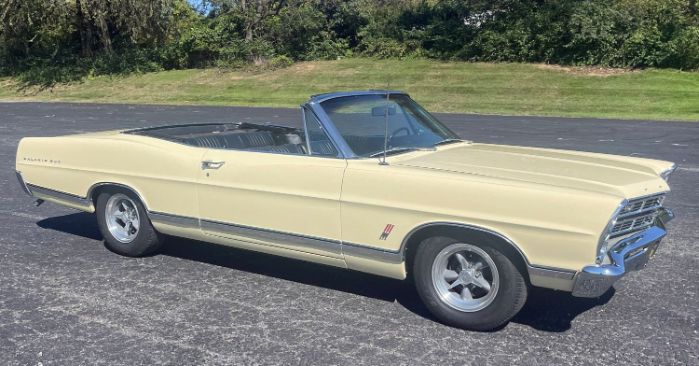
1967 Ford Galaxie
 Dealer
United States
Dealer
United States
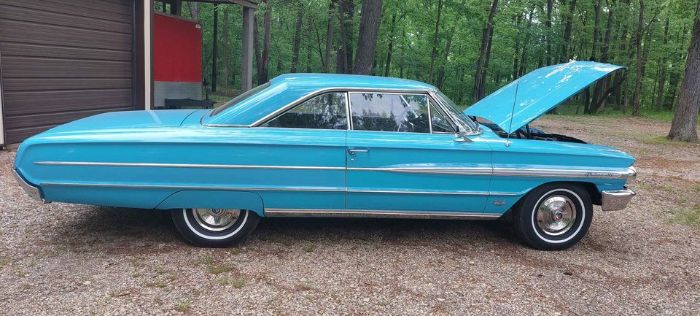
1964 Ford Galaxie
 Dealer
United States
Dealer
United States