
Lotus Elan vs MGB — British Roadsters Compared
<p>The Lotus Elan (1962–1975) and the MGB (1962–1980) share a country of origin, a convertible body style, and a production period — and almost nothing else. The Elan is a lightweight, technically sophisticated sports car built around Colin Chapman's backbone chassis philosophy; the MGB is a refined, accessible roadster built for the volume market that prioritized driver comfort and easy maintenance over engineering extremity. Both have genuine followings that understand exactly what each car offers. The comparison reveals two completely different philosophies of what a British sports car should be.</p>
Specs side-by-side
| Spec | Lotus Elan | MG MGB |
|---|---|---|
| Production years | 1962–1975 | 1962–1980 |
| Engine | 1.6L Ford/Lotus Twin Cam | 1.8L BMC B-series pushrod |
| Power | 105–126 hp | 95 hp (UK) / 78 hp (US) |
| Curb weight | ~1,380 lbs | ~2,030 lbs |
| Chassis | Steel backbone, fibreglass body | Unitary steel monocoque |
| Rear suspension | Independent (Chapman strut) | Live axle |
| 2026 value range | $35,000–$75,000 | $12,000–$28,000 |
The case for Lotus Elan
The Lotus Elan makes its case through a driving experience that is simply not available at any price in the modern market. Chapman's backbone chassis with fully independent suspension on all four corners — a genuine engineering achievement for a production car in 1962 — gives the Elan cornering behavior that the MGB's live rear axle cannot approach. The Ford Kent twin-cam engine (designed by Harry Mundy, not Colin Chapman, but developed through the Lotus racing program) produces 105–126 hp from 1.6 litres in a car weighing under 1,400 lbs. The steering is rack-and-pinion with virtually no power assistance — every road surface communicates directly to the driver's hands. This is the car that taught a generation of engineers how lightweight construction transforms handling. Current values at $35,000–$75,000 for well-sorted examples are rising but remain below the Elan's true engineering merit.
The case for MG MGB
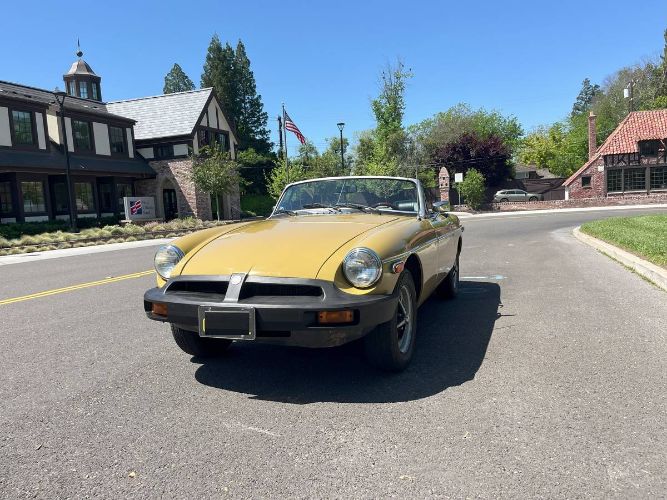
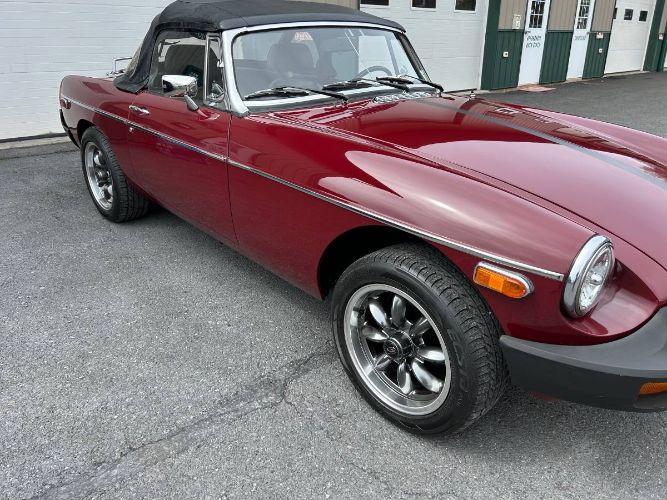
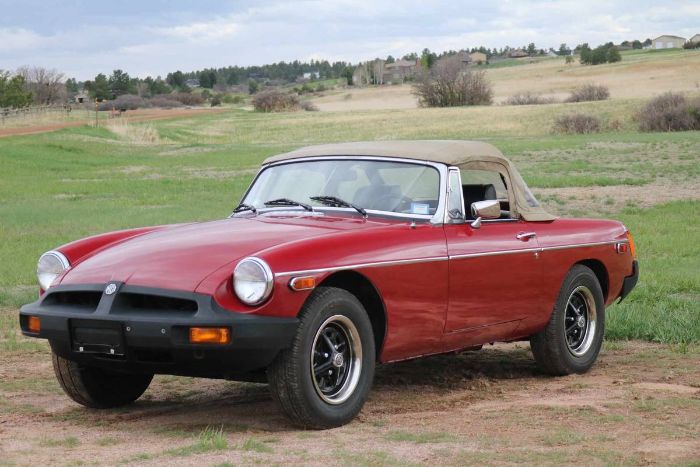
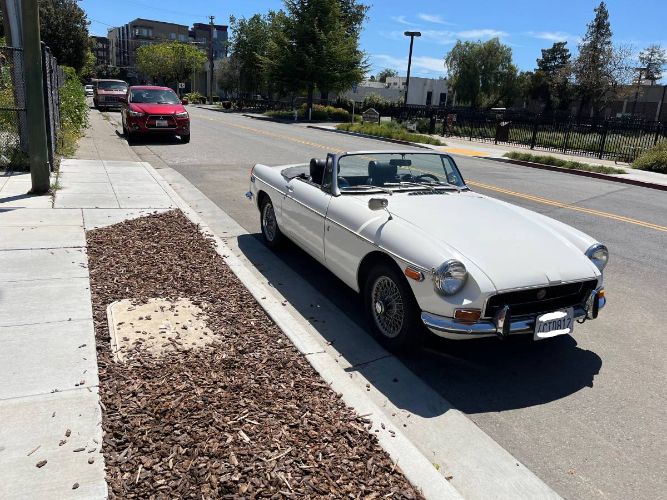
The MGB makes its case through accessibility, parts support, and a genuinely enjoyable driving experience that is far less demanding than the Elan. The B-series 1.8-litre pushrod engine is simple, robust, and extremely well-supported by a global MGB aftermarket that has manufactured reproduction parts since the 1980s. The car's live rear axle — a criticism from purists — actually delivers predictable, well-communicated handling that new drivers learn quickly and experienced drivers can work with confidently. The MGB convertible experience — warm evenings, top down, proper manual gearbox — delivers what most classic car buyers actually want from a British roadster without the Elan's specialist maintenance demands. Values at $12,000–$28,000 for driver-quality examples make the MGB the most accessible entry into British classic sports car ownership at any level. The global parts supply is as good as any classic car in the market.
Verdict
The Elan is the better sports car; the MGB is the better classic car ownership experience for most buyers. This is not faint praise for either — it is an accurate description of what each car was designed to do. Buyers who want the engineering pinnacle of British sports car construction at a size where driver skill is fully engaged should accept the Elan's demands and find a properly sorted example. Buyers who want a British roadster for weekend driving, club events, and occasional touring — with the confidence that any problem can be diagnosed and resolved — should own an MGB. The two cars are not really competing for the same buyer; they are serving different needs within the same nostalgic category.
Recent MG MGB listings
 Dealer
 United States
1975 MG MGB
 Dealer
United States
Dealer
United States
1977 MG MGB
 Dealer
United States
Dealer
United States
1979 MG MGB
 Dealer
United States
Dealer
United States