Published June 10, 2026Updated June 19, 20264 generations1962–1980
The MGB is the car that taught a generation of Americans how to own a sports car, and it did so by being approachable in every way that mattered: cheap to buy, simple to fix, and forgiving of mistakes. Underneath the friendly shape is a conventional piece of engineering, a 1798cc B-series four with twin SU carburetors, a four-speed gearbox, and a unibody that was advanced for 1962 even if the running gear was not. More than half a million were built over eighteen years, which is why parts support today is the best in the British sports car world. The one thing that decides whether any MGB is worth buying is the state of the steel, because these cars rust structurally, not cosmetically. Here is how the MGB developed across its long run.
MG MGB — Generation by Generation
1962–1967
Mark I
"The original chrome-bumper roadster"
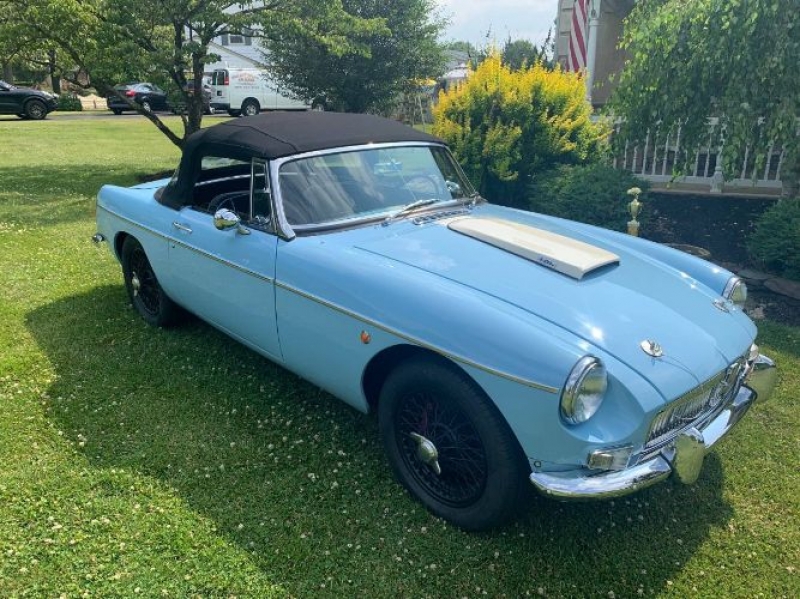
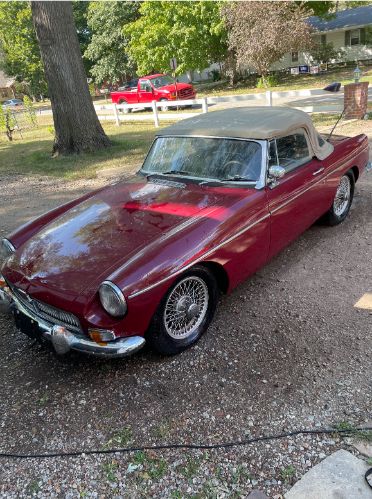
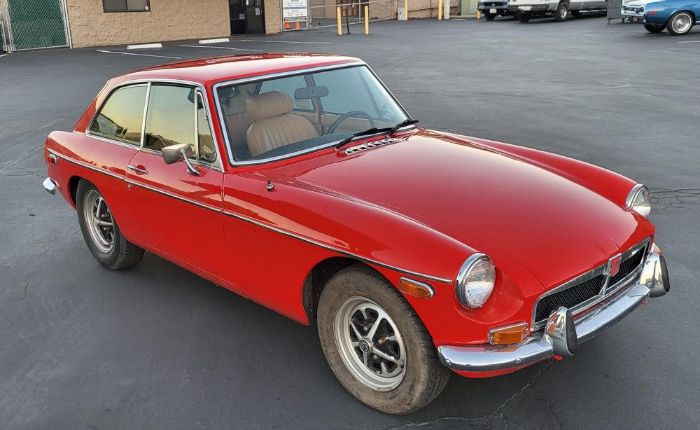
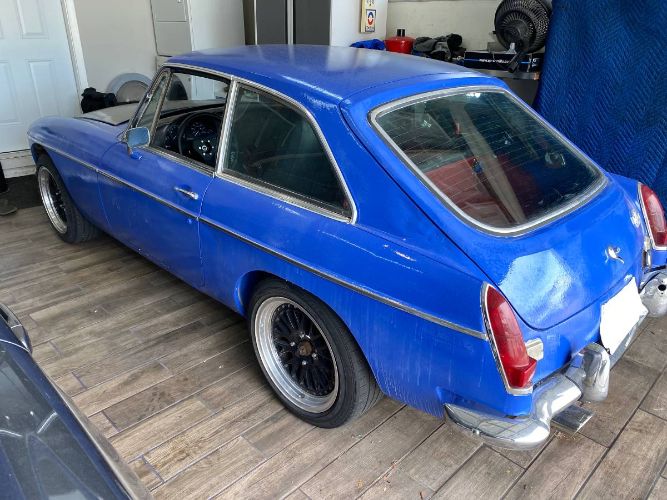
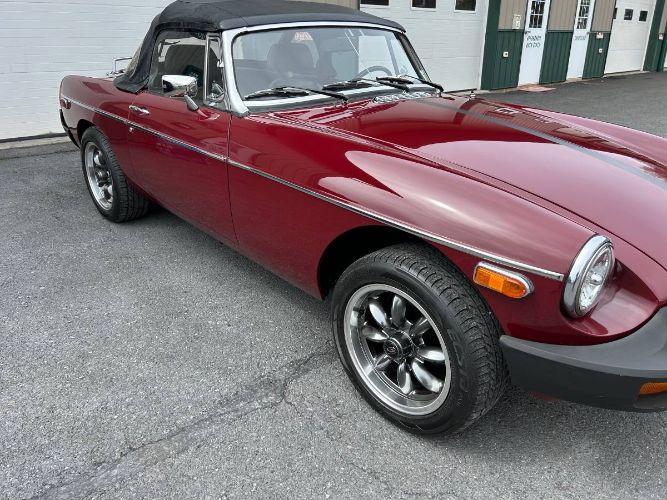
The MGB launched in 1962 as a modern unibody replacement for the MGA, with roll-up windows and a comfortable cockpit that made it more usable than its predecessor. The earliest cars used a three-bearing crank engine and pull-handle door releases, both changed in 1964 when a stronger five-bearing crankshaft arrived. The MGB GT, a Pininfarina-styled fastback coupe, joined in 1965 and added practicality. These early chrome-bumper cars are the purest expression of the design and the most collectible.
Key Changes
→
Modern unibody replacing the MGA
→
Three-bearing engine, then five-bearing from 1964
The Mark II of 1967 brought a fully synchronized gearbox, the option of an automatic, and revised electrics with a negative-earth system. Alongside it, MG offered the MGC, which dropped a 2.9-liter inline-six under a bulged bonnet for buyers who wanted more pace. The MGC handled differently because of the heavier nose and sold modestly, which makes it the rarer collector choice today. The core MGB carried on largely unchanged in character.
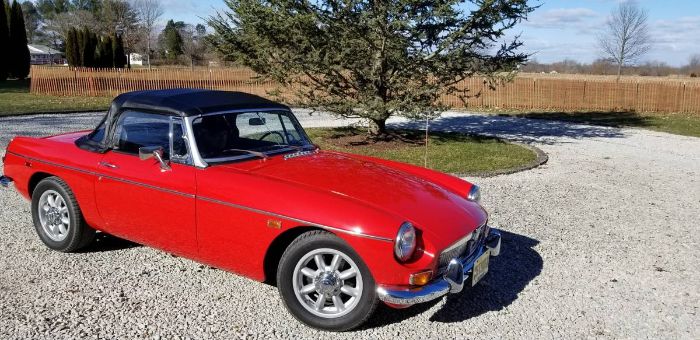
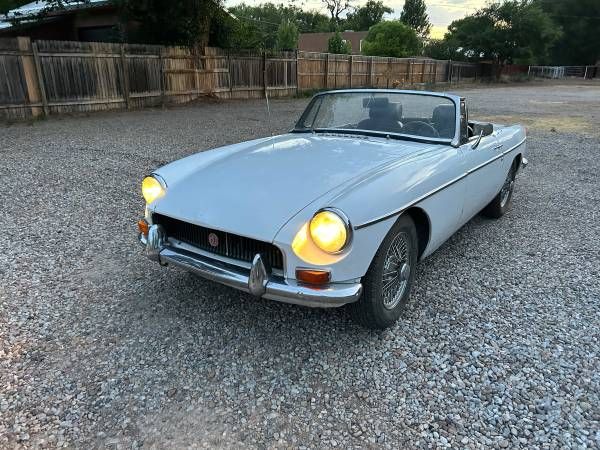
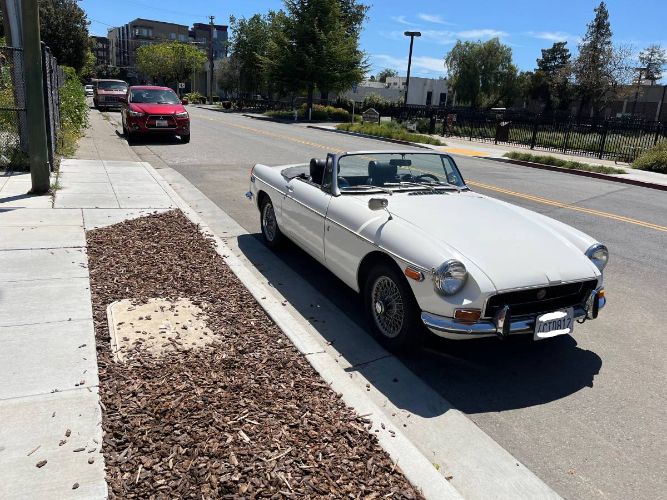
The early 1970s cars kept the chrome bumpers but adopted detail changes: a recessed black grille for a couple of years before a return to a more traditional look, revised interiors, and tightening US emissions equipment that softened power. In Britain MG even built a V8 version of the GT, though it never came to the US. These are the final chrome-bumper cars, and buyers who want the original lower stance without the earliest cars' quirks often target this run.
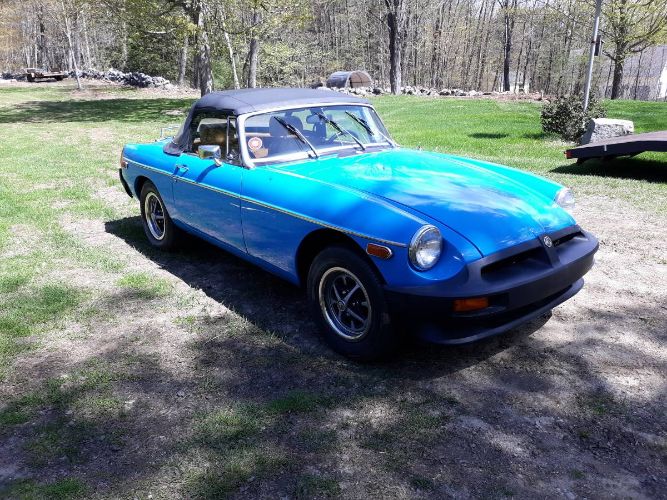
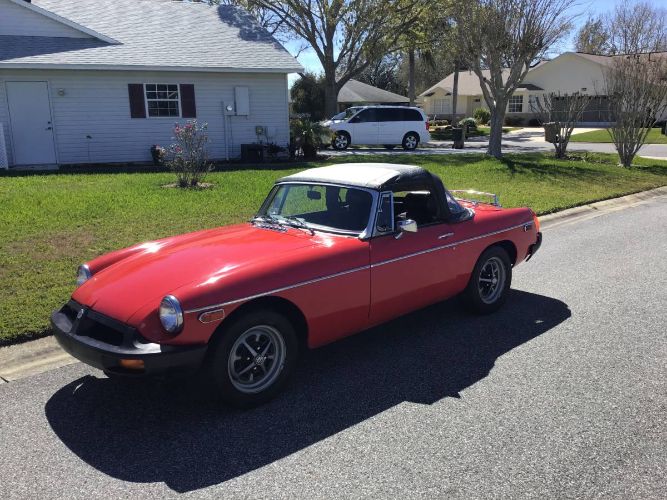
From late 1974 US safety rules brought the large impact-absorbing black bumpers and a raised ride height to meet headlamp and crash standards, the most significant visual change in the car's life. A single carburetor and tighter emissions controls trimmed power further, and handling softened with the higher stance. These rubber-bumper cars are the most affordable way into MGB ownership and just as usable as the chrome cars. Production ended in 1980 when the Abingdon factory closed.
For a buyer, the choice usually comes down to the chrome-bumper versus rubber-bumper question. The 1962 to 1974 chrome cars sit lower, look the way most people picture an MGB, and carry the higher values, while the later rubber-bumper cars are cheaper and just as usable once you accept the raised ride height. The GT adds a practical hatchback shape and Pininfarina styling for those who want a coupe. On every one of them, inspect the sills, floors, and rear spring hangers first, because structural rust is what turns a cheap MGB into an expensive one. The mechanicals are simple and well supported, so a solid, rust-free shell is the asset worth paying for.
Frequently Asked Questions
Chrome-bumper MGBs were built from 1962 to 1974 and sit at the original lower ride height. From late 1974, US safety rules forced large black rubber bumpers and a raised ride height, which changed the look and slightly affected handling. Chrome cars are generally more sought after.
The MGB uses a 1798cc B-series four-cylinder with twin SU carburetors, making around 95 horsepower early on. US emissions tuning reduced output through the 1970s, and later cars used a single Zenith-Stromberg carburetor.
The MGC, built 1967 to 1969, looks similar to the MGB but uses a 2.9-liter inline-six instead of the four, with a bonnet bulge to clear the larger engine. It is rarer and offers more straight-line speed at the cost of nose-heavy handling.
📖
Thinking of Buying One?
Read our MG MGB Buyer's Guide — pre-purchase checklist, common issues, and pricing.
Bay Area engineer with a deep focus on vintage Japanese and European performance cars. Approaches classic car research and restoration with an analytical eye.


 Dealer
 United States
 Dealer
 Dealer
 Dealer
 Dealer
 Dealer
 Dealer
 Dealer
 Dealer
 Dealer