
Dodge Charger Buyer's Guide
The Dodge Charger is one of American muscle's most iconic silhouettes — a fastback bruiser with a long hood, a short tail, and a HEMI option that still makes hearts race. From its 1966 debut through the B-body generation, the Charger defined what a performance car could look like.

Mike Sullivan here, and the Dodge Charger needs no introduction. When people picture American muscle, they picture a Charger. The fastback roofline, the hidden headlights, the long hood — it's a design that photographers have been chasing since the day it rolled out of the Hamtramck assembly plant. Add a 440 or a 426 HEMI and you have a car that still makes professional racers nervous at stoplights.
The Charger's story runs from 1966 through 1978, but the definitive generation is the B-body era of 1968–1970. These are the cars that Bullitt and The Dukes of Hazzard made iconic, and they remain among the most sought-after — and most carefully scrutinized — classic cars in the market.
The First Charger (1966–1967)
The original Charger was a styling exercise on the mid-size Coronet platform — a fastback notchback (not a true fastback) with a full-width tail lamp and a sporty interior featuring four individual bucket seats. It was handsome rather than stunning, and the styling was considered somewhat conservative compared to what GM was doing with the mid-size Chevelle and the A-body Pontiac. Nevertheless, the 1966–1967 Charger established the template and offered every performance option in the Dodge catalog, including the legendary 426 HEMI.
These first-generation cars are somewhat overlooked by collectors focused on the second-gen design, which makes them a relative value for buyers who want HEMI power and period correctness at a lower price point than an equivalent 1968–1970 car.
The Definitive Generation (1968–1970)
The 1968 redesign produced one of the greatest automotive designs of the twentieth century. The "Coke bottle" body, the recessed grille, the hidden headlights, the flying buttress C-pillars, and the fastback roofline combine into a package that still looks modern. Every major dimension is right — the proportions communicate speed even at a standstill.
The 1968 Charger was also a genuine NASCAR success, which fed public perception and drove sales. The winged Charger Daytona debuted in September 1969 at Talladega, where Richard Brickhouse won its first race (the February 1969 Daytona 500 had been won by LeeRoy Yarbrough in a Ford) — the winged version with the extended nose cone and towering rear wing. That car's performance aura transferred to every Charger on dealer lots.
The 1969 Charger R/T is the sweet spot of the generation: identical body to 1968 but with revised front styling that most collectors prefer, and all the performance options in full production. The 440 Six Pack (three two-barrel carburetors) is the most popular option among buyers who want reliable performance without the maintenance intensity of the HEMI. The 426 HEMI is the ultimate, but it requires genuine commitment to maintain correctly.
The 1970 Charger received an updated front end that remains divisive among purists — some prefer the 1970's cleaner look, others prefer the 1968–1969 recessed grille. Both are excellent cars; it comes down to personal preference.
The Third Generation (1971–1974)
The 1971–1974 Charger grew larger and heavier, reflecting the market's shift toward luxury features and the beginning of emissions regulations' impact on performance. These are good cars that have historically been undervalued — a 1971 Charger R/T with a 440 is a genuinely fast and capable machine, and prices have been climbing as collectors recognize the value. The 1971–1972 examples with high-compression engines and pre-emissions tuning are particularly sought after.
Performance Options That Define Value
No other factor determines a Charger's value more than its powertrain documentation. The hierarchy, from most to least valuable: 426 HEMI (most desirable, most expensive, rarest), 440 Six Pack (three 2-barrel carbs, very desirable), 440 Magnum (single 4-barrel, excellent performance, better parts availability), 383 Magnum (the most common muscle engine in these cars, still plenty capable), 318 V8 (not a performance engine, base model). A HEMI Charger is worth three to five times an equivalent 318-powered car. Documentation is everything.
What to Watch For
Clone cars are the primary concern in the Charger market. The B-body Dodge platform used a common shell across Charger, Coronet, and Super Bee models, which makes it possible (and profitable) to transform a low-value base car into a "documented" high-value variant. Verification services exist specifically for Chrysler products — a Broadcast Sheet or Fender Tag decode should be done by an expert before any major purchase.
Structural rust on B-body cars follows predictable patterns: the trunk floor, the lower quarter panels behind the rear wheels, the floor pans under the rear seat, and the front frame rails. The hidden headlight mechanism can trap moisture and cause rust in the nose. Any unibody Charger should be inspected on a lift by someone who knows specifically what to look for.
Browse Dodge Charger listings
 Dealer
 United States
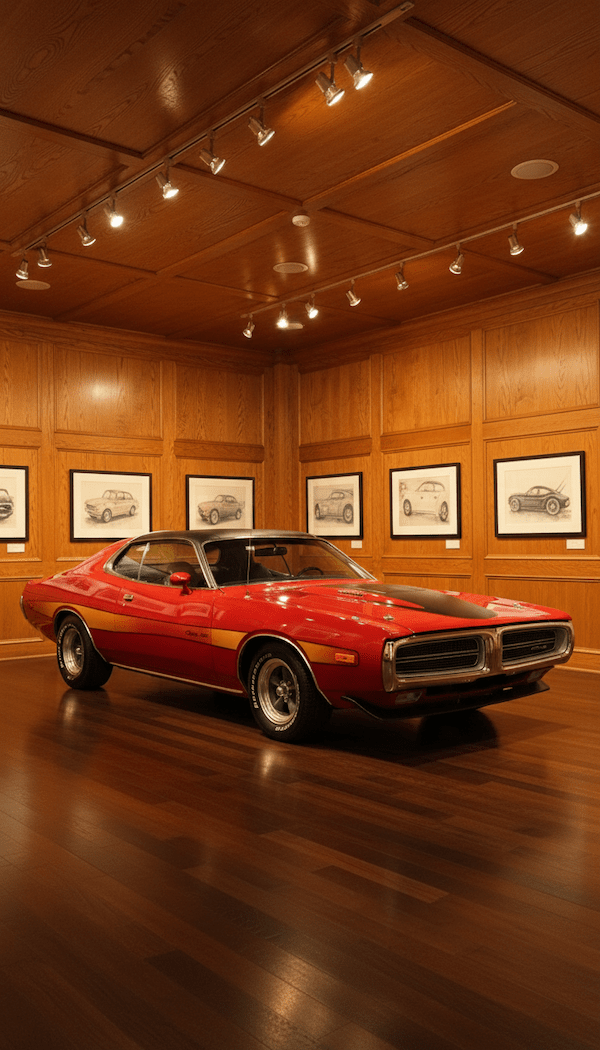
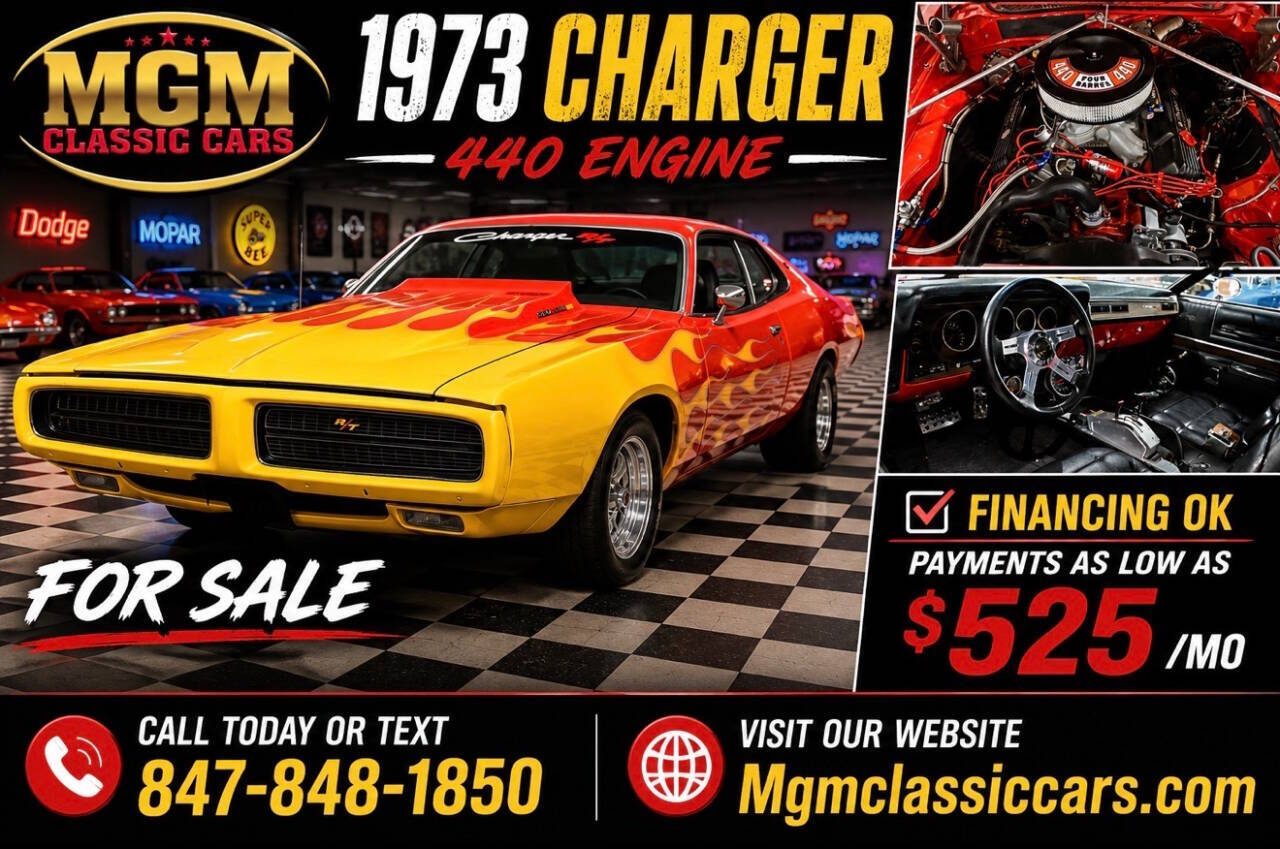
1973 Dodge Charger
What to Look For
Verify powertrain documentation (Broadcast Sheet or Fender Tag) before paying any performance premium — clone cars are prevalent. Check the VIN to confirm it is a Charger body (not a clone from Coronet or Super Bee). Inspect the trunk floor and lower quarters behind the rear wheels for structural rust. Check the floor pans under both front and rear seats. Verify the hidden headlight mechanism operates smoothly — corrosion here is common. On HEMI cars, verify the engine number against known casting patterns and the Broadcast Sheet.Pre-Purchase Checklist
-
VIN Verification
Confirm the VIN identifies a Charger, not a Coronet or Super Bee converted to Charger spec. -
Broadcast Sheet / Fender Tag
Obtain the Broadcast Sheet or decode the Fender Tag to verify original powertrain and options — use a Chrysler documentation specialist. -
Engine Number
Verify the engine number against the Broadcast Sheet — HEMI numbers are well-documented and forgeries exist. -
Trunk Floor Rust
Inspect the entire trunk floor from inside and beneath — this is the most common structural rust location. -
Lower Quarter Panels
Check behind the rear wheels on the lower quarter panels — probe with a pick tool, not just visual inspection. -
Floor Pans
Inspect front and rear floor pans from underneath — lift the carpet and check from inside as well. -
Hidden Headlight Mechanism
Cycle the headlights several times — both should open and close fully without grinding or hesitation. -
Torsion Bar Suspension
Check for worn torsion bars (front sag) and deteriorated front-end bushings — common on higher-mileage cars. -
440/HEMI Specifics
On big-block cars, run the engine to full operating temperature and listen for detonation, lifter noise, or timing issues. -
Body Alignment
Check all panel gaps — uneven gaps indicate previous collision work or a composite car assembled from multiple vehicles.
Common Issues
Clone cars built from lower-value Coronet or base Charger shells — verification is essential. Trunk floor rust and lower rear quarter corrosion behind the wheel openings. Floor pan perforation under the rear seat on unrestored cars. Hidden headlight mechanism corrosion and failure. Torsion bar front suspension wear on high-mileage cars. Cracked 440 exhaust manifolds from heat cycling. HEMI-specific maintenance items: dual-point distributor adjustment, dual-carburetor synchronization, and aluminum intake corrosion.More Charger for sale
 Dealer
United States
Dealer
United States
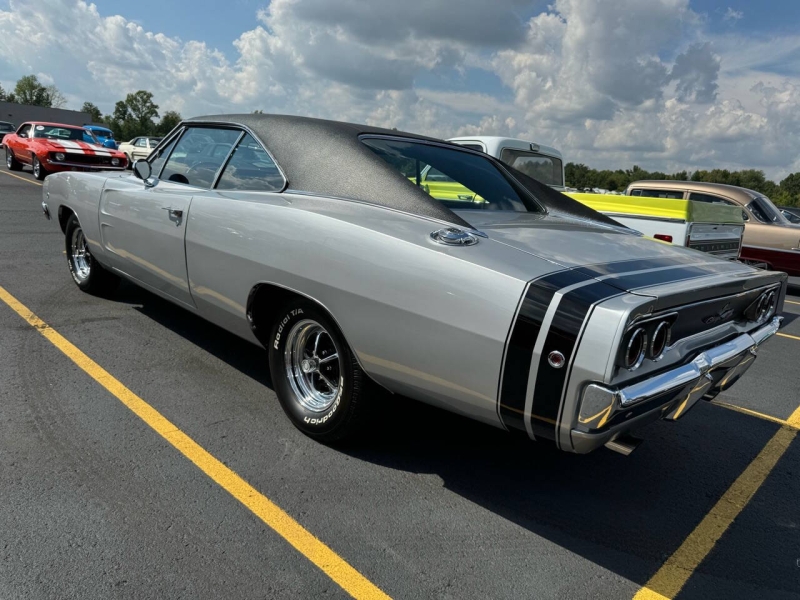
1968 Dodge Charger
 Dealer
United States
Dealer
United States
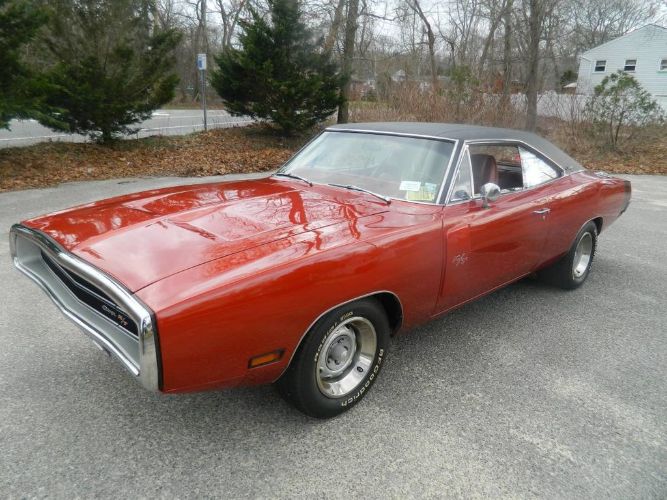
1970 Dodge Charger
Pricing Guide
1966–1967 first-gen Charger: $25,000–$55,000 for 383/440 cars, $80,000–$150,000+ for documented HEMIs. 1968–1970 Charger with 383: $35,000–$65,000. 1968–1970 with 440 Magnum: $50,000–$90,000. 1968–1970 with 440 Six Pack: $70,000–$120,000. 1968–1970 documented 426 HEMI: $150,000–$400,000+. 1971–1974 Charger R/T 440: $25,000–$55,000 — significant value relative to 1968–1970 cars.Fun Facts
The 1969 Dodge Charger 500 and Charger Daytona were built specifically for NASCAR homologation — Dodge needed to sell enough street cars to qualify them for racing. The Daytona's rear wing was tall enough to allow the trunk lid to open. The General Lee from The Dukes of Hazzard (1979–1985) was a 1969 Charger, and the show reportedly destroyed more than 300 Chargers during production — contributing to the reduced supply of affordable examples. The 426 HEMI's official 425 horsepower rating was widely understood to be conservative; many automotive journalists of the era estimated actual output at 500–550 horsepower.Frequently Asked Questions
Ready to find your Charger?
Browse 6+ active Dodge Charger listings on Classic Cars Arena.
View Listings →