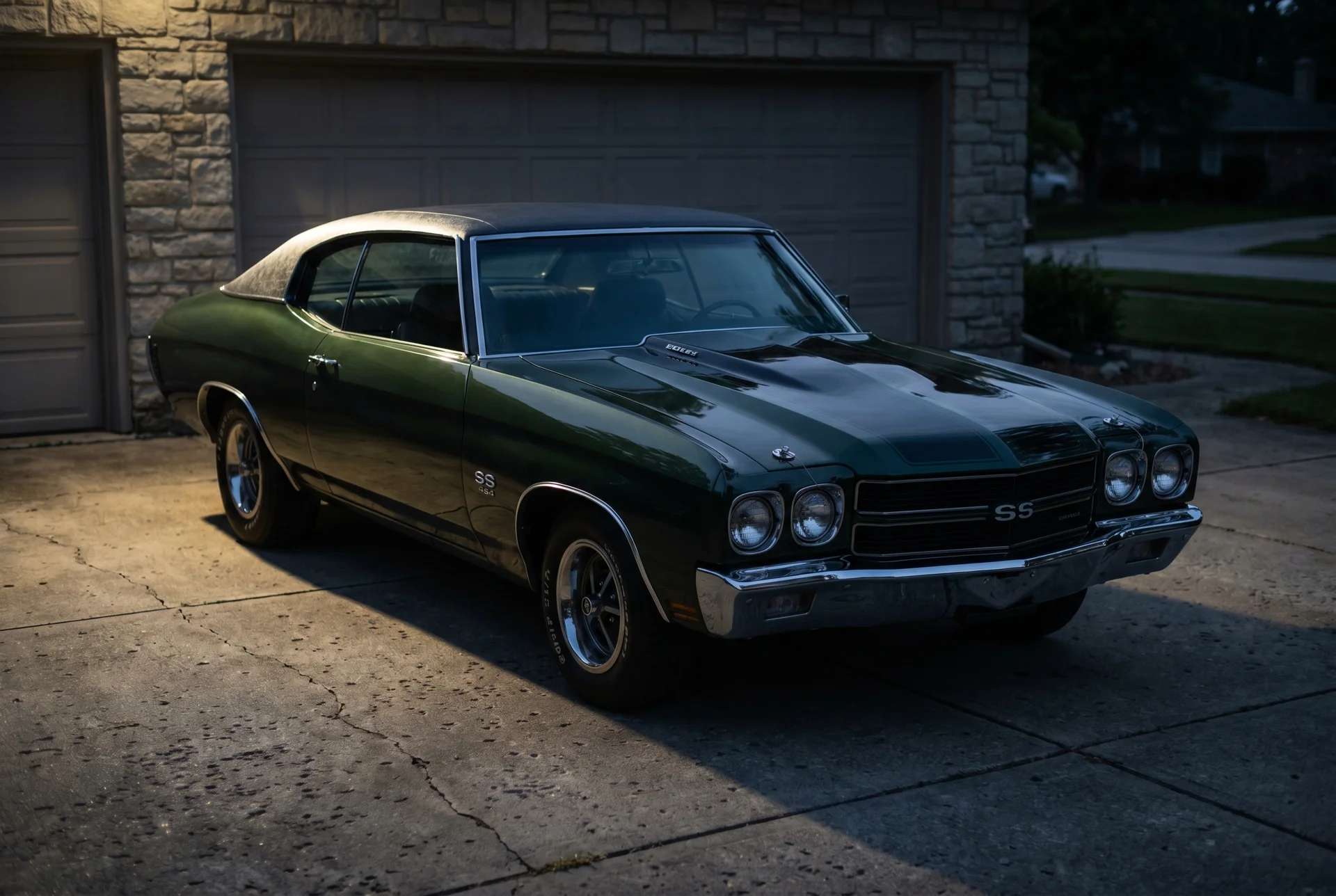
In 1970, Detroit was playing a game it couldn't win forever — and nobody played it harder than Chevrolet. The 1970 Chevrolet Chevelle SS454 with the LS6 engine was the result of engineers who were given essentially unlimited latitude, pointed at a problem (going fast in a straight line), and told to solve it. The result was 450 horses from a factory production car that any 22-year-old could walk into a dealership and buy with a down payment and a prayer. That didn't last long. But while it lasted, it was something genuinely extraordinary.
This is the car that still makes grown collectors go quiet when one rolls past. Here's why.
What Made the 1970 Chevrolet Chevelle SS454 a Legend?
The 1970 model year was peak Detroit horsepower — full stop.
The Chevelle SS 454 wasn't just powerful, it was powerful in a way that embarrassed cars costing twice as much. Car and Driver and Motor Trend both clocked LS6-equipped cars through the quarter mile in the high 13-second range. That was faster than almost anything on an American road. The 1970 Chevrolet Chevelle SS arrived at exactly the right cultural moment — before the insurance companies fully caught up, while leaded 103-octane gas was still at every pump, and while the public had an apparently unlimited appetite for this kind of automotive excess.
Approximately 4,475 LS6 Chevelles were built in 1970. That's genuinely rare for a car this prominent in muscle car culture. Rarity plus performance plus iconic styling equals the kind of automotive heritage that only gets more valuable with time.
The LS6 Engine: Was 450 HP Really Just the Beginning?
Here's the thing about the LS6: 450 hp was almost certainly a conservative number.
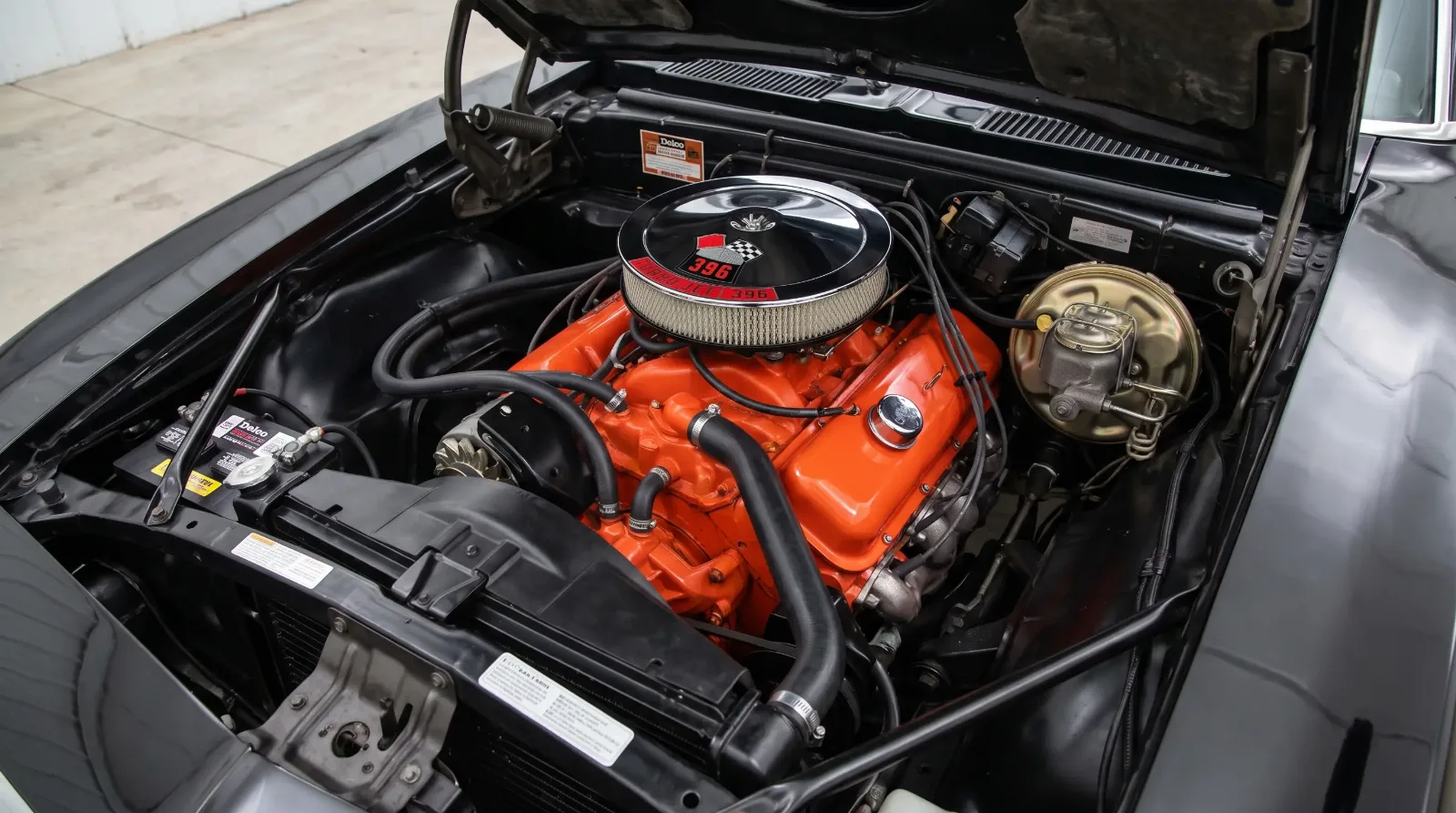
GM had good reasons to understate output in 1970. Insurance scrutiny was intensifying, and publishing numbers above 400 horsepower attracted the wrong kind of attention from regulators and actuaries alike. The LS6 was built on lessons learned from the L88 Corvette racing program — unique cylinder heads with larger ports, improved flow, and combustion chambers optimized for the 11.25:1 compression ratio. The solid-lifter camshaft gave the engine a lumpy idle that announced what it was before you ever touched the gas.
The Holley carburetor sitting on top of an aluminum intake manifold was not a subtle piece of equipment. The exhaust note when the engine came on cam above 4,000 RPM made the car's intentions perfectly clear. Torque was rated at 500 lb-ft — a number that put it in truck territory, not passenger car territory. This was a monster. A factory-built, warranty-covered monster, but a monster nonetheless.
LS6 vs. LS5 — and What About the Mysterious LS7?
Not every 1970 Chevelle 454 was created equal, and the differences matter enormously to collectors today.
The LS5 was the other big-block V8 option in 1970 — rated at 360 horsepower with hydraulic lifters, a lower compression ratio, and a temperament that was actually manageable for daily use. The LS5 didn't demand race fuel, didn't need constant valve adjustments, and still produced enough power to embarrass most traffic. For the average buyer in 1970, it was the sensible choice. But "sensible" doesn't clear $200,000 at auction, and the LS5 commands significantly less collector interest than its high-strung sibling.
Then there's the LS7 — the engine that wasn't. Chevrolet developed a 454 cubic-inch variant producing approximately 585 horsepower, intended for 1970 but never released as a factory street option. The LS7 was offered only as a dealer-installed over-the-counter racing engine. Cars advertised today as "numbers-matching LS7 Chevelles" are almost universally custom builds or misrepresented cars. If someone's selling you one as factory-correct, walk away slowly and then quickly.
What Made the 1970 Chevelle's Exterior Design So Iconic?
The 1970 body was a complete redesign — and Chevrolet got it exactly right.
The exterior was wider, lower, and more aggressive than the outgoing 1969 generation. The SS package on the 1970 Chevrolet Chevelle SS added a blacked-out grille, body-color badging, and the cowl induction hood that became one of the most recognizable design elements in the history of American muscle. That hood wasn't cosmetic — it pulled cooler outside air directly into the engine at speed, a genuine performance upgrade wrapped in one of the best-looking pieces of Detroit sheetmetal ever stamped. The chrome trim was restrained and purposeful, which suited the car's character perfectly.
The hardtop coupe was the most common body style, but a convertible was also produced — rarer, and correspondingly more valuable in today's collector market. The rear featured clean, wide taillamps that worked with the overall style without overcrowding it. Racing stripes were optional; a period-correct stripe delete car is just as legitimate as a striped example, and both are valued by serious collectors.
Inside the 1970 Chevrolet Chevelle SS: Trim, Interior, and Driver Experience
The interior was designed to let the engine make the statement — and it succeeded.
Base configuration included a bench seat and a relatively spartan dashboard, but most SS buyers optioned up. Bucket seats with a center console and the Muncie four-speed shifter rising through the floor was the combination that communicated the car's personality as clearly as the engine did. The gauge cluster — oil pressure, ammeter, temperature — was functional rather than decorative, which fit the car's honest character perfectly. The suspension under all of this was tuned to actually handle the power, not just straight-line it into trouble. Craftsmanship throughout was honest and solid, not luxurious.
Trunk space was practical, the interior trim levels gave buyers real choices without unnecessary complexity, and the overall impression sitting inside was purposeful. Custom interior options existed but the car didn't need them. It knew exactly what it was.
Transmission Choices: Four-Speed Manual or Turbo-Hydramatic 400?
This question divided 1970 Chevelle buyers into two camps — and both were right.
The Muncie M22 "Rock Crusher" four-speed manual was the choice for drivers who wanted complete control. Heavy, precise, and nearly indestructible, the M22 was designed for race use and translated beautifully to street driving in the right hands. Working that manual through the gears in a fully loaded LS6 car is an experience that no amount of description fully captures. The gear ratios keep the engine in its powerband. The shifter action is heavy and deliberate. It asks something of the driver.
The Turbo-Hydramatic 400 — the same trans that found its way into Corvettes and virtually every high-performance GM application of the era — was available for buyers who preferred to focus on the throttle. The turbo 400 was and remains one of the best automatic transmissions ever built. Both transmission choices are factory-correct, both are valuable, and neither hurts collector interest. Low original mileage and correct documentation matter far more than which gearbox is in the car.
How Did the Chevelle SS 454 Stack Up Against the Camaro, Cobra, and Competition?
In 1970, Chevrolet was fighting on multiple fronts — and winning most of them.
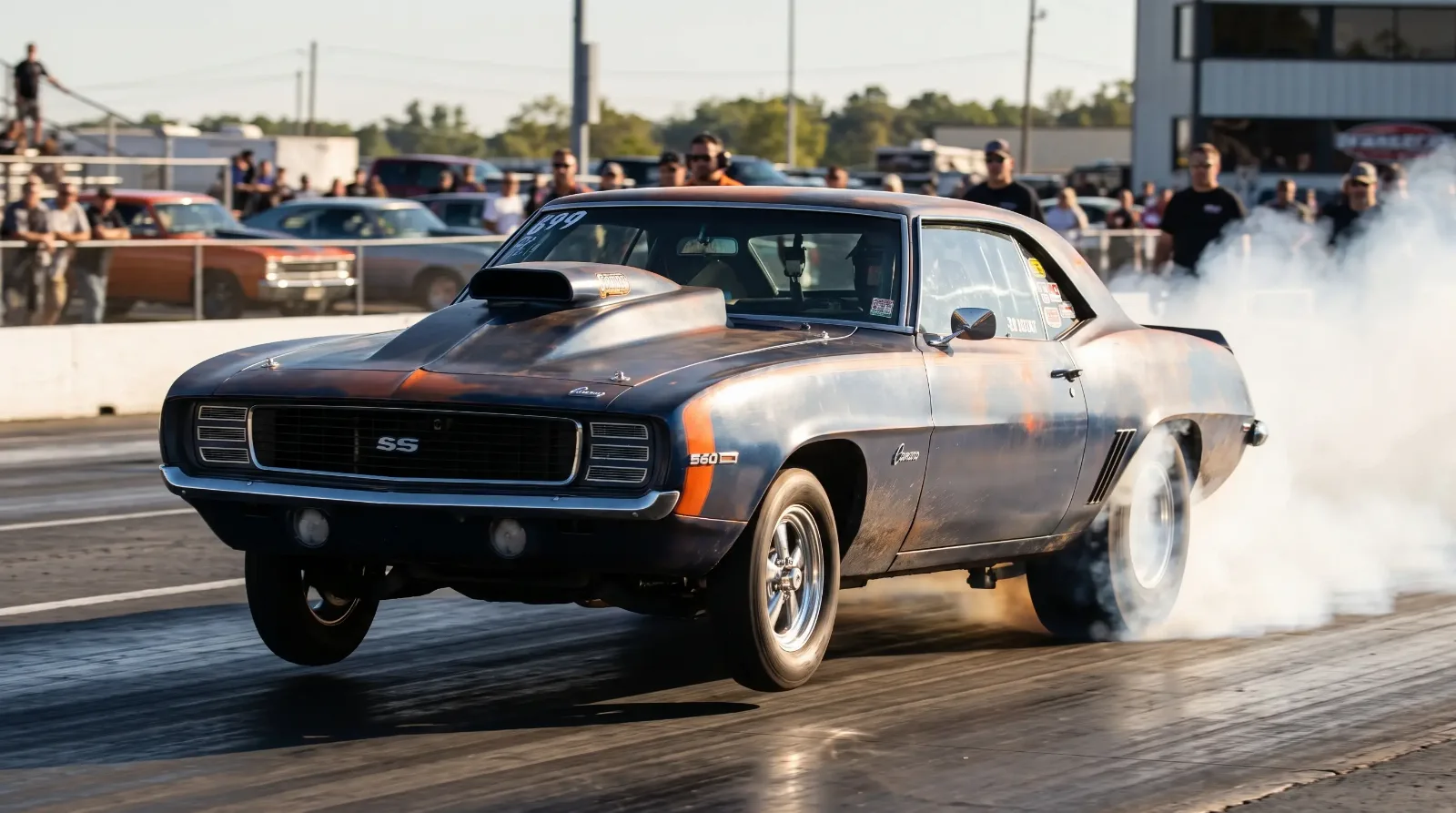
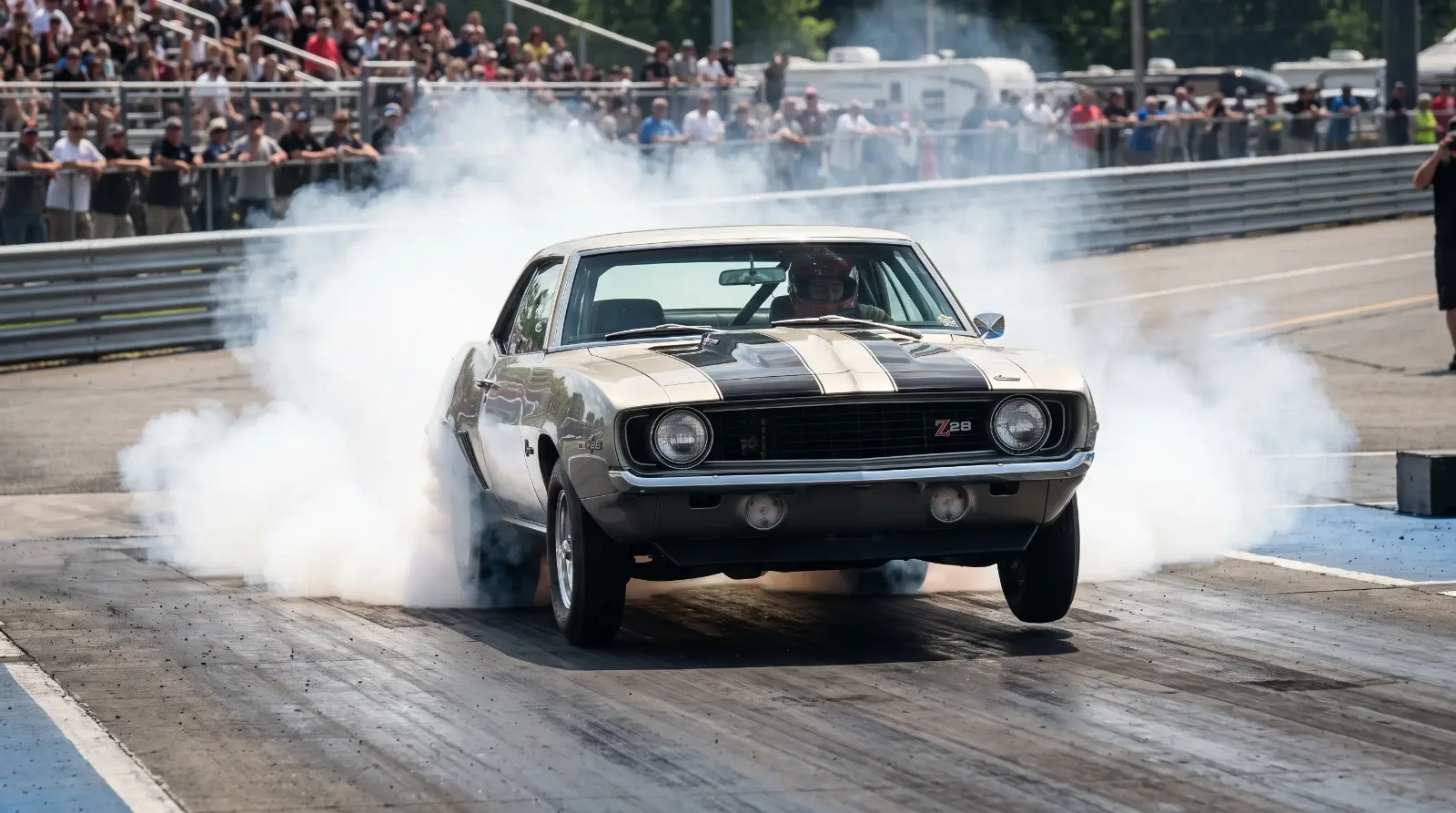
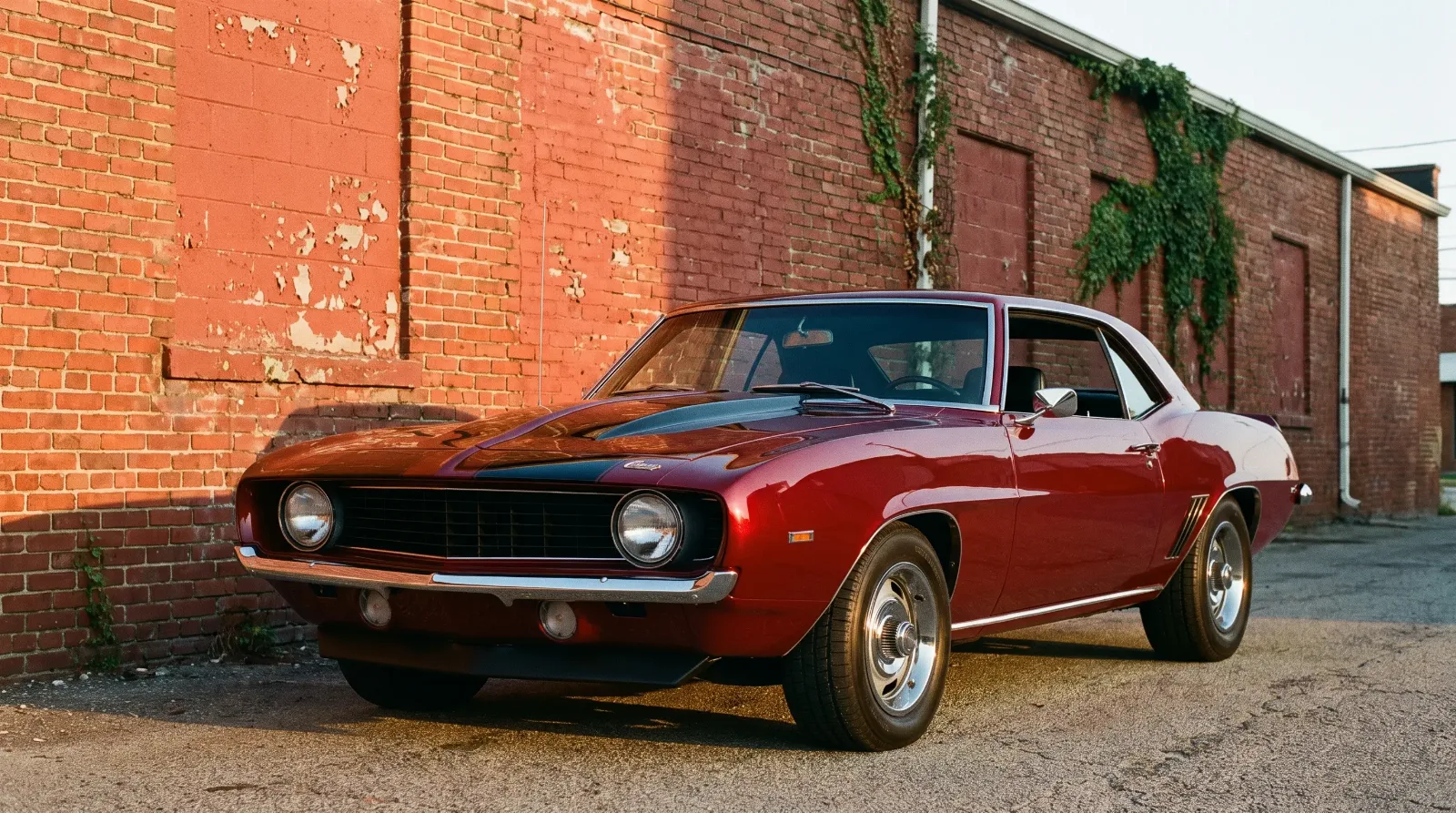
The Camaro was the lighter, sportier sibling, but it couldn't match the sheer big-block brute force of a Chevelle 454. Ford's Cobra Jet Mustang and the Boss 429 were genuine championship-caliber competitors, but the LS6 Chevelle's combination of straight-line performance and mid-size practicality gave it a real-world edge. You could fit four people in it. The gas consumption was predictably brutal — figure single digits under honest driving — but in 1970, gas was cheap and that wasn't anyone's first concern.
By 1973, the muscle car era was effectively over. Insurance costs had exploded, emissions regulations had forced compression ratios down, and the 396 that preceded the 454 was already a memory. The 1970 model year was the last year GM allowed displacement over 400 cubic inches in a mid-size car. You couldn't rebuild that era. You could only document it — which is exactly what makes these cars irreplaceable.
What Is a 1970 Chevelle SS454 Worth Today?
Documentation is everything, and the sold prices prove it.
A documented LS6 car with correct cowl tag, engine stampings, and build sheet in driver-quality condition: $90,000–$120,000. Show-quality, numbers-matching examples with the correct 15-inch wheel and rubber combination: $130,000–$175,000. Exceptional concours-documented cars have cleared $200,000 at major auctions. Brake hardware, billet valve covers, even the correct carburetor casting date — these details matter to top-tier judging. The spread between a documented LS6 and an engine-swapped clone is not academic. It's $50,000 to $100,000.
LS5 cars are more accessible at $55,000–$80,000 for solid, correct examples. The 350 small-block Chevelles are priced lower still — interesting entry points for the collector who wants the body style and the heritage without the LS6 price of admission. The 1970 Chevrolet Chevelle SS 454 has appreciated consistently for fifteen years. Nothing in the current market suggests that changes.
Is the 1970 Chevelle SS454 the Right Car for You?
Honest answer: only if you buy the right one.
The Chevelle community takes documentation seriously. The cowl tag, the partial VIN stamped on the engine block, the broadcast sheet — these aren't optional paperwork, they're the car. A Chevelle 454 without documentation, regardless of how correct it appears, is worth a fraction of the real thing. Hire a professional inspector before you hand over five or six figures. It's a few hundred dollars against a potential six-figure mistake.
When you find the right one, though — there's almost nothing else like it. The 1970 Chevrolet Chevelle is visually spectacular, mechanically well-understood, fully supported by the restoration community, and genuinely thrilling to drive. No modern supercharge, no carbon fiber package, no amount of electronic performance upgrade can replicate what that LS6 feels like when it comes on cam. Some things are irreplaceably analog. This car is one of them.
Key Takeaways
- The LS6 produced 450 horsepower from the factory — almost certainly underrated, built on lessons from the Corvette L88 racing program
- Only ~4,475 LS6 Chevelles were built in 1970, making them rare relative to their cultural prominence
- The LS7 was never a factory street option — walk away from any car advertised as a numbers-matching LS7 Chevelle
- Documentation is everything: cowl tag, engine stampings, and build sheet separate a $150,000+ car from a clone worth half
- The cowl induction hood was functional, not cosmetic — genuine performance engineering wrapped in iconic design
- Both Muncie four-speed and Turbo-Hydramatic 400 are factory-correct — neither hurts collector value
- LS6 values run $90,000–$200,000+ depending on documentation and condition; LS5 cars are more accessible at $55,000–$80,000
- 1970 was the last year GM allowed 454+ cubic-inch displacement in a mid-size car — that regulatory context makes this model year irreplaceable
- The convertible body style commands a premium over the hardtop coupe
- Always inspect engine stampings before buying — the price gap between a real LS6 and an engine-swapped car is enormous