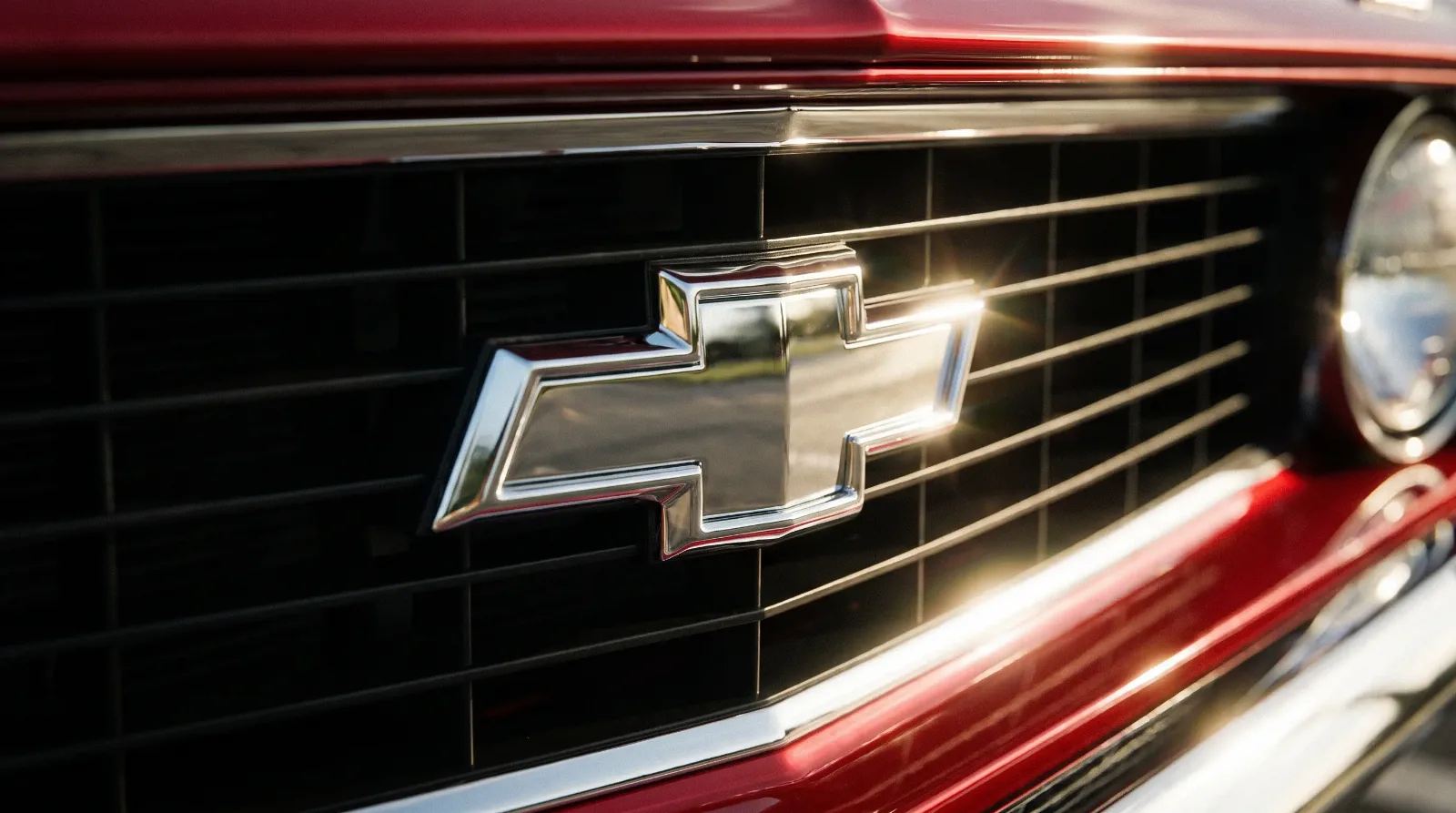


When I filed my first classic car insurance claim — a broken windshield on the Firebird that a wayward branch produced during a summer storm — I learned the difference between agreed value and actual cash value in the clearest possible way. My insurer at the time had my car on an actual cash value policy. The adjuster offered me the market value of a 1968 Pontiac Firebird with my options, which at the time was roughly $18,000. The windshield I needed was a correct date-coded replacement from a reproduction glass supplier, which cost $1,400 installed. We had an interesting conversation.
I've been on a collector car policy from a specialty insurer ever since. Here's what you need to understand.
Agreed Value vs. Actual Cash Value
This is the foundational distinction in classic car insurance. Actual cash value (ACV) policies pay out what the market says your car is worth at the time of a total loss — minus depreciation. For a car that's forty or fifty years old and has been appreciating, ACV can mean you receive significantly less than what you paid or what it would cost to replace your car with an equivalent example.
Agreed value policies establish a specific insured value when the policy is written — typically through an appraisal or by mutual agreement based on market documentation — and pay that value in full if the car is a total loss. No depreciation. No negotiation at claim time. The check arrives for the agreed amount.
For any collector car worth more than $15,000–$20,000, agreed value coverage is not optional. It's the baseline.
Specialty Insurers vs. Standard Auto Insurers
The major specialty collector car insurers in the US market — Hagerty, Grundy, American Collectors, and Classic Auto Insurance are the prominent names — have built their products specifically around how classic cars are owned and used. They understand that a 1969 Z/28 doesn't accumulate mileage the way a daily driver does. They understand that collector cars are stored carefully, driven to shows, and maintained with a level of attention that standard auto policies don't account for.
Standard auto insurers can sometimes write classic car coverage, but their internal rating systems are built for daily drivers. They often impose mileage limits that don't match how collector cars are actually used, or their agreed value appraisal processes are cumbersome and often produce understated insured values.
Mileage Restrictions: What's Actually Required
Specialty collector car policies often include annual mileage limitations — commonly 2,500, 5,000, or 7,500 miles per year — as a condition of the agreed value coverage. These limitations exist because collector car actuarial data shows that higher mileage meaningfully increases the loss probability. If you drive your classic car regularly — more than a few thousand miles per year — be honest about your usage with your insurer and find a policy that matches your actual driving patterns. A claim discovered to exceed your mileage limit at claim time is a claim that may not be paid.
Many specialty insurers offer mileage options up to unlimited for additional premium. If you're an active driver, this is worth considering.
Storage Requirements
Most collector car policies require that the insured vehicle be stored in an enclosed, locked structure when not in use — a garage, a dedicated storage facility, not a carport or driveway. This requirement affects both your premium and your coverage. A car that's stored under a cover in a driveway may be technically outside your policy's storage requirements, which can complicate a comprehensive claim (hail, theft, fire) if the insurer investigates the storage conditions.
Getting the Insured Value Right
The agreed value on your policy needs to reflect the actual current market value of your specific car — not a general market range, and not a value that was accurate three years ago. Classic car values can move significantly between policy renewals. Review your insured value annually, and when the market has moved (which it often has in both directions over the past five years), update accordingly.
A quality independent appraisal from a certified appraiser — not the seller, not a general mechanic, a marque-qualified appraiser — is the most defensible foundation for your agreed value. In the event of a claim, the agreed value you documented with an independent appraisal is much harder for an insurer to challenge than a value you pulled from a price guide.
The Bottom Line
Specialty collector car insurance typically costs less than standard auto coverage for comparable insured values, because the loss statistics for carefully owned and stored collector cars are favorable. You get better coverage for less money. The only reason not to be on a specialty collector policy is not knowing that they exist. Now you do.