Why game developers keep reaching for the Camaro
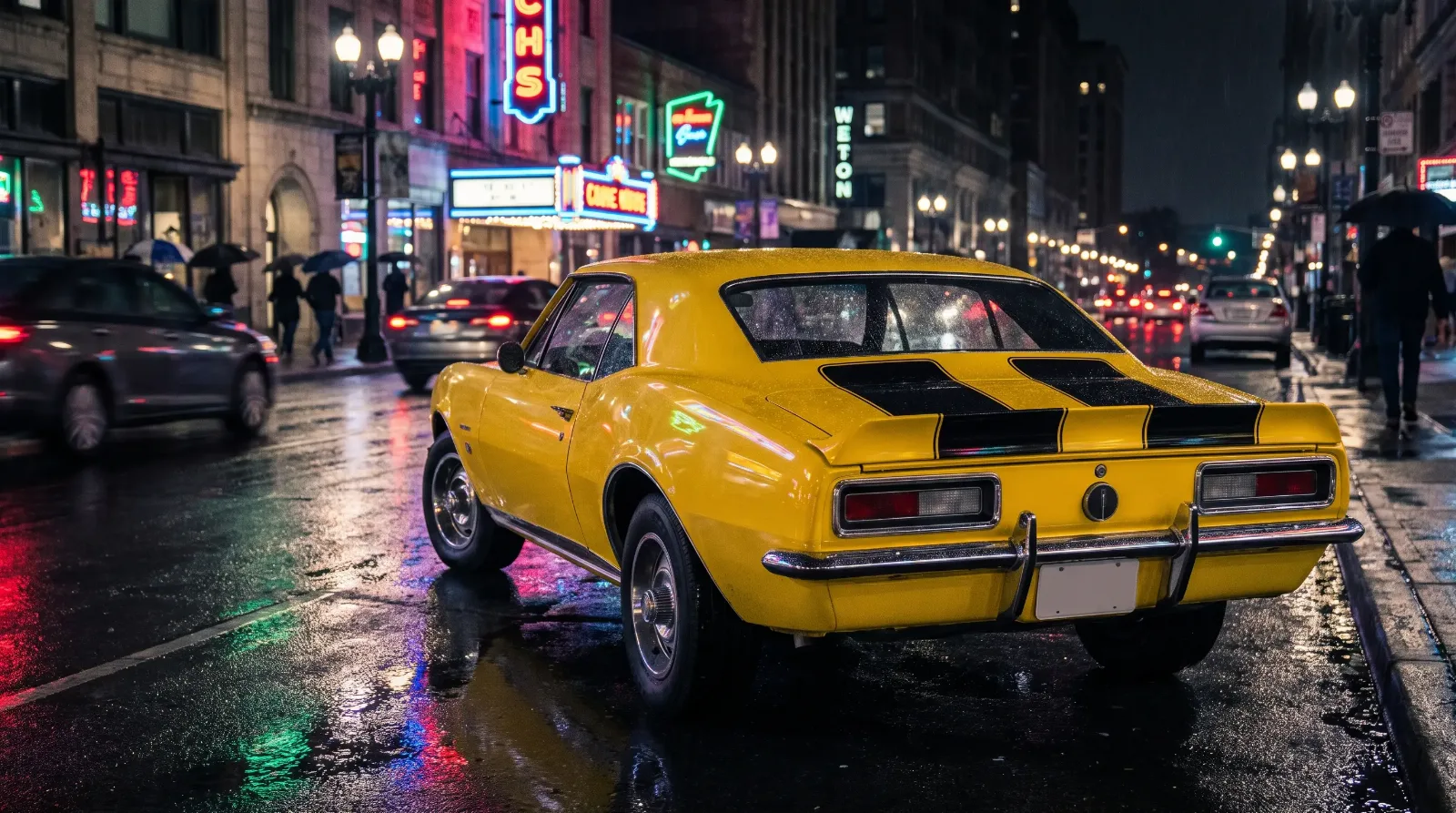
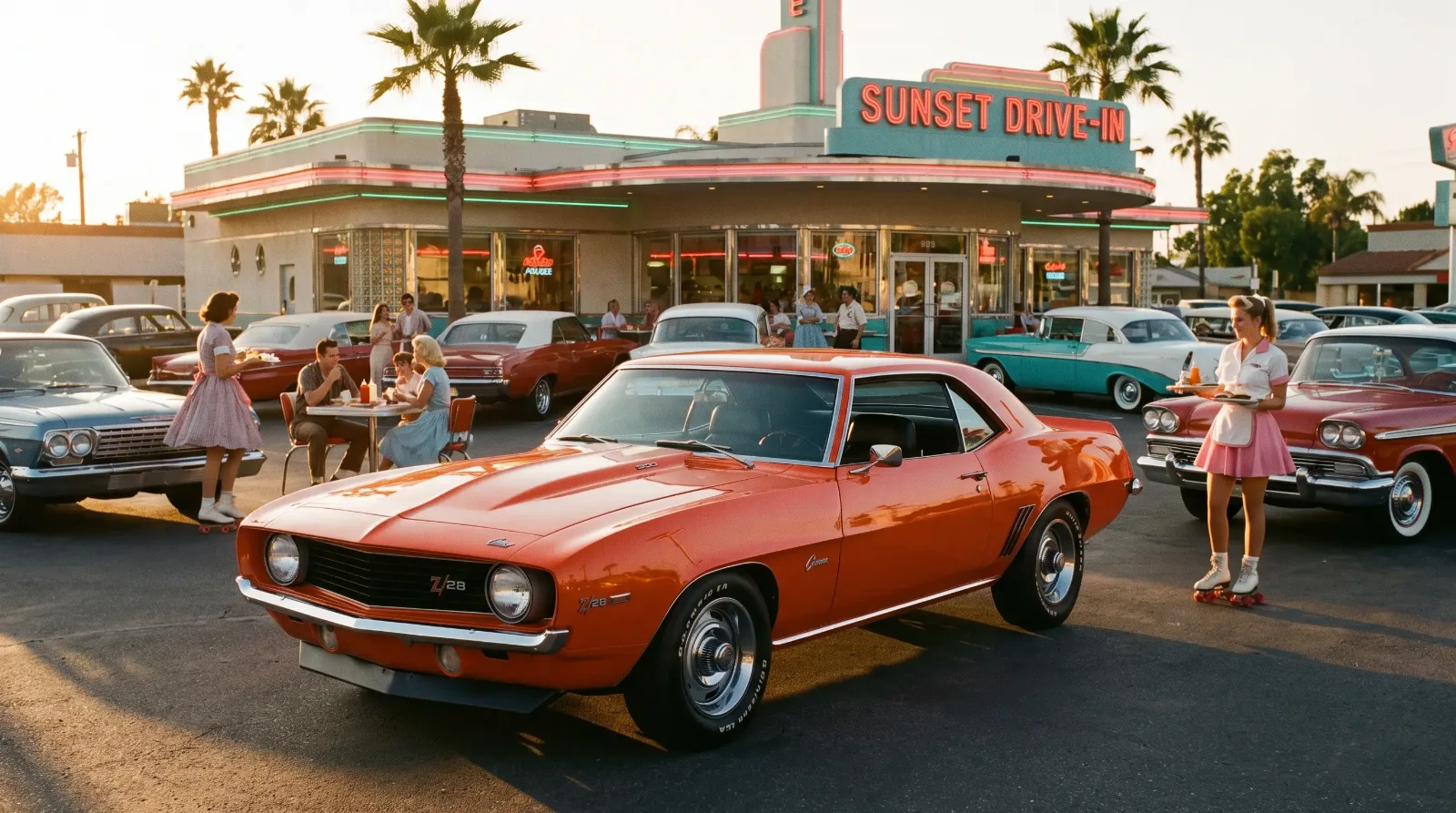
The classic camaro gta connection is probably the most-discussed version of the Camaro in gaming, but the car's presence in video games runs much deeper than any single franchise. Developers building racing or open-world games that want to communicate American muscle reach for a small set of silhouettes that read instantly across cultures. The first-generation Camaro is one of those silhouettes. The long hood, the flat roofline, the aggressive front end: these features compress the idea of American performance into something a player can recognize from two seconds of gameplay without any text on screen.
The licensing arrangements that determine which real car names and badges appear in games are complicated and expensive. For years, many titles used fictional cars that were obvious analogues to real models. Anyone who played Grand Theft Auto III or Vice City recognized the muscle car models on offer as stand-ins for specific American cars, even without the official names. The legal framework for actual manufacturer licensing opened up gradually through the early 2000s as publishers demonstrated that games could sell cars rather than damage brand value.
The GTA connection: fiction that reads as fact
In the Grand Theft Auto series, the Chevrolet Camaro has appeared in various fictional guises across multiple games. The Declasse Sabre and the Declasse Tampa in GTA V (2013) draw heavily on first and second-generation Camaro proportions. Declasse, as a fictional brand, was Rockstar's stand-in for General Motors throughout several games, and the muscle car models in the GTA universe consistently borrowed design language from both the Camaro and its closest competitors.
The reason the Camaro's DNA keeps showing up in fictional muscle cars across open-world games is simple: the car's proportions are among the most legible in automotive history. A flat roofline, a long hood, wide rear haunches, and round taillights: you can distort or stylize those elements significantly and the car still reads as a Camaro-type to players who know the reference. Game artists have effectively used the first-generation Camaro as a template for what a generic American muscle car looks like, which is a form of cultural canonization as significant as any film appearance.
"The Camaro in GTA is the Camaro as cultural shorthand. Every player knows what that car means before they ever pick it up, because the shape does all the talking."
-- Patrick Walsh
Licensed appearances and racing games
When real licensing deals opened up, the Camaro appeared in numerous racing titles. The fifth-generation Camaro (2010-2015) received significant attention in Forza Motorsport and Forza Horizon titles, and the ZL1 and 1LE variants became favorites in the simulation-leaning corners of those games because their handling characteristics translated interestingly to virtual tracks. The earlier generations appeared in games like Need for Speed: Hot Pursuit and its sequels, typically as the street-racing options that players selected for look as much as performance.
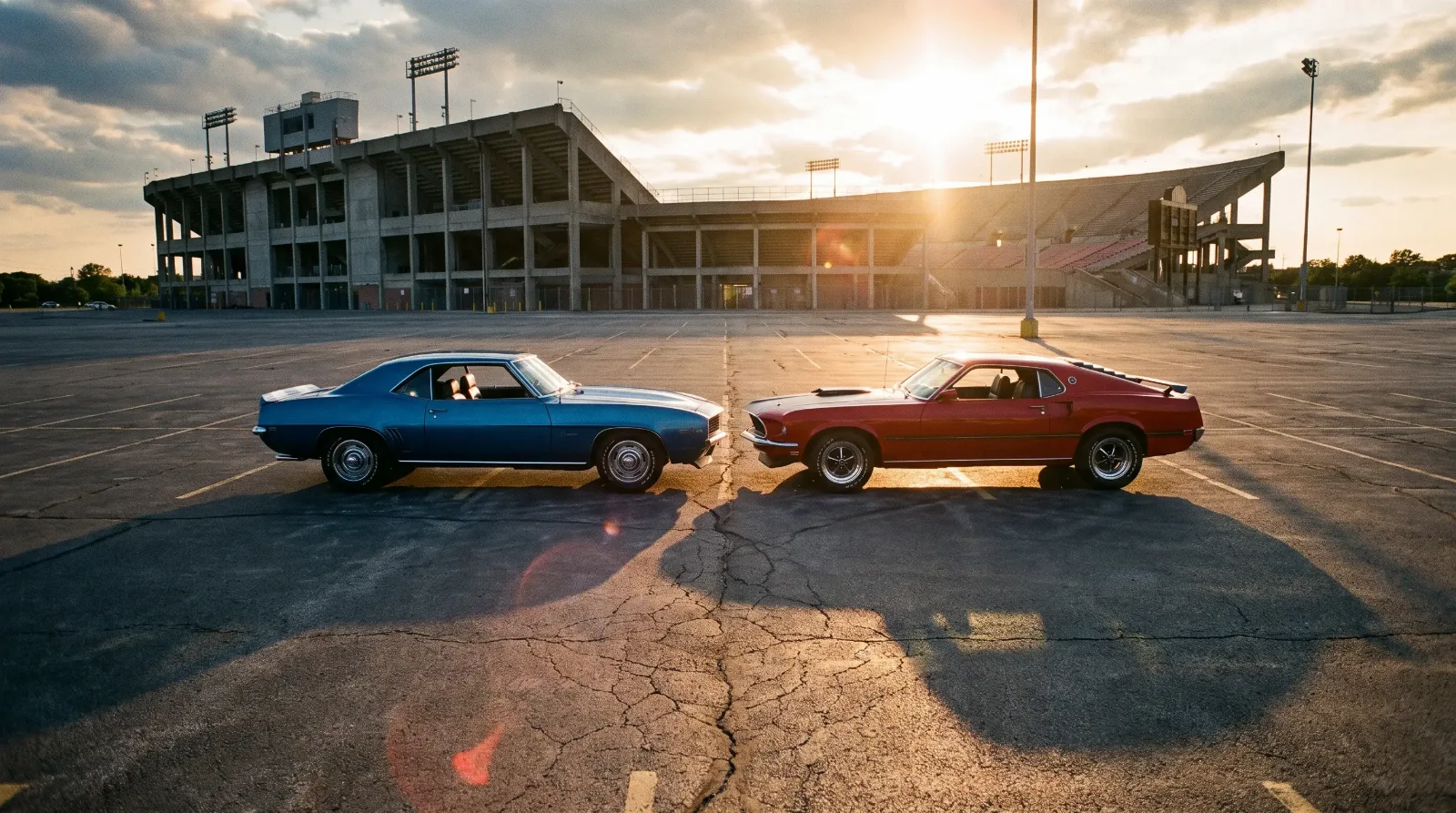
The Need for Speed franchise's approach to car culture is relevant here because the series consistently used first and second-generation muscle cars as shorthand for a particular kind of American automotive identity: rooted, loud, fast in a straight line, and carrying more weight (literally) than European alternatives. The Camaro appeared repeatedly in that context, often alongside the Mustang, Charger, and a few exotics. The rivalry that existed on the street carried into the game.
Customization culture and what games did for the Camaro
One underappreciated contribution of video games to Camaro culture is the customization ecosystem. Games like Midnight Club and later Forza Horizon allowed players to build and paint cars with a level of detail that was not possible in real life without significant expense. Players designed Camaro liveries, created virtual tuner builds, and shared them with communities that numbered in the millions. Those digital builds influenced real-world custom car culture, with some popular game liveries showing up on actual car builds at shows and meets.
The accessibility of customization in games also introduced younger players to the mechanics and aesthetics of car modification without requiring them to own a car or a garage. For many enthusiasts in their twenties and thirties, their first encounter with the concept of a lowered first-gen Camaro with period-correct wheels was in a video game, not at a car show. That exposure has a measurable effect on what they look for when they eventually enter the collector market.
The Camaro in gaming culture, going forward
With the sixth-generation Camaro ending production in 2024, the car's presence in video games is likely to shift from current-model licensing to heritage appearances. The first and second-generation cars, already present as classics in games with expanding historical rosters, will probably become more common as the nameplate becomes fully historical rather than current. That transition mirrors what happened with the first-generation Mustang and the Dodge Charger: retirement from production tends to sharpen a car's identity in gaming as the ambiguity of being both a modern car and a classic finally resolves.
For more on how the Camaro's image has been built across different media, the Camaro in pop culture covers the full picture. The next article in this series takes the Camaro to an even smaller scale: Hot Wheels and diecast miniatures.
Sources and notes
Production figures, engine specifications, codes, and dates in this article are cross-referenced from established Camaro references, period documentation, and owner registries. Where sources differ, the most commonly cited value is used. Cost figures are indicative and vary by supplier, region, and condition.