More than a car
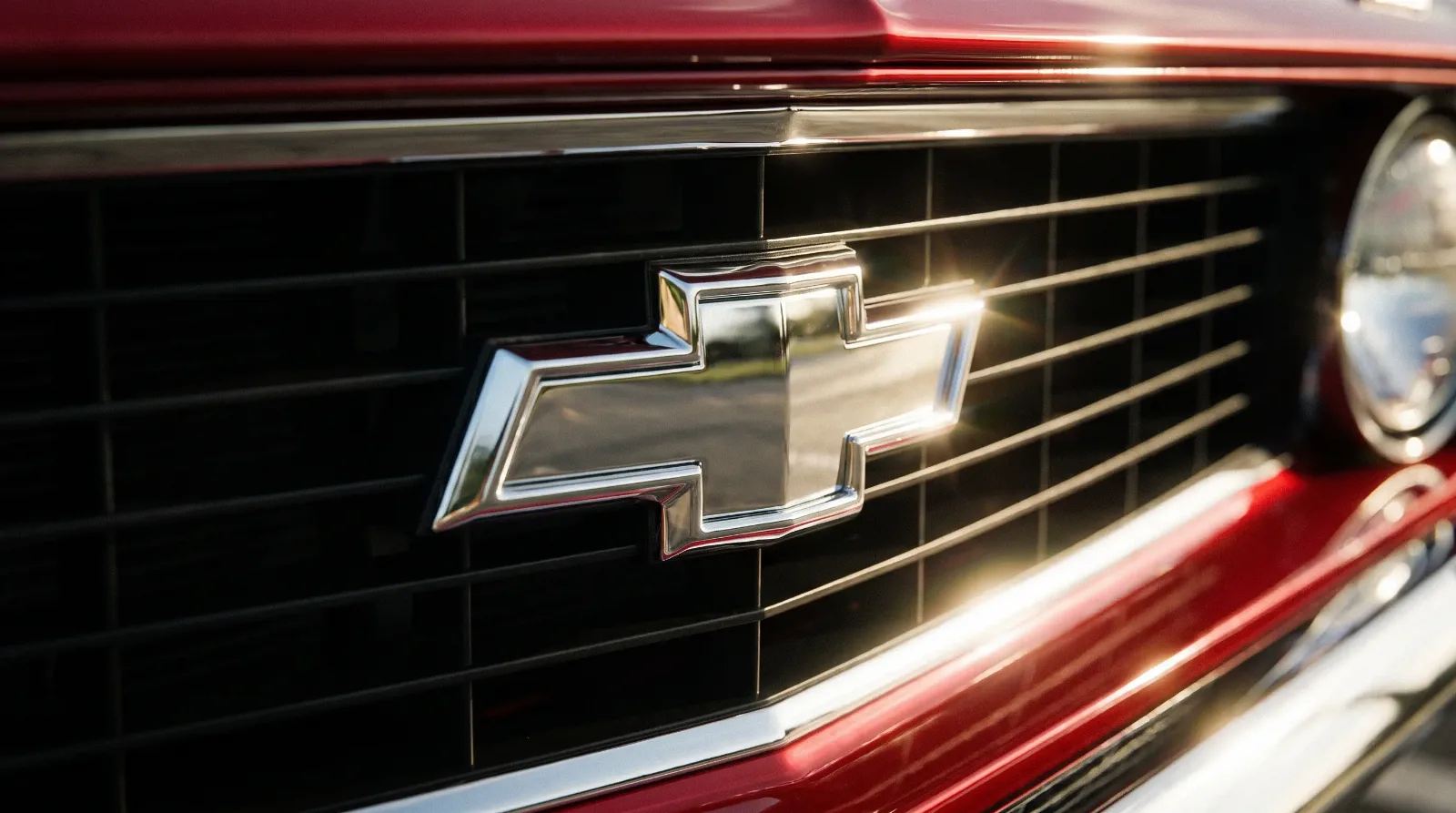
There is a moment in almost every Camaro story where the machine stops being transportation and becomes something else. A symbol. A statement. A shorthand that anybody raised on American culture can read instantly without needing an explanation. That does not happen to many cars. It happened to the Camaro early, and it never really stopped.
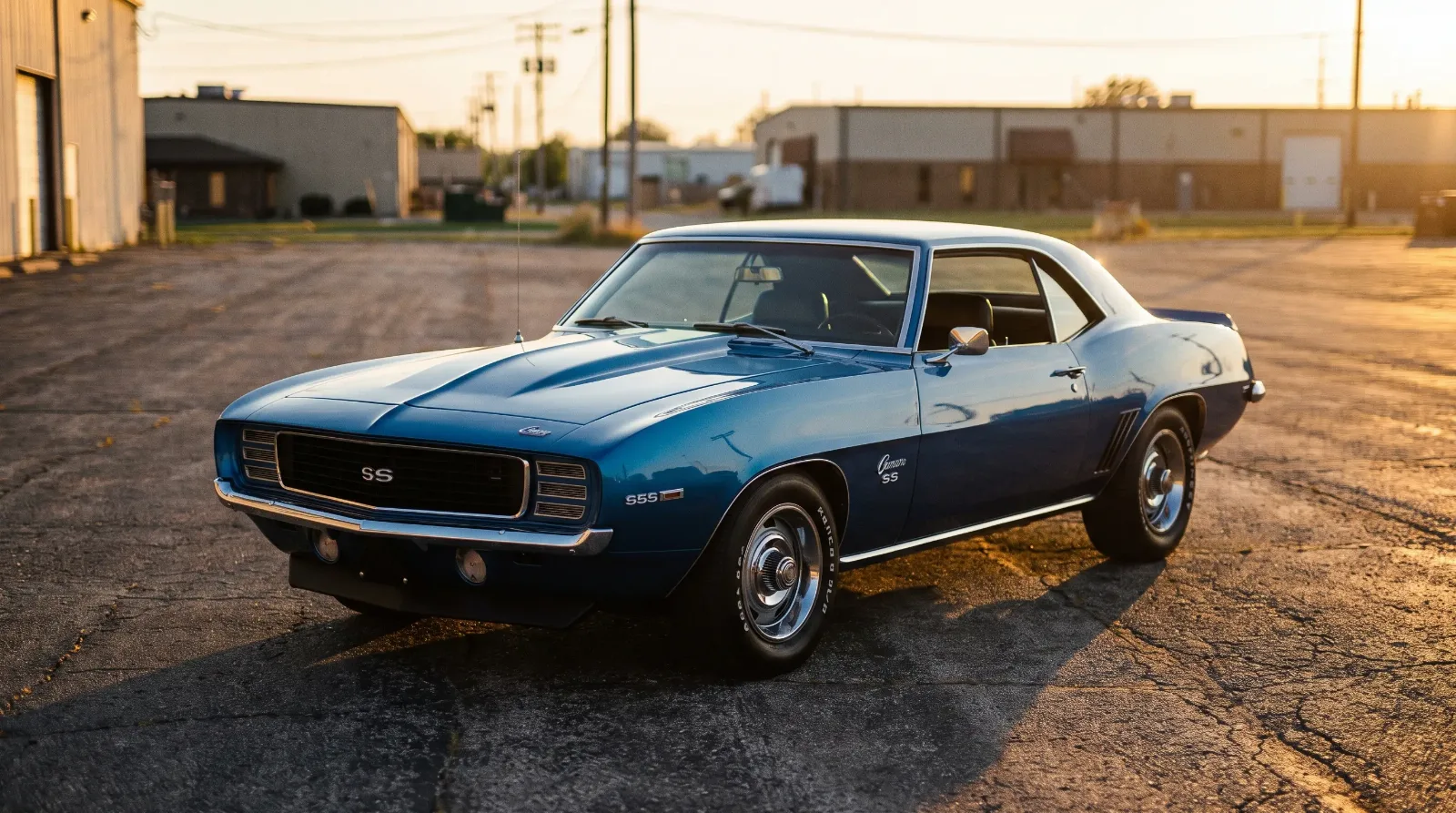
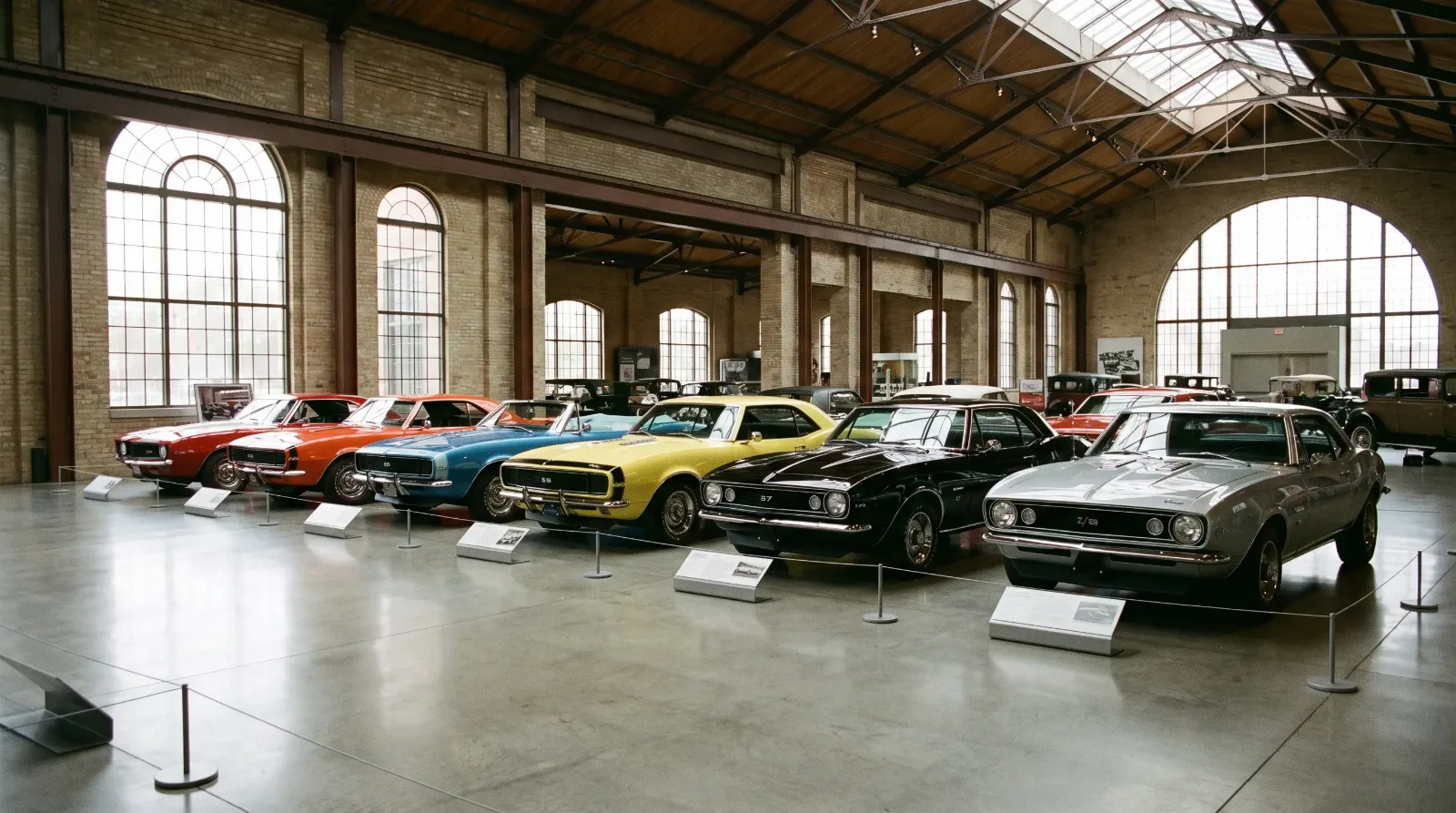
The Camaro arrived in 1966 as Chevrolet's answer to the Ford Mustang, which had already ignited the pony car market two years earlier. It was a practical enough car, built on a platform shared with the Chevy Nova, available with engines ranging from a modest six-cylinder up to the 375-horsepower L78 396 big-block. But what Chevrolet understood, and what the marketing of the era understood, was that a car sold to young buyers had to mean something beyond its specification sheet. The Camaro's designers gave it a long hood, a short deck, a wide stance, and a face that looked like it was about to argue with you. The culture took it from there.
For anyone who wants the full production history, Classic Cars Arena's Camaro guide covers every generation from the first-gen Rally Sports through the fifth-generation revival in detail. This article is about something different: what the car meant once it left the factory.
The Camaro in movies: Bumblebee and the ones before him
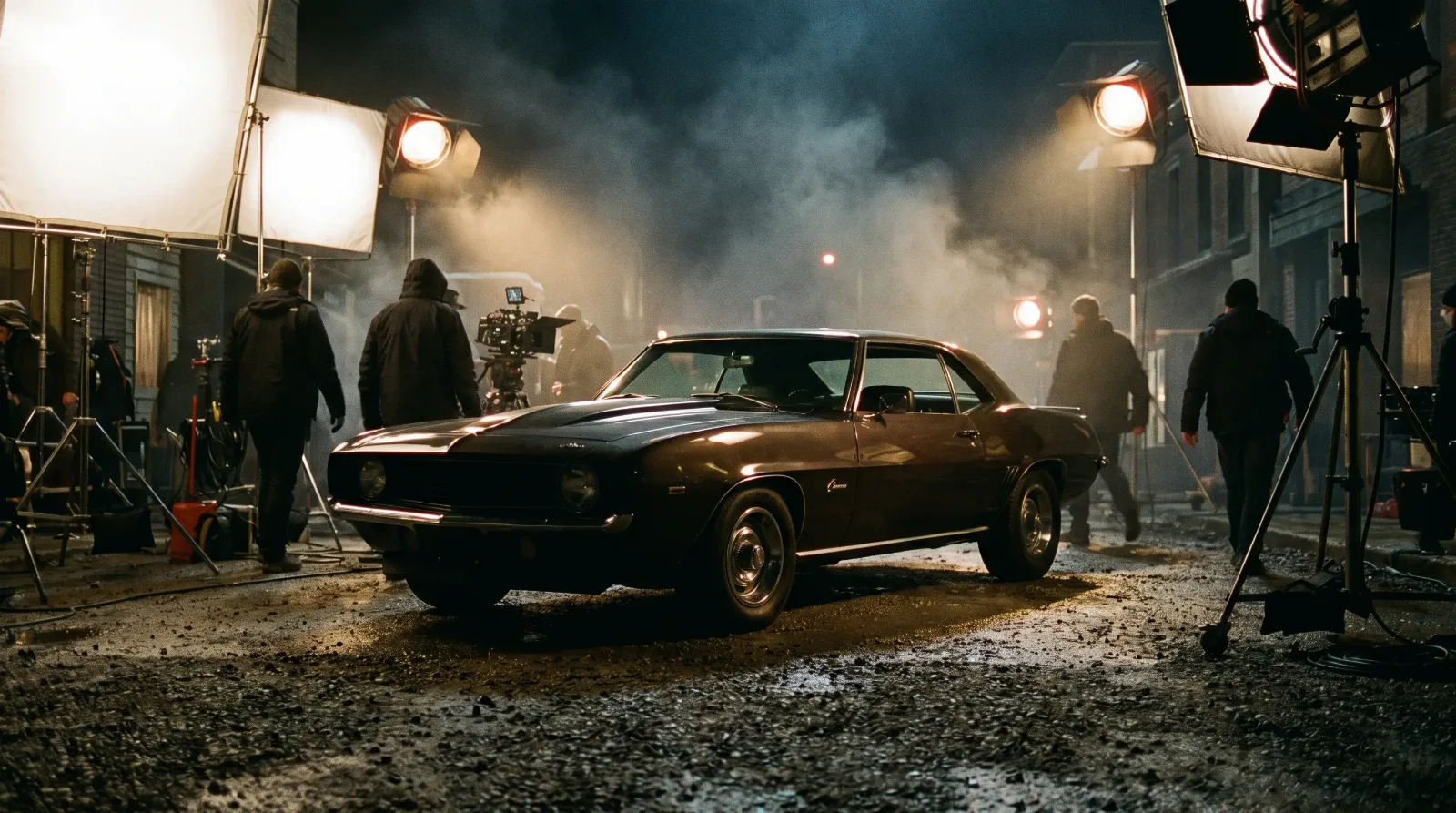
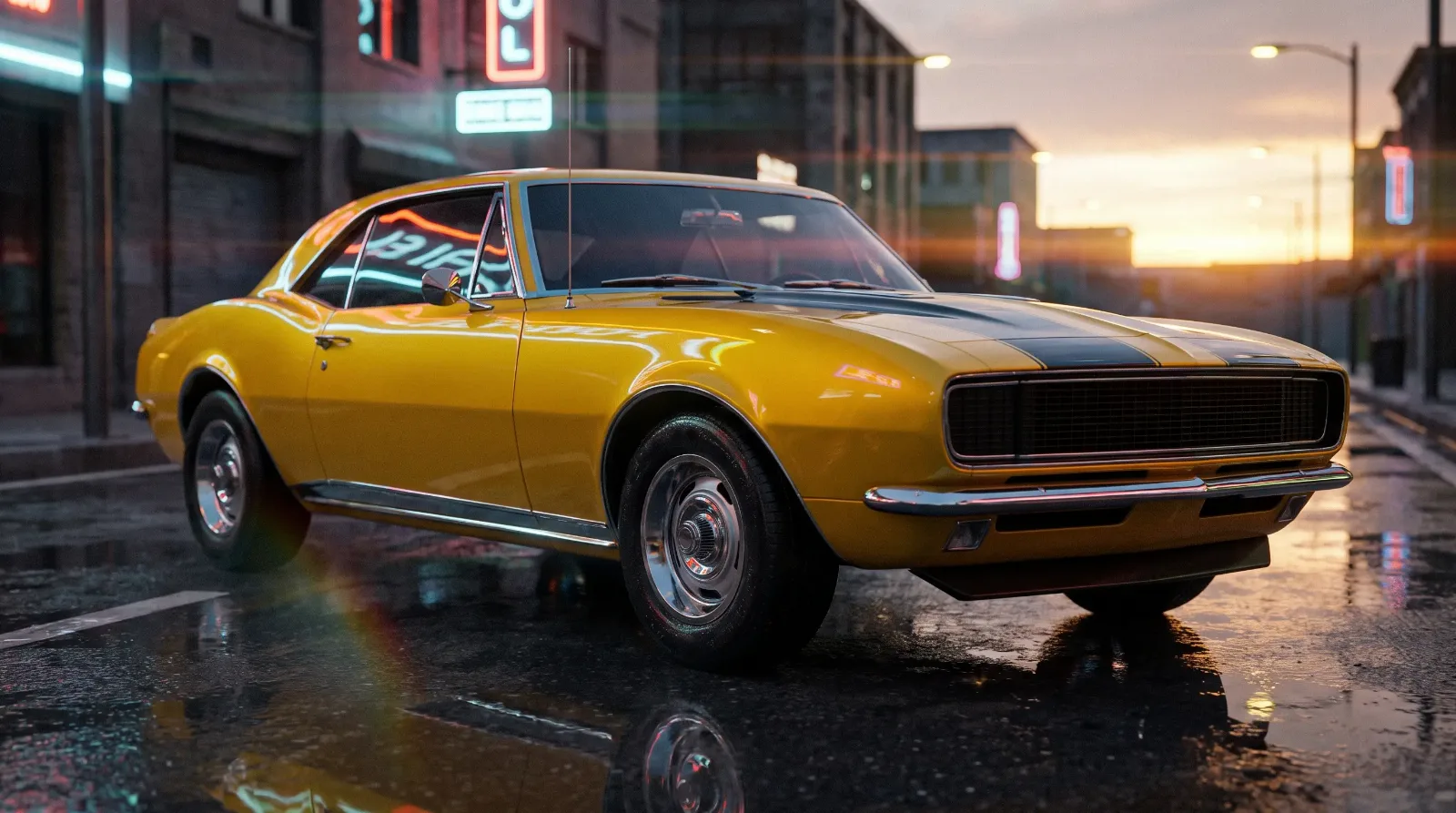
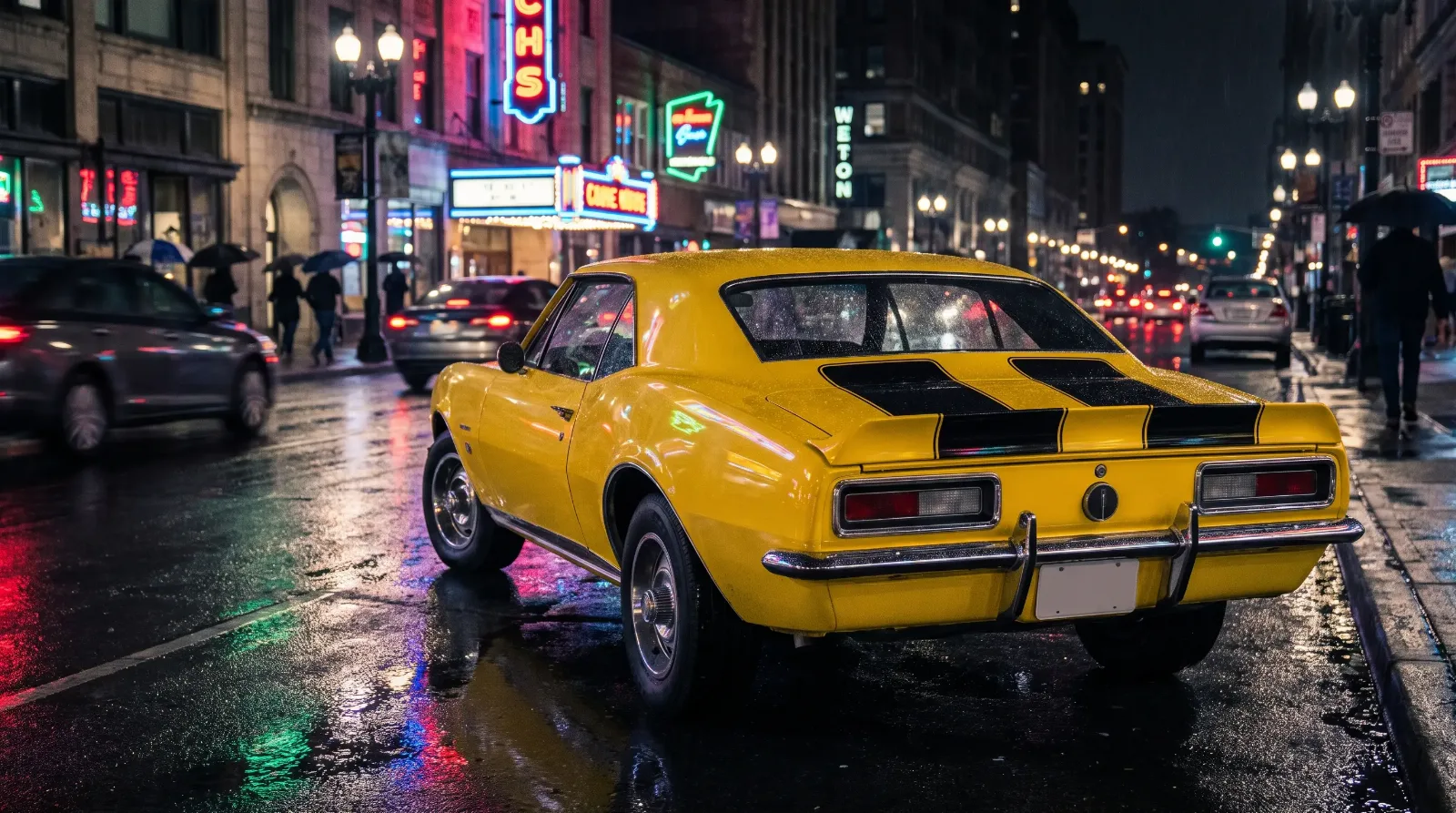
The most famous Camaro on film is almost certainly Bumblebee, the Autobot scout from the Transformers franchise, who appeared as a yellow 1977 Camaro in the first film (2007) before upgrading to a fifth-generation body in subsequent installments. Director Michael Bay chose the Camaro partly for practical reasons (GM was a sponsor) and partly because the car read immediately on screen as American muscle with a personality. A Bumblebee driving a beige sedan would not have worked. The Camaro's proportions, its presence in a wide shot, made the character believable as something that chose to look like this on purpose.
But the Camaro's film history runs back further than Transformers. It showed up throughout 1970s and 1980s cinema as the default car for characters who existed outside conventional authority structures: small-town rebels, undercover cops, anyone who needed a vehicle that communicated independence without being exotic. The 1969 first-gen model in particular became a visual reference point for a certain kind of American nostalgia, the kind that 1980s filmmakers returned to repeatedly when they wanted to anchor a character in a specific kind of working-class credibility.
The 1977 Pontiac Trans Am in Smokey and the Bandit (1977) gets most of the discussion from that era, and it deserves it. But the Camaro was never far away in the same cultural conversation: GM's F-body platform, of which both the Camaro and Trans Am were expressions, became the default shorthand for a certain kind of American performance car across a decade of film and television.
The Mustang rivalry: a cultural divide, not just a sales war
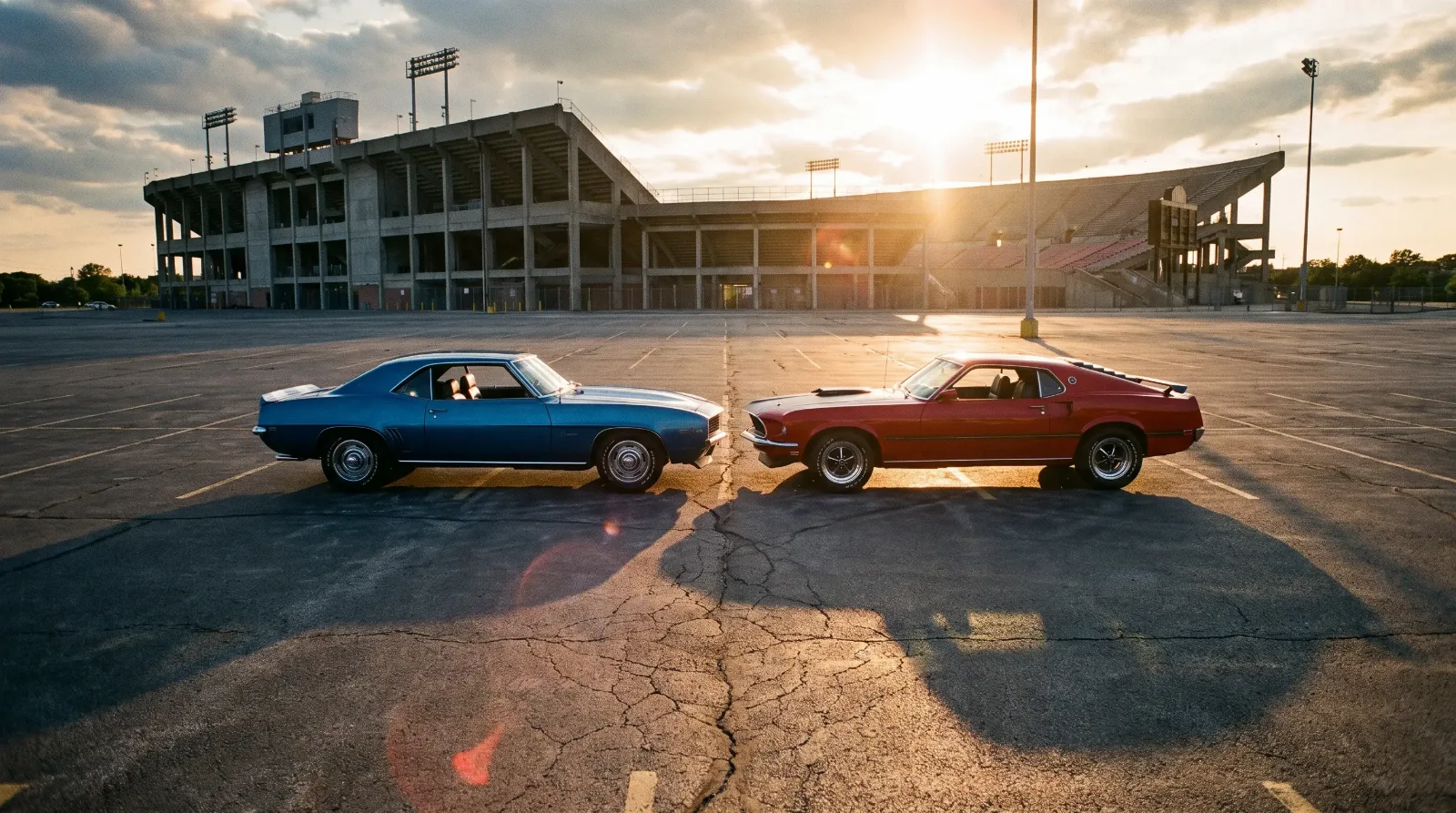
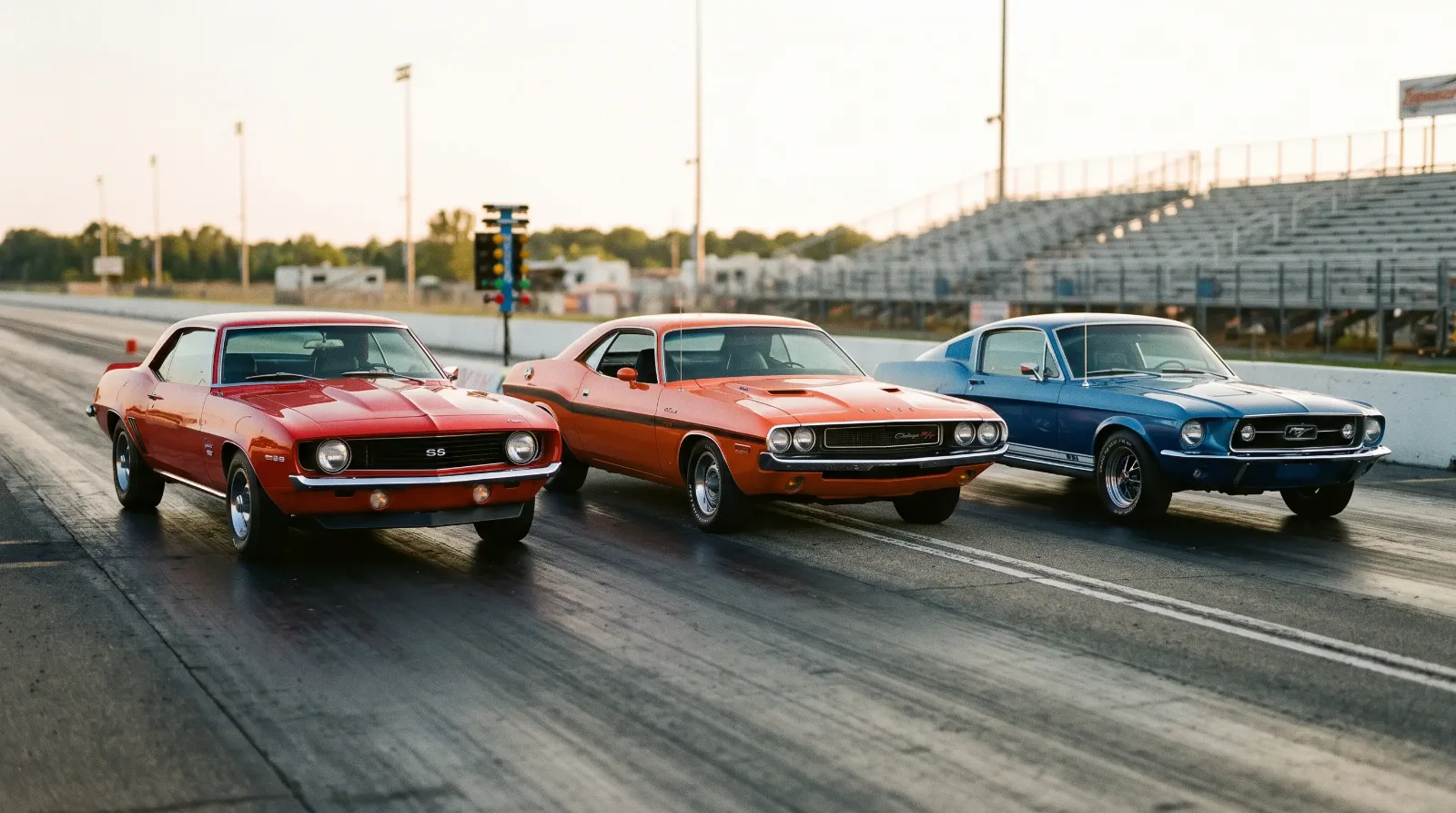
Any honest account of what the Camaro means culturally has to account for the car it was chasing. Ford introduced the Mustang in April 1964 at the New York World's Fair, and the response was immediate and overwhelming. Ford sold over 400,000 Mustangs in the first twelve months. By the time Chevrolet responded with the Camaro in 1967, the Mustang had already defined the category.
What happened next, though, was not a simple story of follower catching leader. The Camaro and Mustang became representatives of genuinely different sensibilities, and those sensibilities mapped onto something broader in American culture. Mustang buyers skewed toward the coasts, toward buyers who thought of the car as sporty in a European sense, a personal car. Camaro buyers were concentrated in the Midwest and the South, buyers who thought about the car in terms of horsepower and straight-line speed, buyers who attended drag strips rather than autocross events.
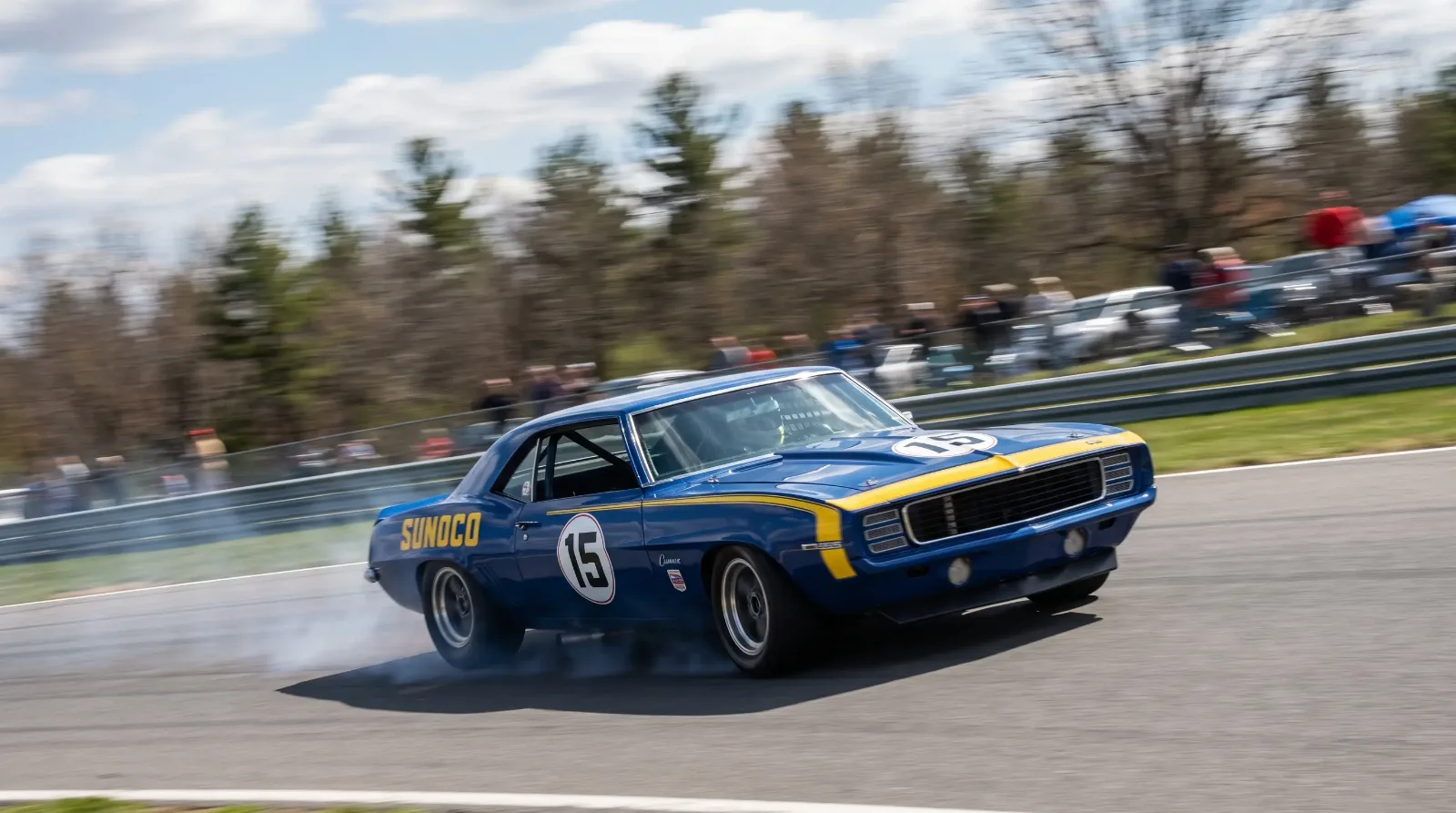
This split was real enough that it became self-reinforcing. Chevrolet leaned into it. The heavy-hitting big-block options, the SS package, the Z/28's high-winding small-block built for SCCA Trans-Am racing, all of these positioned the Camaro as a car for people who took performance seriously on their own terms. Ford answered with the Shelby Mustangs and eventually the Boss 302 and Boss 429, and the rivalry produced some of the most capable street cars built in America during that period.
The interesting thing, looking back at it now, is how much of the identity that both cars built came from what they were competing against. The Camaro is partly defined by not being the Mustang, and vice versa. That rivalry became embedded in American car culture deeply enough that it still comes up at shows and on forums, with the same energy it had in 1969, among people who were not born when these cars were new.
"I've talked to guys at shows from Tennessee to Ontario who could tell you exactly why they chose a Camaro over a Mustang, and none of them gave the same answer twice. That's what a genuine cultural object does: it means different things to different people and still holds together as a single thing."
Much of that screen swagger was earned on the track first, the story told in the Camaro racing history.
— Patrick Walsh
Music, lyrics and the car on the radio
Cars have been in American popular music since roughly the moment the first AM radio went into a dashboard, and the Camaro has its share of appearances in lyrics and imagery across rock, country, and hip-hop. But the more interesting relationship is the one that runs in the other direction: the music that was being made when the Camaro was at its cultural peak became inseparable from the experience of owning one.
If you bought a 1969 Camaro SS 396 when it was new, you were listening to Creedence Clearwater Revival, the Rolling Stones, and Steppenwolf on an AM radio with a speaker behind the rear seat. The sound matched the car in a way that is hard to recreate deliberately. It was not coordinated. It just happened to coincide, and the coincidence is now baked into how people remember both the music and the car.
By the mid-1970s, when the second-generation Camaro's long hood and T-top became genuinely iconic, the soundtrack was Southern rock and early heavy metal. Third-generation Camaros, the cars built from 1982 through 1992, existed in the era of FM rock radio, and their image was inseparable from that specific moment in American youth culture, the kind that showed up in John Hughes films and in the parking lots of high schools across the Rust Belt and the Sunbelt alike.
Country music has returned to the Camaro repeatedly as a symbol of a certain kind of freedom, the kind attached to being young and having a fast car and not having made any of the decisions yet that foreclose other decisions. It is a sentimental image, but the sentiment is grounded in something real: these cars were genuinely accessible when they were new, within reach of a young person with a job, and that accessibility is part of what they meant culturally.
Woodward Avenue and the street as stage
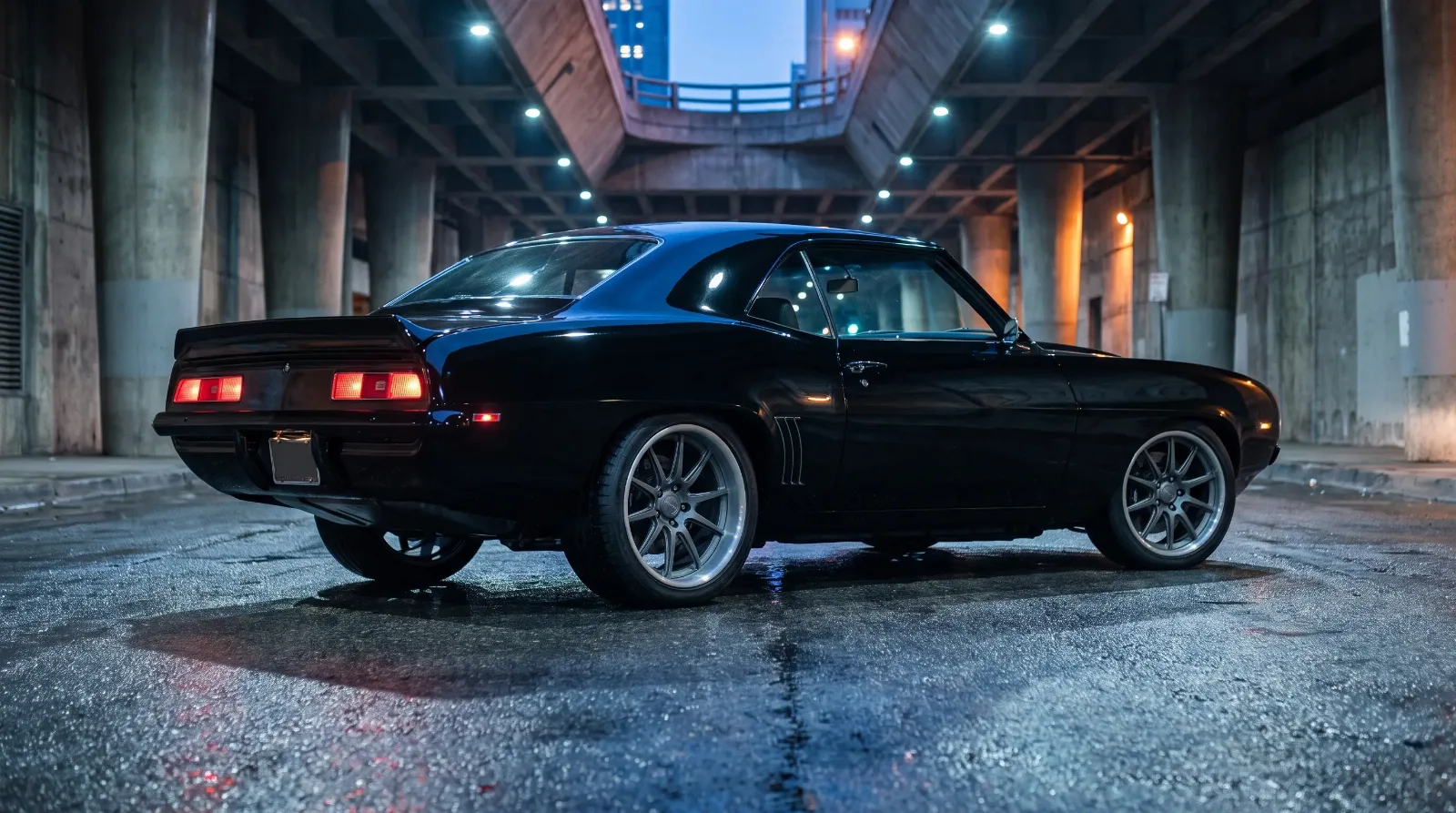
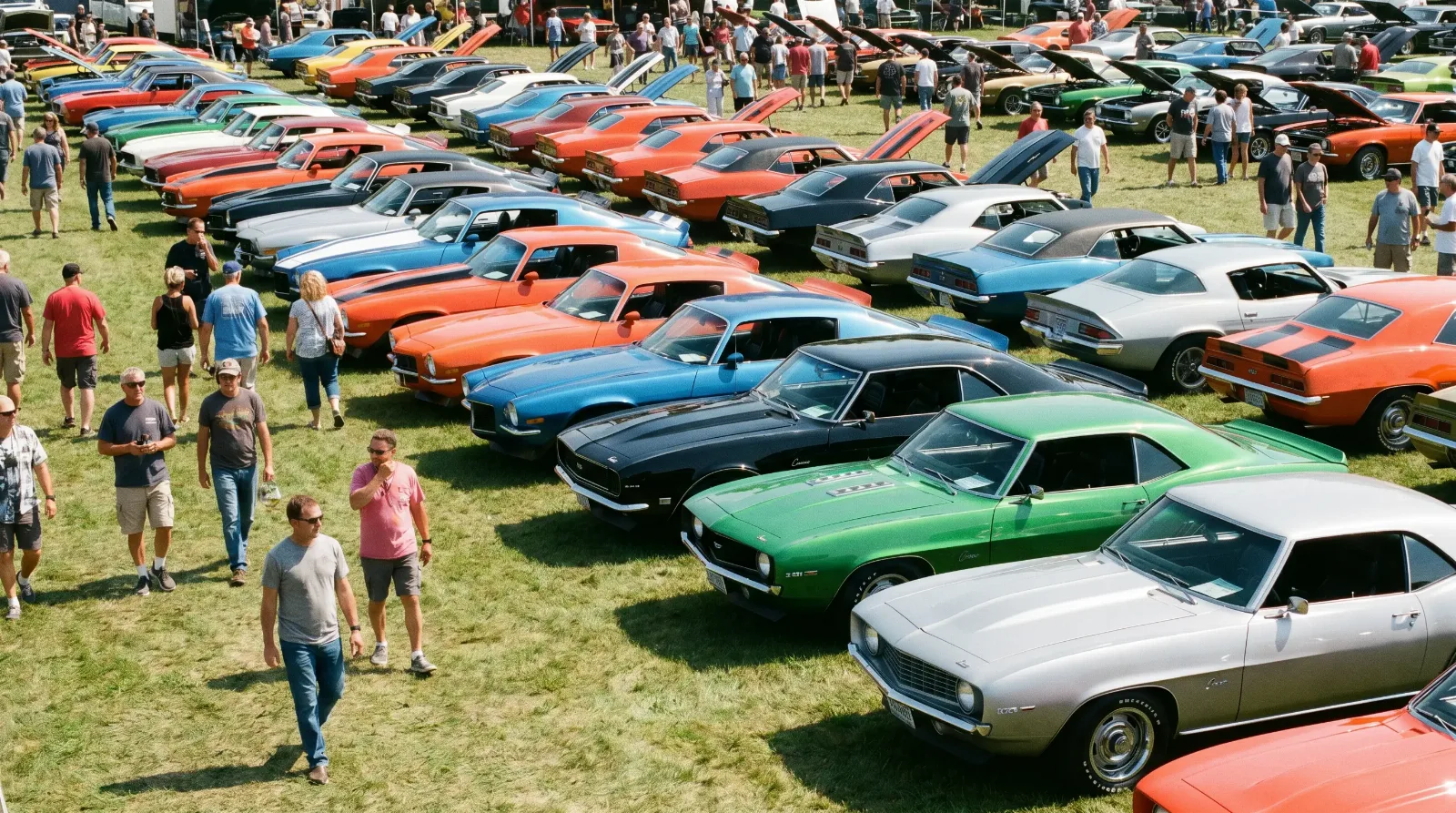
Any account of what the Camaro means on the street has to eventually arrive on Woodward Avenue in suburban Detroit, which has functioned as a kind of open-air stage for American performance cars since at least the early 1960s. The Dream Cruise, which became a formal event in 1995, draws hundreds of thousands of people to an eight-mile stretch of road each August to watch and show classic cars. Camaros are always there in significant numbers, from first-generation survivor cars to resto-modded third-gens to fifth-generation ZL1s driven by people who were not yet born when the original car was discontinued.
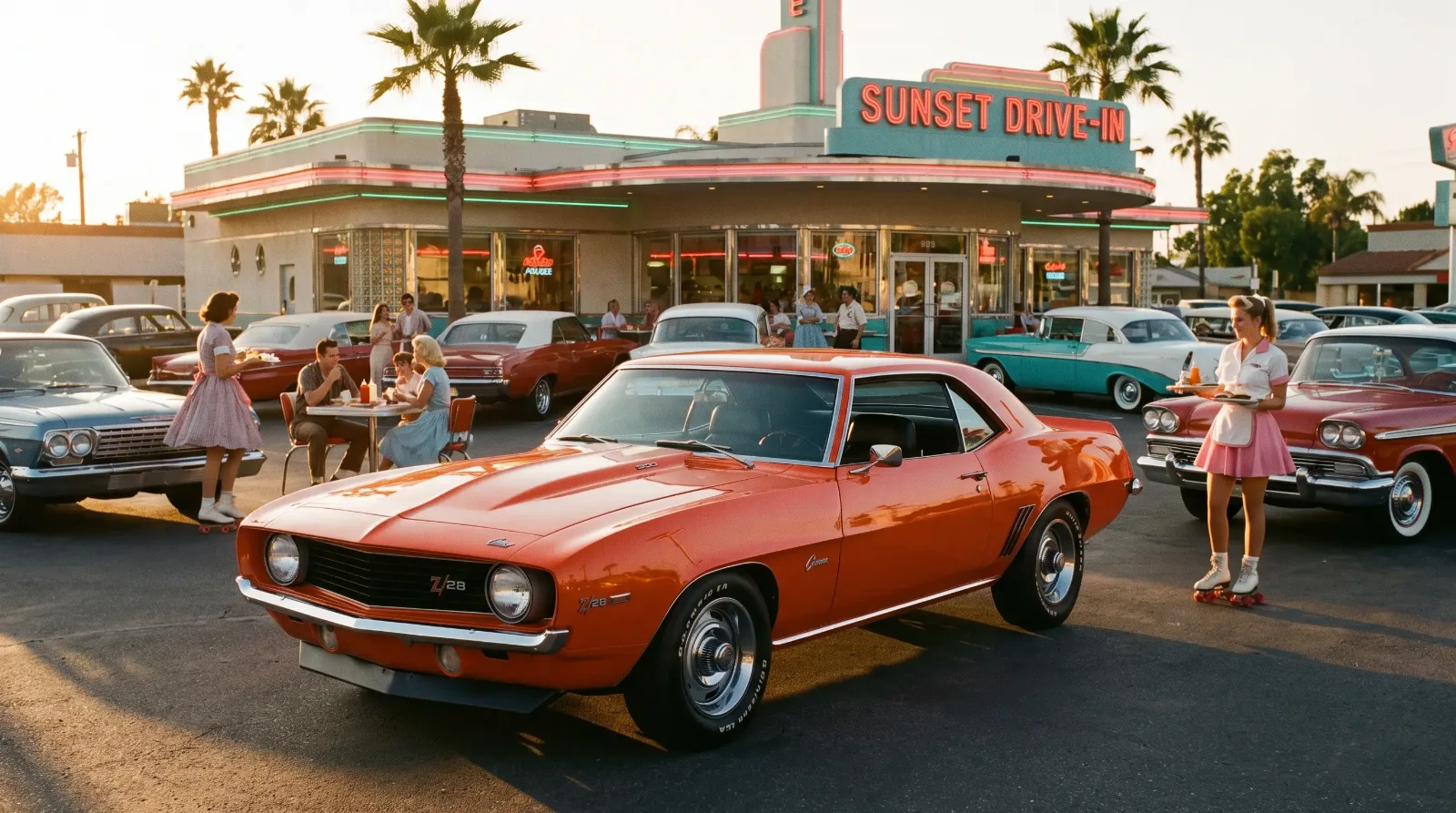
The Dream Cruise is the formalized version of something that was happening informally all along. Kids in Detroit suburbs were driving Camaros on Woodward in 1968, running against Mustangs and GTOs and Chevelles in ad hoc street races that the police sometimes ignored and sometimes did not. The same dynamic played out on Sunset Strip in Los Angeles, on the drag strips of rural Texas, in the parking lots of drive-ins across the country. The Camaro was available in enough quantity and at a price point accessible enough to enough young buyers that it became genuinely ubiquitous in car culture during its peak years.
That ubiquity is actually significant. The cars that achieve genuine cultural meaning are rarely the most exclusive ones. They are the ones that enough people could afford to own, modify, race, and wreck, and that a significant subset of owners cared enough about to maintain and eventually restore. The Camaro qualified on all of those counts.
| Generation | Years | Notable screen appearances | Cultural moment |
|---|---|---|---|
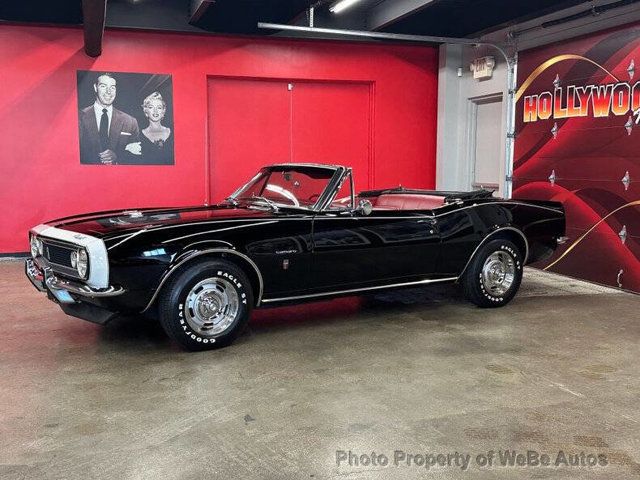
| First gen | 1967 to 1969 | Various 1970s and 80s films as period-correct prop | Muscle car era; Mustang rivalry peaks |
| Second gen | 1970 to 1981 | T-top cars became the decade's definitive image | Southern rock; FM radio; Smokey and the Bandit era |
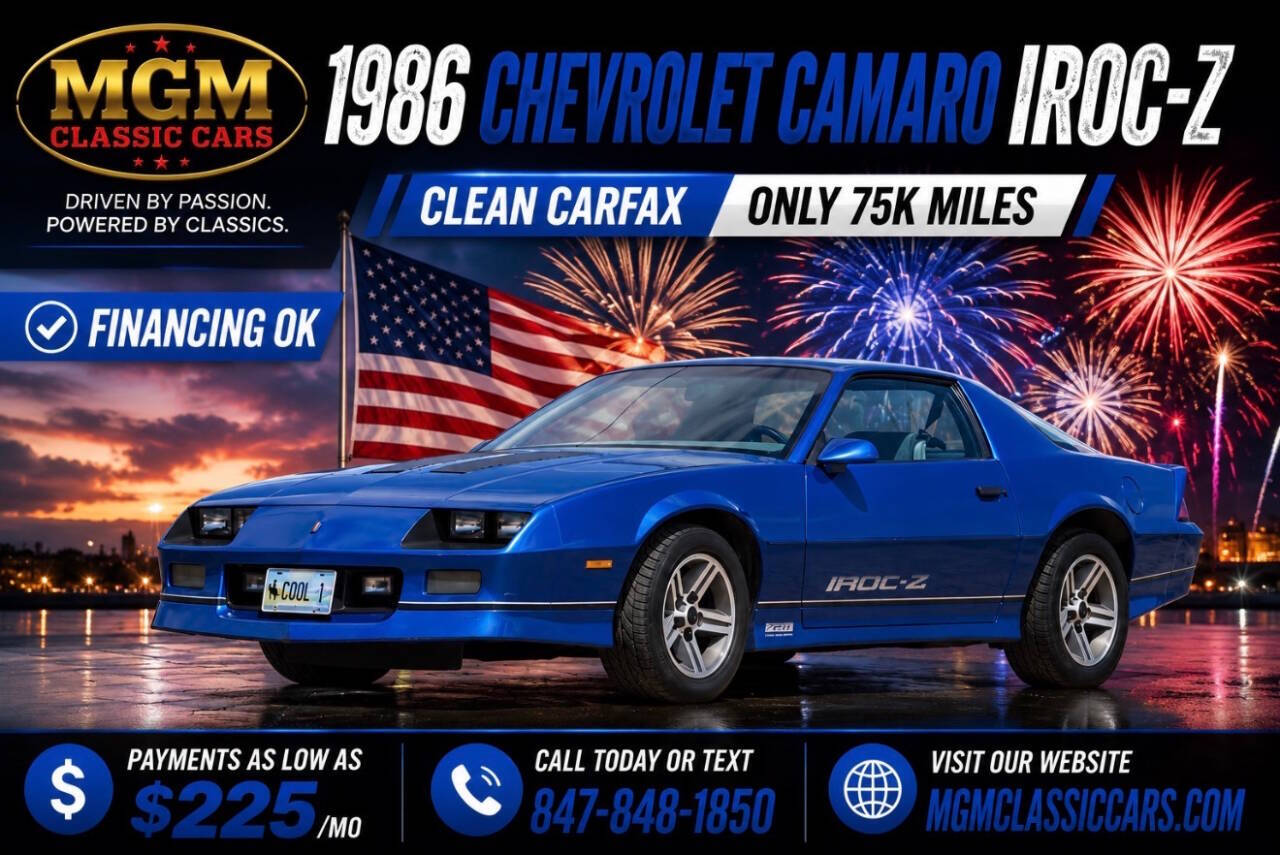
| Third gen (IROC-Z) | 1982 to 1992 | John Hughes-era high school films; pop culture staple | MTV generation; accessible muscle |
| Fourth gen | 1993 to 2002 | Television appearances; enthusiast press focus | LS1 era; performance per dollar argument |
| Fifth gen | 2010 to 2015 | Transformers franchise (Bumblebee) | Hollywood-scale revival; global audience |
Why the Camaro endures as a cultural object
The Camaro went on hiatus between 2002 and 2009, and the revival in 2010 was greeted with something close to relief by a community that had kept the flame going through club events, magazine coverage, and the steady appreciation of good first and second-generation cars at auction. The fifth-generation car's retro-influenced design was a deliberate callback to the 1969 model, and it worked commercially. But the cultural staying power of the nameplate is not really explained by the fifth-gen's sales numbers.
What explains it is the depth of the preceding accumulation. Fifty-plus years of films, songs, races, shows, restorations, and personal stories had built something that could not be undone by a production hiatus. The Camaro in the cultural imagination is not the car as it currently exists in dealerships; it is the composite of every version of it that people have owned, driven, watched, and heard on the radio since 1967. That composite is what people are connecting with when they respond to the car at a show or recognize it in a film.
Patrick has been to enough shows in enough states to know that the Camaro enthusiast community is unusually broad in terms of the generations it spans. You will find a seventy-year-old man who bought his 1969 Z/28 new standing next to a twenty-five-year-old who learned about the car through the Transformers films and bought a fourth-gen LS1 car as his first project. They are talking about different things and the same thing simultaneously, which is exactly what a genuine cultural object makes possible.
The Mustang has the same quality, and the rivalry between the two communities mirrors the rivalry between the cars themselves: long-running, good-natured most of the time, serious underneath. Both cars earned their place in the culture by being genuinely good at what they were designed to do, available to the people who wanted them, and present at enough of the right moments over enough decades that they became woven into a particular idea of what American driving looks and feels like.
Sources and notes
Production figures, engine specifications, codes, and dates in this article are cross-referenced from established Camaro references, period documentation, and owner registries. Where sources differ, the most commonly cited value is used. Cost figures are indicative and vary by supplier, region, and condition.