
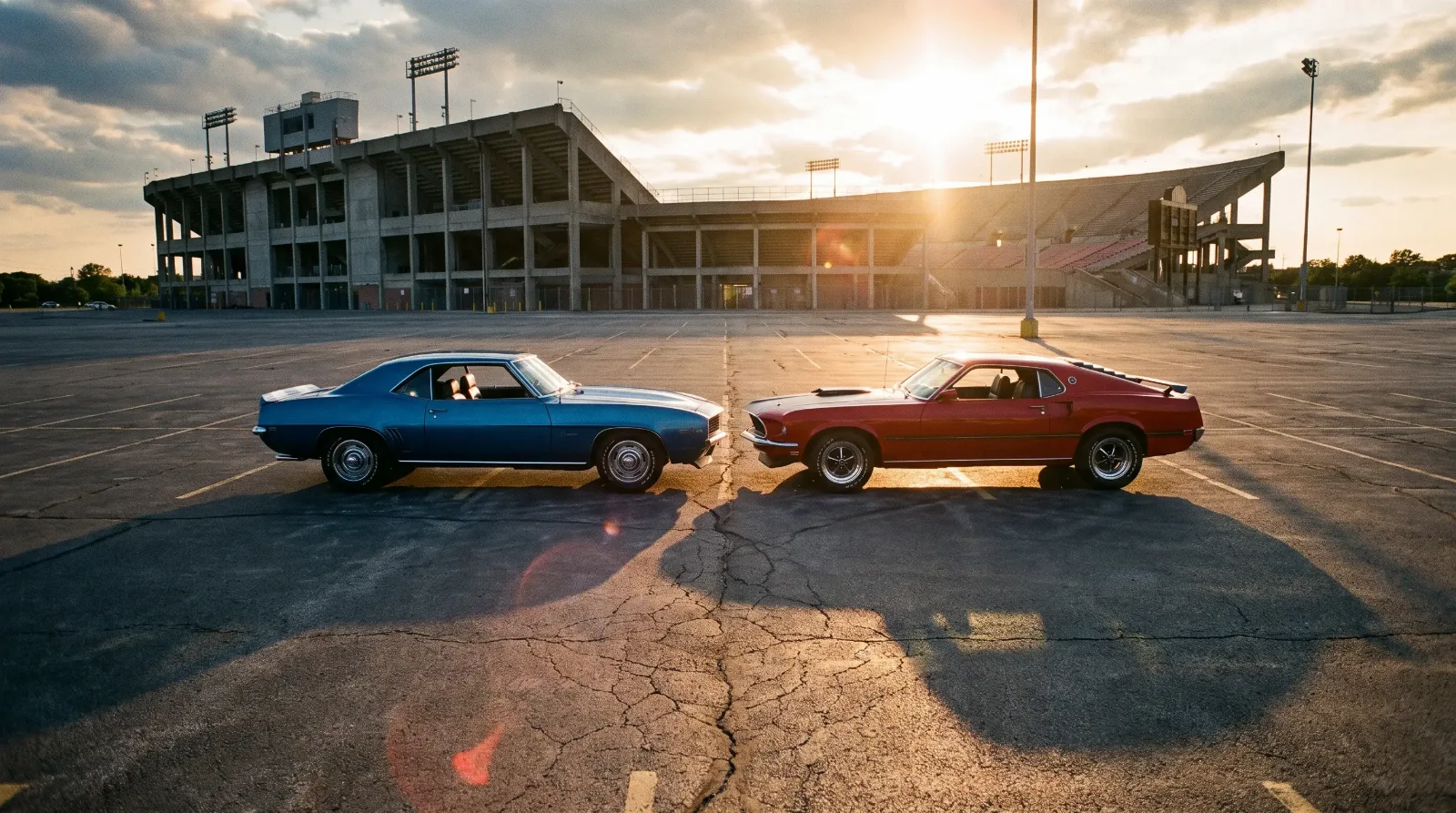
Ford blinked first, then Chevrolet swung back
The story of the camaro vs mustang rivalry begins with fear. Not fear between drivers or fans, but fear in a corporate boardroom. When the Ford Mustang launched in April 1964 at the New York World's Fair, it sold 22,000 units on its first day and moved over 400,000 in its first year. General Motors' leadership watched those numbers and understood immediately that they had a problem. Chevrolet did not have a comparable car. The Corvette was too expensive and too exotic. The Chevy II was too small and too tame. Something new was needed, and it was needed fast.
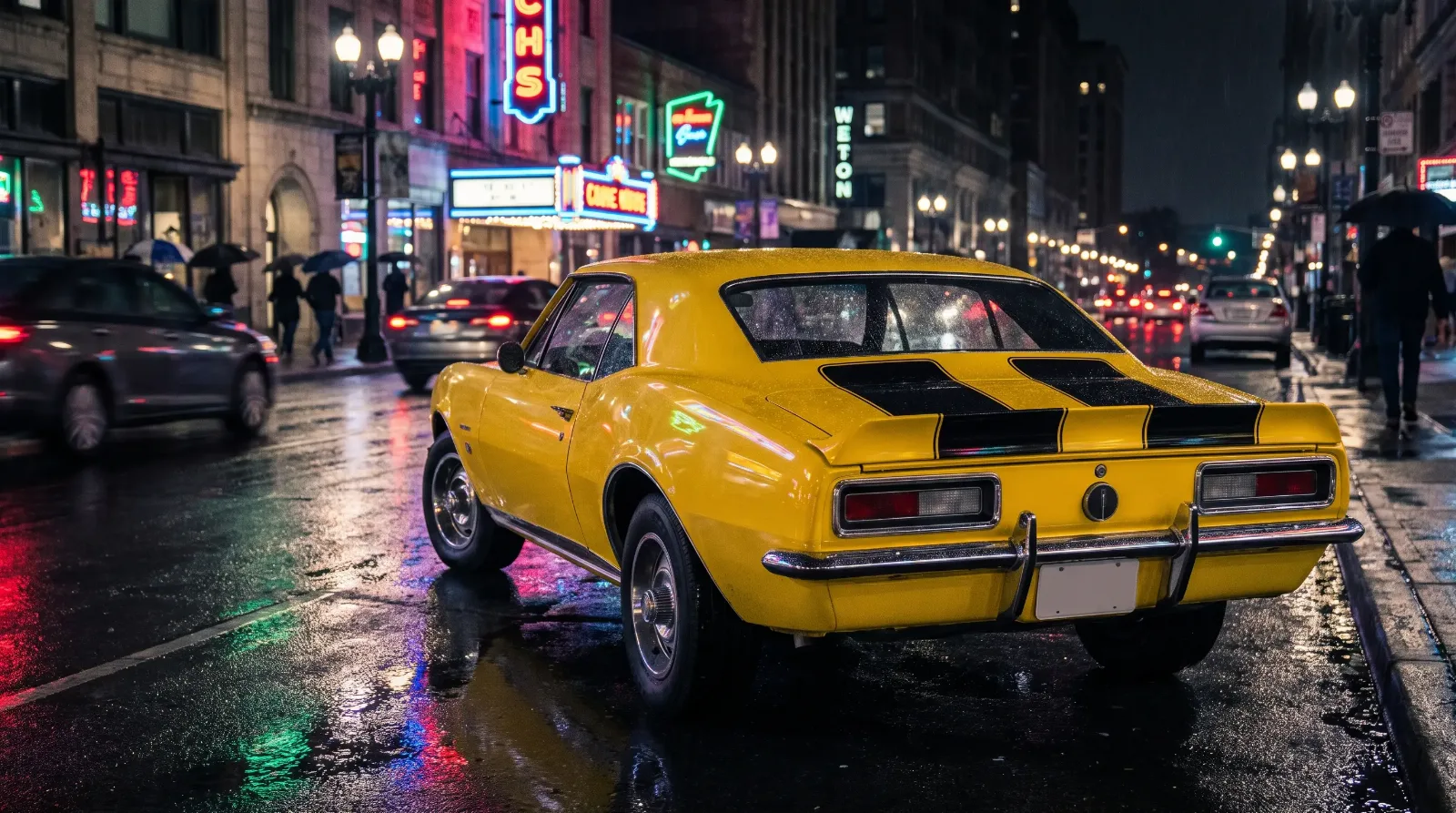
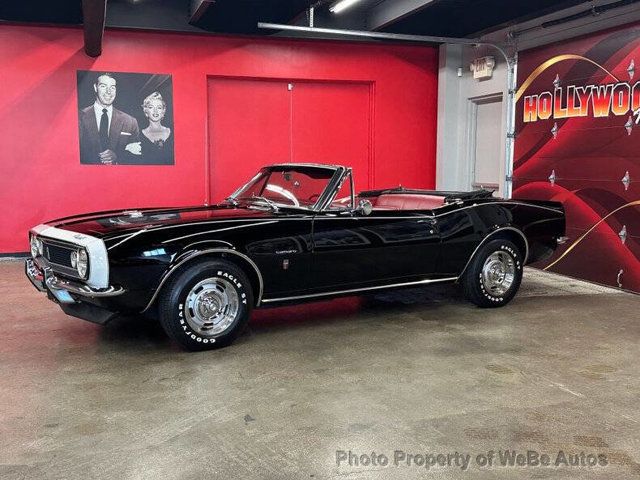
The result was the Camaro, introduced for the 1967 model year. Chevrolet general manager Pete Estes announced it in September 1966 and used one of the great non-answer answers in automotive history when asked what the name meant: he said it was a small, vicious animal that ate Mustangs. The line was almost certainly written in advance, but it set the tone for everything that followed.
The full context for the Camaro's development is covered in the complete Chevrolet Camaro story, which traces every generation from that 1967 debut to the present day.
How the rivalry worked in practice
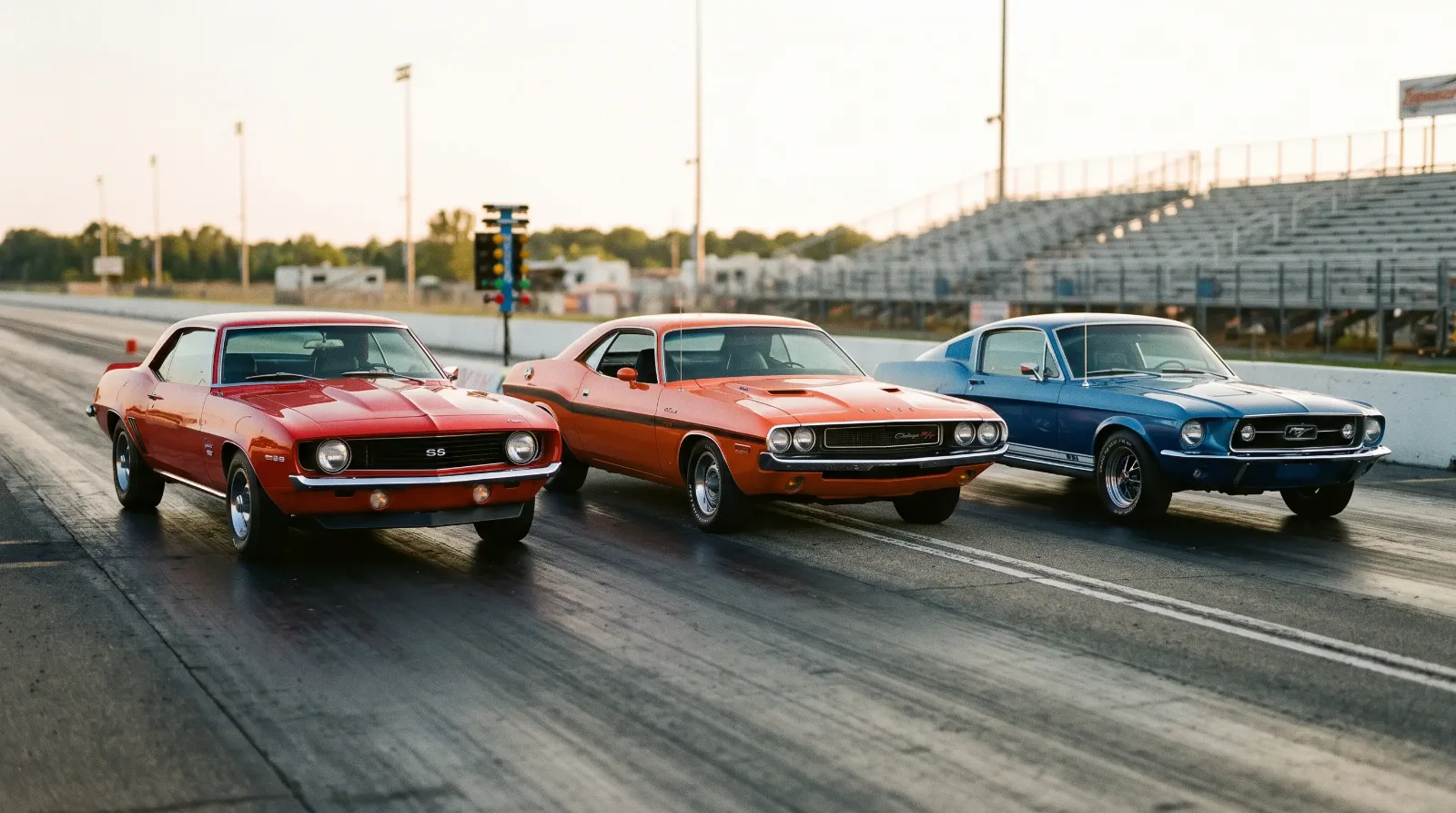
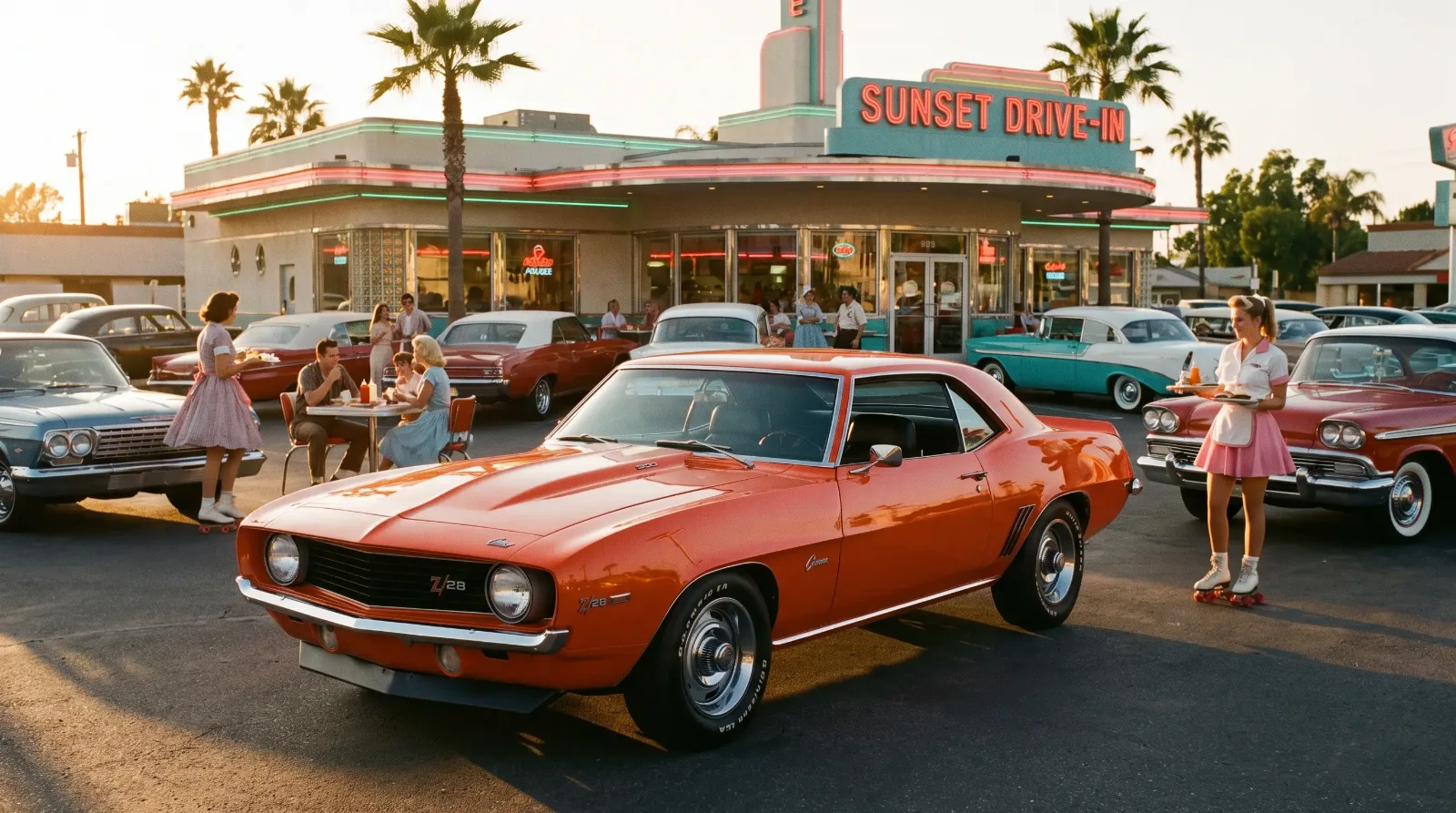
From 1967 onward, the two brands operated in a form of competitive mirroring. When Ford released the Mach 1 in 1969, Chevrolet had the Z/28 and the SS 396. When the Boss 302 appeared for Trans-Am racing homologation, the Camaro Z/28 was already there. When Ford brought out the Boss 429 for drag racing, Chevrolet countered with big-block COPO Camaros built through Central Office Production Orders so they could sidestep corporate displacement limits on intermediate-sized cars.
The COPO Camaro story is one of the more interesting sidebars in the rivalry. In 1969, Chevrolet's official policy prevented engines larger than 400 cubic inches in the Camaro. Dealer Don Yenko and a handful of others discovered that COPO orders, designed for fleet purchases, could bypass that restriction. The result was a small run of Camaros with 427 cubic inch engines [VERIFY exact COPO 9561 and 9562 production numbers] that became some of the most sought-after drag cars of the era. Ford had no equivalent workaround because their big-block strategy was open and official rather than operating through a back channel.
"The COPO cars are proof that the Camaro vs Mustang rivalry happened in engineering offices and dealer lots just as much as it happened on drag strips and race tracks."
-- Patrick Walsh
Sales numbers and what they actually showed
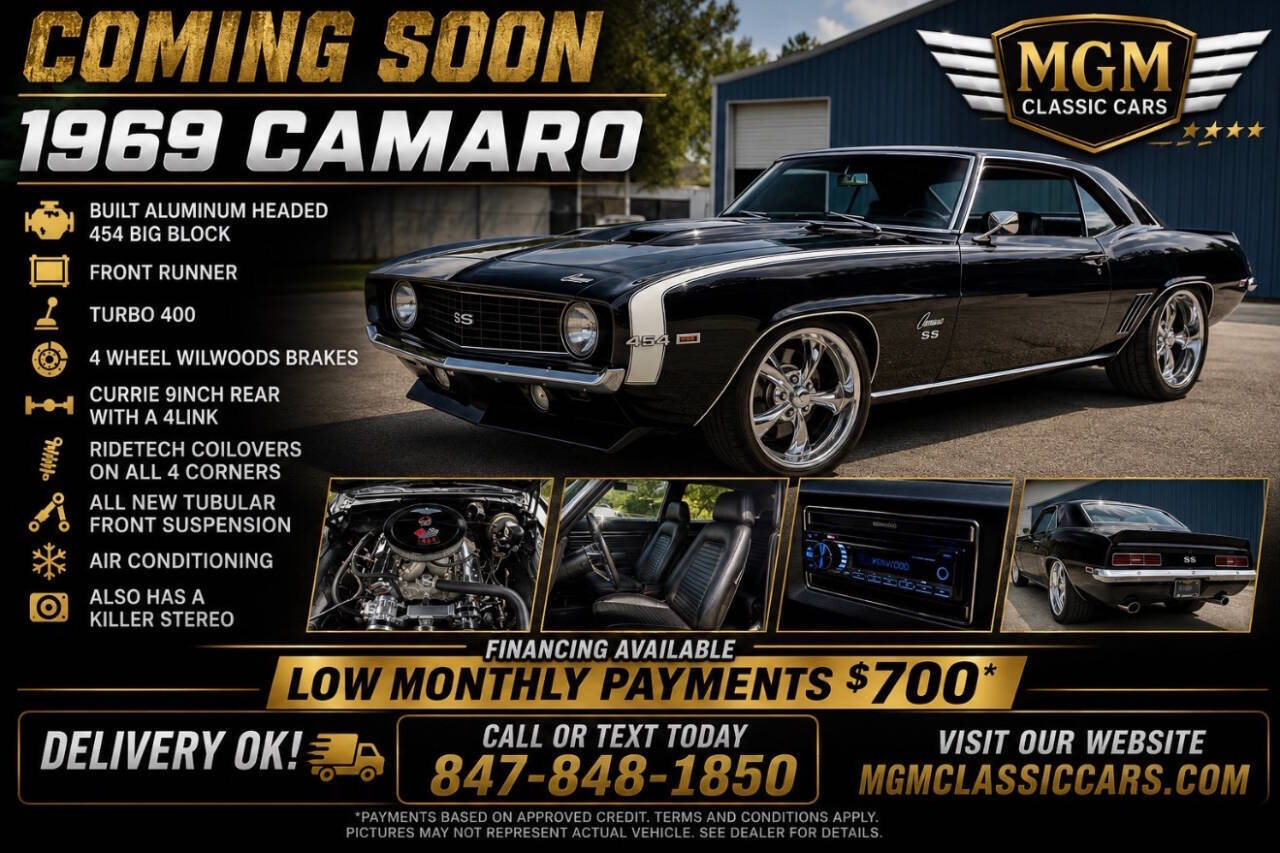
The Mustang outsold the Camaro for most of the late 1960s simply because it had a two-year head start and Ford had built serious dealer and consumer enthusiasm before Chevrolet arrived. But the gap narrowed quickly. By the 1969 model year, Camaro production reached approximately 243,000 units [VERIFY against GM production records], close enough that Ford could no longer claim the pony car segment as its exclusive territory.
The 1970 model year brought the second-generation Camaro, a car that many designers and enthusiasts consider the better-looking of the two rivals at that moment. The 1970 Mustang had grown heavier and larger, moving away from the original pony car formula. The 1970 Camaro's long hood and European-influenced fastback roofline looked more modern. Sales did not immediately reflect the design advantage because Ford had more dealer volume, but the critical reception shifted.
Then the insurance crisis hit. Rising premiums on high-performance cars, combined with tightening emissions regulations and the 1973 oil embargo, squeezed both models through the mid-1970s. Neither company handled the transition gracefully. The Camaro survived with its identity roughly intact through the 1970s, while the Mustang briefly became a Pinto-based economy car called the Mustang II between 1974 and 1978. That decision still provokes strong reactions.
The modern chapter of an old argument
Both cars took long breaks from production in the 21st century. Ford discontinued the Mustang's closest competitor when the Camaro was discontinued after the 2002 model year, only to find that the Mustang sold well without direct competition but perhaps sold better with it. Chevrolet brought the Camaro back for 2010, and Ford responded by making the fifth-generation Mustang more competitive. The sixth-generation Mustang, released for 2015, has outlasted the sixth-generation Camaro, which ended production in 2024.
The rivalry produced, between them, some of the most memorable cars in American automotive history: the Z/28, the Boss 302, the 1LE, the Shelby GT500, the COPO, the Mach 1. Each of those cars exists in part because someone at the competing brand did something that required a response. That productive antagonism is exactly what healthy competition is supposed to generate.
For the three-way version of this argument, the next article brings the Dodge Challenger into the conversation: Camaro vs Challenger vs Mustang covers the muscle car feud in its full form. And for readers who want to understand the Camaro's place in movies and television beyond the racetrack, the Camaro in pop culture is the right place to start.
Sources and notes
Production figures, engine specifications, codes, and dates in this article are cross-referenced from established Camaro references, period documentation, and owner registries. Where sources differ, the most commonly cited value is used. Cost figures are indicative and vary by supplier, region, and condition.
- Mustang vs Camaro: Battle of the Pony Cars (CJ Pony Parts)
- Mustang vs Camaro: The ultimate American car rivalry (Digital Trends)
- Chevrolet Camaro - Wikipedia
- CRG Research Report - COPO 427 (camaros.org)
- How did the Chevy Camaro get its name? - Automotive News
- 1969 Chevrolet Camaro Fact Sheet - Over-Drive Magazine