
Why the Camaro keeps ending up on set
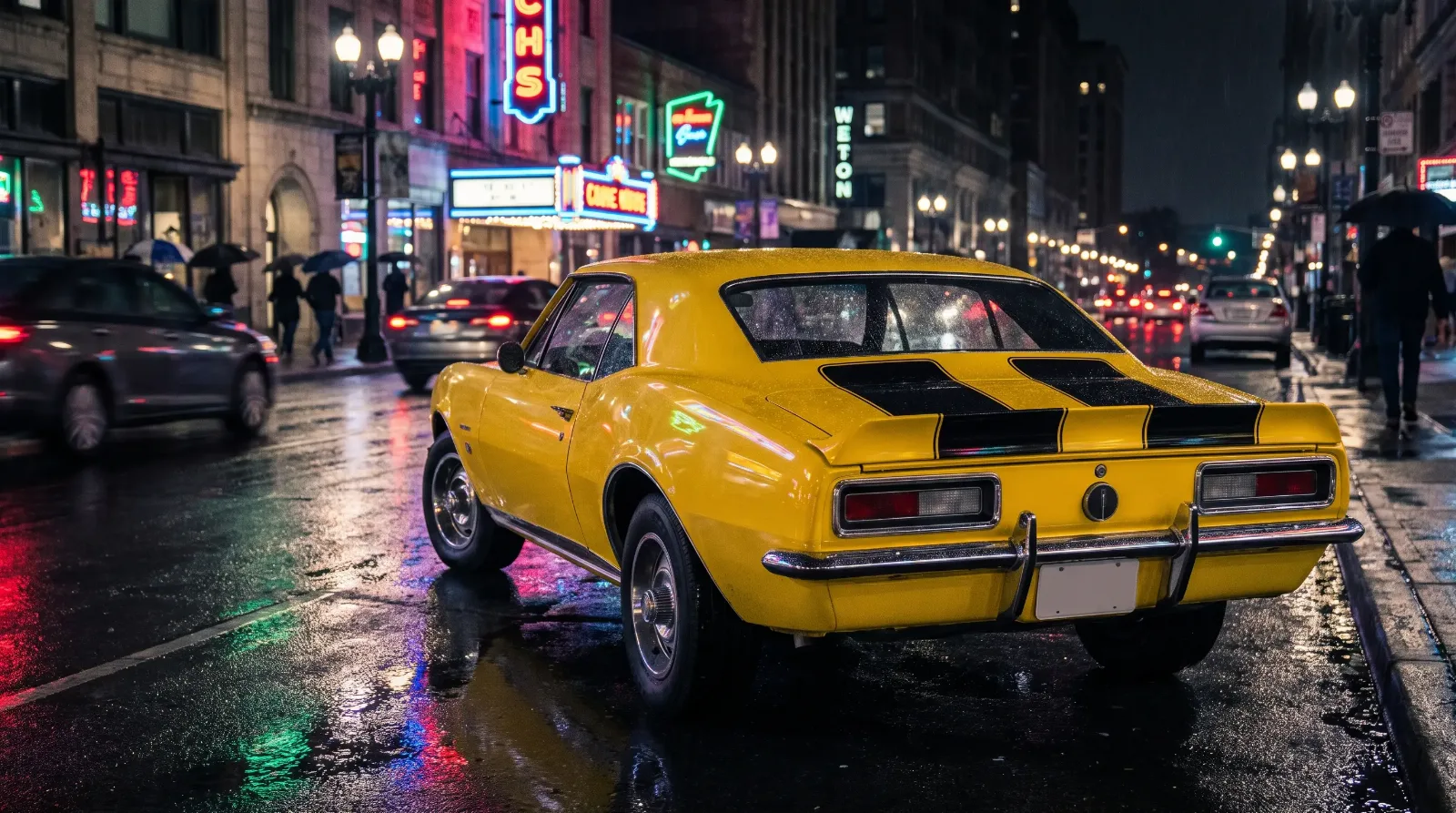
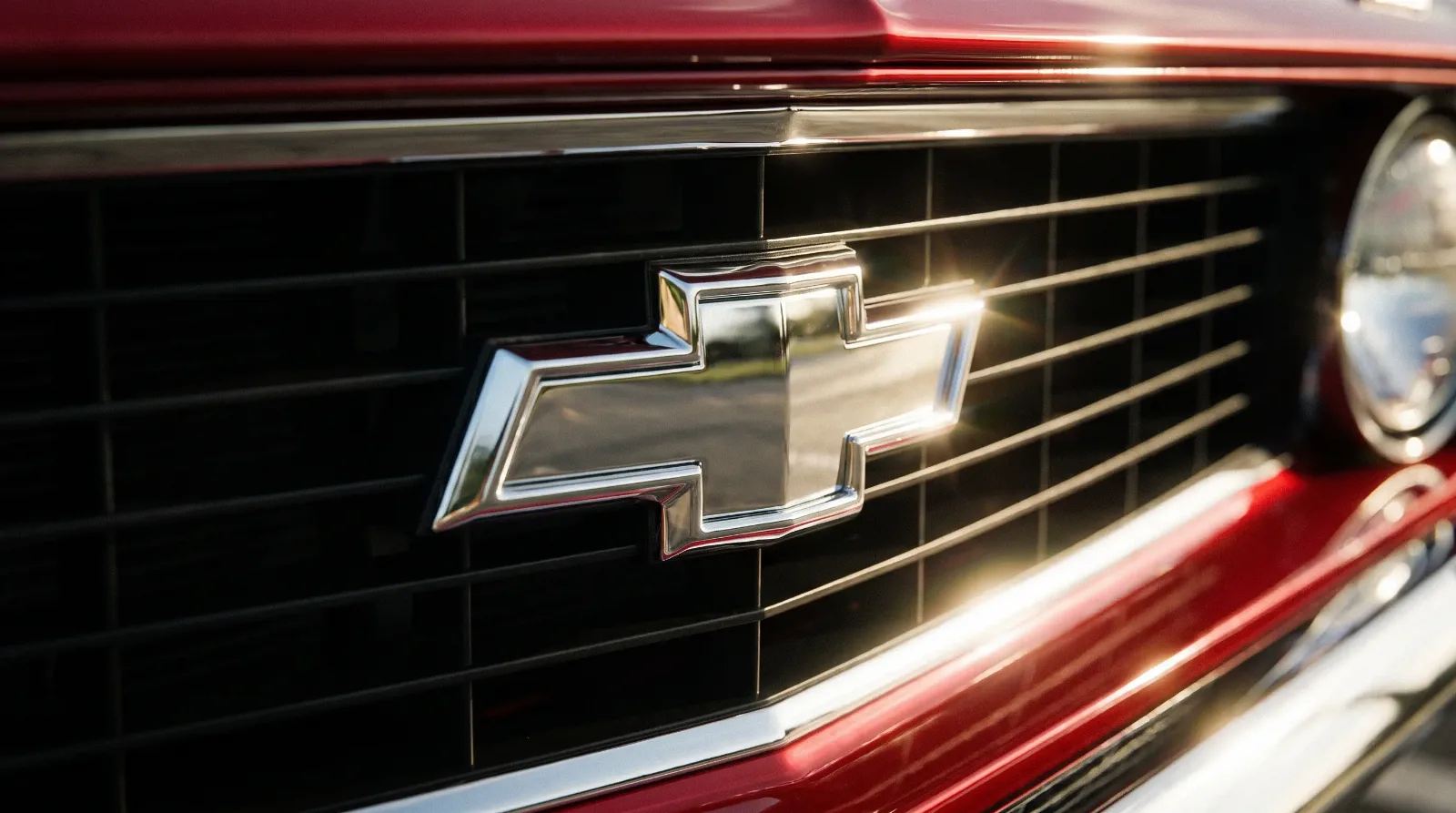
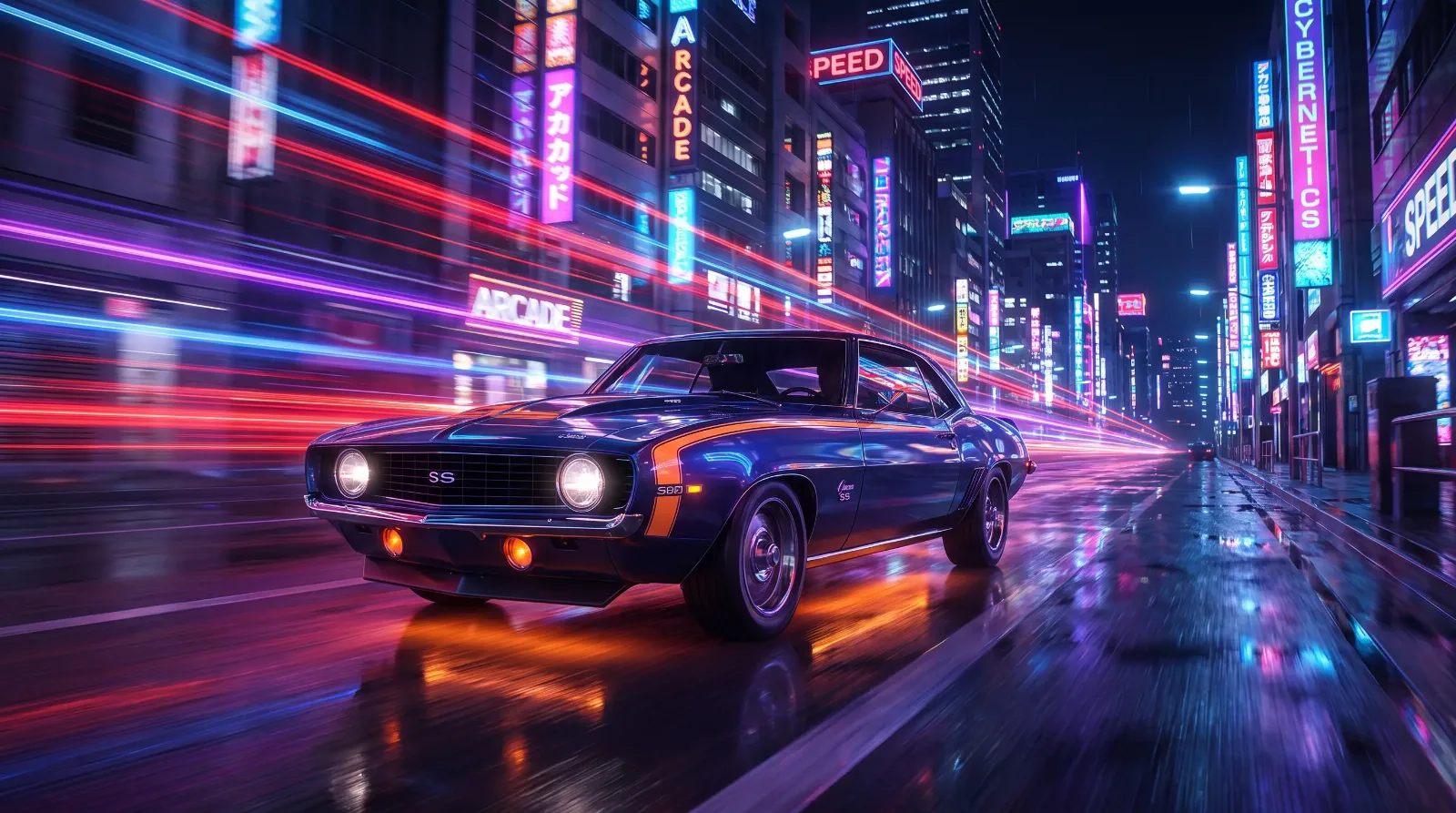
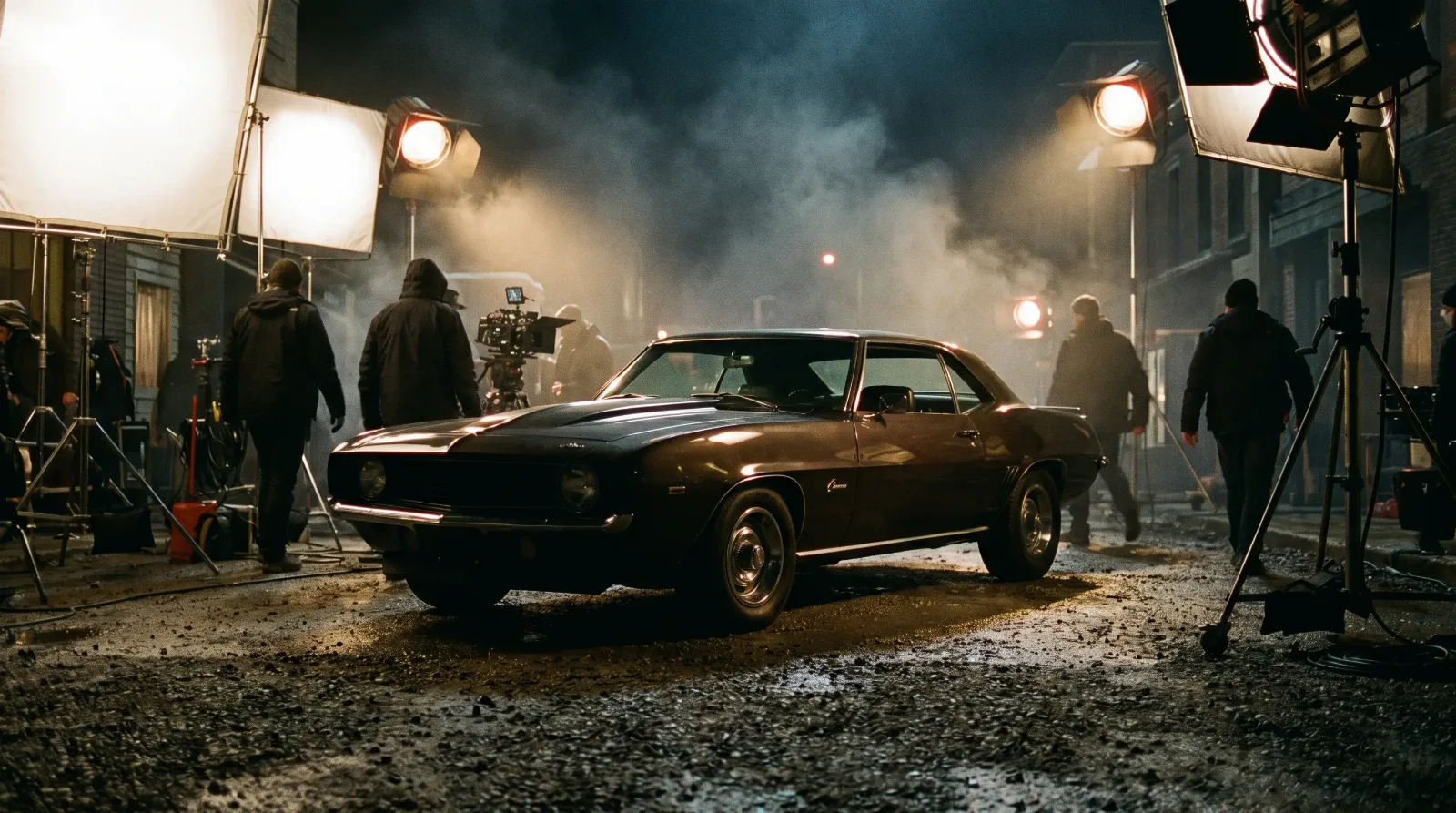
There is a shorthand that location scouts and prop masters have understood for decades: when a scene needs a car that reads as American, fast, and a little dangerous without explanation, someone calls a Camaro. The lines do the work. A first-generation car parked at a curb in a single establishing shot tells the audience something about the person who drives it before that person says a word. That is a useful tool for a filmmaker working on a tight schedule, and it is one reason the Camaro has appeared in films and television across six decades of production.
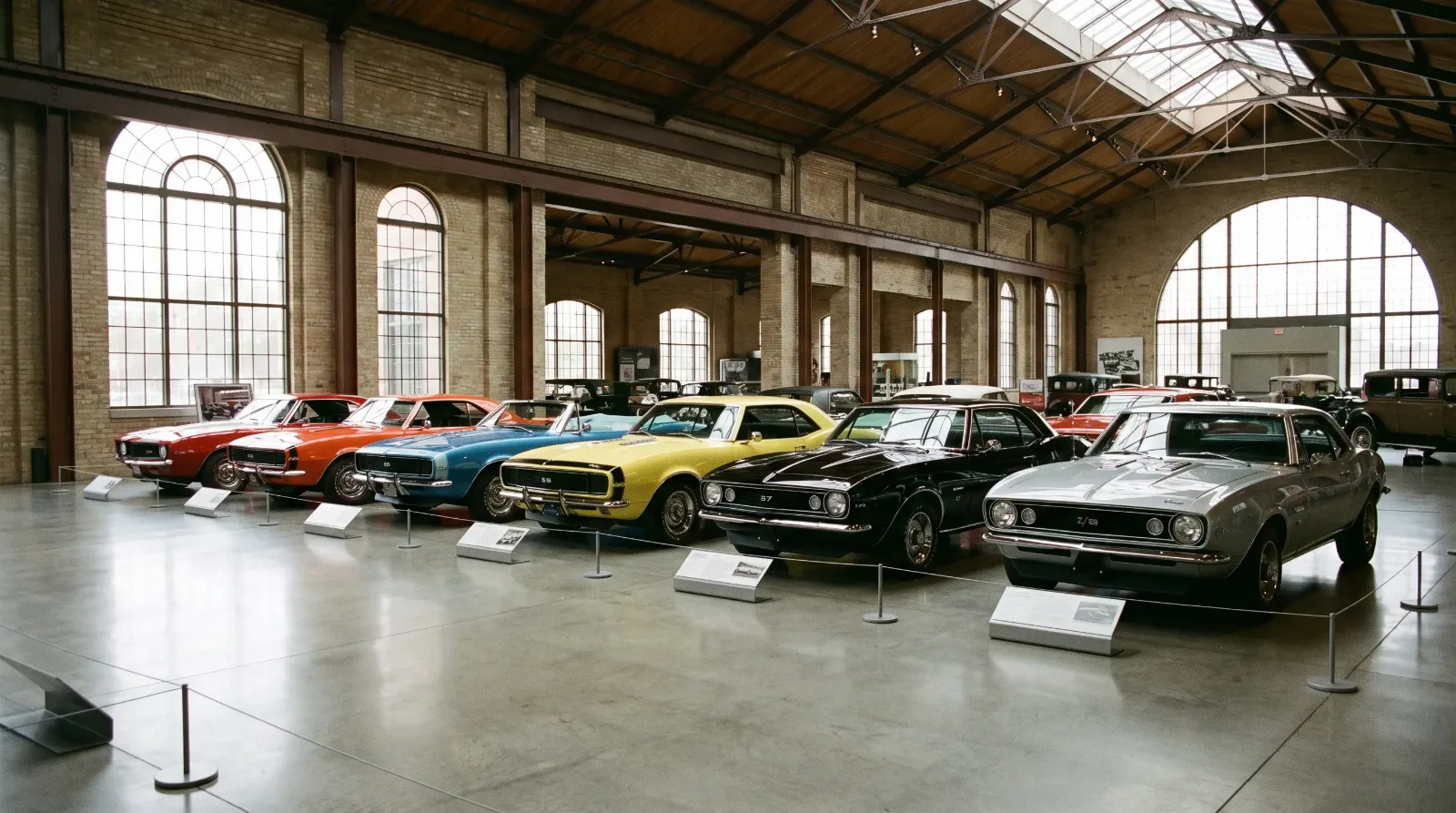
It is not just aesthetics. The Camaro carries genuine cultural weight, and audiences respond to it. To understand how that identity was built, it helps to read the full story from the factory floor forward. The short version: Chevrolet launched the car in 1967 as a direct answer to the Ford Mustang, and by the early 1970s it had carved out its own audience among buyers who wanted something with a bit more aggression and a slightly lower roofline. That reputation transferred directly to the screen.
The Bumblebee effect: Transformers and the first-gen resurgence
The single most visible Camaro in modern cinema is almost certainly Bumblebee from the Transformers franchise, which began with Michael Bay's 2007 film. The character first appeared as a battered 1977 Chevrolet Camaro before transforming into a gleaming 1969 RS/SS for the bulk of the film. The choice was not accidental. The designers reportedly wanted a car that would read as vintage and heroic simultaneously, and the first-generation body style delivered both.
The effect on the collector market was real. Enthusiasts and automotive journalists noted increased search interest in first-gen Camaros in the years following the 2007 release. A generation of younger buyers who had grown up watching the franchise developed genuine attachment to the body style. Whether that translated to sustained market movement is a separate question, but the awareness it created is hard to dispute. The franchise continued through multiple sequels, and the character's Camaro identity remained central to each one.
A dedicated 2018 spinoff, simply titled Bumblebee, reset the character's origin story and leaned further into the car's visual appeal, this time with a 1967 Volkswagen Beetle as the initial form. The original Transformers films remain the clearest example of a single casting decision reshaping how a generation relates to a specific model.
Better Off Dead and the cult-film Camaro
Long before the Transformers franchise brought the car to a new generation, the Camaro had already established a presence in the kind of films that build devoted followings over time rather than opening-weekend numbers. Savage Steve Holland's 1985 comedy Better Off Dead gave a yellow Camaro a recurring role as a symbol of everything the main character both coveted and resented about the social landscape of a small ski town. The car belonged to the antagonist, and its presence communicated exactly what it was supposed to: money, confidence, and a particular kind of American teenage cruelty that does not require elaboration.
The film developed a cult following substantial enough that it is still referenced in discussions about 1980s cinema, and the yellow Camaro image from it has been reproduced across merchandise and fan art for four decades. That kind of longevity is not nothing. It is what happens when a filmmaker makes a casting decision that resonates and then the film itself earns repeat viewings.
More in this Camaro series: read about famous Camaros.
The Camaro appeared in similar supporting roles across 1970s and 1980s productions, often as the car that a certain type of character drives: the local tough, the older brother home from somewhere, the guy at the party who makes things complicated. These are not the starring roles, but they accumulate into a visual vocabulary that runs through American film of that period.
Notable screen Camaros
| Film / show | Car used | Year of production | Role in story |
|---|---|---|---|
| Transformers (2007) | 1977 Camaro / 1969 RS/SS | 2007 | Bumblebee, Autobot ally and hero car |
| Better Off Dead (1985) | Yellow Camaro | 1985 | Antagonist's car; social status symbol |
| The Longest Yard (1974) | 1967 Camaro | 1974 | Supporting vehicle (the film's opening chase used a Citroen SM) |
| The A-Team (TV, 1983-1987) | Second-gen Camaro variants | 1983 to 1987 | Recurring vehicle in various episodes |
| Charlie's Angels (TV, 1976-1981) | Second-gen Camaro | 1976 to 1981 | Chase and action sequences |
Television, muscle, and the second generation
The second-generation Camaro (1970 to 1981) overlapped almost exactly with the golden era of American action television, and the car was everywhere in that format. The longer, lower body that Chevrolet introduced for 1970 photographed well in motion, which mattered enormously for a medium built around car chases. The silhouette is wide and planted and reads as fast even at low speeds on a soundstage, and that is exactly the quality a stunt coordinator is looking for.
Productions set in the 1970s and 1980s still reach for second-gen Camaros as period-accurate shorthand, which has had the secondary effect of keeping prices on cleaner examples reasonably firm. A car that looks right in a scene does not require any dialogue to establish its era, and the second-gen achieves that in a way that holds up across whatever is happening in the rest of the frame.
For a broader look at how the car became embedded in American culture beyond the films specifically, the piece on the Camaro in pop culture covers the music, the merchandise, and the Camaro's place in the enthusiast world across generations.
"The car does not need an introduction in a scene. You cut to it and the audience already knows something about the person driving it. That is fifty years of cultural work, and no production designer builds that from scratch."
— Patrick Walsh
What filmmakers are actually casting when they choose a Camaro
It is worth being direct about what is actually happening when a director puts a Camaro in a scene. They are not necessarily reaching for the fastest car available, or the most expensive, or the most historically significant. They are reaching for a recognizable cultural signal, and the Camaro carries several simultaneously: American manufacturing, a specific class of performance that is accessible without being exotic, and a visual association with a certain kind of freedom that runs through the films and television that shaped how multiple generations understand what a car can mean.
That signal is self-reinforcing. Every Camaro that appears in a film adds slightly to the next one's readability. The first-gen cars that Bumblebee made newly visible now carry that association into every context where they appear, including the show field and the auction block. The second-gen cars that populated 1970s television now read as period-accurate in a way that feels earned rather than merely nostalgic. The third and fourth generation cars that appeared in action films of the 1990s established their own set of associations.
None of this is accidental, and very little of it is simply about the cars' specifications. A Camaro in a film is a choice about what kind of American story is being told. Filmmakers have been making that choice for more than fifty years, and the car keeps earning the casting call.
Sources and notes
Production figures, engine specifications, codes, and dates in this article are cross-referenced from established Camaro references, period documentation, and owner registries. Where sources differ, the most commonly cited value is used. Cost figures are indicative and vary by supplier, region, and condition.