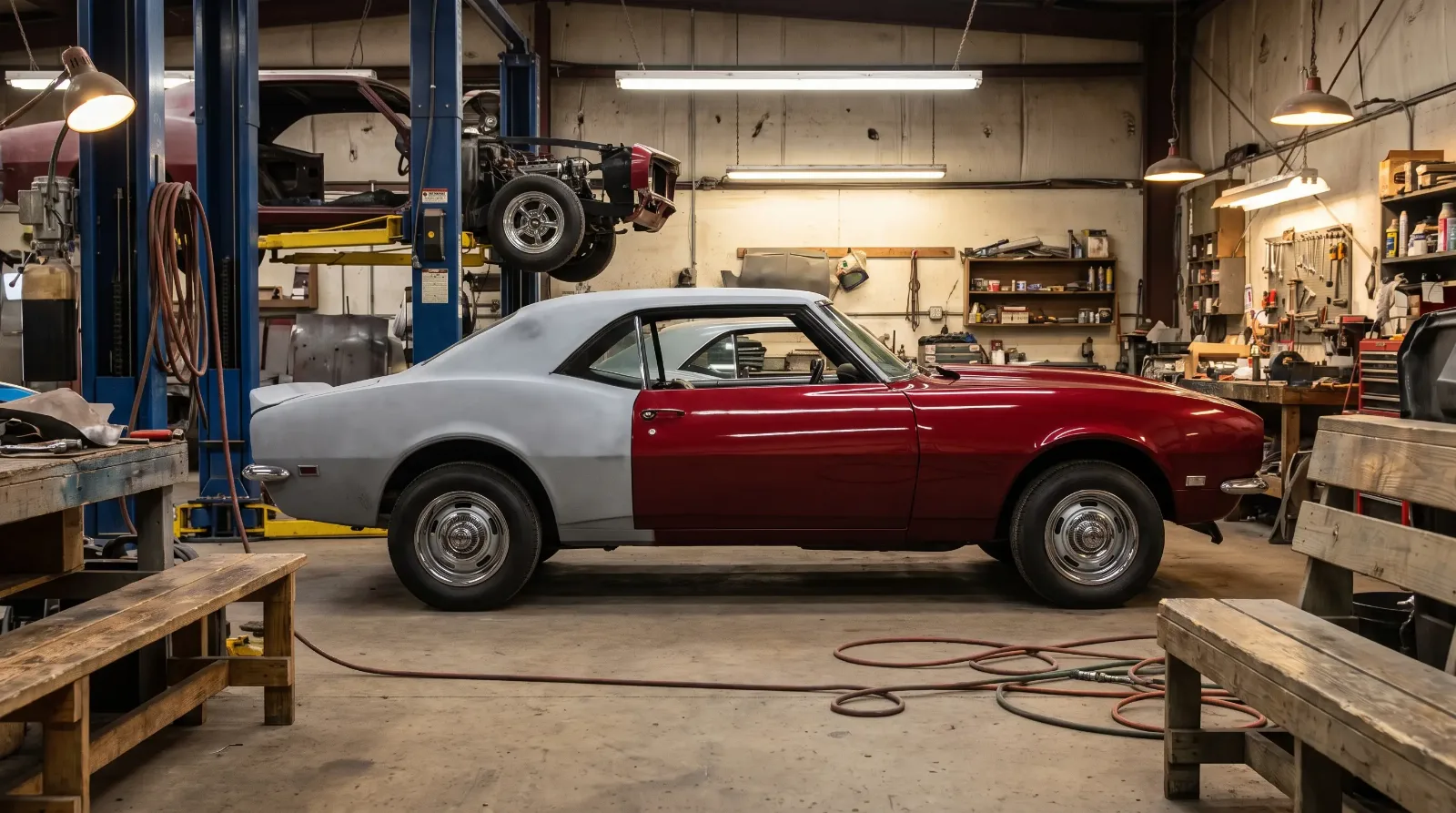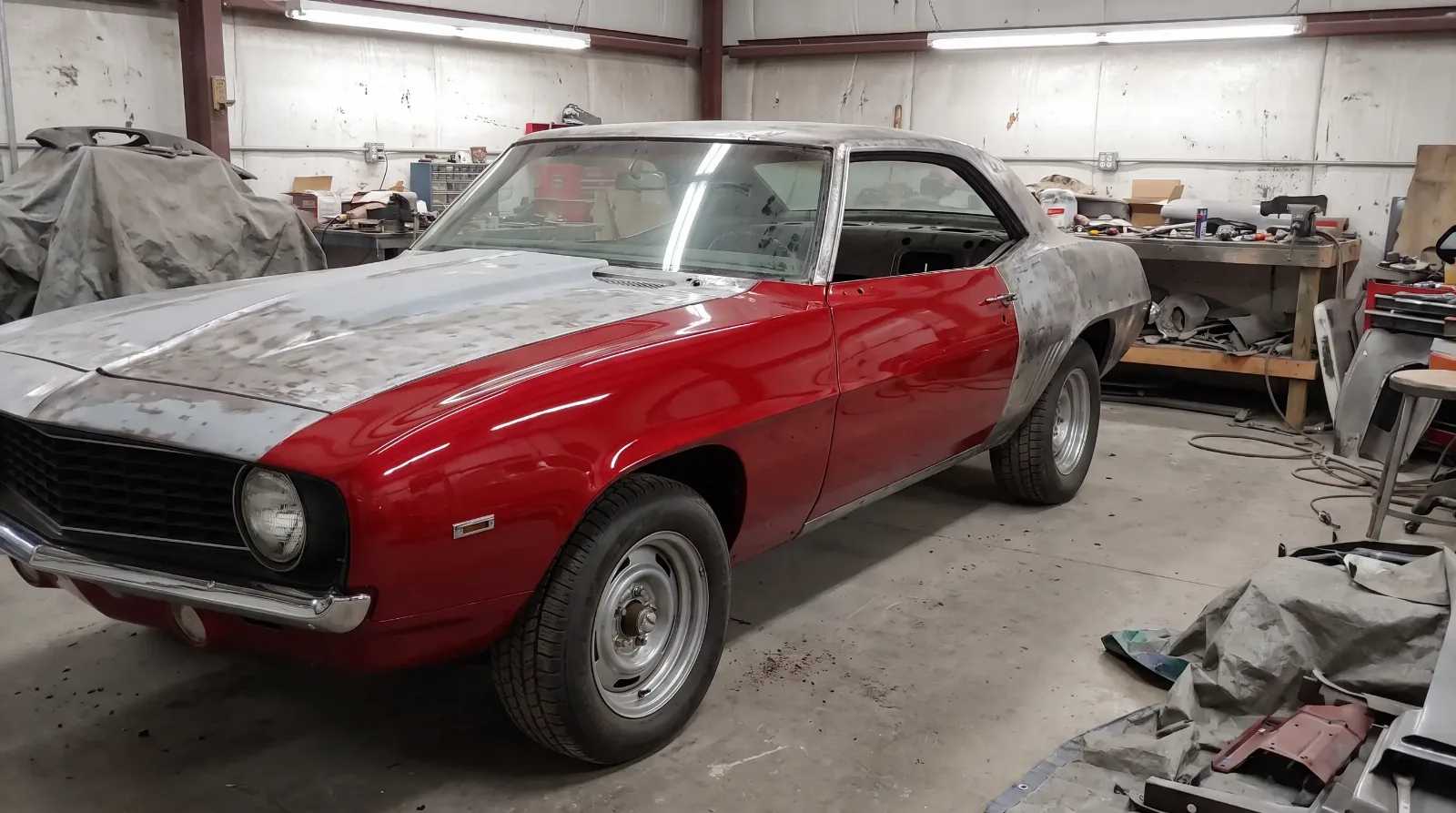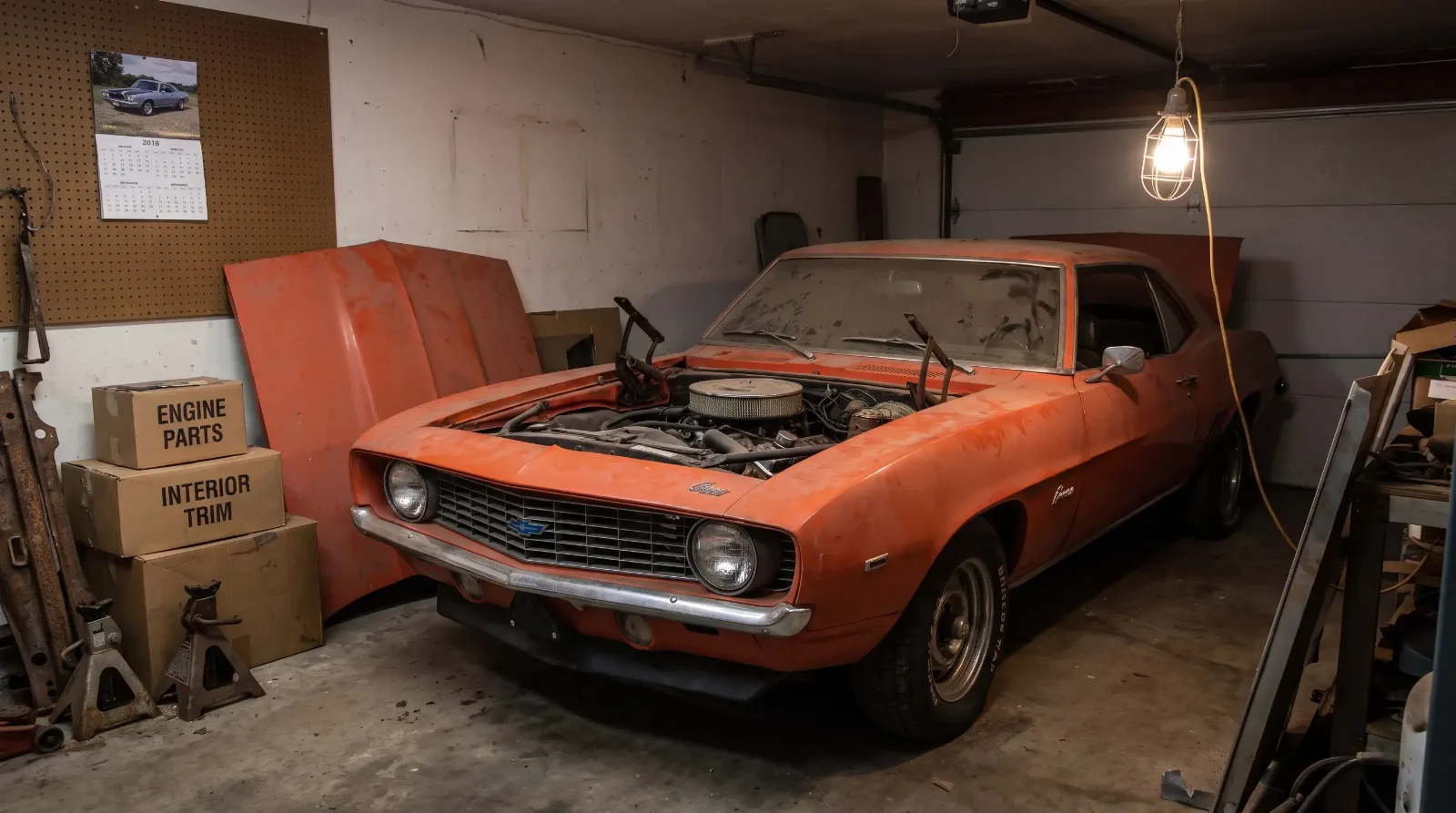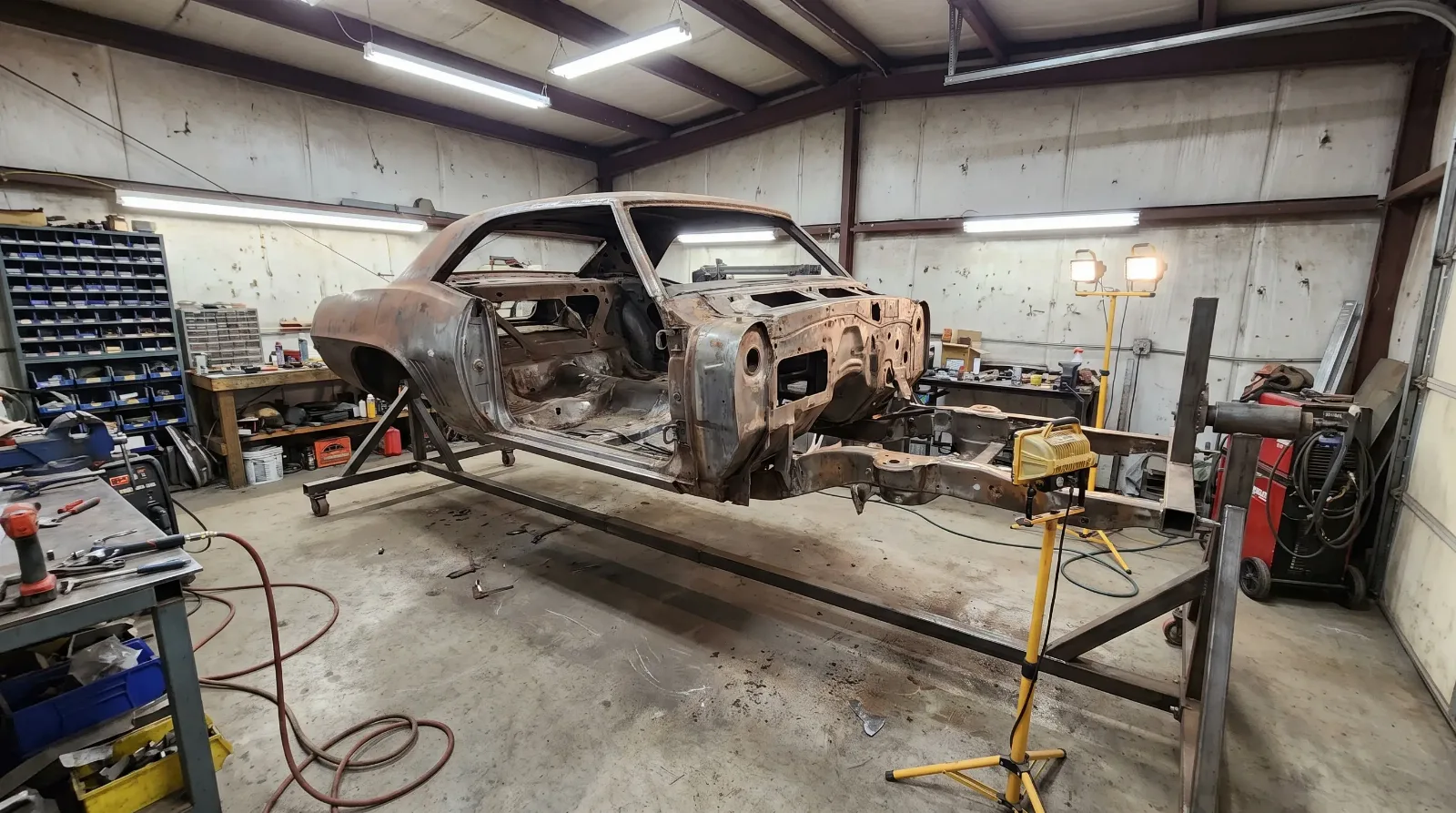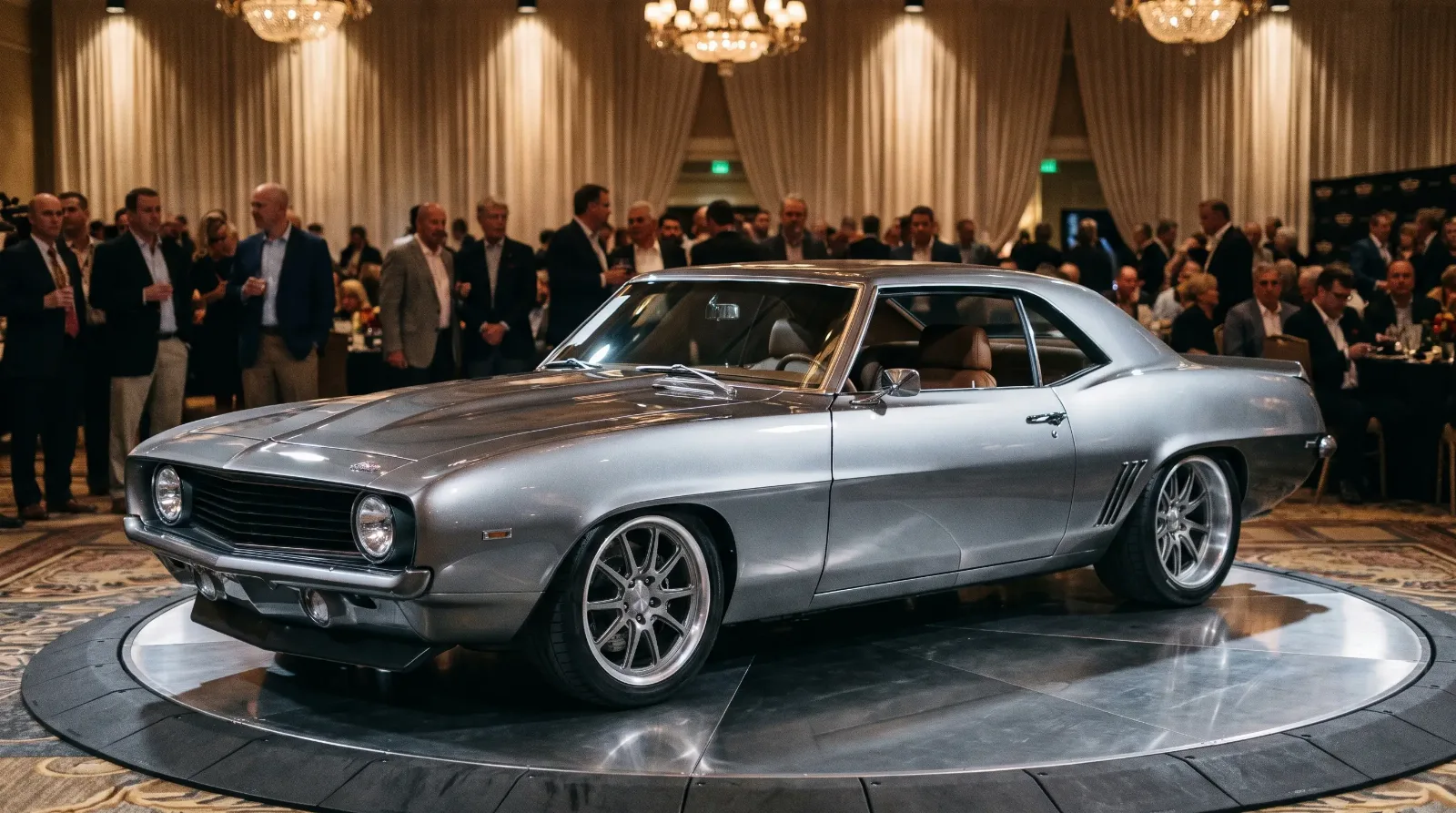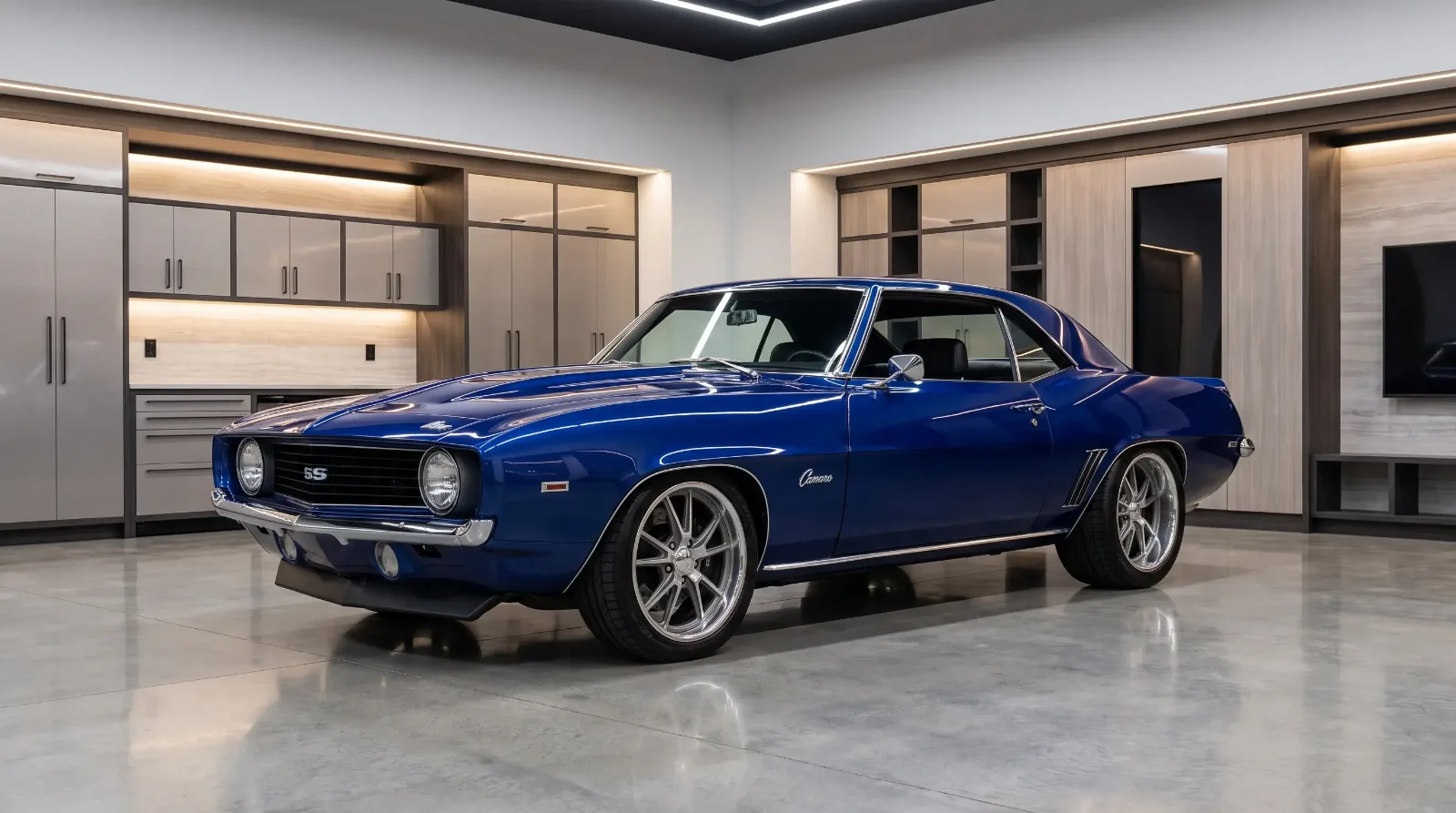
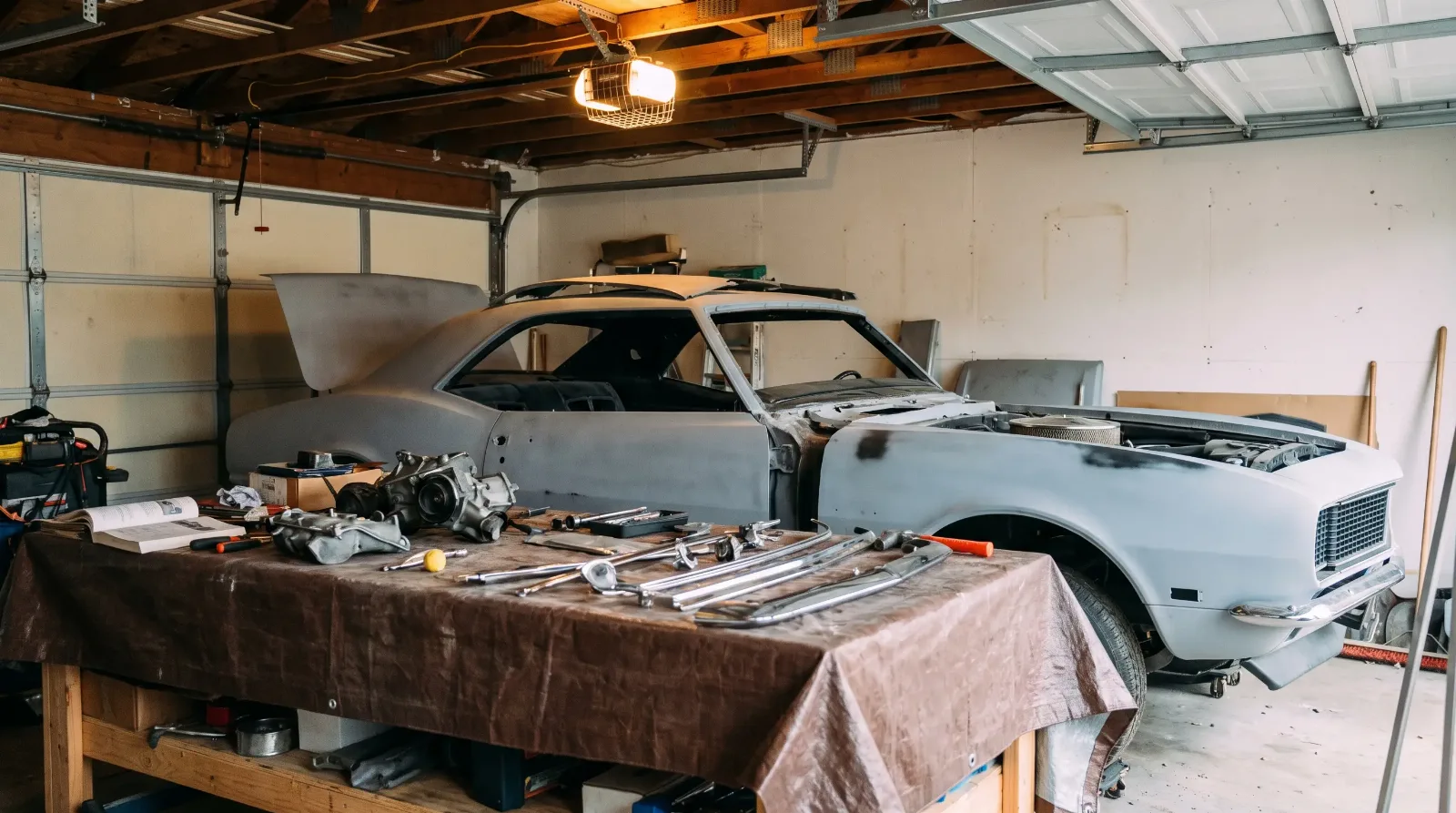
I've pulled apart enough first-gen Camaros to tell you exactly where the bodies give up on you. The cowl. The floors. The frame rails. The trunk drops. Every car, no matter how good it looks from ten feet, has at least one of these areas that needs work, and usually it has all of them. That's not a reason to walk away from the platform. It's a reason to know what you're getting into before you write the check. A first generation camaro restoration done right is a serious undertaking, and the guys who get it wrong are almost always the ones who skipped the inspection and started with the sheetmetal they could see instead of the structure underneath.
The 1967 to 1969 cars share the same basic body architecture and the same rust patterns. They also share one of the deepest aftermarkets in American muscle. That combination, well-understood failure modes and excellent parts availability, is exactly what makes these cars good restoration candidates even when the starting condition is rough. You just have to know the price of what you're buying before you call it a deal.
If you want context on the full scope of what a proper restoration involves before you commit, read through the classic Camaro restoration guide first. It covers the mechanical side, the drivetrain decisions, and the sequence of work in more depth than a support article like this can. What I'm focused on here is the body and structure, because that's where the surprises live on first-gens, and surprises on a restoration are always expensive.
The four rust zones that matter
Every first-gen Camaro rusts in the same places. The cowl is first. The cowl is the horizontal panel between the base of the windshield and the top of the firewall. Water collects there, the factory drain holes clog, and rust works inward from the inside out. You often can't see cowl rot without pulling the windshield or removing the wiper mechanism. Probe it. Poke it with a pick. If it's soft, you're looking at a cowl replacement or a patch panel job, and that work gets expensive fast because it's tight quarters and requires welding near the glass opening.
Floor pans are second. The front floor pans on 1967 to 1969 Camaros rust from underneath, accelerated by moisture trapped under the factory insulation. Pull the carpet and insulation in any candidate car. What's underneath will tell you more than anything visible from outside. Patch panels are available from AMD, Goodmark, and Classic Industries for around $60 to $120 per side, but labor to cut, fit, and weld them in properly adds up fast. Full floor replacements run more. Budget $800 to $2,500 in parts and labor for a floor pan job if you're paying someone to do it right.
Frame rails are third, and they're the most expensive miss. On a unibody car like the first-gen Camaro, the torque box areas where the front subframe meets the body structure and the rear frame rail sections behind the rear axle are the critical zones. Compromised frame rails mean the car cannot be safely driven until they're addressed, and replacement sections, when the damage is extensive, require a rotisserie or at minimum full underside access. Frame rail repair on a bad car can exceed $4,000 in labor alone before a single body panel gets touched.
Trunk drops are fourth, and they get overlooked constantly. The trunk drop panels are the vertical inner walls at the rear corners of the trunk, where the quarter panels meet the trunk floor. They trap road debris and moisture and rust from the inside out. By the time you see bubbling in the lower quarter panel, the trunk drop behind it is often gone. Replacement panels exist but fitting them requires removing the quarter panel or at least pulling it well clear. If a car has rust in the lower quarters, assume the trunk drops need work and price accordingly.
Parts availability and where to source sheet metal
The first-gen Camaro aftermarket is mature. That's both good news and a source of confusion, because there are multiple quality tiers and the price spread between them is significant. For sheet metal specifically, the main names are AMD (Auto Metal Direct), Goodmark Industries, and Classic Industries. All three supply reproduction panels for the 1967 to 1969 cars. AMD has a reputation for better fitment on the complex panels, quarter panels and door skins especially. Goodmark tends to be slightly less expensive. Classic Industries focuses more on interior and trim but carries body panels as well.
Key panels and approximate reproduction costs as of mid-2026: quarter panel skins run $250 to $500 each depending on year and supplier. Full quarter panels with the wheel arch included run more. Door skins are $100 to $200 each. Cowl panels, which are the harder job, run $200 to $400 for reproduction sections. Floor pan sections start around $60 per side. Trunk floor pans are $150 to $250. Trunk drop replacement sections are available from AMD and some regional suppliers for $80 to $180 per side.
More in this Camaro series: read about what a restoration costs.
NOS (new old stock) parts are increasingly scarce and command premiums that rarely make sense unless you're doing a concours-level restoration where originality of stampings matters. For a driver-quality or solid-driver restoration, quality reproduction sheet metal from AMD or Goodmark is the practical choice.
On mechanical parts: the 1967 to 1969 cars share enough components with other GM A-body and F-body cars of the era that sourcing is generally straightforward. Small-block engines, Turbo Hydra-Matic transmissions, Muncie four-speeds, and Posi rear axles are all well-supplied by the rebuild and NOS markets. GM Performance and many independent rebuilders still support this hardware. The exception is numbers-matching original components for documented cars, where you are competing with other restorers for a finite supply.
🔧 Inspection Priorities
- Cowl panel. Remove the wiper arms and probe the cowl from above. Soft metal or visible rust perforation means replacement or extensive patch work. Cowl rot that has progressed into the firewall raises the cost substantially. Miss this and you're welding near the windshield opening after the glass is already in.
- Frame rails and torque boxes. Get under the car with a light and a sharp pick. Tap the rail sections and listen. Probe the torque box corners where the front subframe meets the body. Compromised rails mean no driving until repaired, and the repair cost can exceed what the rest of the body work costs combined.
- Floor pans. Pull carpet and insulation before agreeing to any price. Surface rust is manageable. Perforation or soft spots mean replacement panels, and rust that has spread to the frame rail areas under the floor changes the scope of the job significantly.
- Trunk drops. Open the trunk, pull the liner, and inspect the inner corners where the quarter meets the trunk floor. Bubbling in the lower quarter panel almost always means the trunk drop behind it has failed. Factor in quarter panel work if you find drop rust.
- Windshield and rear glass channels. Water intrusion from failed glass seals causes rust in the roof channels and pillars. Check the A-pillars and the rear window surround for soft spots. These are more involved to repair than floor pans.
Where the money actually goes
Most people underestimate first-gen Camaro restoration costs because they price the parts and forget the labor. Here's where the budget actually lands on a solid-driver restoration, not a concours build.
Body and paint consumes the largest share, typically 35 to 45 percent of total project cost. A full respray on a car with moderate rust work runs $8,000 to $18,000 at a competent shop, depending on how much metal needs addressing before paint. Cars with cowl damage, quarter panel replacement, and floor work can push higher. Budget the metal work separately from the paint cost, because estimators often quote what they can see and revise upward when they start cutting.
Mechanical restoration, engine rebuild or replacement, transmission work, and brake system, runs $4,000 to $10,000 depending on what's under the hood and the condition of what's there. A numbers-matching engine with good compression that needs a gasket set and a carb rebuild is a different cost than an engine that needs a full machine shop rebuild. Get a compression test and an oil analysis before assuming the engine is salvageable.
Interior on 1967 to 1969 cars is well-supported. Complete interior kits, seat upholstery, carpet, door panels, headliner, and dash pad reproductions, are available from Classic Industries and TMI Products in multiple factory color combinations. Budget $1,500 to $3,500 for a complete interior depending on quality level selected.
Rubber, trim, and brightwork add up steadily. Weatherstripping kits, glass seals, trim clips, emblems, and chrome pieces collectively run $800 to $2,000 for a thorough restoration. The trim pieces that are difficult to find on 1969 cars specifically are the Camaro script badges and the Z/28 specific trim, which command premiums in the used market.
If you want to see current asking prices on project cars and finished restorations to calibrate your budget against the market, browse the first-generation Camaro projects for sale on CCA. The spread between a rough project and a finished solid driver is real, and it tells you something about what the restoration work actually costs when priced into the car.
"The cowl is always the last thing people check and usually the first thing that kills the budget. I've watched guys walk away from a $12,000 car thinking they got a deal, then spend $6,000 on cowl and firewall work before they even touched the paint. Check the cowl first. Every single time."
— Mike Sullivan
Realistic timelines and what to expect
A first-gen Camaro restoration done correctly takes longer than anyone plans for. A professional shop doing a solid-driver restoration from a decent starting car typically runs 12 to 18 months. A concours-quality restoration from a rough starting point can take two to three years. Home restorers working evenings and weekends should plan for three to five years and adjust expectations accordingly. Parts delays, discovery of additional rust during teardown, and shop backlogs all push timelines out.
The discovery problem is real. Every restoration has a teardown phase where the actual condition of the car becomes clear, and it almost always reveals more work than the initial inspection suggested. Build a contingency of 20 to 30 percent into your budget and timeline before you start. The restorers who get into financial trouble on these projects are the ones who budgeted exactly what the initial estimate said and had nothing left when the cowl turned out to be worse than it looked.
Sources and notes
Production figures, engine specifications, codes, and dates in this article are cross-referenced from established Camaro references, period documentation, and owner registries. Where sources differ, the most commonly cited value is used. Cost figures are indicative and vary by supplier, region, and condition.