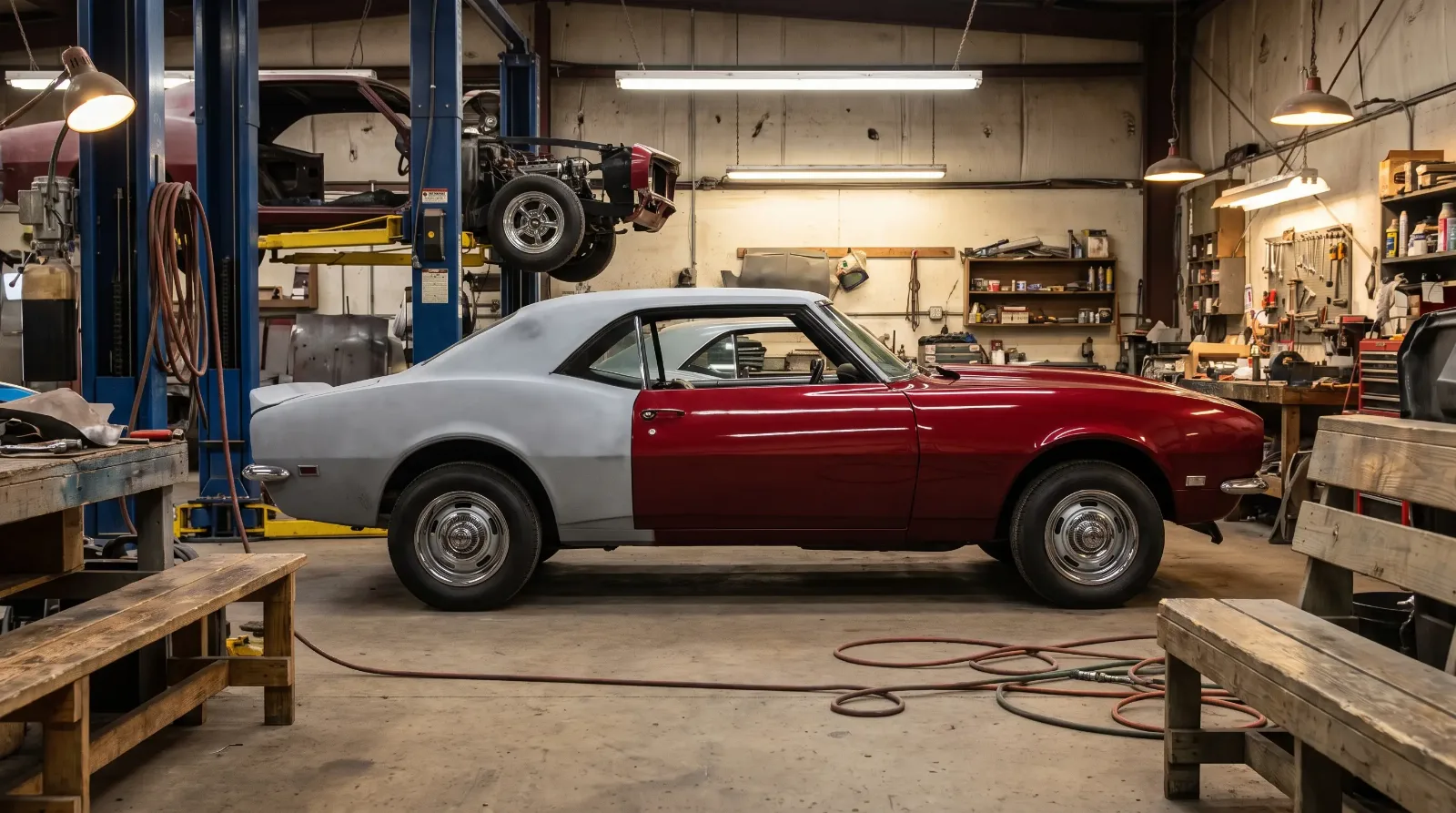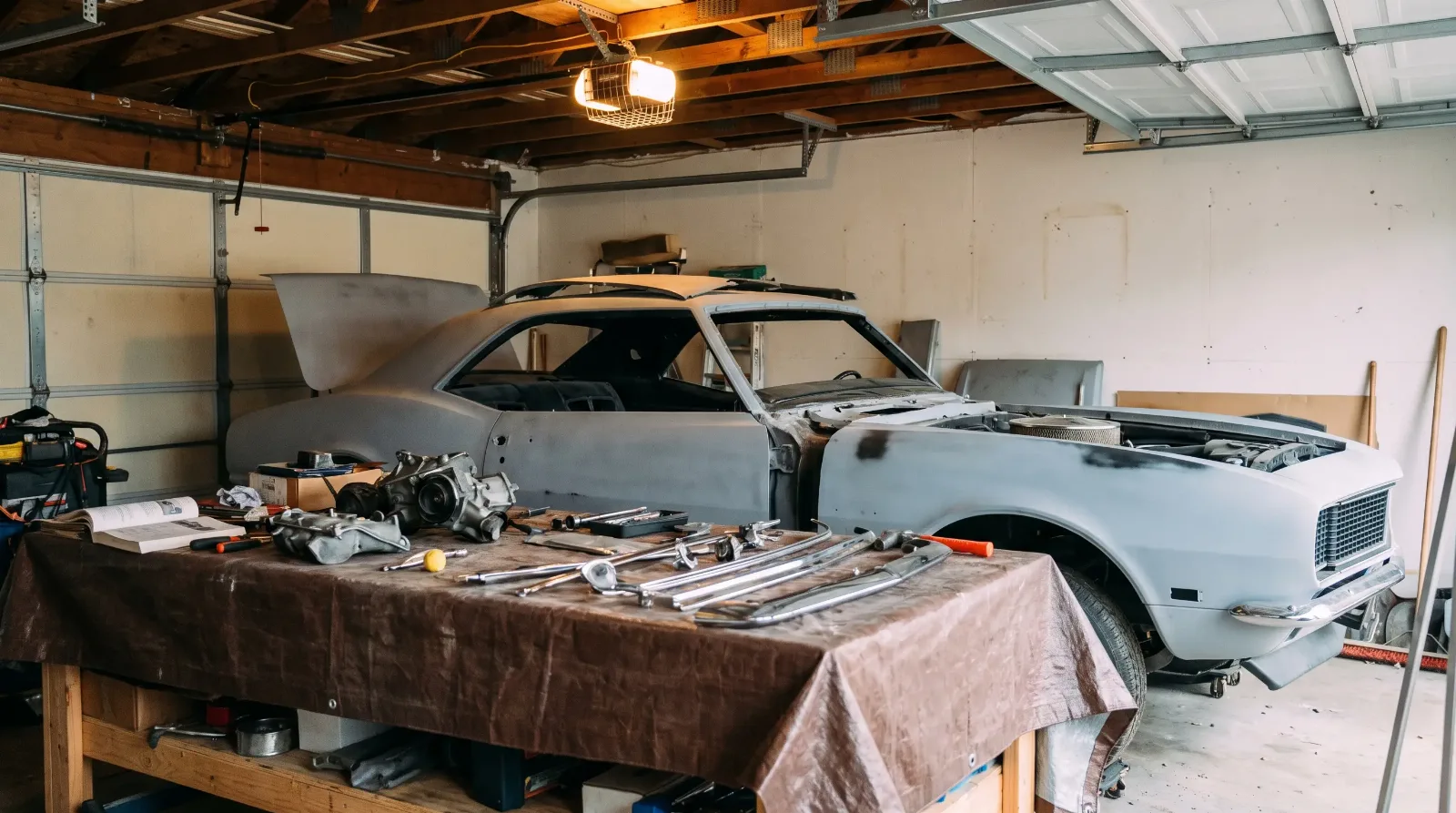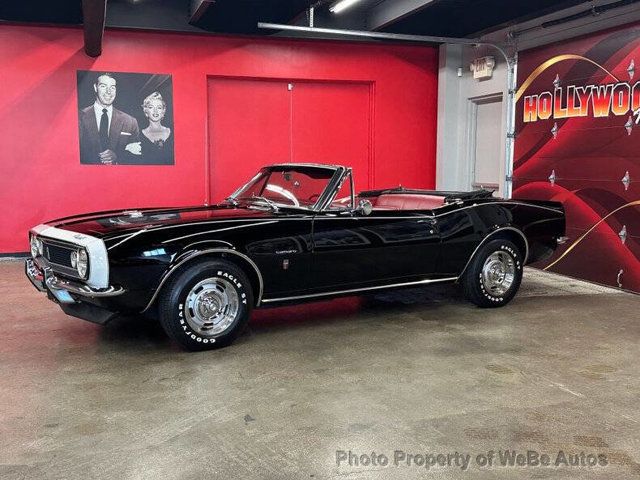
The question I get asked most often about classic Camaros is some version of: how much does it cost to restore one? The honest answer is that the range is wide enough to be almost useless on its own. A driver refresh on a solid 1969 coupe might run $15,000 to $20,000. A correct, documented frame-off restoration on an RS/SS can exceed $100,000 before you account for the car itself. What determines where you land in that range is the condition of the car you start with, the quality level you are building toward, and how many surprises are hiding under the surface.
If you are trying to understand whether a restoration makes financial sense, or just trying to budget a project you already own, this breakdown will give you real numbers to work with. For a broader look at what the process actually involves, the step-by-step guide on how to restore a classic Camaro covers the mechanical and logistical side in detail.
Driver refresh vs. frame-off: the two restoration tiers
Most Camaro restorations fall into one of two categories, and the gap between them in both cost and scope is significant.
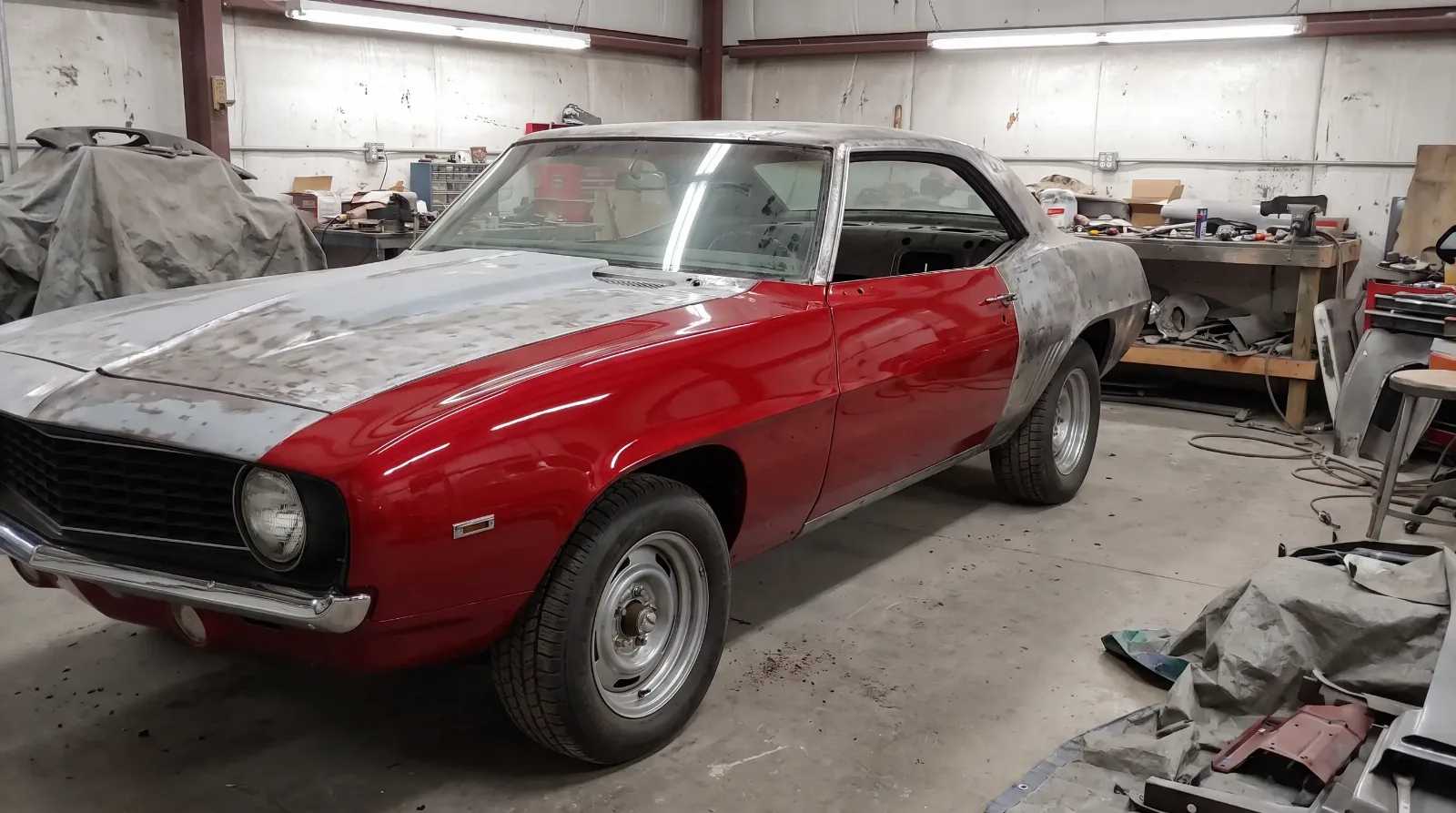
A driver refresh targets a car that is already presentable and mechanically sound. The goal is improved reliability and cosmetic cleanup, not concours accuracy. You are addressing deferred maintenance, refreshing worn components, and bringing the car to a standard where you can drive it regularly without worrying about what is going to fail next. Budget estimates for this tier typically run $10,000 to $30,000 depending on what the car needs and how much of the labor you do yourself.
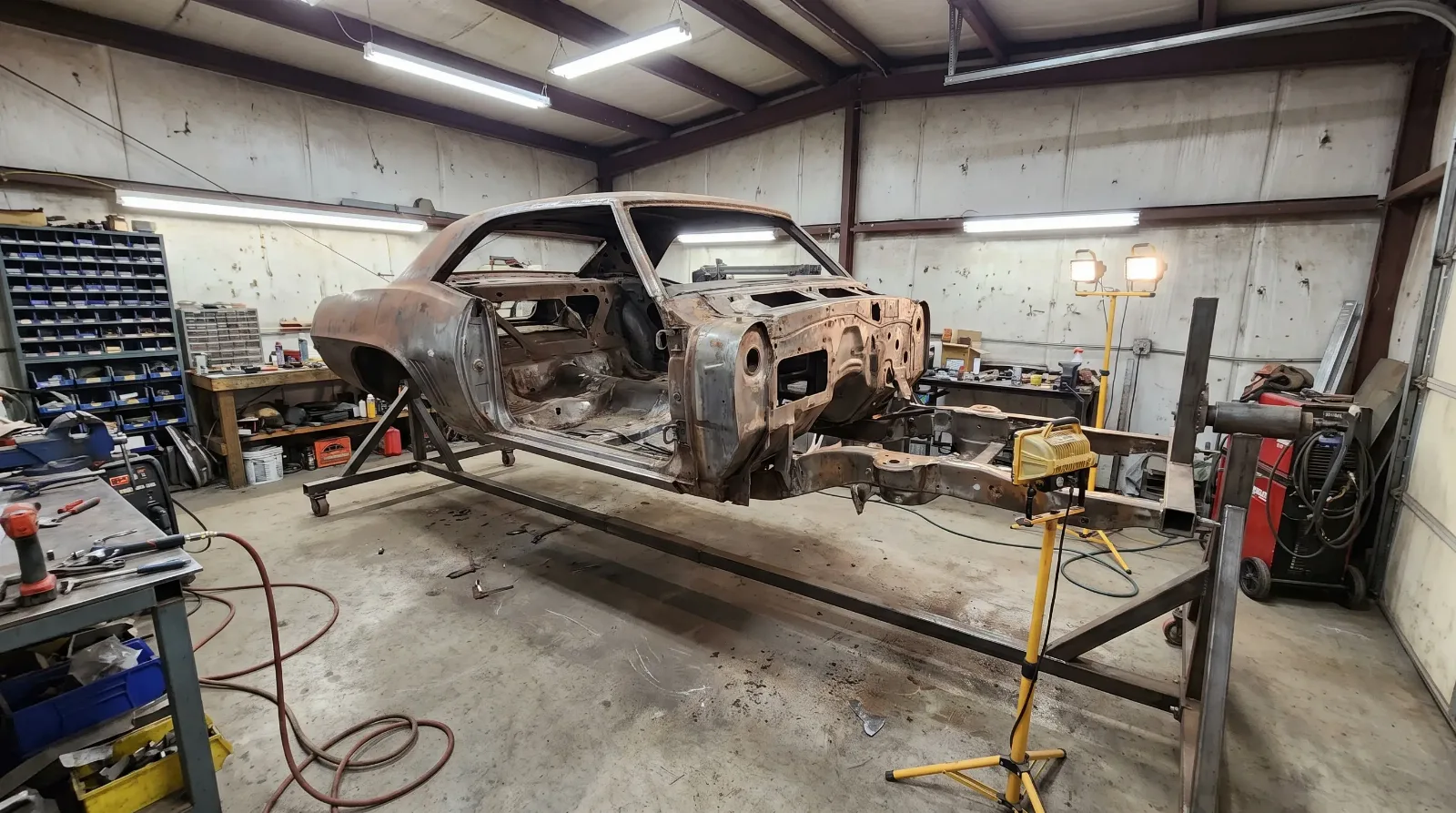
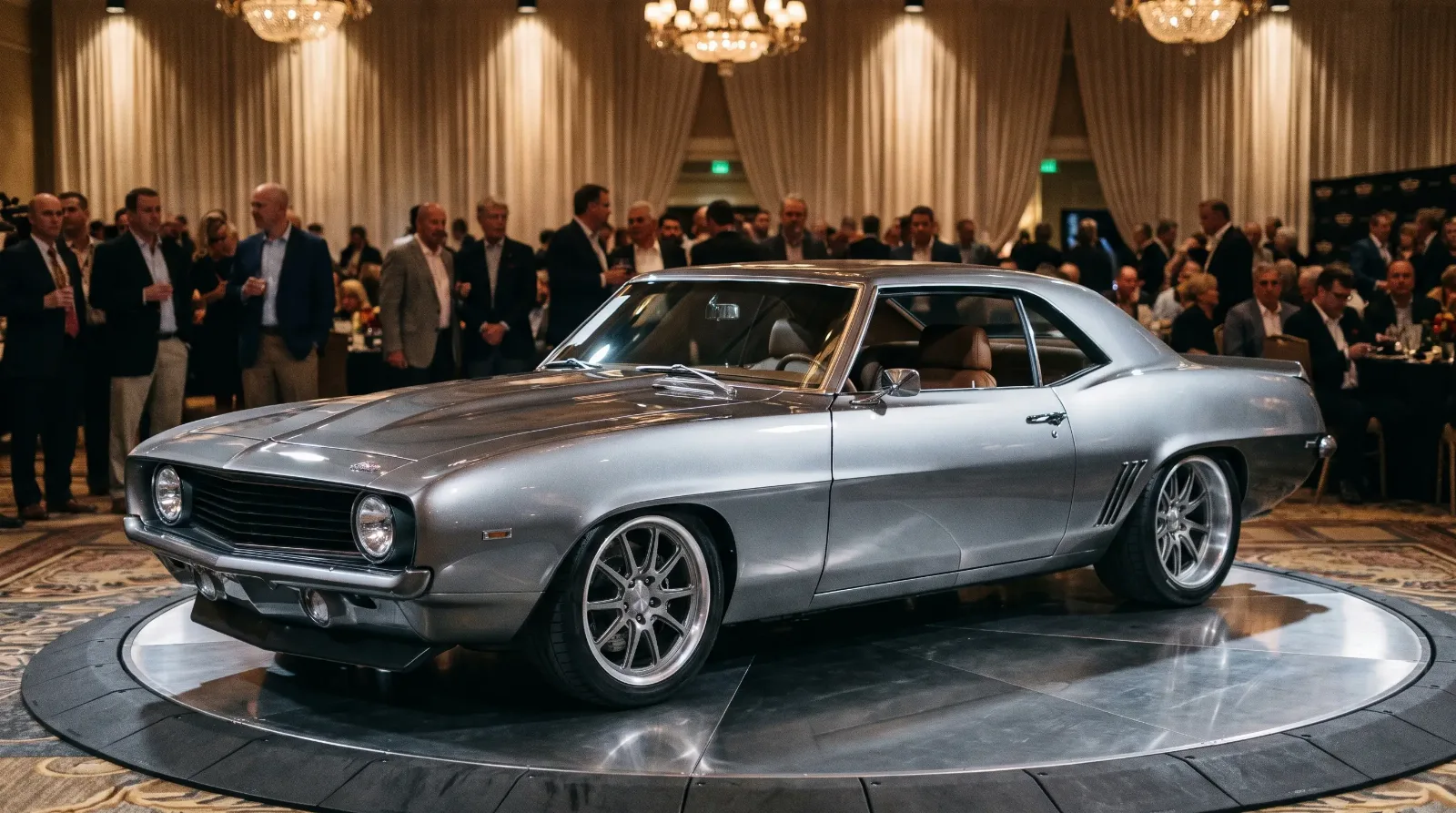
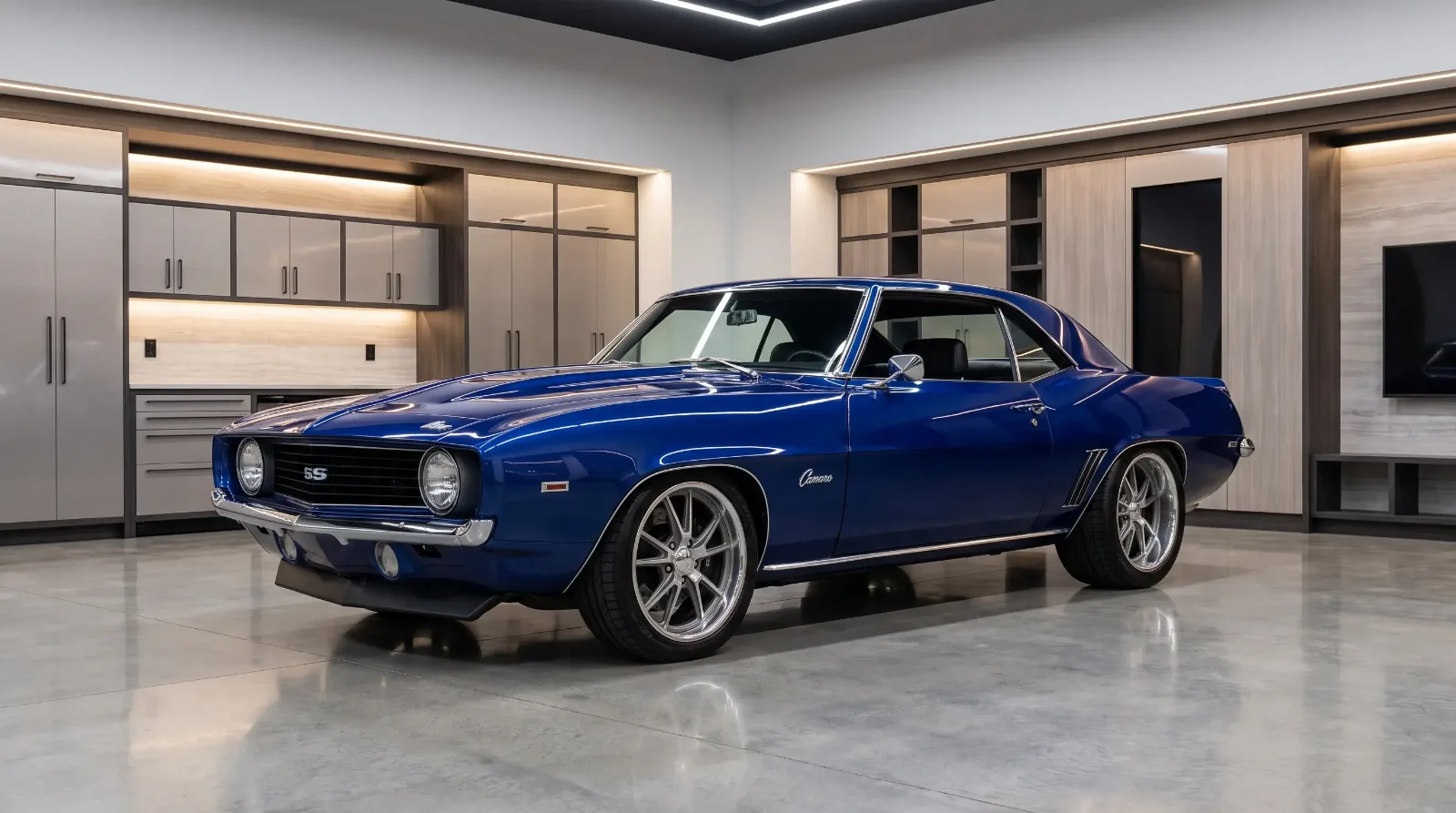
A frame-off restoration is a different project entirely. The body comes off the chassis, every component is disassembled, inspected, rebuilt or replaced, and the car is put back together to a documented standard. This is how you get a numbers-matching, show-quality Camaro with correct factory finishes and original-specification components. The costs reflect that ambition. A thorough frame-off on a first-gen Camaro commonly runs $60,000 to $100,000 in professional shop labor and parts alone, and premium builds on desirable variants can go considerably higher.
Where the money actually goes: line-item breakdown
Restoration budgets are almost always underestimated because buyers focus on the headline items and miss the labor hours that connect them. The table below reflects typical professional shop rates and parts costs for a first- or second-generation Camaro. All figures are approximate and vary by region, shop quality, and parts specification.
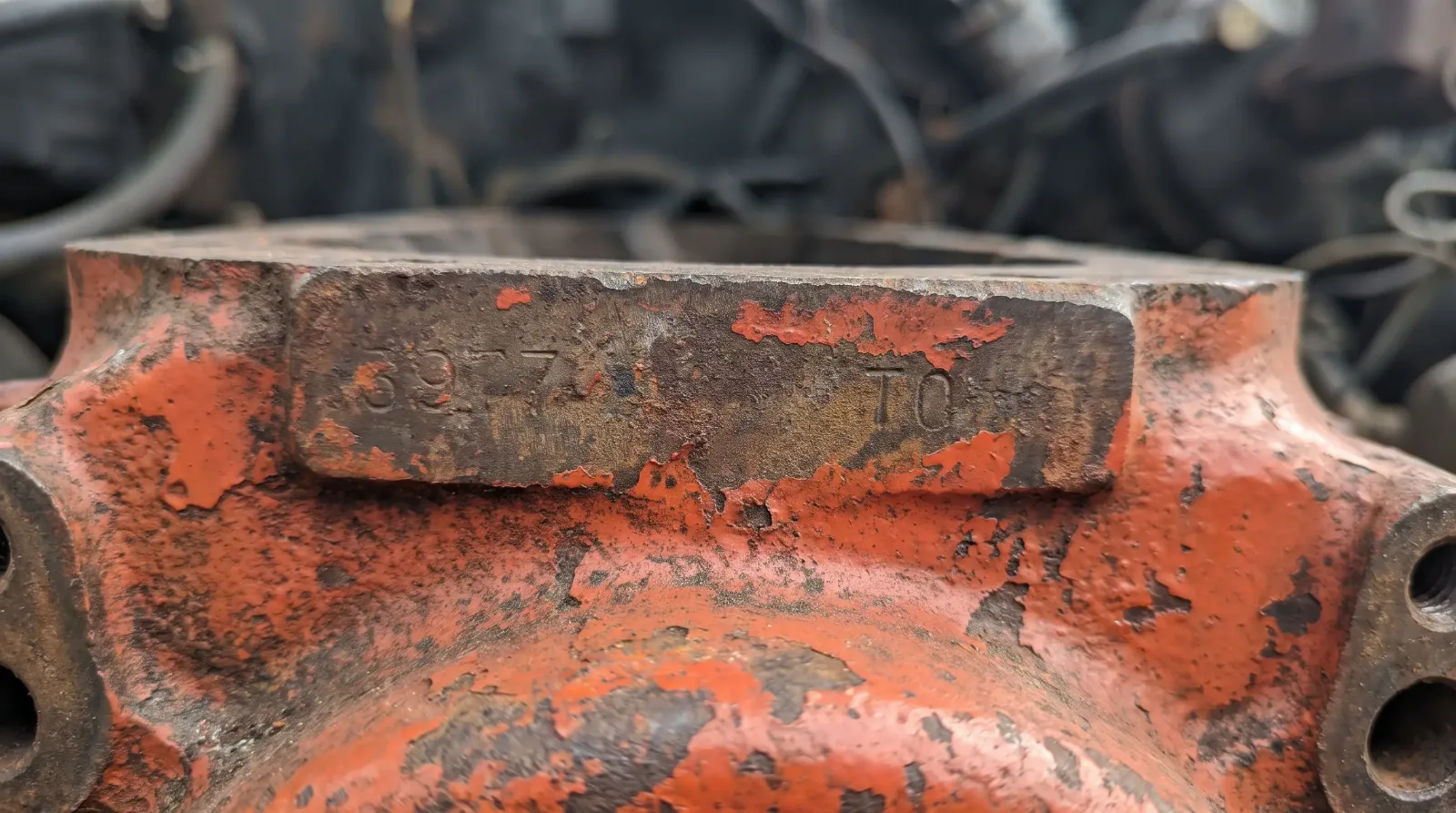
Keep going in this series with numbers-matching.
| Work category | Driver refresh estimate | Frame-off estimate |
|---|---|---|
| Bodywork and rust repair | $2,000 to $6,000 | $8,000 to $20,000 |
| Paint (base coat / clear coat) | $3,000 to $7,000 | $8,000 to $18,000 |
| Engine rebuild or refresh | $1,500 to $4,000 | $5,000 to $15,000 |
| Transmission rebuild | $800 to $2,000 | $2,000 to $5,000 |
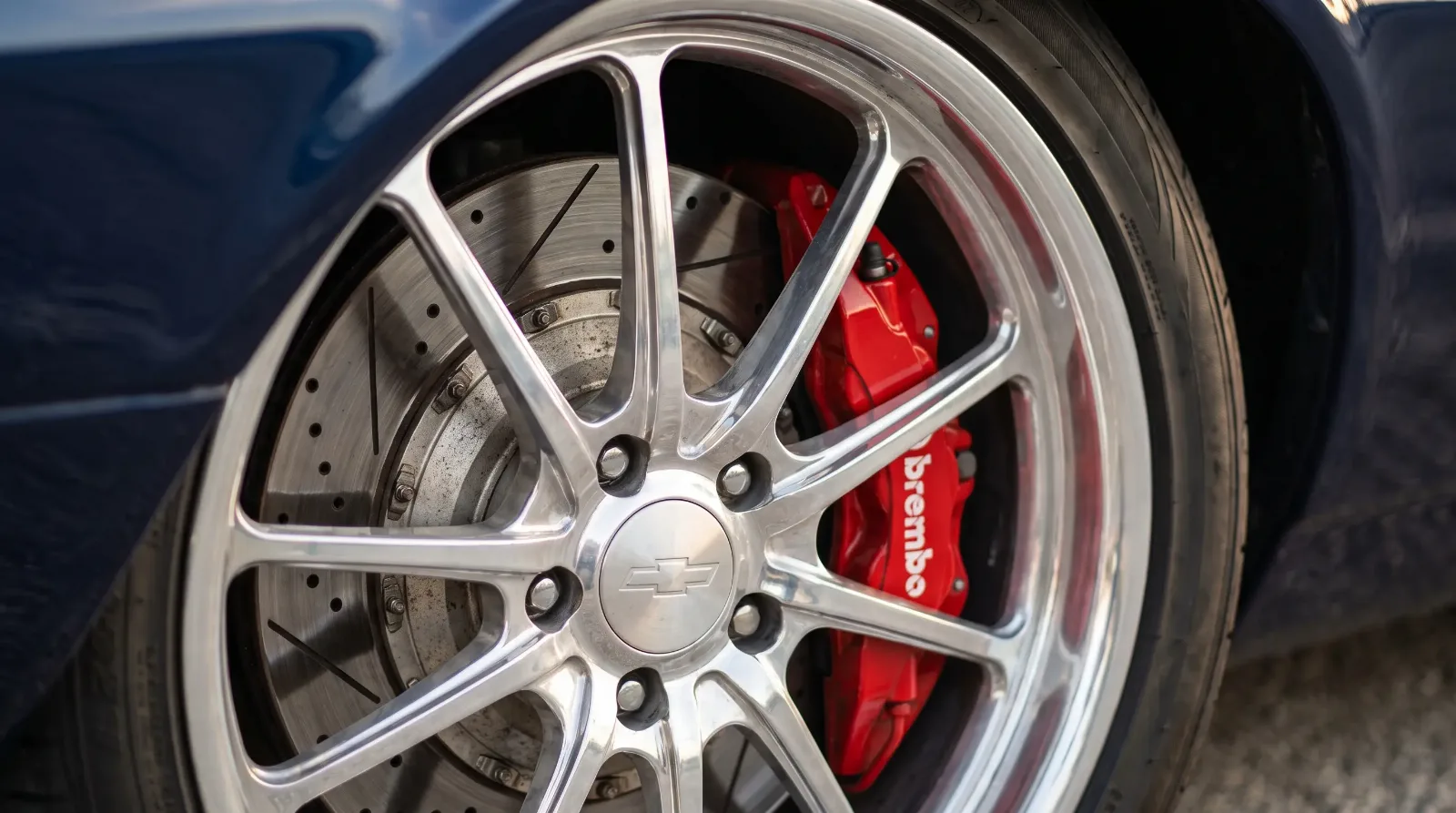
| Suspension, brakes, steering | $1,500 to $4,000 | $4,000 to $10,000 |
| Interior (seat covers, carpet, dash) | $1,500 to $4,000 | $4,000 to $12,000 |
| Electrical and wiring | $500 to $2,000 | $2,000 to $6,000 |
| Chrome, trim, and brightwork | $500 to $1,500 | $3,000 to $8,000 |
| Frame restoration (frame-off only) | N/A | $3,000 to $8,000 |
The bodywork and paint categories carry the most uncertainty because rust, hidden repairs, and body filler are rarely predictable until the car is stripped. A car that looks solid at purchase often reveals surprises at that point. Budget a contingency of 15 to 20 percent on top of any shop estimate for this reason.
The buy-the-best-you-can-afford math
This is the piece of advice that actually changes outcomes: the condition of the car you start with has more impact on total project cost than almost any other variable. A solid, rust-free California or Arizona Camaro that needs cosmetic work and a mechanical refresh is a fundamentally different project than a rust-compromised Midwest car at half the purchase price. The cheap car almost always ends up costing more.
First-generation Camaros (1967 to 1969) with documented builds, factory build sheets, or desirable option combinations have held value well. If you are considering a project, the current market for classic Camaros for sale shows a healthy spread of condition grades, and paying more upfront for a cleaner starting point is nearly always the right call.
The numbers work like this: a driver-quality 1968 RS coupe might ask $25,000 to $35,000. A solid, already-restored example of the same car might be $50,000 to $65,000. The gap between those two prices is $25,000 to $30,000. A proper restoration of the cheaper car to bring it to the same standard will almost certainly cost more than that gap. You are not saving money by starting lower.
"I have watched buyers talk themselves into project cars because the purchase price felt comfortable, and then spend twice what a clean driver would have cost once the shop bills arrived. The cars that come out of a restoration project at a profit are rare. The ones that cost significantly more than expected are not."
— David Mercer
When the numbers stop making sense
There is a point in every major restoration project where the cost of completing the work exceeds the market value of the finished car. For most Camaros, that line is somewhere in the $40,000 to $60,000 total investment range, depending on the specific variant and condition grade. A base six-cylinder 1968 coupe in good driver condition might bring $18,000 to $25,000 at auction. Spending $50,000 to restore one from a rough starting point is not a financial decision, it is a personal one, and there is nothing wrong with that as long as you go in with clear eyes.
The cars where restoration economics can work are the high-demand variants: the Z/28, the RS/SS 396, numbers-matching big-blocks with documentation. These cars command enough of a premium in the collector market that a well-executed restoration can at least approach break-even, though "profit" is rarely the right word. For context on why these specific variants carry that premium, the full history in the whole story explains how Chevrolet positioned and developed each generation.
For base models and common configurations, the honest assessment is that restoration is a hobby expense, not an investment. That does not make it a bad choice. It makes it a choice you should budget for honestly, without expecting the car's value to reimburse you.
Sources and notes
Production figures, engine specifications, codes, and dates in this article are cross-referenced from established Camaro references, period documentation, and owner registries. Where sources differ, the most commonly cited value is used. Cost figures are indicative and vary by supplier, region, and condition.