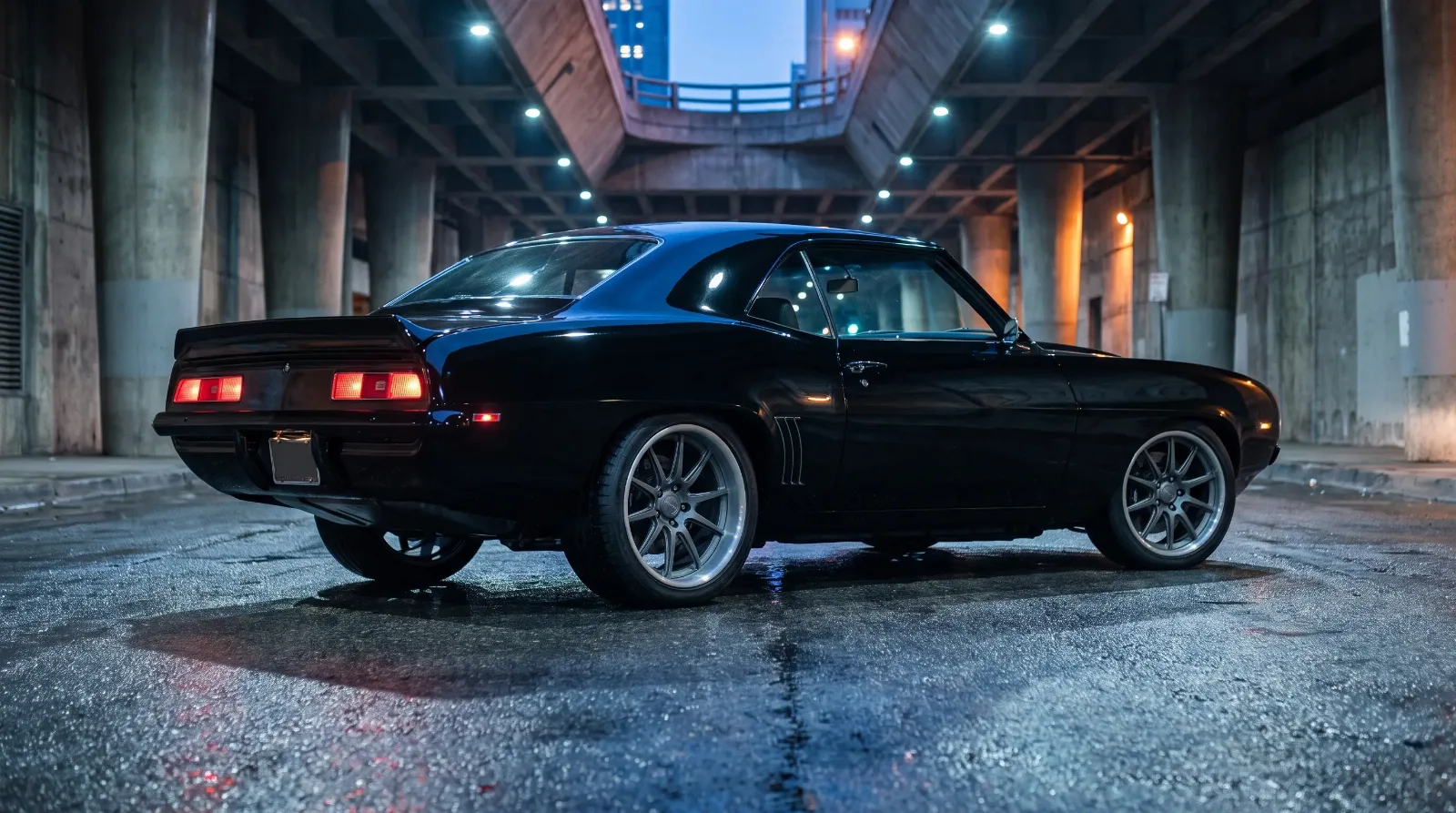

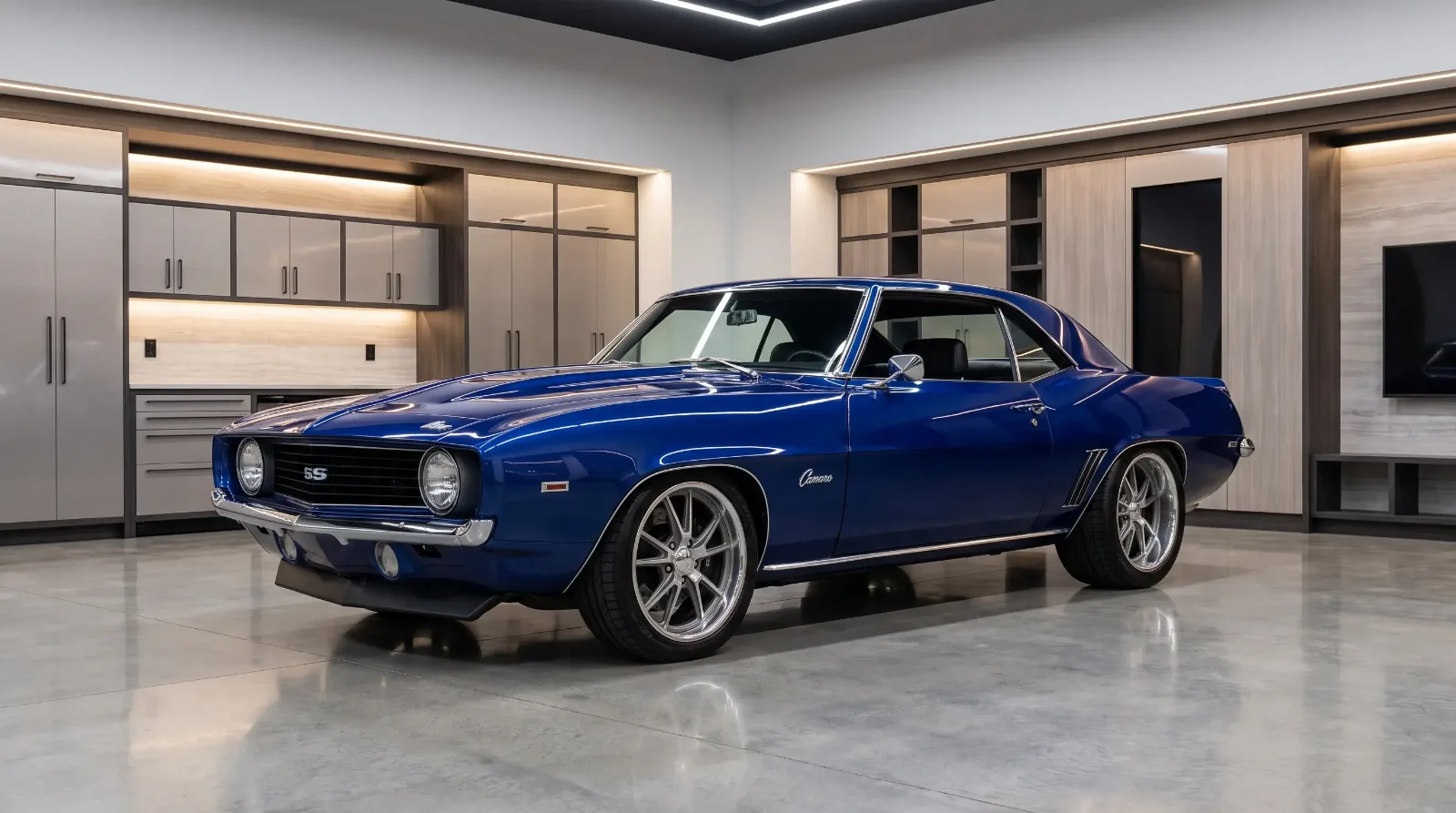
The Camaro restomod market has matured enough that real cost data exists. Auction results, private sales, and builder invoices from the past several years tell a consistent story: the gap between what buyers think these cars cost and what they actually cost is wide, and it tends to surprise people on the expensive side. Before you commit to a build or write a check for someone else's finished car, the numbers deserve a clear look.
If you want to understand what the platform can be before you think about costs, the Camaro restomod guide covers build philosophy, platform selection, and drivetrain choices in depth. This article focuses on money: what each phase of a build costs, how pro-built and DIY numbers compare, and what finished cars actually sell for.
The donor car: where the math starts
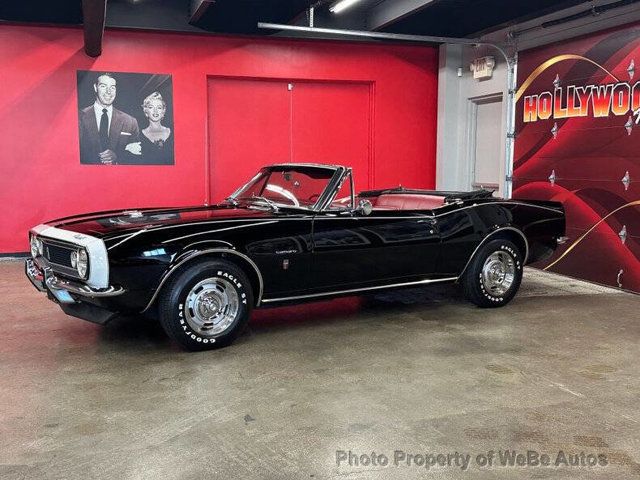
The shell is the first major variable, and it sets the ceiling for every decision that follows. A first-generation Camaro, meaning a 1967 to 1969 car, in solid but unrestored condition typically trades in the low-to-mid five figures for driver-quality examples, though values move with the market. Clean 1969 SS shells with documented option codes push past that. The 1968 and 1967 cars are slightly softer in demand and can be found for less.
Second-generation cars from 1970 to 1973 have narrowed the gap with first-gens over the past several years. A clean 1970 or 1971 shell generally runs lower than a comparable first-gen. The late second-gen cars from 1974 to 1981 remain the budget entry point, often a fraction of first-gen money for a solid project, though the aftermarket depth is shallower and the body lines are less desirable to most restomod buyers.
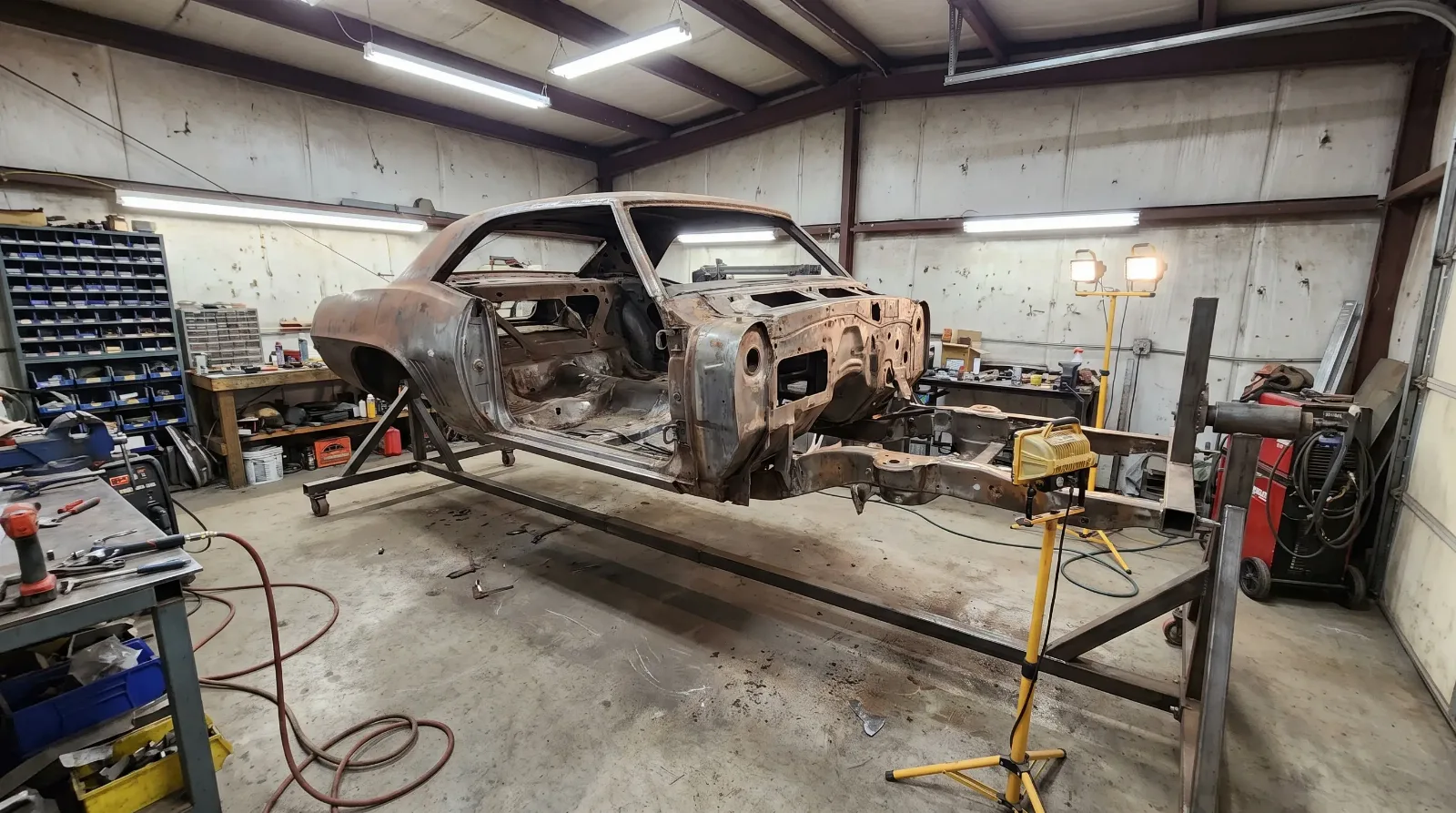
The shell cost is not just the purchase price. Rust remediation on a Midwest or Northeast car can add several thousand to five figures depending on what you find when the undercoating comes off. A Southwest or California car with solid floors and clean frame rails commands a premium over comparable Midwest examples, and the premium is usually justified by avoided repair costs.
Line-item build costs
The table below reflects parts costs for a serious street-driven first-generation Camaro restomod with a quality LS swap, modern suspension, and professional paint. Labor is separate. These are real ranges based on current parts pricing, not optimistic estimates.
| Build phase | DIY parts cost | Pro shop (parts + labor) | Notes |
|---|---|---|---|
| Donor shell (1967 to 1969) | Low-to-mid five figures | Same | Rust condition drives variance |
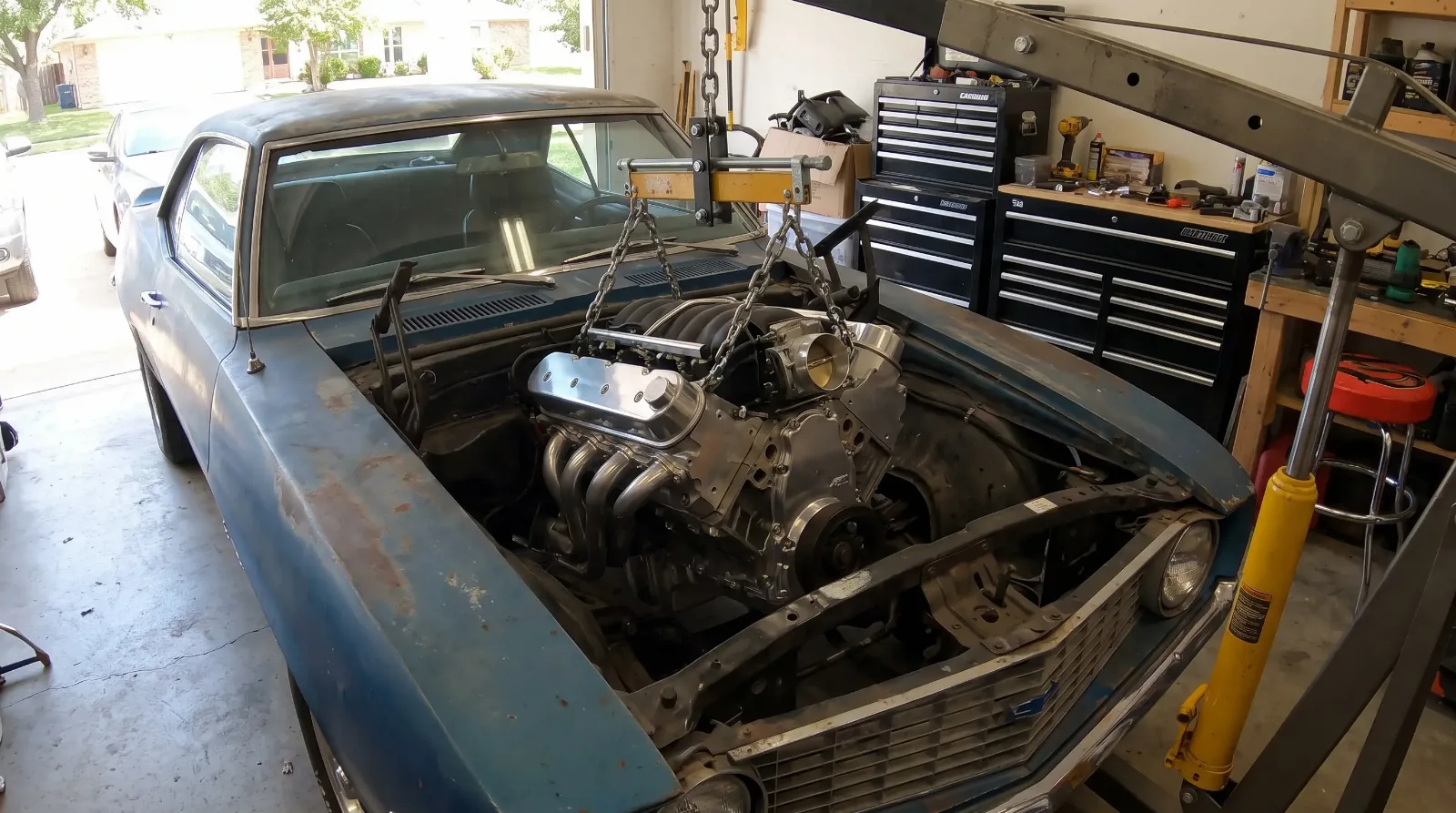
| LS3 swap (engine, mounts, headers, fuel, tune) | Five figures (DIY parts) | Higher with labor | Salvage LS3 reduces cost; new crate adds several thousand more |
| Transmission (T56 or 4L80E) | Several thousand | More with labor | Manual vs. automatic changes labor cost |
| Suspension (coilovers, tubular arms, subframe) | Five figures | More with labor | Track-focused setups cost more |
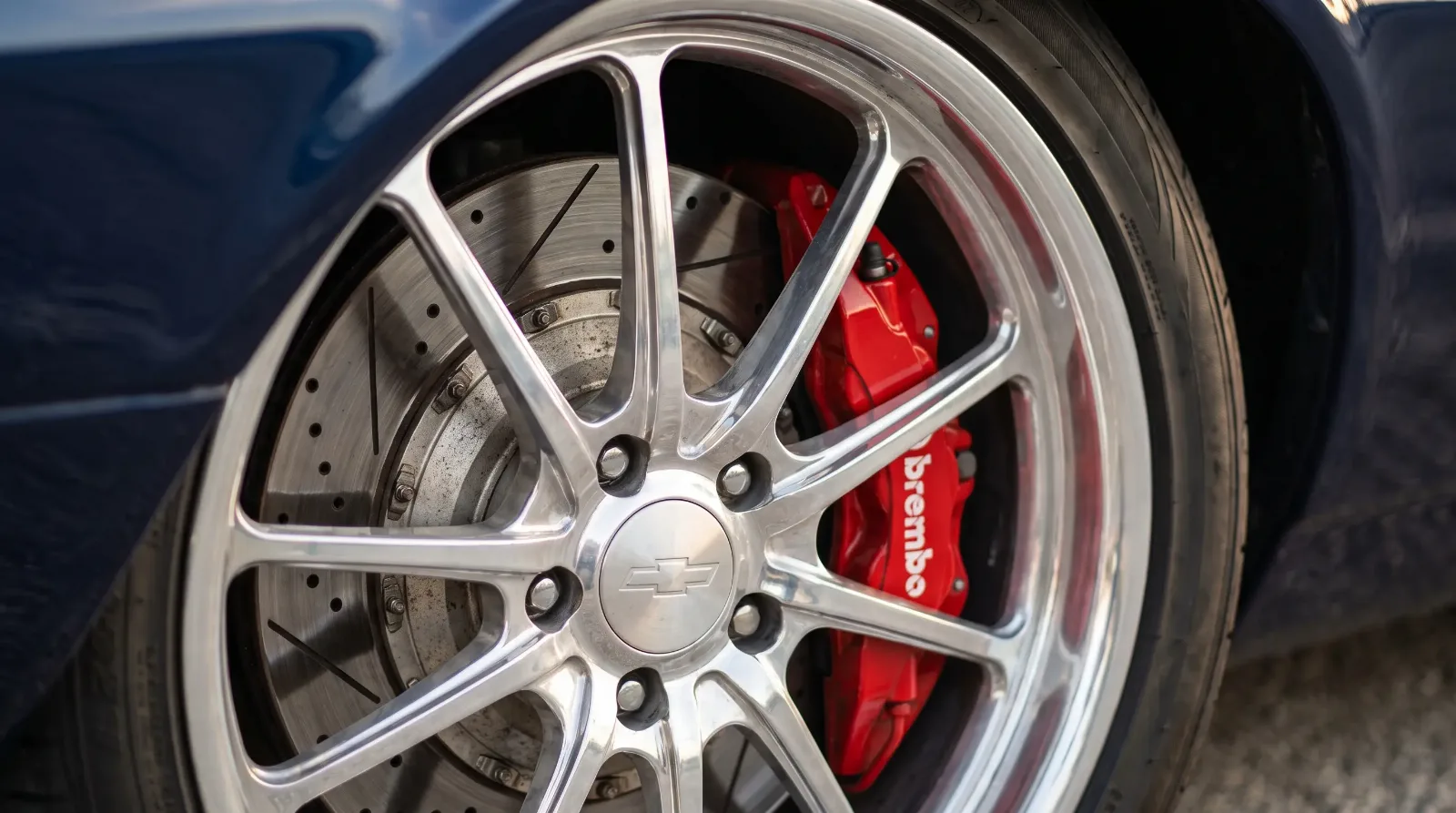
| Big brakes (4-piston, 12-inch+ rotors, all four) | A few thousand | More with labor | Wilwood, Baer, Brembo kits |
| Wheels and tires | A few thousand | Same | 17-inch minimum for big brake clearance |
| Body work and paint | High four to low five figures | More with labor | Condition of sheet metal is the main driver |
| Interior | Mid four to five figures | More with labor | Custom vs. kit interior |
| Wiring and electrical | Low-to-mid four figures | More with labor | Full rewire adds cost but eliminates future headaches |
| Realistic total | Mid-to-high five figures (DIY parts) | Well into six figures (pro) | Does not include unforeseen rust or fabrication |
The numbers above assume competent execution. A build that cuts corners on body prep, skips the alignment after suspension work, or uses a questionable tune on the engine swap will cost less to build and significantly more to own. I have seen builds priced at bargain all-in numbers that required many thousands more in remediation before they were reliable. The low bids on these projects usually exist for a reason.
Next in the series, see pro-touring builds.
Pro-built vs. DIY: what the difference actually buys
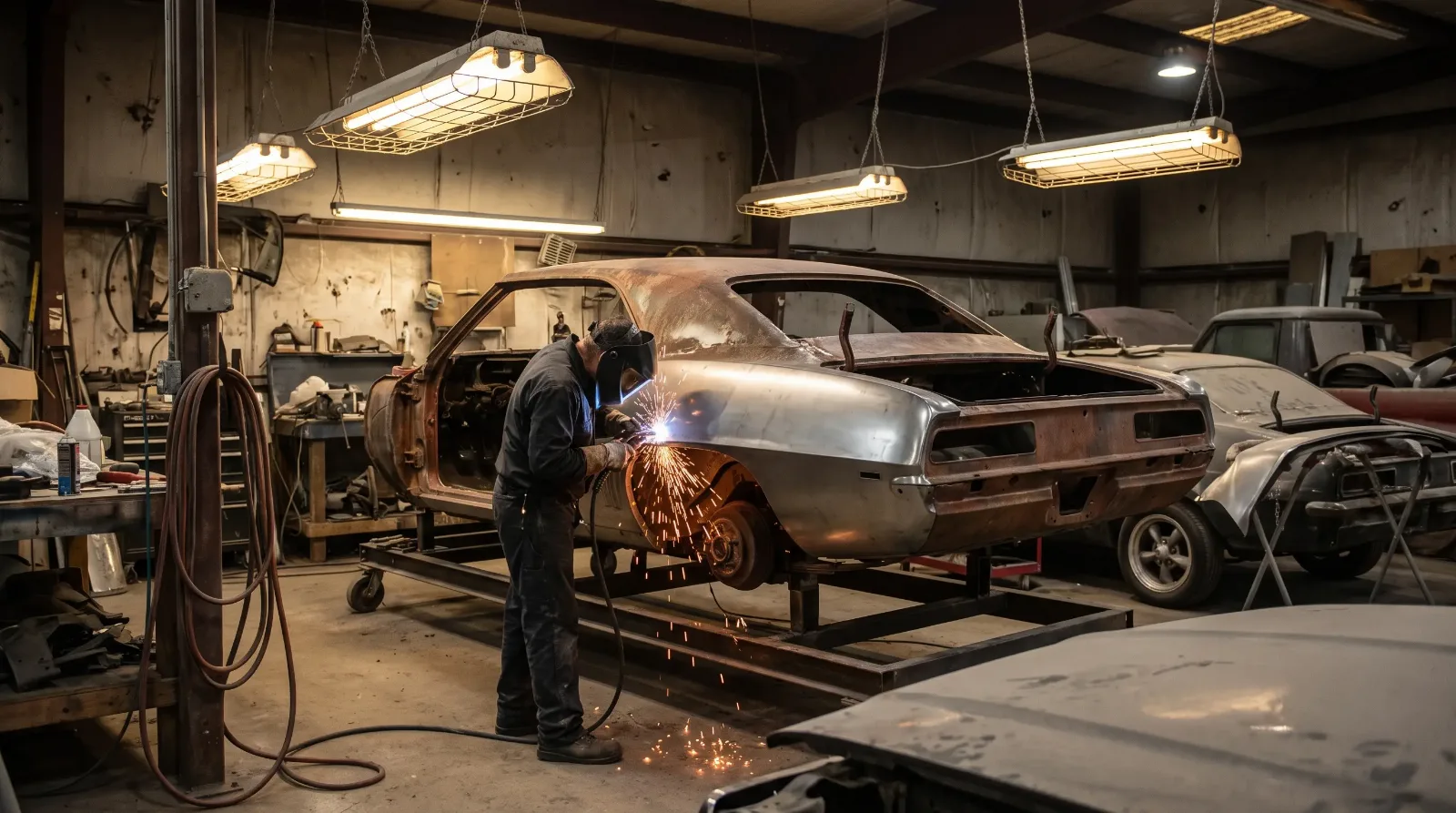
The labor cost spread between a professional shop and a competent home builder is real and large. On a complete restomod, professional labor typically adds a substantial five-figure sum over the parts cost alone. What that money buys is experience, tooling, accountability, and documentation.
Experience matters specifically in areas where mistakes are expensive: suspension geometry setup, engine tuning, and bodywork. A professional shop that has done forty LS swaps into first-gen Camaros has solved the clearance problems, the cooling problems, and the wiring problems that a first-time home builder will encounter fresh. The shop also typically provides a dyno sheet, an alignment printout, and a build record, which matters when you eventually sell the car.
The home builder path makes financial sense if you have genuine mechanical competence, the right tools, and time. It does not make financial sense as a way to get into a finished restomod cheaply if you are learning the skills as you go. The cost of mistakes on a platform like this is high. A misaligned rear suspension that chews through tires or a poorly tuned engine that runs lean under boost are not $500 fixes. The honest accounting for a first-time builder should include some margin for errors, typically 15 to 25 percent above parts cost.
"The $45,000 build and the $100,000 build can look identical in photographs. The difference shows up on a lift, in a log of build documentation, and on a dyno sheet. When I evaluate a finished restomod, I ask for all three. If only one of them exists, I adjust the offer price accordingly."
— David Mercer
Resale reality: what finished Camaro restomods actually bring
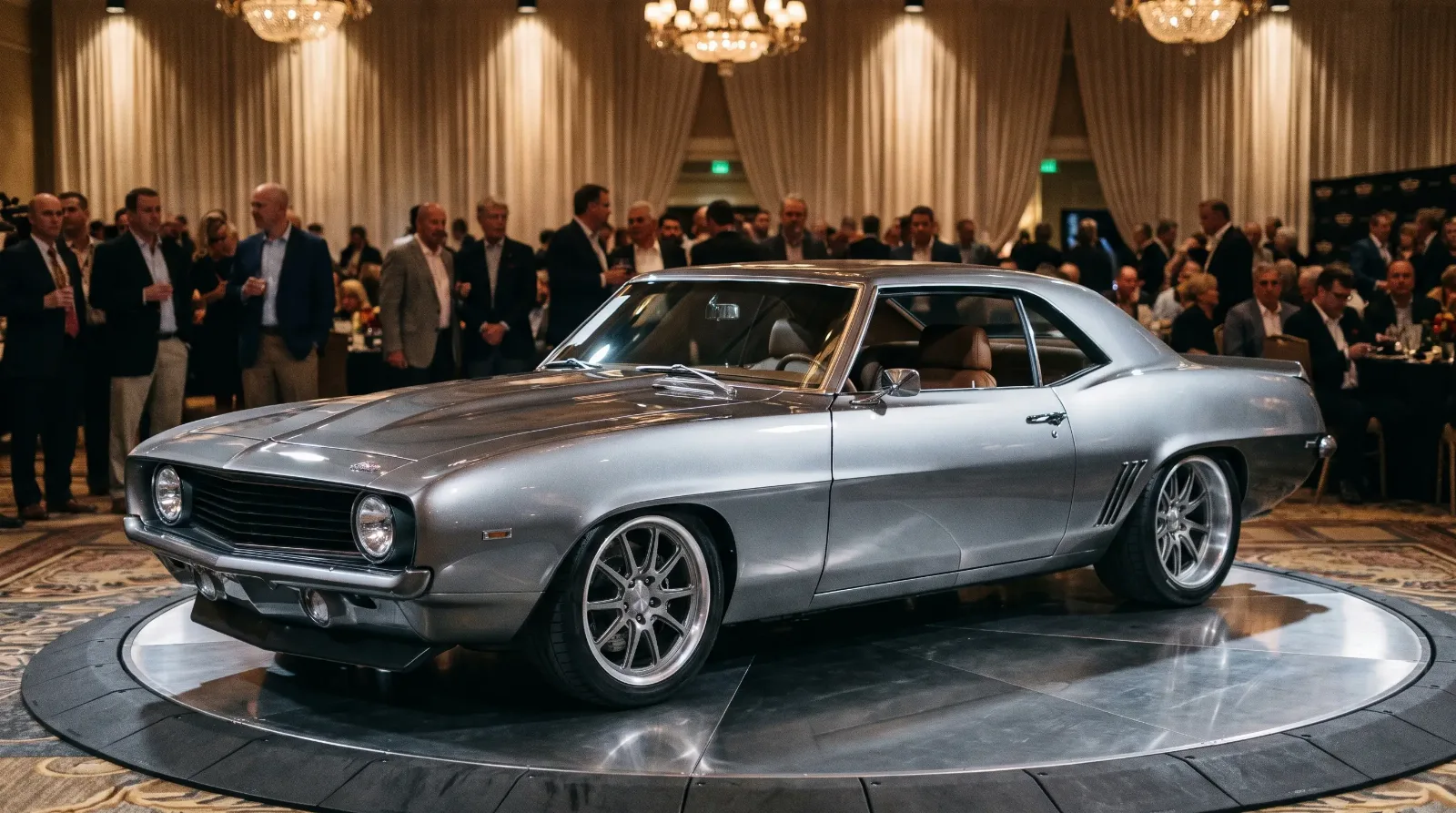
This is where builders often get surprised. A well-executed first-gen Camaro restomod with a documented LS swap, professional suspension work, and quality paint will trade in the high five figures to low six figures in the private market. At auction, known-builder cars with clean provenance can push well into six figures. These numbers sound strong until you compare them to what the build cost.
Most restomods do not appreciate to cover build cost on any reasonable timeline. The market rewards documentation, builder reputation, and originality of vision. An LS3-swapped 1969 Camaro built by a shop with a regional following and a clean build record sells. The same car with an unknown engine swap, no tune documentation, and a paint job that looks right in photos but shows waves in direct light sells for less, often significantly less.
The segment where resale math works better is the late second-gen platform. A well-built 1978 or 1979 Camaro restomod can be constructed for meaningfully less than a comparable first-gen and trade in a market where buyers recognize the value relative to first-gen prices. The arbitrage exists because the first-gen commands a desirability premium that is not always backed by build quality differences. If you are building to sell rather than to keep, the second-gen math deserves consideration.
To see where the market actually sits right now, Camaro restomods for sale on current listings reflect real asking prices across quality tiers, which gives a useful read on what finished cars are priced at before negotiations.
Sources and notes
Production figures, engine specifications, codes, and dates in this article are cross-referenced from established Camaro references, period documentation, and owner registries. Where sources differ, the most commonly cited value is used. Cost figures are indicative and vary by supplier, region, and condition.