
Plymouth Special Deluxe Buyer's Guide
The Plymouth Special Deluxe was Chrysler's answer to the depression-era family car — honest, durable, and available with enough style that you didn't feel like you were settling. Today it represents the most accessible entry point into pre-war and early postwar American classics.

Jim Vasquez here. The Plymouth Special Deluxe doesn't get the hot rod reverence of a Mercury Eight or the concours spotlight of a Lincoln Continental, but it has something neither of those cars can offer: accessibility. These were working-class cars when they were new, built to carry families rather than to impress, and they've aged into honest, affordable classics that reward the buyer who appreciates substance over status.
I have a specific appreciation for the Special Deluxe because the kustom culture that I love drew from every corner of early American cars — not just the premium brands. The Plymouth flathead six was tuned and customized by builders who didn't have Mercury money but had the same skills and the same dreams. Some of the most interesting early kustoms were built on Plymouths and DeSotos because the builders worked with what they had.
What Makes a Special Deluxe Special
The "Special Deluxe" designation was Plymouth's top-of-the-line trim level from 1939 through 1950. It sat above the base Plymouth and the Deluxe trim, offering additional chrome, better interior materials, and exclusive body styles. In Plymouth's value-oriented world, "Special Deluxe" meant you got the running boards (an option in 1939), the windshield defroster, and the better seat fabrics. By the standards of a $900 car in 1941, this was real luxury.
The pre-war Special Deluxe (1939–1942) is the more historically significant machine. These cars were built before the manufacturing priorities shifted to war production, and the design quality reflects Chrysler's full creative attention. The 1939 styling introduced the streamlined aesthetic that would define the prewar Chrysler aesthetic — lower, smoother, and more modern than the competition. The 1940–1941 cars refined this further, producing what many consider the handsomest Plymouths of the era.
The Flathead Six: Honest and Durable
The Plymouth flathead inline-six (201ci (1933 to 1941), later 218ci (1942 to 1950)) is one of the most dependable engines ever installed in an American car. Chrysler's inline-sixes of the pre-war and early postwar era earned a reputation for near-indestructibility that persists in collector circles today. These engines were designed with generous tolerances, good cooling system capacity, and simple maintenance requirements that allowed them to accumulate enormous mileage without major work.
The flathead six doesn't have the hot rod cachet of the Mercury flathead V8, but it's actually a better engine for gentle driving: smoother at low speeds, more fuel-efficient, and easier to find parts for. The aftermarket for Plymouth sixes isn't extensive, but the factory engineering was so good that most of what you'd want to do to one has already been done by someone else who documented it online.
The Postwar Cars (1946–1950)
Plymouth resumed civilian production in late 1945 using largely the prewar design — the same flathead six, similar body styling with minor updates. This was not laziness but practicality: tooling up an entirely new design takes years, and Plymouth's customers needed affordable transportation, not styling innovation. The 1946–1948 cars are essentially refined versions of the 1942 design, honest and well-made.
The 1949–1950 Plymouth received a more substantial redesign that introduced the lower, wider body that defined postwar American styling. These cars are generally more available than the pre-war cars, more practical as drivers, and represent an excellent entry point into pre-war/early postwar collecting without the expense of a Mercury or Ford.
Custom Potential
The Plymouth Special Deluxe body is not the first choice of the traditional California custom builder — that honor goes to the Mercury Eight and the 1949–1951 Ford. But the Plymouth has been customized successfully by builders who appreciate its accessibility and proportions. Chopped and lowered Special Deluxes exist that are genuinely beautiful, and the flathead six can be coaxed to reasonable performance with period-correct equipment from Edmunds, Offenhauser, and other specialists.
Browse Plymouth Special Deluxe listings
 Dealer
 United States
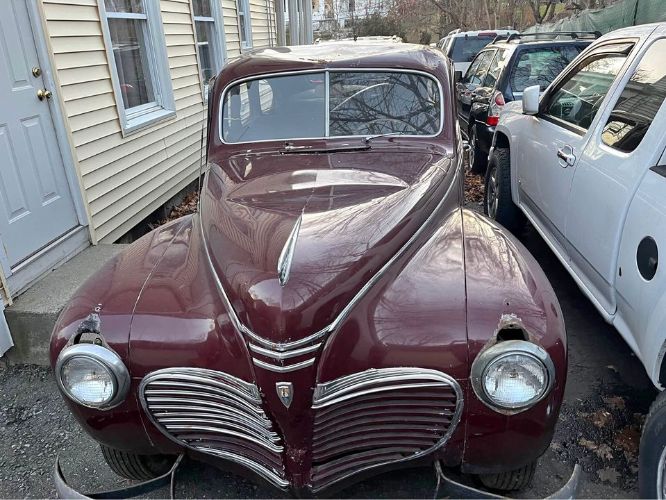
1941 Plymouth Special Deluxe
 Dealer
United States
Dealer
United States
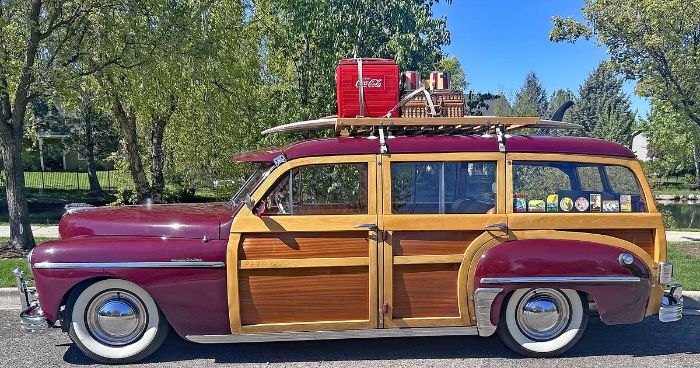
1949 Plymouth Special Deluxe
What to Look For
Inspect the lower body seams and door bottoms for rust — pre-war cars rust in these locations consistently. Check the floor pans and firewall area for corrosion. Verify the flathead six starts easily and runs without excessive smoke — a warm engine with white smoke from the exhaust suggests a cracked head or leaking gasket, which can be expensive on a 75+ year old casting. On convertible (club coupe) body styles, inspect the fabric top and the mechanism carefully. Verify the body style is correct — the pre-war Plymouth was available in multiple configurations.Pre-Purchase Checklist
-
Lower Door Rust
Probe lower door skins and rocker panels — these rust consistently on pre-war and early postwar Plymouths. -
Floor Pan Condition
Check floor pans from underneath and inside — corrosion at sill welds is common. -
Flathead Six Cold Start
Start cold and watch for white or blue exhaust smoke — white smoke indicates coolant in combustion. -
Head Gasket
Check oil for milky contamination and coolant for oil — head gasket integrity is the primary engine concern. -
Brake System
Identify whether original cable, hydraulic, or upgraded brakes are fitted — verify function carefully. -
Body Style Confirmation
Confirm the body style (Tudor, Fordor, club coupe, convertible) for accurate valuation. -
Convertible Top (if applicable)
On club coupe models, inspect the top fabric and mechanism — replacement is expensive and specialist work. -
Glass Completeness
Check all glass for cracks — curved pre-war glass is difficult and expensive to source.
Common Issues
Lower door skin and rocker panel rust on unrestored examples. Floor pan corrosion, especially at the door sill welds. Flathead six cracked heads from overheating events — replacement castings exist but require sourcing. Hydraulic brake system deterioration (pre-war cars may have cable brakes converted to hydraulic). Rubber seals and weatherstripping degradation. Convertible top mechanisms and fabric on club coupe models.More Special Deluxe for sale
 Dealer
United States
Dealer
United States
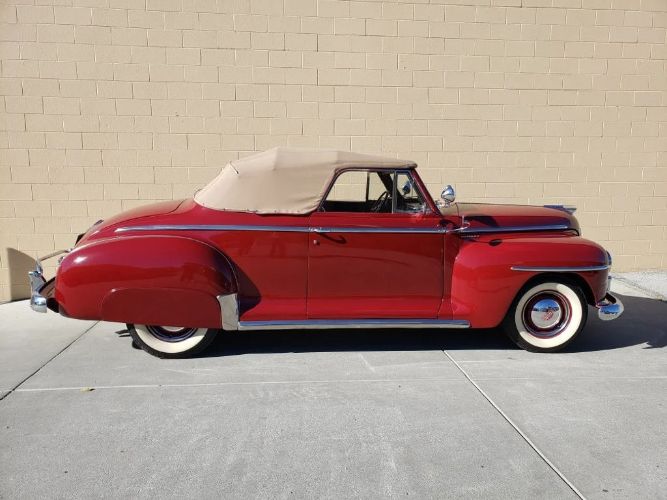
1948 Plymouth Special Deluxe
 Dealer
United States
Dealer
United States
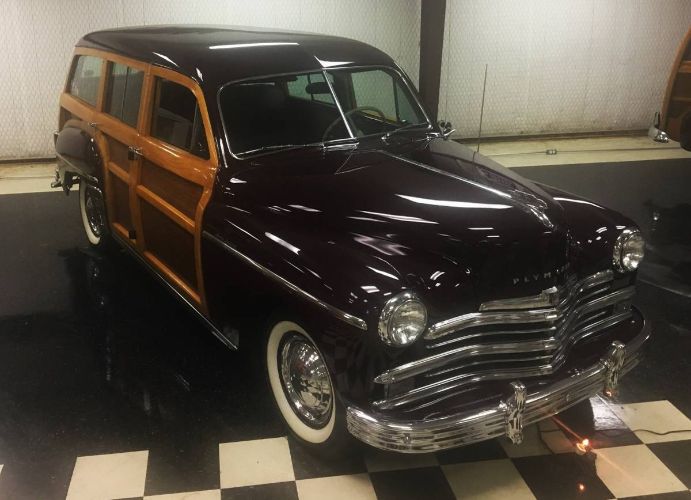
1949 Plymouth Special Deluxe
Pricing Guide
1939–1942 Tudor sedan (pre-war): $6,000–$15,000 for drivers. Pre-war convertible/club coupe: $12,000–$28,000. 1946–1948 Special Deluxe: $5,000–$14,000. 1949–1950 sedan: $5,000–$13,000. Period-correct custom builds add significant premium depending on build quality. All-original, low-mileage examples command 25–40% premium.Fun Facts
Plymouth was the third-best-selling car brand in America throughout most of the 1930s and 1940s, behind Ford and Chevrolet — a dominance most people don't remember because Plymouth faded dramatically in later decades. The 1939 Plymouth Special Deluxe was equipped with a "Safety-Rim" wheel design to prevent tire blowouts from causing immediate loss of control — Chrysler marketed this as a safety feature three decades before safety became a mainstream automotive selling point. The Plymouth flathead inline-six was so reliable that some taxi companies used these cars for over 500,000 miles on original engines.Frequently Asked Questions
Ready to find your Special Deluxe?
Browse 6+ active Plymouth Special Deluxe listings on Classic Cars Arena.
View Listings →