
What is the best year C2 Corvette to buy?

The C2 Corvette (1963–1967) is the five-year generation I have spent more time studying than any other. It is the Corvette that Bill Mitchell designed from his personal vision, that Zora Arkus-Duntov engineered for genuine motorsport competitiveness, and that still delivers the most emotionally involving driving experience in the Corvette lineage. Choosing the best year is a matter of what you value most.
1963 — The Split Window
The 1963 is the most visually distinctive C2 by virtue of the spine dividing the rear window — a feature Mitchell insisted on and Duntov opposed, deleted after one year. Every 1963 coupe carries this feature; no other year does. The 1963 also introduced the C2 completely, with the most original engineering: independent rear suspension as standard, optional disc brakes from the start (standard from 1965). A 1963 coupe in any configuration is separately collectible from 1964–1967 cars.
1967 — The Engineering High Point
The 1967 is the last pre-emissions C2 and the one Chevrolet got most right. Available engines ran from the 300 hp 327 TurboFire through the 435 hp L71 427 triple-carb, the L89 with aluminum heads, and the near-mythical L88 — rated at 430 hp for insurance purposes but making 540+ hp on race fuel. The 1967 also benefits from a fully developed suspension after four years of refinement — the handling and braking are noticeably superior to 1963–1965 cars.
1964–1966 — The Value Window
The 1964–1966 C2s carry the same mechanical package without the 1963 or 1967 premiums. The build sheet tells the real story: a 1965 or 1966 coupe with the L84 Rochester fuel injection or the 396 big-block is an exceptional driver's car at $75,000–$120,000 — significantly below the equivalent 1967 or 1963 example. Cross-reference against the NCRS and Bloomington Gold standards, which apply to all C2 years equally.
What to Avoid
The most common C2 fraud is the cloned big-block: a small-block car with numbers altered to indicate a factory 427. Verify the engine pad stamp (visible at the front of the block, passenger side) against the VIN derivative. The stamp should match the last 8 digits of the car's VIN and show the correct engine RPO code casting.
Browse current listings
 United States
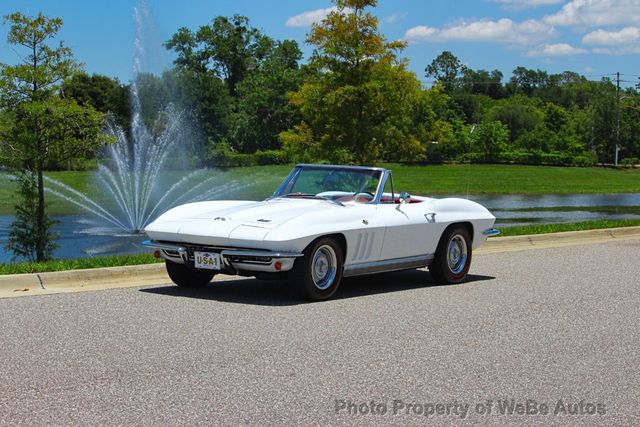
1971 Chevrolet Corvette
 Dealer
United States
Dealer
United States
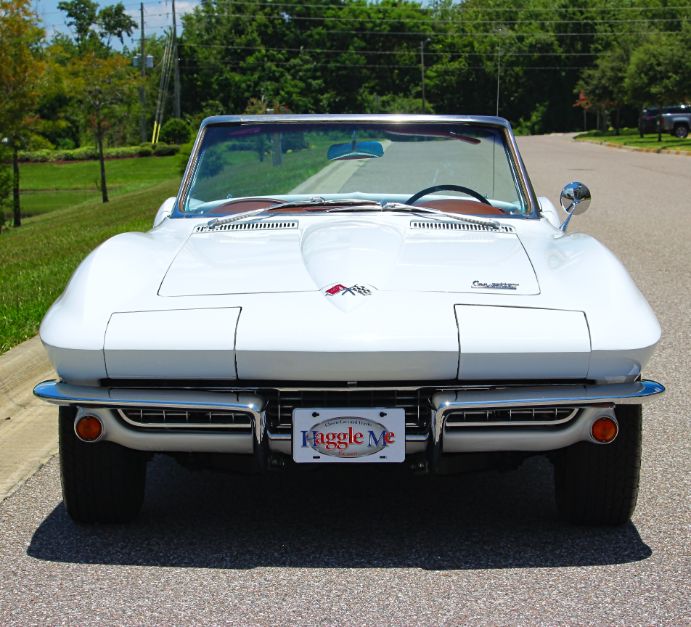
1966 Chevrolet Corvette
 Dealer
United States
Dealer
United States
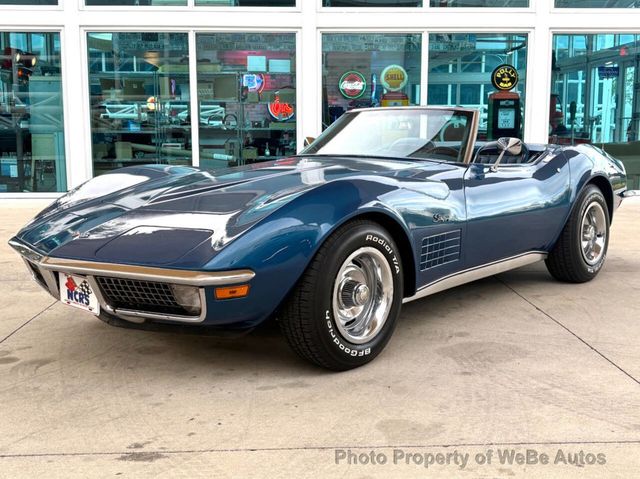
1966 Chevrolet Corvette
 Dealer
United States
Dealer
United States
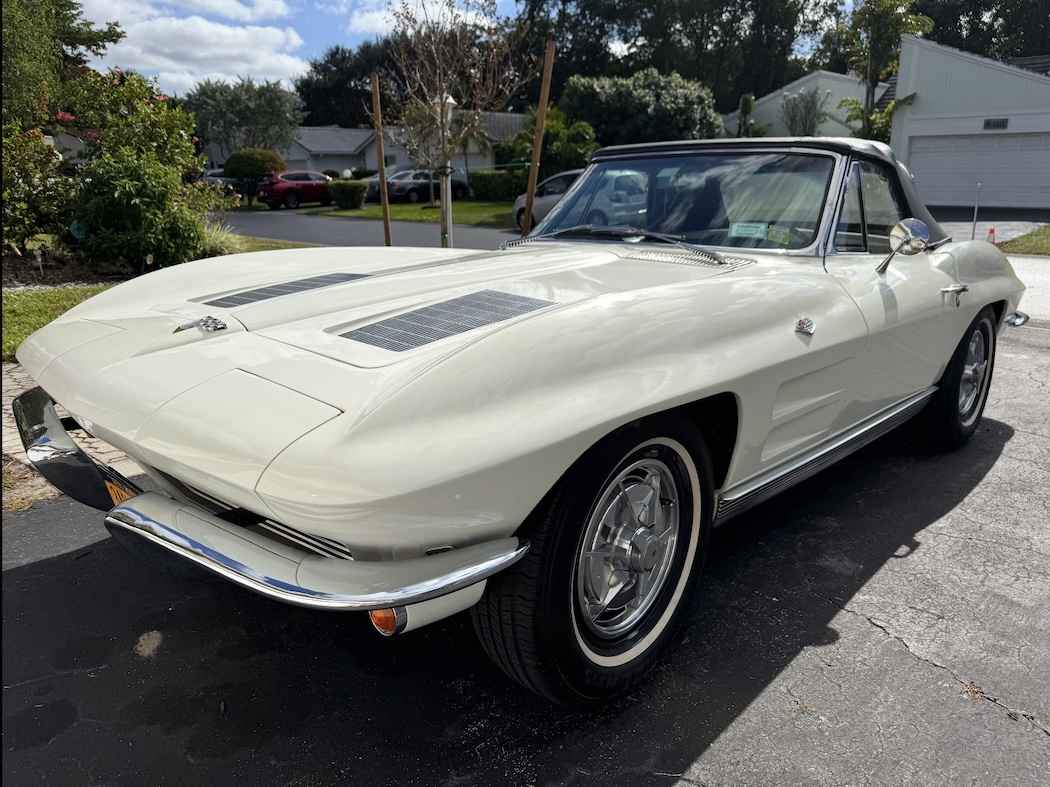
1971 Chevrolet Corvette
 Dealer
United States
Dealer
United States