
What's the difference between a C2 and C3 Corvette?

Quick Answer
C2 (1963-1967) and C3 (1968-1982) Corvettes share the same chassis and rear suspension, but the C3 wraps that mechanical package in a completely new Mako Shark-inspired body and was produced for 15 years across multiple emissions and styling eras. C2s are uniformly desirable; C3s span everything from 1969 L88s to smog-era 1975 base cars.
The most common confusion among new Corvette buyers — these two generations share more than people realize, but their collector markets are very different.
What's mechanically the same
The C3 launched on the same 1963 Sting Ray chassis: ladder frame, independent rear suspension, transverse-leaf-spring rear, four-wheel disc brakes (from 1965 on the C2). Engines for the 1968-1972 C3s were near-direct carryovers from the C2 (327, 350, 396, 427 small- and big-blocks).
What's different
- Body: C2 is the Sting Ray (the Bill Mitchell shark-inspired design with split-window 1963 coupe). C3 is the Mako Shark II concept brought to production — long hood, swooping fenders, Coke-bottle silhouette.
- Production span: C2 was 5 years (1963-1967) and ~117,000 cars. C3 was 15 years and ~542,000 cars — the longest Corvette generation by far.
- Power: C2 ended at the top with the 1967 L88 / L71 / L89 cars. C3 saw smog-era power decline (1975 base C3 made just 165 hp) before partial recovery in the late 1970s.
- Collector market: Every C2 is desirable. C3 values cluster around the 1968-1972 chrome-bumper big-blocks and the 1969 ZL1 / L88; the 1973-1982 cars are far more affordable and accessible.
Which one for which buyer
C2 = serious collector with deeper pockets, value-stable investment. C3 = entry-level Corvette experience or restomod canvas. Both deliver the iconic Corvette mechanical package.
Browse current listings
 United States
1971 Chevrolet Corvette
Contact for Price
 Dealer
United States
Dealer
United States
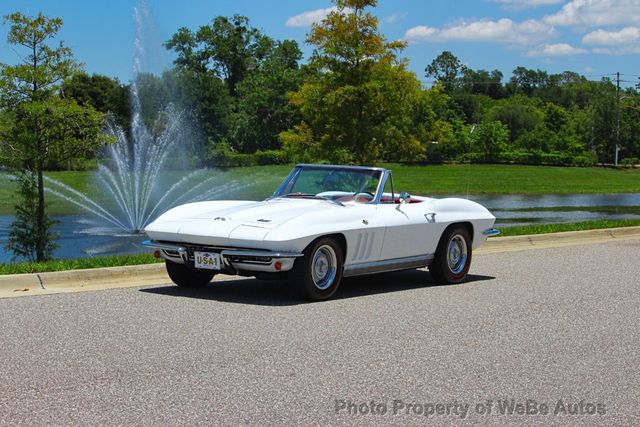
1966 Chevrolet Corvette
$82,966
 Dealer
United States
Dealer
United States
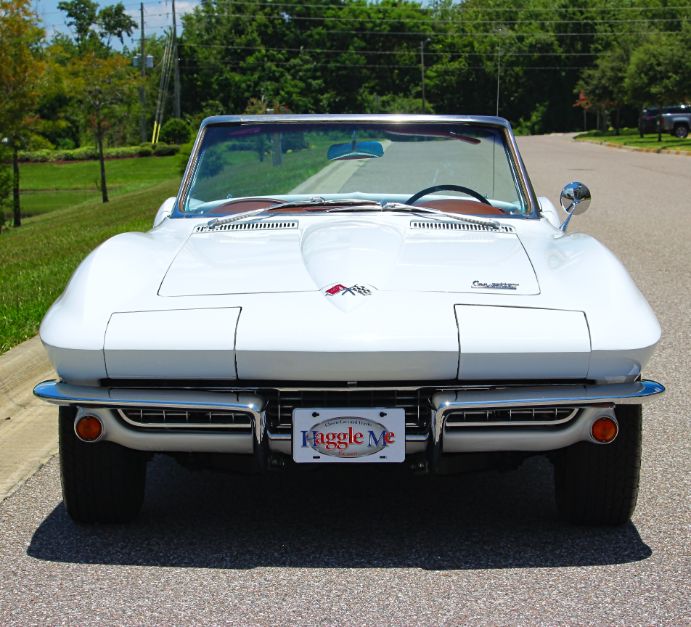
1966 Chevrolet Corvette
$84,900
 Dealer
United States
Dealer
United States
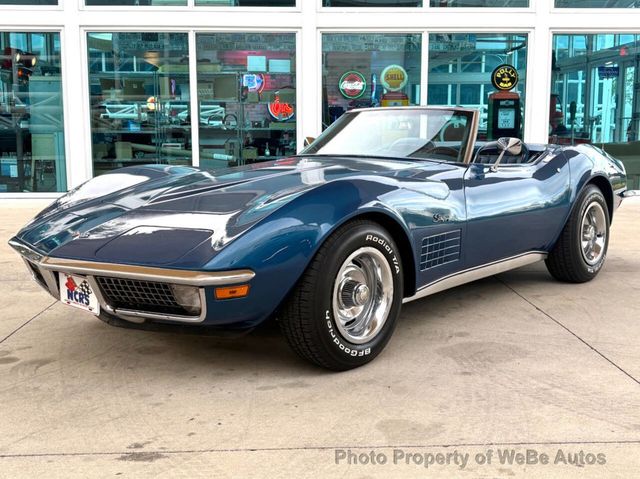
1971 Chevrolet Corvette
$34,997
 Dealer
United States
Dealer
United States
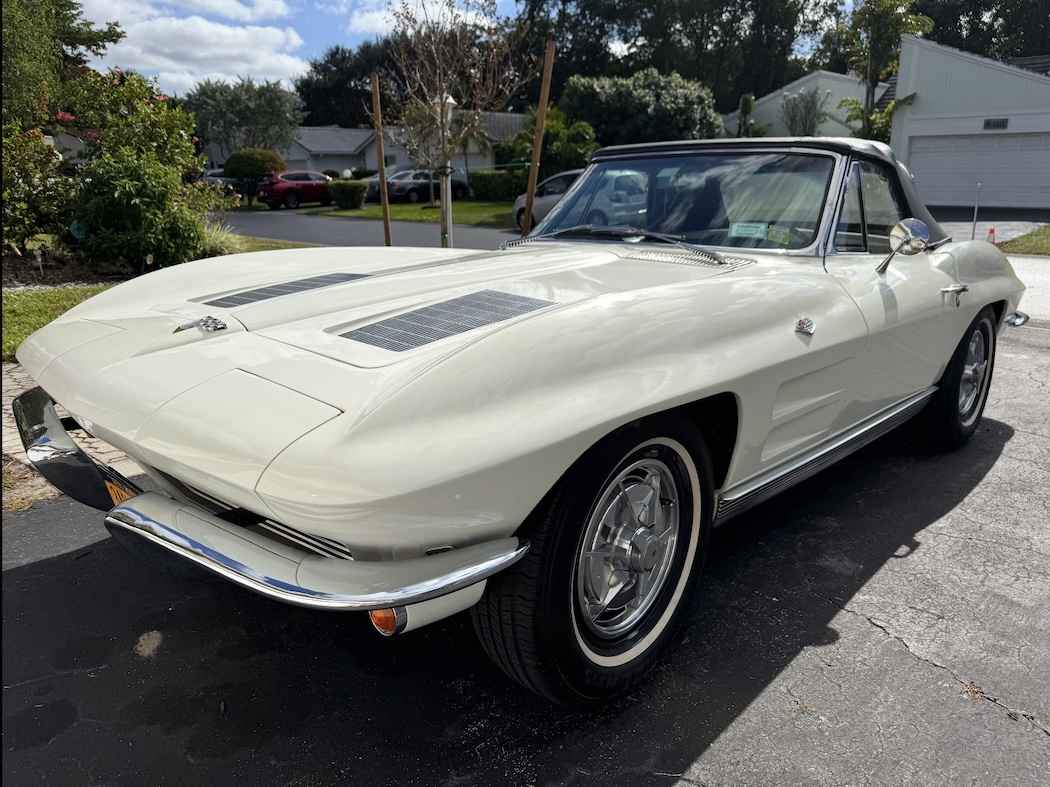
1960 Chevrolet Corvette
$84,995