
Should I buy a C2 or C3 Corvette?

I've spent two decades chronicling Corvette production history and I hear this buying question constantly at shows from Bowling Green to Bloomington. The C2 versus C3 decision isn't really about technical differences — those two generations are mechanically more similar than most buyers realize. The decision is about what you want the car to do for you.
The Case for a C3 (1968-1982)
The C3 is the accessible Corvette. Driver-quality 1968-1972 chrome-bumper C3s — the most desirable years, before emissions regulations eroded power — trade at $35,000–$70,000 for genuine big-block or high-spec small-block cars. You get the Mako Shark II styling, the Corvette driving experience, and real muscle-car performance for $30,000–$50,000 less than a comparable C2. The 1973-1982 rubber-bumper C3s drop to $15,000–$35,000 for honest drivers — the most affordable entry point into Corvette ownership.
The Case for a C2 (1963-1967)
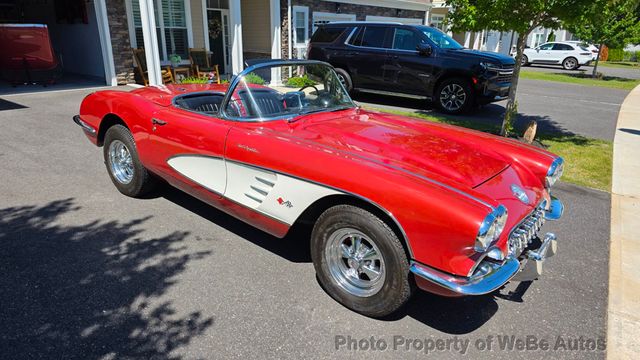
The C2 is the collector's Corvette. Every year is desirable; the 1963 split-window is iconic; the 1967 L88, L71, and L89 cars are among the rarest and most valuable American production cars ever built. C2 values have been firm through every market cycle — they don't collapse like middle-market muscle cars do. A correct, documented C2 coupe at $75,000–$100,000 is a genuine investment, not just a hobby expense. The build sheet tells the real story here: a C2 with a verifiable broadcast sheet confirming its engine option commands a significant premium over an equal-looking car without documentation.
Matching the Car to Your Horizon
- 3-5 year horizon, want to drive it: Buy a 1969-1972 C3 chrome-bumper car. Drive it, enjoy it, sell at roughly break-even or modest appreciation.
- 10+ year investment horizon: Buy the best-documented C2 you can afford. Numbers-matching, original paint preferred. These appreciate consistently.
- Weekend warrior on a budget: C3, no question. Parts are cheaper and more available; the mechanical package is identical to a C2 chassis.
My Recommendation for First-Time Corvette Buyers
If you're a first-time buyer with $40,000–$60,000: buy the best 1969-1972 C3 you can find with documentation, drive it for three years, learn the marque from the inside, then trade up to a C2 with that experience guiding what to look for. That's the path that leads to ownership you don't regret — and it's the path I've seen work for more buyers than any other approach.
Browse current listings
 United States
1971 Chevrolet Corvette
 Dealer
United States
Dealer
United States
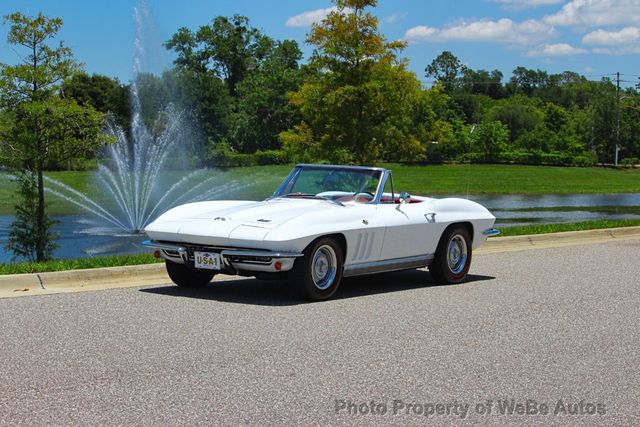
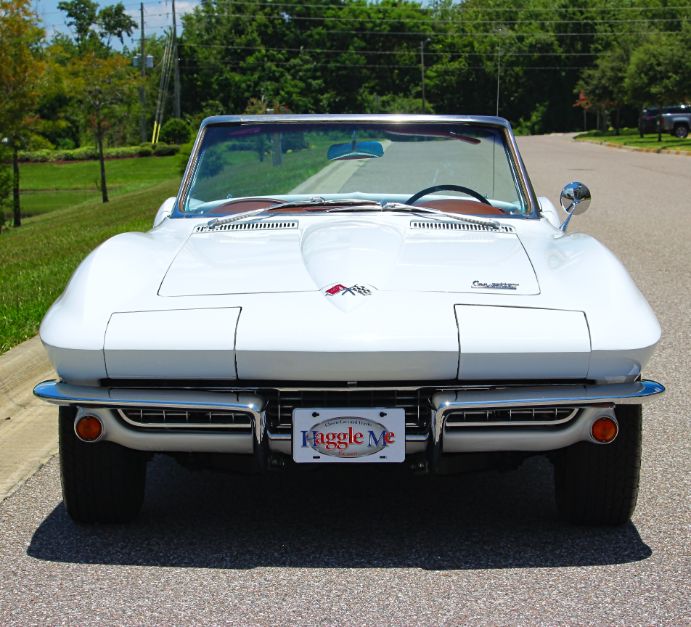
1966 Chevrolet Corvette
 Dealer
United States
Dealer
United States
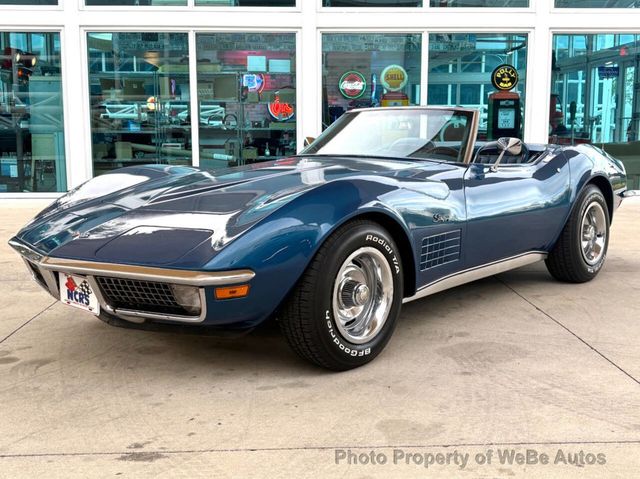
1966 Chevrolet Corvette
 Dealer
United States
Dealer
United States
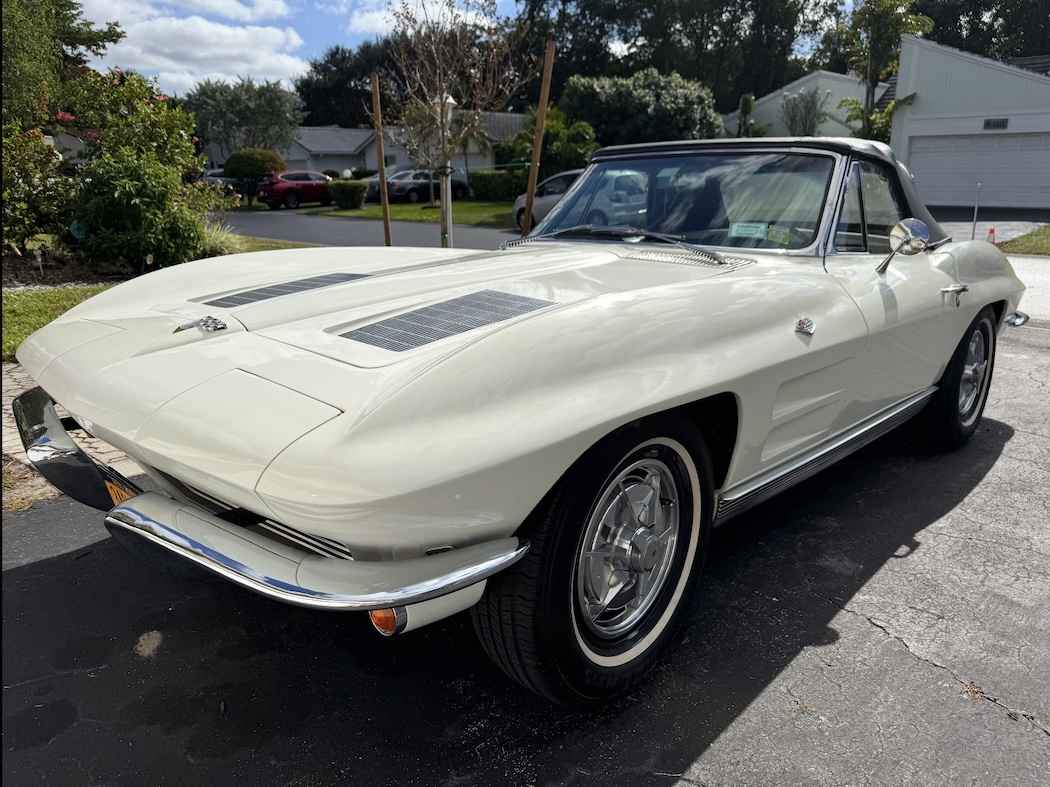
1971 Chevrolet Corvette
 Dealer
United States
Dealer
United States