
Are classic Corvettes a good investment in 2026?

I've spent two decades tracking Corvette values across every generation and auction venue. Here's the honest investment picture in 2026.
The Blue-Chip Tier — L88, ZL1, and Early C2
Documented L88 Corvettes (1967-1969, approximately 200 built across three years) are investment-grade collectibles that have outperformed the S&P 500 over any 10-year window you choose. 1967 L88 values are in the $1M-$2M range for correct examples. The 1969 ZL1 (aluminum-block 427, only two factory-installed in Corvettes) is museum-territory. These are not driver cars — they're portfolio holdings with engines.
C2 (1963-1967) — The Right Market
Below the L88/L71 tier, the C2 split-window coupe (1963 only — 10,594 built) and the documented 427 convertibles represent the strongest broad-market investment opportunity. A correctly documented 1963 split-window in a desirable color trades at $80,000-$140,000 and has appreciated steadily for 15 years without meaningful correction.
C3 Chrome-Bumper (1968-1972) — Stable, Not Spectacular
The 1968-1972 chrome-bumper C3 has been the workhorse of Corvette investing — stable values, broad demand, accessible entry. A documented 427 coupe in good condition trades at $45,000-$90,000. Appreciation has been modest (5-8% annually) rather than dramatic. These are value stores, not growth plays.
C4 ZR-1 — The Overlooked Opportunity
The 1990-1995 ZR-1 with the Lotus-engineered LT5 V8 is, in my view, the most undervalued documented-performance Corvette of the classic era. Only 6,939 were produced over six years. The 1993-1995 cars with 405 hp are the most powerful and most desirable. Clean, low-mileage ZR-1s at $30,000-$45,000 are priced below where their rarity and performance pedigree will eventually take them.
What to Avoid
Standard C3 rubber-bumper cars (1973-1982) are the least investment-worthy Corvettes — high production, modest performance in most specs, and limited collector distinction. The mid-year C3 convertibles are an exception. C4 base cars (non-ZR-1, non-Grand Sport) are driver cars, not investment cars.
Browse current listings
 United States
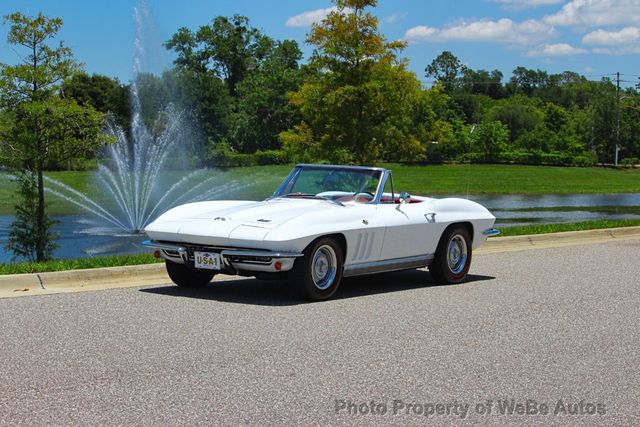
1971 Chevrolet Corvette
 Dealer
United States
Dealer
United States
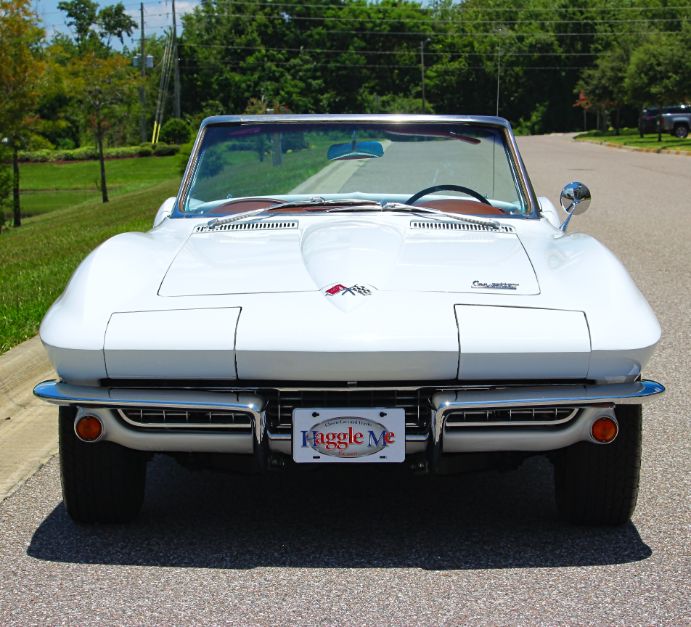
1966 Chevrolet Corvette
 Dealer
United States
Dealer
United States
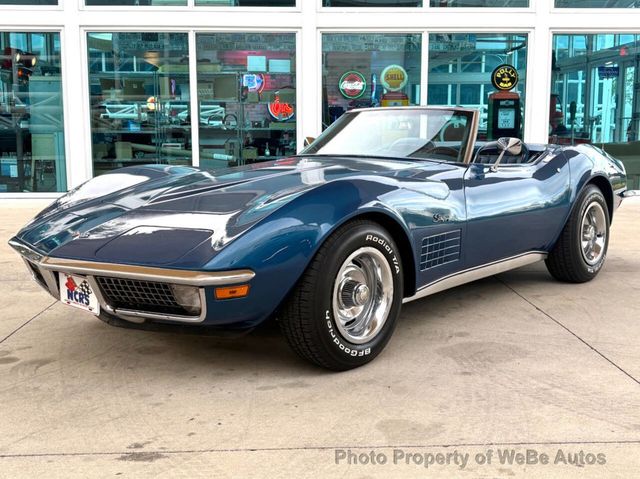
1966 Chevrolet Corvette
 Dealer
United States
Dealer
United States
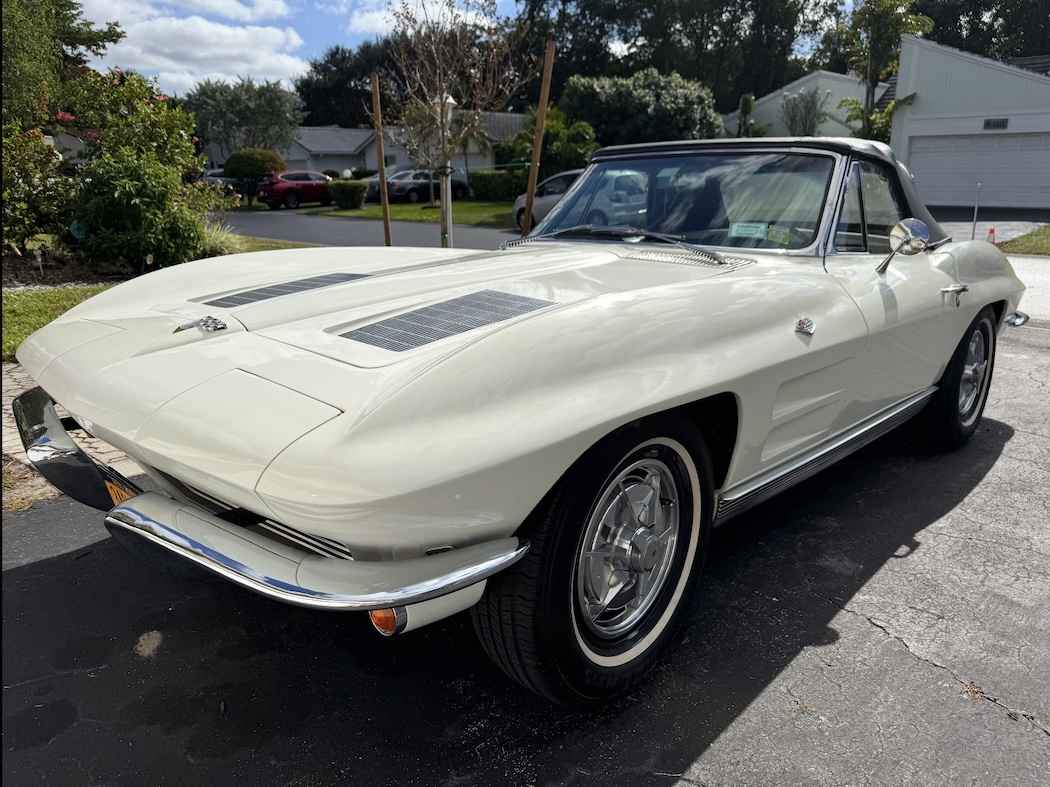
1971 Chevrolet Corvette
 Dealer
United States
Dealer
United States