
What is a tank sticker on a Corvette?

The tank sticker is one of the most frequently referenced authenticity documents in C2 and C3 Corvette collecting — and one of the most misunderstood by new buyers. Here's the full picture.
What the Tank Sticker Is
Beginning with the C2 generation and continuing through the C3, Chevrolet applied a printed label to the coolant overflow or recovery tank in the engine bay. This sticker lists the car's RPO (Regular Production Option) codes — every factory option the car was built with, along with the base price and each option's price. The total at the bottom is the factory MSRP for that specific car. It's the most complete single-document record of a Corvette's factory build.
Why It Matters for Authentication
The tank sticker is difficult to reproduce convincingly — it's a period-printed document with specific fonts, paper stock, and application characteristics. When present and matching the car's known configuration, it confirms: the correct engine option (including L88, L71, ZL1 codes), the factory transmission, the factory color, and every other option the car left Bowling Green with. For high-value Corvettes — particularly L88, L89, and ZL1 cars — a present, legible tank sticker can add $30,000-$80,000 to the car's value.
Where to Find It
On C2 Corvettes (1963-1967), the sticker is typically on the radiator overflow jar or affixed to the inner fender well. On early C3s (1968-1972), it's usually on the coolant recovery bottle on the driver's side inner fender. By the mid-1970s the practice had become inconsistent — not all cars received them, and survival rates are lower on later cars.
The NCRS Cross-Reference
The National Corvette Restorers Society (NCRS) maintains registry records that can be cross-referenced against a car's tank sticker data. If the sticker's RPO codes don't match the car's known history — or if codes for a documented rare option (like L88) appear on a car with no other L88 documentation — that's a significant red flag. I've spent two decades cross-referencing these records, and the sticker is only as reliable as the car's overall documentation story.
Browse current listings
 United States
1971 Chevrolet Corvette
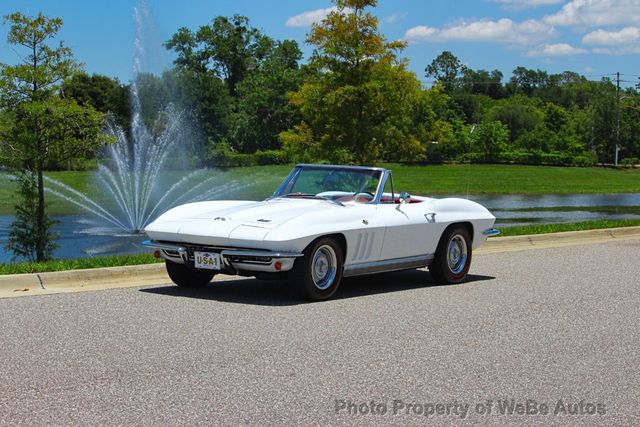 Dealer
United States
Dealer
United States
1966 Chevrolet Corvette
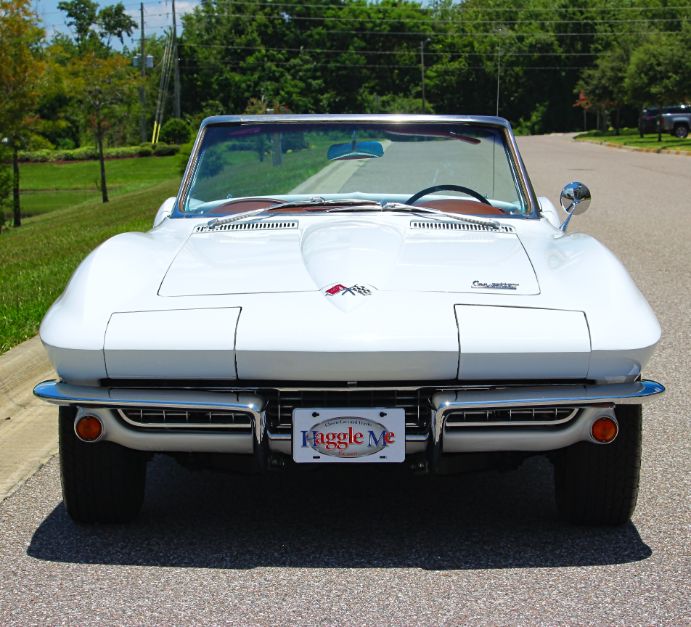 Dealer
United States
Dealer
United States
1966 Chevrolet Corvette
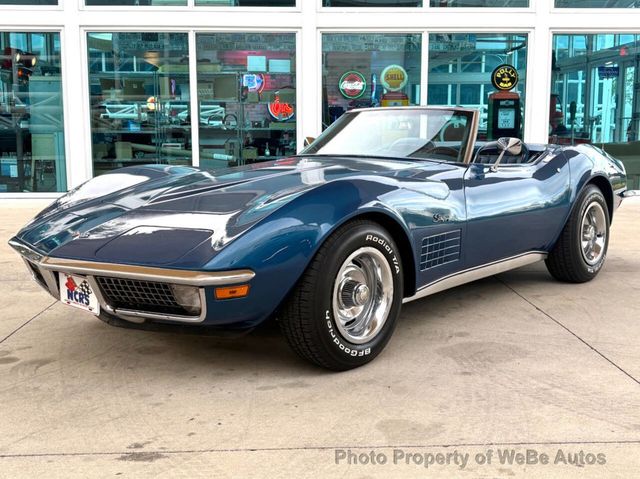 Dealer
United States
Dealer
United States
1971 Chevrolet Corvette
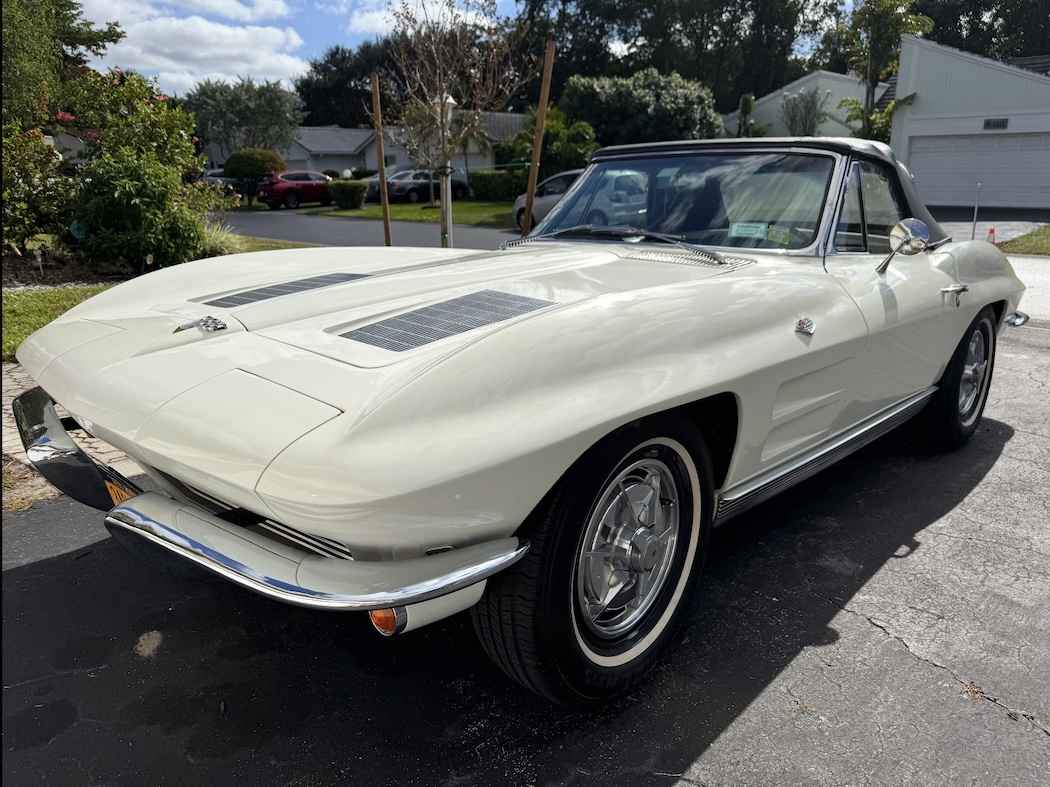
 Dealer
United States
Dealer
United States