
How do I identify a real Pontiac Ram Air engine?

Pontiac's Ram Air program produced some of the most sophisticated performance engines Detroit ever built — and also some of the most frequently cloned. The market premium for a documented Ram Air IV Firebird or GTO versus a base 400 car can be $30,000–$60,000, which creates obvious incentive for fraud.
Ram Air Hierarchy
- Ram Air I (1967–1968): 360 hp 400 with functional cold-air hood scoops. Most common, easiest to clone.
- Ram Air II (1968): Same external appearance, revised heads and cam. Rare mid-year introduction.
- Ram Air III (1969–1970): 366 hp, round-port heads. The "entry-level" Ram Air in the Firebird/GTO lineup.
- Ram Air IV (1969–1970): 370 hp, square-port heads, forged pistons, larger valves. The performance benchmark — factory-rated conservatively.
- Ram Air V (1969–1970): Tunnel port heads, dry-sump oiling, semi-hemispherical chambers. Factory race-only; any street example is extraordinary and warrants deep provenance research.
The Engine Stamp — Your Primary Tool
Every Pontiac engine has a VIN-derivative stamp on the pad just forward of the distributor. This stamp encodes the model year, assembly plant, engine code, and a partial VIN that must match the car's full VIN. On a Ram Air IV, the engine code is "XS" (manual) or "WT" (automatic) for 1969. Cross-reference the block casting number (cast into the right rear of the block) against known Ram Air casting charts — casting numbers are publicly documented by the Pontiac Enthusiast Club registry.
PHS Documentation
Pontiac Historical Services (PHS) can provide a documentation package for any Pontiac built before 1980 that confirms the factory-installed engine option, transmission, and color codes from original build records. This is the definitive authentication for any Ram Air car above $50,000. The process costs approximately $50–$100 and takes a few weeks. No serious Ram Air IV transaction should proceed without it.
Browse current listings
 Dealer
 United States
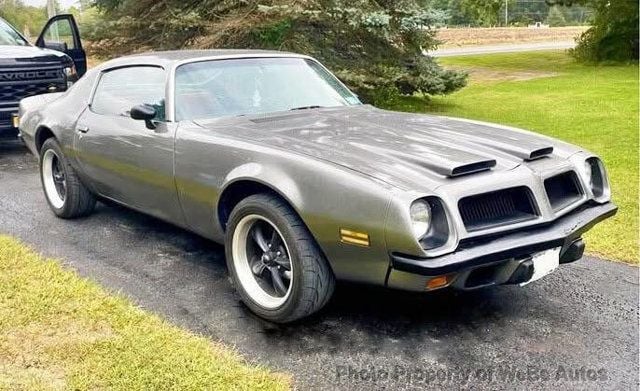
1974 Pontiac Firebird
 Dealer
United States
Dealer
United States
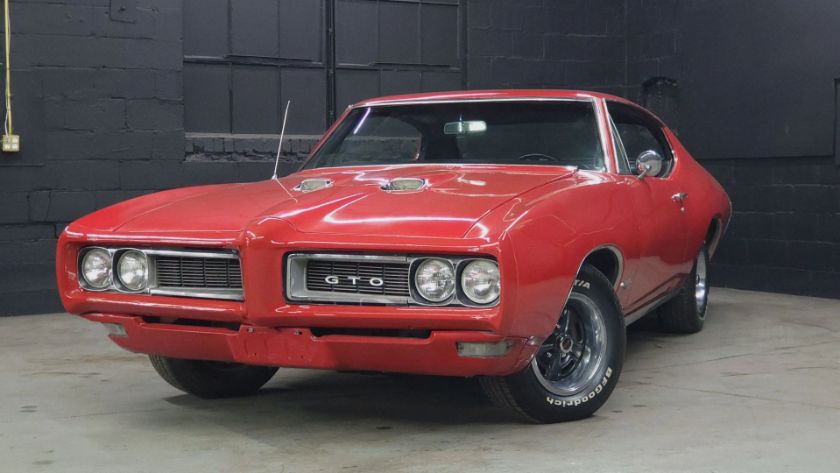
1968 Pontiac GTO
 Dealer
United States
Dealer
United States
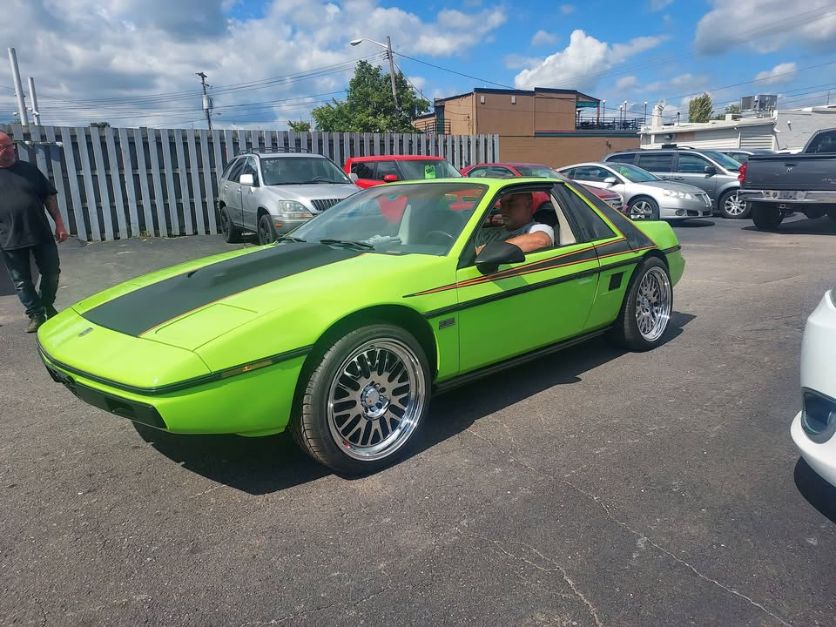
1984 Pontiac Fiero
 Dealer
United States
Dealer
United States
1970 Pontiac LeMans
 Dealer
United States
Dealer
United States
1989 Pontiac Firebird
 Dealer
United States
Dealer
United States