
Classic Hudson Cars for Sale
21 listings
Buy & Sell Hudson Classics. New listings added daily.
Hudson Motor Car Company (1909–1954) produced innovative, powerful cars that dominated stock car racing in the early 1950s. The Hornet, Commodore, and Super Six are increasingly collectible.
 Dealer
 United States
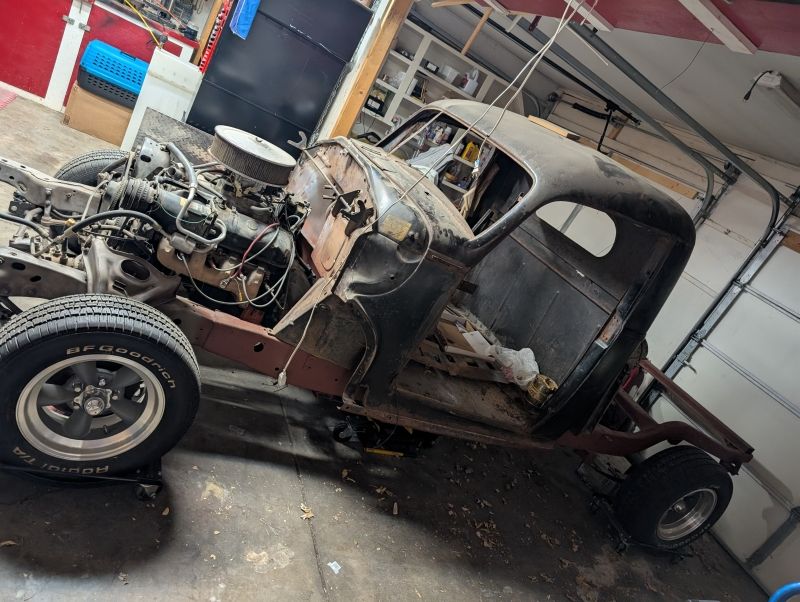
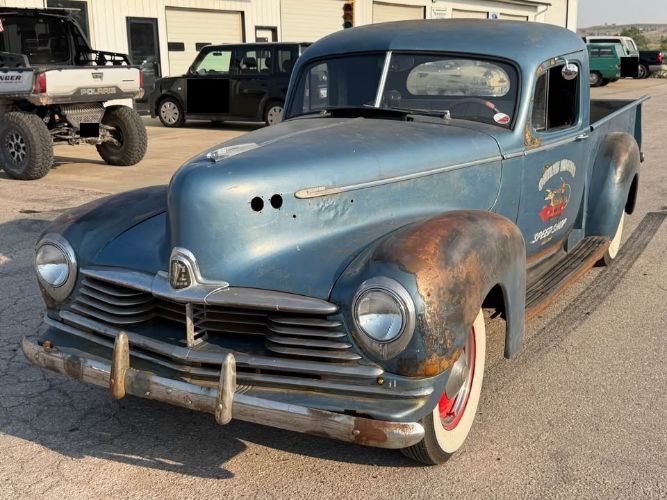
1947 Hudson Pickup
 Dealer
United States
Dealer
United States
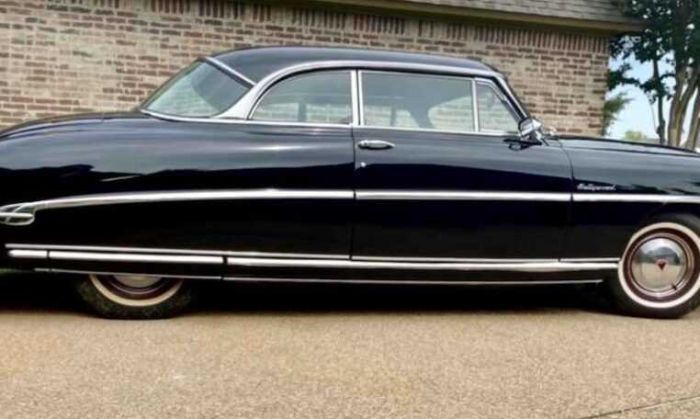
1952 Hudson Hornet
 Dealer
United States
Dealer
United States
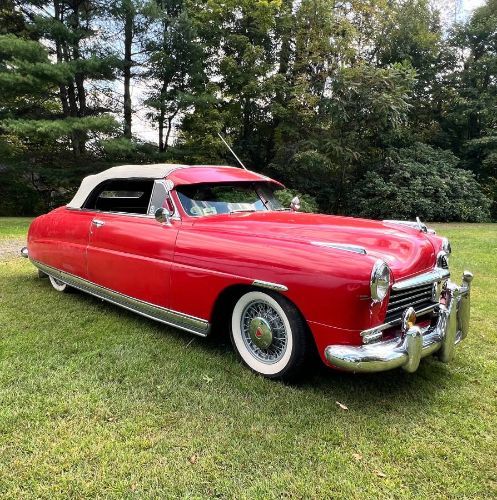
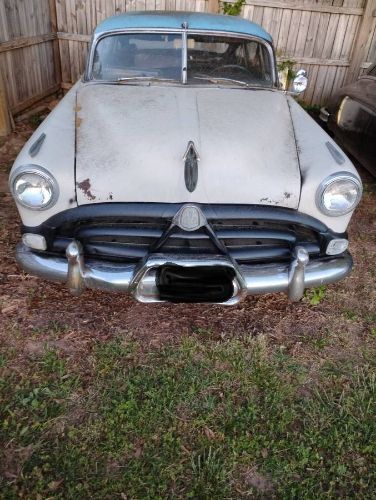
1949 Hudson Commodore
 Dealer
United States
Dealer
United States
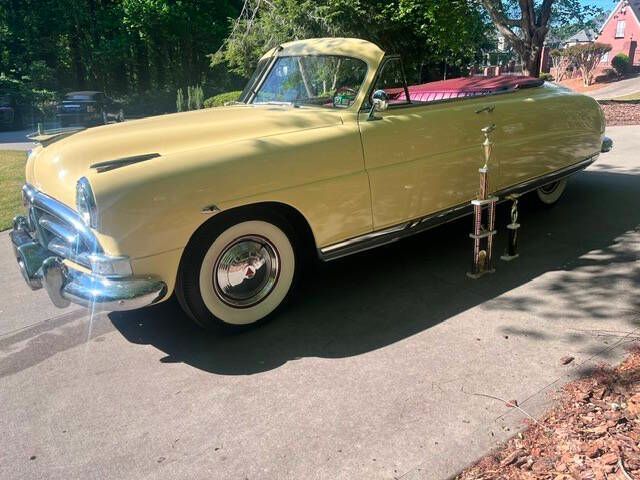
1952 Hudson Hornet
 Dealer
United States
Dealer
United States
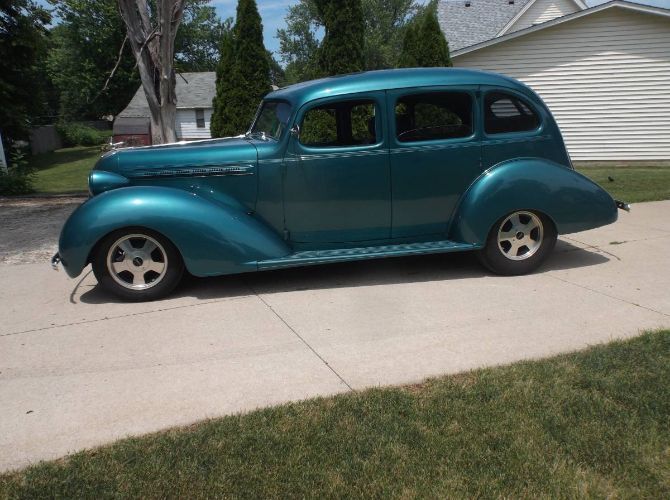
1951 Hudson Super Six
 Dealer
United States
Dealer
United States
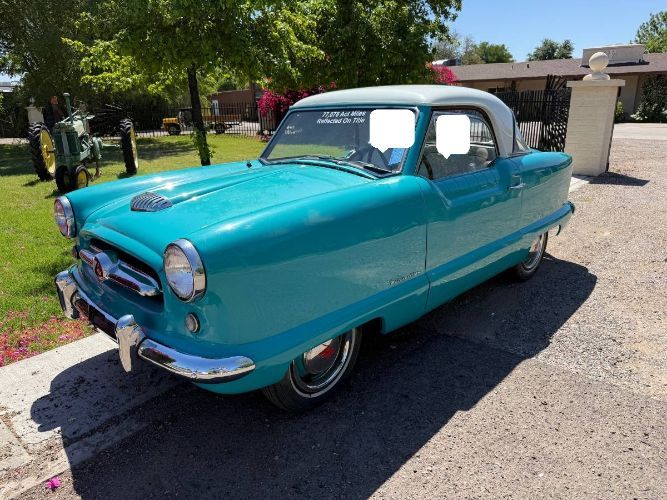
1937 Hudson Terraplane
 Dealer
United States
Dealer
United States
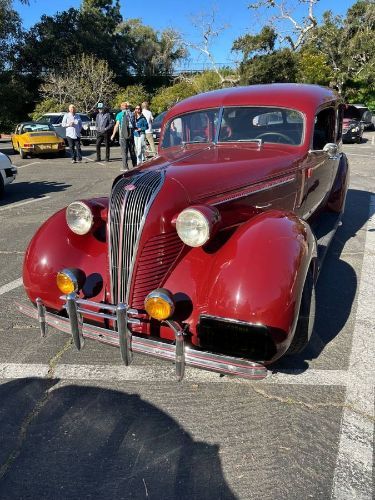
1955 Hudson Metropolitan
 Dealer
United States
Dealer
United States
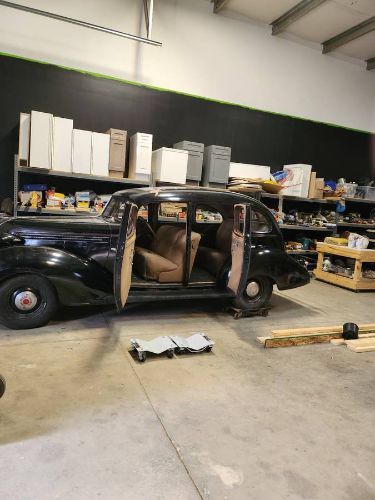
1937 Hudson Terraplane
 Dealer
United States
Dealer
United States
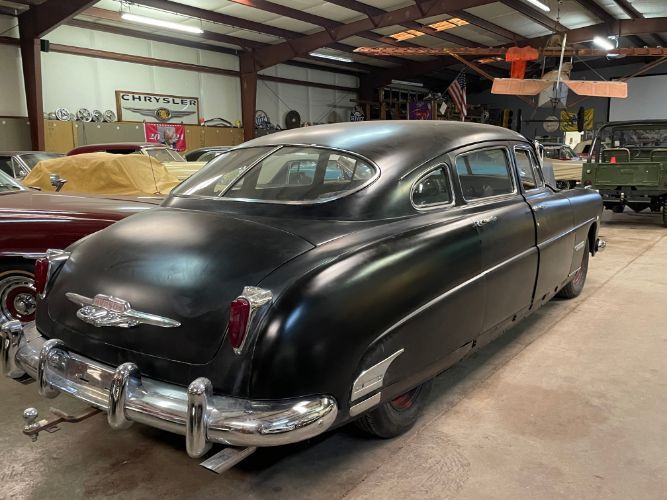
1937 Hudson Terraplane
 Dealer
United States
Dealer
United States
1950 Hudson Commodore
 Dealer
United States
Dealer
United States
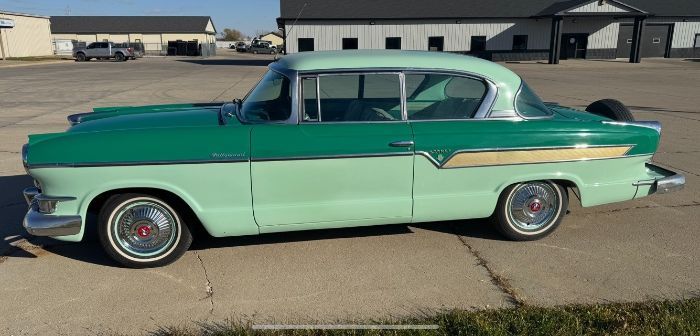
1936 Hudson Terraplane
 Dealer
United States
Dealer
United States
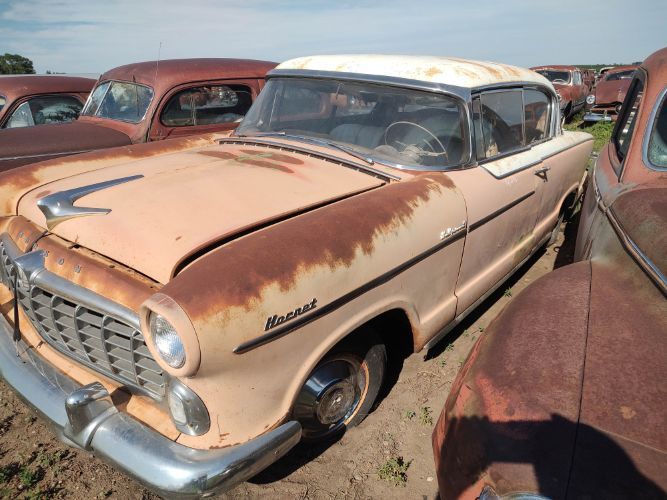
1956 Hudson Hornet
 Dealer
United States
Dealer
United States
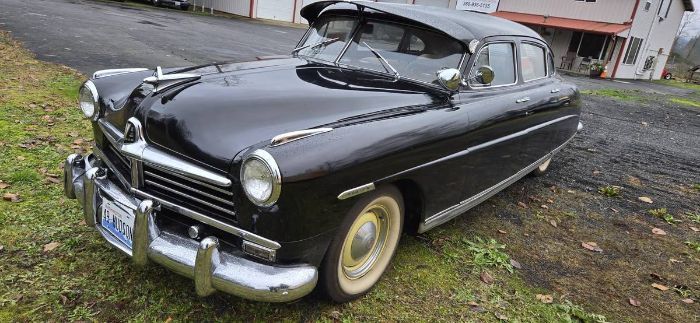
1955 Hudson Hornet
 Dealer
United States
Dealer
United States
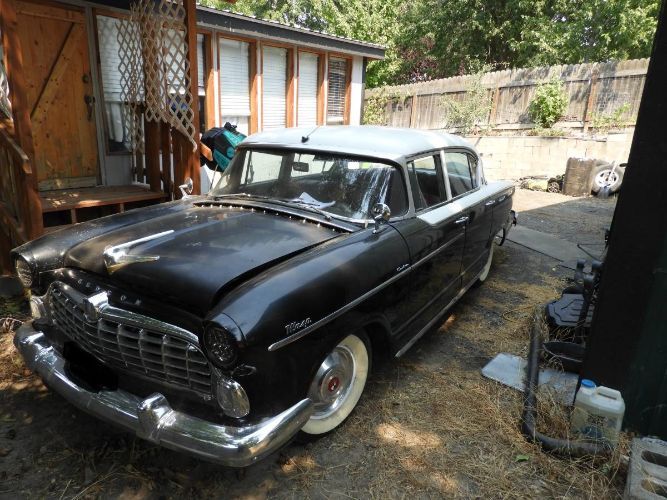
1949 Hudson Commodore
 Dealer
United States
Dealer
United States
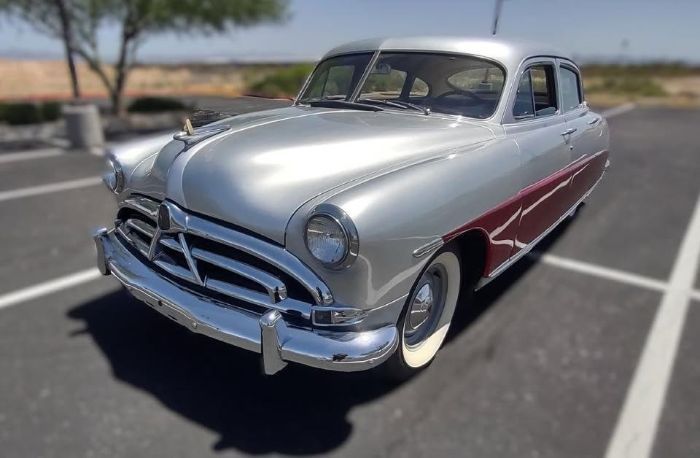
1955 Hudson Wasp
 Dealer
United States
Dealer
United States
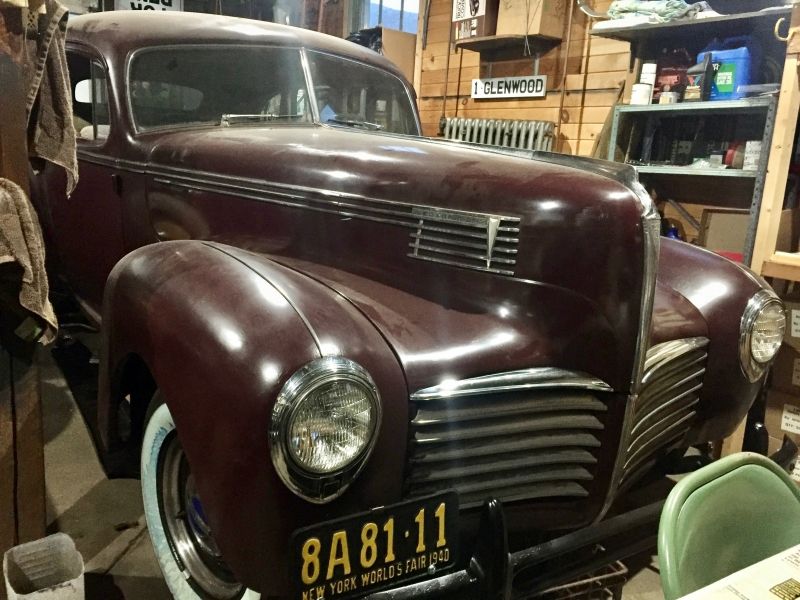
1951 Hudson Pacemaker
 Dealer
United States
Dealer
United States
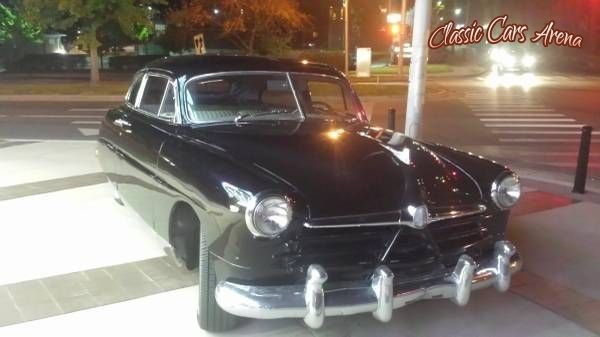
1939 Hudson Model 92
 Dealer
United States
Dealer
United States
1950 Hudson Pacemaker
 Dealer
United States
Dealer
United States
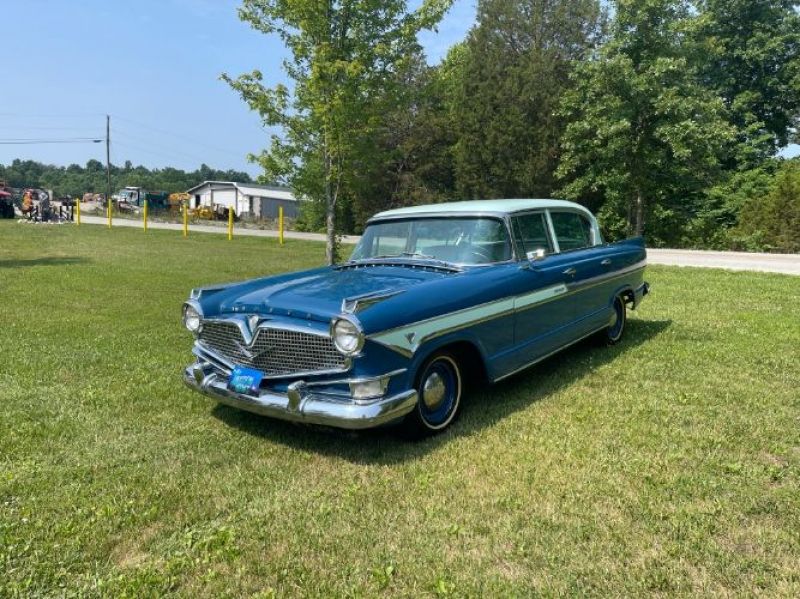
1957 Hudson Hornet
Frequently Asked Questions about Classic Hudson
Classic Hudson Cars — Racing Heritage and Innovation
Hudson Motor Car Company, founded in 1909 in Detroit, earned a reputation for engineering innovation and racing success. Hudson's "step-down" design of the late 1940s lowered the center of gravity and gave the brand a dominant edge in early NASCAR racing.
Most Popular Classic Hudson Models
The Hornet dominated stock car racing from 1951 to 1954 with its powerful inline-six "Twin H-Power" engine. The Commodore offered premium styling, while the Super Six provided reliable, affordable transportation. The compact Jet and earlier Terraplane models showcase Hudson's willingness to innovate in every market segment.