
Rat Rods for Sale
A rat rod makes no apology for what it is. Where a hot rod is polished and finished, a rat rod celebrates the unfinished, the rusted, the deliberately raw. Think pre-war American iron with a big V8 dropped in, primer or bare metal where paint should be, and a mechanical personality that dares you to find it boring. Browse current rat rod listings below — from mild custom builds to full chopped, channeled monsters.
202 listings found
 Featured
Dealer
Featured
Dealer
 United States
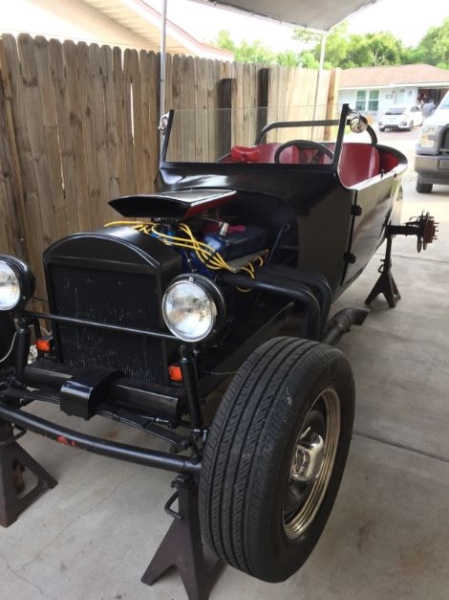
1946 Ford Deluxe
 Featured
Dealer
United States
Featured
Dealer
United States
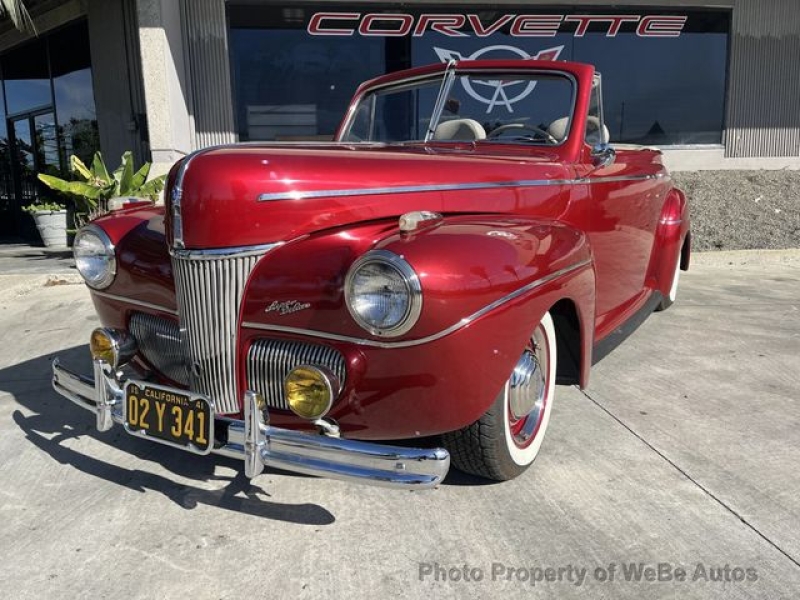
1920 Dodge 1 Ton
 Dealer
United States
Dealer
United States
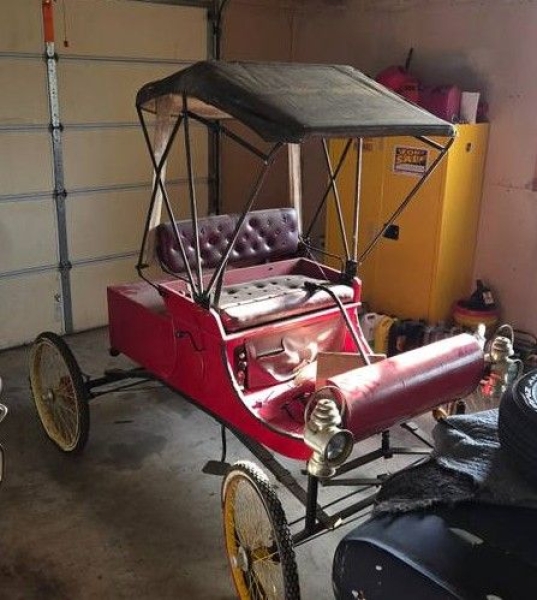
1941 Ford Super Deluxe
 Dealer
United States
Dealer
United States
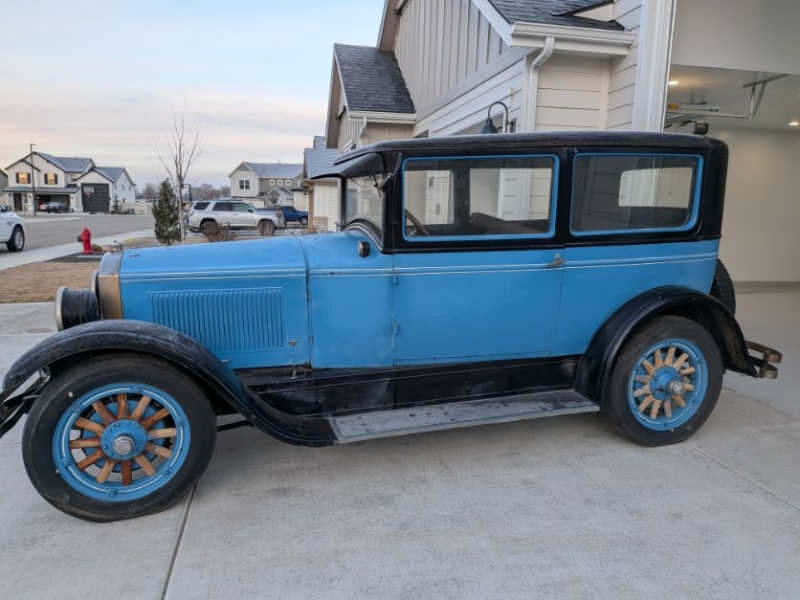
1910 Buick 40 Special
 Dealer
United States
Dealer
United States
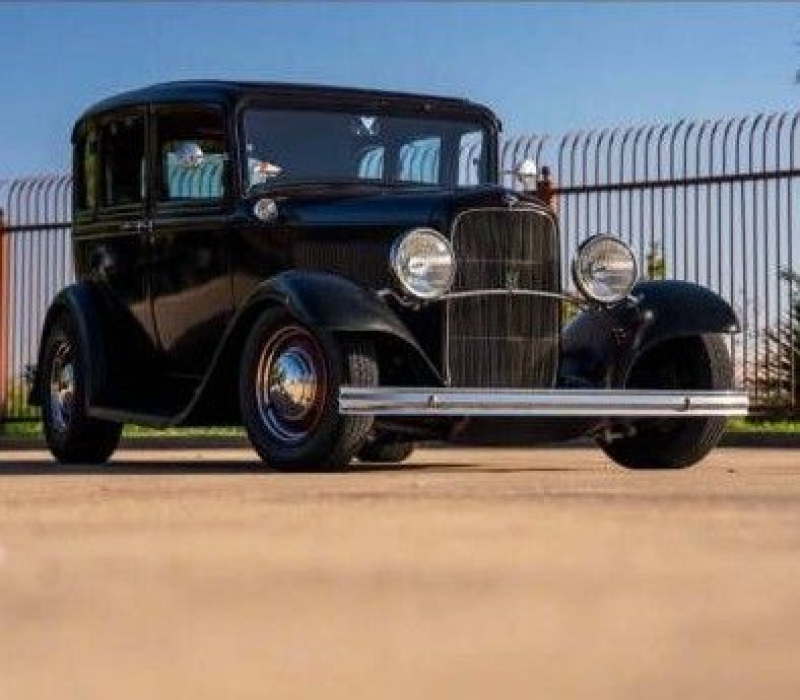
1926 Buick 40 Special
 Dealer
United States
Dealer
United States
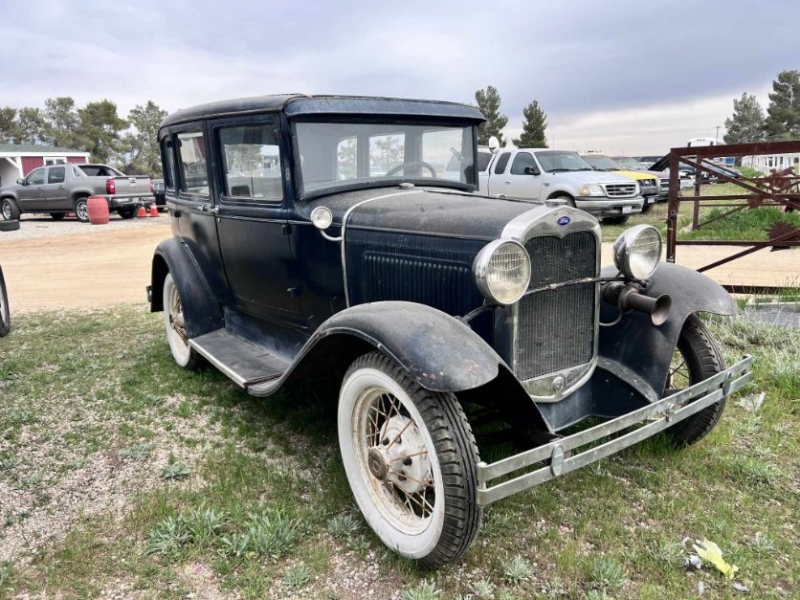
1932 Ford Model B
 Dealer
United States
Dealer
United States
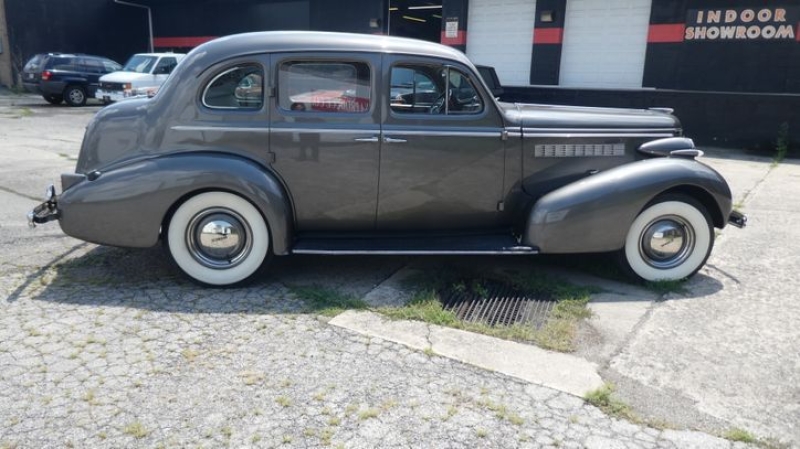
1929 Ford Model A
 Dealer
United States
Dealer
United States
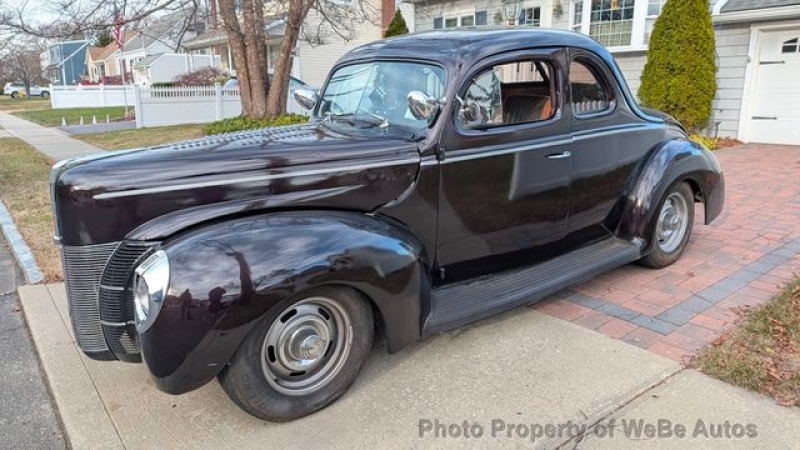
1937 Buick Century
 Dealer
United States
Dealer
United States
1940 Ford Deluxe
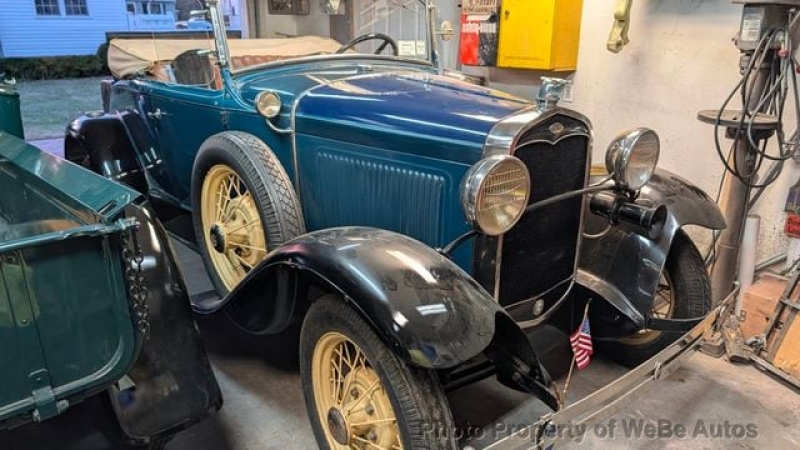 Dealer
United States
Dealer
United States
1931 Ford Model A
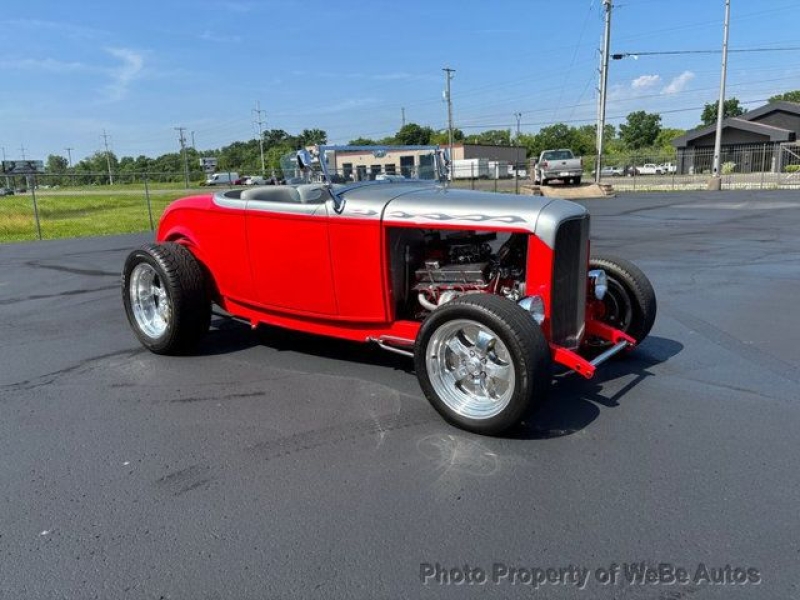 Dealer
United States
Dealer
United States
1932 Ford Model B
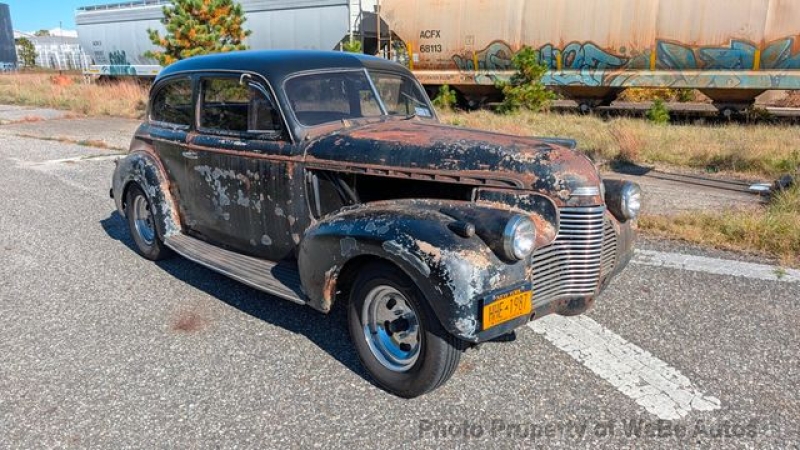 Dealer
United States
Dealer
United States
1940 Chevrolet Master Deluxe
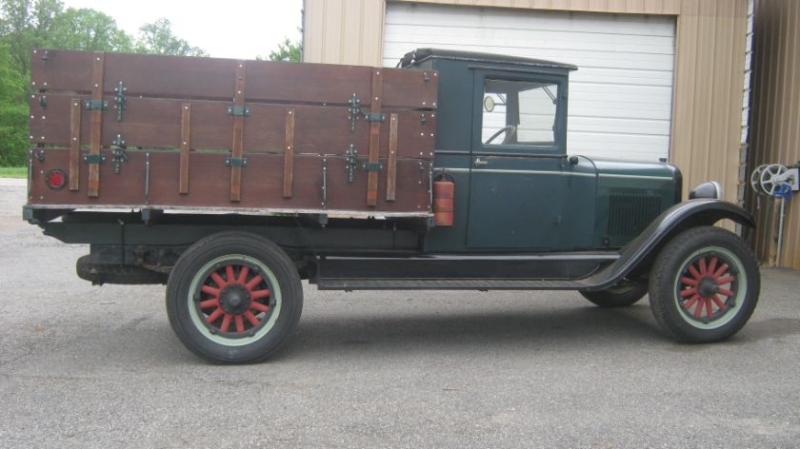 Dealer
United States
Dealer
United States
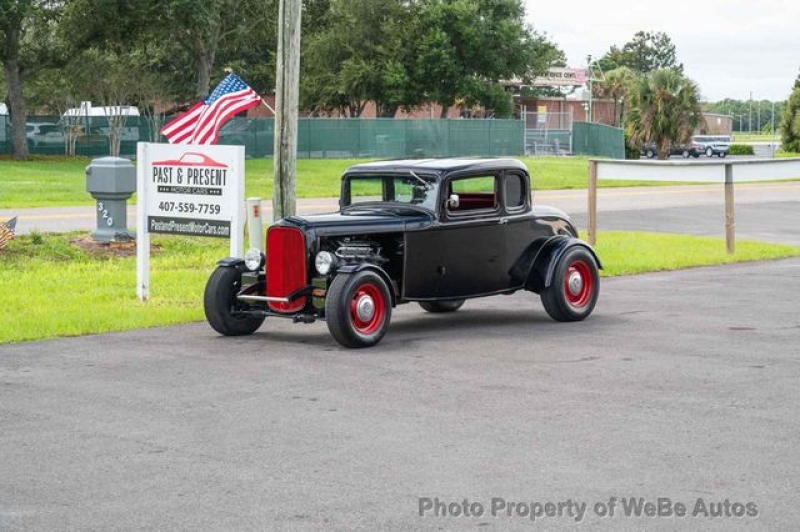
1928 Chevrolet Capitol
 Dealer
United States
Dealer
United States
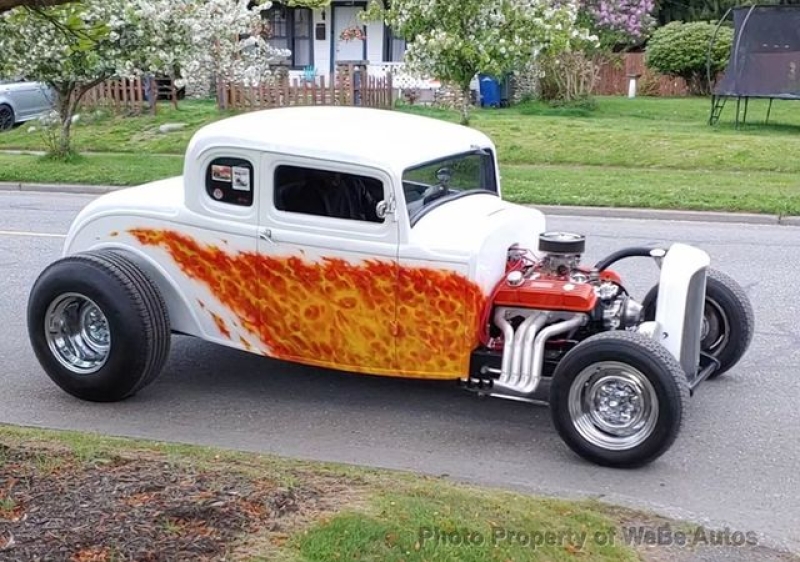
1932 Ford Model B
 Dealer
United States
Dealer
United States
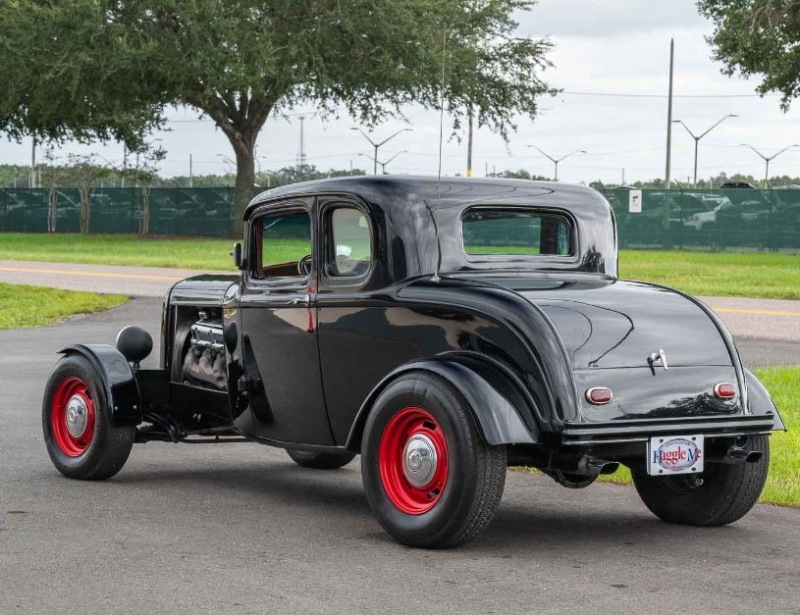
1932 Ford Model B
 Dealer
United States
Dealer
United States
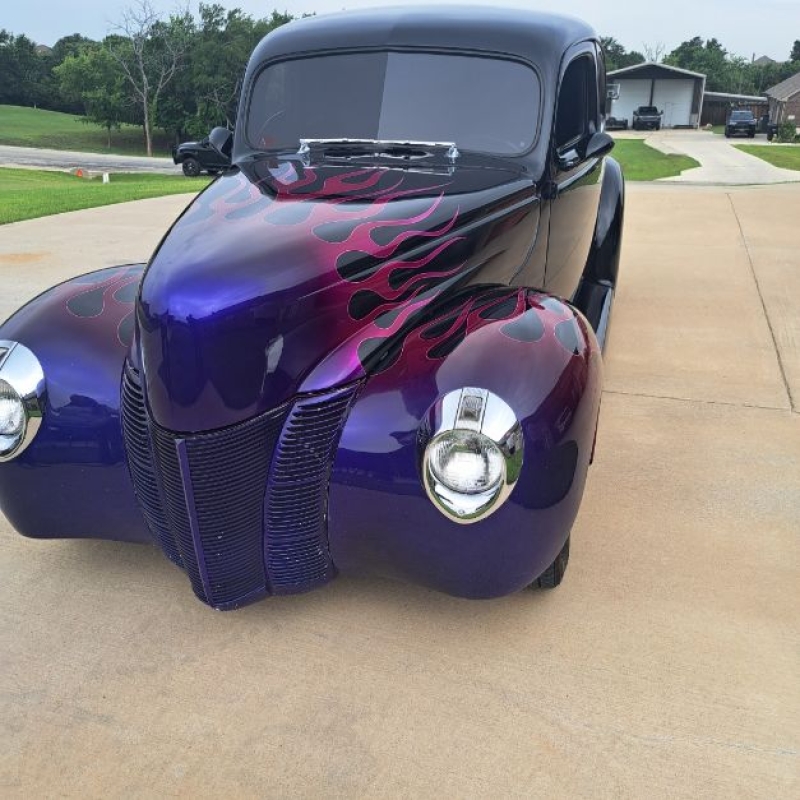
1932 Ford Model B
 Dealer
United States
Dealer
United States
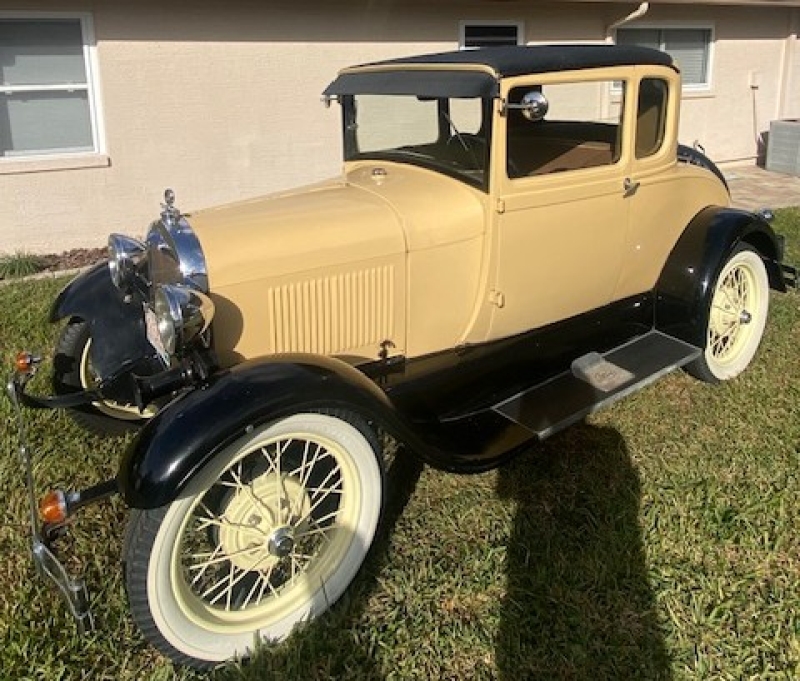
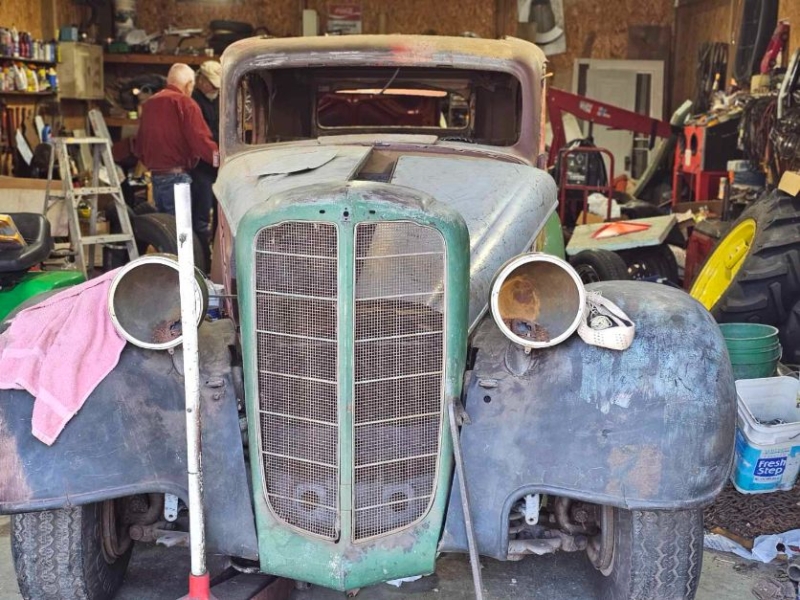
1940 Ford Deluxe
 Dealer
United States
Dealer
United States
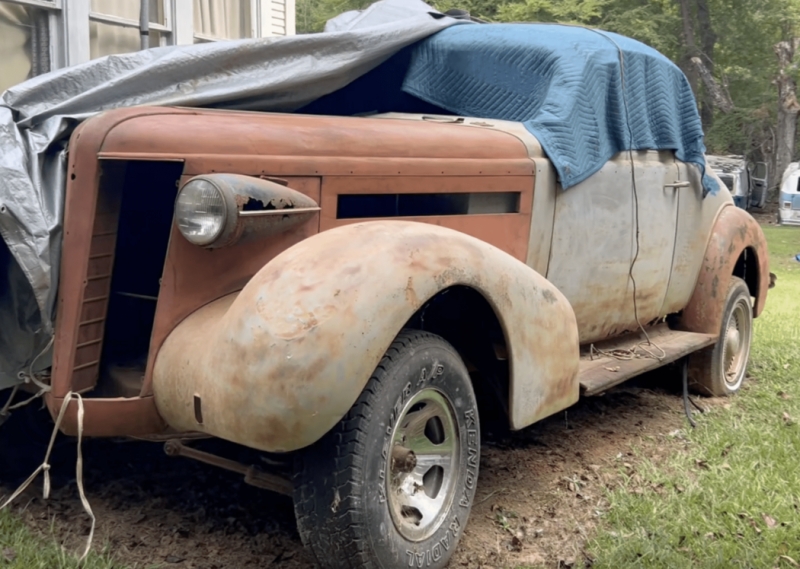
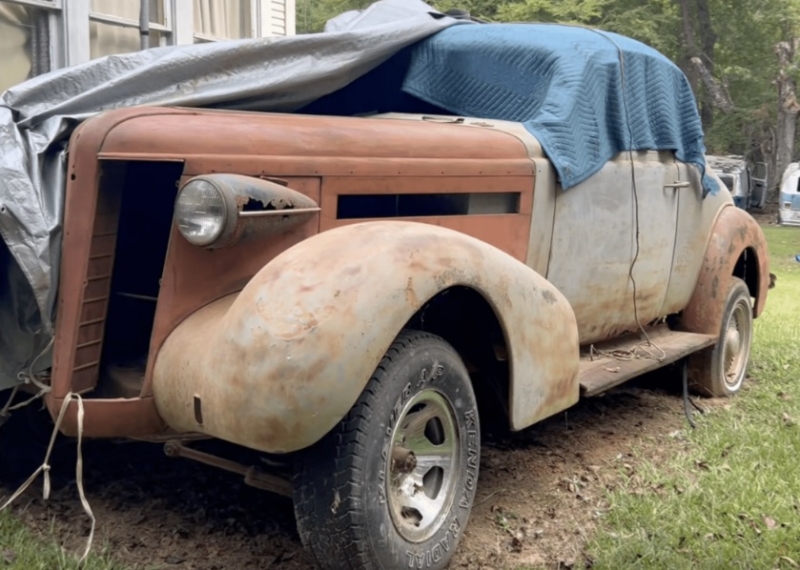
1934 Buick Series 50
 Dealer
United States
Dealer
United States
1937 Buick Business Coupe
What defines a rat rod?
The term emerged in the 1990s as a reaction to the high-gloss, high-dollar hot rod scene. Rat rods use pre-war or early post-war American bodies — most often 1920s–1940s Fords, Chevrolets, or Dodges — built with a deliberately rough aesthetic. Patina is a feature, not a flaw. Exposed components, mismatched parts, and creative fabrication are celebrated. The underlying mechanical standard varies enormously: some rat rods are daily-driven; others are show-only pieces held together with intention.
Buying a rat rod: what to know
More than any other category, inspection is everything on a rat rod. Unlike a factory restoration where you're verifying originality, here you're evaluating custom fabrication quality — welds, frame modifications, brake systems, and electrical work done by unknown builders of varying skill. Bring a knowledgeable eye or hire a fabricator to inspect before you buy. A great-looking rat rod with poor chassis work can be genuinely dangerous.