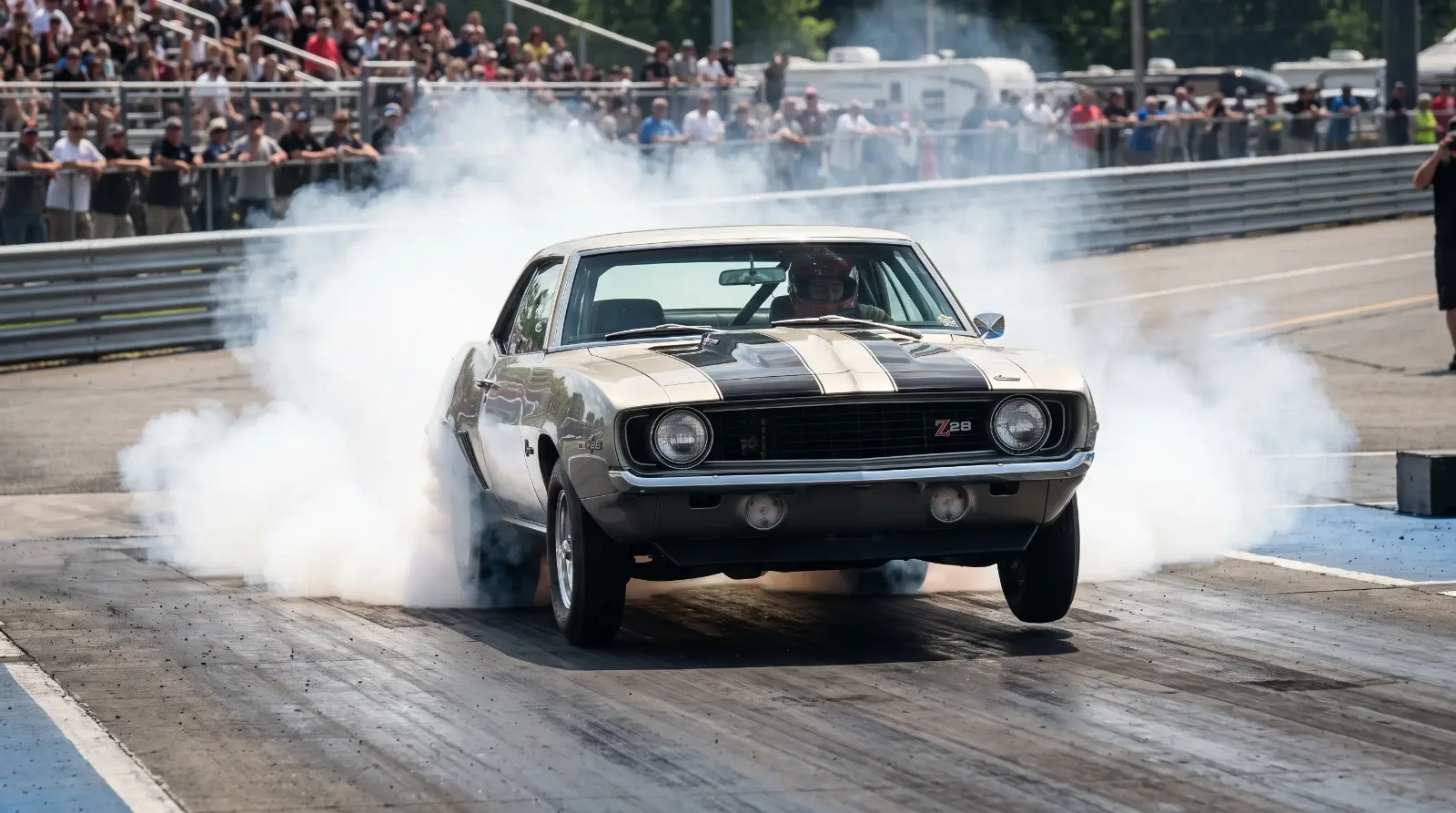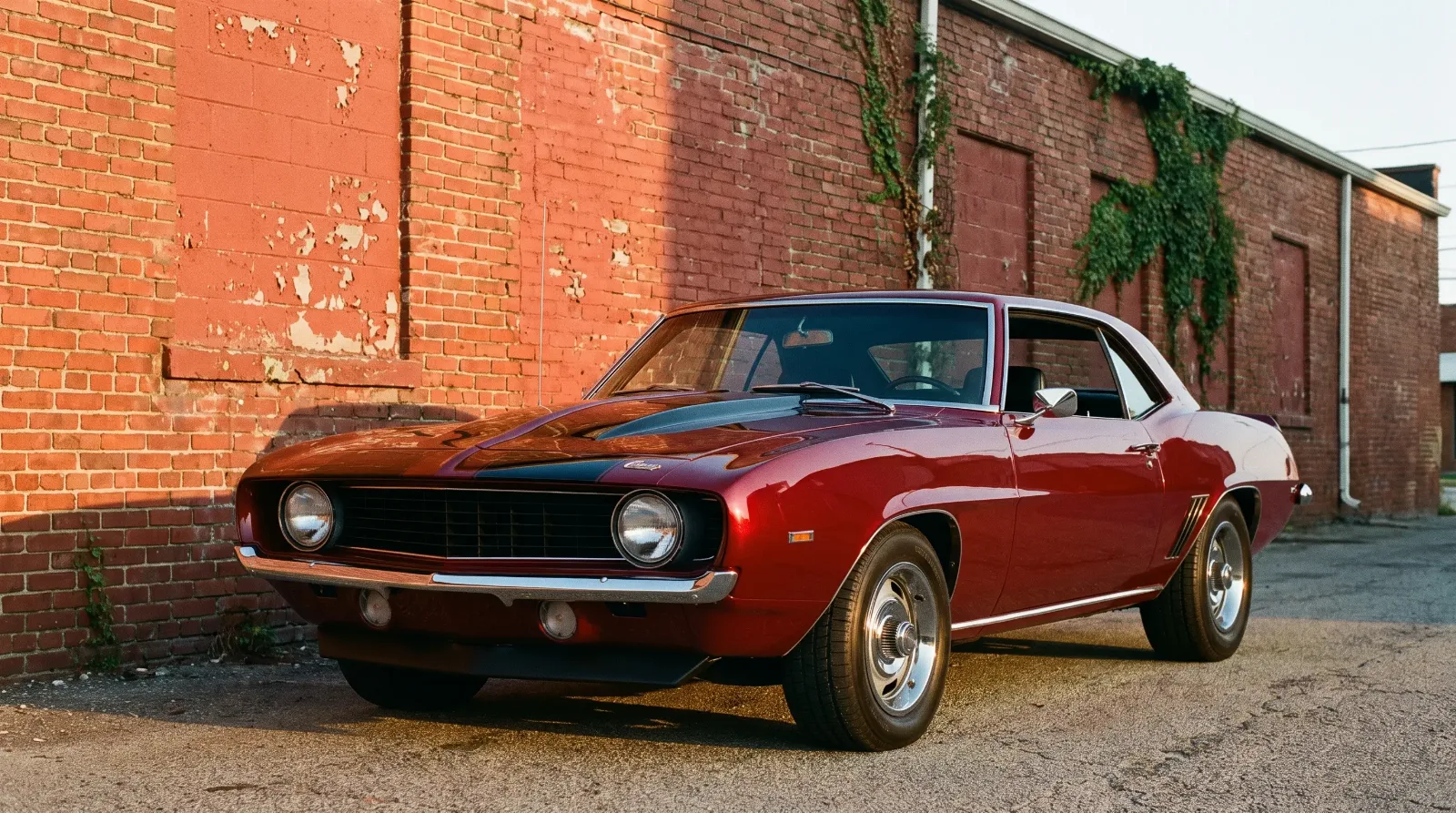

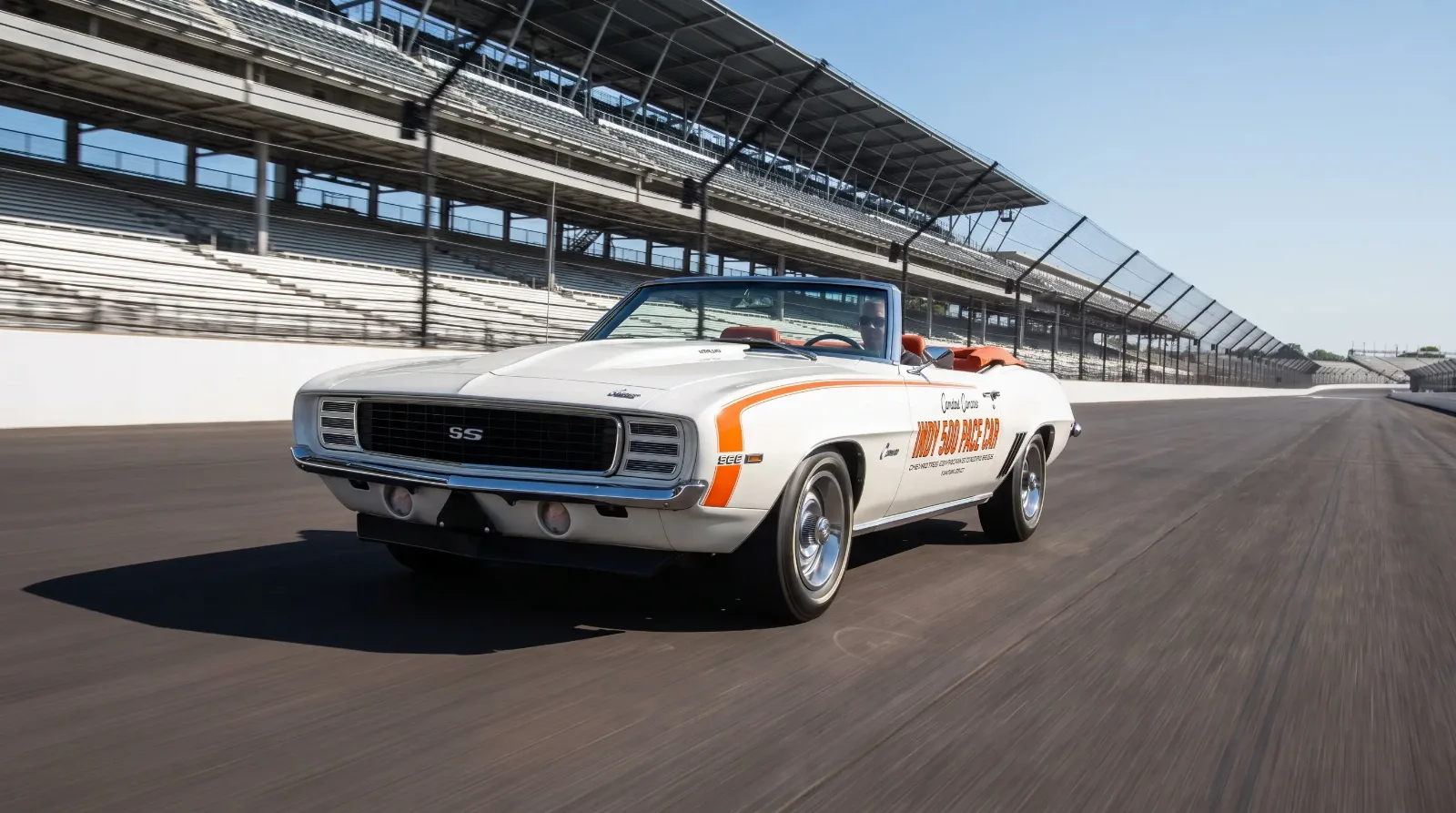
Being chosen as the pace car for the Indianapolis 500 is one of the most visible endorsements an American automobile can receive. The race is broadcast to tens of millions of viewers, the pace car appearance generates editorial coverage across every automotive publication, and the replica vehicles sold through dealerships become instant collectibles. For Chevrolet, the Camaro's appearances at Indianapolis were more than promotional moments. They were statements about the car's performance character and its place in American culture.
The Camaro's relationship with Indianapolis began in 1967, the car's first full model year, when a white-and-blue Camaro RS/SS convertible powered by the 396 big-block V8 served as the official pace car for the 51st Indianapolis 500. Being selected as pace car in the year of a model's launch was an unusual honour, and it reflected both the Camaro's performance credentials and the publicity value that Chevrolet and the race's organisers recognised in the pairing. The 1967 pace car appearance set a precedent that the Camaro would return to multiple times over subsequent decades.
What it takes to pace Indianapolis
The pace car at Indianapolis is not simply a street vehicle driven slowly around a circuit. It leads the field through warm-up laps at speeds that require genuine performance capability, typically reaching speeds well above highway limits before peeling off as the green flag drops. The vehicle must be reliable enough to perform this function without mechanical incident in front of the largest single-day sporting crowd in the world, which puts real demands on any car nominated for the role.
Chevrolet typically prepared special pace car examples with upgraded powertrains and cooling systems beyond the standard production specification, though the cars retained their production appearance. The pace car appearance rules required the vehicle to be a production model available to the public, a requirement that drove the creation of the dealer replica programmes that made each Camaro pace car year so significant to collectors.
The replica phenomenon
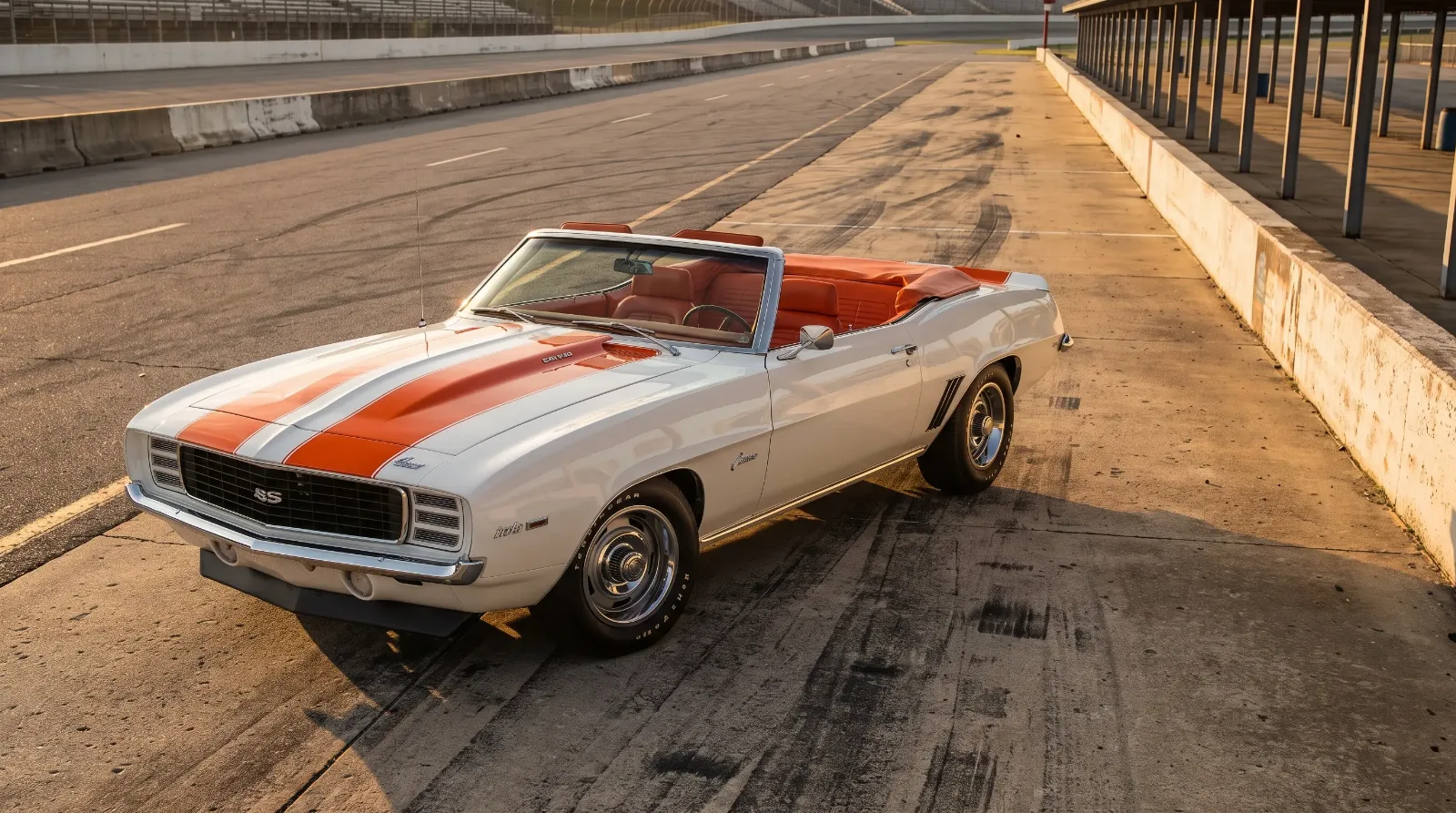
Each time the Camaro served as Indy pace car, Chevrolet authorised a run of dealer replica vehicles that could be purchased by the public. These replicas carried the pace car graphics, the specific colour combinations used by the actual pace car, and often the same drivetrain packages. The 1969 pace car replica programme became one of the most sought-after examples, producing a vehicle that combined the visual drama of the Indy connection with the RS/SS specification hardware, available with the 350 or 396 V8, that made it genuinely fast.
Collector interest in Indy pace car replicas has remained strong for decades. The combination of documented racing history connection, distinctive appearance, and genuine performance hardware creates a vehicle whose provenance story is complete and verifiable. Among first-generation Camaros, the 1969 pace car replica is consistently among the most valuable examples at auction, with well-documented cars commanding premiums that reflect both their rarity and their historical significance.
"The pace car replica was never just a cosmetic package. When buyers understood that their car shared its specification with the vehicle that had led the Indianapolis 500 field, it created a connection to the race that no amount of advertising could manufacture."
— Patrick Walsh
Multiple Camaro generations at Indianapolis
The Camaro's pace car role was not confined to the first generation. Subsequent Camaro generations also served at Indianapolis, creating a thread of connection between the race and the model line across several decades. The Camaro paced the Indianapolis 500 in 1967 and 1969 (first generation), 1982 (third generation), and 1993 (fourth generation), and would do so again in later years, each appearance reflecting the Camaro's position in Chevrolet's lineup at that moment and reinforcing the car's association with American performance culture.
The pattern of returning to the Camaro as pace car was not accidental. Indianapolis Motor Speedway and its corporate partners made pace car selections based on a combination of promotional value and genuine vehicle capability. The Camaro's continued selection reflected well on the model's sustained performance reputation and on Chevrolet's ability to present successive generations as credible high-performance vehicles.
The cultural significance of the Indy connection
Indianapolis in May is one of the fixed points of American cultural life, a moment that cuts across regional and demographic lines in a way that few sporting events manage. For a car manufacturer to have their vehicle at the front of that spectacle, leading thirty-three purpose-built racing cars around the world's most famous oval, is a form of prestige that operates on a different level from conventional advertising. The pace car association becomes part of a model's identity in ways that persist long after the individual race is memory.
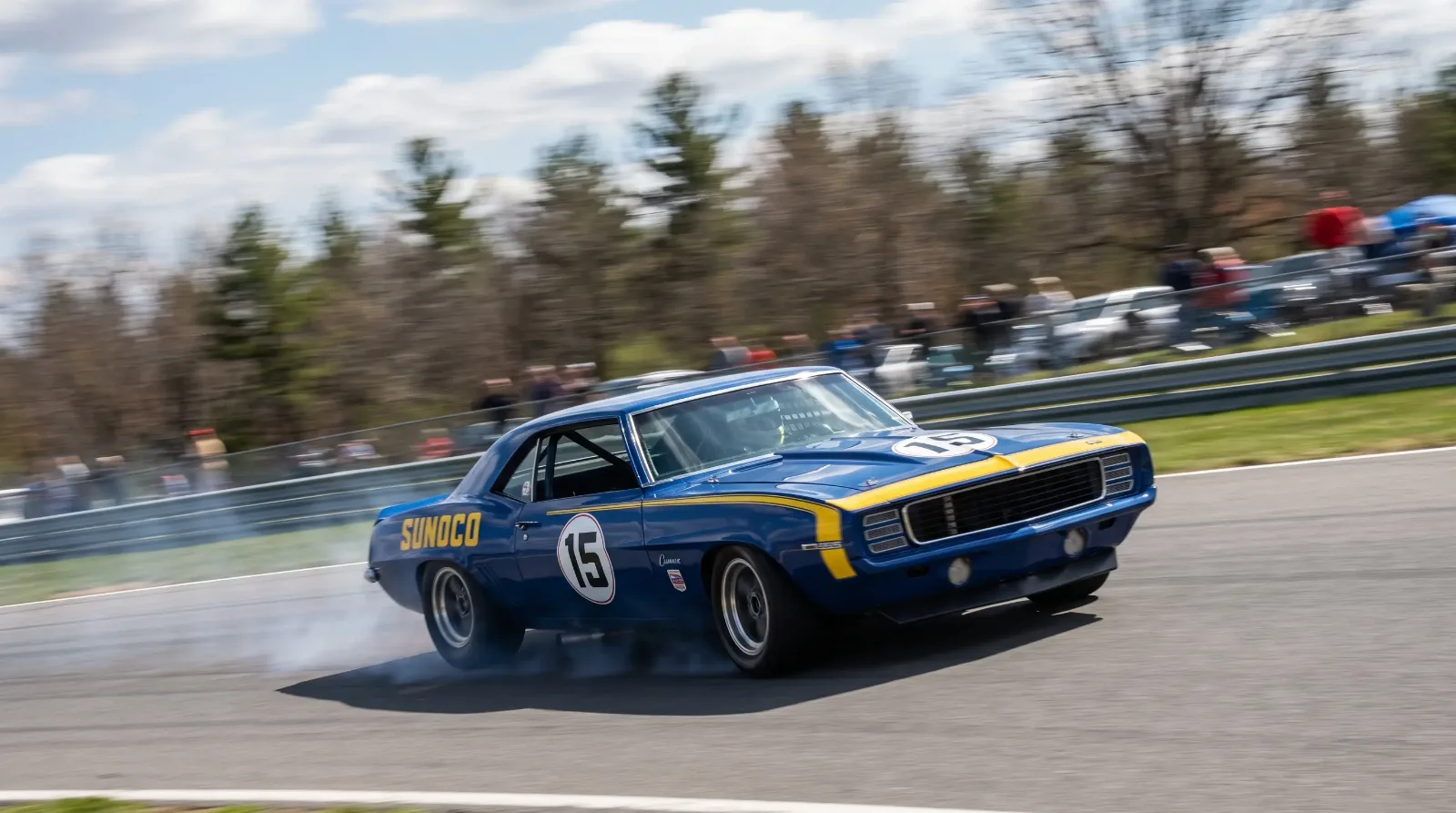
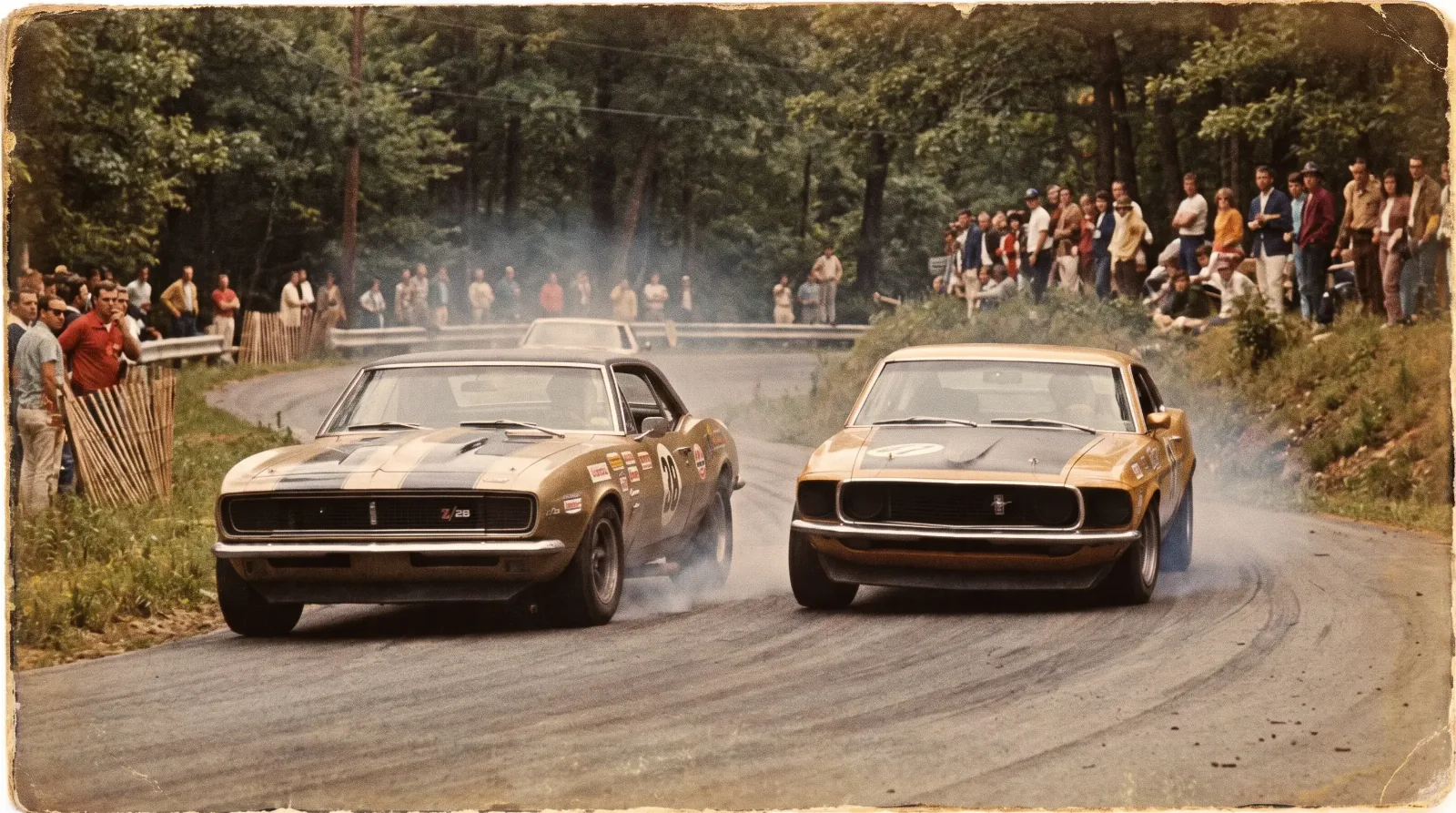
For the Camaro, the Indianapolis connection reinforced a narrative that was already being built through Trans-Am racing and the Z/28's performance reputation. A car that raced on SCCA circuits and paced the Indianapolis 500 existed in a different category from a muscle car that simply carried a large engine. The full history of the Camaro's development and identity is traced in the Chevrolet Camaro story, where the racing and pace car heritage sits within the broader context of the model's evolution. You can also browse all Camaro models and specifications to see how the pace car years connect to the production timeline.
The Camaro's motorsport heritage is broader than any single event, but for many enthusiasts, the Indy pace car role remains the most visible symbol of the car's performance identity. The specific story of the 1969 pace car, the most celebrated of all Camaro pace car appearances, is detailed in the next article covering the 1969 Indy pace cars and the dealer replicas.
| Year | Camaro Generation | Pace Car Colour | Replica Units |
|---|---|---|---|
| 1967 | First gen (1967-69) | White with blue stripe (RS/SS 396) | Approx. 81 pace and festival cars |
| 1969 | First gen (1967-69) | Dover White / Hugger Orange | 3,675 (incl. courtesy/track cars) |
| 1982 | Third gen | Silver / blue (Z28) | Approx. 6,000 replicas |
| 1993 | Fourth gen | Black and white (Z28) | 645 replicas (incl. 125 festival cars) |
Sources and notes
Production figures, engine specifications, codes, and dates in this article are cross-referenced from established Camaro references, period documentation, and owner registries. Where sources differ, the most commonly cited value is used. Cost figures are indicative and vary by supplier, region, and condition.