
Classic Muscle Cars for Sale
American muscle cars represent the high-water mark of the factory performance era — big-block engines, rear-wheel drive, and styling that still turns heads sixty years later. From the first-generation Camaro to the Dodge Charger R/T, the cars listed here were built when horsepower was cheap, gasoline was cheaper, and nobody worried about either. Browse current listings below, sorted by newest arrivals.
Chevrolet Camaro, Ford Mustang, Pontiac GTO, Dodge Charger, Chevrolet Chevelle — all in one place.
1,598 listings found
 Dealer
 United States
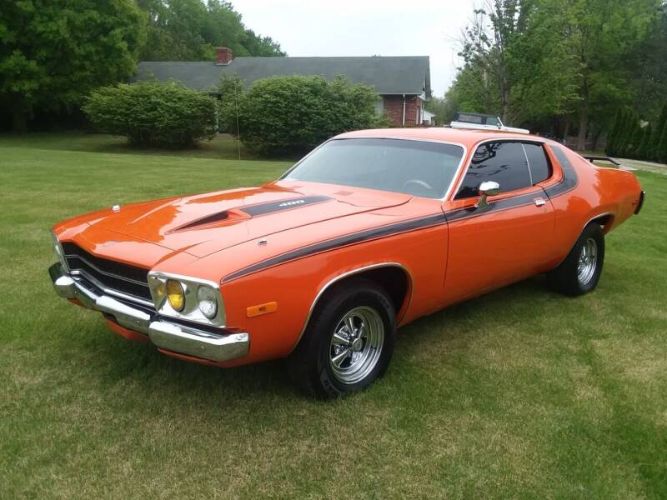
1973 Plymouth Satellite
 Dealer
United States
Dealer
United States
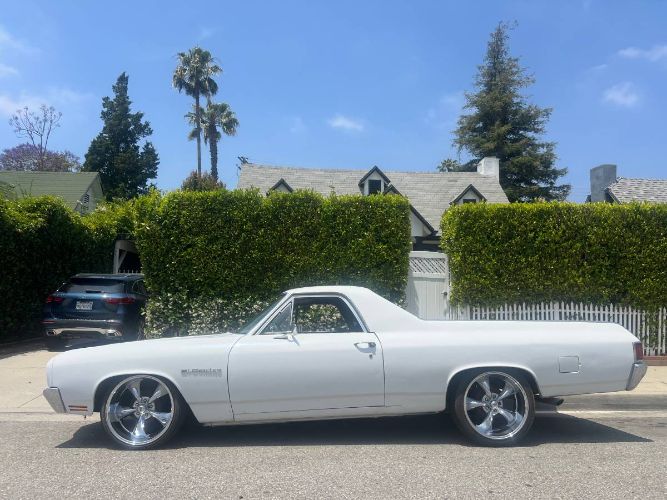
1970 Chevrolet El Camino
 Dealer
United States
Dealer
United States
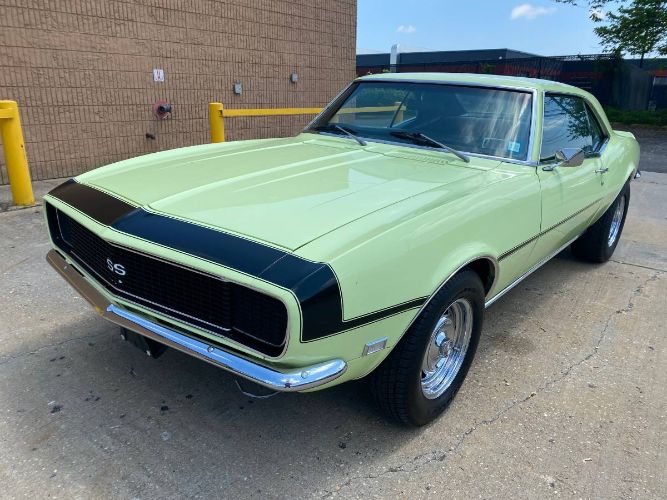
1968 Chevrolet Camaro
 Dealer
United States
Dealer
United States
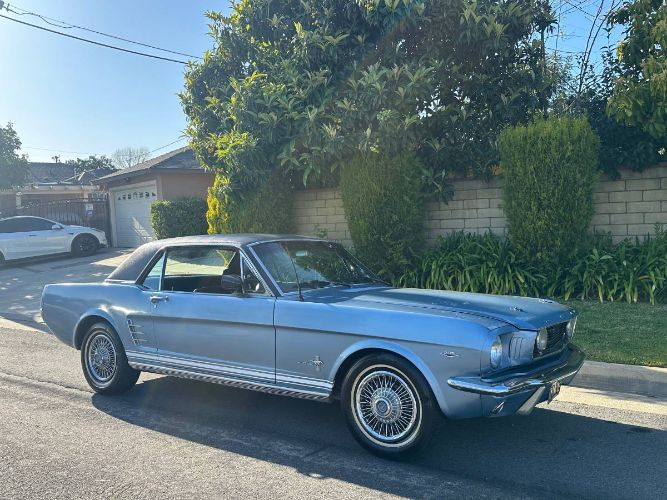
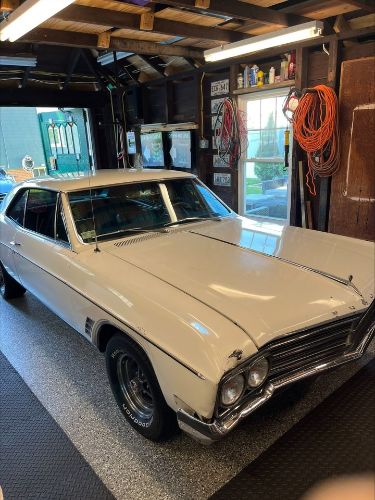
1966 Ford Mustang
 Dealer
United States
Dealer
United States
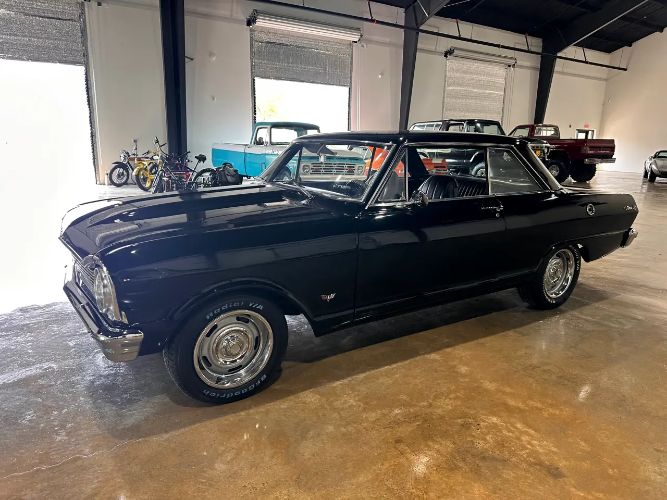
1966 Buick Skylark
 Dealer
United States
Dealer
United States
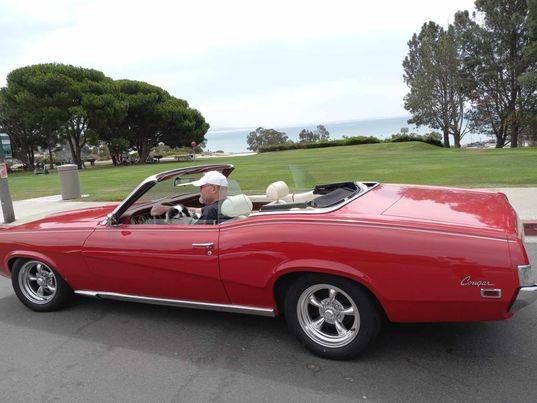
1965 Chevrolet Nova
 Dealer
United States
Dealer
United States
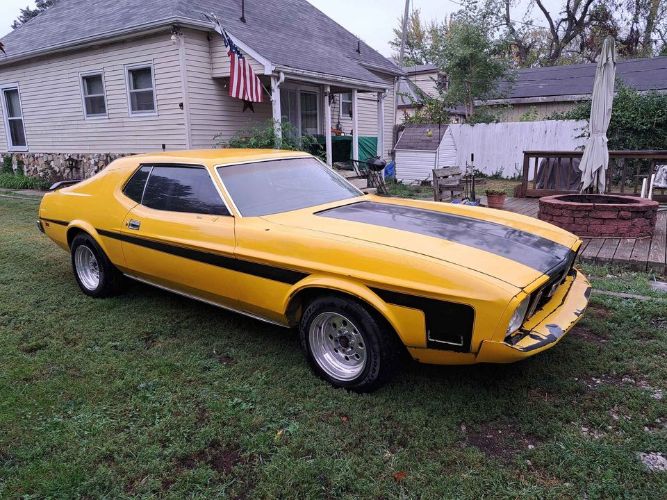
1969 Mercury Cougar
 Dealer
United States
Dealer
United States
1973 Ford Mustang
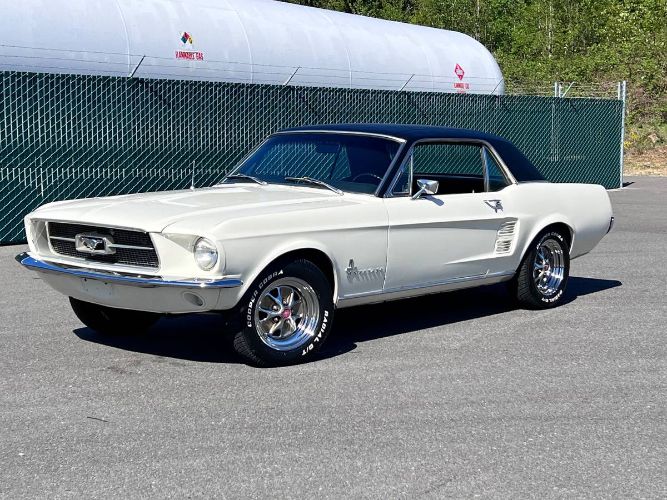 Dealer
United States
Dealer
United States
1967 Ford Mustang
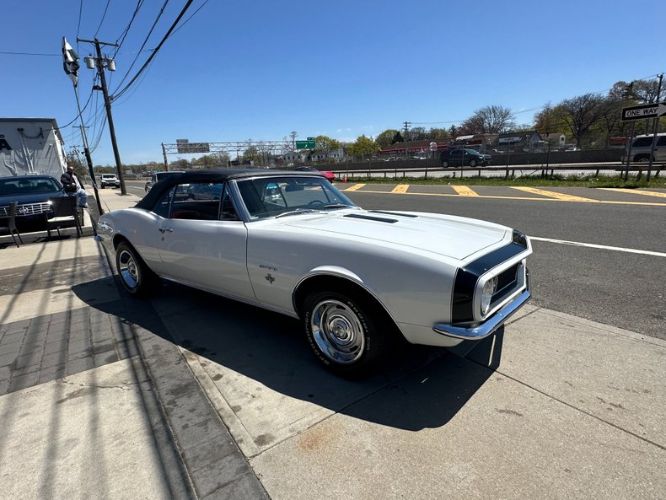 Dealer
United States
Dealer
United States
1967 Chevrolet Camaro
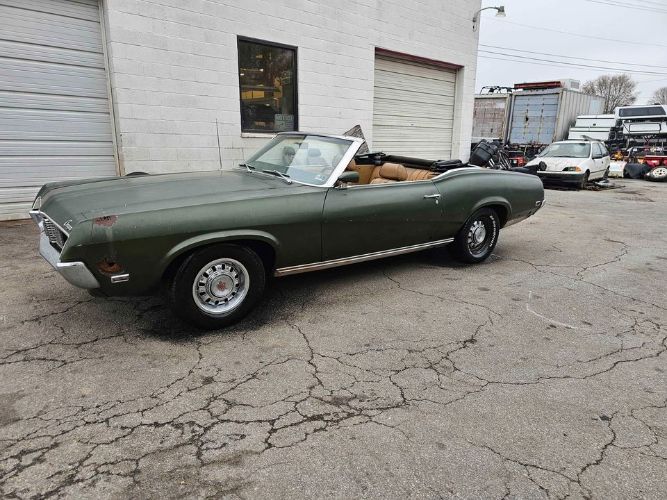 Dealer
United States
Dealer
United States
1969 Mercury Cougar
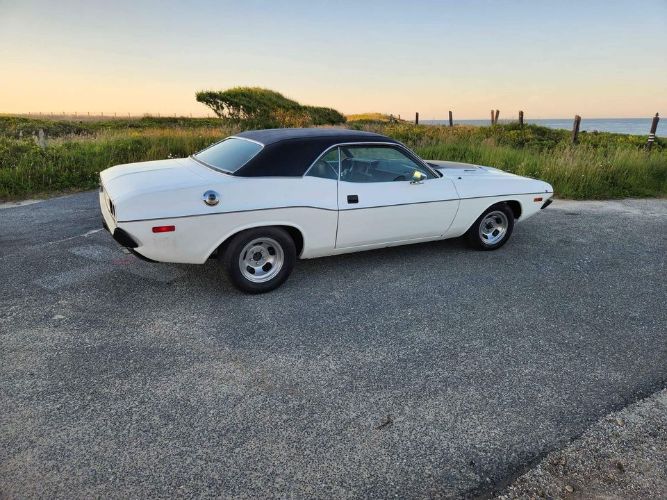 Dealer
United States
Dealer
United States
1973 Dodge Challenger
 Dealer
United States
Dealer
United States
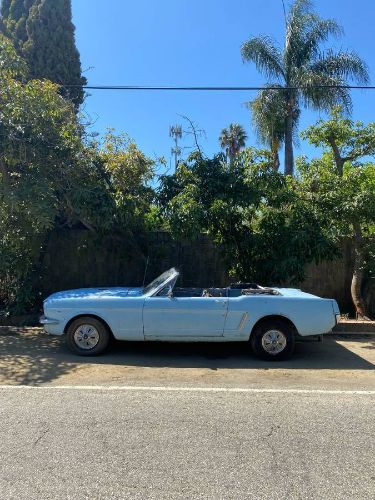
1965 Ford Mustang
 Dealer
United States
Dealer
United States
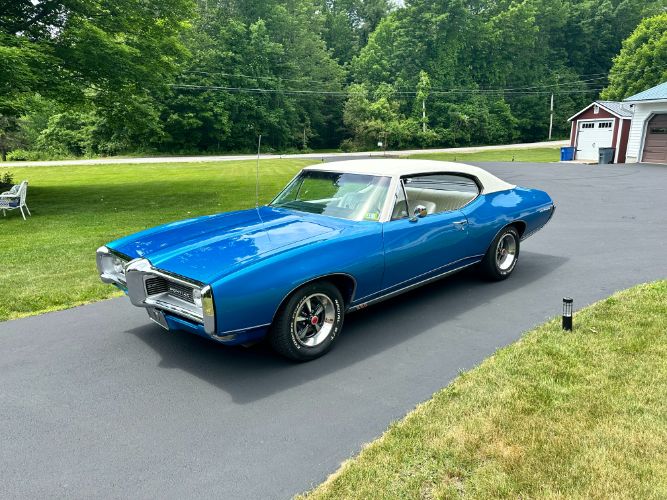
1968 Pontiac LeMans
 Dealer
United States
Dealer
United States
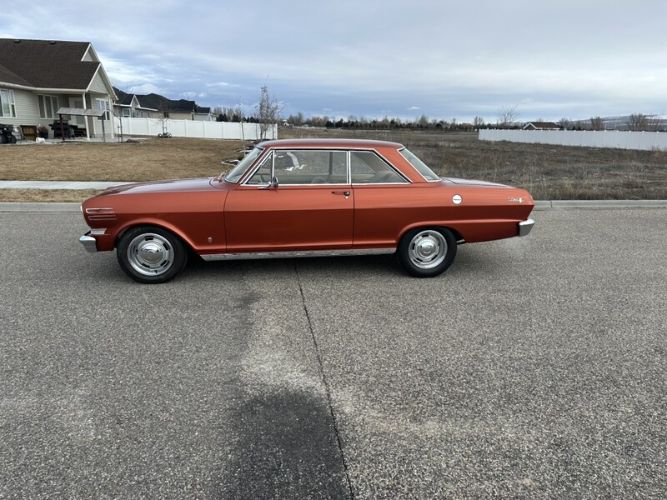
1962 Chevrolet Nova
 Dealer
United States
Dealer
United States
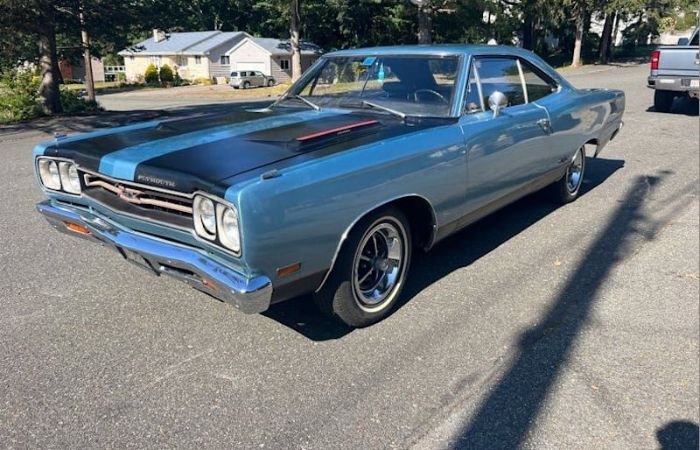
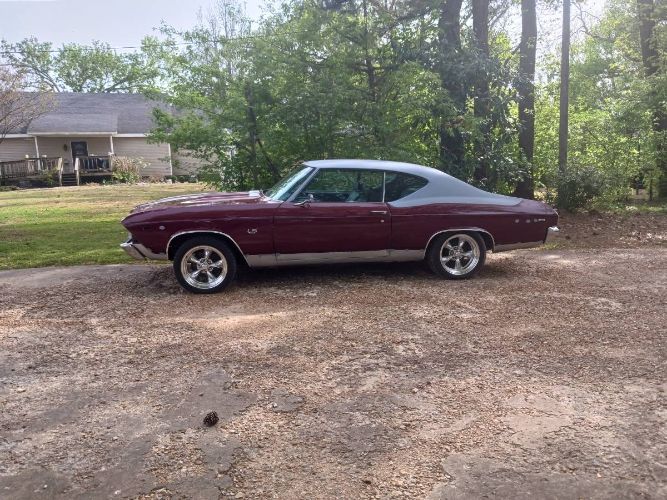
1969 Plymouth GTX
 Dealer
United States
Dealer
United States
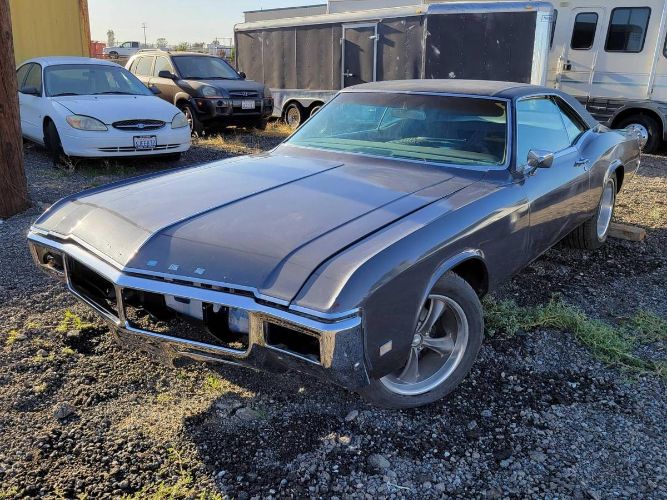
1969 Chevrolet Chevelle
 Dealer
United States
Dealer
United States
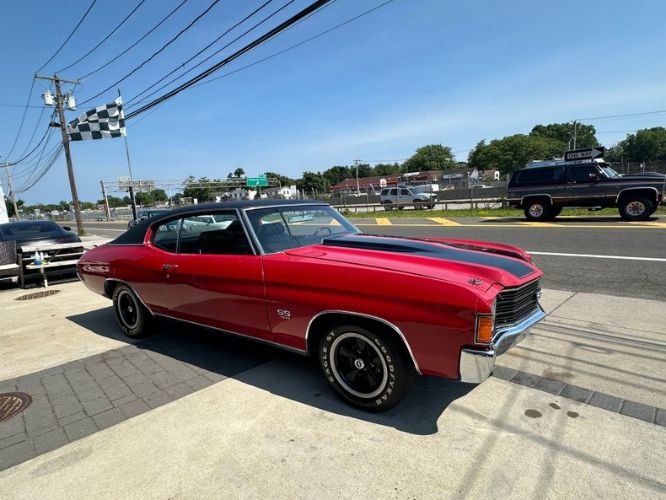
1969 Buick Riviera
 Dealer
United States
Dealer
United States
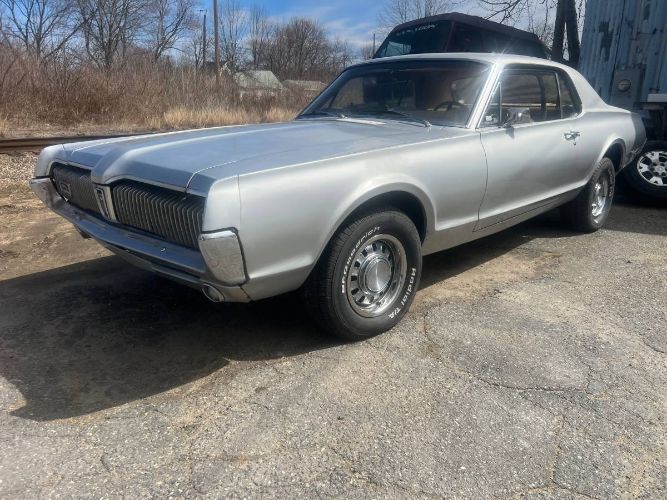
1972 Chevrolet Chevelle
 Dealer
United States
Dealer
United States
1968 Mercury Cougar
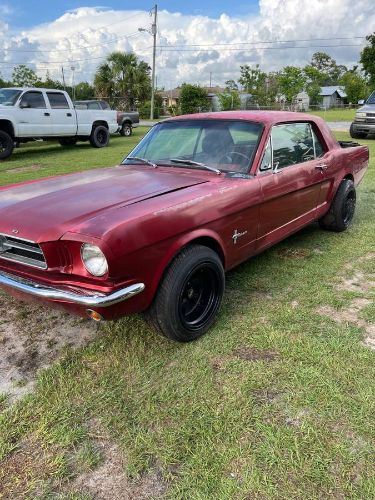 Dealer
United States
Dealer
United States
1965 Ford Mustang
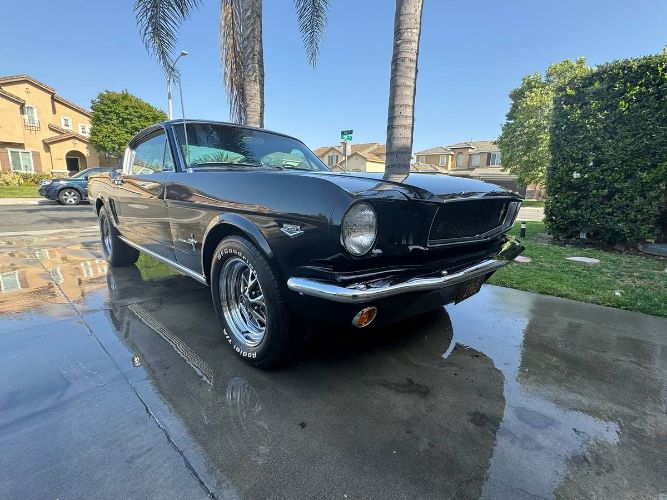 Dealer
United States
Dealer
United States
1965 Ford Mustang
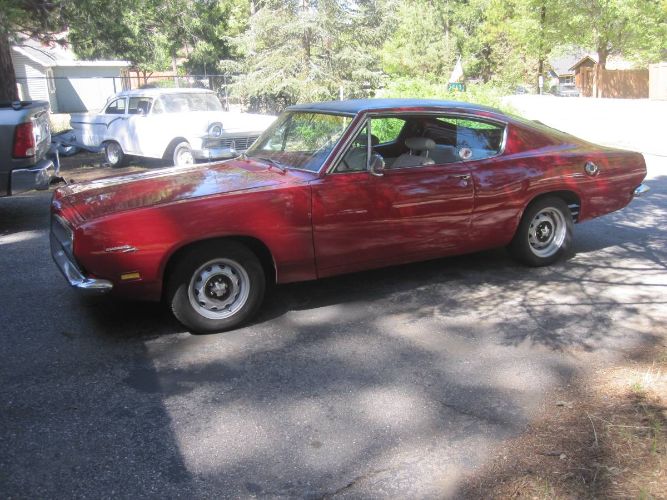 Dealer
United States
Dealer
United States
1969 Plymouth Barracuda
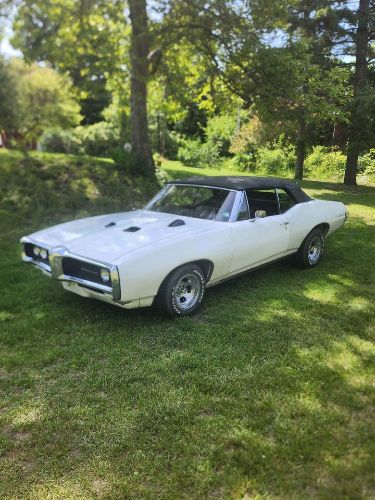 Dealer
United States
Dealer
United States
1968 Pontiac LeMans
What makes a car a "muscle car"?
Loosely defined: a mid-size American coupe with a large-displacement V8, produced roughly between 1964 and 1972. The GTO is generally credited as the first true muscle car — Pontiac dropped a 389 into the Tempest platform in 1964 and changed the market overnight. Ford answered with the Mustang, Dodge with the Charger, Chevrolet with the Chevelle SS and Camaro.
What are muscle cars worth today?
Values have been strong for top-spec examples — numbers-matching, documented cars with rare option packages like the Chevelle SS 454 LS6 or Camaro Z/28. Driver-quality examples remain accessible, which is why muscle cars continue to attract first-time classic car buyers as well as serious collectors. The spread between a rough driver and a concours-quality example of the same car can be 5:1 or more.
If you're buying, look carefully at documentation: original window sticker, broadcast sheet, and title history matter enormously for value. If you're selling, the same documents can add thousands to your asking price.