
Classic Project Cars for Sale
Project cars are where classic car ownership often starts — a solid driver that needs work, a barn find with more rust than paint, or a half-finished restoration waiting for the right builder to take it to the finish line. The price is lower; the commitment is higher. Browse current project car listings below, and know what you're getting into before you write the check.
547 listings found
 Dealer
 United States
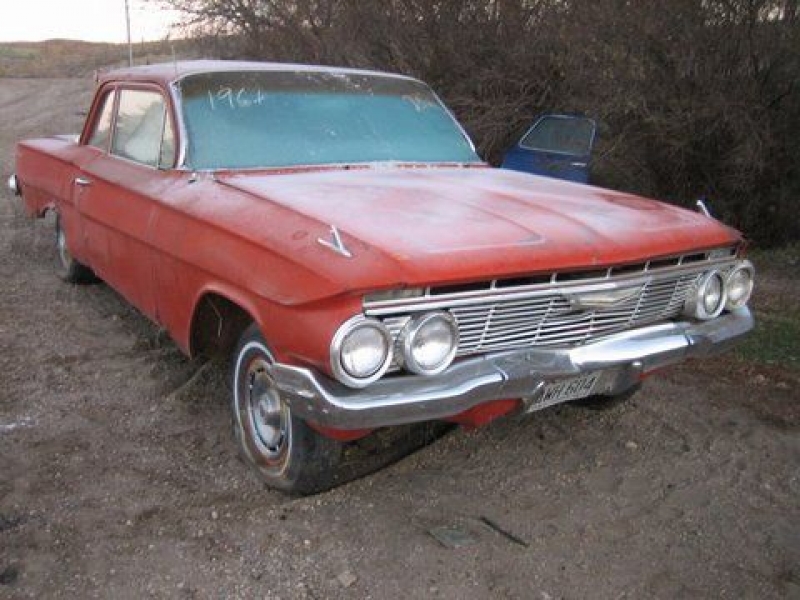
1961 Chevrolet Biscayne
 Dealer
United States
Dealer
United States
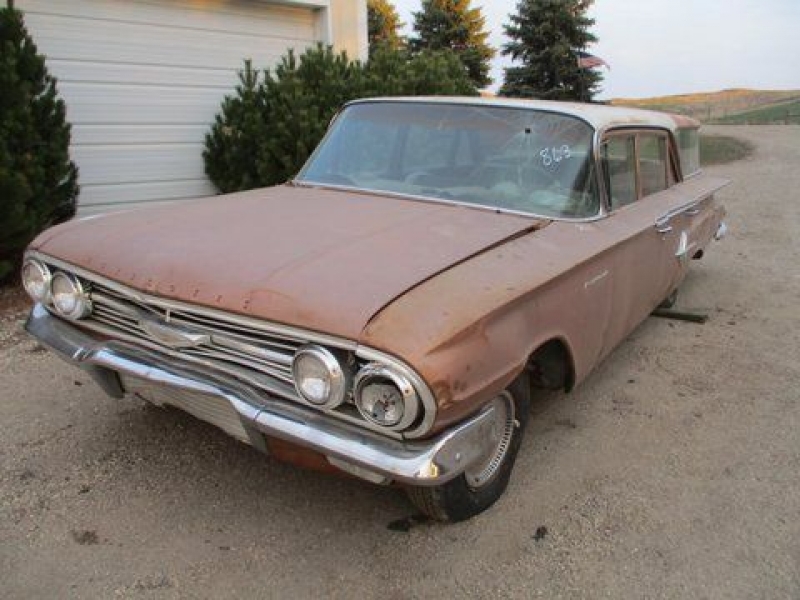
1960 Chevrolet Parkwood
 Dealer
United States
Dealer
United States
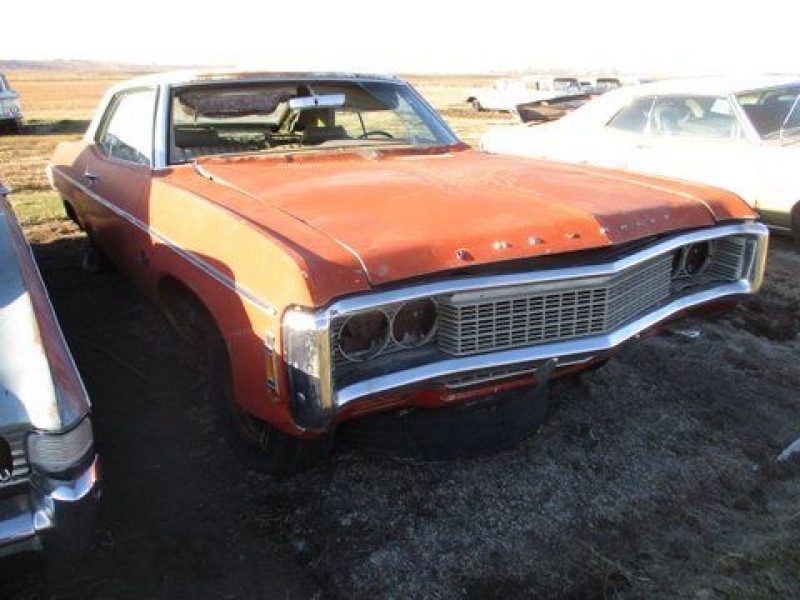
1969 Chevrolet Impala
 Dealer
United States
Dealer
United States
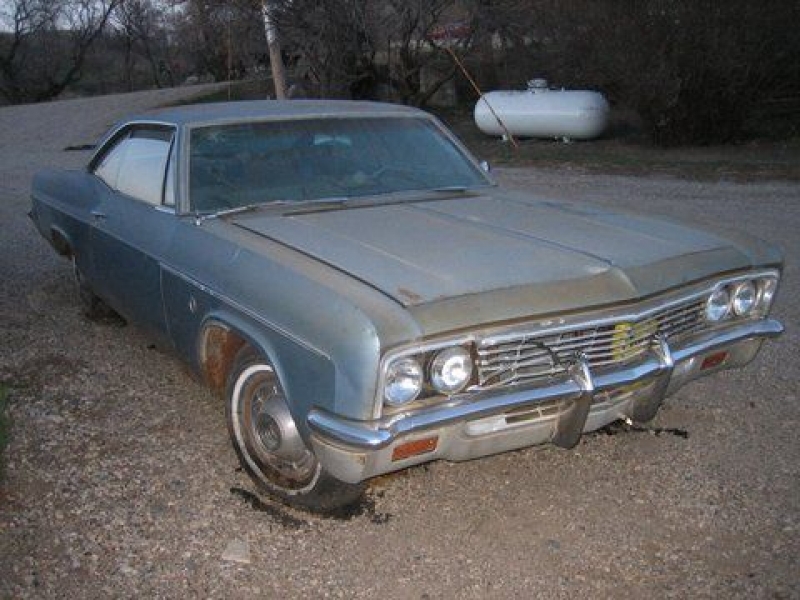
1966 Chevrolet Impala
 Dealer
United States
Dealer
United States
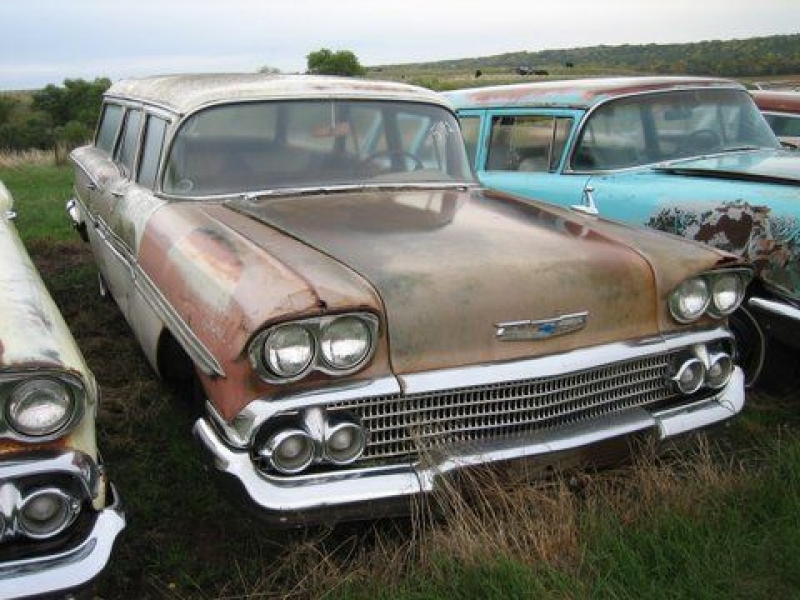
1958 Chevrolet Brookwood
 Dealer
United States
Dealer
United States
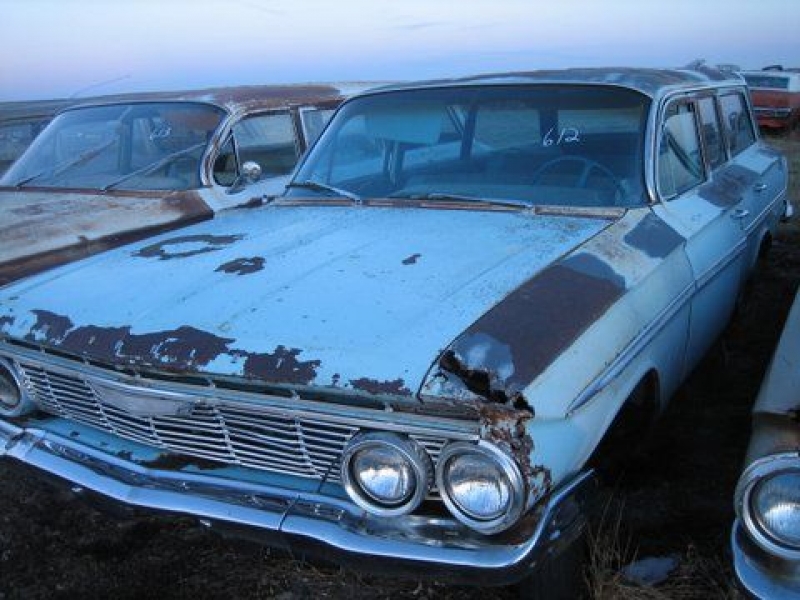
1961 Chevrolet Parkwood
 Dealer
United States
Dealer
United States
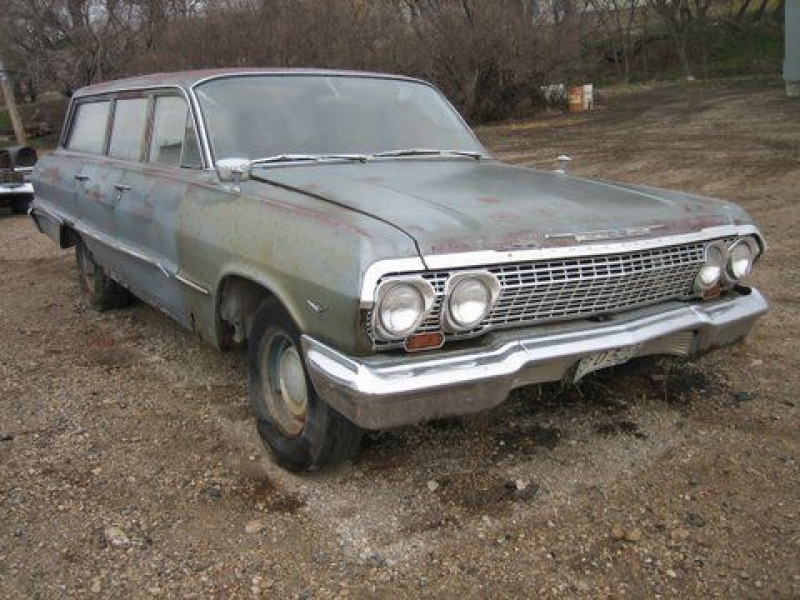
1963 Chevrolet Bel Air
 Dealer
United States
Dealer
United States
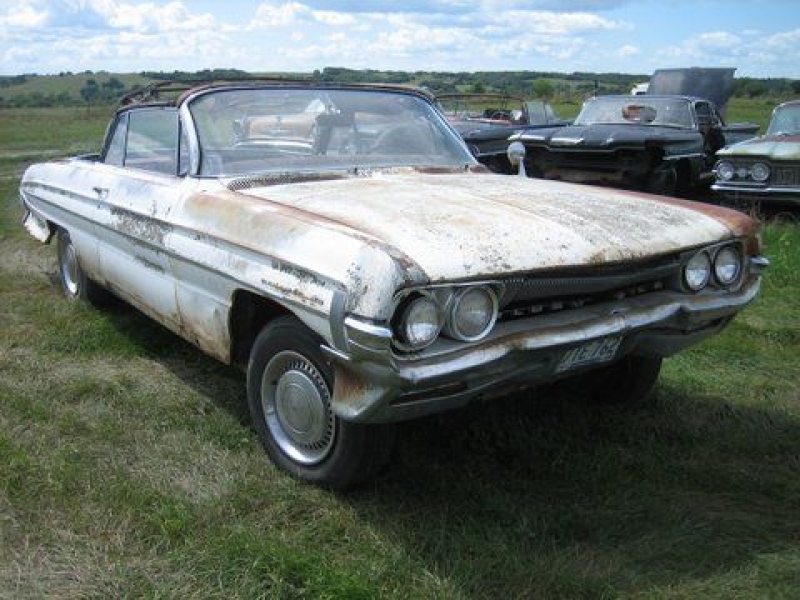
1961 Oldsmobile Dynamic 88
 Dealer
United States
Dealer
United States
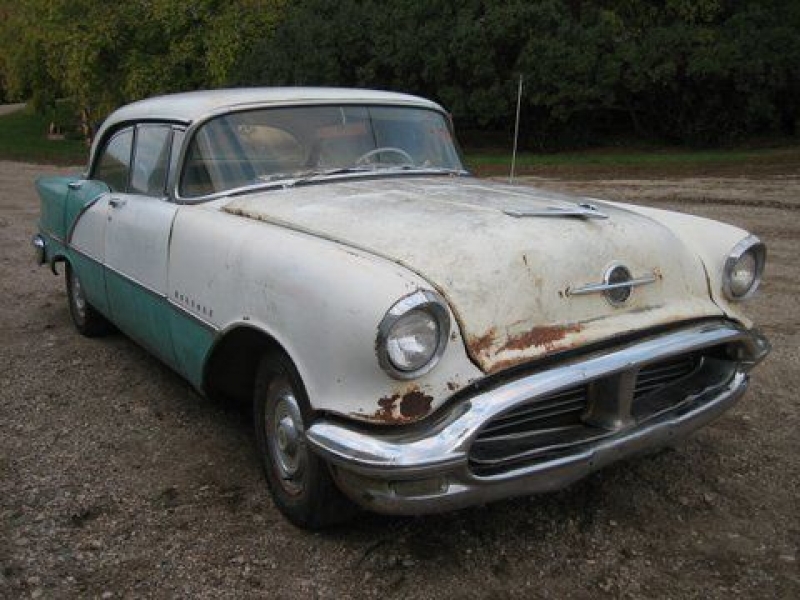
1956 Oldsmobile 88
 Dealer
United States
Dealer
United States
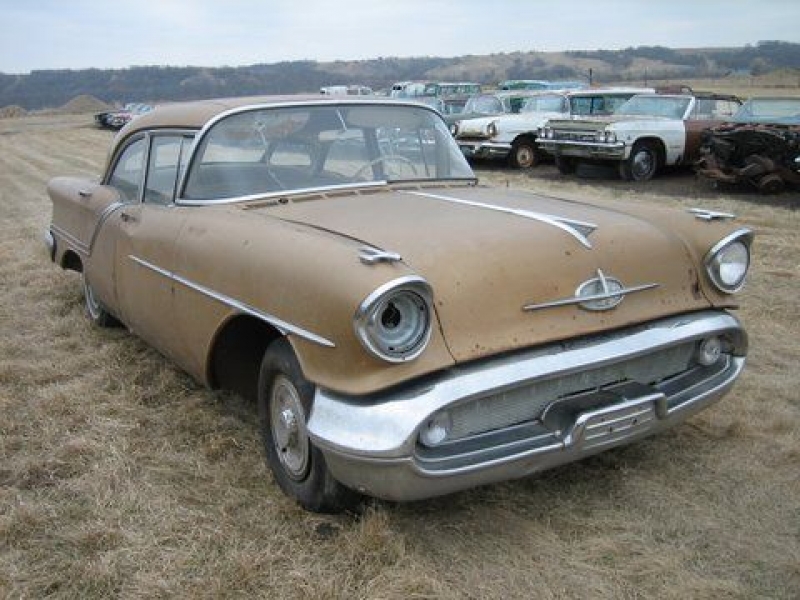
1957 Oldsmobile 88
 Dealer
United States
Dealer
United States
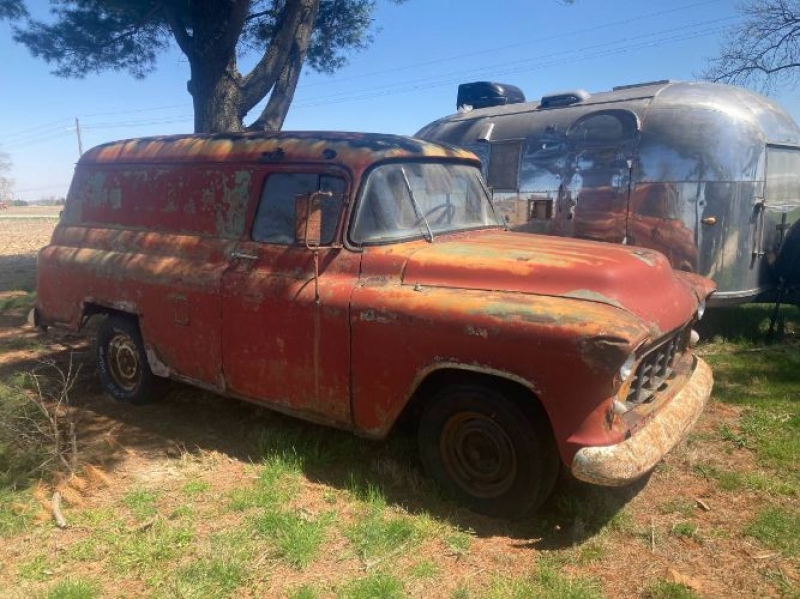
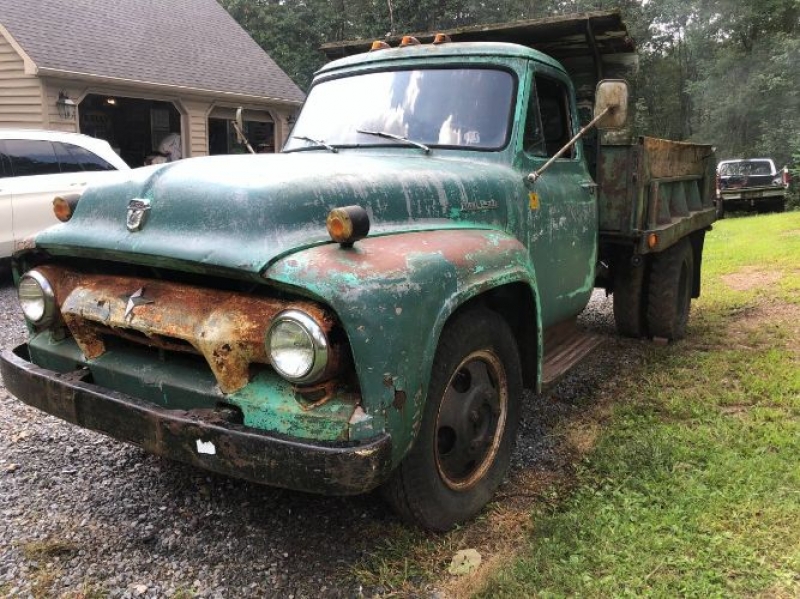
1955 Chevrolet Panel
 Dealer
United States
Dealer
United States
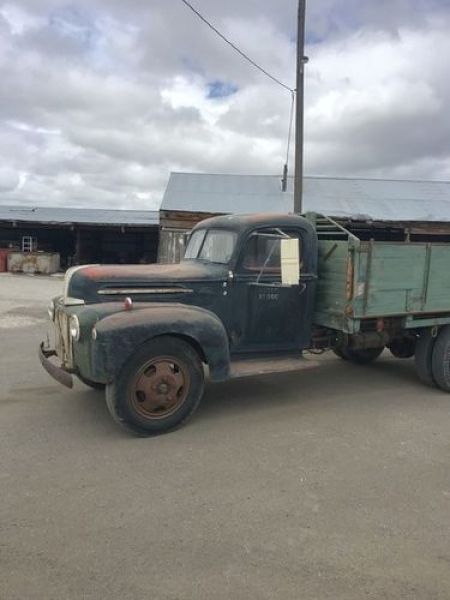
1954 Ford F-600
 Dealer
United States
Dealer
United States
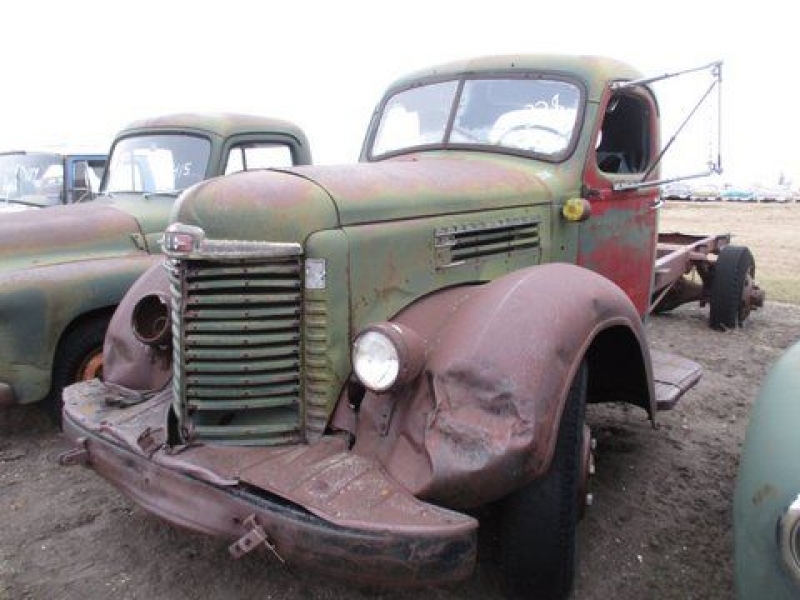
1946 Ford E450
 Dealer
United States
Dealer
United States
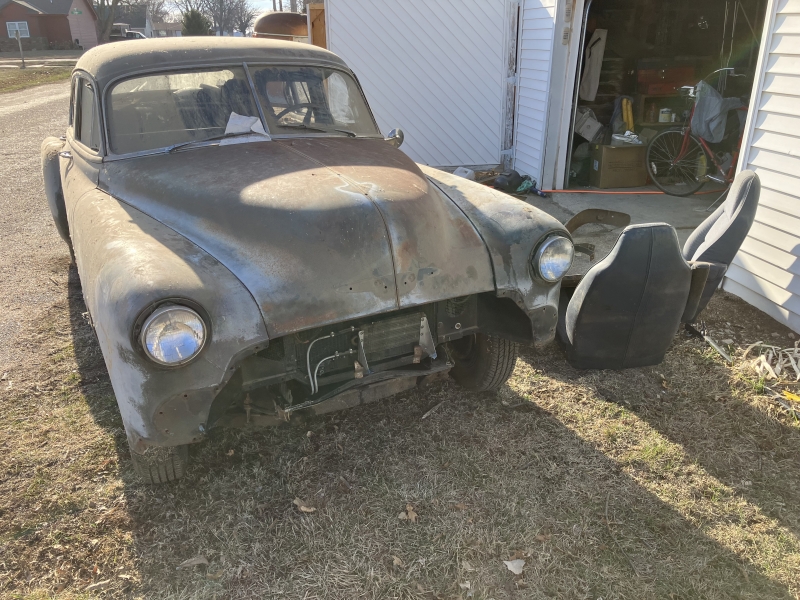
1946 International Harvester KB7
 Dealer
United States
Dealer
United States
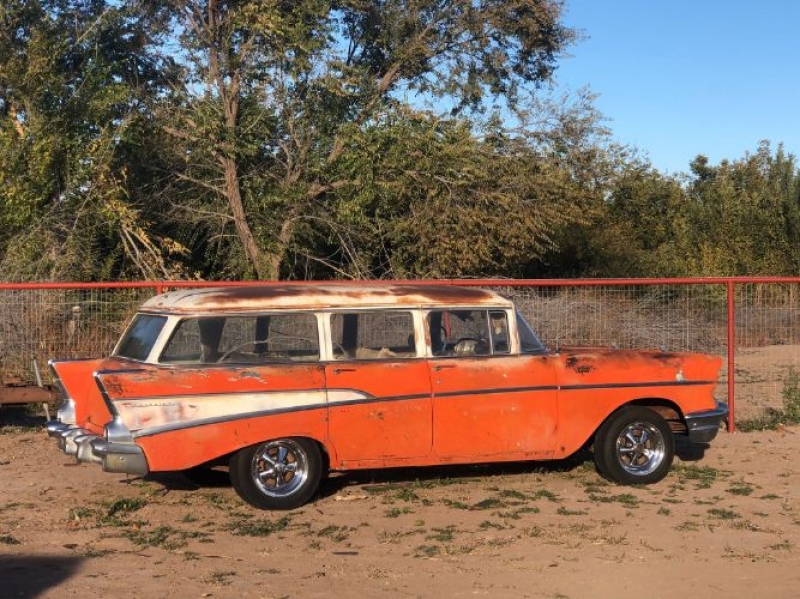
1957 Chevrolet Townsman
 Dealer
United States
Dealer
United States
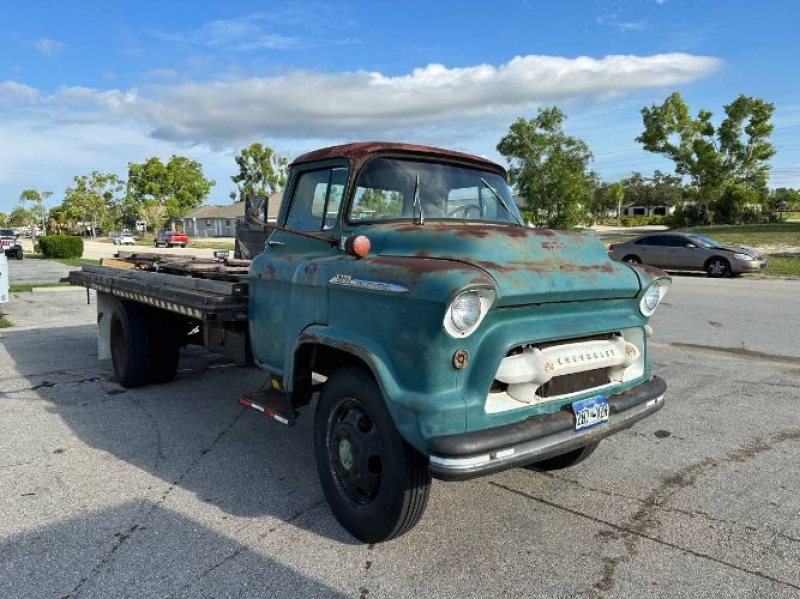
1958 Chevrolet 5700
 Dealer
United States
Dealer
United States
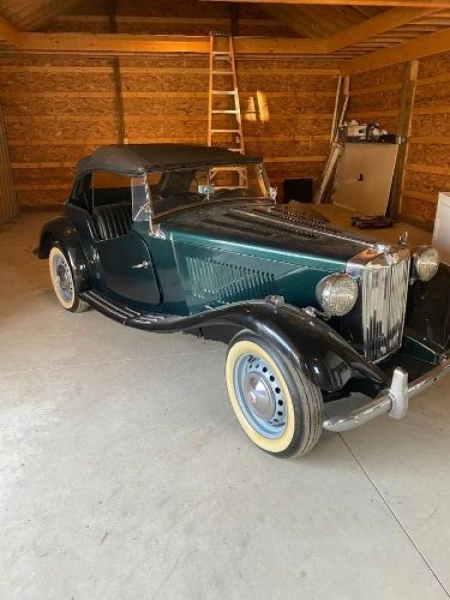
1953 MG BGT
 Dealer
United States
Dealer
United States
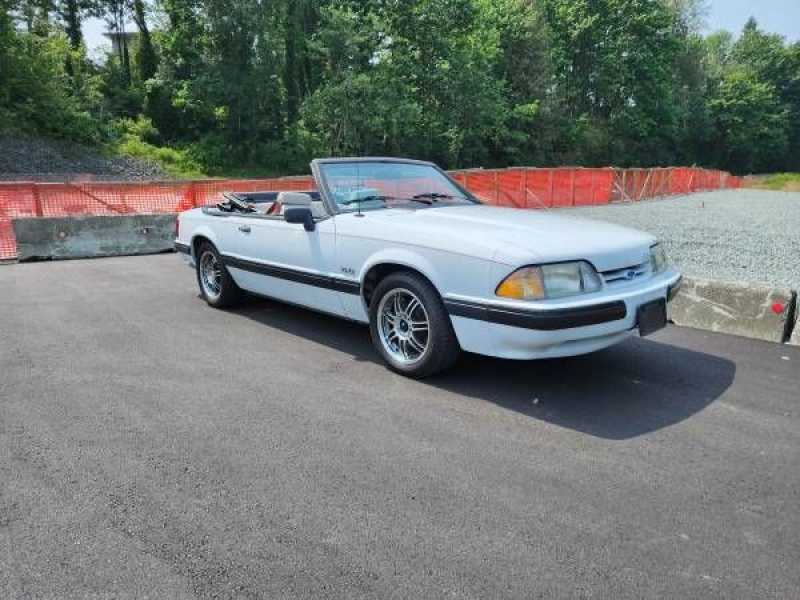
1990 Ford Mustang
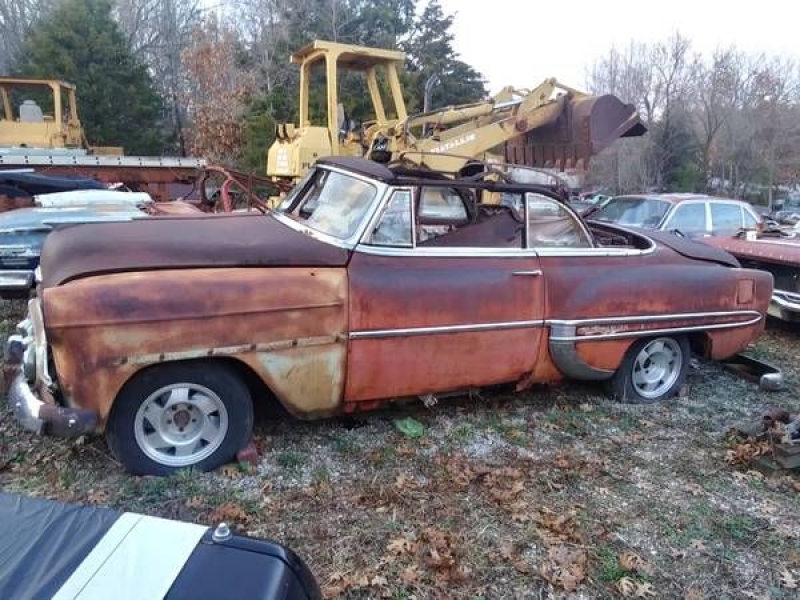 Dealer
United States
Dealer
United States
1953 Chevrolet Bel Air
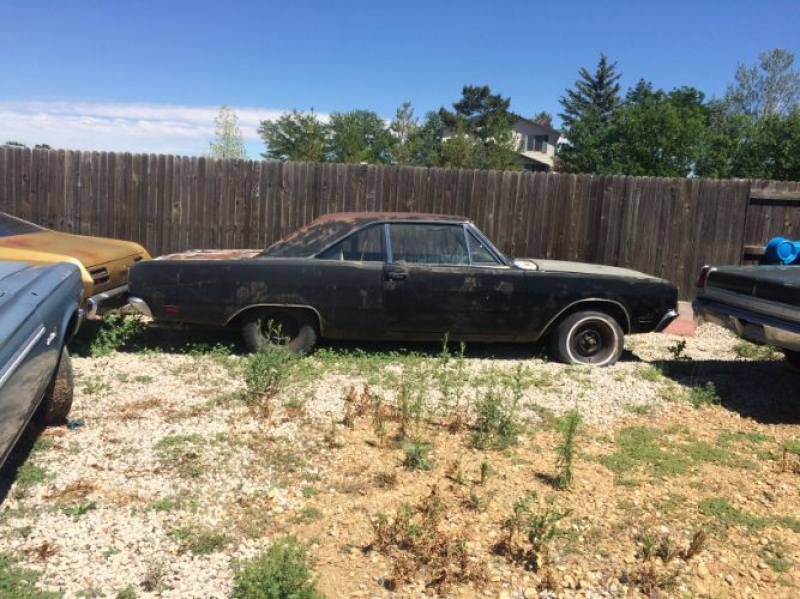 Dealer
United States
Dealer
United States
1969 Dodge Dart
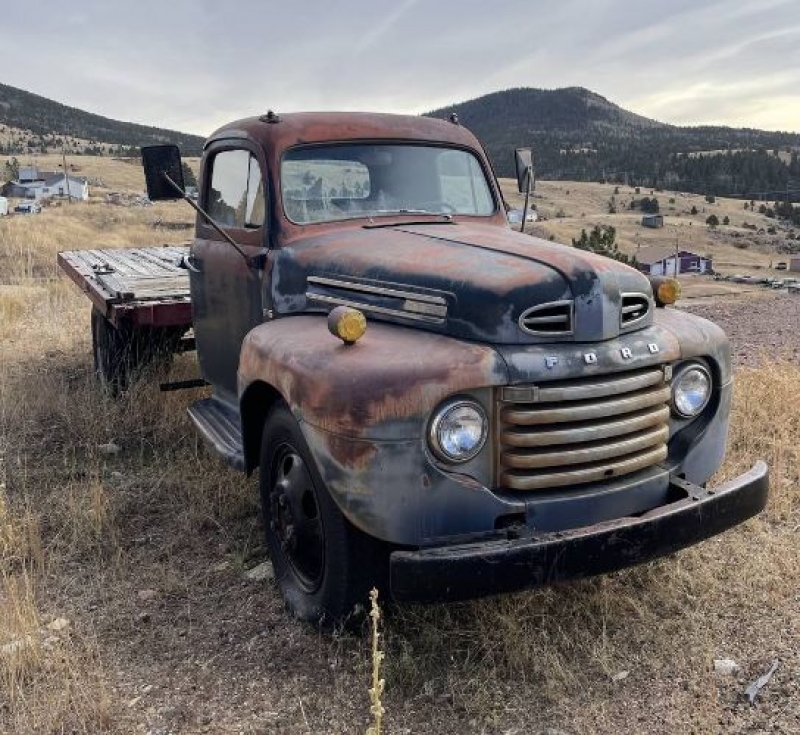 Dealer
United States
Dealer
United States
1950 Ford F-6
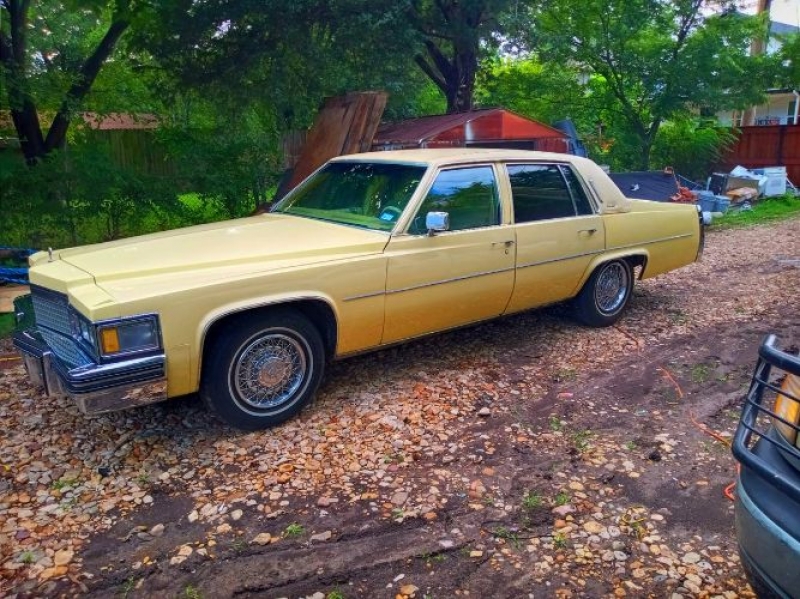 Dealer
United States
Dealer
United States
1979 Cadillac DeVille
Buying a project car the right way
The cardinal rule: inspect before you buy. A two-hour drive to see the car in person — bring a magnet (body filler), a flashlight, and a friend who knows these cars. Look at the floors, the frame rails, the trunk floor, the lower quarters. Rust in the wrong places turns a $5,000 project into a $25,000 restoration.
Get a realistic estimate of completion costs before you agree on price. Labor is almost always the largest expense — even if you do the work yourself, parts add up fast. A realistic project budget starts at $15,000–20,000 for a cosmetic restoration on a solid car; full restorations on rotten cars can run $50,000–80,000 or more.
The best and worst project cars
The best project car is one with a solid body and frame but tired mechanicals — drivetrains are relatively cheap and easy to address. The worst is one with structural rust and a fresh paint job covering it. When in doubt: a deal that seems too good for a desirable car almost always has something wrong with it that you can't see in photos.