
Hot Rods for Sale
Hot rods are built, not bought — at least that's the tradition. Starting with pre-war Fords and evolving through decades of Southern California innovation, the hot rod represents American car culture at its most creative. A chopped, channeled, and sectioned 1932 Ford roadster with a flathead V8 is just as valid today as it was in 1950. Browse current hot rod listings below — traditional builds, highboys, and custom coupes.
1,667 listings found
 Dealer
 United States
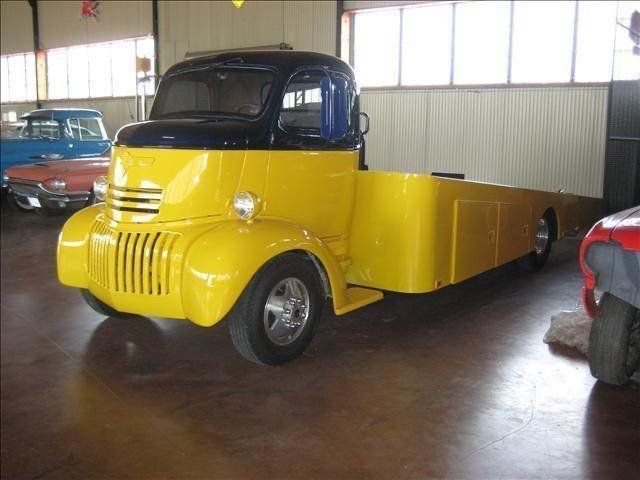
1946 Chevrolet Cabover
 Dealer
United States
Dealer
United States
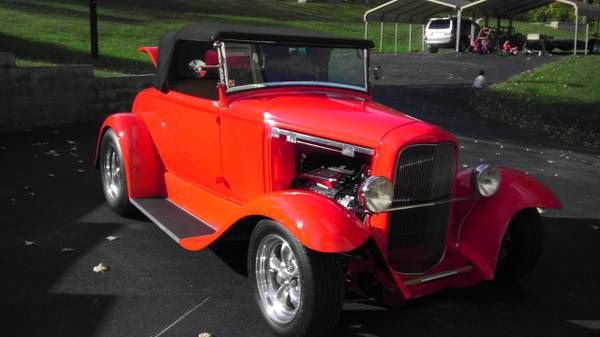
1931 Ford Model A
 Dealer
United States
Dealer
United States
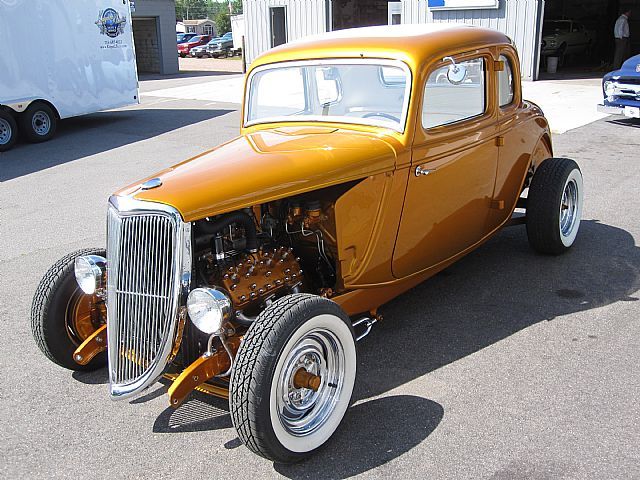
1934 Ford Model 40
 Dealer
United States
Dealer
United States
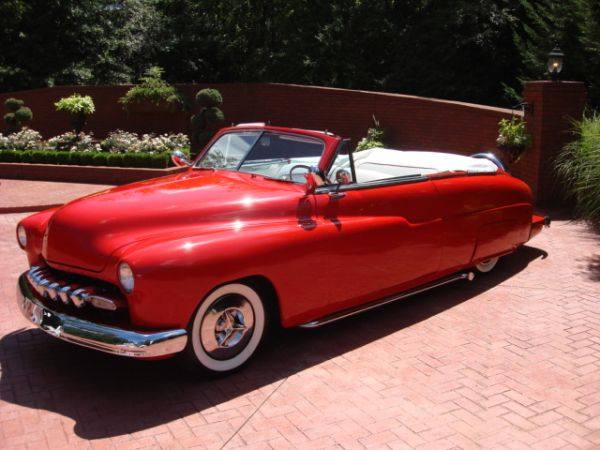
1949 Mercury Eight
 Dealer
United States
Dealer
United States
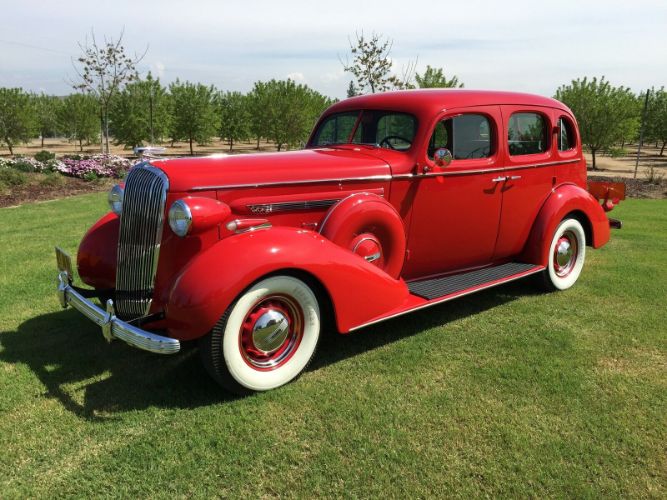
1936 Buick Century
 Dealer
United States
Dealer
United States
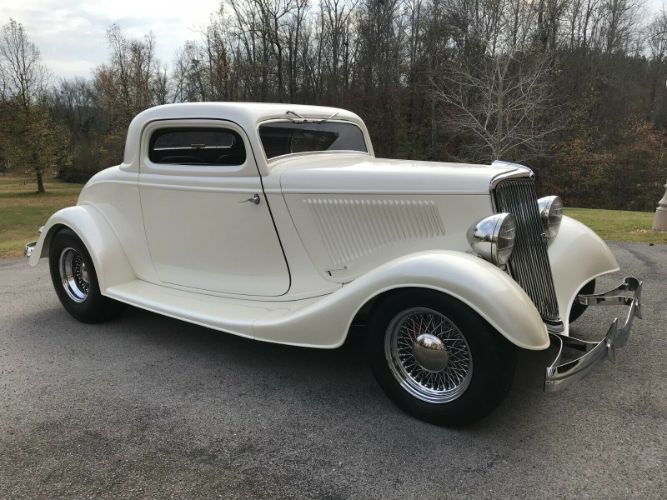
1934 Ford Model 40
 Dealer
United States
Dealer
United States
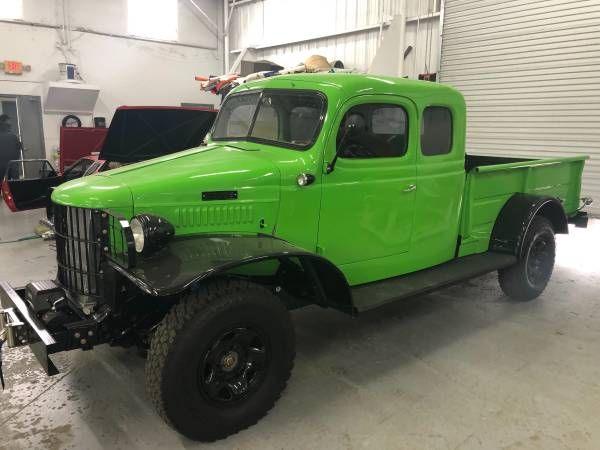
1942 Dodge WC-12
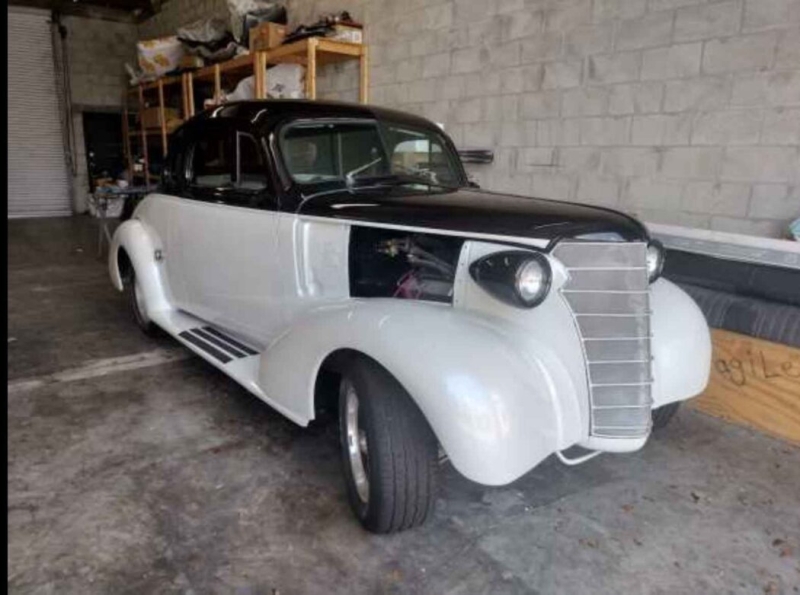
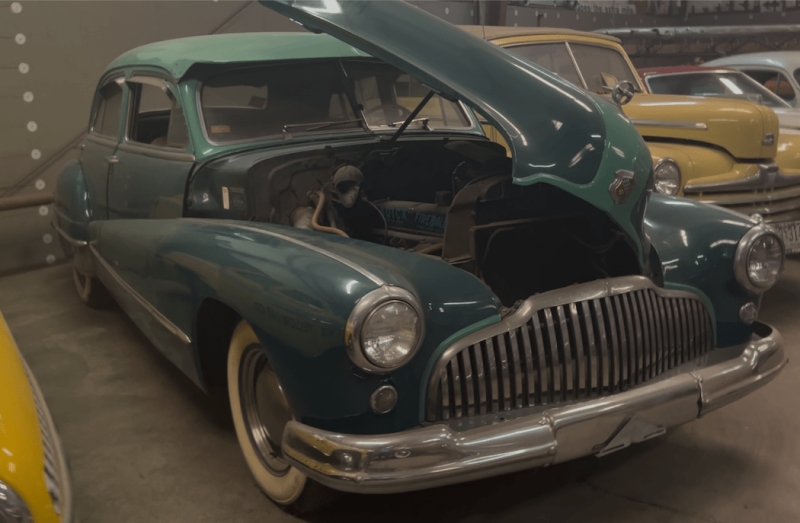
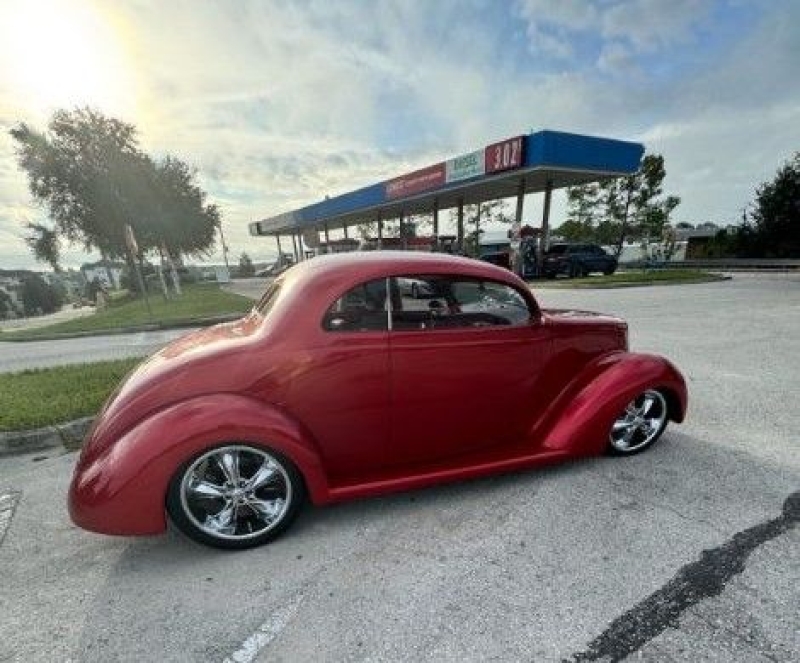 Dealer
United States
Dealer
United States
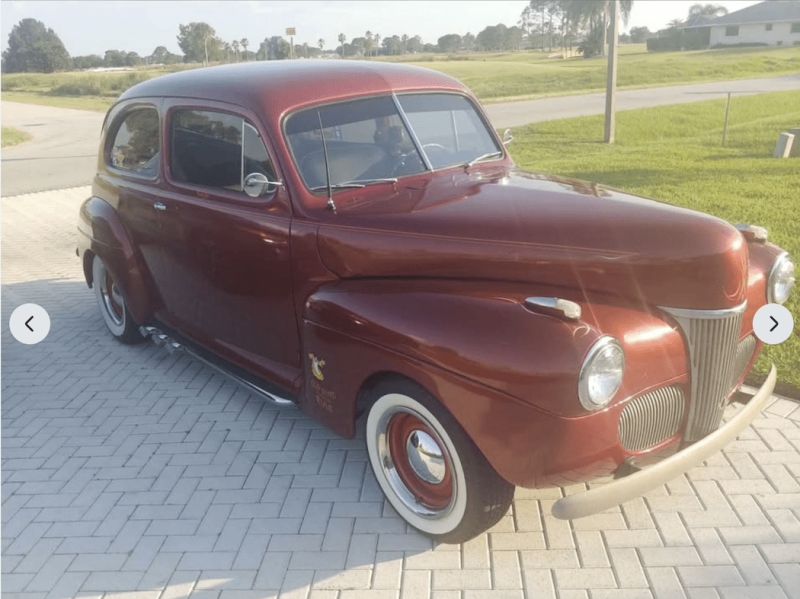
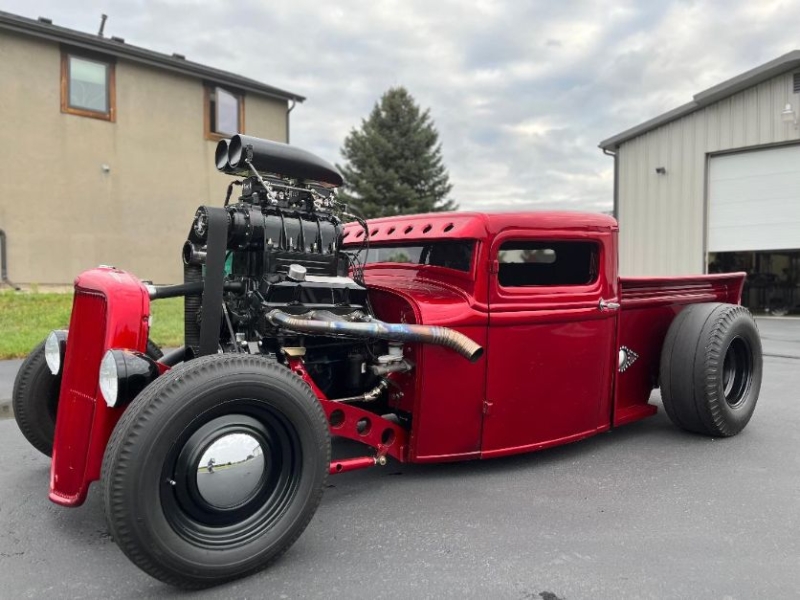
1937 Ford Deluxe
 Dealer
United States
Dealer
United States
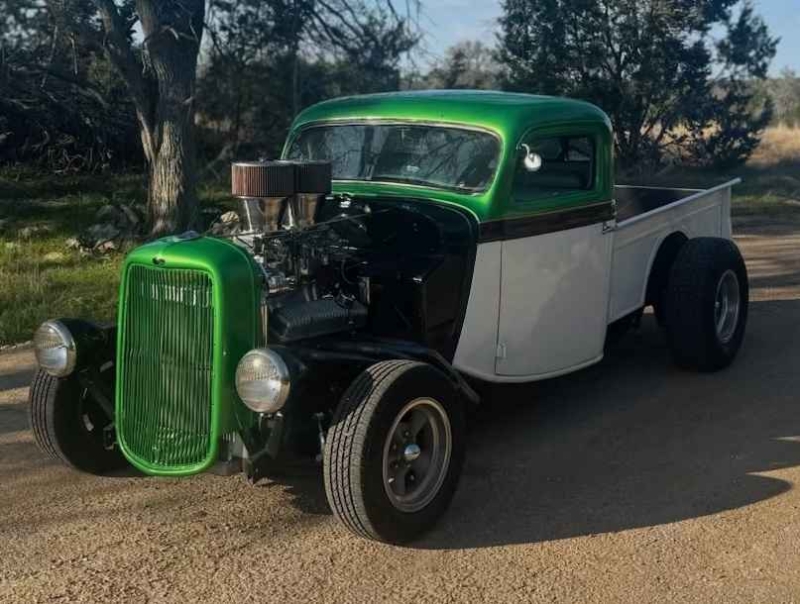
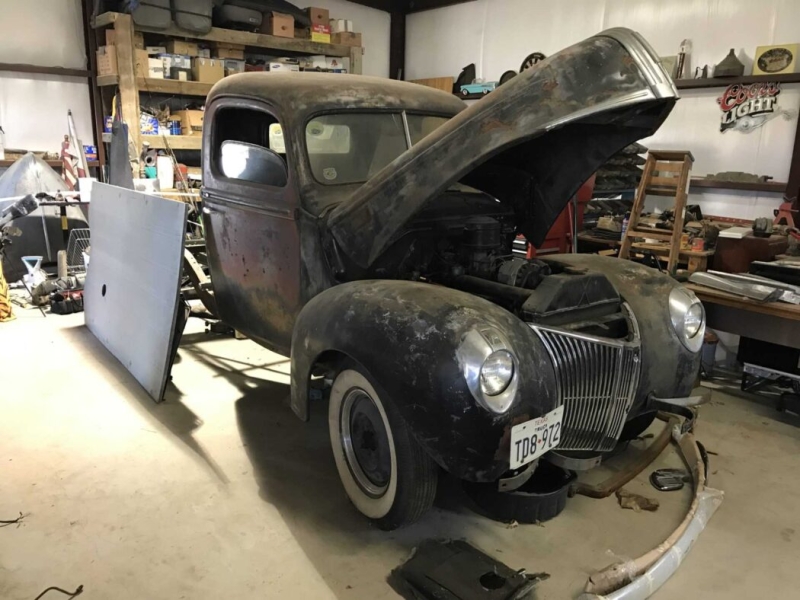
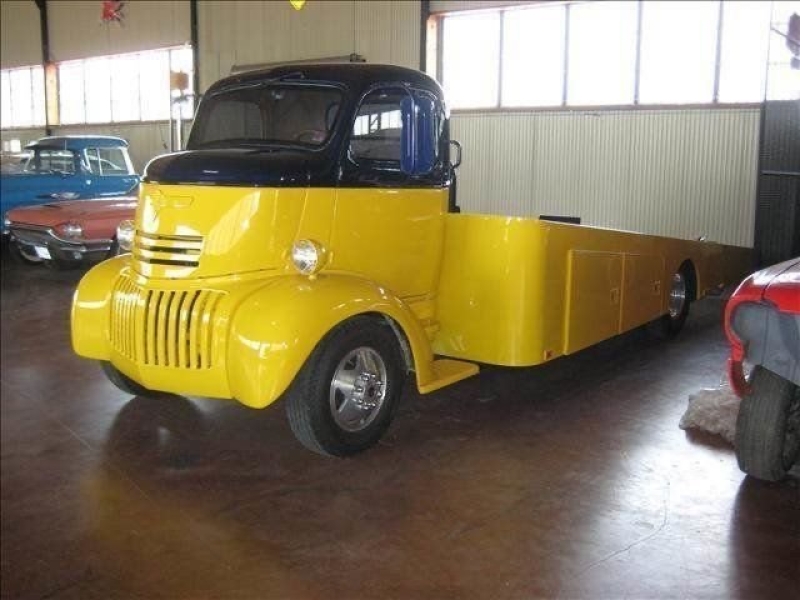
1932 Ford Model B
 Dealer
United States
Dealer
United States
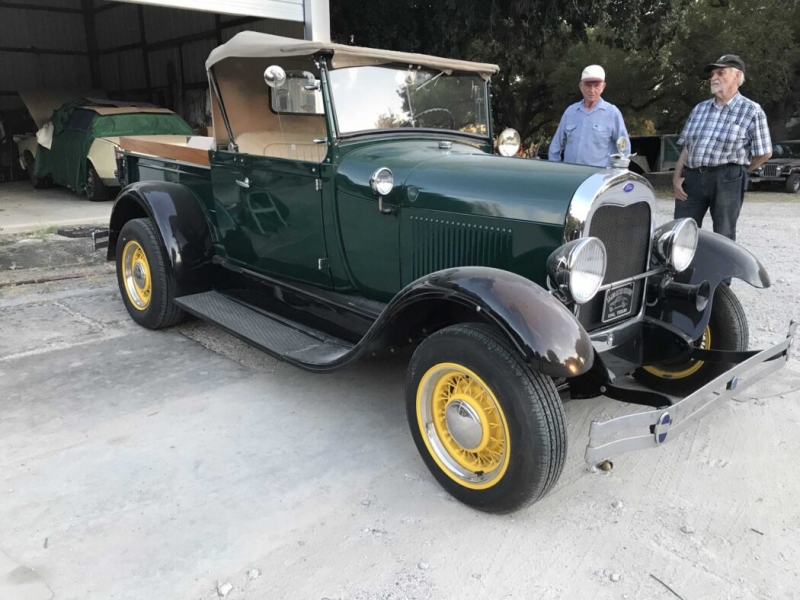
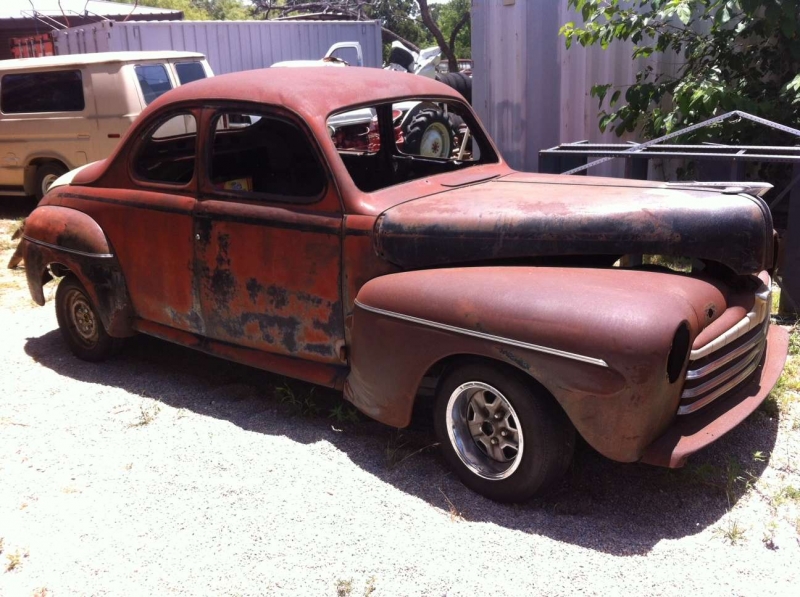
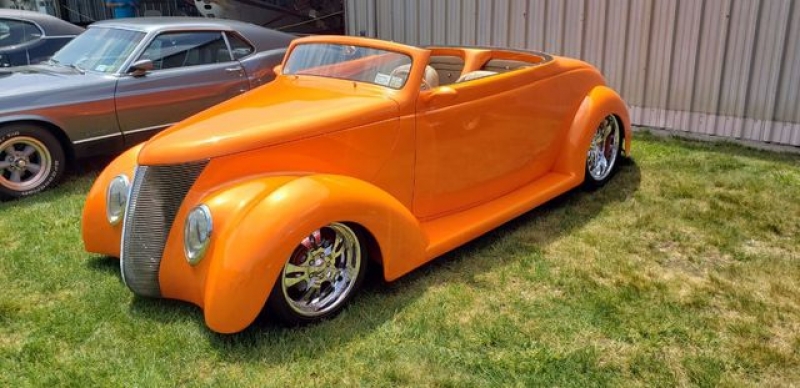
1946 Chevrolet Cabover
 Dealer
United States
Dealer
United States
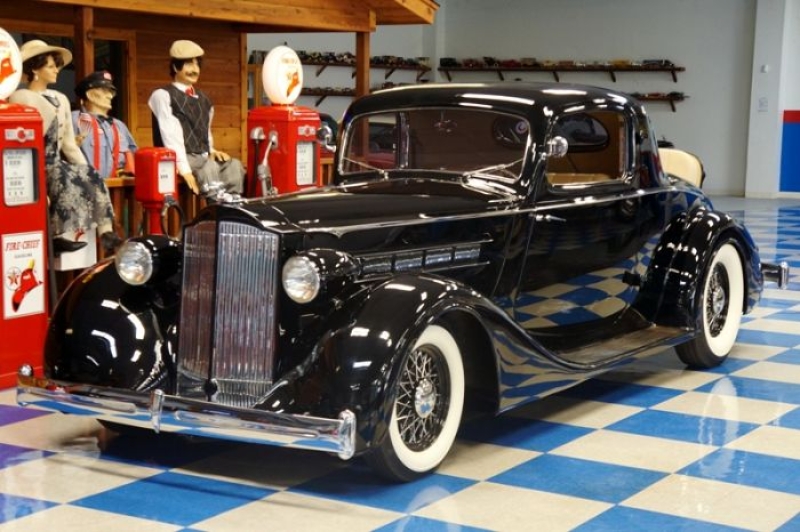
1937 Ford Deluxe
 Dealer
United States
Dealer
United States
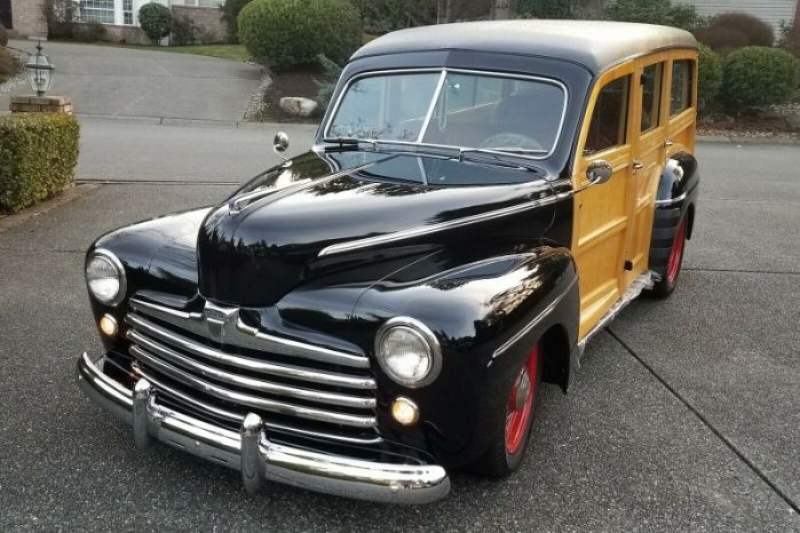
1935 Packard Model 1201
 Dealer
United States
Dealer
United States
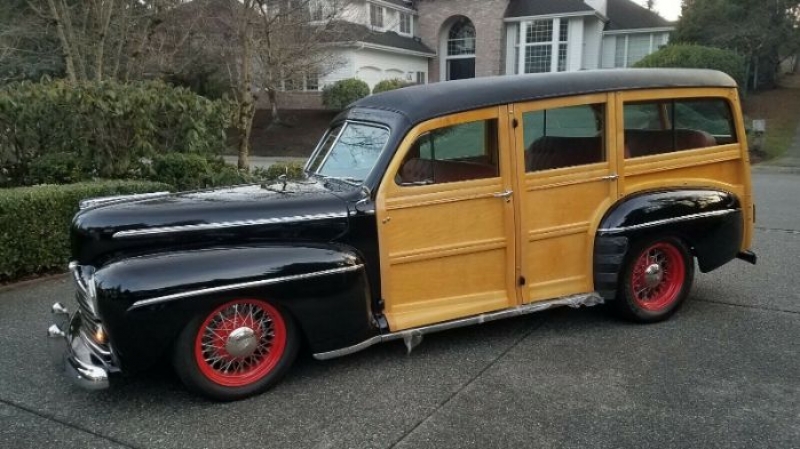
1947 Ford Woody
 Dealer
United States
Dealer
United States
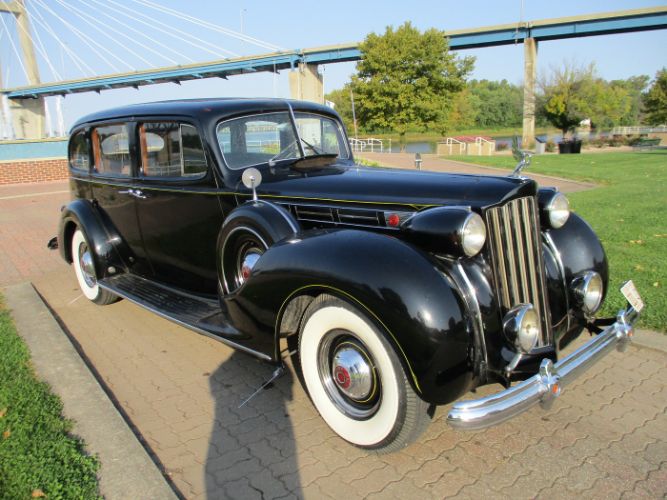
1949 Ford Woody
 Dealer
United States
Dealer
United States
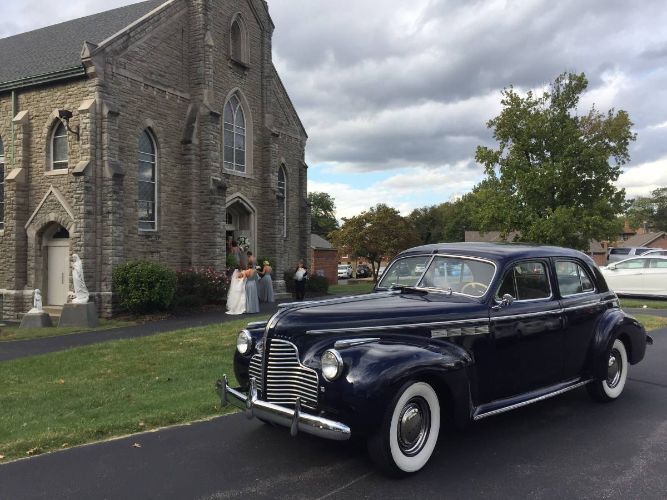
1939 Packard 1708
 Dealer
United States
Dealer
United States
1940 Buick Roadmaster
Traditional vs. modern hot rods
Traditional hot rods prioritize pre-1948 styling, period-correct powertrains (flathead Ford, early small-block Chevy), and authentic construction methods. They're often unpainted or primered, channeled low over the frame, with minimal interiors.
Modern hot rods use later technology — fuel injection, overdrive transmissions, disc brakes — while maintaining early styling. The AMBR (America's Most Beautiful Roadster) award at the Grand National Roadster Show is the top honor in the hobby, and winners consistently demonstrate that the form has never stopped evolving.
What to look for when buying a hot rod
Unlike a restored factory car, there's no numbers-matching standard — the value is in the craftsmanship, execution, and reputation of the builder. Get as much build documentation as possible: invoices, photos of the build process, chassis records. Have a fabricator inspect the welds, frame mods, and brake system. A hot rod built to look good at shows is very different from one built to survive 500 miles on the highway.