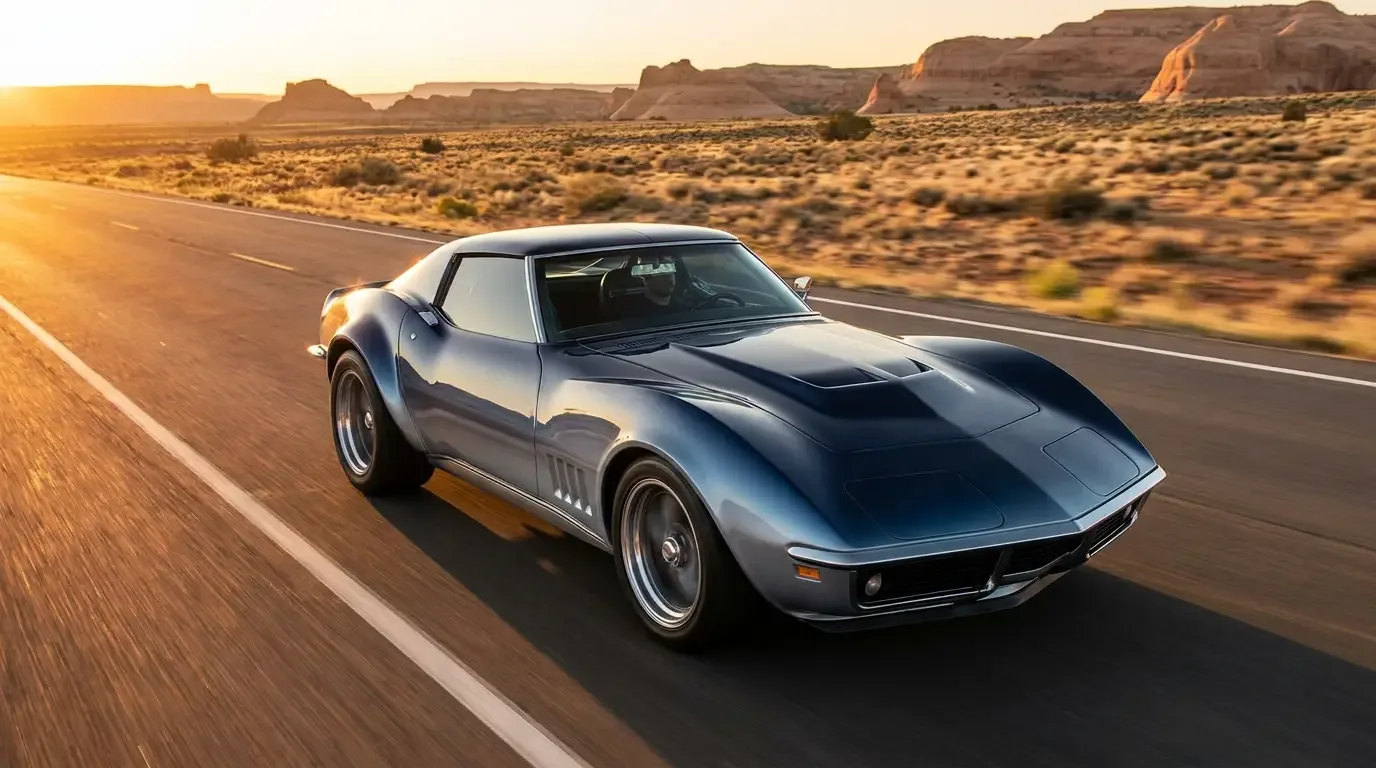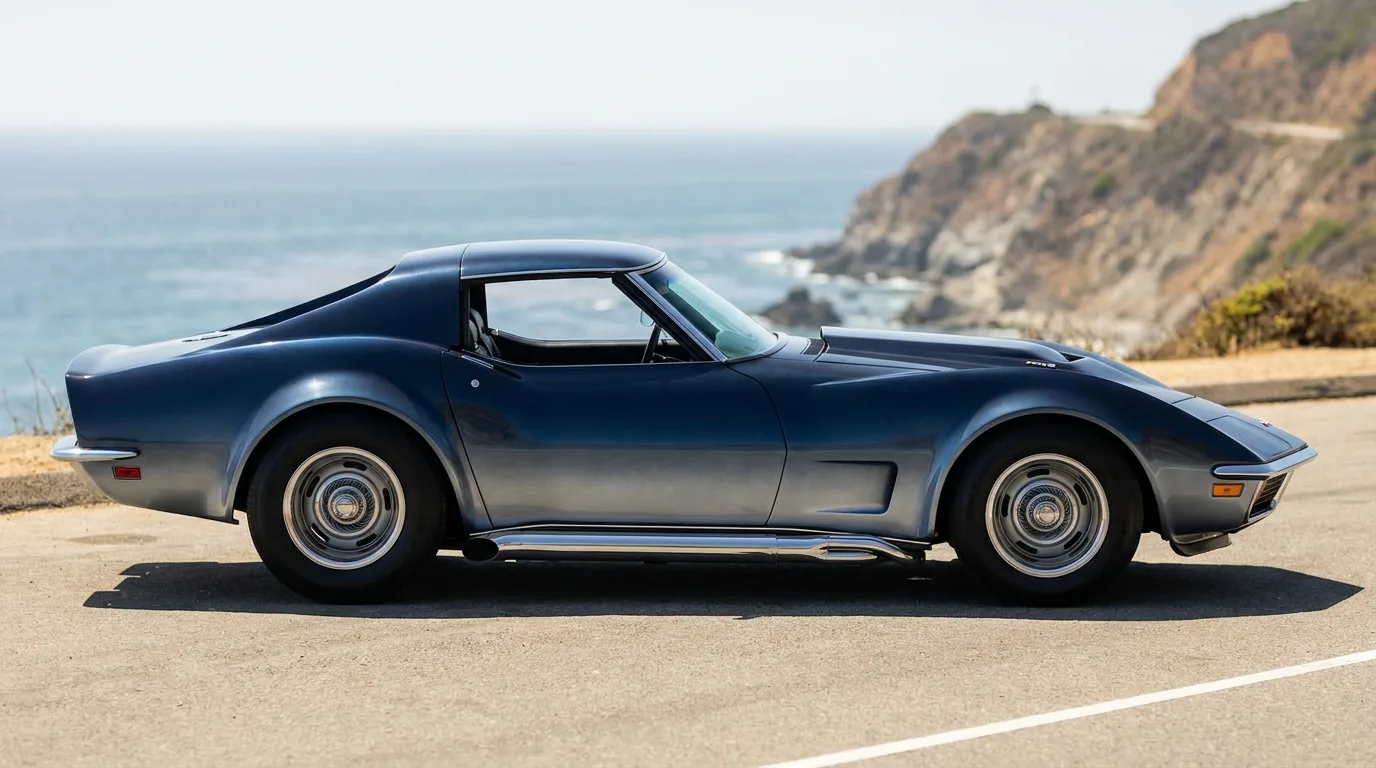
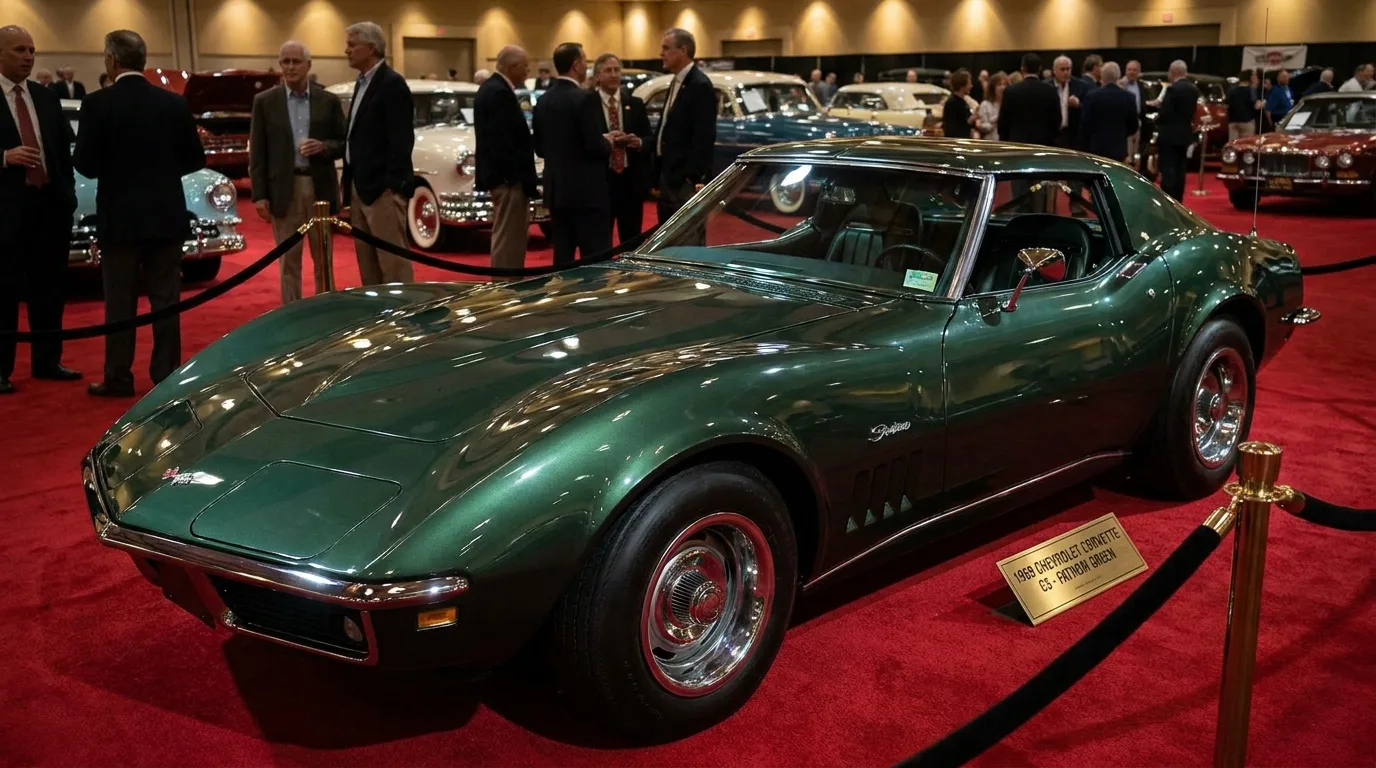
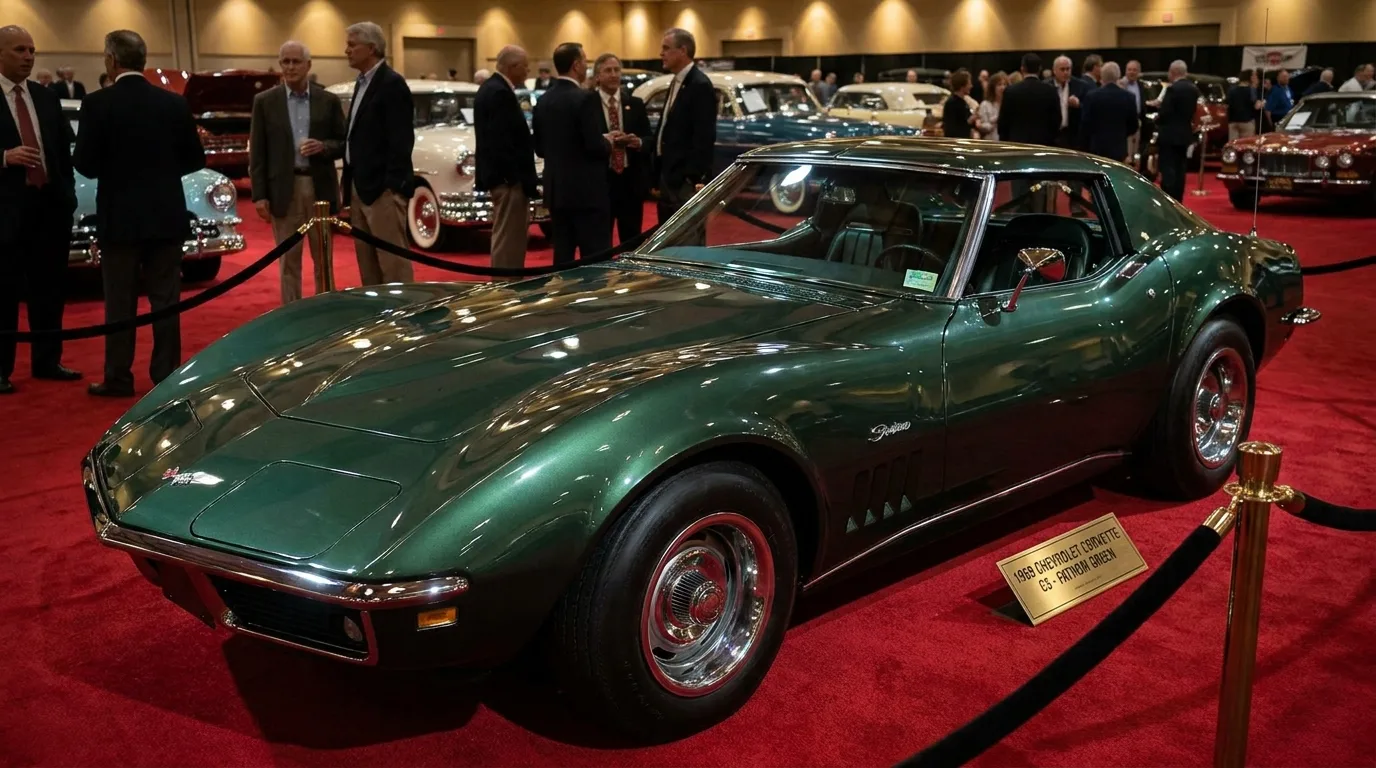
The C3 Corvette spent about two decades being the generation collectors skipped. Too many of them, the thinking went. Too compromised by emissions regulations. Bumpers that added weight without adding anything else. That sentiment is shifting, and the price data from the past three years makes the case better than any opinion piece can.
What I track at auctions is not sentiment, it is hammer prices, lot volumes, and the gap between reserve and sale. The C3, which ran from 1968 through 1982, is seeing that gap close in specific segments. Not across the board, but in the right places. For buyers who do their homework, that is where the opportunity sits. You can read more on c3 corvette design origins and the Mako Shark influence that shaped the generation's distinctive silhouette.
Where the C3 market has been, and where it moved
Through most of the 2000s and into the 2010s, C3 Corvettes in driver condition sold in the $10,000-$18,000 range at mid-tier auctions. Mecum and Barrett-Jackson moved them reliably but without drama. Bidders treated them as entry-level Corvettes, something to cruise with before they could afford a C1 or a documented early C2. The strong-engine years, the 1968-1972 cars, pulled higher numbers, but the 1973-1982 cars were largely ignored by serious buyers.
That is shifting, gradually rather than dramatically. Hagerty's C3 market data shows clean, driver-quality cars across the generation regularly trading in a roughly $15,000-$45,000 range depending on year, engine, and condition, with the early chrome-bumper cars (1968-1973), especially documented big-blocks, commanding the top of that range and sometimes well beyond it for exceptional, numbers-matching examples. Values for chrome-bumper cars were reported as largely flat through 2023-2024 after peaking in late 2022, which is itself notable: after years of steady depreciation, a flat market for a generation this large is a sign the bottom has been found. The malaise-era 1975-1982 cars, which ran modest outputs after the emissions squeeze, still carry the weight of that reputation, but clean, unmodified examples are increasingly finding buyers rather than sitting unsold.
The driver of this is generational, which is a pattern I have watched repeat across collector segments. Buyers who were teenagers in the 1970s are now in their late fifties and sixties with discretionary income. The C3 is the Corvette they remember from their youth, not a museum piece, not a trailer queen. They want to drive it.
Which years are attracting the most collector attention
Not all C3s are equal in the market, and buying one without understanding the value tiers is how buyers overpay for the wrong car or miss a genuinely undervalued one.
| Model years | Key engine options | Market tier (2024) | Notes |
|---|---|---|---|
| 1968-1969 | 427 big-blocks (L36, L68, L71, L88) | Strong / premium | L88 and L89 optioned cars command significant premiums; documentation critical |
| 1970-1972 | 454 LS5, LS6; 350 LT1 | Strong | Last years of gross horsepower ratings; LT1 cars undervalued relative to big-blocks |
| 1973-1974 | 350 L82; 454 LS4 | Mid-tier / rising | First federalized 5-mph bumpers arrived for 1973; the convertible was dropped after 1975, and no soft-top Corvette returned until 1986 |
| 1975-1977 | 350 L82 (205-210 hp) | Entry / emerging | Clean unmodified cars gaining interest; avoid heavily modified examples |
| 1978-1982 | 350 L82, L83 (Crossfire in 1982) | Entry / growing | 25th Anniversary and Collector Edition models showing premiums at auction |
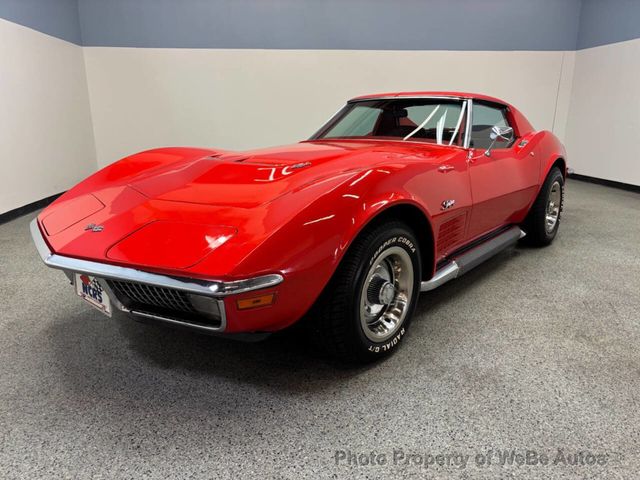
The 1970-1972 LT1 cars deserve specific mention because they represent what Hagerty has called a Goldilocks value proposition. Solid, driver-quality 1970 LT1 cars have been trading around $40,000, meaningfully less than what a comparable documented big-block commands, even though the LT1's high-revving small-block is considered by many Corvette drivers to be the better-handling, more engaging engine. Part of the gap is demographic: Hagerty quote data on the LT1 skews heavily toward Boomer owners, with younger buyers showing far less interest so far. Whether that gap closes as ownership shifts to younger buyers is one of the more interesting open questions in the segment.
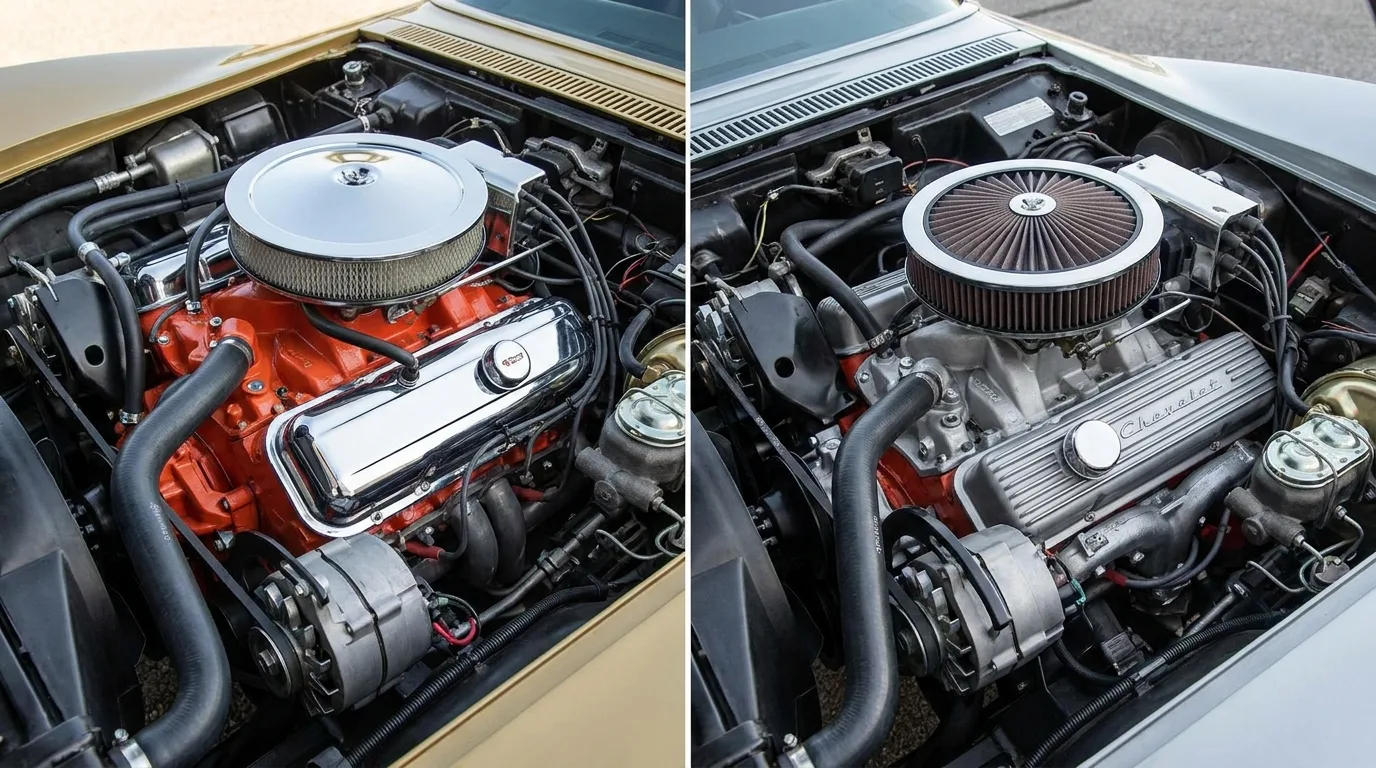
The companion story on powerplant choices across the C3 run goes deeper into the engineering tradeoffs, see the companion story for a full breakdown of the factory options and what they mean for buyers today.
What condition and documentation actually move the needle
Raw auction results can mislead if you do not look at what separated the high hammers from the no-sales. Documentation is the consistent dividing line. A C3 with its original protect-o-plate, build sheet, or tank sticker (the fuel-tank build record used on many GM cars of the era) commands a meaningful premium over an otherwise identical car where the buyer is taking the seller's word for the build.
Color matters more on C3s than on almost any other American collectible. The early years offered a wide palette, and certain combinations, Fathom Green, Mulsanne Blue, Ontario Orange, carry premiums at auction that are not fully explained by production scarcity. Buyers want the colors they remember or the ones that photograph well at shows. This is a real market factor, not a minor variable.
Unmodified cars are increasingly valued over modified ones in the collector segment. This is a shift from even ten years ago, when a C3 with upgraded suspension and modern brakes was considered a sensible improvement. Buyers now who are paying collectible prices want factory-correct cars. The modifications that were practical improvements in 1995 are now demerits for buyers seeking originality.
"The C3 segment rewards buyers who understand the documentation as well as they understand the car. A tank sticker or a protect-o-plate does not just verify the engine, it tells you the factory built what you think you are buying. In a market where C3 values are still climbing, that piece of paper is worth real money."
— David Mercer
The case for 1978-1982 as an underappreciated segment
The late C3s carry a market stigma that the data is starting to erode. The 1978 25th Anniversary edition and the 1982 Collector Edition were produced in significant numbers, which kept collector premiums modest for decades. But clean, unmodified examples of both are now consistently trading above the surrounding years at auction, and the 1978 Indy 500 Pace Car replica, produced in 6,502 examples (roughly 15 percent of that year's total production), has moved from the speculative bubble of 1978, when some buyers paid far above sticker chasing quick flips, to a more settled collectible status decades later.
The 1982 Collector Edition is interesting specifically because Chevrolet intended it as a sendoff for the C3. Of the 25,407 Corvettes built for 1982, 6,759 were Collector Editions, identifiable by a distinct VIN code, a frameless lift-up glass hatch in place of the fixed backlight, cloisonne emblems, and a Silver-Beige "fading shadow" paint treatment exclusive to that model. Clean, original examples have been selling well above the price of a standard 1982 coupe, reflecting the model's status as the final and most collectible C3 variant, though buyers should treat any specific auction estimate as a moving target rather than a fixed number.
For buyers who want to get into the C3 market before the generational demand fully prices in, the late cars offer access. They are cheaper to enter, they have an enthusiast community, and the supply of genuinely clean, unmodified examples is shrinking as survivors continue to be modified or simply used up. If you are looking to purchase a 1979 Corvette and see what is currently available, 1979 Corvettes for sale shows the current market inventory with filtering by condition and price.
Where the C3 market is likely headed
Predicting collector car markets is not a clean exercise, but the structural factors for the C3 look more favorable than they have in some time. Boomer buying activity in the collector market broadly has picked back up after a pause, and the supply of unmodified, documented C3 examples is tightening as more survivors get modified or used up. The best early cars are creeping into territory that invites comparison with well-documented early C2s, which means some buyers are making that comparison and choosing the C3.
The middle years, the 1973-1977 segment, remain the most price-accessible entry point for buyers who want a C3 that drives well without paying early-car premiums. These cars have carried the malaise-era stigma longer than the data now supports, which is a reasonable argument for buying one sooner rather than waiting for the wider market to catch up, though nobody can promise that catch-up happens on a fixed timeline.
What I would watch closely is the auction performance at Mecum Indianapolis and Kissimmee over the next eighteen months. Those venues move the highest volume of C3s, and the no-sale rates, when cars go to the block but do not meet reserve, are a more honest indicator of where real demand sits than the headline hammer prices. If no-sale rates drop on the 1973-1977 cars, that tells you the buyer pool has deepened. That is the signal worth tracking.
Sources and notes
- Hagerty Valuation Tools, 1968-1982 Corvette generation data: confirmed the roughly $15,000-$45,000 driver-quality price range and the 2023-2024 flat-to-declining trend for chrome-bumper cars after an October 2022 peak
- Hagerty Insider, "1970-72 Chevrolet Corvette LT1: A Goldilocks Value Proposition": confirmed the LT1 value gap versus big-block cars, the approximate $40,000 level for driver-quality 1970 LT1s, and the Boomer-heavy ownership skew
- Wikipedia, Chevrolet Corvette (C3): confirmed the 1975 model year as the last convertible until the body style returned in 1986, and general model-year engine changes
- CorvSport, 1968 Corvette RPO codes and pricing: confirmed L88 (430 hp) and L89 (aluminum-head option on the L71) specifications and production figures
- Old Car Memories, L82 350 engine history: confirmed L82 horsepower ratings of 205 hp for 1975 and 210 hp for 1976-1977, correcting an earlier lower figure
- CorvSport, 1982 Chevrolet Corvette Collector Edition: confirmed the 6,759 Collector Edition production count out of 25,407 total 1982 Corvettes, the frameless glass hatch, cloisonne badging, and distinct VIN coding
- The Chevrolet Corvette Pace Car Registry, 1978 Indy 500 Pace Cars: confirmed the 6,502 production figure for the 1978 Indy Pace Car replica and the speculative pricing bubble that followed its release