
If you want to understand the American pickup, look at it one decade at a time. Each ten-year stretch fixed one thing that stuck. The 1930s gave the truck a real cab. The 1950s gave it looks. The 1960s and 70s turned it into something a family would drive on a Sunday. By the time the 1990s closed out, the pickup had quietly become the best-selling vehicle in the country. This is the short version of how that happened, told in the order it happened.
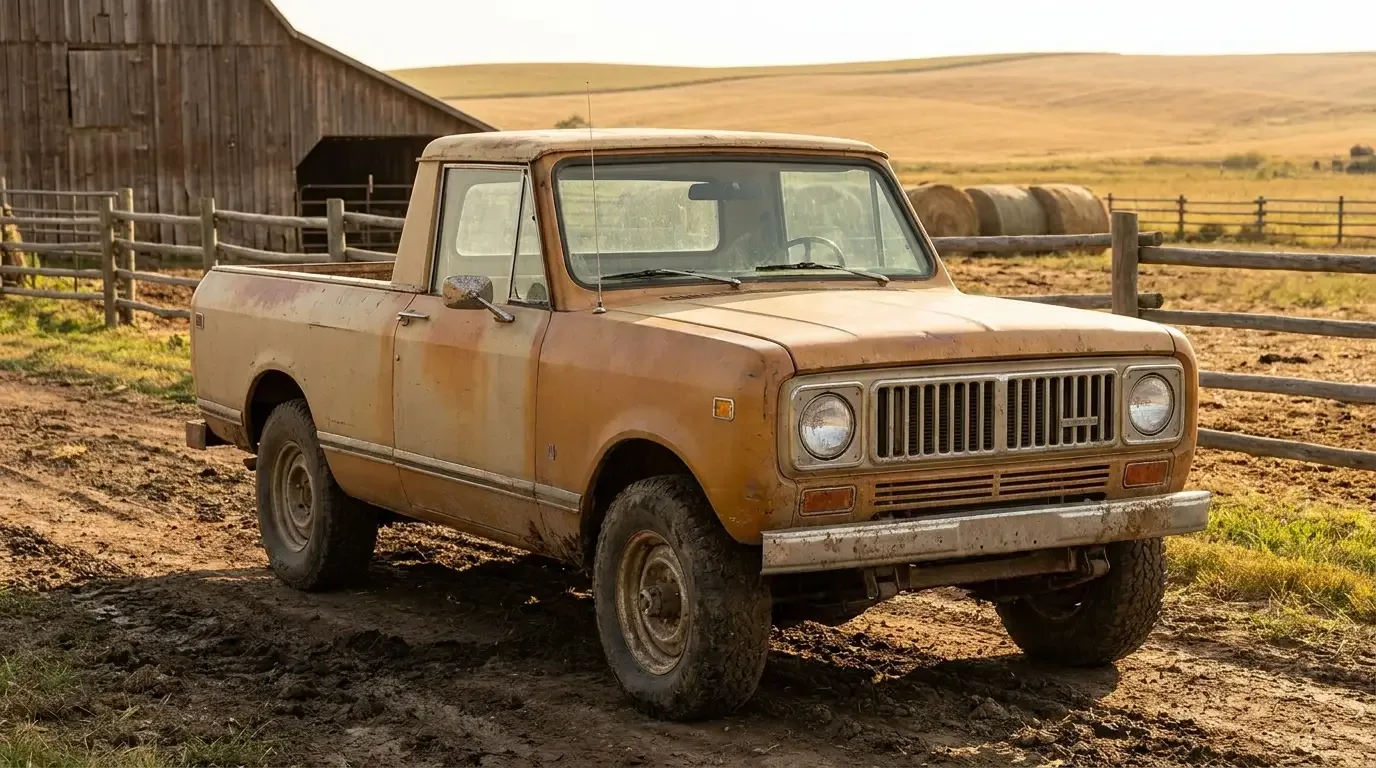
None of this is tied to one badge. The story runs across Ford, Chevrolet, GMC, Dodge, and International, and the smart move is to watch the ideas move between them rather than root for a make. If you want the full narrative, read the history of the American pickup; if you want the wider picture that includes the heavy stuff and the work fleets, read the classic American truck story. What follows is the timeline itself.
The decade-by-decade timeline at a glance
Here is the whole arc in one place. Read down the middle column and you get the plot: closed cab, then styling, then comfort, then car-like refinement. The right column names one thing that decade is remembered for.
| Decade | Defining change | Notable development |
|---|---|---|
| 1930s | The closed steel cab becomes standard, ending the open-cab era. | Ford's flathead V8 reaches the light truck line in 1932, putting eight cylinders in a working pickup. |
| 1940s | War stops civilian production, then the postwar restart brings the first clean-sheet designs. | Ford's Bonus Built (1948) and Chevrolet's Advance Design (1947) launch as the first all-new postwar trucks. |
| 1950s | Styling arrives. The truck is now meant to be looked at, not just used. | The wraparound windshield, two-tone paint, and the 1955 small-block Chevy V8 change what a pickup can be. |
| 1960s | The independent-front-suspension and drop-frame designs make the cab ride like a car. | Fleetside/Styleside beds and coil-spring front ends spread across the segment. |
| 1970s | Comfort options and crew cabs turn the pickup into family transport. | Air conditioning, carpet, and plush trim packages become common order-sheet items. |
| 1980s | Fuel efficiency, compacts, and the first fuel-injected light-truck engines. | Downsized and imported-influenced compact pickups arrive; electronic fuel injection reaches the half-tons. |
| 1990s | The pickup goes mainstream as a primary vehicle, not a second one. | Extended and four-door cabs plus the return of a big-inch V8 push trucks toward the top of the sales charts. |
From open cab to postwar restart: the 1930s and 1940s
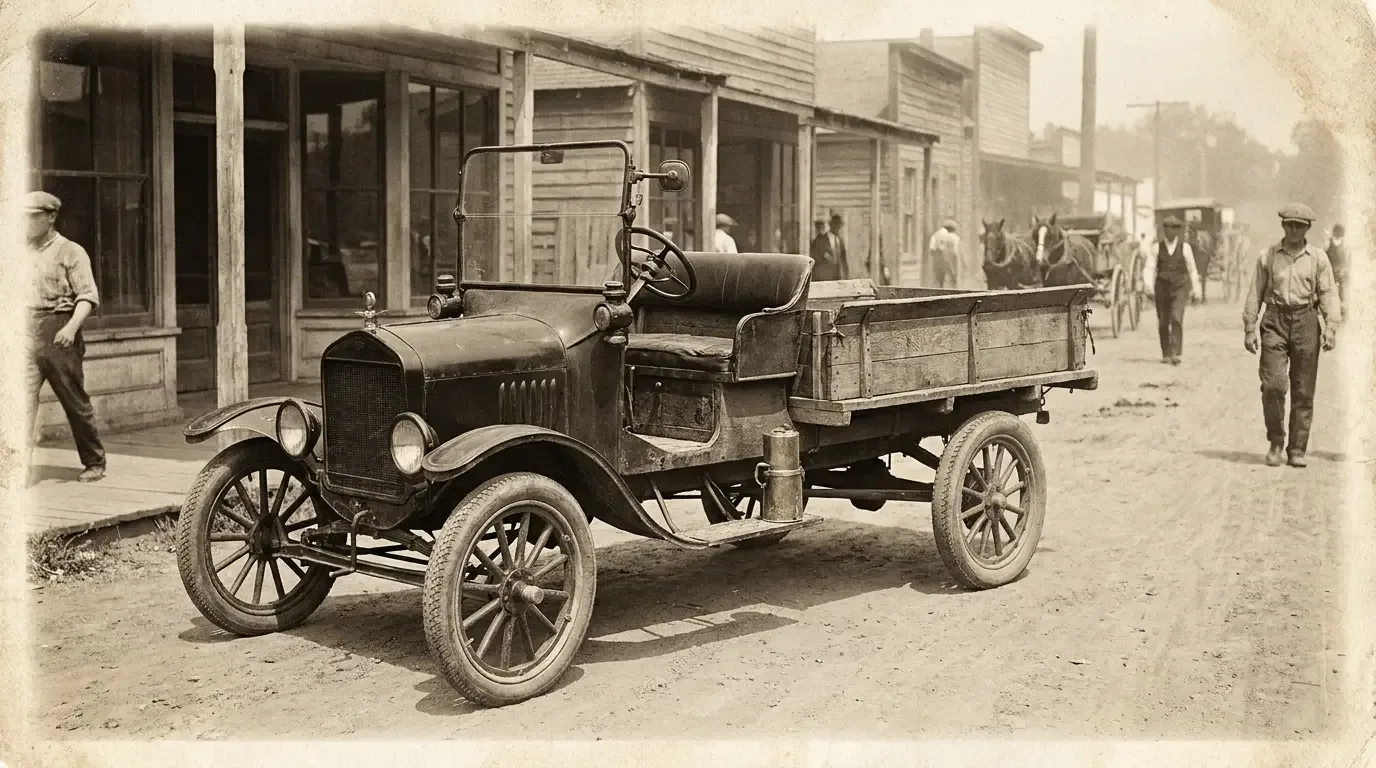
The 1930s did the unglamorous work. Early in the decade you could still buy a truck with an open or half-open cab, which was fine for a farm and miserable on a highway. By the end of the decade the fully enclosed steel cab with roll-up windows was just how trucks came. That sounds small. It is the change that let a pickup double as everyday transport instead of a fair-weather tool.
Engines got serious too. Ford dropped its flathead V8 into the light truck line in 1932, and eight cylinders in a working truck was a genuine event. The rest of the industry answered with bigger sixes and stronger frames. Bodies were still mostly separate cab, fenders, and bed bolted together, so a 1930s truck reads as a collection of parts more than a single shape.
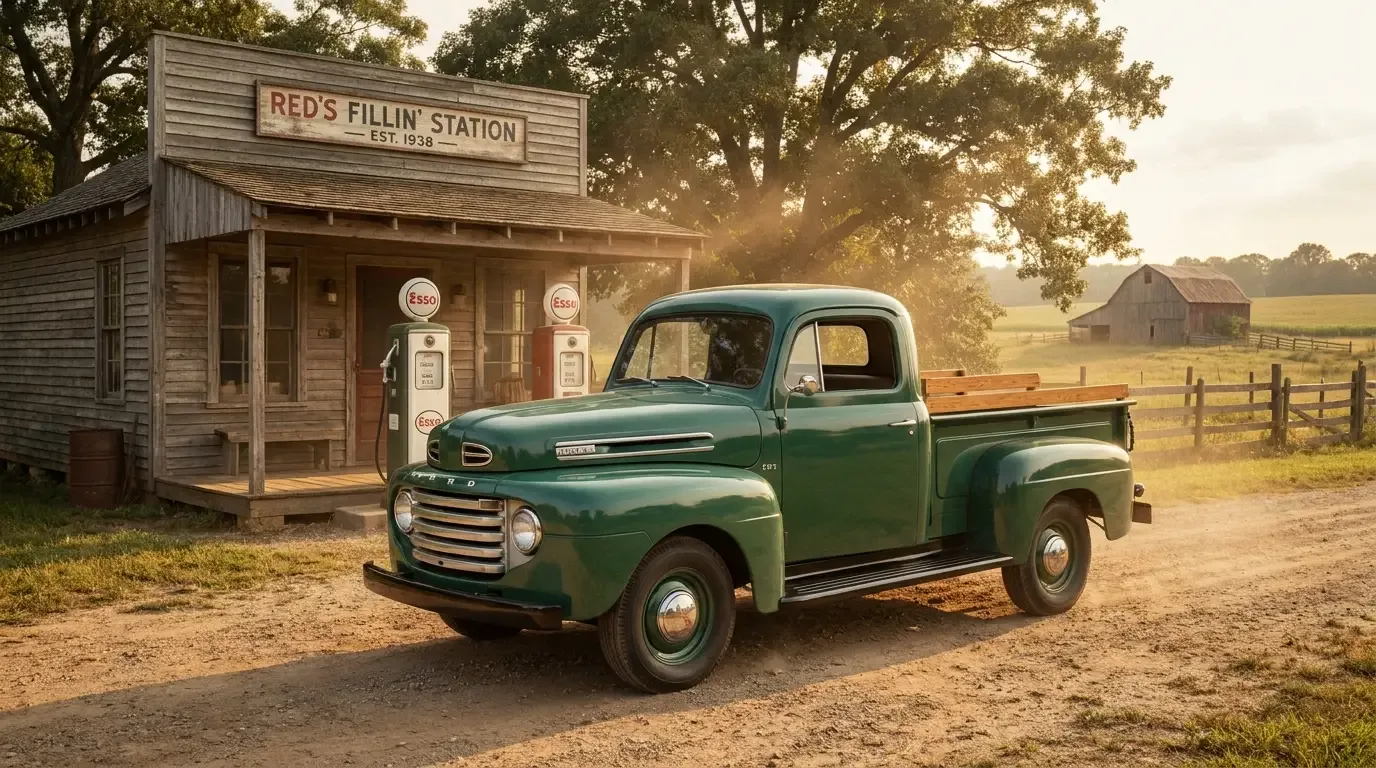
The 1940s split cleanly in two. For the first half, civilian pickups mostly stopped. Factories built for the war, and the trucks that came out wore olive drab. When production restarted, the makers did not just dust off the old dies. Chevrolet's Advance Design and Ford's Bonus Built trucks were clean-sheet postwar designs, wider and more comfortable, and they set the template that the 1950s would decorate.
Styling and comfort take over: the 1950s and 1960s
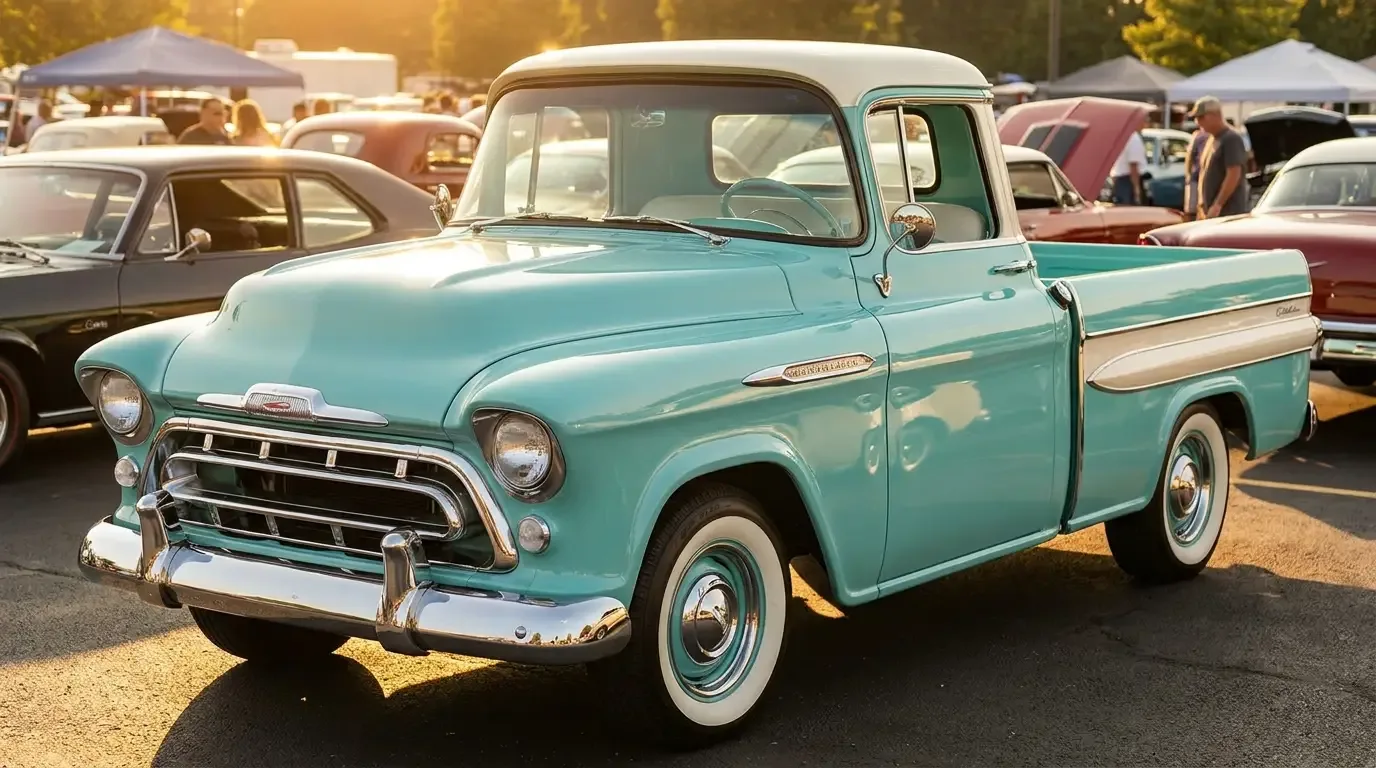
The 1950s is when the pickup learned to show off. Wraparound windshields, chrome, two-tone paint, and smoother, more integrated bodywork all landed in this decade. The bed stopped being an obvious add-on and started flowing into the cab line. Chevrolet's small-block V8, introduced for 1955, gave the half-ton real power in a light package and became one of the most copied engine ideas in the country.
This is also when buyers started caring how a truck looked in the driveway. That mattered commercially. A truck you were proud to park was a truck a wider set of people would buy, and the makers noticed.
The 1960s took the good looks and added a good ride. Independent front suspension and drop-center frames let the cab sit lower and soak up bumps the way a sedan did. Smooth-sided beds, sold as Fleetside or Styleside depending on the badge, gave the truck a cleaner profile. Put those two decades together and you get the pattern that still defines the pickup: work capability first, but wrapped in a body and a ride you would choose for reasons that have nothing to do with hauling.
"People argue about which decade built the best truck. Wrong question. The 30s made it a real vehicle, the 50s made it handsome, and the 60s made it ride. You need all three before you get the truck everybody actually wants."
— Robert Halloran
Family truck to national default: the 1970s through 1990s
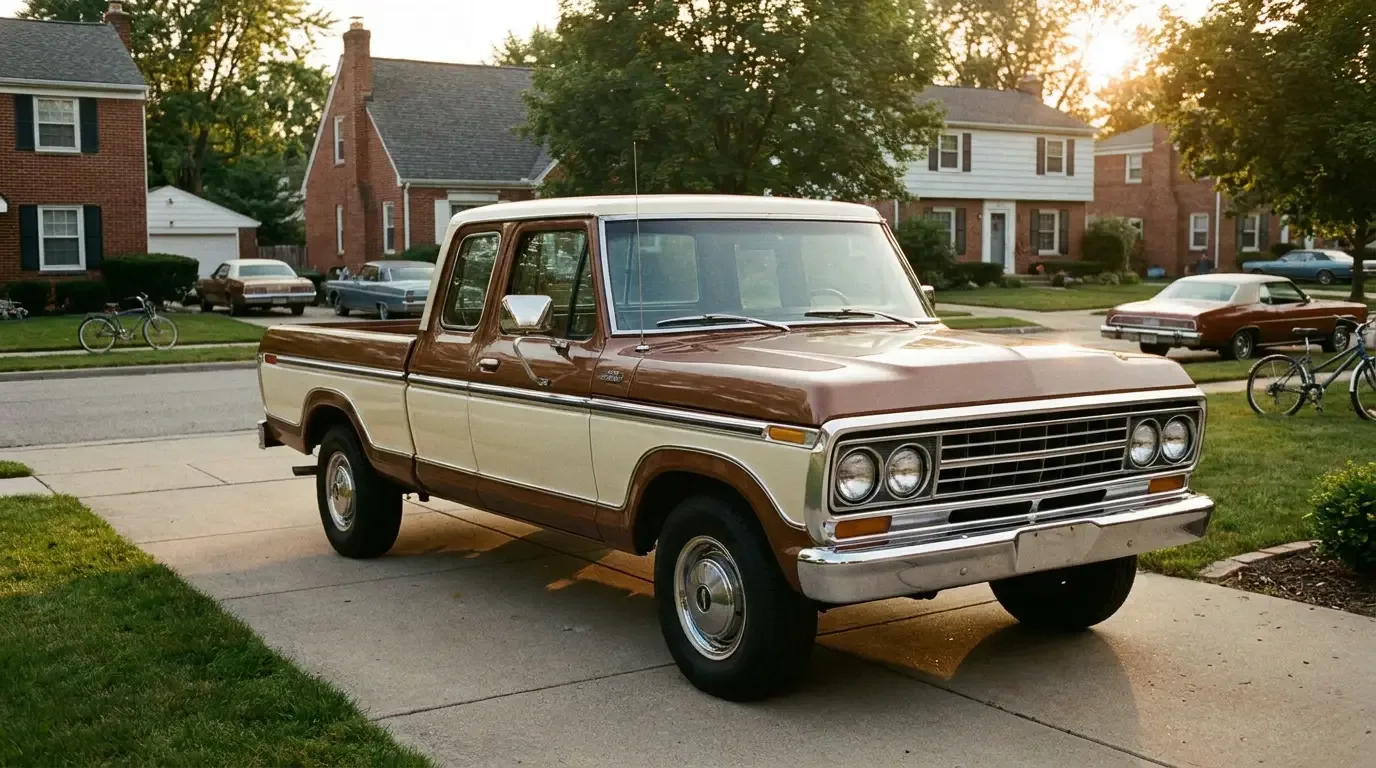
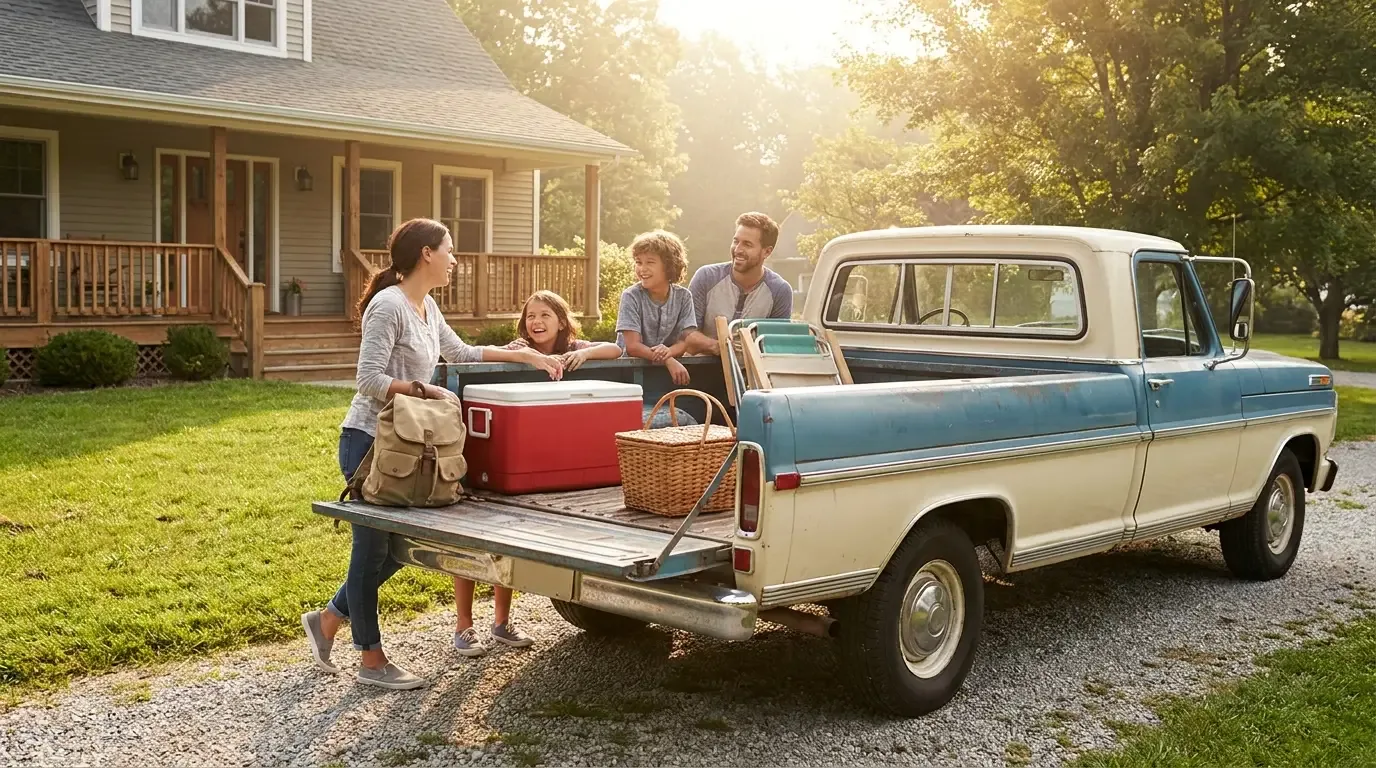
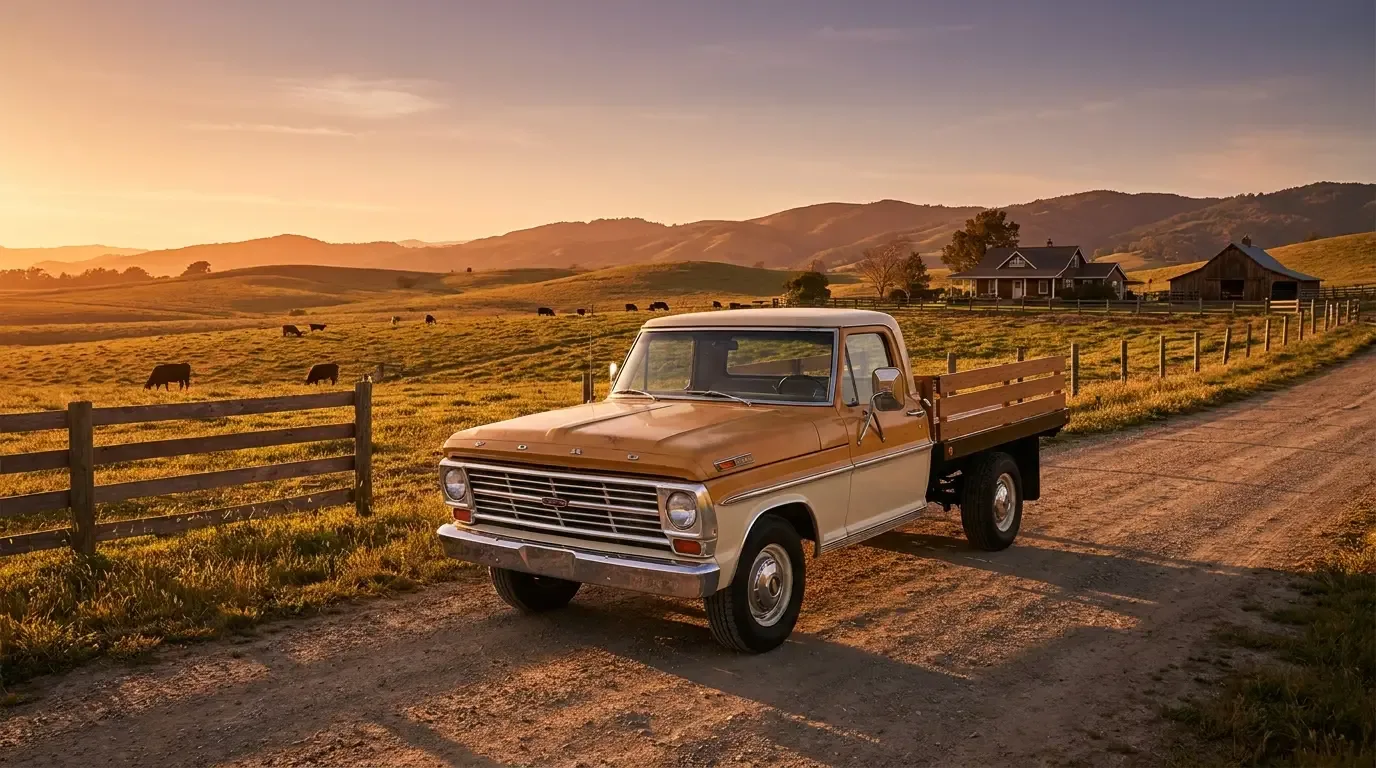
By the 1970s the option sheet is where the story is. Air conditioning, carpet, cloth or vinyl trim packages, better sound deadening. Crew cabs with four real doors meant a truck could carry a work crew during the week and a family on the weekend. The pickup was becoming a thing you lived with, not just a thing you loaded.
The 1980s bent the other way for a while. Fuel prices pushed the makers toward smaller, thriftier compact pickups, some shaped by imported competition. Electronic fuel injection started replacing carburetors on the light-truck engines, which meant easier cold starts and cleaner running. It was a decade of the truck getting practical and efficient rather than bigger.
Then the 1990s closed the loop. Extended cabs and four-door bodies became normal, big-inch V8s came back for the buyers who wanted them, and the full-size pickup climbed toward the very top of the national sales charts. At that point the truck was no longer a specialty purchase. For a lot of households it was simply the vehicle, the one that did everything, and that is roughly where the classic era hands off to the modern one.
Reading the timeline as a buyer
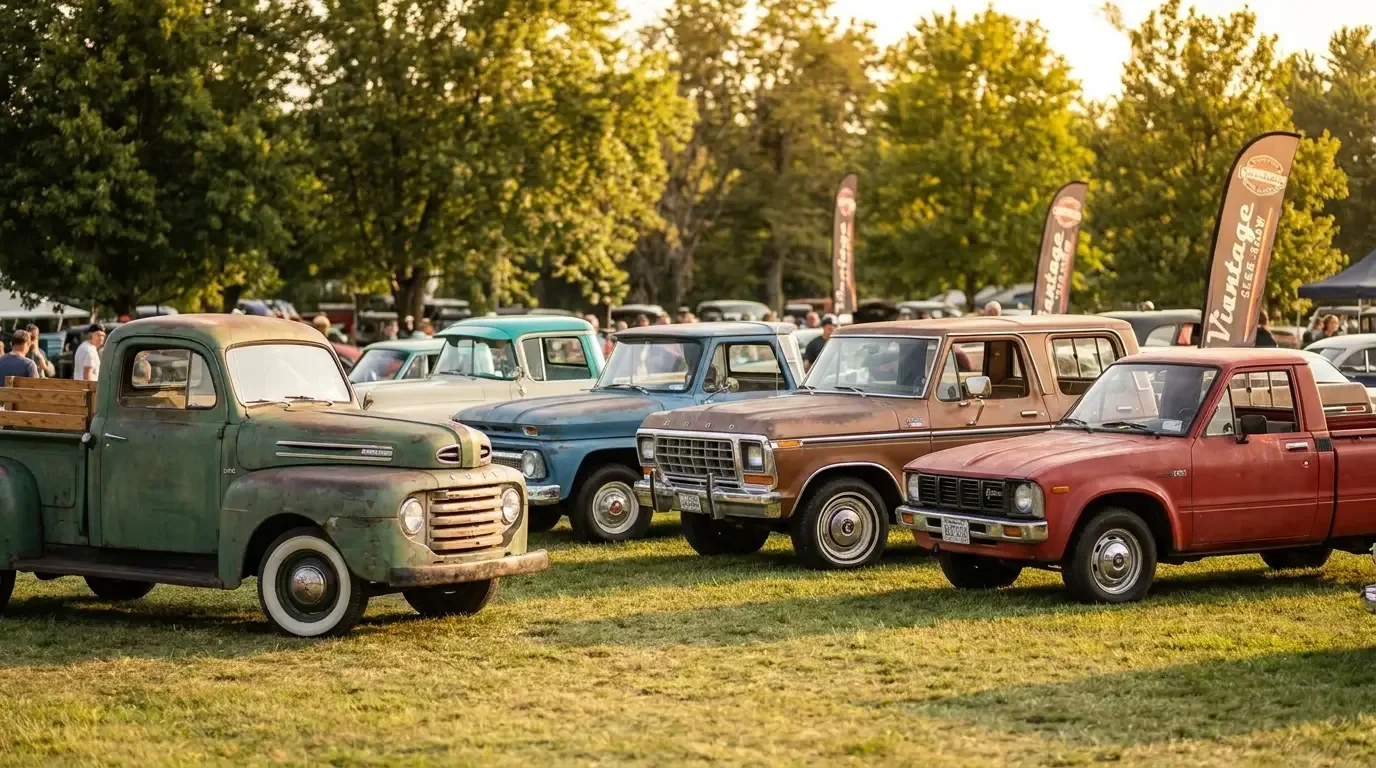
The reason this timeline is useful when you are shopping is that each decade carries its own restoration reality. A 1930s or 40s truck is charming and simple, but parts can be genuinely hard to find, and the mechanicals are basic by design. A 1950s or 60s truck hits the sweet spot most collectors chase: enough style and comfort to enjoy, strong reproduction-parts support, and engines that plenty of people still know how to rebuild. A 1970s or later truck gives you the most creature comforts and the easiest parts hunt, usually for the least money going in.
Pick your decade for what you actually want out of the truck, then judge the individual example on its own metal. Whatever the badge, the timeline tells you what that era was trying to do. The truck in front of you tells you whether it survived the years intact.
Sources and notes
- Factory service manuals and original owner's manuals for period specification and option details.
- Period road tests and manufacturer sales literature for model-year changes and marketing positioning.
- Marque and light-truck histories for the arc of design and engineering changes across decades.
- Casting-number and body-style reference guides for dating cabs, beds, and engines.
- Auction results and collector price guides for the general restoration-value picture, not specific sales.
- All dated milestones cross-checked against factory references and marque histories for exact model years.