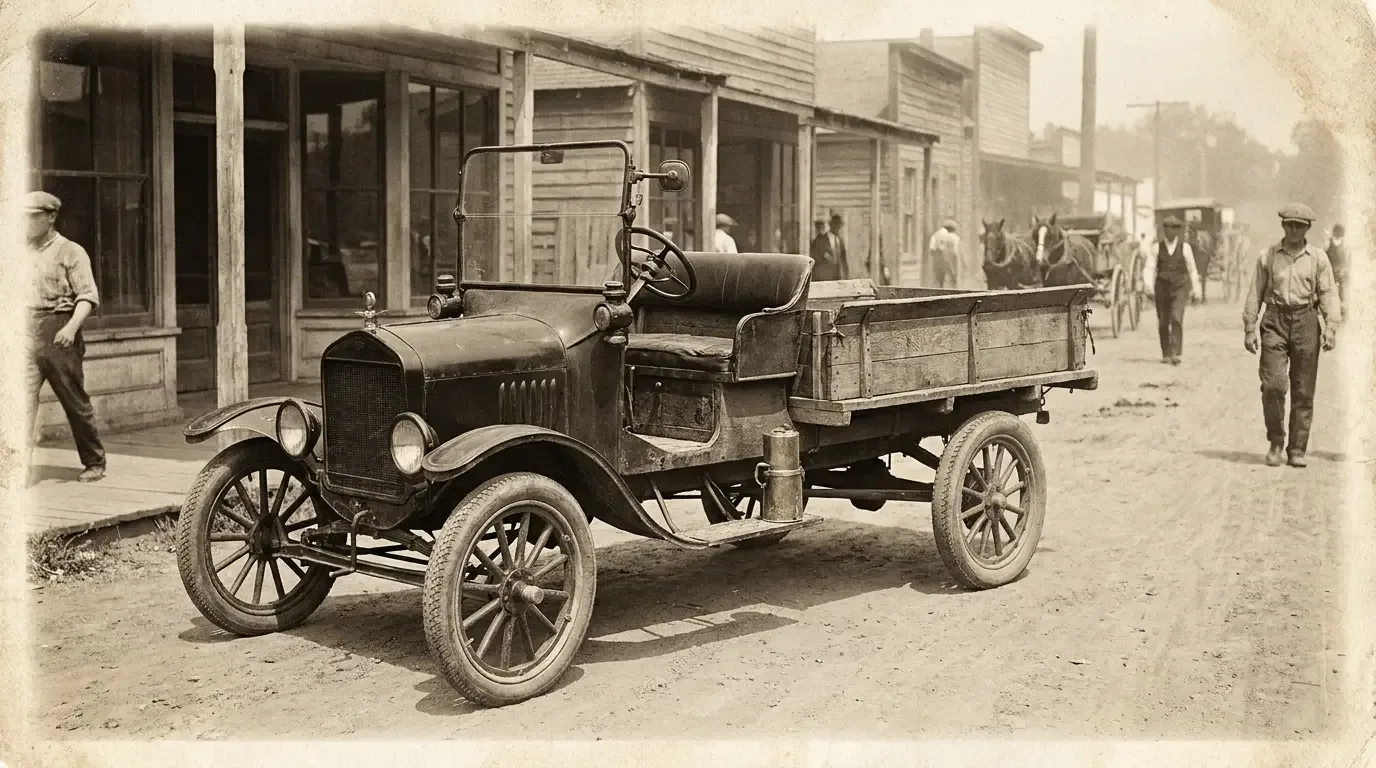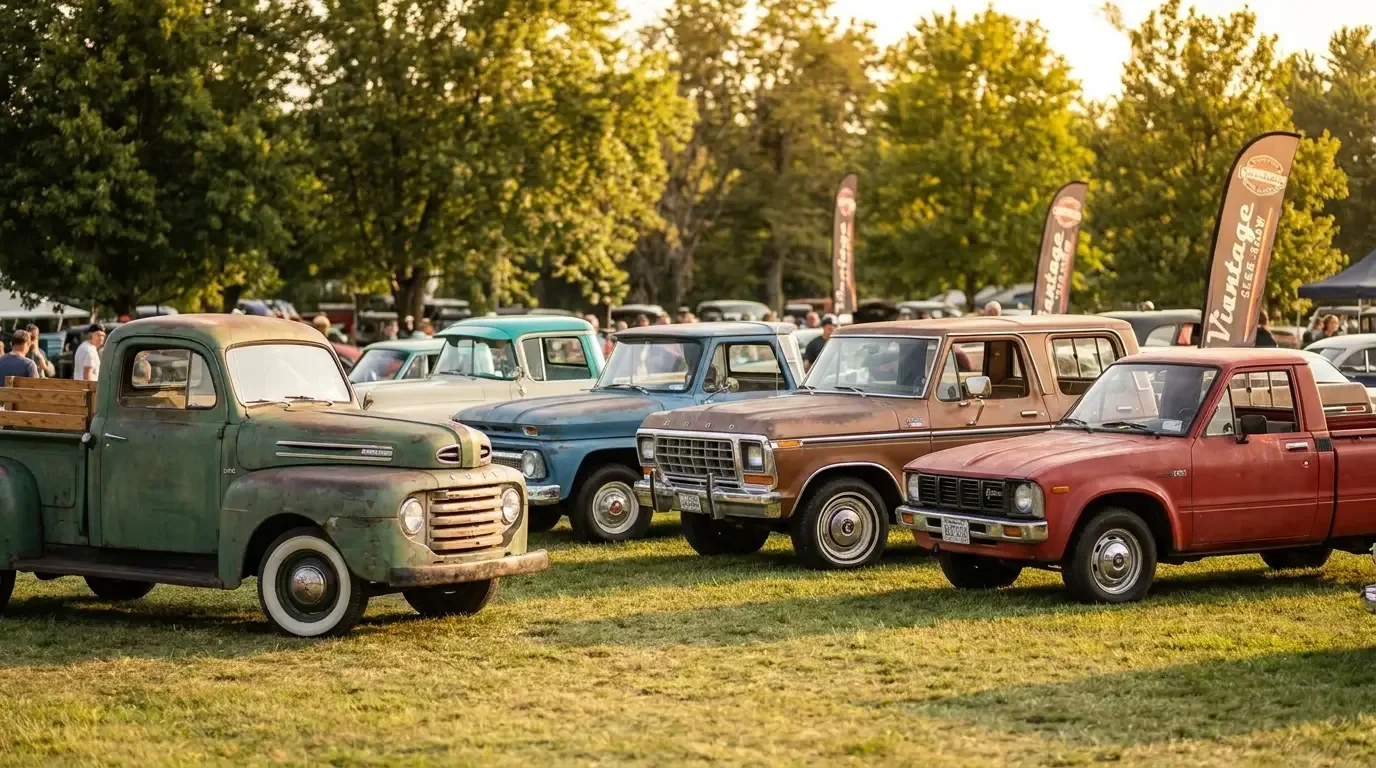

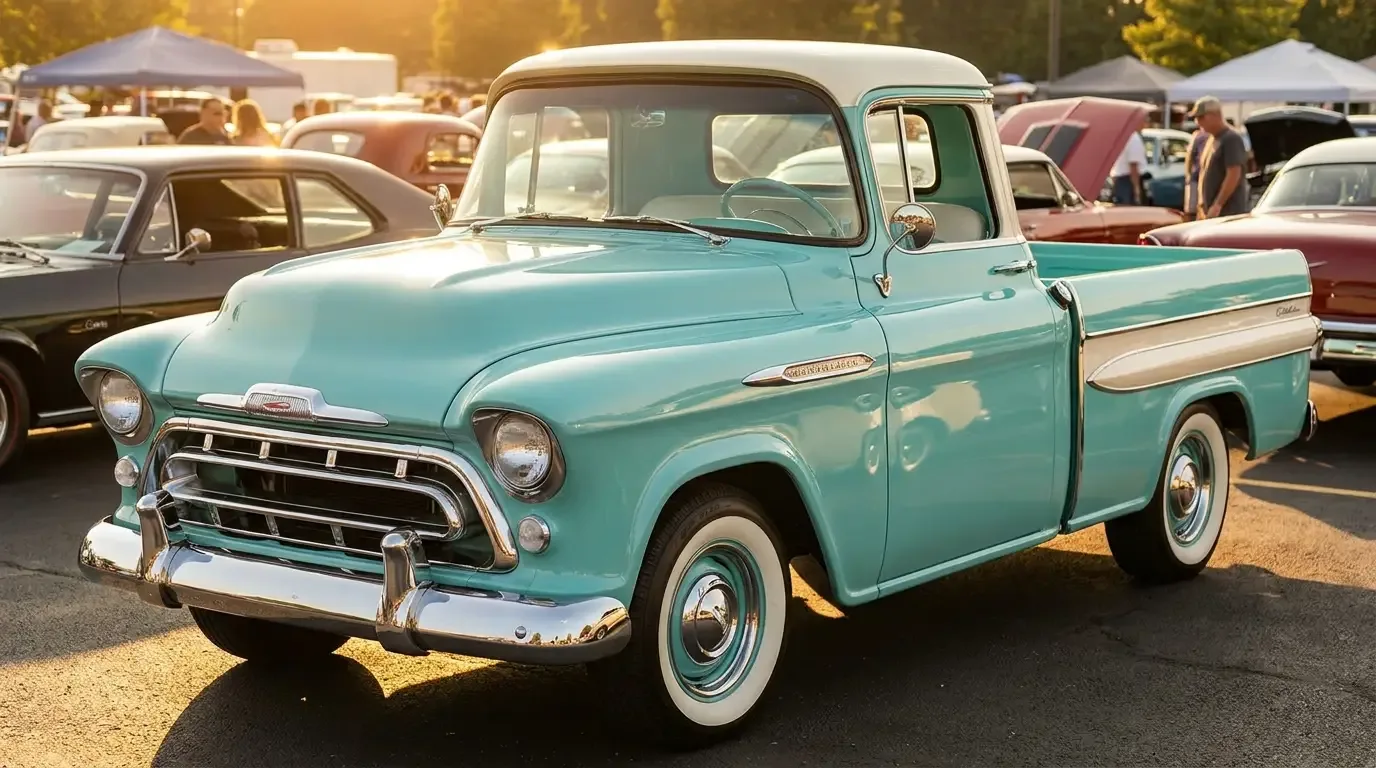
Go back to a truck built in the 1940s and you find a machine that made no apology for what it was. The cab was upright, the seat was a bench with a spring or two, and the dashboard held whatever gauges the factory thought a working man needed and nothing more. It hauled, it plowed, it carried feed. Then the 1950s arrived, and somewhere in that decade the American truck stopped being only a tool and started being something a person might actually want to own. This is the story of how that happened, and it is worth understanding if you are looking at trucks from this era, whether you are reading the complete history of the American pickup or just trying to figure out why a 1955 model looks so different from a 1949 one.
The short answer is that the truck caught up to the car. For decades the pickup had been a poor relation, styled last and cheapest. In the 1950s the same designers who were putting chrome and color on sedans finally turned their attention to the truck, and the result changed what buyers expected forever.
Styling arrives at the loading dock
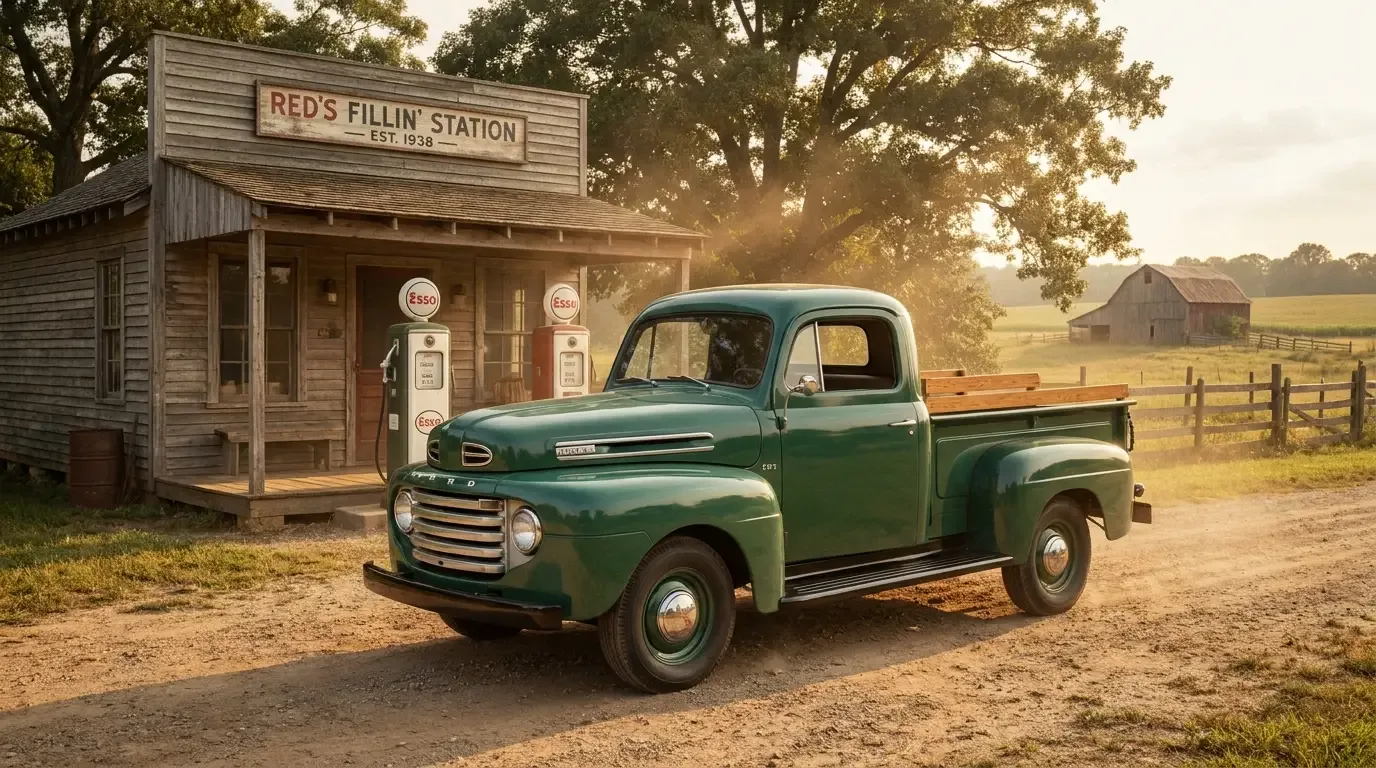
Early in the decade, trucks still wore the rounded, bulbous shapes carried over from the late 1940s. Fenders bulged, headlights sat in pods, and the whole front end looked like it had been drawn with a compass. That was the baseline. What changed was that the manufacturers realized a truck could be sold on its looks, not just its rated payload.
By the mid-1950s you see flatter hoods, wider grilles, and headlights integrated into the fenders rather than perched on top of them. The lines got longer and lower. Some designs borrowed directly from the passenger car parts bin, sharing sheet metal and trim ideas with the sedans built on the next assembly line over. This was deliberate. A buyer walking a dealer lot was now meant to feel that the truck belonged to the same modern family as the car he might buy for his wife.
The change was not only cosmetic. Wider grilles and lower hoods often came with real engineering underneath, but the point buyers noticed first was that the truck finally looked like it was made in the same decade they were living in.
The wraparound windshield and the modern cab
If one single feature marks the transition, it is the wraparound windshield. In the first half of the decade, most trucks used a flat two-piece windshield split by a center bar, or a simple curved single pane. Around the middle of the decade, the panoramic wraparound windshield that had appeared on cars started showing up on trucks. The glass curved back at the edges into the A-pillar, which opened up the corners of the cab and gave the driver a much wider field of view.
It looked modern because it was modern, and it changed the whole character of the cab. A wraparound windshield needs a wider, more open cab structure to support it, so the interior grew alongside the glass. Doors got bigger. Some models moved to a wider cab that could genuinely seat three across without everyone fighting for elbow room.
Wraparound glass also came with a cost that any restorer needs to respect. The sharply curved corners are expensive to reproduce and hard to seal properly, and original glass in good condition is a real find on these trucks.
"People get romantic about the wraparound glass, and I get it, it changed how these cabs feel to sit in. Just know what you are buying. Get under it with a light and check the bottom of the A-pillars where that glass meets the body. That corner traps water, and water finds rust. A pretty windshield sitting on a rotten pillar is not a bargain, it is a project."
— Robert Halloran
Chrome, color, and two-tone paint
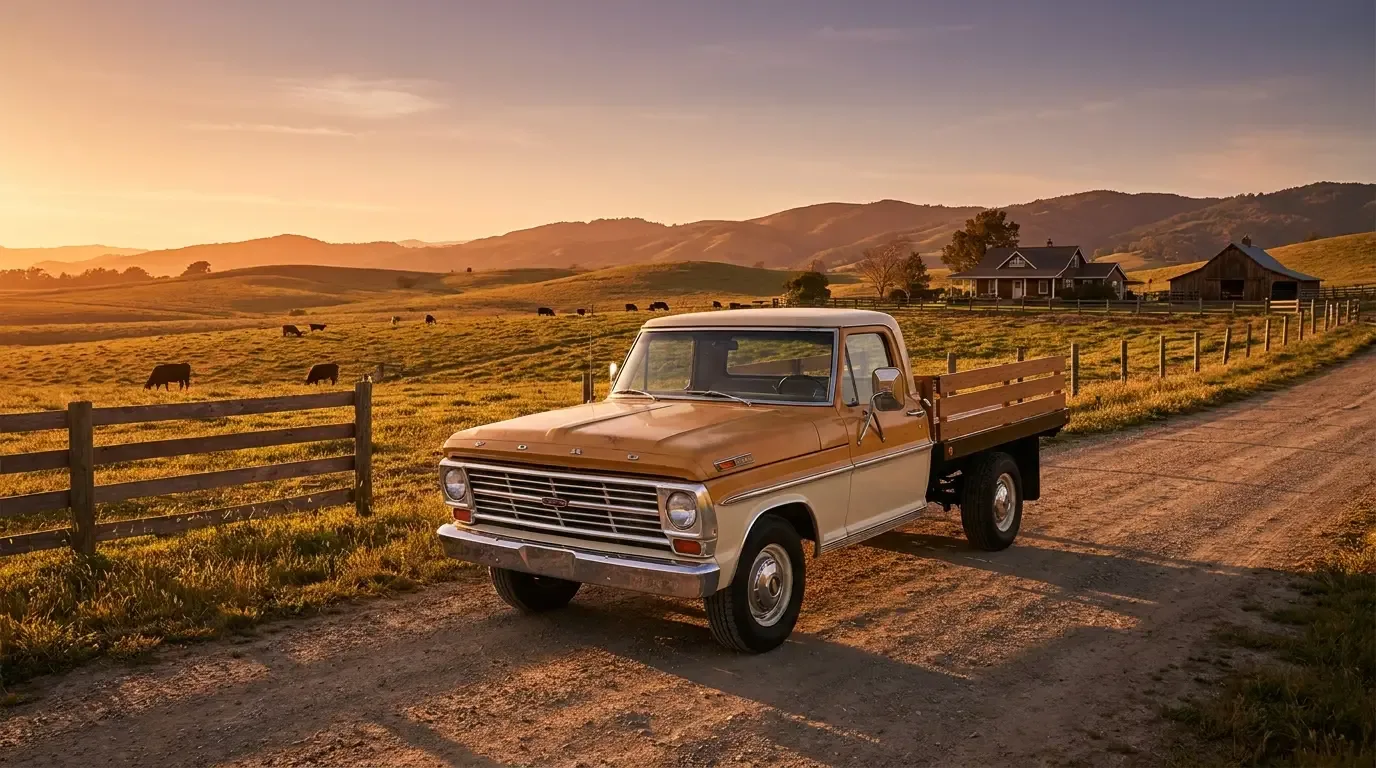
Nothing says 1950s truck like a two-tone paint job. Before this decade a truck was one color, usually a practical dark one, and often that color was chosen so it would not show dirt. In the 1950s the factories started offering trucks in the same bright colors and two-tone combinations that were selling cars. A different color on the roof, or a contrasting panel running down the body side, turned a work vehicle into something with a bit of personality.
Chrome followed the same path. Grilles got brightwork, bumpers got plating, and trim pieces appeared on the hood and along the body. On a base model you still got painted steel and not much shine, but the option sheet now let a buyer add glitter if he wanted it. The economics here matter for anyone buying today.
- A truck ordered with a two-tone deluxe package originally was a step up in price when new, and surviving examples with correct colors and trim tend to be worth more now.
- Reproduction chrome and stainless trim exist for the more popular models, but quality varies, and originals often look better than cheap replacements.
- Repainting a two-tone correctly is more labor than a single color, since the color break has to be masked cleanly, so factor that into any restoration estimate.
The larger point is that the option to spend money on appearance now existed at all. That was new. It signaled that the manufacturers had decided pride of ownership applied to trucks too.
Comfort finally reaches the driver
The 1950s cab did more than look better. It started to treat the driver like a person who spent long hours in the seat. Bench seats got better padding. Some models offered improved springs and a more forgiving ride. Heaters, once an option many buyers skipped, became more common and more effective. Interior trim moved beyond bare painted metal toward door panels and headliners that softened the space.
Instrument panels changed too. Instead of a scatter of round gauges on a flat steel dash, you started to see styled dashboards with the instruments grouped into a cluster, sometimes housed in a molded panel that matched the exterior color. Controls became easier to reach. None of this was luxury by modern standards, but compared to a truck from ten years earlier it was a different world inside.
| Feature | Late 1940s truck | Mid-to-late 1950s truck |
|---|---|---|
| Windshield | Flat, often two-piece with center bar | Curved, moving to wraparound panoramic |
| Paint | Usually single practical color | Bright colors and two-tone options |
| Cab width | Narrow, tight for three | Wider, genuine three-across on some models |
| Dashboard | Scattered round gauges on flat steel | Styled cluster, sometimes color-matched |
| Seat and ride | Basic bench, stiff springs | Better padding and softer ride on many models |
Put all of it together and you can see why collectors chase these trucks. A well-kept 1950s pickup is comfortable enough to drive and handsome enough to enjoy parked, which is exactly the balance the factories were chasing when they built them. If you want to see what the market offers, browse the 1950s classic trucks for sale and compare a base work truck against a loaded deluxe example. The difference in feel, and in price, tells the whole story of the decade.
Why the decade still matters
The 1950s set the template that trucks have followed ever since. Once buyers learned that a pickup could be comfortable, good-looking, and personal without giving up its ability to work, there was no going back. Every truck sold on style since then owes something to what happened in this ten-year stretch. That is why these trucks sit at the heart of any serious look at how the segment developed, and why they earn their place in the classic American truck story.
For a buyer today, the practical takeaway is simple. The features that make a 1950s truck desirable, the wraparound glass, the chrome, the two-tone paint, the improved cab, are also the features that cost the most to restore correctly. Buy the best original example you can afford, because chasing correctness after the fact is where budgets disappear.
Sources and notes
- Factory service manuals and owner's manuals from major 1950s truck manufacturers, for cab, glass, and trim specifications.
- Period road tests and truck buyer's guides from the 1950s, for contemporary descriptions of styling and comfort features.
- Marque and model histories covering American light-truck development across the decade.
- Restoration guides and reproduction-parts catalogs, for notes on glass, chrome, and two-tone paint work.
- Auction results and collector-market guides, for general observations on how originality and deluxe trim affect value.