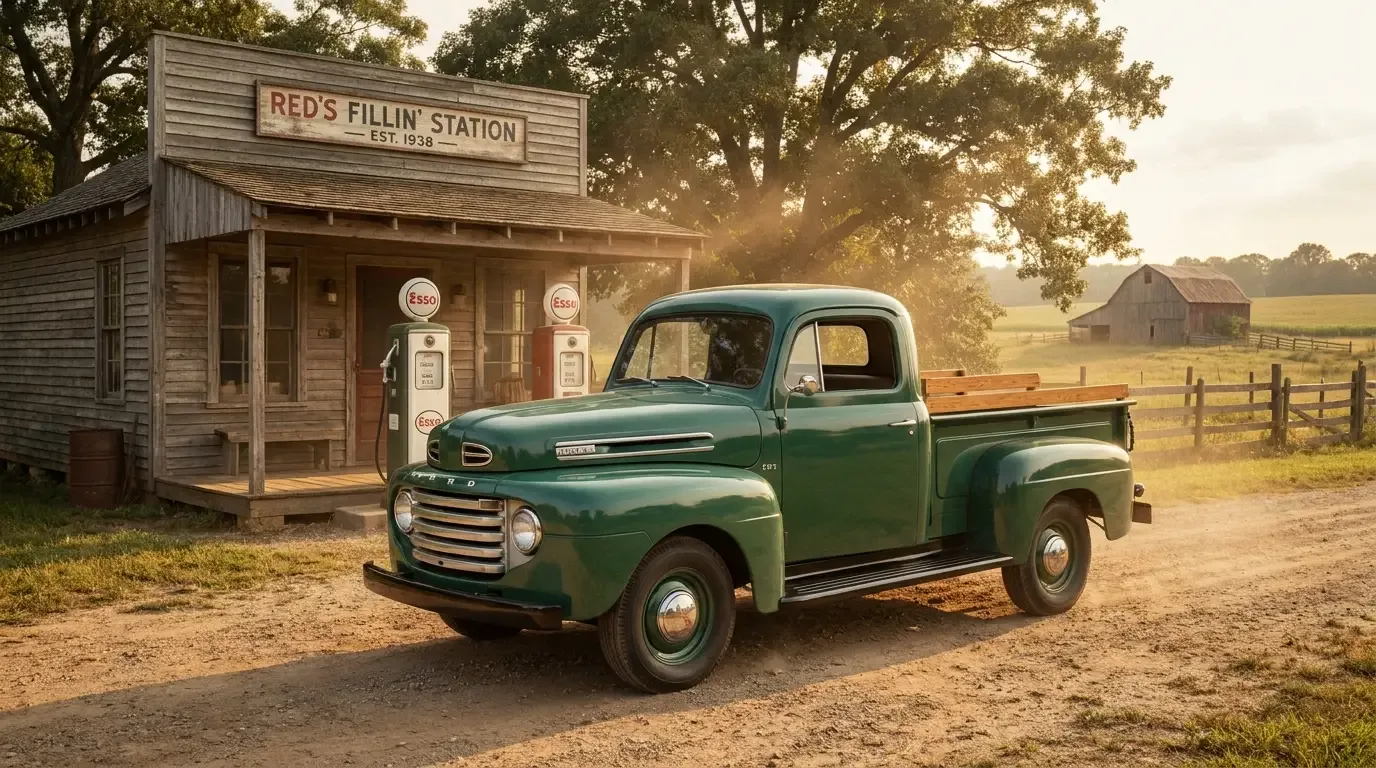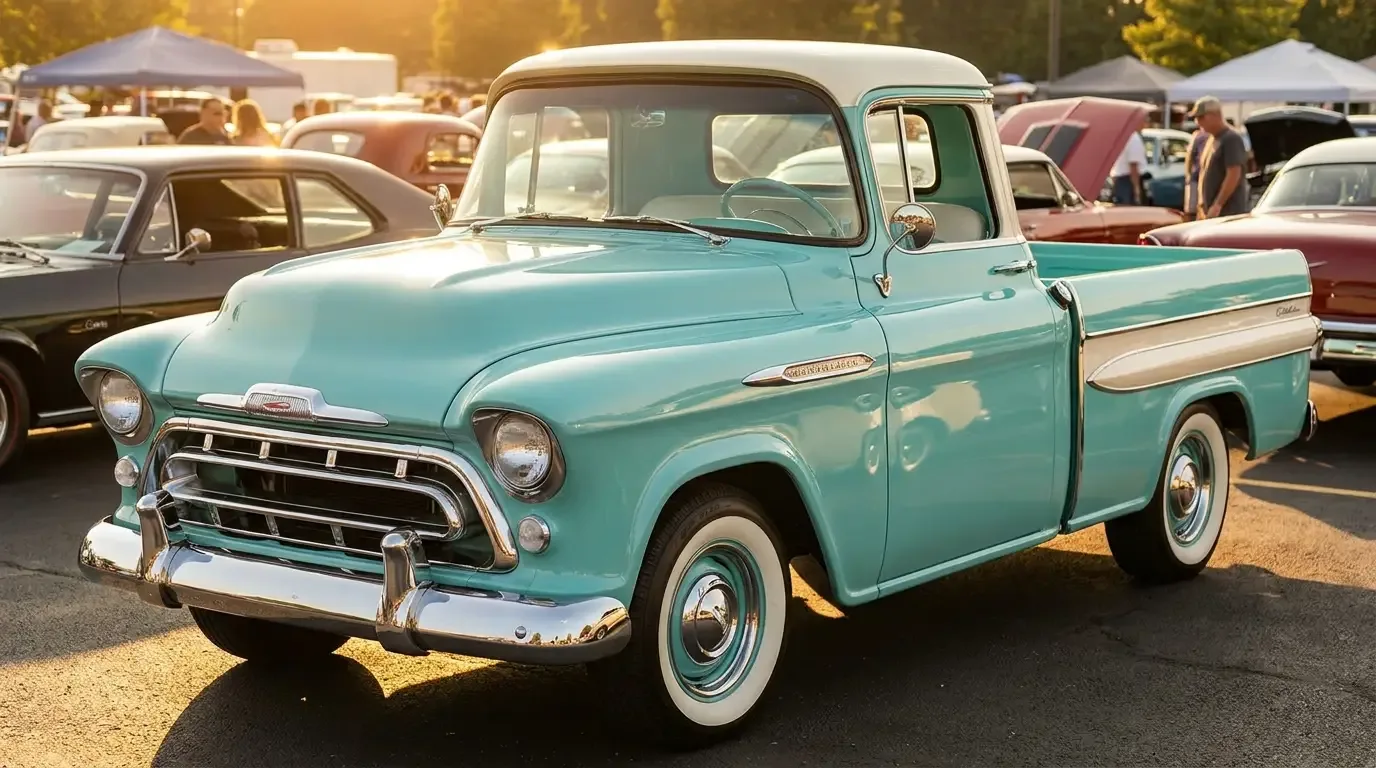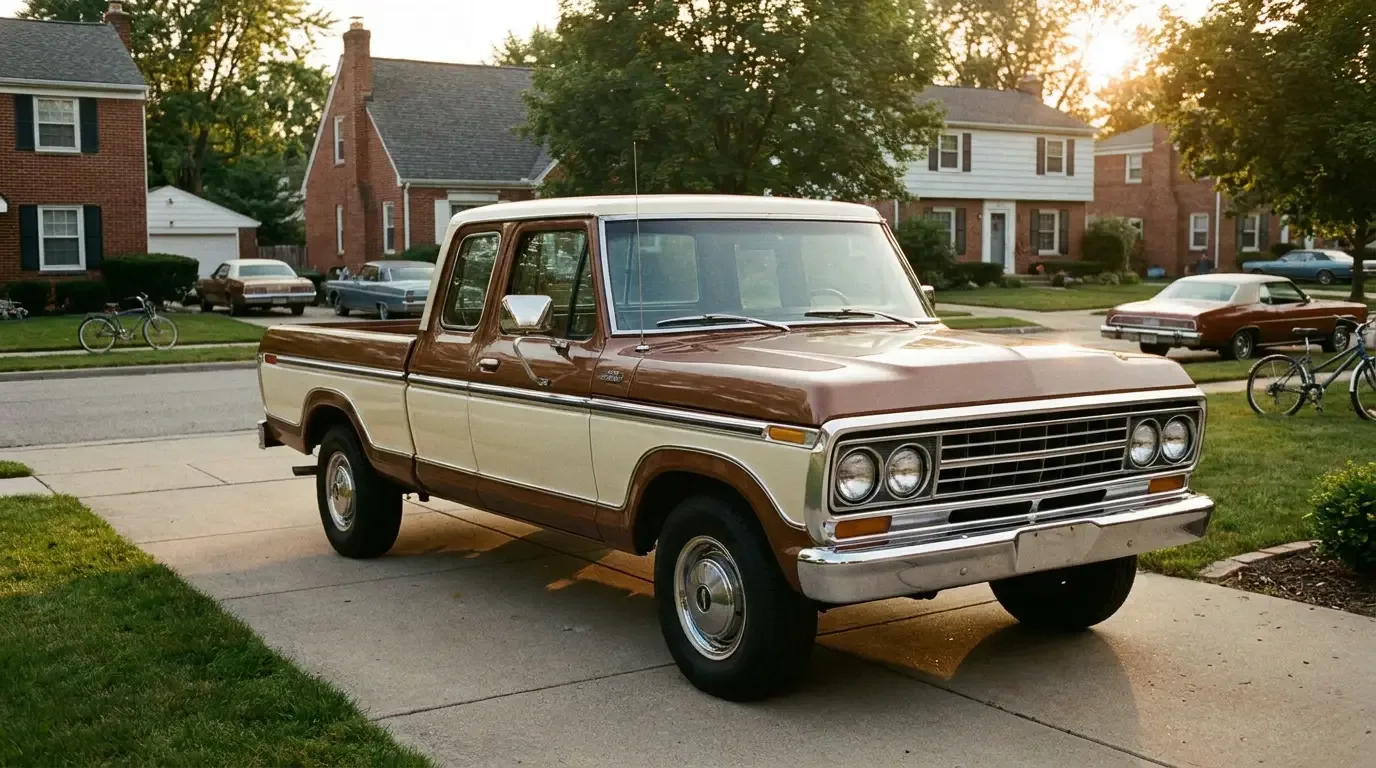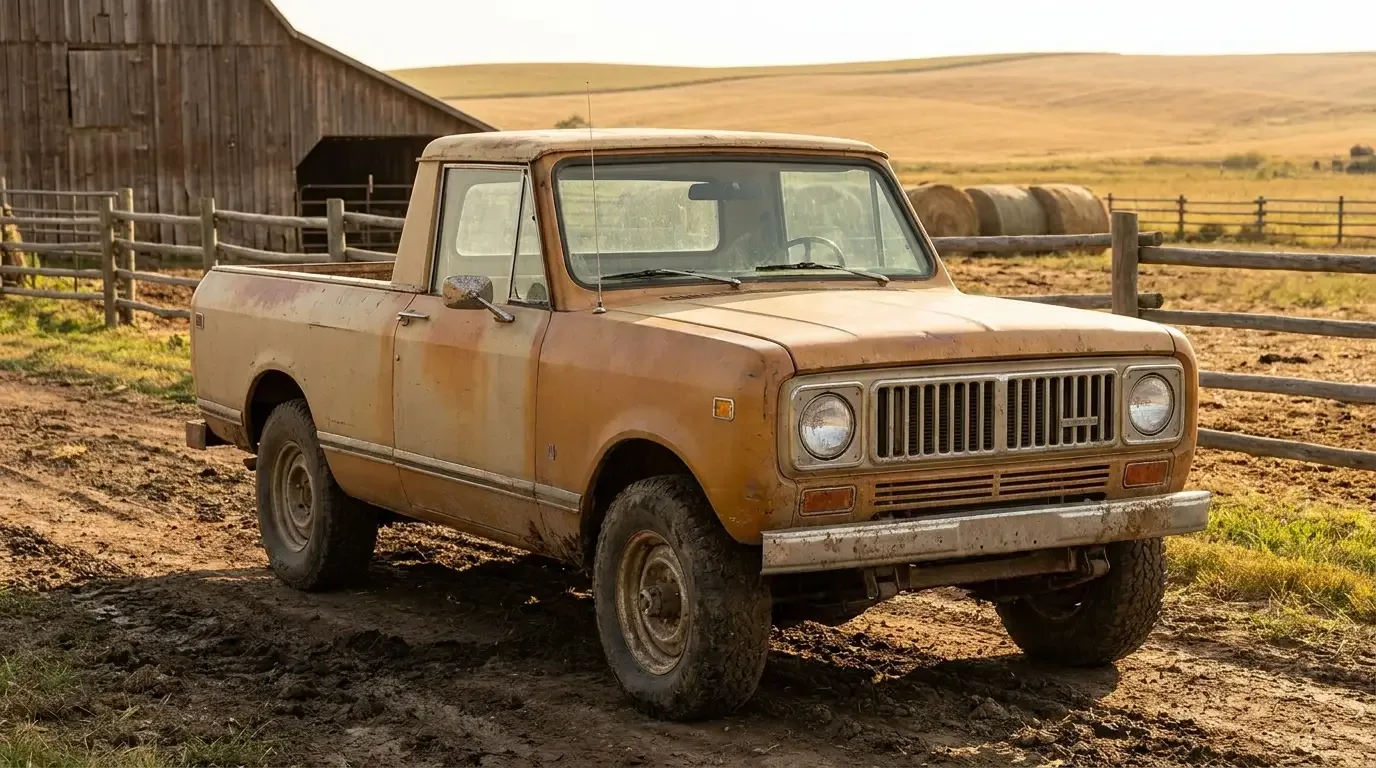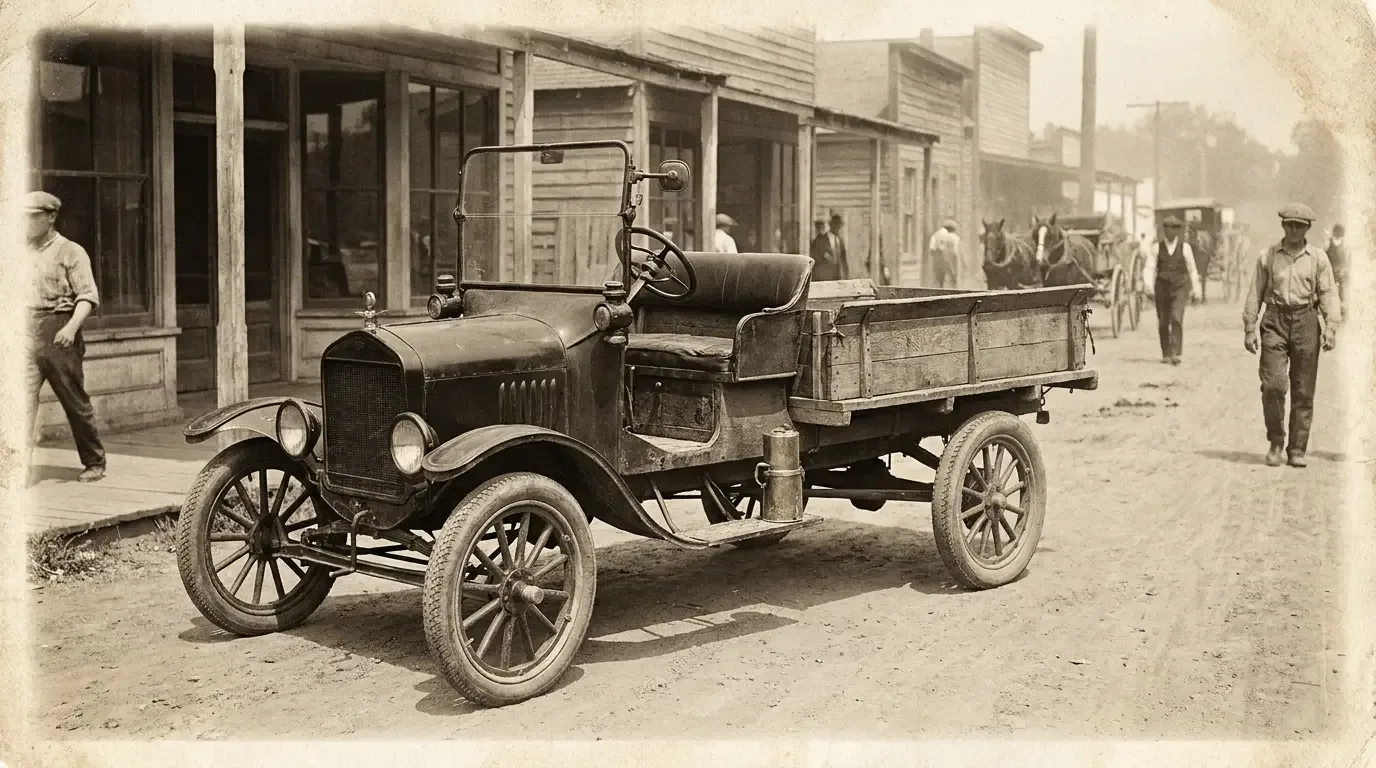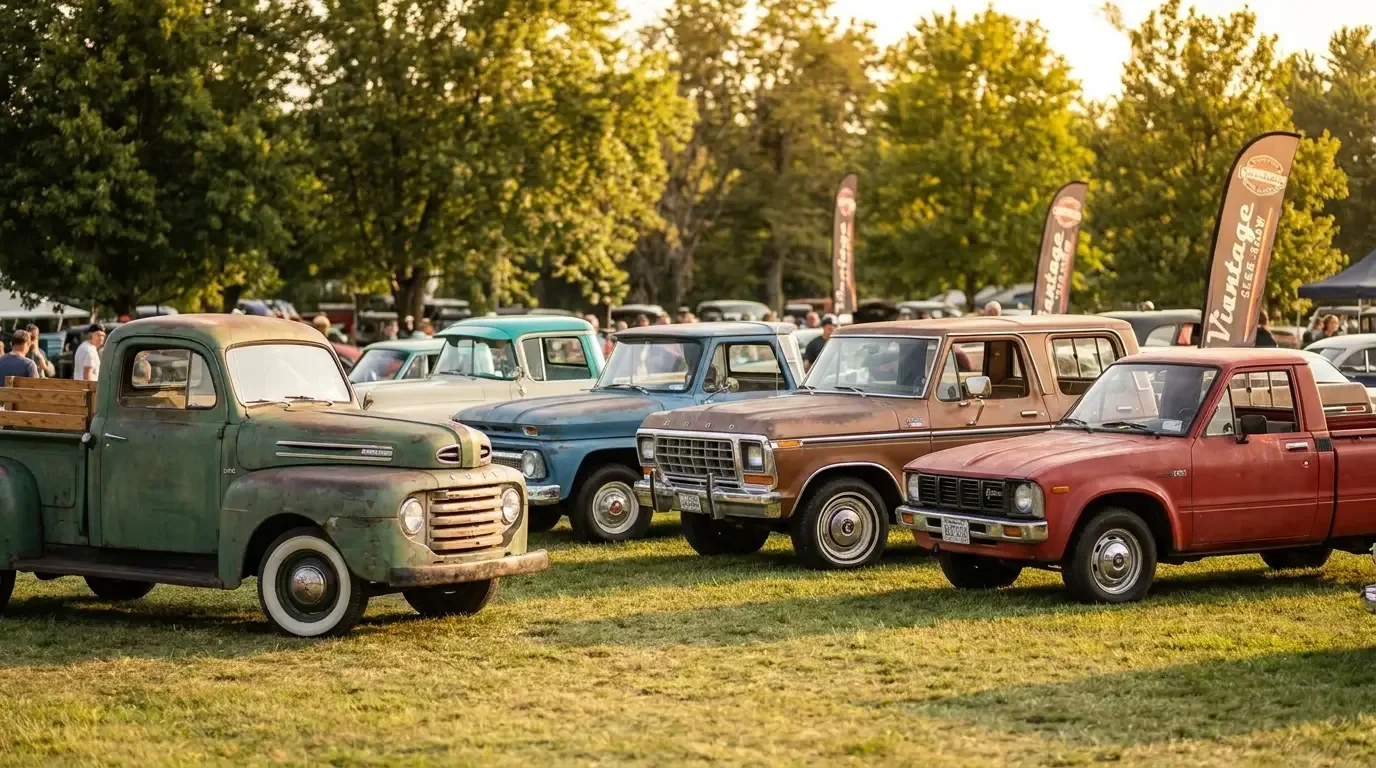

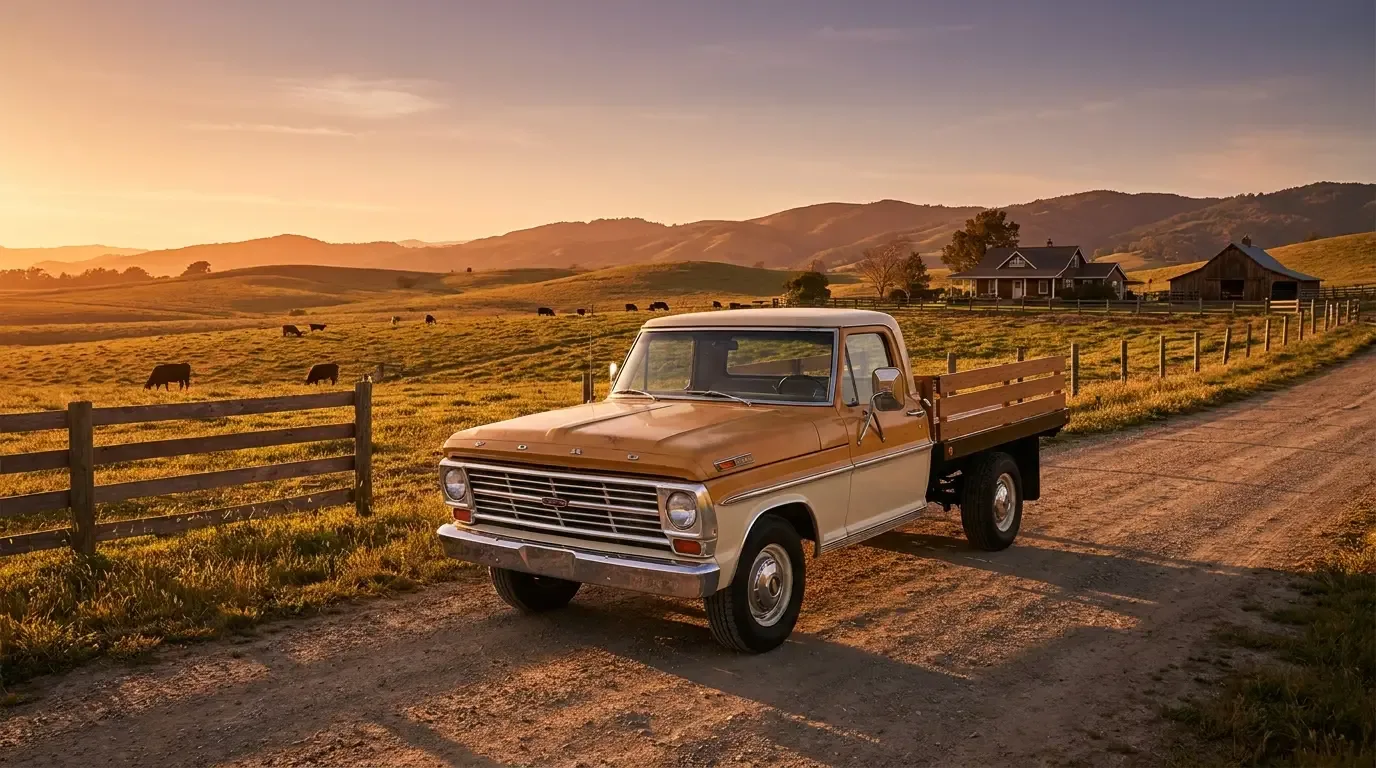
Ask a room full of truck people to name the best decade, and the argument gets loud fast. Somebody always votes for the 1950s, all curves and chrome. Somebody else holds out for the square-body trucks that ran into the 1980s because you can still get parts at any counter. But when the shouting dies down, the 1960s keep winning the room. That is not nostalgia talking. It is what happens when you line up styling, engineering, and price against each other and ask which decade got the balance right. For the longer arc of how these trucks came to be, read the history of the American pickup. This piece is about why the middle of that story is the part collectors keep coming back to.
Styling that stopped trying too hard
The 1950s pickup was a show-off. Fat fenders, a face full of chrome, and a lot of it aging badly the second the fashion moved on. By the early 1960s the shapes calmed down. Bodies got lower and cleaner, the fender lines ran straighter, and the cabs sat wider so three people could actually fit across the bench. The look reads as honest work rather than costume.
Part of that came from a real engineering shift. Manufacturers moved toward wider, lower cabs and, on some lines, the "fleetside" or smooth-side bed that ran the sheet metal in one clean plane instead of the old separate rear fenders. A smooth-side bed is a simple change, but it is the one that makes a 1960s truck look modern next to its predecessor. It also gave you more usable bed width, which mattered to the people actually hauling with these things.
There is a practical angle here that collectors care about. A clean, flat-paneled truck is easier to restore than one covered in trim and bright work. Fewer pot-metal castings to find, fewer chrome pieces to re-plate at a price that stings. When a decade's styling is simple, the restoration bill tends to follow.
"A 60s truck doesn't hide anything from you. What you see is what you fix. That is worth more than another strip of chrome."
— Robert Halloran
Independent front suspension shows up
This is the engineering change that earns the decade its reputation. Through the 1950s most pickups rode on a solid front axle, usually on leaf springs. It was tough and cheap to fix, but it beat you up on the road and it wandered. During the 1960s, independent front suspension started appearing on mainstream half-ton trucks, with coil springs on some designs. Chevrolet and GMC brought independent front suspension to their 1960 light-duty line, using torsion bars up front, before switching to coil springs in the 1963 redesign.
What that means from the driver's seat is simple. The truck rides flatter, tracks straighter, and does not fight you on a two-lane road. For a vehicle you might actually want to drive to a show three hours away instead of trailering, that is the difference between a fun day and a sore back. A solid-axle truck has its own fans, and there is nothing wrong with one, but IFS is a big part of why a 1960s truck feels usable in modern traffic.
The V8 stops being a special order
Early on, a pickup engine was almost always a straight-six. Dependable, cheap, and slow. Through the 1960s the V8 moved from an oddity to a normal box to tick on the order sheet. By the middle of the decade a small-block V8 was widely available across the domestic half-ton lines, and by the end of it a V8 was the expected choice for a lot of buyers.
That matters two ways for a collector. First, the trucks are simply nicer to live with. A V8 half-ton keeps up with traffic and pulls a small trailer without drama. Second, these engines were made by the million, which keeps them cheap to rebuild and easy to find parts for. A worn V8 in a 1960s truck is not a project killer. It is a known quantity.
Keep the era in perspective, though. These were mild engines by later standards, with modest compression and factory power figures that sound low on paper. Do not chase a period brochure horsepower number as if it were exact, and be careful with any seller who quotes one to the digit. What you are buying is torque low in the rev range and a wide parts supply, not a muscle-car dyno sheet.
| What changed across the 1960s | Why collectors care |
|---|---|
| Cleaner, lower, flat-paneled bodies | Cheaper to restore, fewer trim pieces to source |
| Independent front suspension arriving on half-tons | Rides flat, tracks straight, usable on modern roads |
| V8 options becoming standard rather than rare | Livable performance, cheap and easy rebuilds |
| Simple carbureted, points-ignition drivetrains | You can fix them in a driveway with hand tools |
Simple enough to fix, capable enough to use
Here is the part that gets undersold. A 1960s truck is still simple. Carburetor, points ignition, mechanical everything you care about, a wiring harness you can trace end to end without a laptop. There is no engine computer to fault-code, no emissions plumbing to chase, no proprietary module that stops production the day the supplier folds. If you can turn a wrench, you can keep one of these on the road indefinitely.
But it is not primitive the way a prewar truck is. You get a real cab, a heater that works, a bed you can load, and on later trucks a ride that does not punish you. That combination, old-simple to fix but new-enough to use, is narrow. The decades on either side each give up one half of it. That is the sweet spot people mean when they call the 1960s the golden age classic trucks era.
The economics back it up. Because these trucks were built as tools and used hard, plenty survived in rough but honest shape, and the parts supply is deep. That keeps a driver-quality truck within reach instead of collector-only money. A clean, running example is a lot of truck for what it costs, and the restoration math tends to make sense rather than swallow you whole.
Where to start looking
If the decade has sold you, the good news is there is still a healthy supply out there in every condition from barn find to show truck. Because these were mass-market vehicles rather than limited runs, you can shop on condition and price instead of settling for whatever turns up. Browse the current 1960s classic trucks for sale to see what the market looks like right now and where the honest deals sit.
Whatever you land on, the reason the decade holds up is the same across every model. Clean styling that ages well, suspension that finally rides right, a V8 you can actually get parts for, and a machine simple enough to keep running yourself. That is not the most of any one thing. It is the best mix of all of them, which is exactly why the argument keeps ending here.
Sources and notes
- Factory service manuals and owner literature from the major domestic light-truck lines of the 1960s.
- Period road tests and buyer guides covering half-ton pickup suspension and engine options.
- Marque and model histories documenting the shift to independent front suspension and smooth-side beds.
- General auction results and collector market observations for driver-grade 1960s pickups.