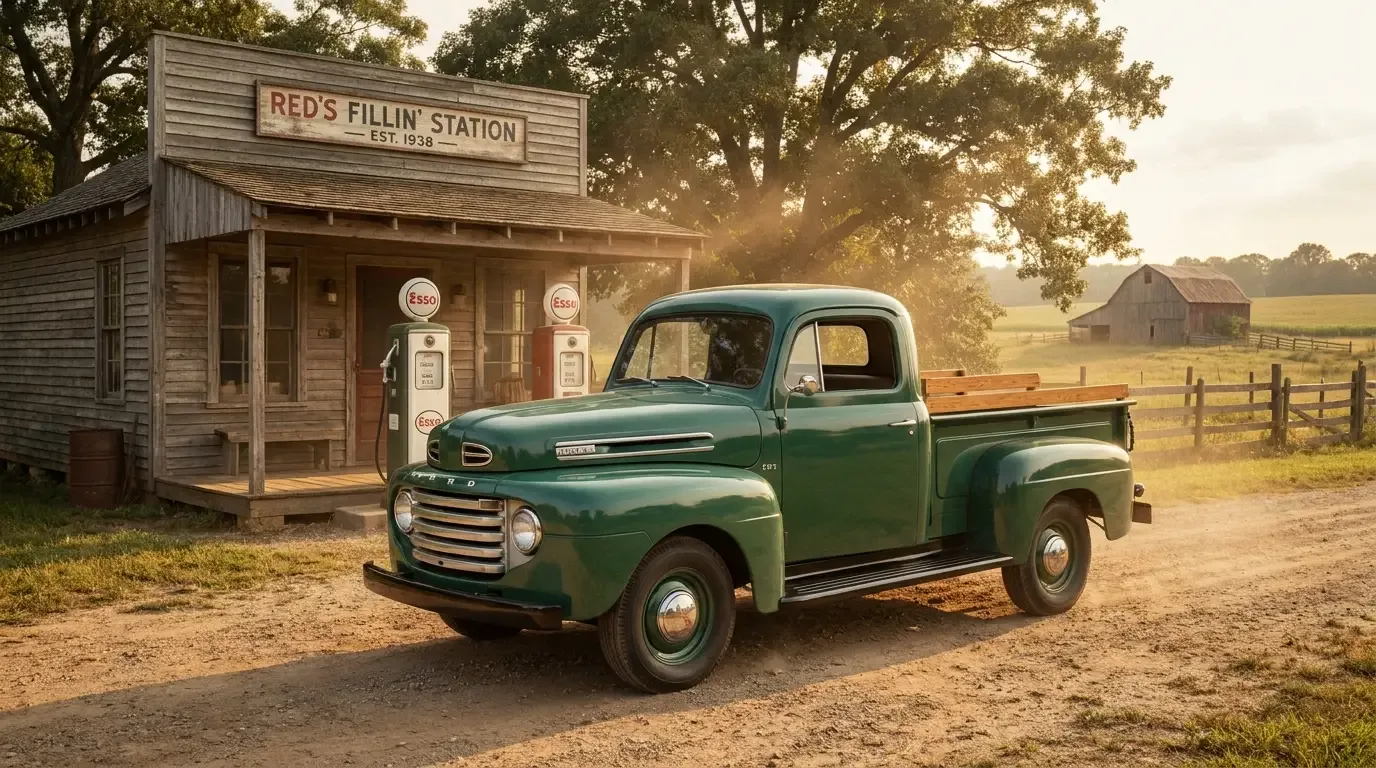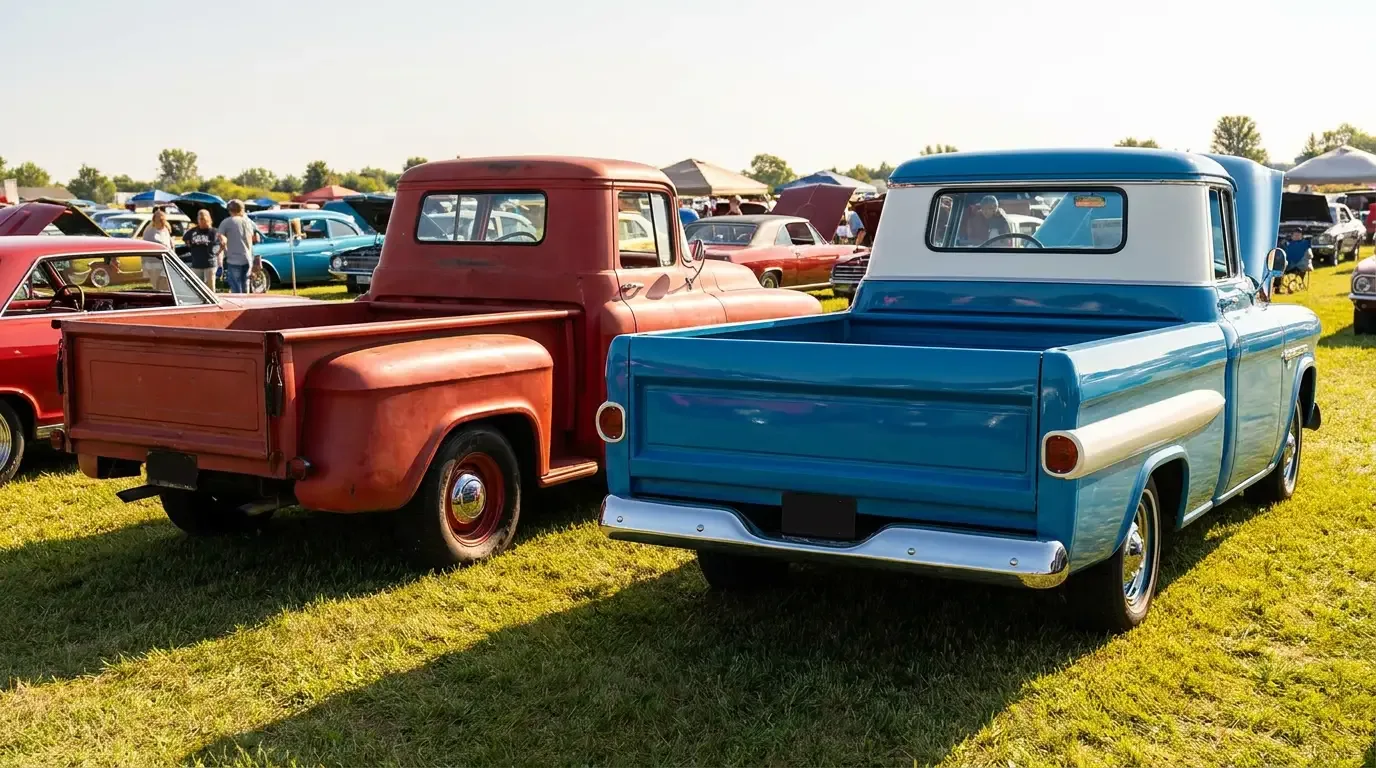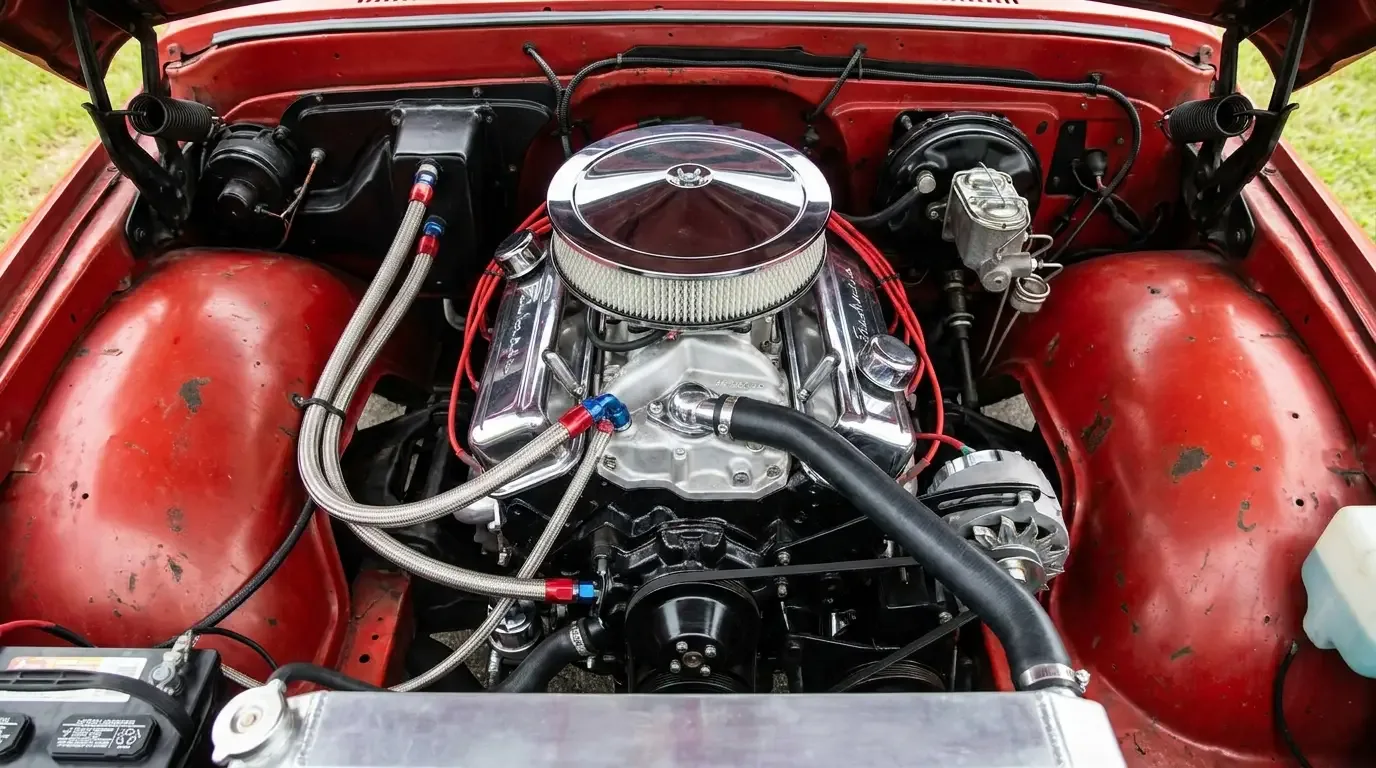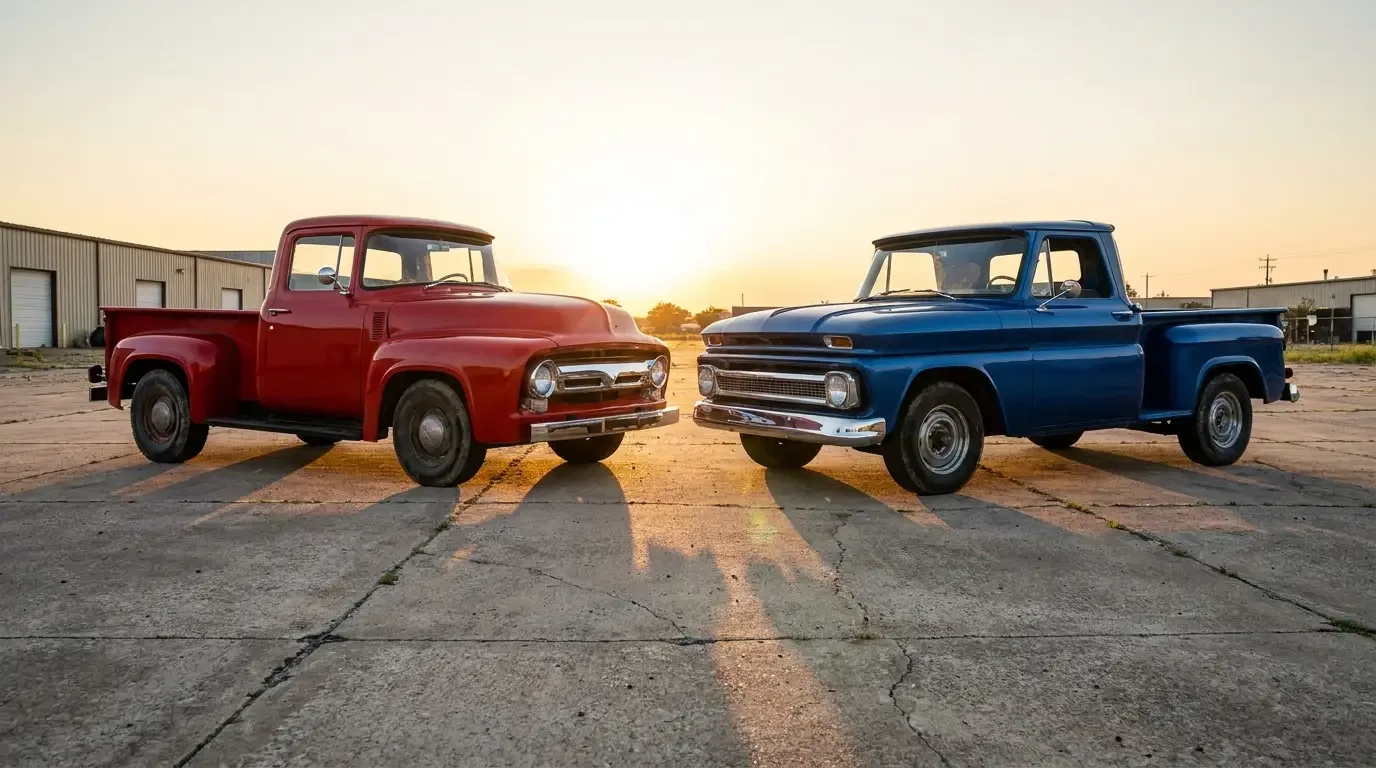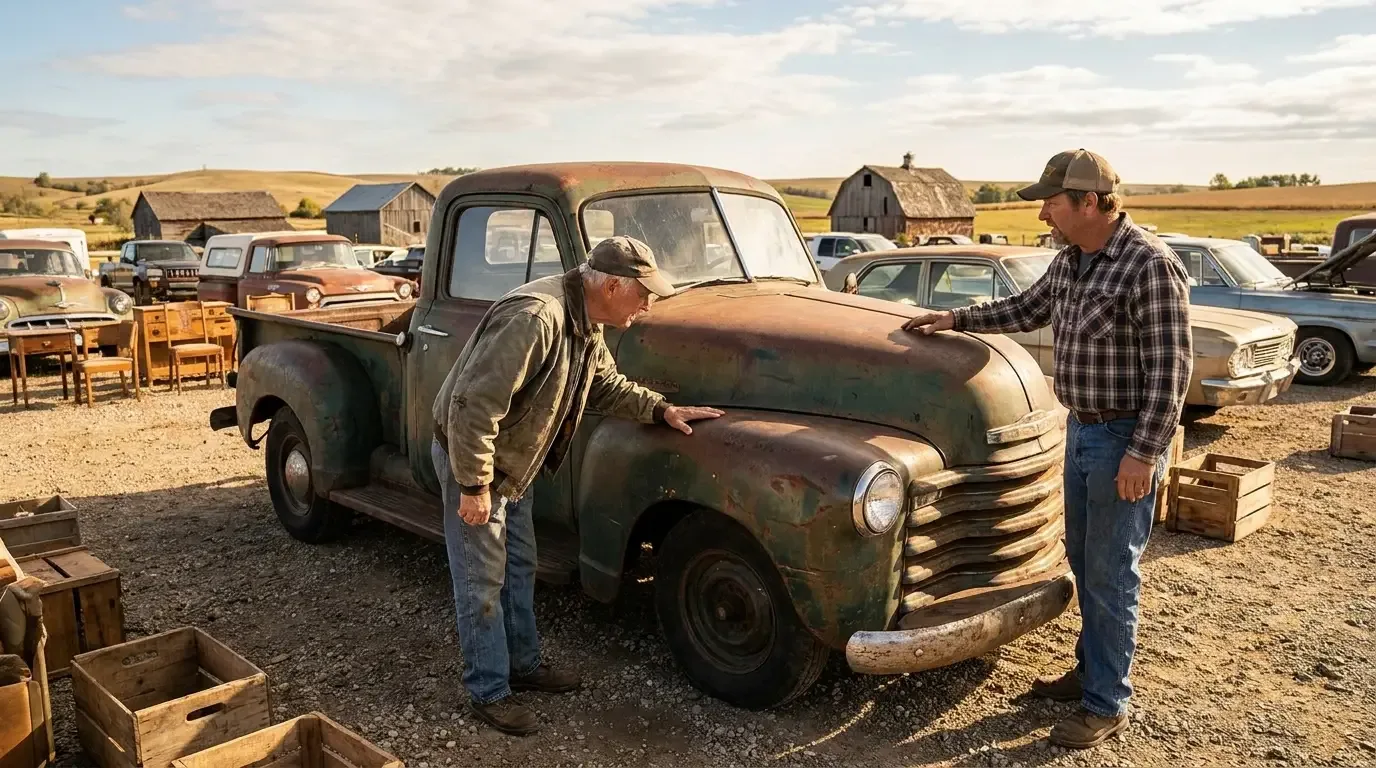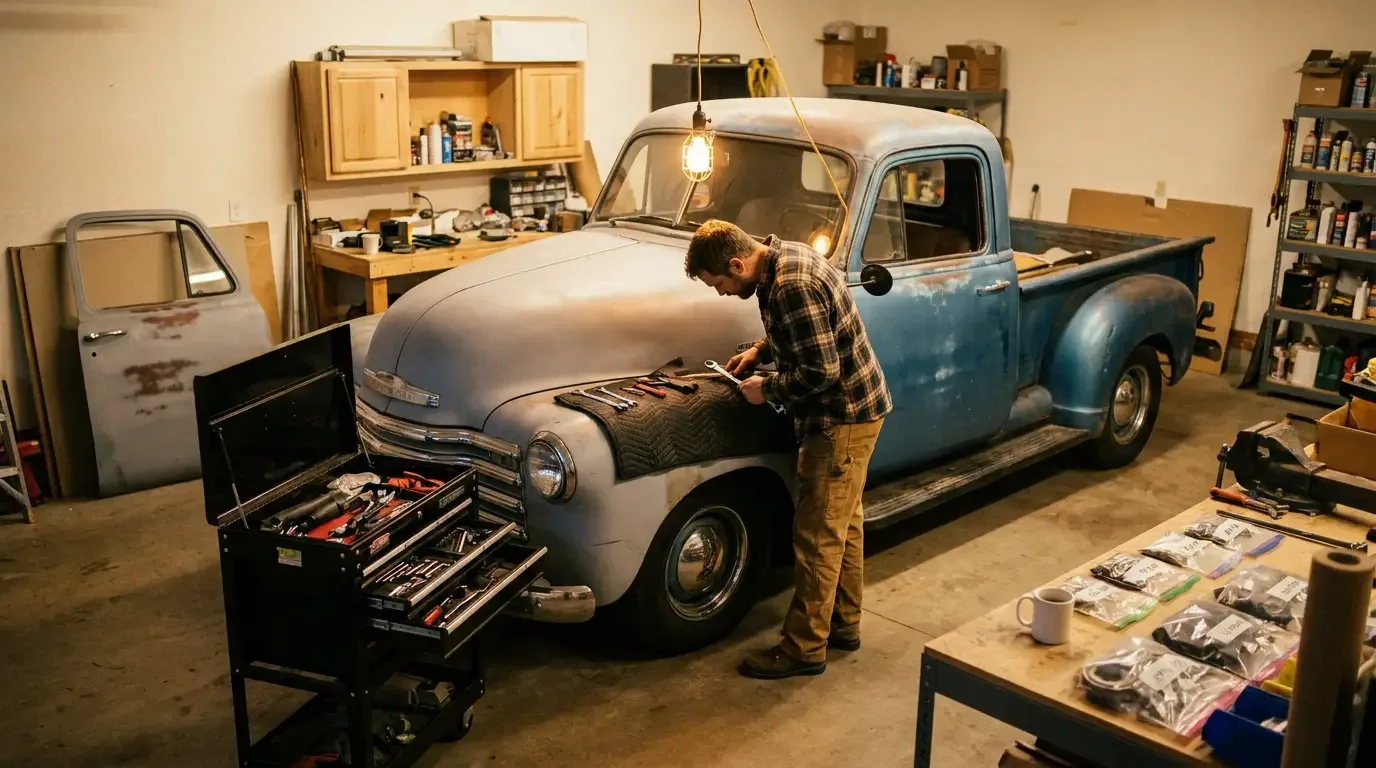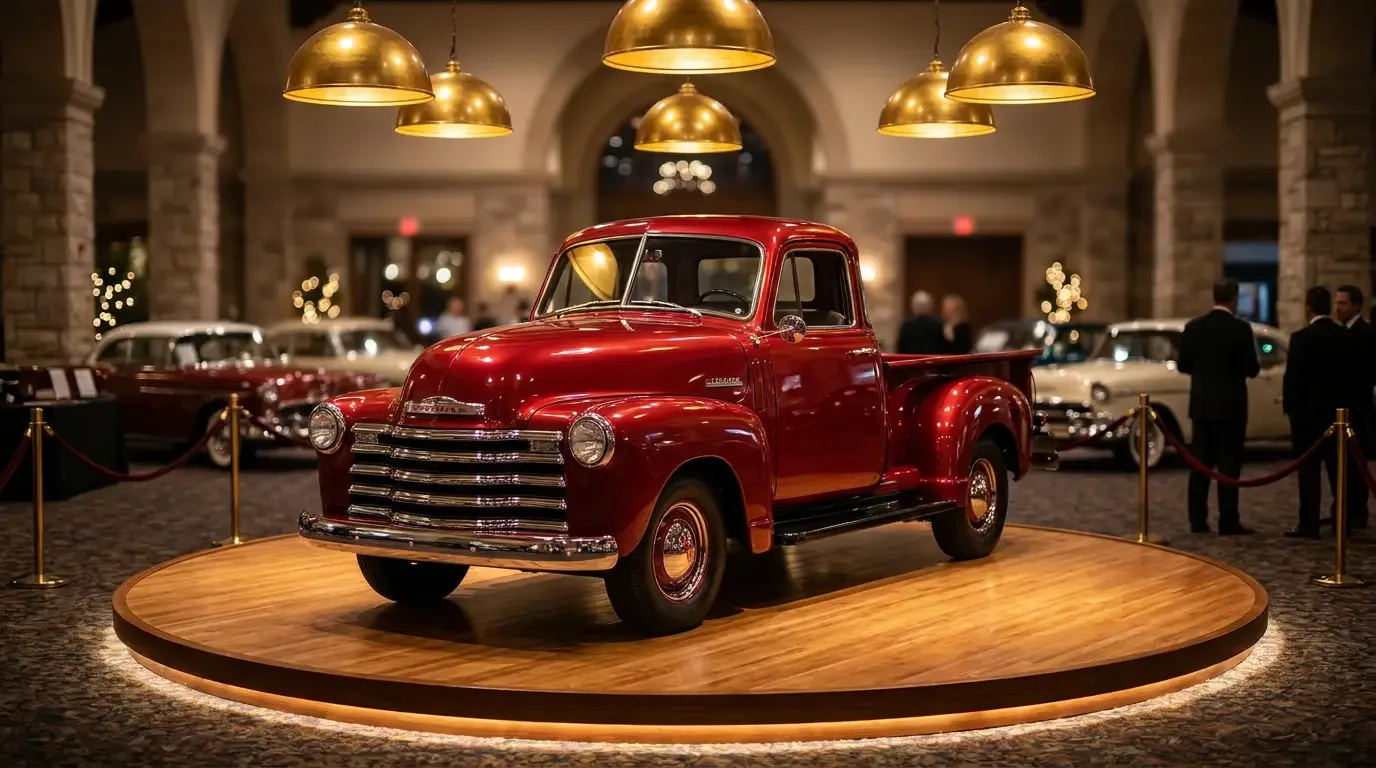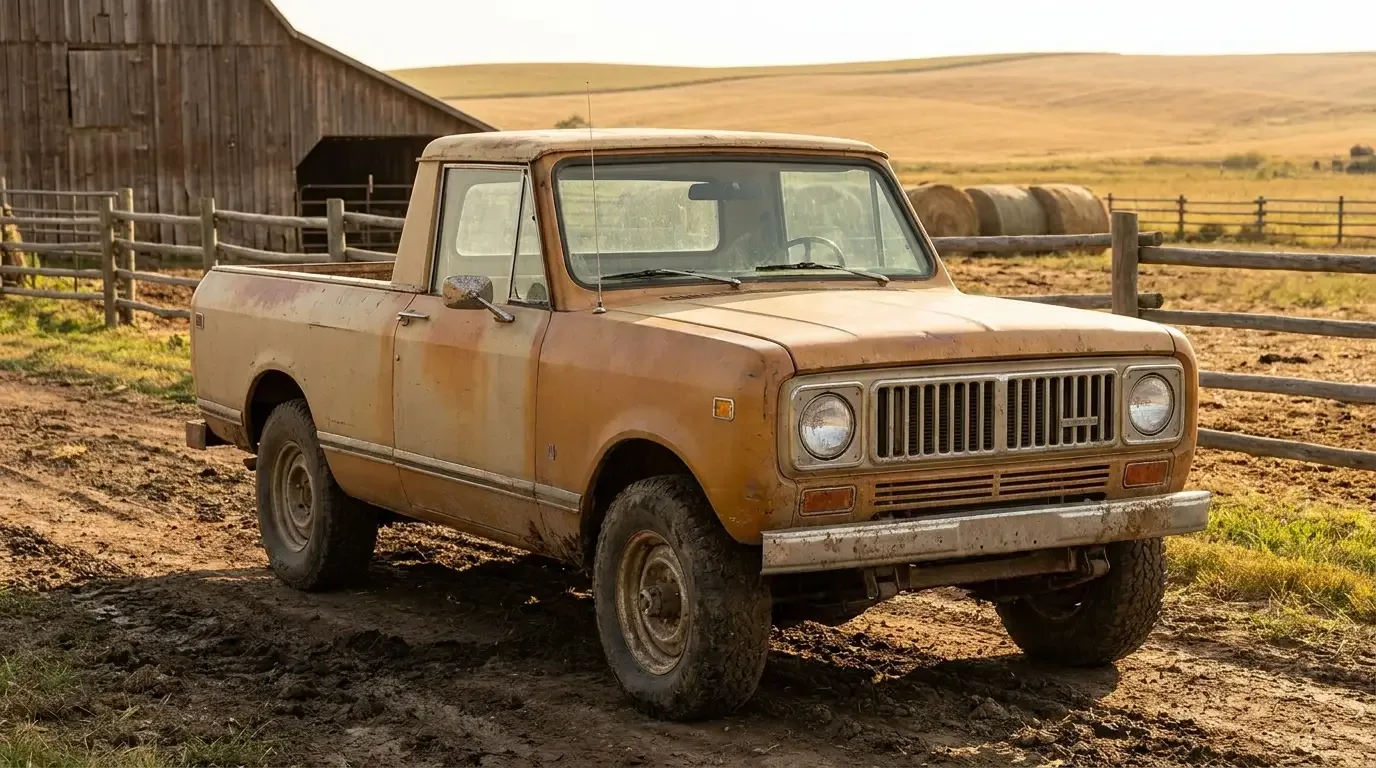
The pickup truck did not start out as anything you would put on a poster. It started as a way to get a load of feed from town back to the barn without borrowing your neighbor's wagon. That is the whole story, at least at the beginning. Somewhere along the way the thing that hauled the hay became the thing people wax on a Saturday and drive to a show on Sunday, and figuring out how that happened is worth doing, because the answer says a lot about the country that built these trucks.
I have spent about forty years around old American pickups, buying them cheap before anybody wanted them and watching the market catch up. What follows is the long arc: where the pickup came from, what the war did to it, how it got soft in the fifties, why the sixties were the good years, and how a working tool turned into one of the hottest things a collector can park in a garage. If you want to skip the history and just look at what is out there, there are always classic trucks for sale and no shortage of them. But the trucks make more sense once you know the road they traveled.
From the farm up: the pickup as a tool
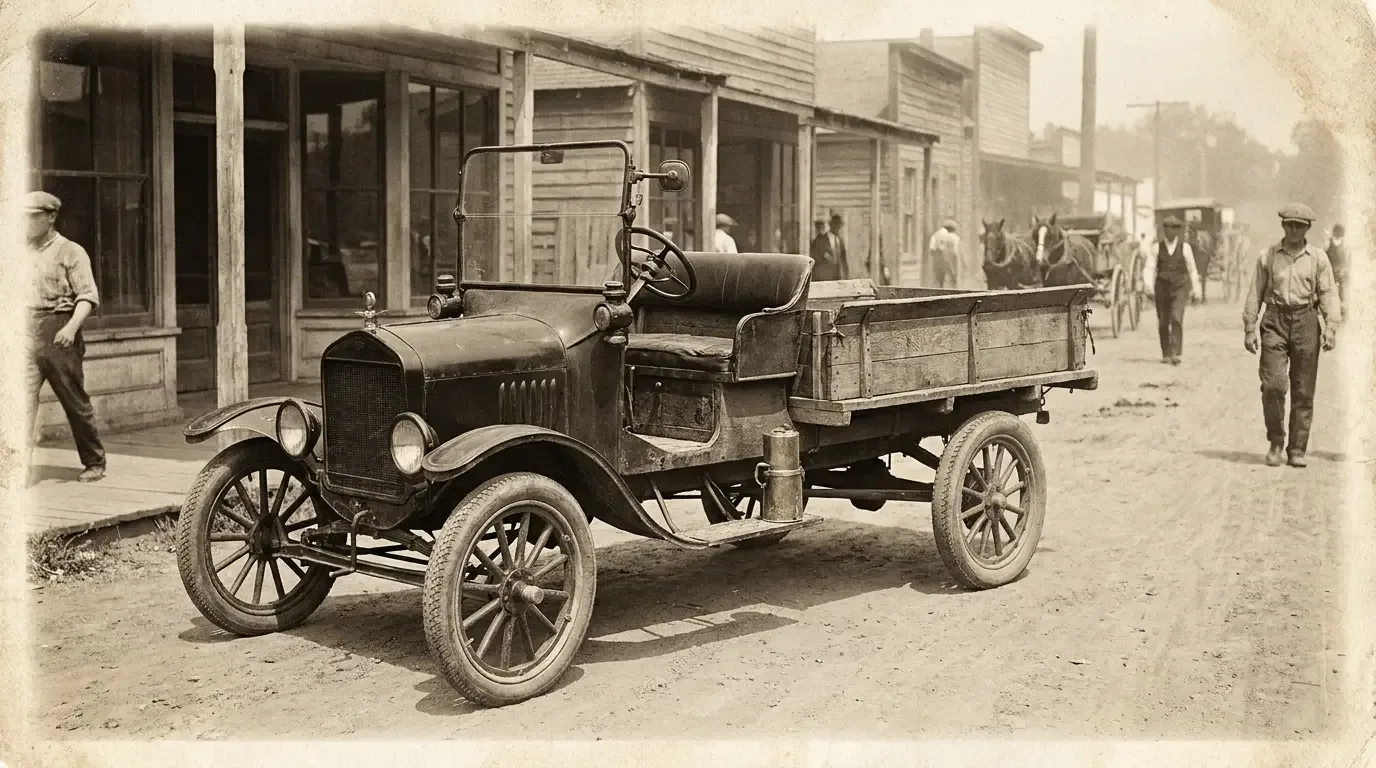
Before there was a truck you could buy off a lot, there were farmers bolting a cargo box onto the back of a car and calling it good. Ford is generally credited with putting the first factory-built pickup body on a Model T platform in the mid-1920s, and the idea caught on for the obvious reason that a purpose-built hauler was cheaper and tougher than a modified car. These early trucks were honest about what they were. Flat load floor, a cab you climbed up into, a four-cylinder engine turning slow and pulling hard, and not much else. No radio worth the name. No thought given to how you looked driving it.
Through the 1930s the pickup grew up mechanically without getting the least bit fancy. Bigger engines showed up, six-cylinders and eventually Ford's flathead V8, and the styling followed the passenger cars of the day at a respectful distance. But the buyer was a working buyer. A truck was a line item, like a plow or a set of tires. It got bought because a job needed doing and it got kept until it could not turn a wheel. The idea that anyone would preserve one, restore one, pay real money for one, would have gotten you laughed out of the co-op. If you want the deeper version of these early decades, we cover the full history of the American pickup in its own piece.
What the war taught Detroit
You cannot talk about the modern pickup without talking about the Second World War, because the war is where Detroit learned to build a rugged four-wheel-drive hauler at enormous scale and where a whole generation of men got comfortable driving trucks. The Jeep is the famous name, but the bigger story for the pickup is what happened to the factories and the people. Companies that had spent four years building military trucks, weapons carriers, and support vehicles came out of it knowing how to make a durable driveline cheaply. The men who came home had spent those same years driving and fixing exactly that kind of machinery.
So when civilian production started back up in 1945 and 1946, the pickup had a ready audience and a matured supply chain. The trucks that came right after the war were mostly warmed-over prewar designs. Detroit had not had time to redesign anything. But the market was hungry, farm income was decent, and the country was building. A pickup was not a luxury in that environment. It was infrastructure. The real change was coming, and it arrived at the end of the decade when the first genuinely postwar truck designs hit the lots. Four-wheel drive, which had been an exotic military thing, started its slow migration toward being something a rancher could actually order.
Chrome, comfort, and the fifties shift
The 1950s are where the pickup started to change character, and it is the most important decade in this whole story if you want to understand how a tool became a lifestyle object. Chevrolet's Advance Design trucks, which ran from 1947 into the mid-fifties, were the first pickups that a lot of people would call good-looking on purpose. Rounded fenders, a wide friendly grille, a cab with actual room in it. Ford answered with the F-1 in 1948 and then the far more comfortable F-100 in 1953, and the arms race was on. For the first time the makers were competing on how nice the truck was to sit in, not just how much it could carry.
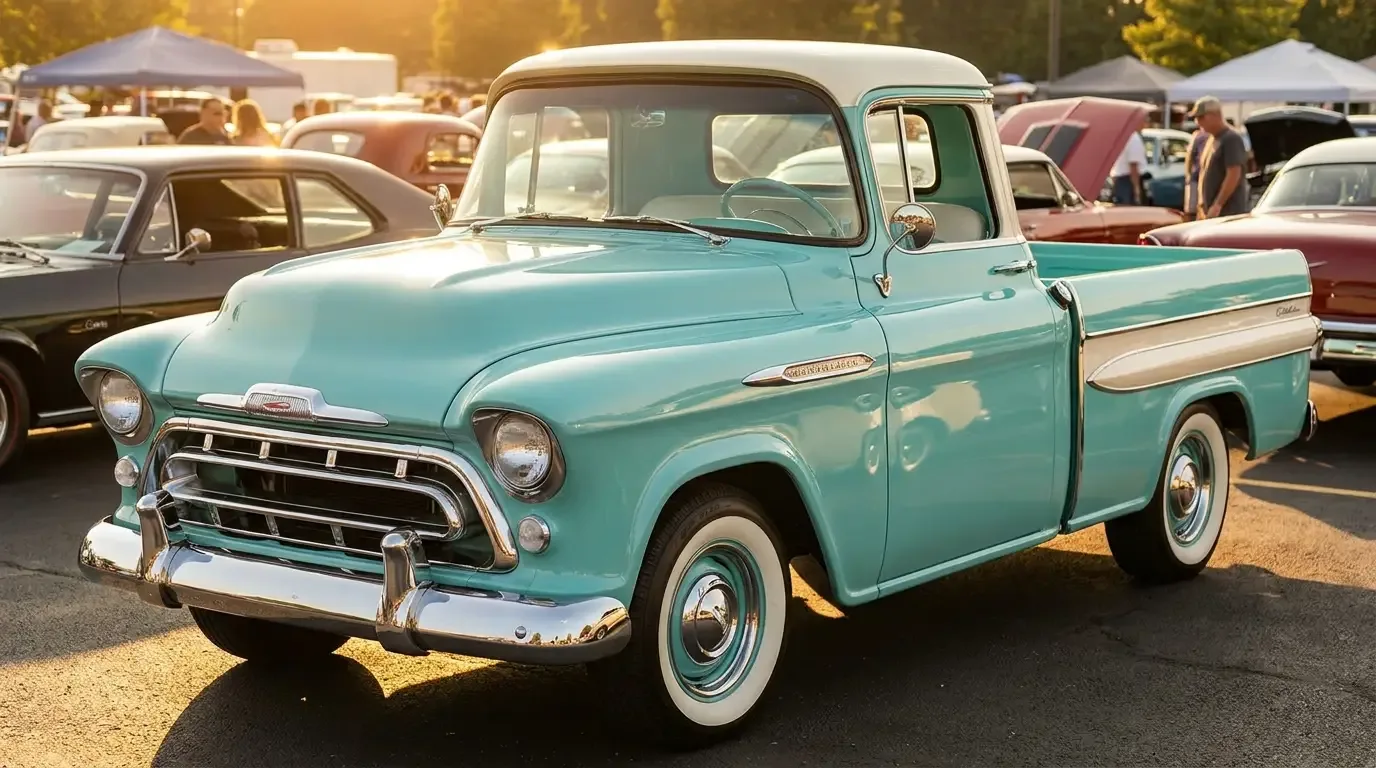
By the middle of the decade you could get a pickup with a wraparound windshield, a heater that worked, two-tone paint, and chrome trim that had nothing to do with hauling anything. Chevrolet's Cameo Carrier in 1955 was the clearest signal of where things were headed. It was a half-ton with smooth fiberglass bedsides, car-like styling, and a price that told you it was aimed at somebody who wanted a truck to look sharp in the driveway. It did not sell in huge numbers, and that almost does not matter. It proved the buyer existed. The small-block Chevy V8 also arrived in 1955, and dropping a modern overhead-valve V8 into a pickup changed what the thing could do on the highway. The truck was becoming something you might choose instead of a car, not just something you owned in addition to one.
The golden age: pickups in the 1960s
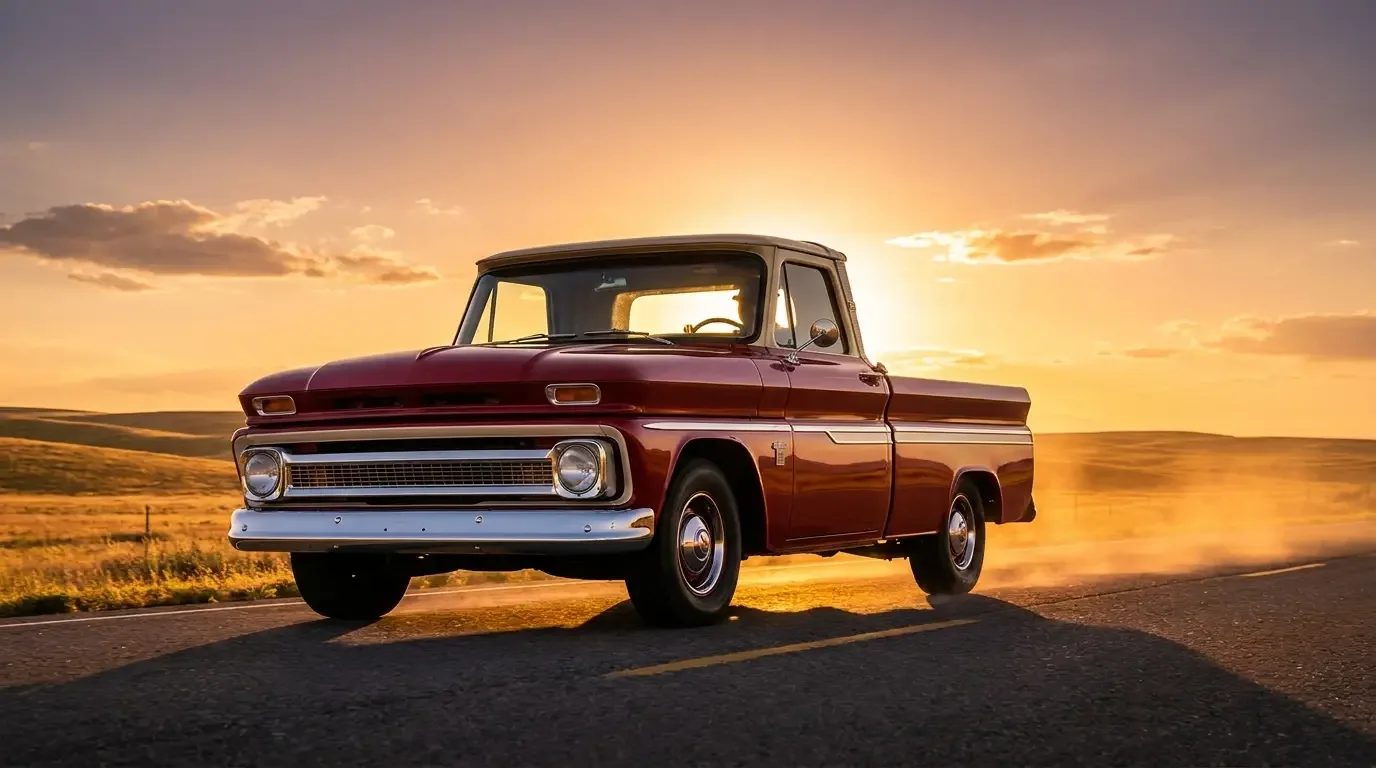
If you ask me when the classic American pickup hit its stride, I will point at the 1960s without much hesitation. This is the decade that gives us the trucks people fight over now. Chevrolet's C/K line arrived for 1960 and brought independent front suspension on the two-wheel-drive trucks, which made a pickup ride like something you would want to drive a hundred miles in. The C10 name from that family is one of the most collected classic trucks there is. Ford's fourth-generation F-100 came in 1961 and then the tougher, cleaner fifth generation in 1967. Dodge kept swinging with the Sweptline trucks. The styling got crisper, the cabs got roomier, and the whole segment quietly got very good.
What makes the sixties special is the balance. These trucks were still genuinely capable work vehicles, built simply enough that a person could fix them in a driveway, but they had enough comfort and enough style that owning one was starting to be a pleasure rather than just a necessity. The engines were good and varied. Inline sixes for the person who wanted cheap and durable, small-block and big-block V8s for the person who wanted to move. If you want to go deeper on what was under the hood in these years, we break down the classic truck engines that defined the era and which ones are worth chasing today.
| Era | Representative trucks | Defining trait | Typical engines |
|---|---|---|---|
| Late 1940s | Chevy Advance Design, Ford F-1 | First friendly postwar styling | Inline six, Ford flathead V8 |
| 1950s | Ford F-100, Chevy Cameo, Task Force | Comfort and chrome arrive | Six, early OHV small-block V8 |
| 1960s | Chevy C10, Ford F-100 (4th/5th gen) | Ride quality and the golden age | Inline six, small- and big-block V8 |
| 1967–1972 | Chevy/GMC "Action Line" | Peak of the collectible short-box | 250/292 six, 307–402 V8 |
| 1973–1987 | GM Square Body, Ford "dentside"/Bullnose, Dodge | Work-to-lifestyle transition | Wide V8 range, early diesels |
Two model runs from this stretch get singled out again and again. The 1967 to 1972 Chevrolet and GMC trucks, sometimes called the Action Line, are probably the single most desirable classic pickup platform in the hobby right now, and the short-bed fleetside versions in particular have gone from cheap to genuinely expensive inside twenty years. The clean lines, the excellent parts support, and the fact that so many people have a childhood memory of one all feed the demand.
Work to lifestyle: the 1970s and 1980s
The 1970s are where the pickup finished the journey from pure tool to something you bought partly because you liked it. GM's third-generation C/K trucks, the ones everybody now calls the Square Body, launched for 1973 and stayed in production a remarkably long time, with the light-duty versions running through 1987 and heavy-duty variants lingering even longer. That long run is part of why they are everywhere and part of why they are collectible now. A whole generation grew up with a Square Body in the family, and those kids are the buyers today.
This is also the era where the truck started openly courting buyers who were never going to load a pallet in the bed. Trim packages got plush. You could order a pickup with carpet, air conditioning, cruise control, bucket seats, and a name like Silverado or Ranger XLT or Ram that signaled you had paid for the nice one. Extended cabs and crew cabs made the truck a family vehicle. Ford's trucks from 1973 through the seventies, the so-called dentside generation, and Dodge's offerings kept the three-way fight going. The engines got tangled up in the emissions and fuel-economy troubles of the decade, so raw output dipped from the muscle-era peaks, but the trucks themselves got more livable every year.
By the time the eighties rolled on, the pickup had become a mainstream personal vehicle. People who had no farm and no jobsite bought them because a truck said something about who you were and because you could, in fact, still throw a couch in the back when you needed to. That dual identity, capable tool and personal statement at the same time, is exactly the thing that makes these trucks so easy to love as collectibles now. They were never precious, and that is the charm.
The Big Three rivalry
None of this happened in a vacuum. The classic American pickup is the product of a three-way fight between Ford, Chevrolet with its GMC twin, and Dodge that ran for the entire postwar period and never let up. Each one pushed the others. When Chevy brought independent front suspension in 1960, it put pressure on Ford's ride. When Ford leaned hard into styling and trim, Chevy answered. Dodge, usually the smaller player in truck sales, often took the swings that mattered, an early crew cab here, the Cummins diesel later, a willingness to try things the leaders would not.
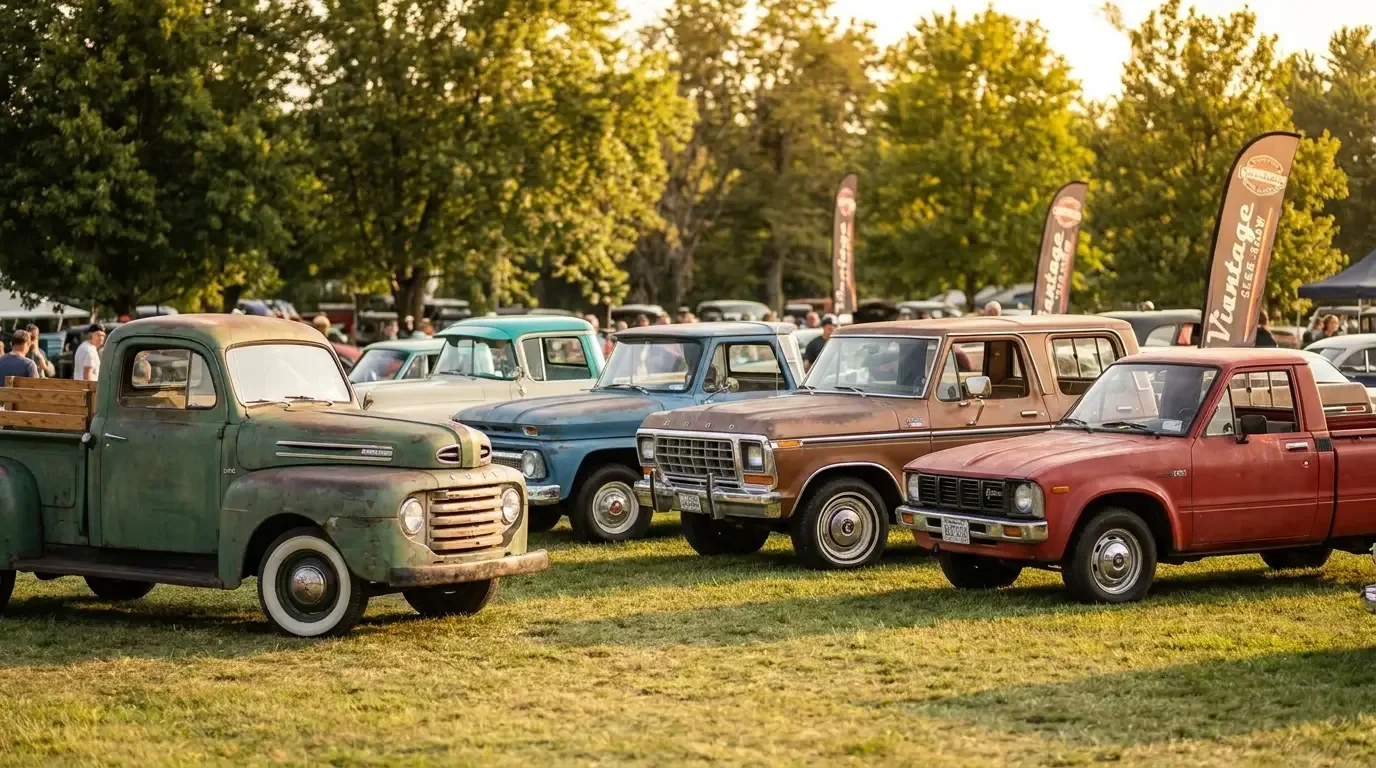
For a collector this rivalry is a gift, because it means there is no single right answer. A Ford person and a Chevy person can stand in the same field at a swap meet and both be correct, and the trucks are different enough in feel and detail that the choice is a real one. My own bias runs toward the bowtie trucks of the late sixties and the Square Body years, but I have owned Fords I was sorry to sell and a Dodge or two that were better than their reputation. The point is that the competition made all three better, and it left us with a deep, varied field of trucks to collect instead of one dominant design that everybody copied.
"People ask me which brand is the one to buy, and the honest answer is that the rivalry is the reason you get to have an opinion at all. Ford, Chevy, and Dodge spent forty years trying to out-truck each other, and the loser in that fight was nobody. We all won."
— Robert Halloran
Why classic trucks became the hottest collectible
For most of my life, old pickups were the cheap way into the hobby. You wanted a project, you did not have muscle-car money, you bought a truck. Then, somewhere in the last fifteen or twenty years, that flipped. Classic trucks stopped being the affordable alternative and became one of the strongest segments in the whole collector market. It is worth understanding why, because the reasons tell you a lot about who is buying now.
Part of it is simple demographics. The people who grew up in the sixties and seventies with these trucks in the driveway reached the age and the income where they could buy back their childhood, and a pickup was often the vehicle they had the memory of. Part of it is usability. A classic truck is easier to live with than a lot of collector cars. You can actually use it, haul with it, drive it without terror, and it forgives the kind of wear that would ruin the value of a delicate sports car. Part of it is the rise of the restomod, where a vintage body gets modern brakes, suspension, and fuel injection underneath, and the pickup turned out to be the perfect canvas for that because nobody clutched their pearls about originality the way they did with numbers-matching muscle.
"I bought trucks for a few hundred dollars that now trade for more than a house payment, and I did not get smart, the market got smart. What changed is that people finally admitted out loud that a good old pickup is more fun to own than almost anything, and once that got said, the prices came for it."
— Robert Halloran
The other thing that happened is that the restoration and parts world matured. You can now buy nearly every panel, every trim piece, and most of the mechanical parts for the popular platforms brand new from the aftermarket. That took a huge amount of risk out of buying a project, because a truck that would have been a parts-chasing nightmare in 1995 is a straightforward build today. That accessibility pulled in a wave of new owners who never would have taken on an old car. If you are thinking about joining them, our guide on how to buy a classic truck walks through the practical side of a first purchase.
What to know before you chase one
If the history has you itching to own one, a few honest words before you spend. The trucks that get the headlines, the show-quality short-bed C10s and the immaculate F-100s, cost real money now, and the gap between a rough project and a finished truck is wider than a first-time buyer expects. A cheap project is only cheap until you add up the metal, the paint, and the time. On the popular platforms the parts are there, but the labor is where the money goes, and a full respray plus bodywork alone can run past what you paid for the truck.
The good news is that condition, not rarity, drives most classic-truck value, which means a solid, honest, running driver is a real and reachable goal without chasing a concours trailer queen. Buy the best example your budget allows rather than the cheapest project you can find, because on trucks the math almost always favors paying up front for a body that is already straight. Rust is the enemy, as it always is, and it hides in the cab corners, the bed floor, the lower rear of the cab, and the frame on anything that actually worked for a living. Get under it with a good light and look, because a steam-cleaned undercarriage at a dealer lot is not the same thing as a sound one.
Sources and notes
This overview draws on standard reference material for the segment rather than any single source. Figures for engines, prices, and production have been kept general where a specific number could not be confirmed, and anything a reader would want to verify before acting on it should be checked against primary documentation.
- Period road tests and buyer's guides from the era's motoring press, for contemporary impressions of ride, comfort, and capability.
- Factory literature, brochures, and original sales material, for model-year features, trim levels, and equipment.
- Collector-car auction records and price guides, for how values in the segment have moved over time.
- Marque and model histories covering Ford, Chevrolet/GMC, and Dodge trucks, for chronology and production context.