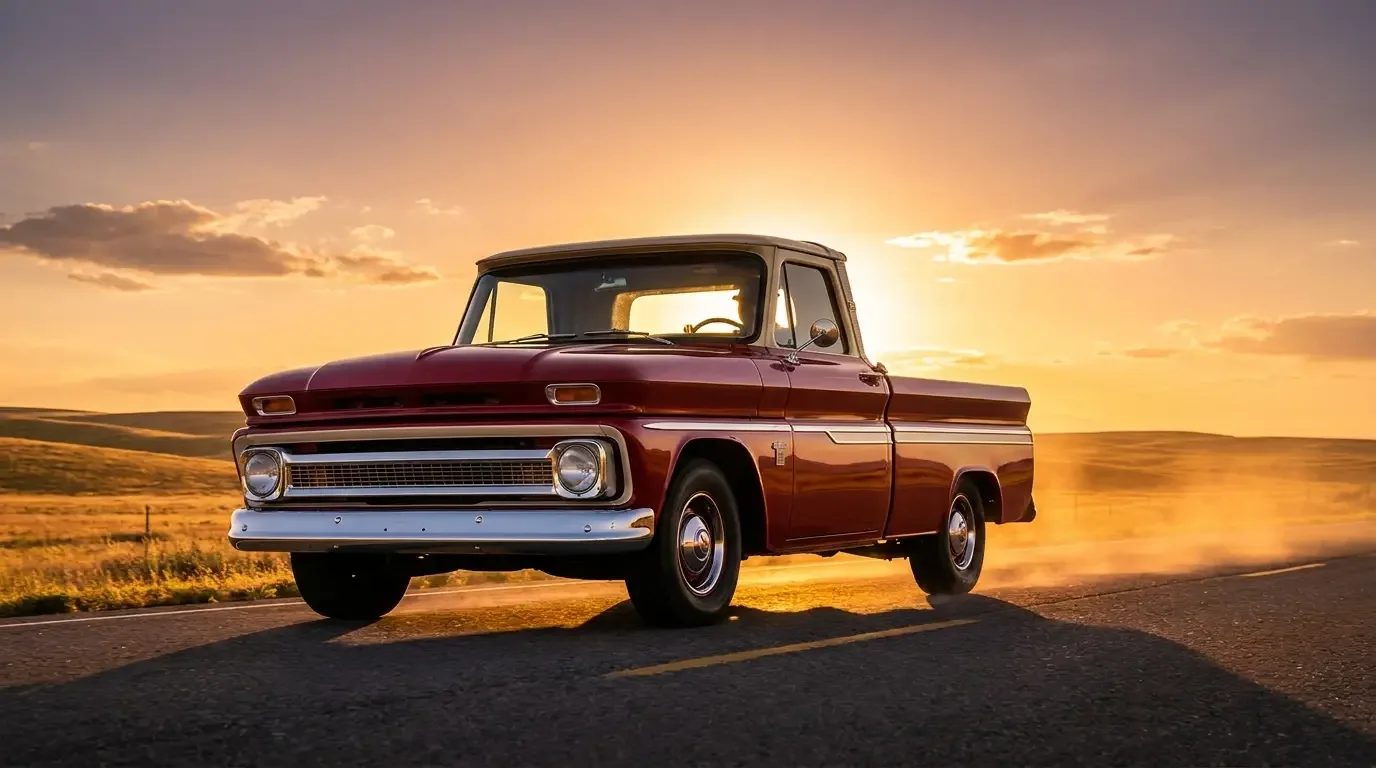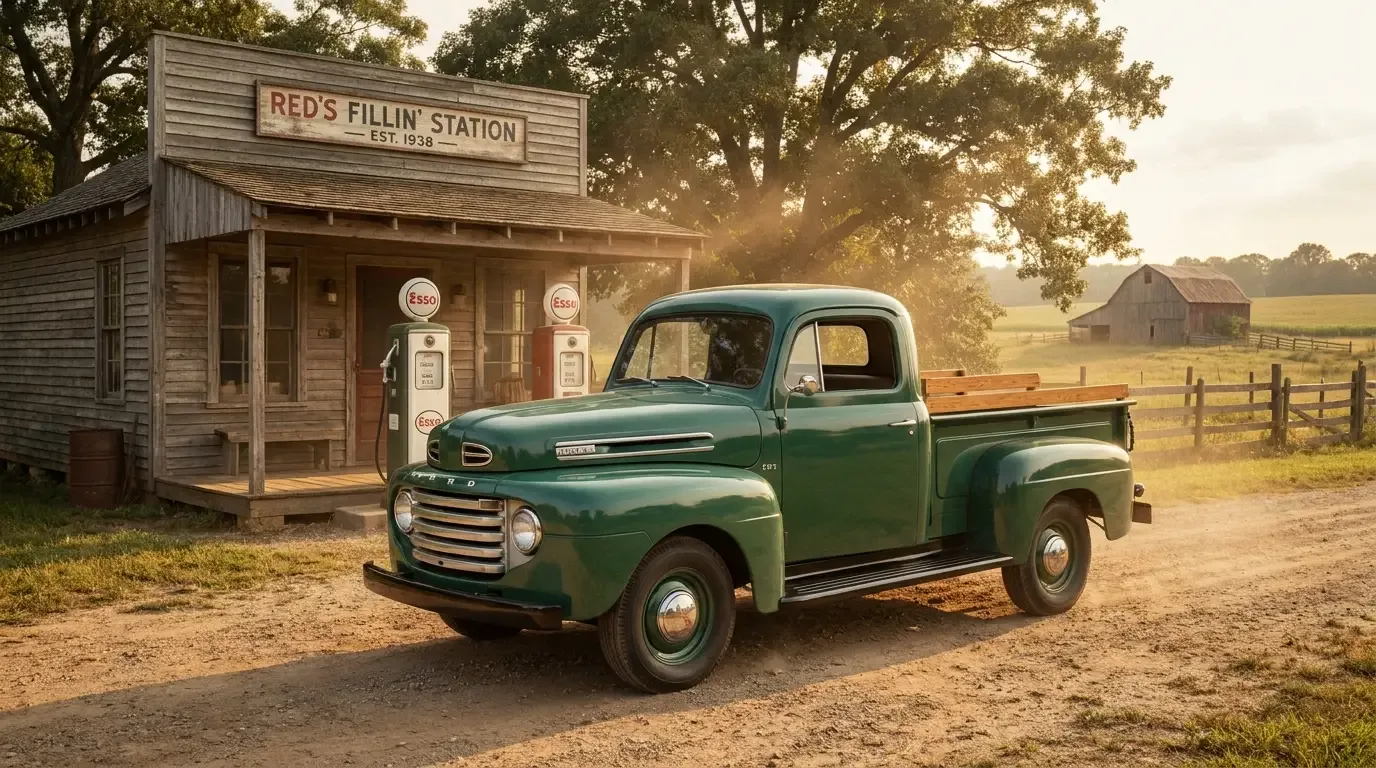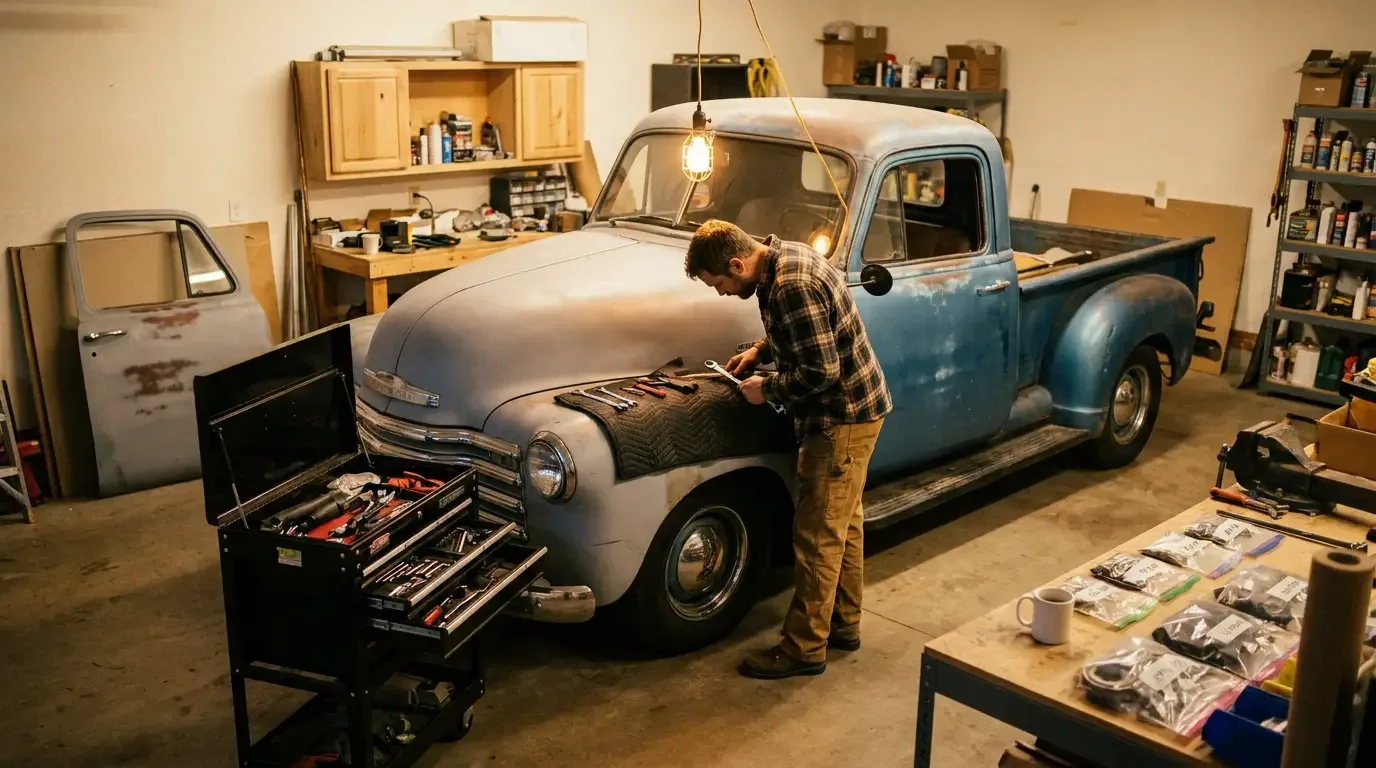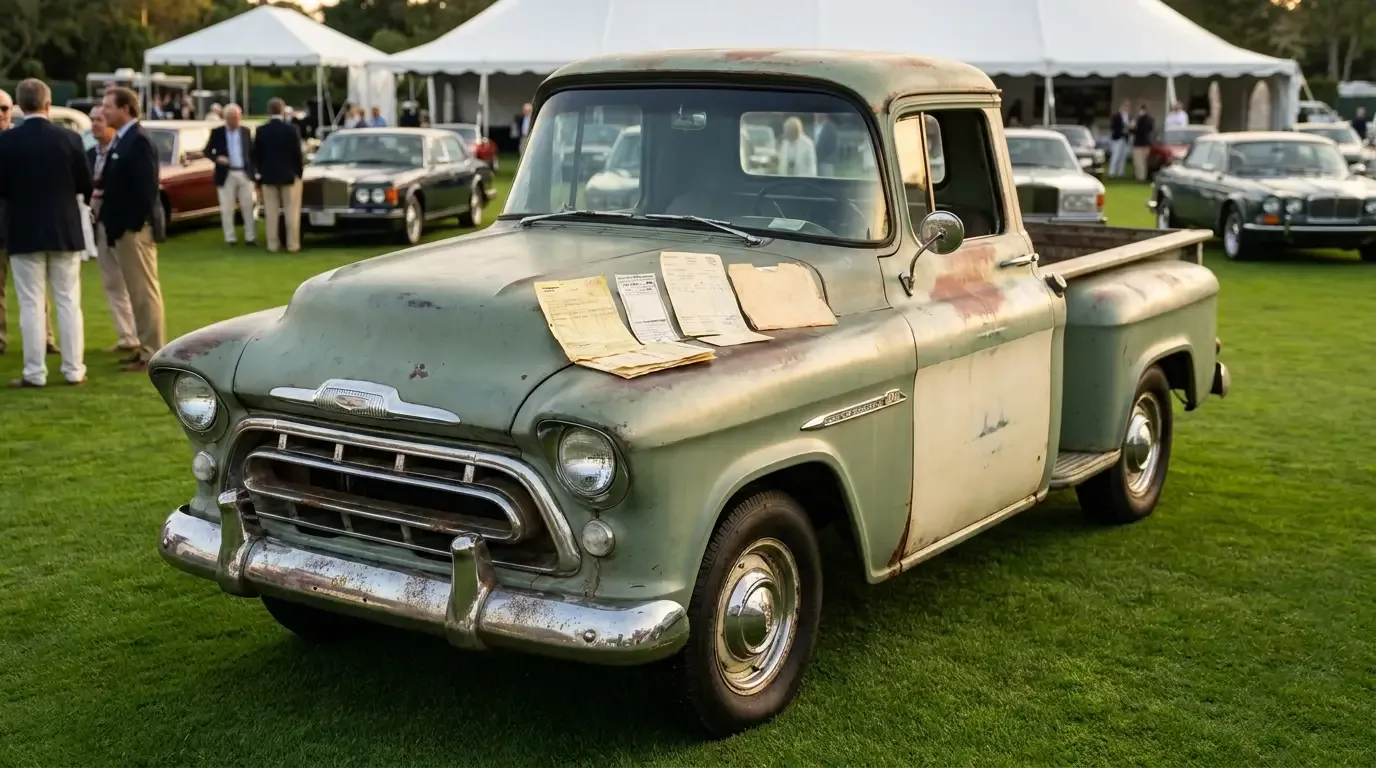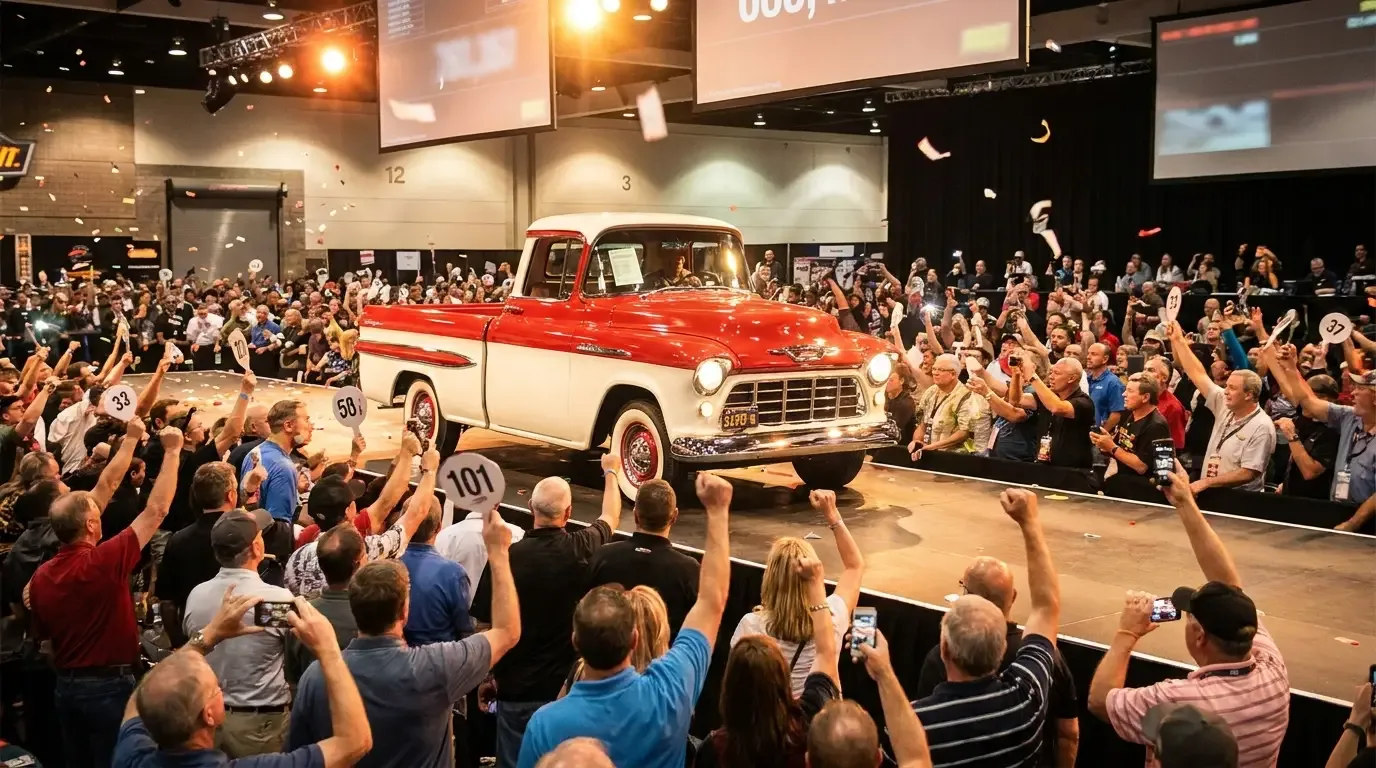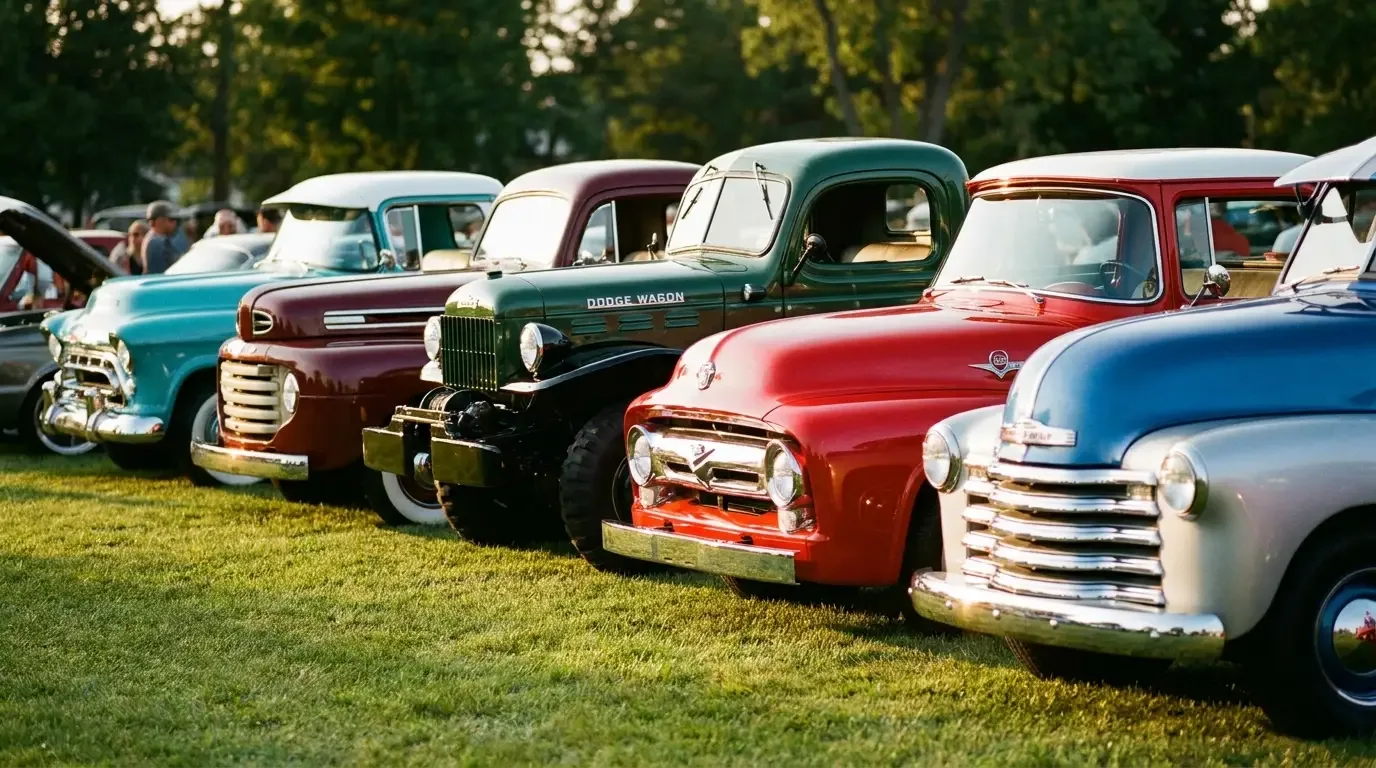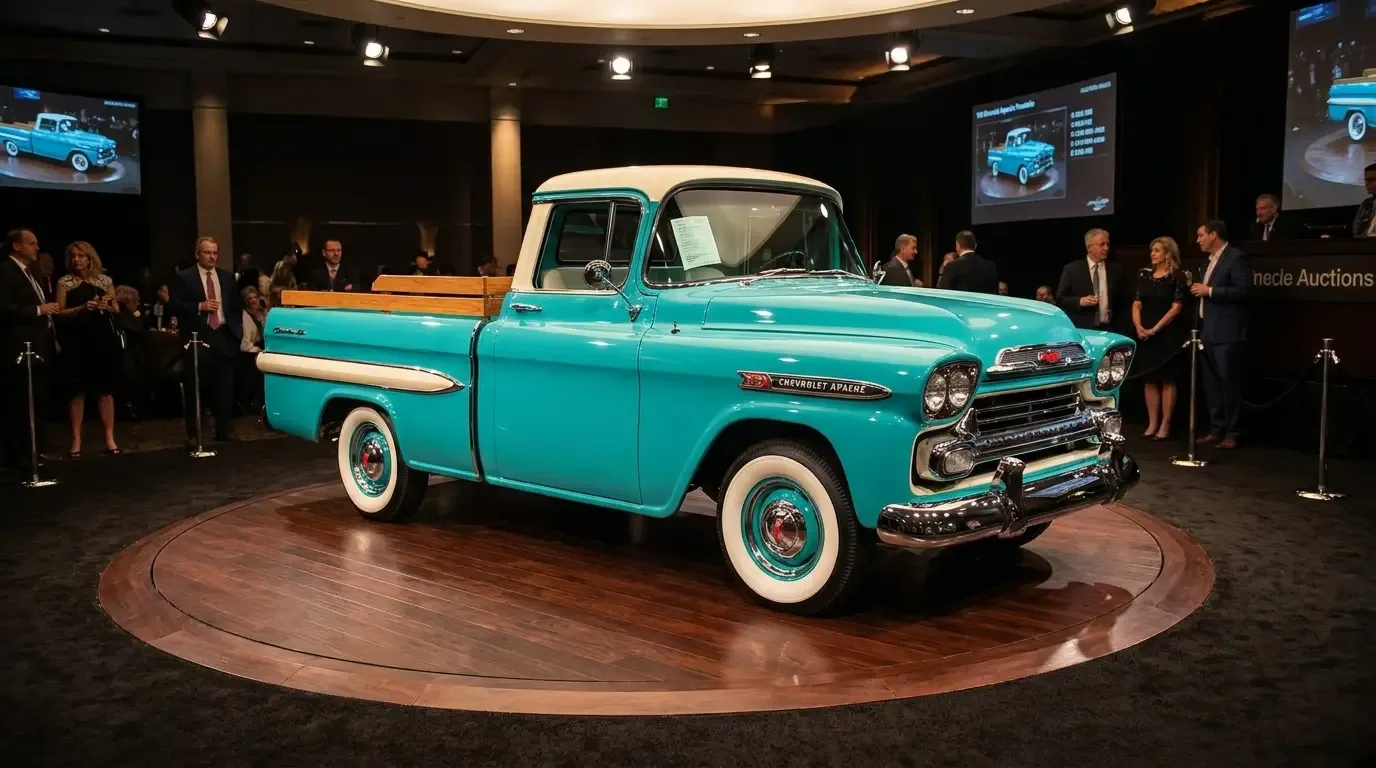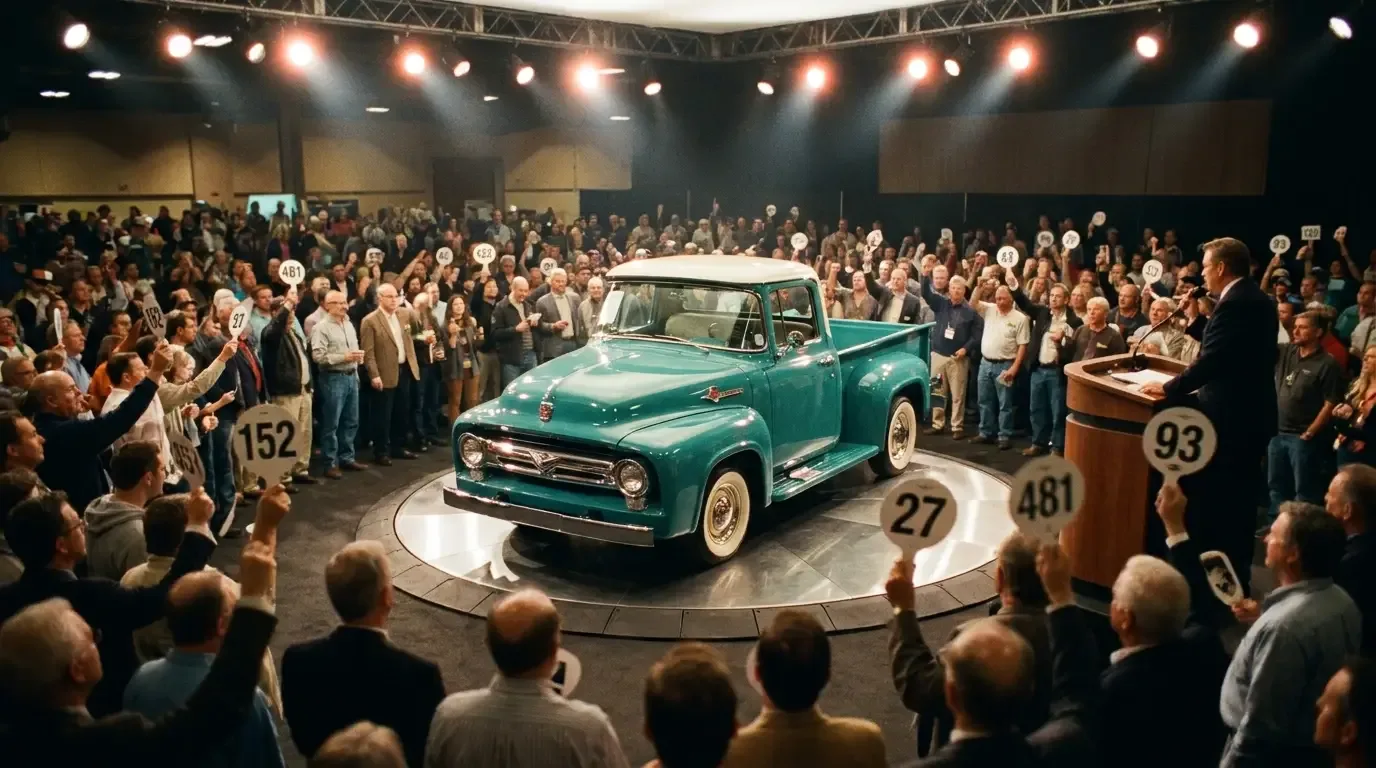

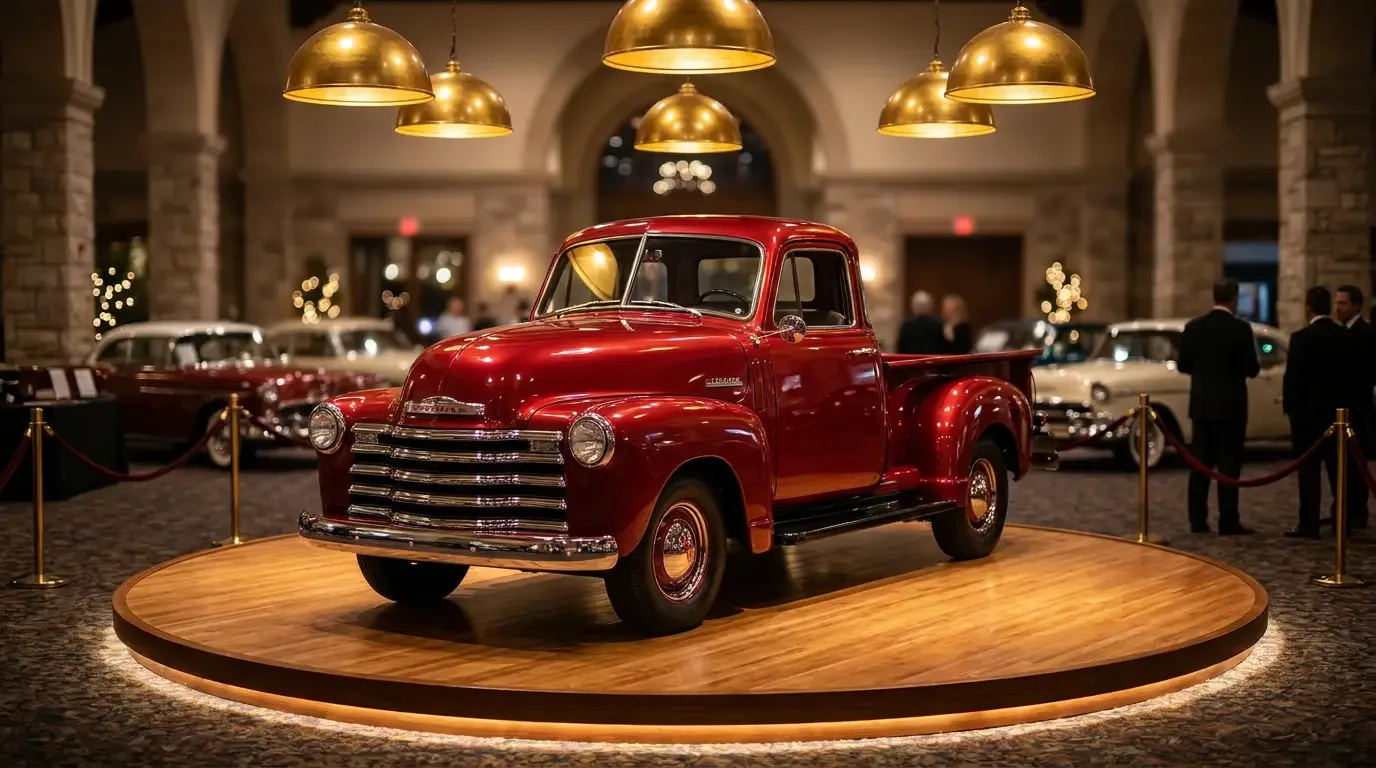
Fifteen years ago, a clean vintage American pickup was the truck you bought because you couldn't afford the muscle car parked next to it at the auction. Bidders walked past them. Consignors apologized for them. The trucks sat under the tent at Kissimmee while the crowd chased Chevelles and Mustangs, and the hammer prices reflected exactly where trucks stood in the collector hierarchy: at the bottom.
That order has been rewritten. Over the last decade, classic American trucks have gone from the cheap seats to a genuine blue-chip segment, and the data behind that move is more durable than a lot of people assume. This is a market analyst's read on where truck values come from, how the money has shifted, and where I think the value sits now. If you want the full narrative of how these vehicles earned their status, start with the classic American truck story and come back here for the numbers.
Why trucks went from cheap to blue-chip
The move was demographic before it was financial. The people who now write six-figure checks at the top auctions grew up in the beds of these trucks. A buyer who is fifty-five today was a teenager when a stepside or a fleetside was the family's second vehicle, the thing that hauled firewood and dropped him at the drive-in. Nostalgia buys the first truck. What kept the market climbing is that trucks turned out to solve a problem the muscle car market created.
Muscle cars got expensive and precious. You cannot drive a documented big-block convertible to breakfast without a knot in your stomach about stone chips and depreciation. A vintage pickup does not carry that anxiety. It is usable, it is charismatic, and until recently it was cheap enough that a scratch didn't feel like a financial event. That combination, real utility plus rising desirability, is exactly the profile that pulls new money into a segment. Buyers who wanted the collector-car experience without the collector-car fragility found it in trucks, and the demand curve moved.
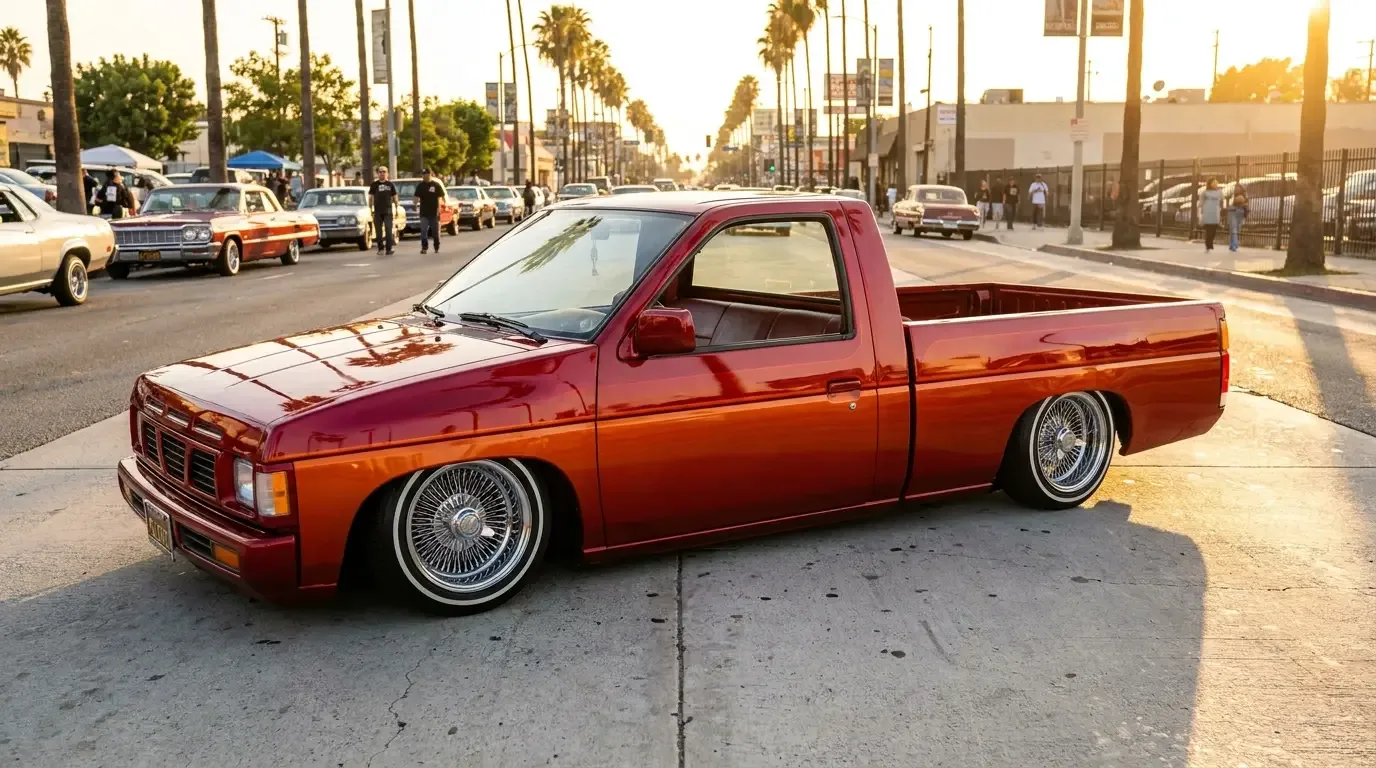
Restomods accelerated everything. When builders started dropping modern drivetrains, coilover suspension, and air conditioning under classic shemetal, they made trucks that a normal person could actually live with. That widened the buyer pool well beyond traditional collectors, and it dragged the whole segment up with it. The question for anyone entering now is not whether trucks are collectible, but which trucks and in which condition. For the deeper answer on that, what makes a classic truck collectible unpacks the specific traits that separate a five-figure driver from a serious car.
What actually drives truck values
Four levers move a classic truck's price, and they do not move equally. Understanding their weighting is the difference between overpaying and buying well.
Originality sits at the top for survivor and concours buyers. An unmolested truck with its factory drivetrain, correct sheetmetal, and documented history commands a premium that a beautifully restored example often cannot match, because you can restore a truck but you cannot un-restore one. Rarity matters, but it is more nuanced with trucks than with muscle cars. Trucks were built in enormous numbers, so raw production figures mean less. What is rare is a specific configuration that survived, a short-bed with a factory big-block, an early model year that most owners drove into the ground, an original-paint example that escaped forty years of ranch work.
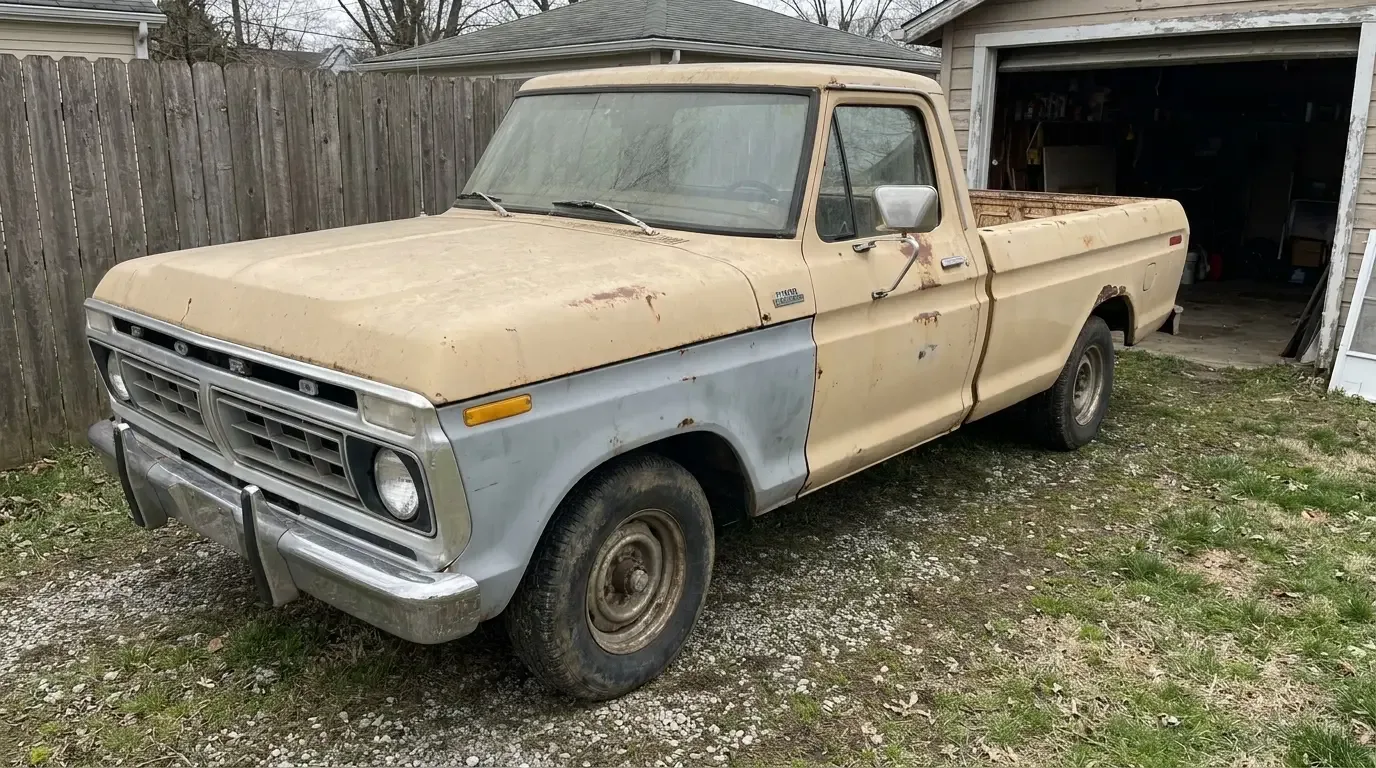
Patina is the lever that confuses newcomers. A decade ago, faded original paint was a defect. Today, honest patina on a mechanically sound truck can carry a real premium, because it signals originality that cannot be faked and delivers the survivor aesthetic that a segment of buyers actively wants. It is not universal. Patina helps a survivor and does nothing for a concours entry. The restomod premium is the fourth lever, and it is the most volatile. A well-executed restomod from a name builder can clear numbers that a stock example never will, but that premium is tied to build quality and builder reputation, and it is the part of the market most exposed to taste shifting.
"I've watched patina go from a discount to a premium in about ten years, and that tells you everything about this market. It isn't rewarding perfection anymore. It's rewarding honesty. The truck that can prove what it is beats the truck that was made to look like something."
— David Mercer
The three segments, and the buyers in each
The classic truck market is not one market. It is three, and they behave differently enough that a price signal in one tells you almost nothing about the others.
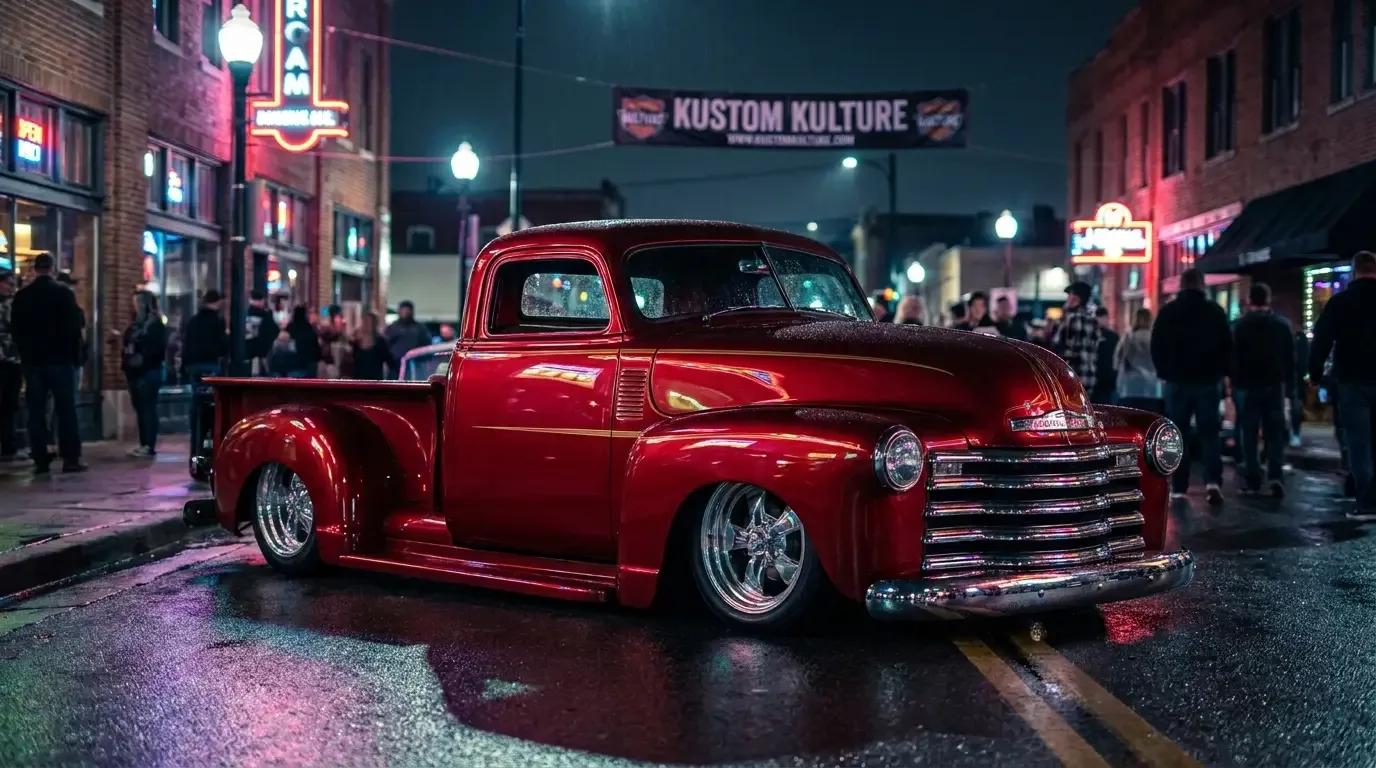
The work-truck survivor segment is trucks kept honest: original or lightly refreshed, patina intact, mechanically sorted enough to drive. These buyers want the real thing and they price originality heavily. The concours segment is the frame-off, better-than-factory restoration, judged on correctness and finish. This is the smallest pool and the most demanding, and it rewards documentation obsessively. The restomod segment is the largest growth engine, modern running gear under classic bodies, priced on drivability and build pedigree rather than originality.
These segments do not compete for the same buyer, which is why you will see an original survivor and a restomod of the same model year sell for wildly different money at the same auction without either being mispriced. When trucks cross the block, the segment is the first thing to read before the hammer price means anything. That dynamic is covered in detail in classic trucks at auction, which is worth reading before you bid on anything.
Value tiers: a working map of the segment
The table below is a rough map of where classic American trucks trade, organized by segment and condition rather than by make or model. Treat every band as approximate and directional, not a quote. Actual results swing hard on model, year, configuration, and documentation, and the top of each tier can run well past what is shown for a genuinely exceptional example.
| Value tier | Typical profile | Approx. price band | What moves it |
|---|---|---|---|
| Entry / project | Solid but needy driver, common configuration, work-truck history | ~$8,000–$20,000 | Rust, drivetrain completeness, title clarity |
| Clean driver / survivor | Honest original or older restoration, patina or solid paint, sorted mechanically | ~$20,000–$45,000 | Originality, documented history, desirable body style |
| Restomod (built) | Modern drivetrain, quality build, name-builder or shop-quality work | ~$45,000–$100,000+ | Builder reputation, drivetrain choice, fit and finish |
| Concours / rare survivor | Frame-off correct restoration or exceptional documented original | ~$60,000–$150,000+ | Correctness, documentation, rarity of configuration |
Where the tiers blur is the interesting part. A clean survivor with an unusually desirable factory configuration can jump into concours money on originality alone, and a restomod on the wrong platform or with a questionable build can stall in driver territory no matter what went into it. If you are shopping the built-truck tier specifically, the current inventory of collectible classic trucks for sale is the fastest way to calibrate what real asking prices look like against this map.
How the market has moved over the last decade
The trajectory has three phases as I read the auction record. The early phase, roughly the first half of the last decade, was the discovery period. Trucks that had traded in the low five figures started clearing numbers that surprised consignors, and the segment that led was the clean survivor. Originality got repriced first.
The middle phase was the restomod boom. As name builders raised their profile and their build quality, the ceiling on the segment lifted dramatically, and money that might have gone into a muscle car started flowing into trucks that could be driven daily. This is the phase that pulled the headline numbers up and put trucks on the main stage at the big sales. The most recent phase is a maturing market. The froth on generic restomods has cooled while genuinely exceptional trucks, whether that means the best original survivors or the top-tier builds, have held or kept climbing. That is a healthy signal. A market that separates the exceptional from the ordinary is a market that has grown up.
Where the value is now, and what to watch
Here is my actual opinion, because a market read without one is just a description. The best value in the classic truck market right now is the honest, documented survivor in the clean-driver tier. It is the segment with the most durable demand, the least exposure to taste shifting, and originality that cannot be replicated. When a restomod's build style falls out of fashion, its premium erodes. When an original survivor ages, it just becomes more original. I would rather own the truck that gets better with time than the one that depends on staying fashionable.
The restomod tier is where I would be most careful. There is real value there, but it is concentrated in known builders with a track record, and the gap between a genuinely great build and a merely expensive one is wide and not always obvious from photos. Pay for the builder and the documentation, not the horsepower claim. At the top, the concours and rare-survivor tier is the safest store of value but the hardest to buy well, because the good ones rarely trade and the documentation demands are exacting.
What I am watching is the entry tier. As the survivor and restomod segments matured, project trucks stayed comparatively affordable, and that is where the next wave of buyers enters. If the demographic tailwind holds, the clean-driver tier is where those entry buyers eventually want to be, which keeps a floor under it. The risk to the whole picture is the same one that faces every enthusiast market: the generation that carries the nostalgia does not buy forever. That is a long horizon, not a near-term worry, but it is the number I would keep an eye on.
Sources and notes
- Collector-car auction results across major US sales, read as trend data rather than single comparables. All price bands are approximate and directional, not quotes.
- Published collector-vehicle price guides and condition-tier valuation frameworks (driver / survivor / concours).
- Insurance-industry agreed-value and collector-vehicle valuation data, useful for tracking segment-level movement over time.
- Price bands should be checked against current auction results and price-guide data before publication; specific configurations and model years vary materially.