Value in the classic truck market does not spread evenly. Two trucks can share the same year, the same cab, and the same paint code, and still sit thousands of dollars apart at the block. What separates them is a short list of factors that buyers pay for again and again. If you understand those factors before you shop, you stop overpaying for the wrong truck and start recognizing the right one. This guide walks through what actually drives collectible value, and where the market puts its money.
For the wider strategy of building a collection, start with our classic truck collecting overview. Here we go deeper on the drivers of value themselves.
Originality is the foundation of value
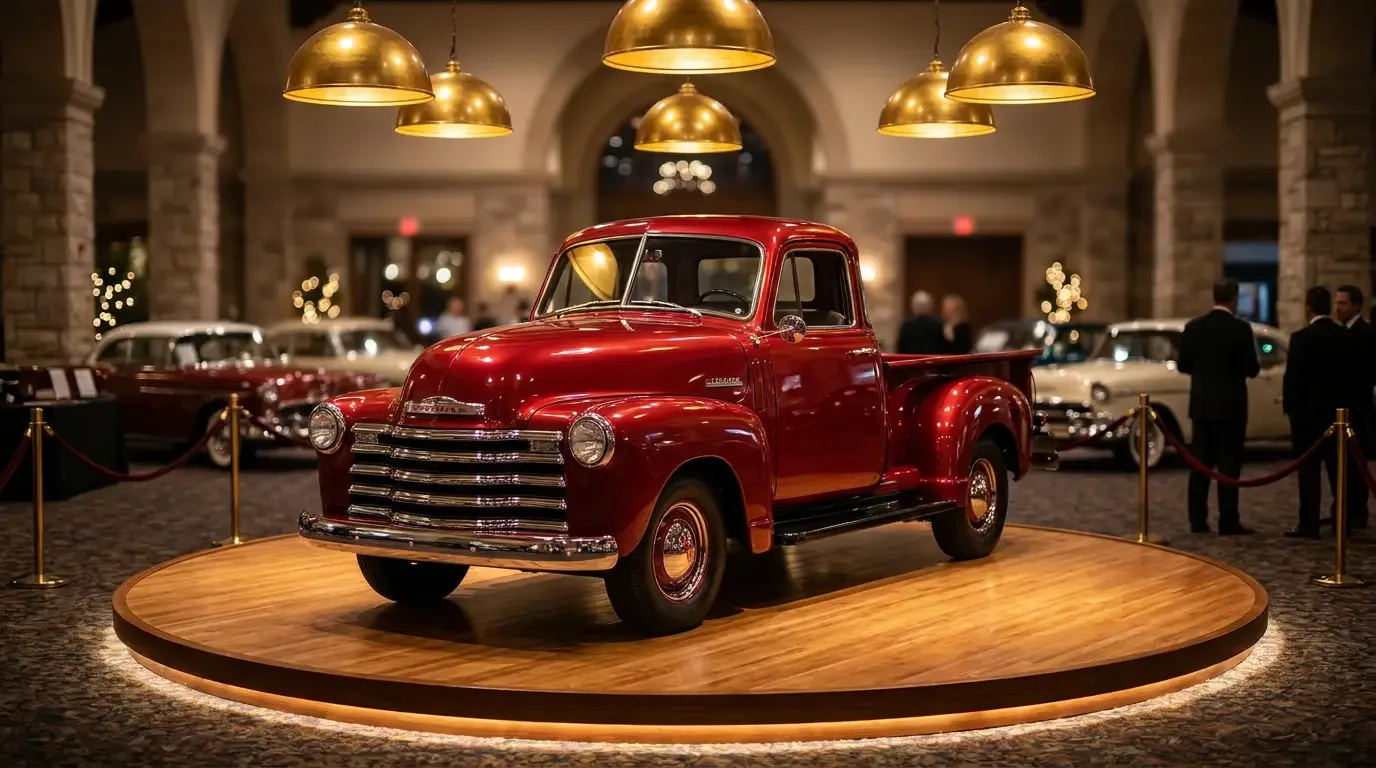
Originality is the single factor buyers reward most consistently. An unmolested truck, one that still wears its factory drivetrain, its correct trim, and ideally its original finish, sits at the top of the value ladder. The market treats these trucks as reference points. Everything else gets measured against them.
The reason is simple. A truck can be restored, but it can only be original once. Numbers-matching drivetrains, where the engine and transmission carry the codes they left the factory with, command a premium because they cannot be recreated. A correct casting or date-coded block is not just a mechanical detail, it is proof of the truck's history. Once that block is swapped, the proof is gone and no amount of money brings it back.
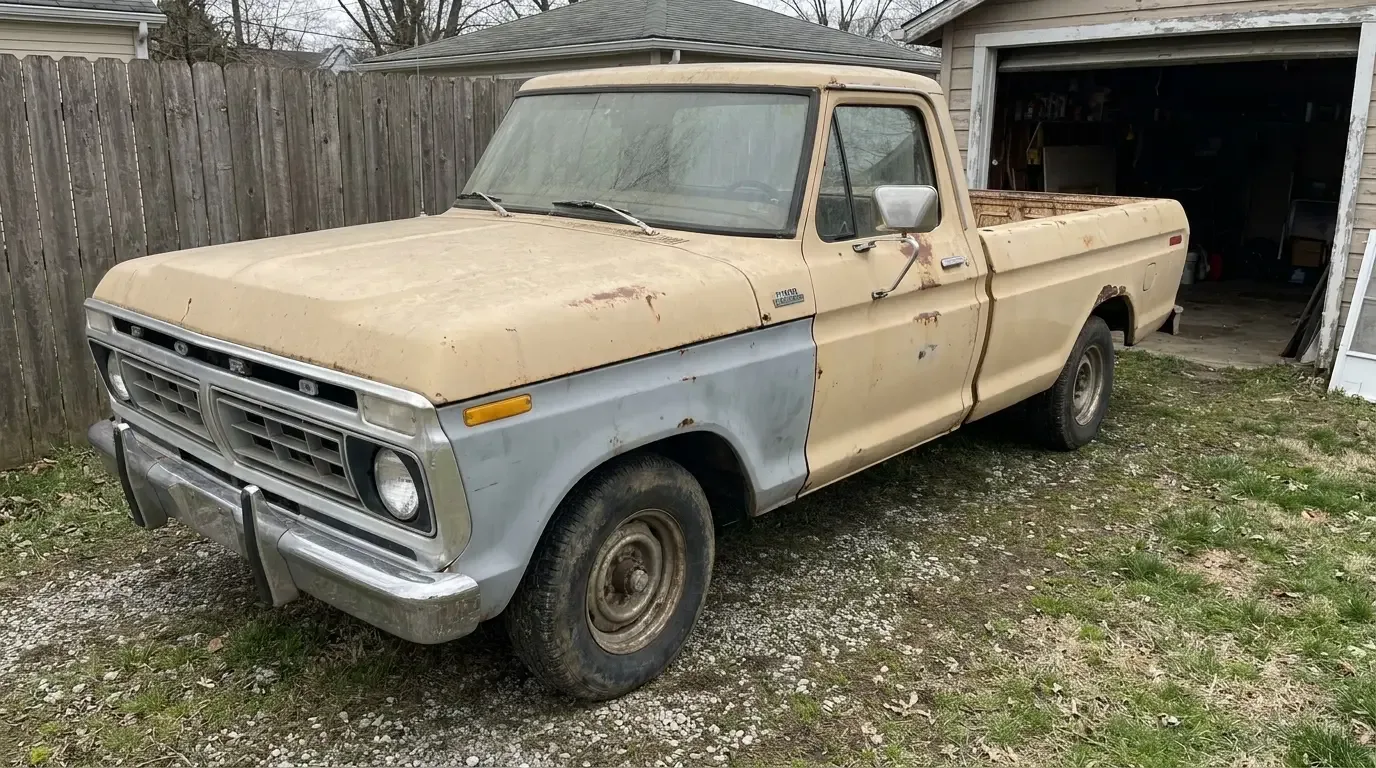
This is also where a lot of buyers get burned. Trucks were working vehicles, and working vehicles get fixed with whatever was in the parts bin. A repaint, a replacement bed, a later engine, a swapped rear axle, these are common and they all pull value down from the original benchmark. None of them makes a truck worthless, but each one moves it into a different, lower tier. The trick is knowing which changes are cosmetic and reversible, and which ones erased something you can never get back.
Rarity and the years that matter
Rarity drives price, but only the kind of rarity buyers care about. Total production numbers matter less than how many of a specific configuration were built and how many survive today. A common model in a rare trim or a low-volume factory option can outvalue a scarce model that nobody collects.
First-year and last-year trucks carry their own premium. The first year of a new body style is the one collectors chase because it marks the start of something, and buyers pay for that milestone. The final year of a long-running design gets attention too, often because it is the most refined version or because production was winding down and fewer were built. Mid-cycle years, the ones in the middle of a long run, are usually the most affordable, which makes them a smart entry point for a first buyer.
Survival rate is the quiet part of rarity. Trucks were used hard, rusted out, and scrapped by the millions. A configuration that was common when new can be genuinely rare today simply because so few made it through. When you evaluate rarity, ask two questions. How many were built in this exact spec, and how many are likely still on the road. The gap between those numbers is where value hides.
Factory options and the four-wheel-drive premium
Factory options separate an ordinary truck from a collectible one. A base work truck with a six-cylinder, a three-speed, and a bench seat is the floor of the market. Add the desirable factory equipment and the value climbs. The big-block or top engine option, a factory four-speed, a limited-slip rear, air conditioning, a premium trim package, deluxe interior, and correct factory wheels all add to what a buyer will pay.
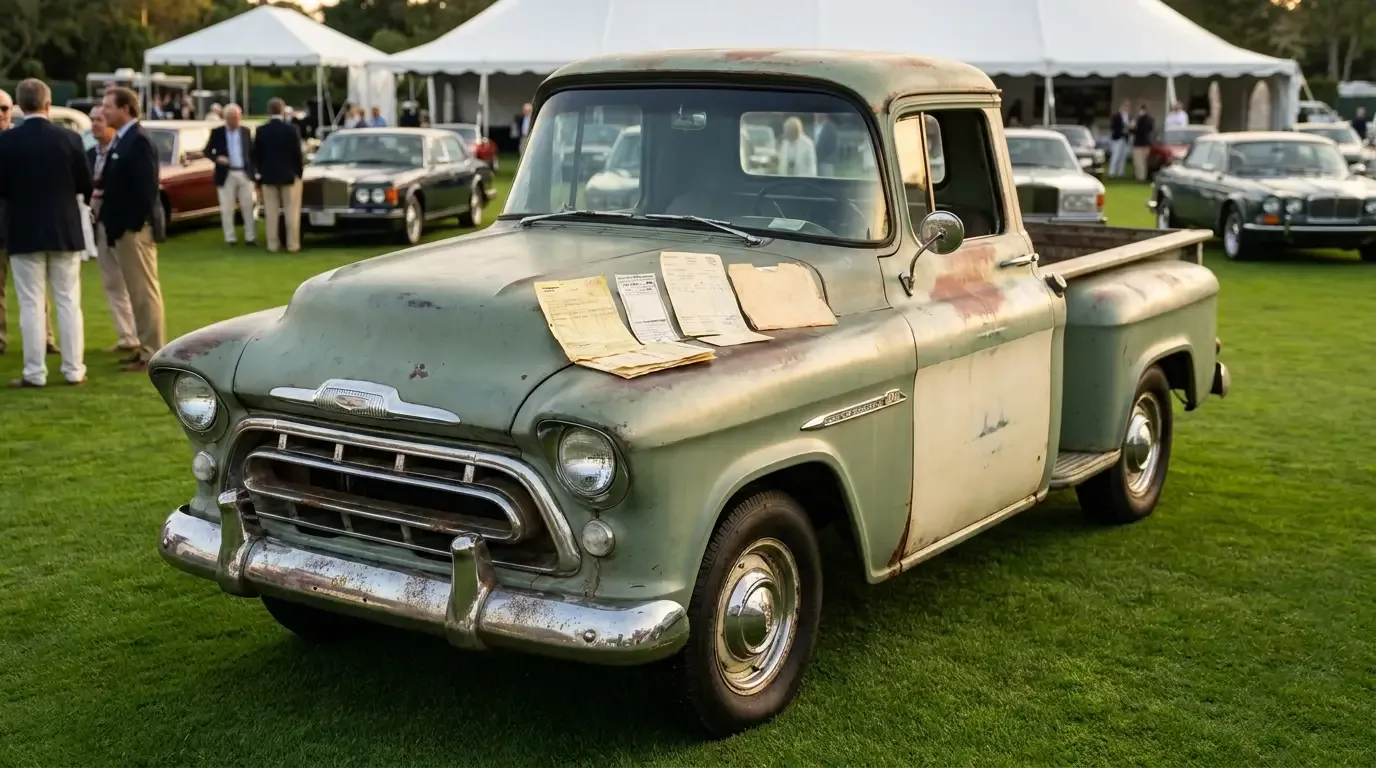
The order those options came from the factory is what matters. A period-correct upgrade installed later is worth less than the same equipment ordered new, because originality still governs the premium. Documentation helps enormously here. A build sheet, a window sticker, or dealer paperwork that proves the options were factory-ordered can add real money on top of the truck itself.
Four-wheel drive deserves its own line. Factory 4x4 trucks consistently pull a premium over their two-wheel-drive equivalents, often a substantial one. Fewer were built, more were worked to death, and demand from buyers who want a usable classic that can handle weather and terrain stays strong. A genuine factory 4x4, as opposed to a later conversion, sits in a higher bracket almost every time.
| Value driver | What the market rewards | Effect on value |
|---|---|---|
| Originality | Numbers-matching drivetrain, correct trim, original finish | Highest, sets the benchmark |
| Rarity of configuration | Low-volume spec, desirable factory option, high survival scarcity | High |
| First or last model year | First year of a body style, final year of a long run | Moderate to high premium |
| Factory 4x4 | Genuine factory four-wheel drive, not a conversion | Substantial premium |
| Desirable engine option | Big-block or top factory engine, correct and matching | Moderate to high |
| Documentation | Build sheet, window sticker, dealer and service records | Adds to the premium above |
| Condition | Solid, rust-free body and frame; honest, driveable mechanicals | Foundational, gates everything else |
Condition and what the market actually pays for
Condition is where the value drivers get tested against reality. A rare, optioned, original truck that is rotten through the cab corners and floors is still a project, and the market prices it as one. Steel is the thing to watch. Rust in the frame, the rockers, the cab corners, and the bed is expensive to fix and often hides more damage than a seller admits. Cosmetic condition can be forgiven. Structural rot cannot, at least not cheaply.
There is a real distinction between a genuine survivor and a restored truck. A survivor that has been maintained and never fully redone carries an originality premium that a fresh restoration cannot match, even a beautiful one. A high-quality restoration is worth good money, but it resets the originality clock. The market increasingly rewards honest, unrestored trucks that show their age but retain their factory character. That preference has grown over the past decade and shows no sign of reversing.
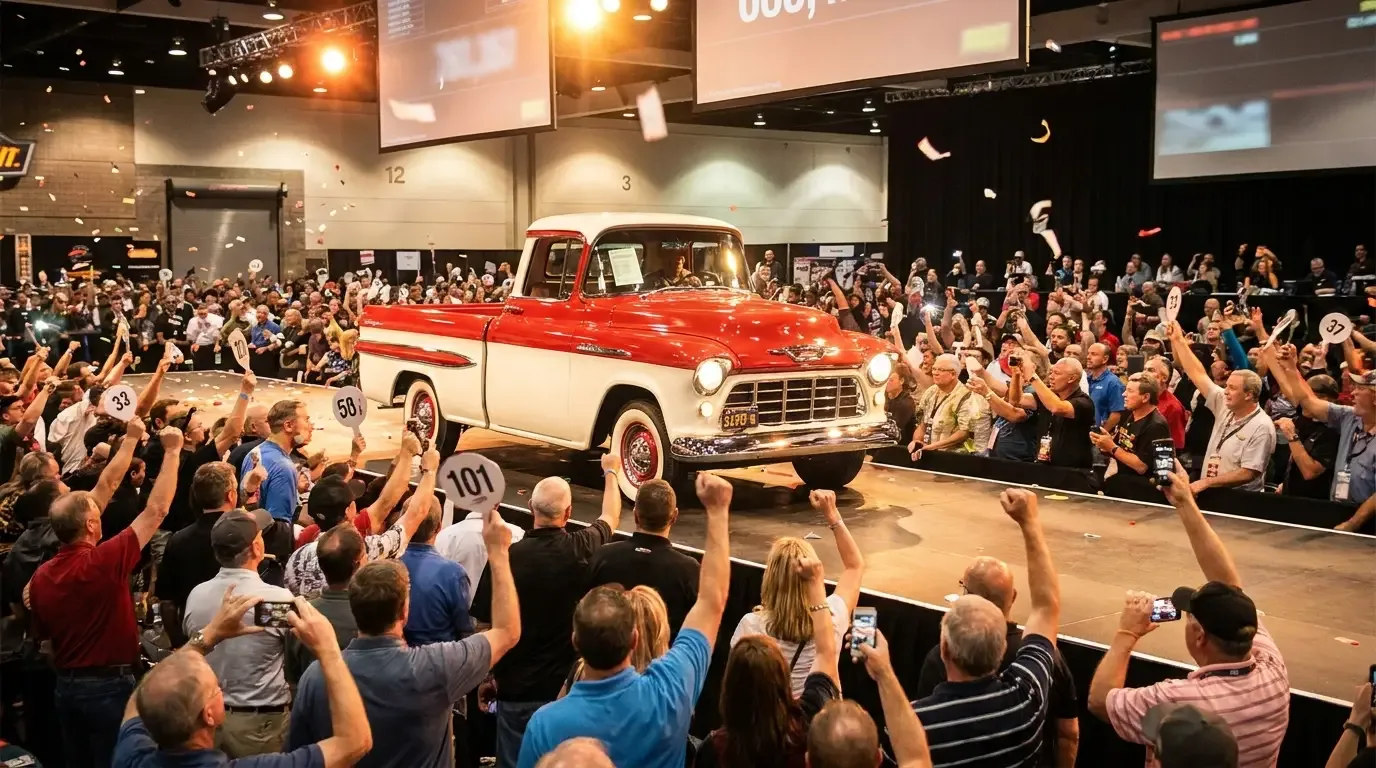
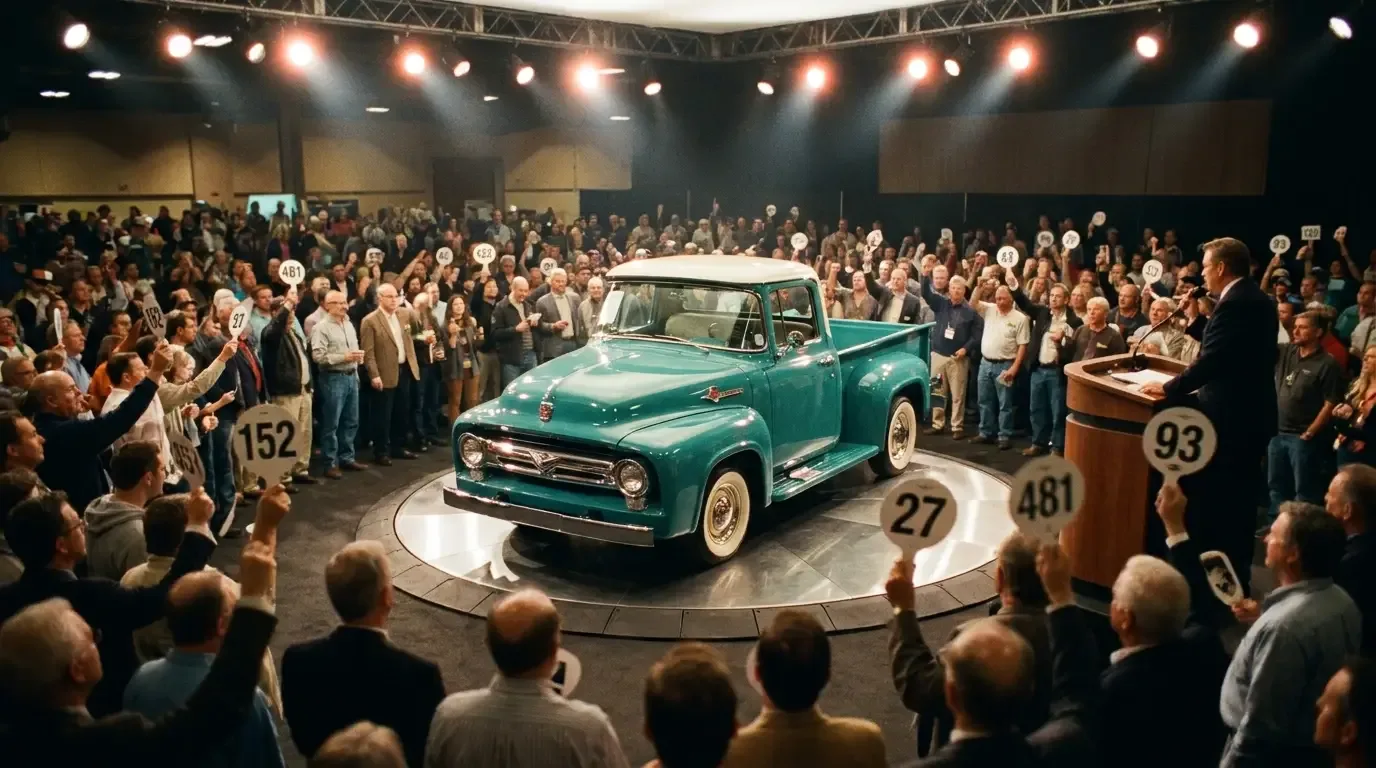
The other reality is the restoration math. It is easy to spend more restoring a truck than the finished truck will ever be worth. A cheap project with hidden rust can cost more to make right than a solid, more expensive truck bought correctly the first time. The market pays for the result, not for the receipts. Before you buy a project, price the finished version honestly and work backward. If the numbers do not close, walk.
"Buyers ask me what the ceiling is. The ceiling is originality, condition, and documentation stacked on top of each other. A rust-free, numbers-matching, factory-4x4 truck with the paperwork to prove it is a different asset than the same model that has been repainted and re-engined. Same badge, different market."
— David Mercer
Putting the value drivers together
No single factor makes a truck collectible. Value comes from how the drivers stack. Originality sets the benchmark, rarity and desirable options raise the ceiling, factory 4x4 and the right model year add premiums on top, documentation confirms the story, and condition gates the whole thing. A truck that scores well across all of them is where the serious money concentrates. A truck strong in one area and weak in three is a fair buy at a fair price, and there is nothing wrong with that if you know what you are getting.
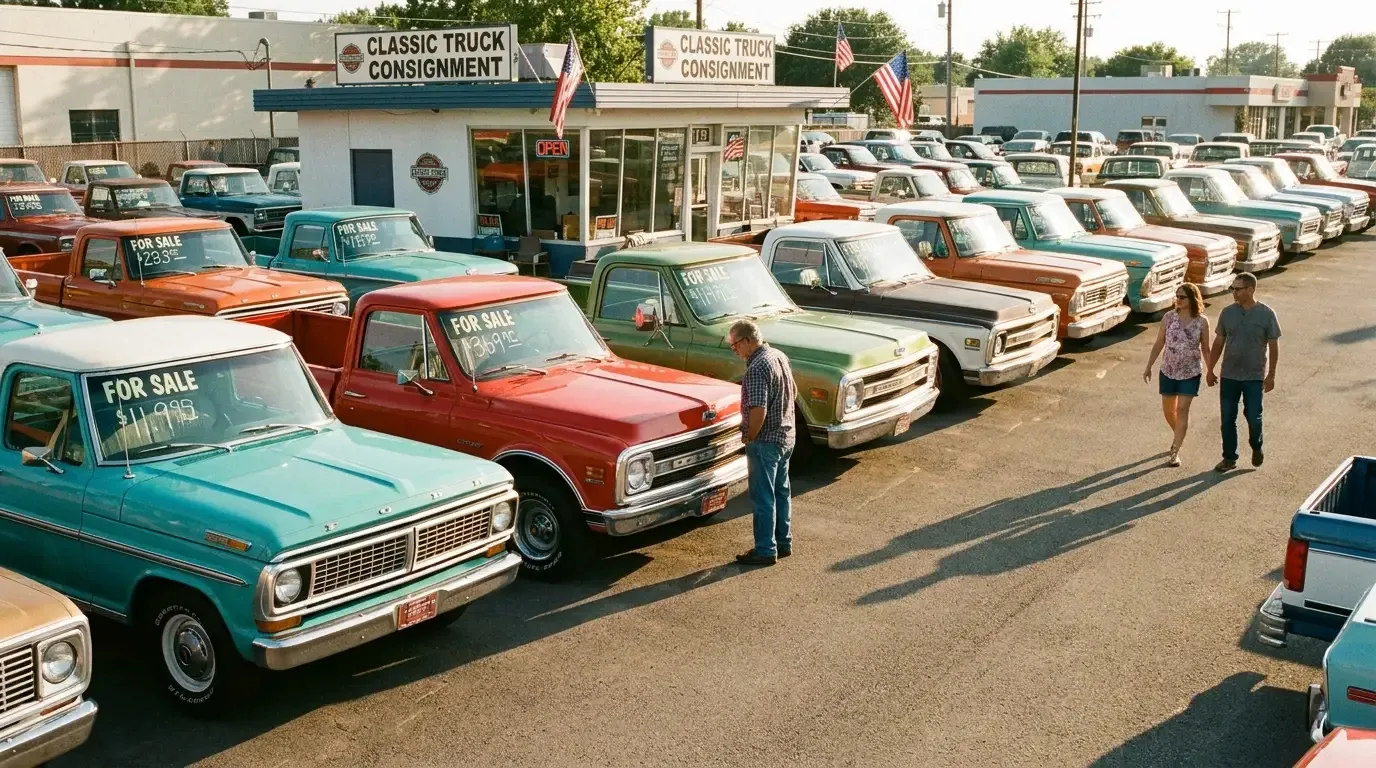
For a first collector, the practical move is to decide which drivers you are buying for and which you can compromise on. If you want a driver, prioritize condition and honesty over a rare option you will never notice. If you are buying to hold, weight originality and documentation, because those are the factors the market rewards most reliably over time. When you are ready to see how these drivers price out across real inventory, browse our collectible classic trucks for sale and compare what the market is asking against what you have learned here.
Sources and notes
- Factory service manuals and original equipment guides for drivetrain, option, and trim verification.
- Casting-number and date-code references for confirming numbers-matching drivetrains.
- Factory data plate, body tag, and build sheet documentation guides.
- Marque and model production histories for configuration rarity and survival estimates.
- Published auction results and market condition reports for value-tier and premium trends.