A cheap classic truck is one of the most tempting entry points into the old-vehicle hobby. The asking prices look forgiving, the shapes are honest, and every listing photo makes the thing look like a weekend away from a car show. The question buyers actually need answered is narrower than "is it cool." It is whether the money you put in has any chance of coming back out, and what the real cost of ownership looks like once the truck is in your driveway. This is a market question before it is an emotional one, so let's treat it that way.
If you want the practical mechanics of buying before you get to the money math here, start with how to buy a classic truck, then come back for the numbers.
What "cheap" actually buys you
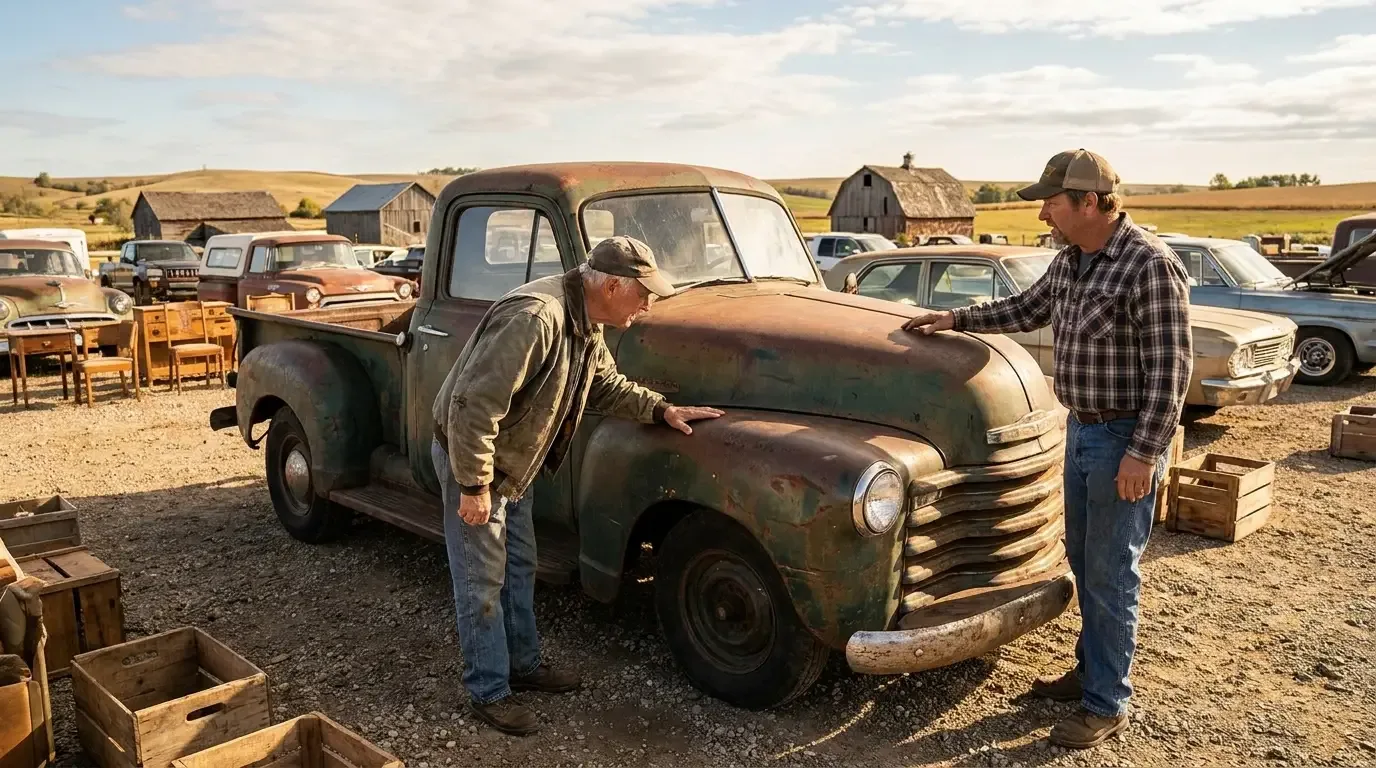
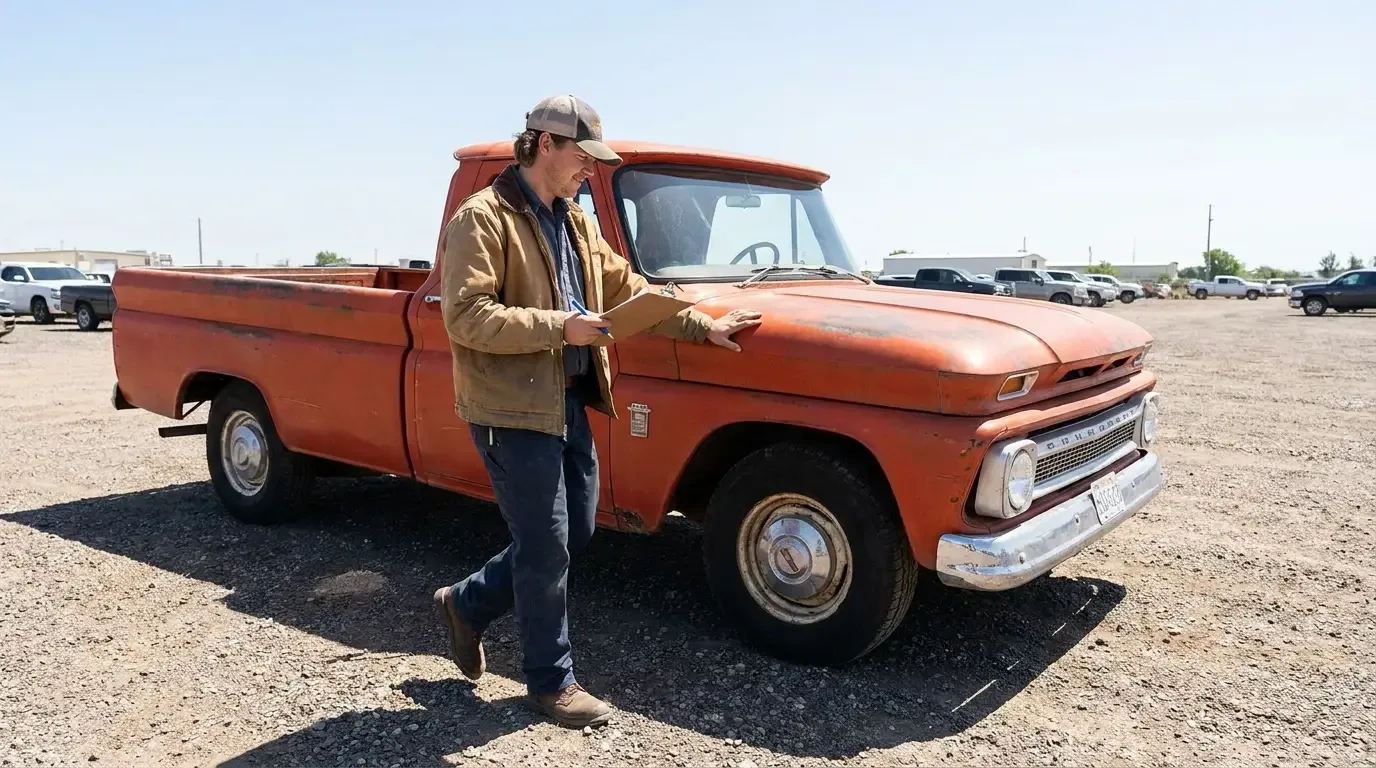
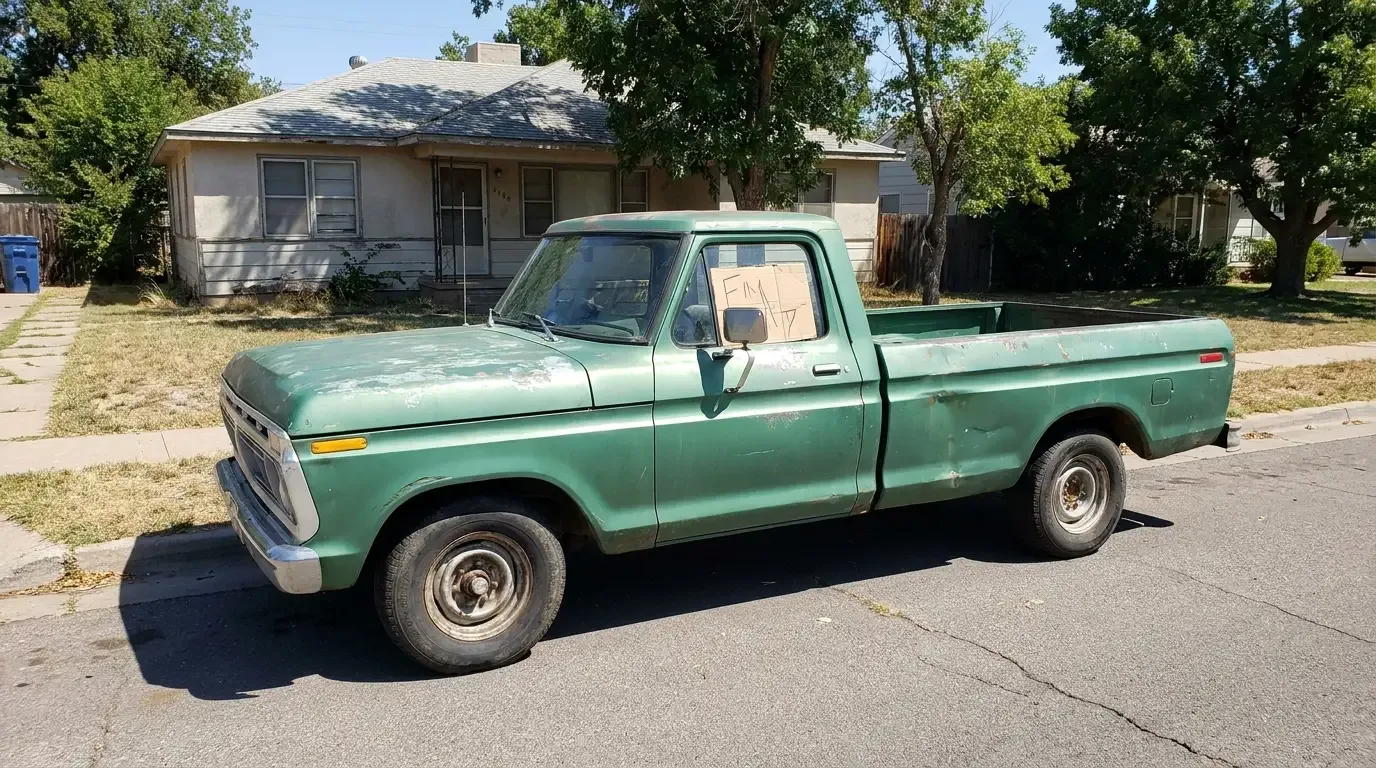
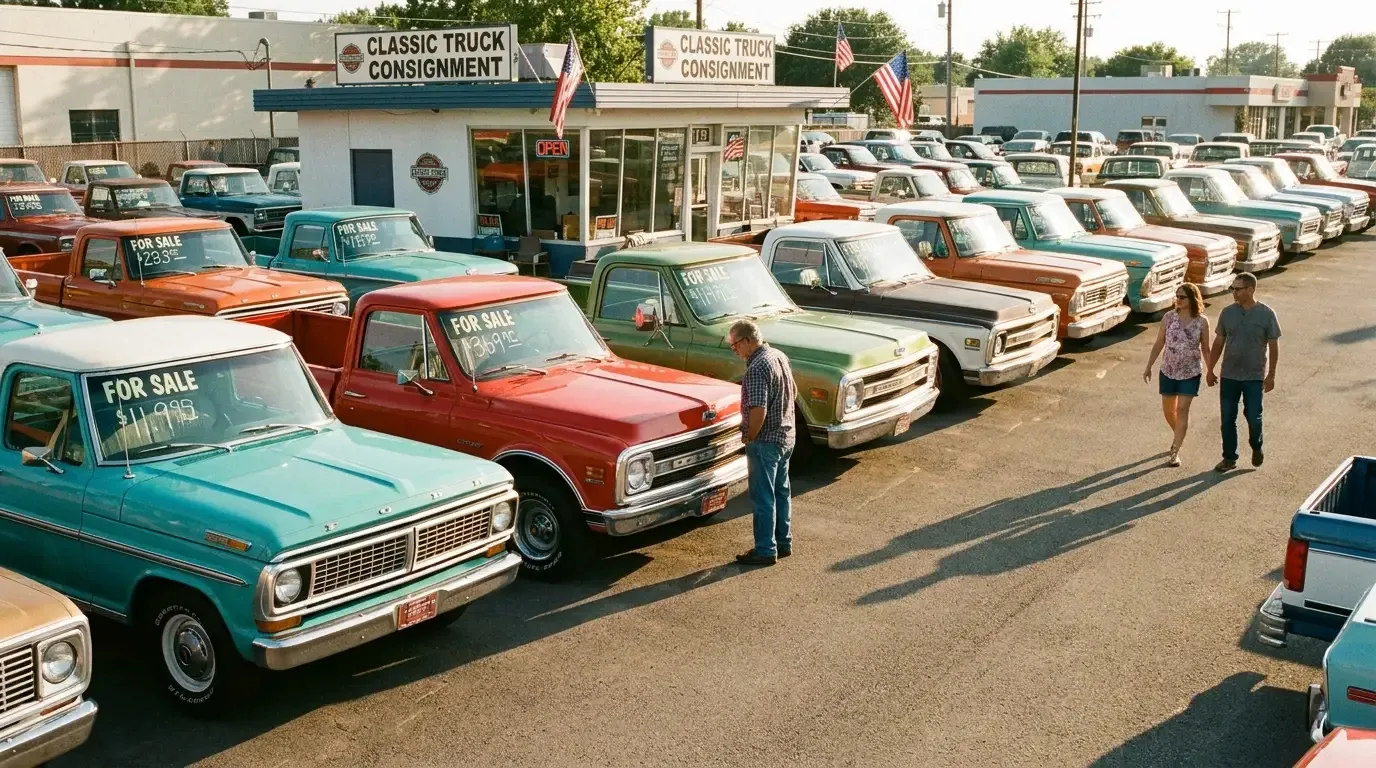
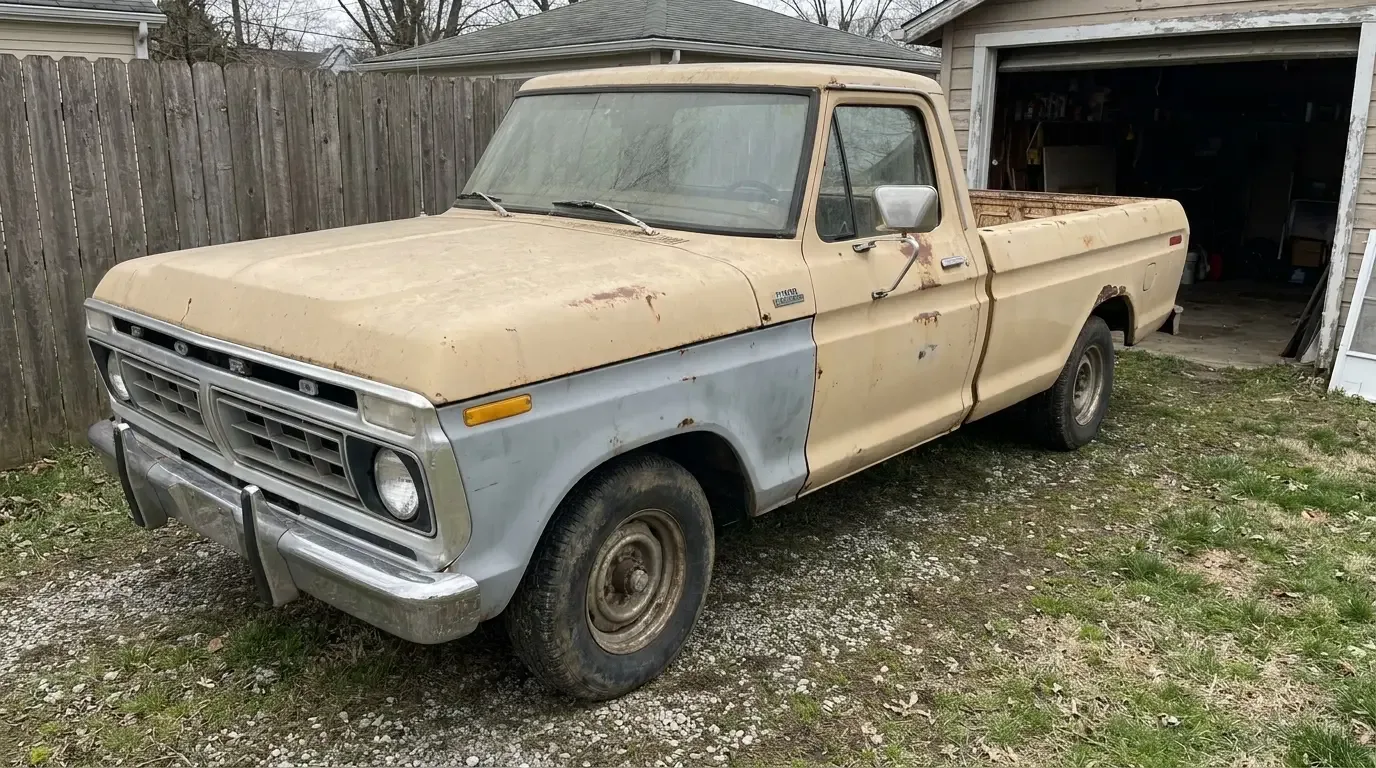
The cheap end of the classic truck market, call it roughly $6,000 to $10,000, almost never buys a finished vehicle. It buys a running-and-driving project with deferred work, or a clean body with a tired drivetrain, or a solid drivetrain in a body that needs metal. Understanding which of those three you are looking at is the entire game, because the sticker price is only the deposit.
A useful way to frame it is that a classic truck has four expensive systems: body and frame, drivetrain, brakes and suspension, and interior. A cheap truck is usually strong in one or two of those and weak in the rest. The seller has priced the strong parts. You are inheriting the weak ones. When you evaluate a $9,000 truck, you are really asking how much it costs to bring the two weak systems up to the level of the two strong ones.
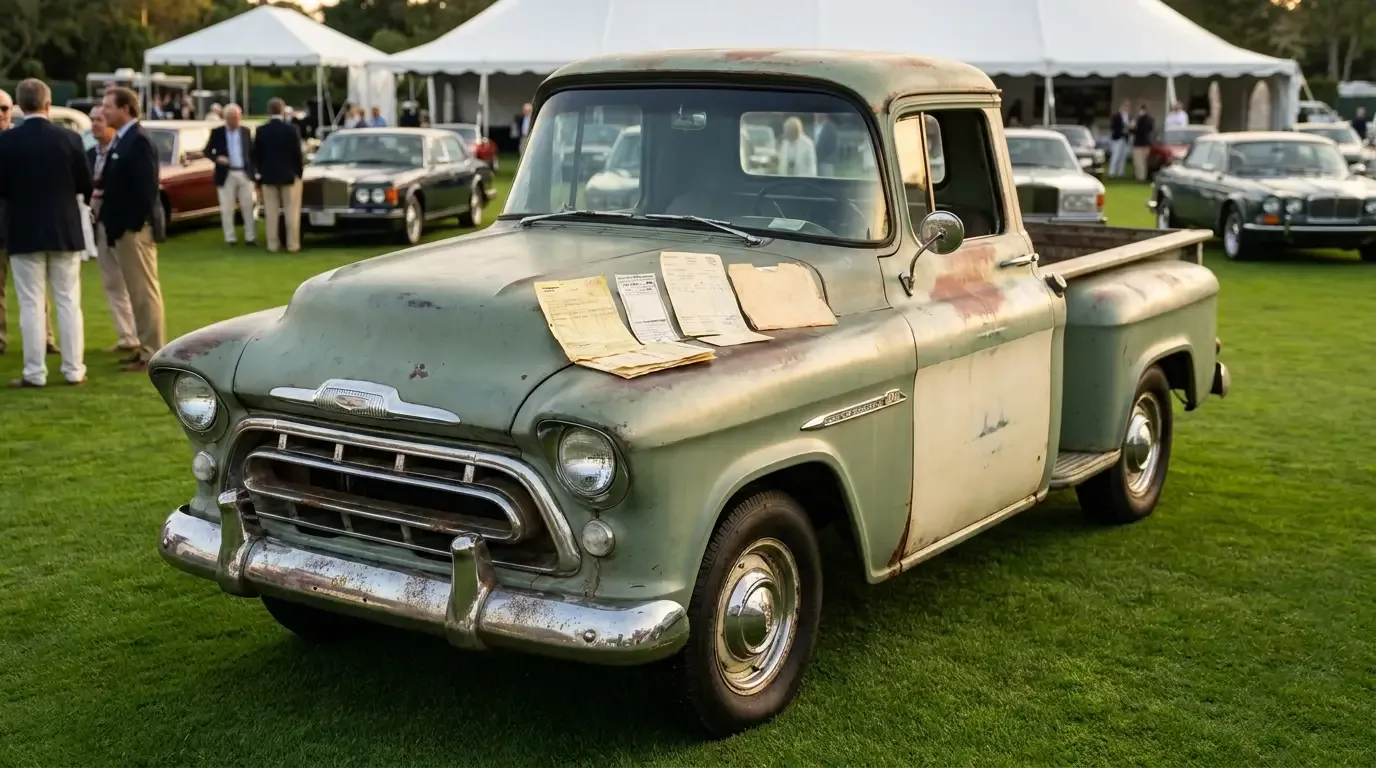
Body and frame is where the money hides. A drivetrain can be rebuilt to a known number. Rust is open-ended. Floor pans, cab corners, bed sides, and rocker panels are all replaceable, but frame rust and cab-mount rot move a project from "weekend work" into "bring a welder and a budget." This is why two trucks with identical asking prices can have a $12,000 gap in true cost.
The total-cost-of-ownership math
Here is the calculation most first-time buyers skip. Total cost of ownership on a cheap classic truck is the purchase price plus the "sort-out" cost plus annual carrying cost. The sort-out is everything the truck needs in year one to be safe and reliable: brakes, tires, fluids, cooling, ignition, and whatever the previous owner labeled "just needs a little work."
| Cost line | Typical range | Notes |
|---|---|---|
| Purchase | $6,000–$10,000 | Running project or partial restoration |
| Year-one sort-out | $2,000–$6,000 | Brakes, tires, cooling, ignition, leaks |
| Bodywork (if needed) | $3,000–$15,000+ | Open-ended; rust dictates everything |
| Annual carrying | $500–$1,200 | Insurance, registration, storage, maintenance |
Run the arithmetic and the picture sharpens. A $9,000 truck that needs $4,000 of sort-out is a $13,000 truck the day it is actually usable, before you have touched paint. That is not a reason to walk away. It is a reason to price the truck correctly before you buy, so the sort-out is a plan rather than a surprise. Agreed-value classic insurance is cheap relative to the vehicle value, which is one of the few carrying costs that works in the hobby's favor.
"The mistake I see in the numbers is always the same. People budget the purchase and forget the sort-out. A cheap truck is not a cheap hobby. It is a fair hobby if you price the whole thing on day one instead of finding out in installments."
— David Mercer
Which cheap trucks appreciate, and which stay cheap
Not every cheap truck is a value trap, and not every one is a bargain. The market rewards specific traits, and they are consistent across brands and decades. This is where you separate a truck that holds or gains value from one that will always be cheap because the market has decided it should be.
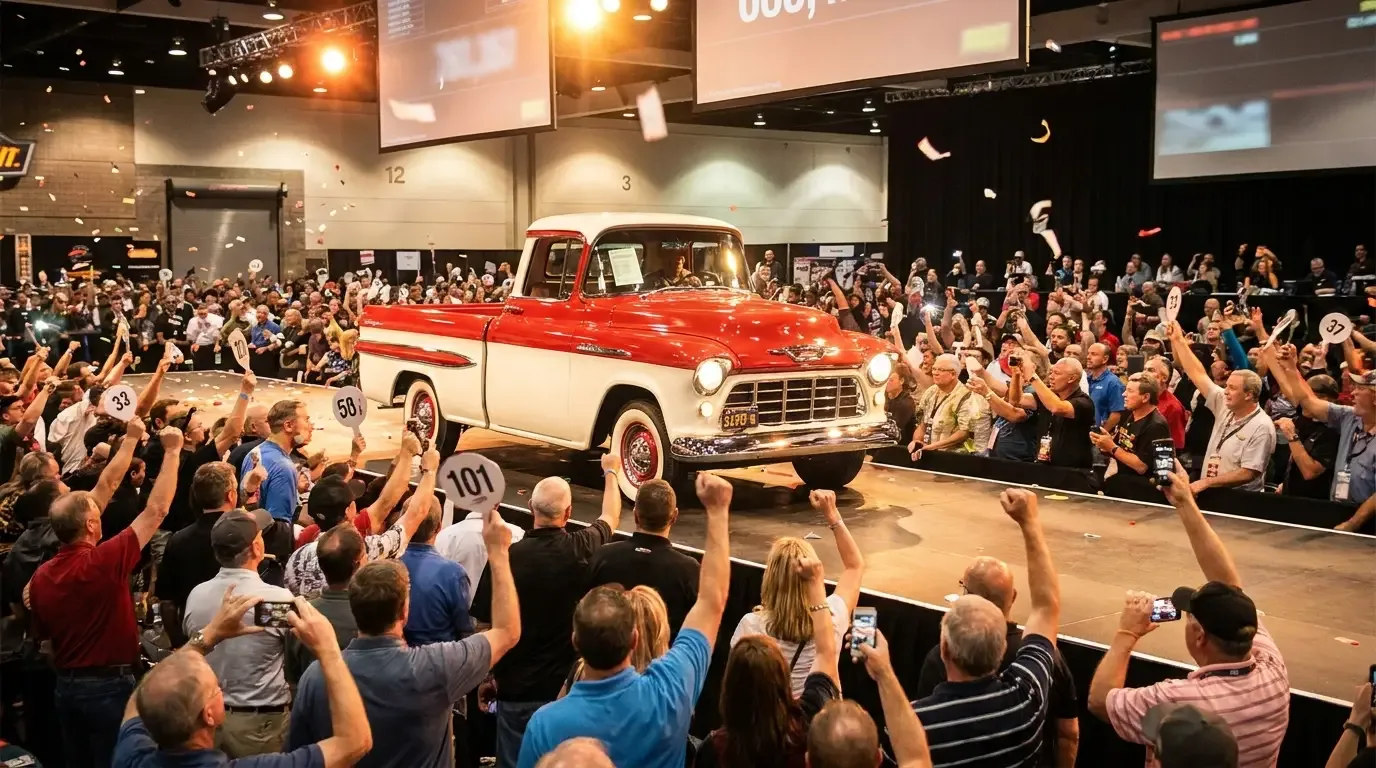
Trucks that tend to appreciate share a few characteristics. Short-bed, half-ton configurations pull stronger than long-bed, three-quarter-ton work trucks. Factory-original drivetrains and correct trim matter more than buyers expect, because the restoration market pays for authenticity. Body condition beats mechanical condition on the resale ledger, since rust-free sheet metal is the one thing money struggles to replace cleanly. And desirable option combinations, factory big-blocks, four-wheel drive on the right years, or a rare cab-and-bed pairing, carry real premiums.
Trucks that stay cheap are equally predictable. Long-bed work configurations, heavily modified builds that erased originality, rust-repaired bodies with visible filler, and mismatched drivetrains all sit at the bottom and stay there. Modification is the subtle one. A tasteful, reversible upgrade rarely hurts value, but a build that welded away the original character caps the ceiling. The buyer who wants a period-correct truck will not pay for someone else's taste.
- Appreciates: short-bed half-tons, original drivetrains, rust-free bodies, desirable factory options.
- Stays cheap: long-bed work trucks, heavily modified builds, filler-heavy bodies, engine swaps of unknown quality.
- Wild card: a genuinely rare factory configuration in a common model can outrun the whole segment.
An honest verdict
So are cheap classic trucks worth it? Yes, with a condition attached. They are worth it as a hobby vehicle you buy with open eyes, price honestly, and enjoy for what it is. They are a poor idea as a pure investment if you are shopping only at the bottom of the market, because the trucks most likely to appreciate are rarely the cheapest ones in the listings.
The realistic outcome for a well-chosen cheap truck is that it holds most of its combined cost while giving you years of use, and a genuinely good buy, a rust-free body with an honest drivetrain bought below market, can return your sort-out money and then some. The unrealistic outcome, the one that burns first-time buyers, is expecting a $7,000 truck to become a $25,000 truck without a five-figure body and paint bill in between. Value comes from buying correctly, not from hoping the market lifts a compromised truck.
If you want to see where real entry-level pricing sits right now, browse the current classic trucks under $10,000 and run each listing through the total-cost math above. The trucks that survive that arithmetic are the ones worth chasing.
Sources and notes
- Collector-vehicle auction results and sold-listing archives for entry-level price ranges.
- Classic-truck marque histories and production references for configuration desirability.
- Agreed-value collector insurance guidelines for carrying-cost estimates.
- Restoration cost guides and shop labor references for sort-out and bodywork ranges.
- Price figures are approximate market ranges and should be confirmed against current sold data before relying on them.