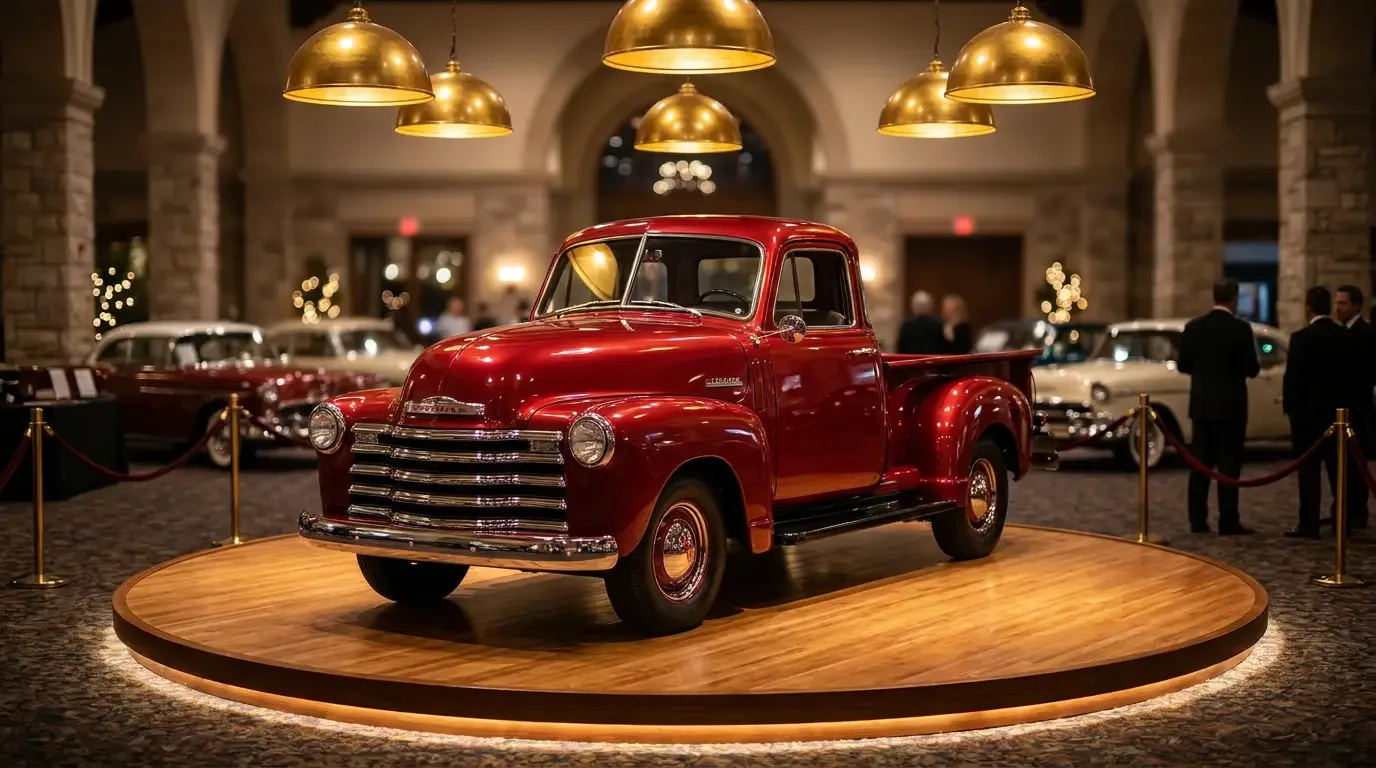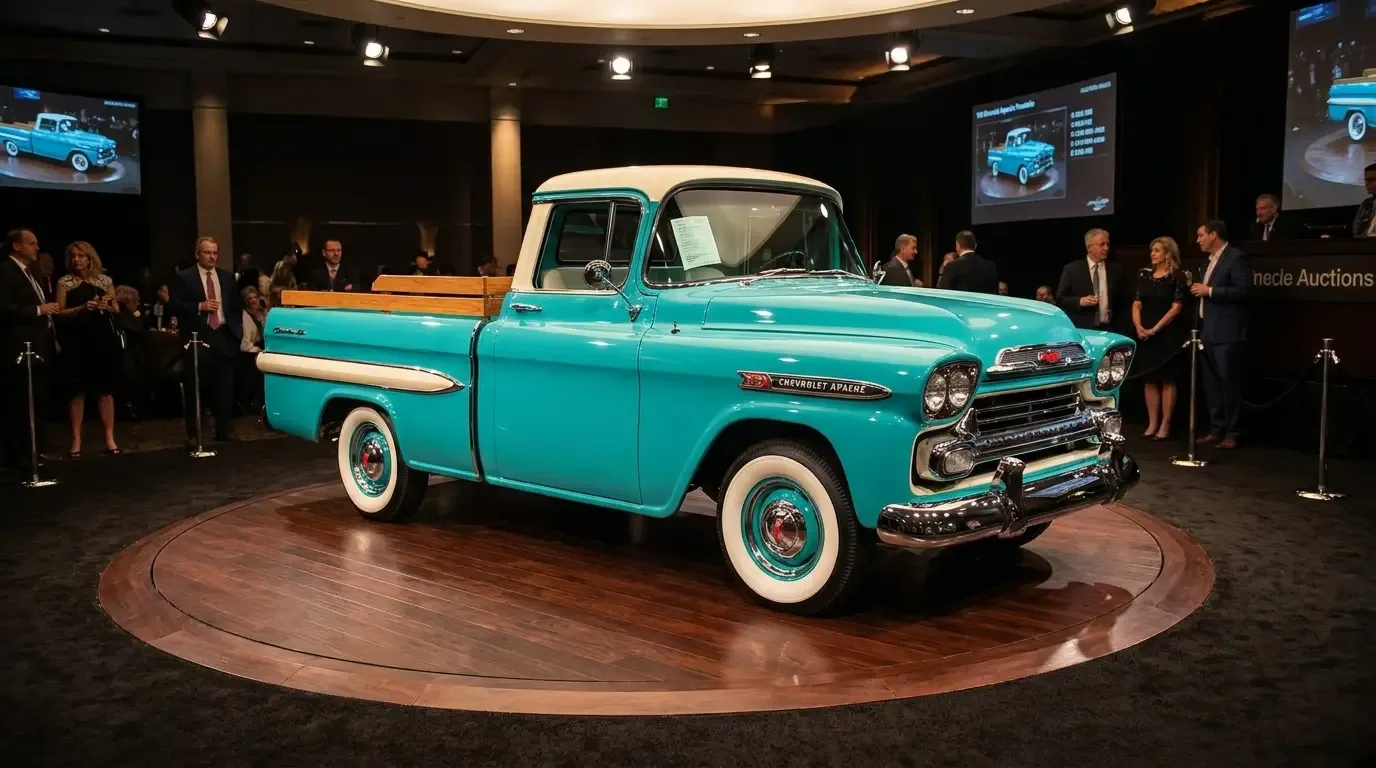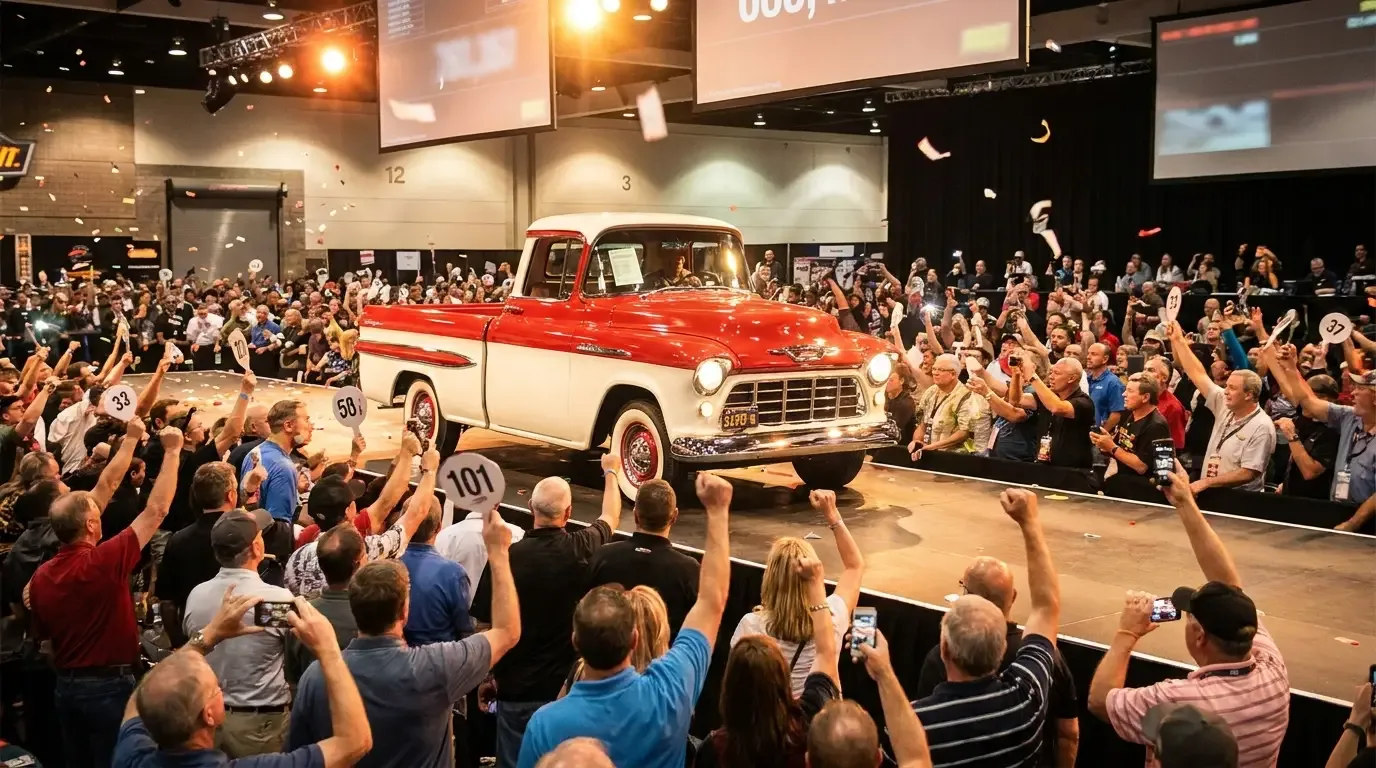
An auction result is a data point, not a verdict. One truck crossing the block at a strong number tells you what a specific buyer paid for a specific example on a specific Saturday. String enough of those data points together, account for condition and provenance, and you start to read the market instead of guessing at it. That reading is the difference between paying strong money for the right reasons and overpaying because a room got loud.
This is a segment-wide look at how classic trucks behave under the hammer. It is not about any one model. Whether you are watching a mid-century half-ton, a square-body fleetside, or a mid-size step-side, the mechanics of the sale are the same. What follows is how I read those mechanics as a market analyst, and how you can use them whether you are bidding or consigning.
What actually sells, and what stalls
Trucks reward a specific profile at auction, and it is not always the profile that reads best in a catalog photo. Short-bed configurations consistently outperform long-beds. Factory-correct trim and a documented drivetrain matter more in trucks than in most muscle-car segments because so many trucks were worked, modified, and re-cabbed over sixty years. A truck that can prove what it is has a materially higher ceiling than one that merely looks the part.
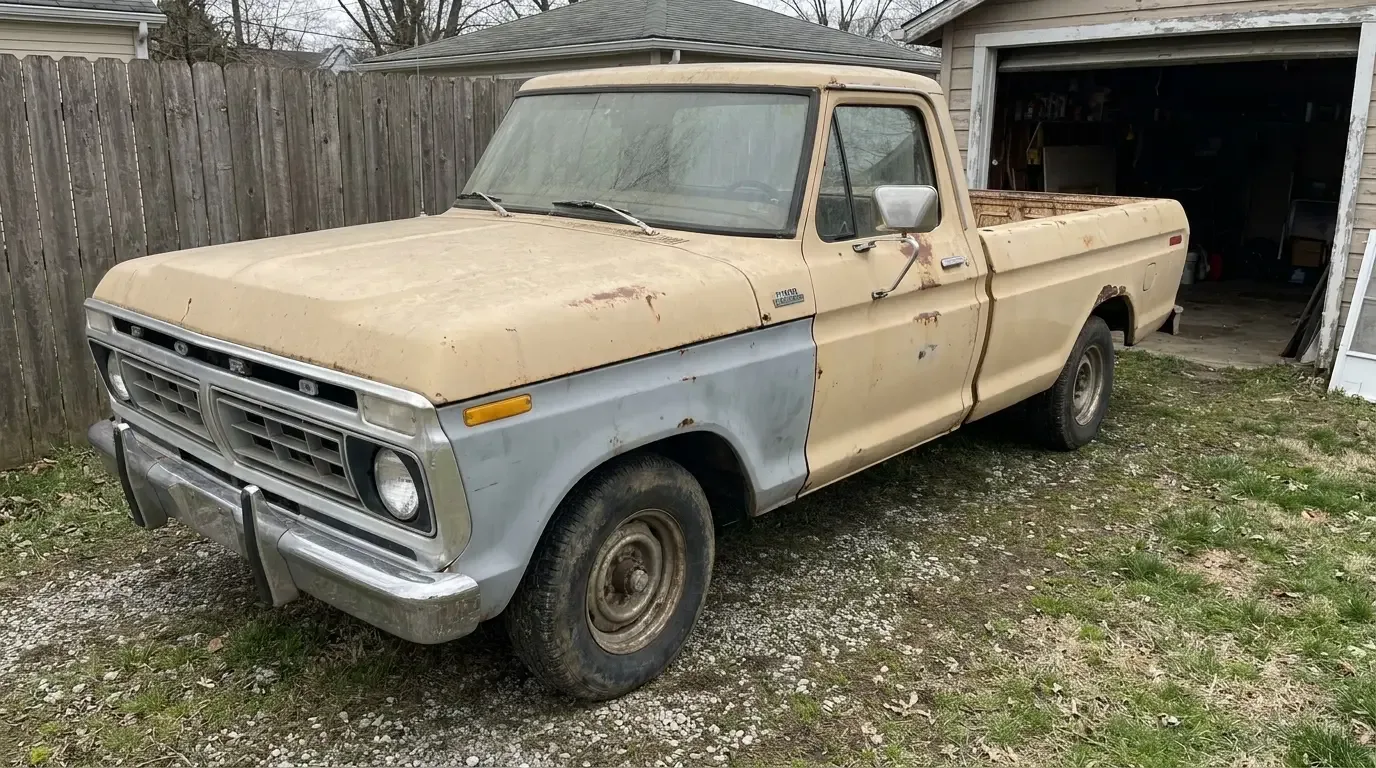
The lots that stall tend to share traits. Ambiguous history, mismatched panels, a repaint hiding filler, or a build that fell between two stools, too nice to work, not correct enough to collect. Buyers at the top of the market are paying for certainty. Everything that introduces doubt widens the spread between the low and high bid and often leaves the lot short of reserve.
- Configuration: short-bed step-side and fleetside bodies clear stronger than long-bed work configurations.
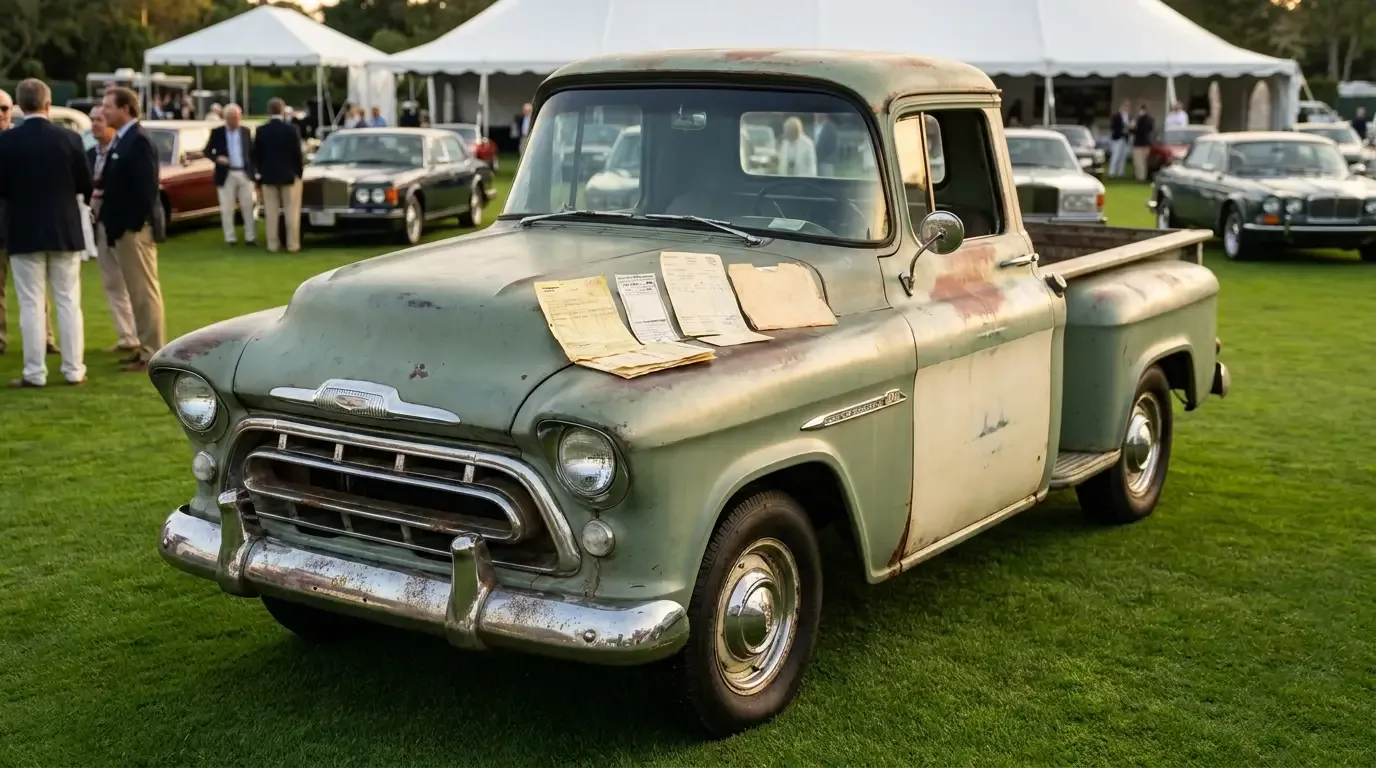
- Documentation: build sheets, prior sale records, and restoration receipts compress buyer risk and lift bids.
- Drivetrain honesty: a correct or period-appropriate engine beats an uprated crate motor for collector buyers, though restomod buyers invert this.
- Presentation: a clean undercarriage in the catalog photos does more than a glamour shot of the paint.
Reserve versus no-reserve, and why it matters to you
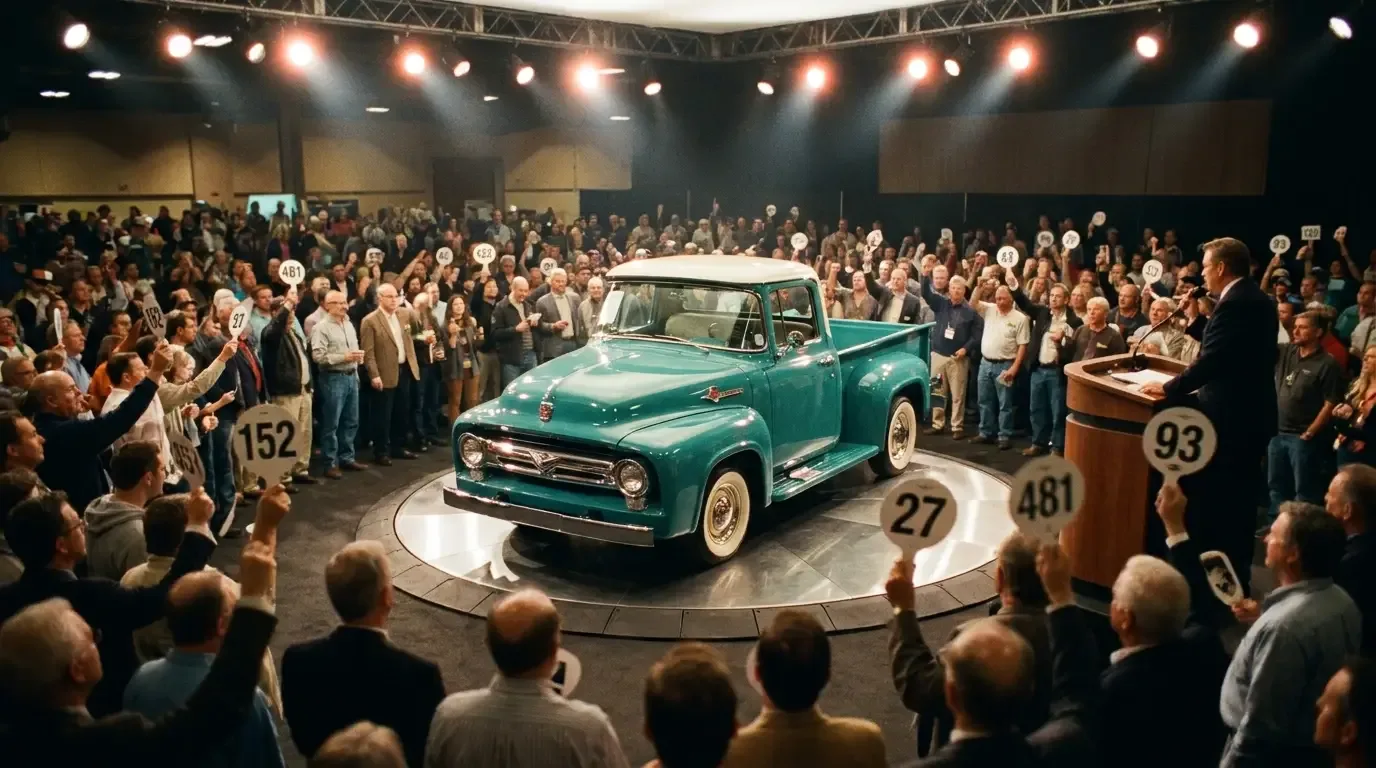
The single most important line in any lot description is whether it carries a reserve. A reserve is a confidential minimum the consignor sets; the truck does not sell unless bidding meets or exceeds it. No-reserve means the highest bid wins, full stop, even if that number disappoints the seller. These two formats produce completely different behavior in the room, and you read the results differently as a result.
No-reserve lots are the cleaner market signal. Because the truck will sell regardless, the hammer price is the honest intersection of supply and demand on that day. Reserve lots are noisier. A truck that is "bid to" a strong number but marked "not sold" tells you the high bidder and the seller disagreed on value, which is information, but it is not a completed transaction. Treat a bid-to figure as a floor of interest, not a market price.
As a buyer, no-reserve is where deals live, and also where discipline is tested. A no-reserve truck early on a slow day can hammer well under trend. It can also run away from you when two determined bidders decide they both want it. As a seller, no-reserve draws bidders precisely because they know the truck will trade, but you accept the downside risk of a soft room.
"I trust a no-reserve hammer more than a reserve-met headline. One is a transaction. The other is a negotiation that happened to clear."
— David Mercer
Restomod versus original at the block
Two philosophies compete for the same trucks, and they draw different money for different reasons. Original, factory-correct trucks appeal to the collector who values authenticity and expects the value to track condition, documentation, and rarity. Restomods, trucks rebuilt with modern drivetrains, brakes, suspension, and climate control, appeal to the buyer who wants to drive the thing hard and often, and who will pay for that usability.
At auction, the restomod result is harder to read because so much of the value is subjective and build-specific. A high-quality restomod with a respected shop's name attached and receipts to match can command a number well above a comparable original. A generic restomod, competent but anonymous, often struggles, because the buyer cannot verify the build quality from the block and prices in that uncertainty. Original trucks trade in a tighter band; there is a knowable standard for what "correct" looks like.
The practical takeaway: when you compare auction results, never average a restomod against an original. They are different products. Segment your comparables. A restomod result only informs another restomod of similar build caliber, and an original result only informs another original of similar condition and documentation.
| Factor | Original / correct | Restomod |
|---|---|---|
| Value driver | Authenticity, documentation, condition | Build quality, drivability, shop reputation |
| Price predictability | Tighter, comparables are cleaner | Wider, build-specific and subjective |
| Buyer profile | Collector, preservationist | Driver who wants modern manners |
| Documentation weight | Critical, proves originality | Critical, proves build spend and quality |
| Resale risk | Lower, standard is knowable | Higher for anonymous builds |
How to read auction results without fooling yourself
Published results are a gift and a trap. The trap is treating a single strong sale as the new market. Prices reported by the major houses typically include the buyer's premium, a percentage added on top of the hammer, so the number you read is not what the winning bidder actually offered. Always confirm whether a figure is hammer or hammer-plus-premium before you use it as a comparable. If you cannot tell, treat the figure as unverified and do not build a bid strategy on it.
Read volume, not just peaks. Three trucks of the same type selling within a narrow band on the same weekend is a far stronger signal than one outlier. One record price can reflect two bidders with a grudge; a cluster of consistent results reflects the market. Watch the sell-through rate too, the percentage of offered lots that actually met reserve and sold. A high sell-through in a segment means healthy demand; a low one means sellers are asking more than buyers will pay.
🔧 Inspection Priorities
- Confirm hammer vs. total. Establish whether the reported price includes the buyer's premium before treating it as a comparable. The gap can be significant.
- Segment your comparables. Match configuration, condition, and originality or build caliber. Never blend restomod and original results.
- Weigh sold over bid-to. A completed no-reserve sale outranks a "bid to" reserve figure every time.
- Check the date and venue. A result from a marquee sale in a strong season is not the same as a mid-week online result in a soft one.
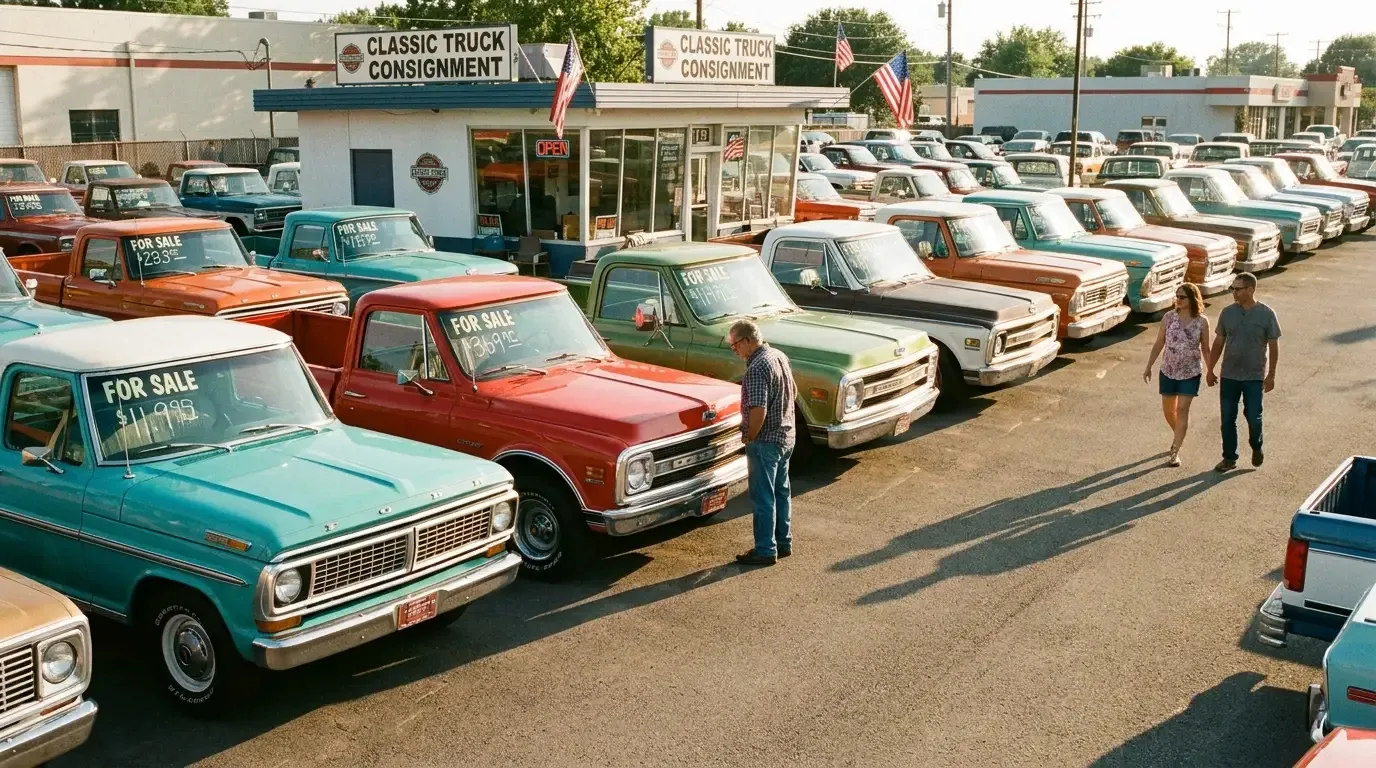
If you want to see how these dynamics play out across a specific price tier, the middle of the market is the most instructive band to study, where classic trucks $50k to $100k trade with enough volume to give you real comparables rather than one-off records.
Buying and selling smart on the block
If you are buying, do your valuation before the doors open, not while your hand is in the air. Set a walk-away number based on segmented comparables and hold it. The auction environment is engineered to compress your decision time and stretch your ceiling; the discipline you bring in is the only defense. Inspect in person or through a trusted agent, because catalog photography flatters and a stalled bidding war often reflects flaws the room could see and you could not.
If you are selling, the reserve decision is your biggest lever. Set it too high and you pay listing fees to not sell a truck, then carry the stigma of a "no-sale" that follows the lot to its next outing. Set it at a defensible number, or go no-reserve on a truck strong enough to draw a crowd, and you convert. Presentation earns its keep here: honest documentation, a clean undercarriage, and a clear account of what the truck is will move your result up the band more reliably than another coat of paint.
For the broader strategy behind acquiring, holding, and valuing these trucks over time, start with the classic truck collecting guide, which frames the market that auction results measure.
Sources and notes
- Published auction results and sell-through data from major collector-vehicle auction houses.
- Auction catalog descriptions and lot documentation standards.
- Marque and segment histories for classic American trucks.
- General buyer's-premium and reserve-structure conventions used across the collector auction market.
- No specific hammer prices are asserted in this article; all figures should be verified against primary auction records before use as comparables.