For most of the collector-car era, the pickup truck sat at the bottom of the value table. It was a work vehicle, not an investment, and the market treated it that way. That has changed. Over the past decade classic trucks have moved from the margins of the hobby to the center of it, and the price data tells the story clearly. A well-restored vintage half-ton that once traded for beer money now commands numbers that would have looked absurd in the early 2000s. If you follow auction results, you have watched the shift happen in real time.
This is not a fad built on one hot model. The demand is broad, it spans several decades of production, and it is driven by a set of factors that reinforce each other. Below I break down what is actually moving the market. For a deeper practical walkthrough on buying and owning, see our classic truck collecting guide.
The demand shift from cars to trucks
The clearest way to understand the truck boom is to look at what buyers stopped chasing. For years the blue-chip end of the market was dominated by European sports cars and American muscle. Those segments are still valuable, but the entry pricing has become punishing. A buyer with a real but limited budget found fewer and fewer options that were both affordable and usable.
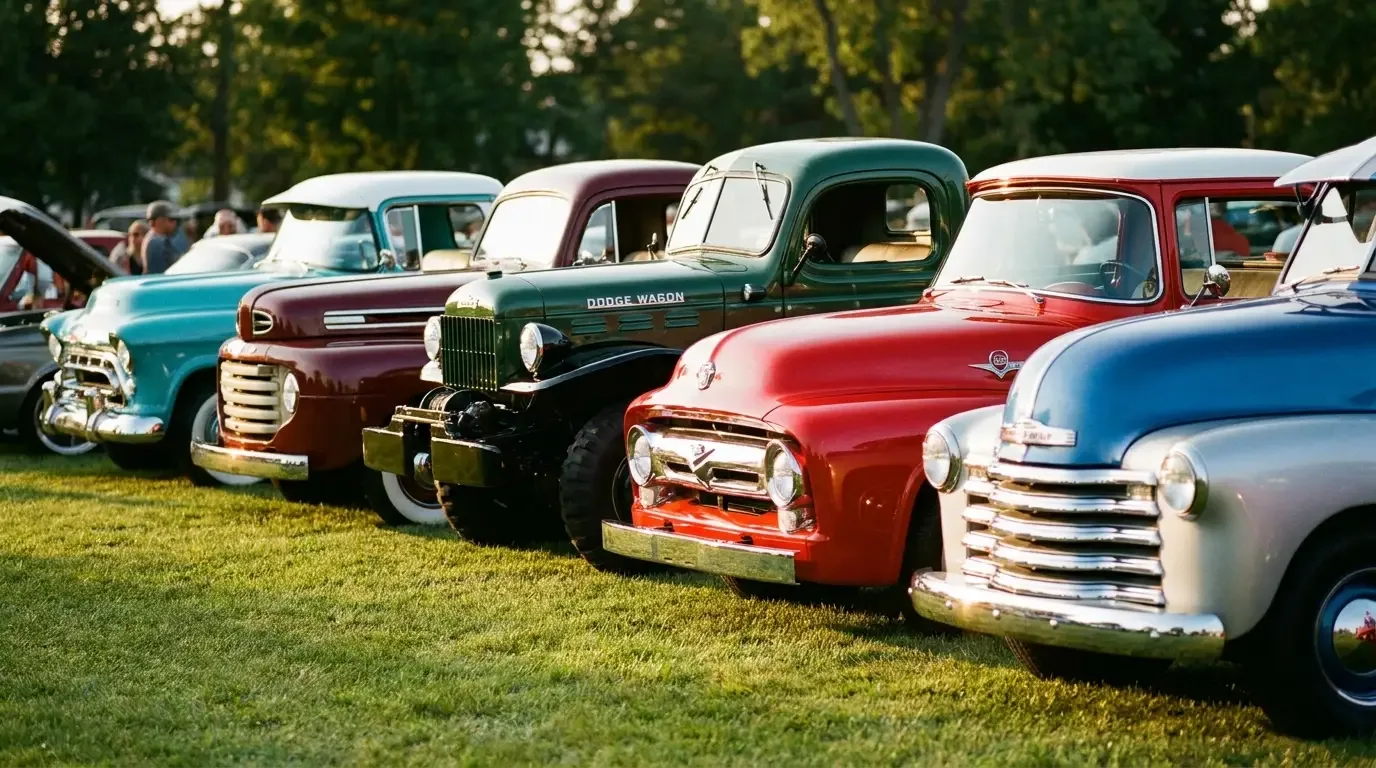
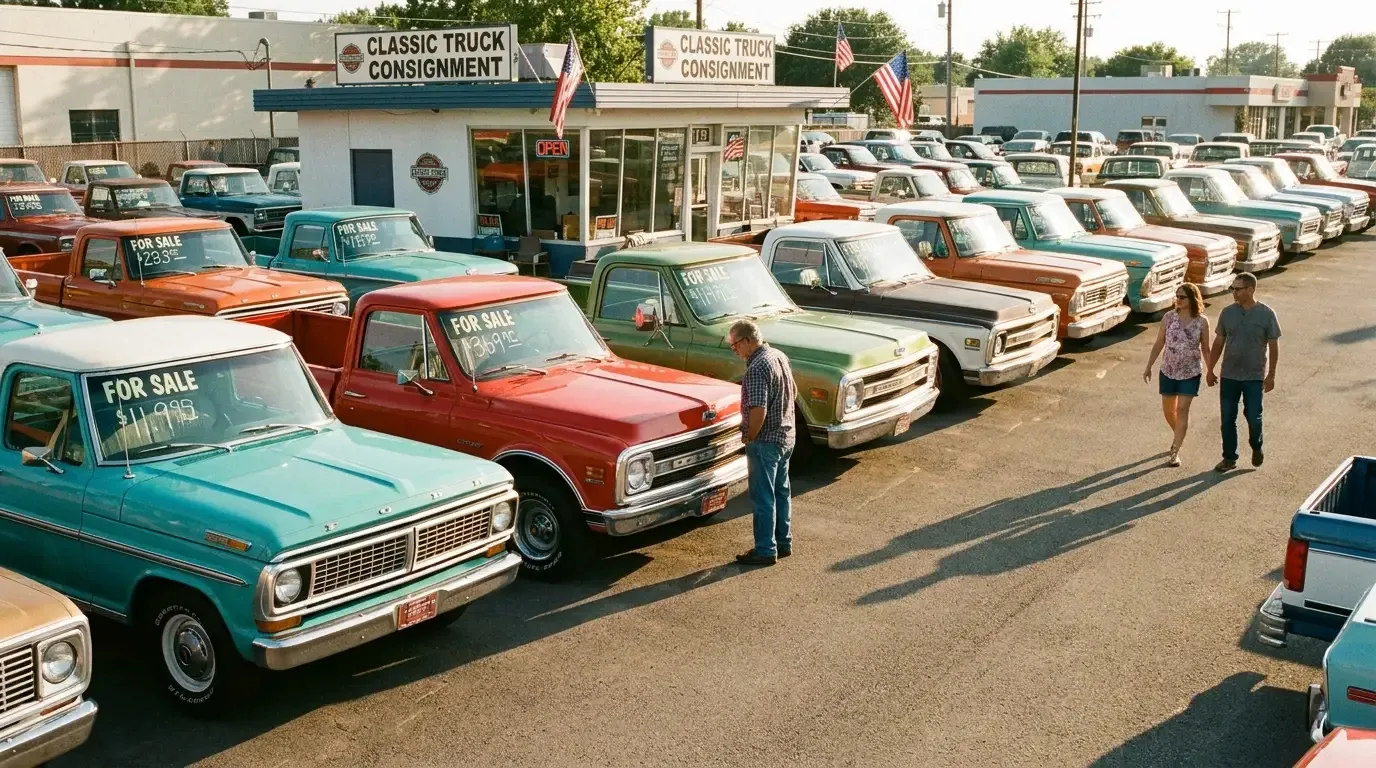
Trucks filled that gap. They are approachable, mechanically simple, and they connect to a buyer's own history in a way a rare coupe often does not. A lot of people grew up around a family pickup or drove one as a first vehicle. That emotional pull, combined with a lower cost of entry compared to muscle cars of the same era, brought a wide pool of new buyers into the segment. When demand widens and supply of clean, unmodified examples stays flat, prices move up. That is the mechanism, and it has been running for years now.
Restomod money changed the ceiling
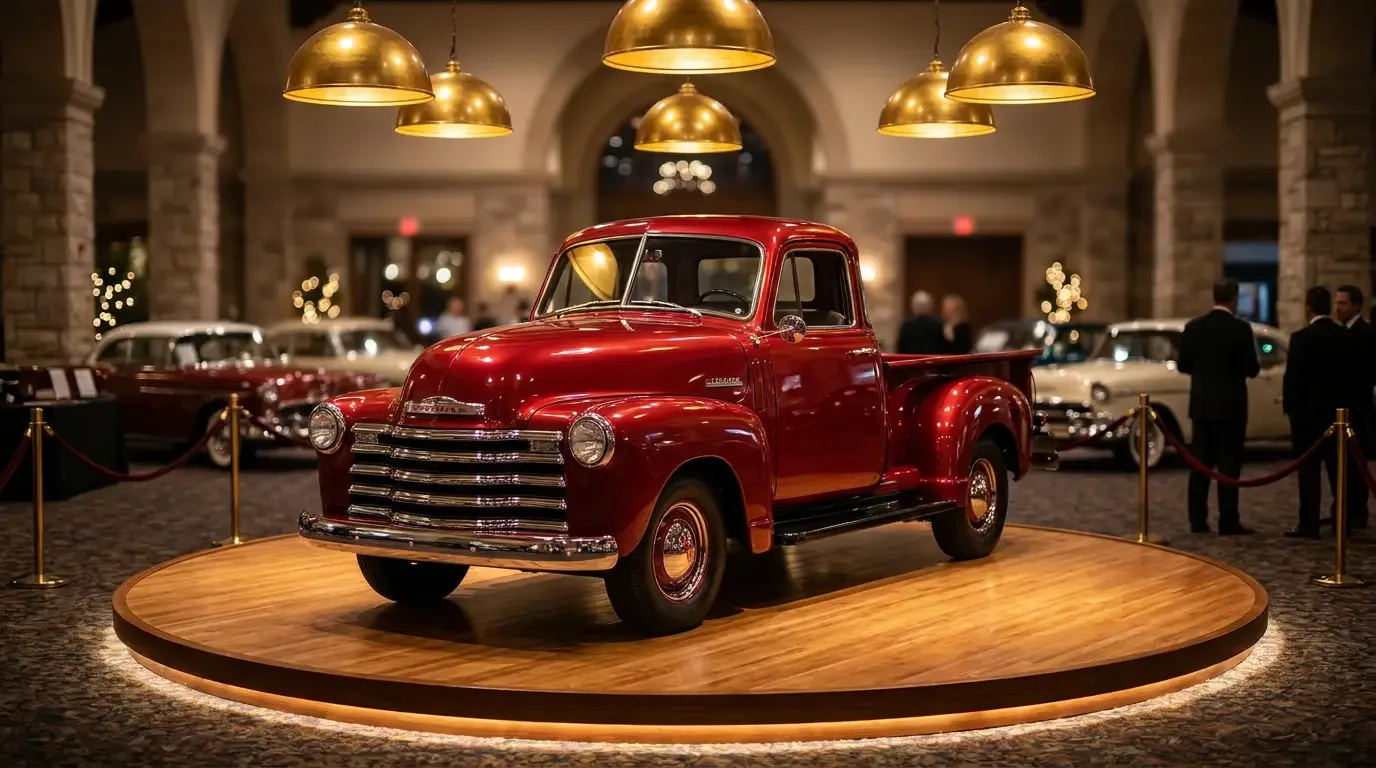
The single biggest change to the truck market is the arrival of restomod money. A restomod keeps the vintage body and character but swaps in a modern drivetrain, brakes, suspension, air conditioning, and interior. The result drives like a current vehicle while looking like a classic. For a lot of buyers that is exactly the product they want, and they are willing to pay for it.
This matters for the whole segment because it reset the price ceiling. When a professionally built restomod truck sells for a multiple of what a stock restored example brings, it pulls the reference points up across the board. Builders responded by producing more of them, and a genuine industry has formed around crate engines, bolt-in chassis, and modern climate systems for old trucks. The high-dollar restomod result also gives sellers of clean stock trucks a stronger negotiating position, because the same truck is now the starting point for an expensive build.
| Build type | What it is | Relative market position |
|---|---|---|
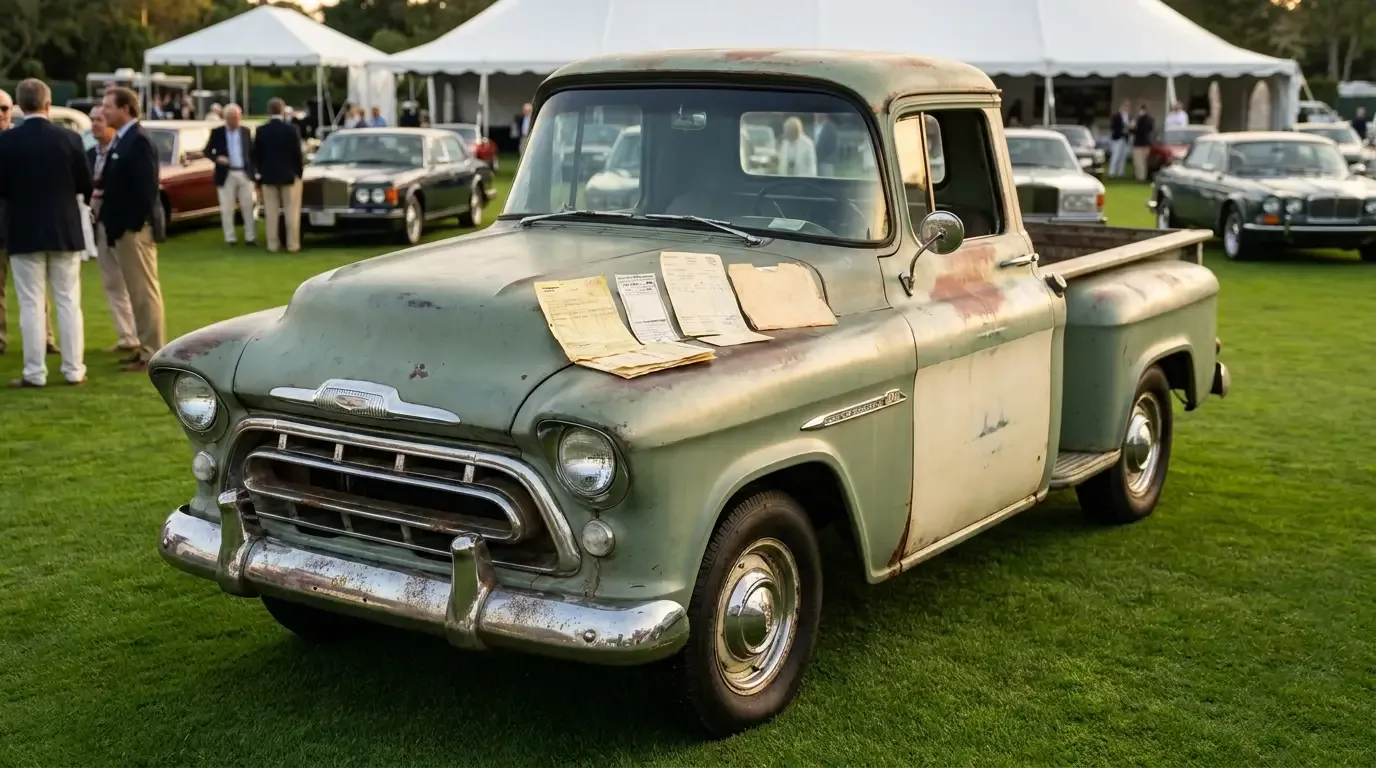
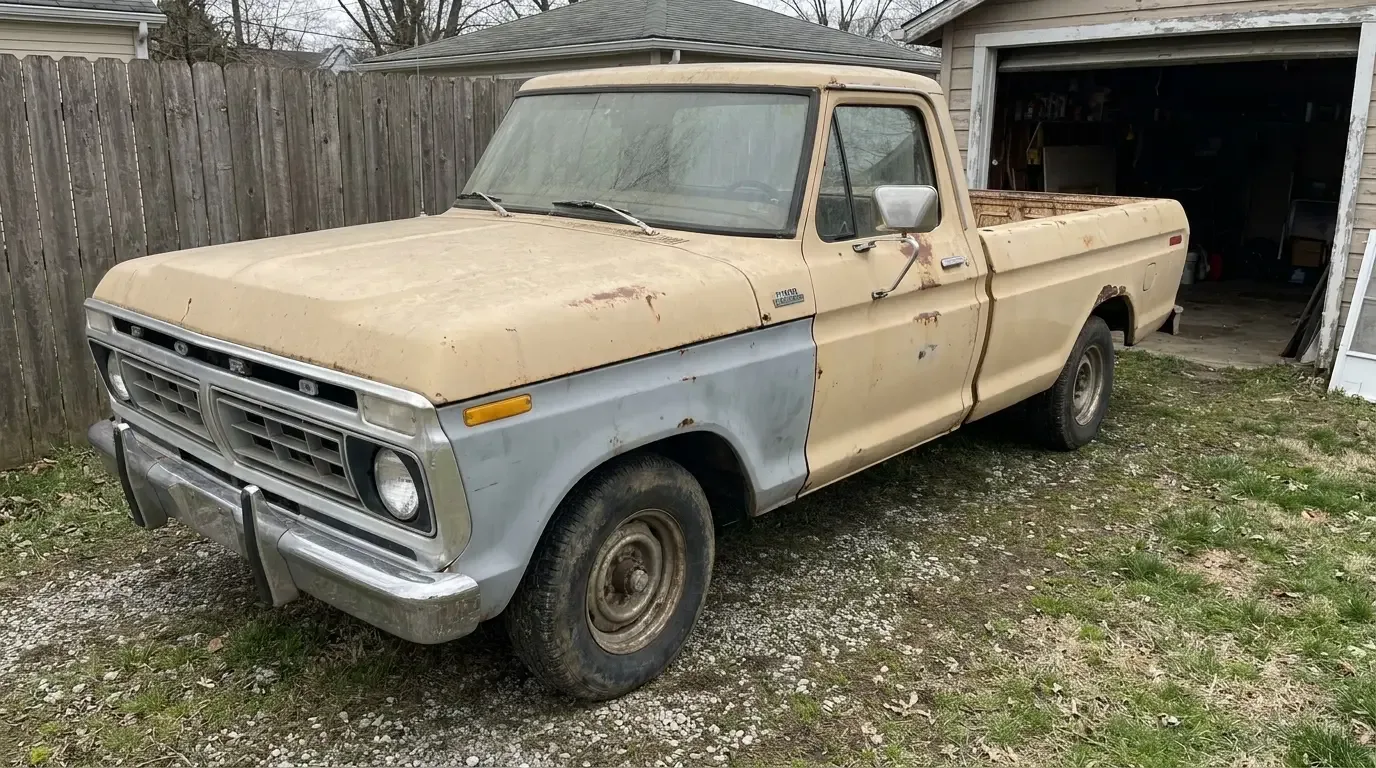
| Original / survivor | Unrestored, running, honest patina | Rising fast on scarcity; condition-dependent |
| Stock restoration | Rebuilt to factory spec | Solid, predictable value |
| Restomod | Vintage body, modern drivetrain and comfort | Highest ceiling; sets the top of the market |
Who is actually buying
Demographics explain a lot of the timing. The buyers with the most discretionary money right now are the ones who came of age in the era these trucks were sold. As a generation reaches the point where it has both the funds and the desire to buy the vehicle it remembers, demand for that vehicle rises. We saw this pattern play out with muscle cars a couple of decades ago. Trucks are the current version of the same cycle.
There is also a use-case difference that keeps the buyer pool wide. A vintage truck is a vehicle you can actually use. You can drive it to a show, haul something on a weekend, or just enjoy it without the anxiety that comes with a fragile, high-value sports car. That usability broadens the audience beyond pure collectors to people who want a classic they can live with. A wider audience means more competition for good examples, and more competition means firmer prices.
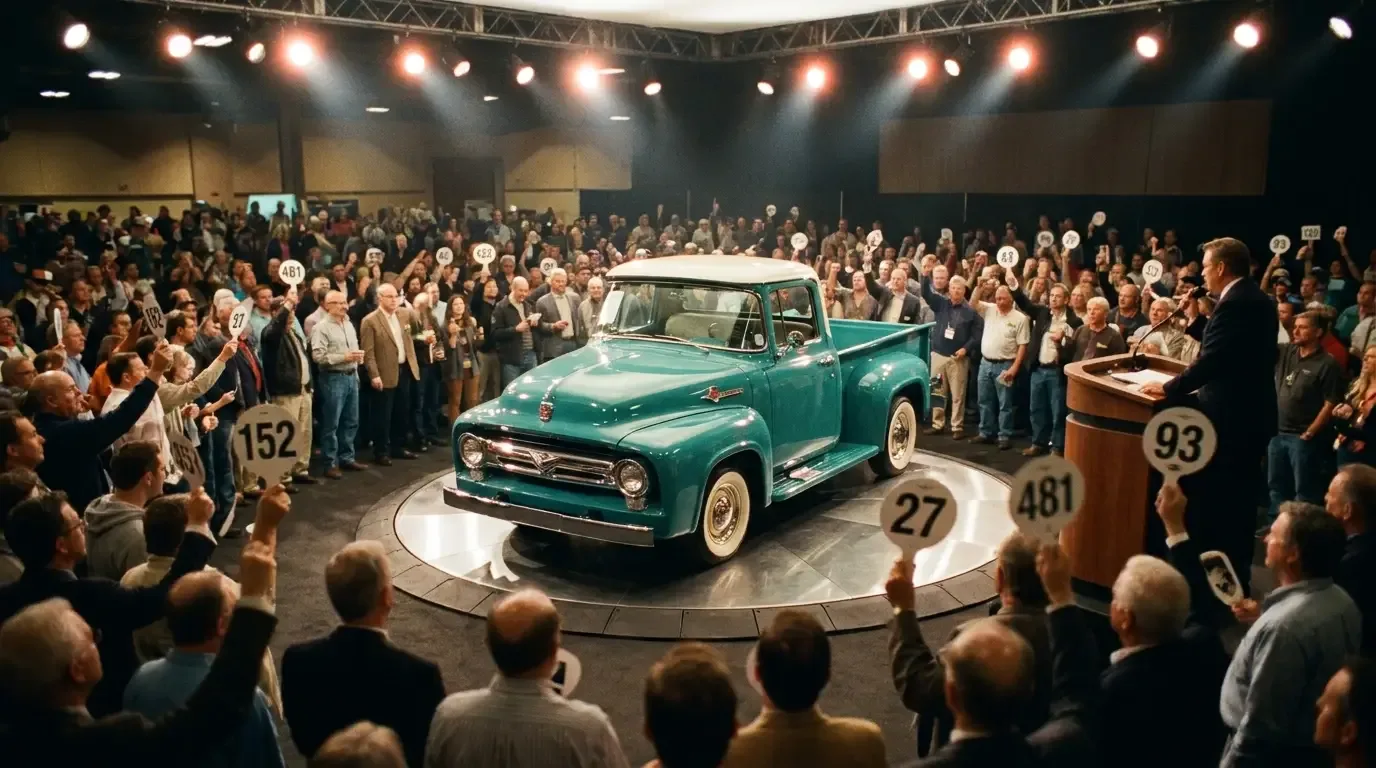
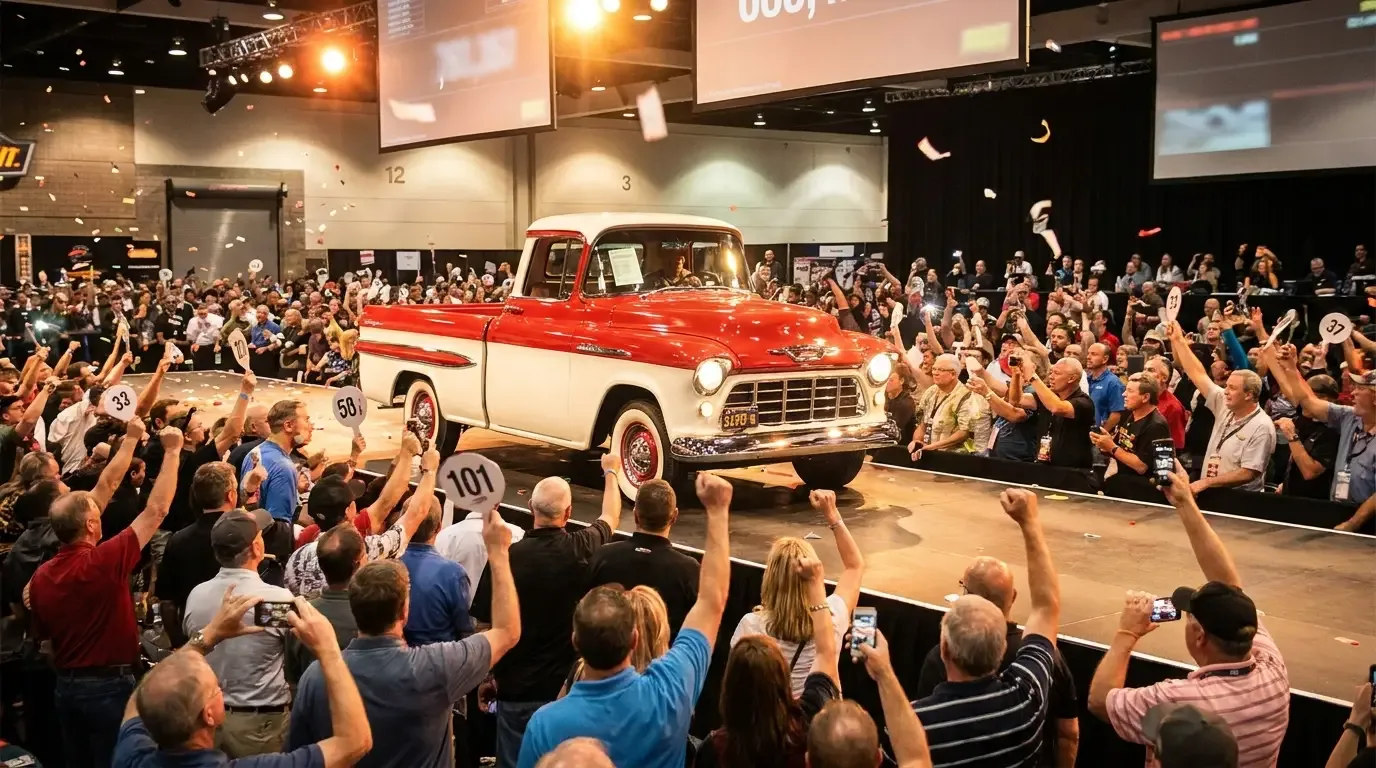
"I tell people to watch who is bidding, not just what sells. When the paddle count on a truck lot doubles from one year to the next, that tells you more about where prices are going than any single hammer result."
— David Mercer
Where prices actually went
The headline numbers are the restomod and concours results, and those get the attention. But the more meaningful story for most buyers is what happened in the middle of the market. Clean, honest, driver-quality trucks that sold for modest money years ago now cost meaningfully more. The floor came up. That is what a real, durable market move looks like, as opposed to a speculative spike concentrated at the top.
A few things are worth keeping in mind before you read any price as gospel:
- Condition spread is enormous. The gap between a rough project and a finished truck can be several times the price, so a single quoted figure means little without a condition grade.
- Restored cost rarely equals restored value. On many trucks a full restoration costs more than the finished vehicle is worth, which is why honest survivors and turnkey trucks command a premium.
- Auction highlights are outliers by design. The record sale is not the market; the median driver sale is closer to reality.
My read is that the trend has room left in it but the easy money is gone. The segment has repriced. Buying well now is about condition, originality, and documentation rather than betting on the category itself to keep climbing. If you want to see what the current market is asking across body styles and conditions, browse our live inventory of classic trucks for sale and compare real listings against the auction noise.
Sources and notes
- Published auction results and price-guide data (used for trend direction, not fixed figures; verify current numbers before relying on them).
- Marque and model production histories for context on survival and scarcity.
- Collector-market condition-grade frameworks for reading price spreads.