
Ask ten sellers what a classic truck is worth and you will get ten confident answers, most of them anchored to whatever number the last owner paid. My job is to strip the emotion out and look at what money actually changes hands for. Truck values behave differently from muscle cars or European sports cars. The buyer pool skews practical, the condition curve is steep, and a single factor like an original drivetrain or factory four-wheel drive can swing the number by half again. If you have already read how to buy a classic truck, this piece is the money half of that conversation: what to pay, what moves the number, and how to check an asking price before you wire funds.
The condition tiers, and roughly what each costs
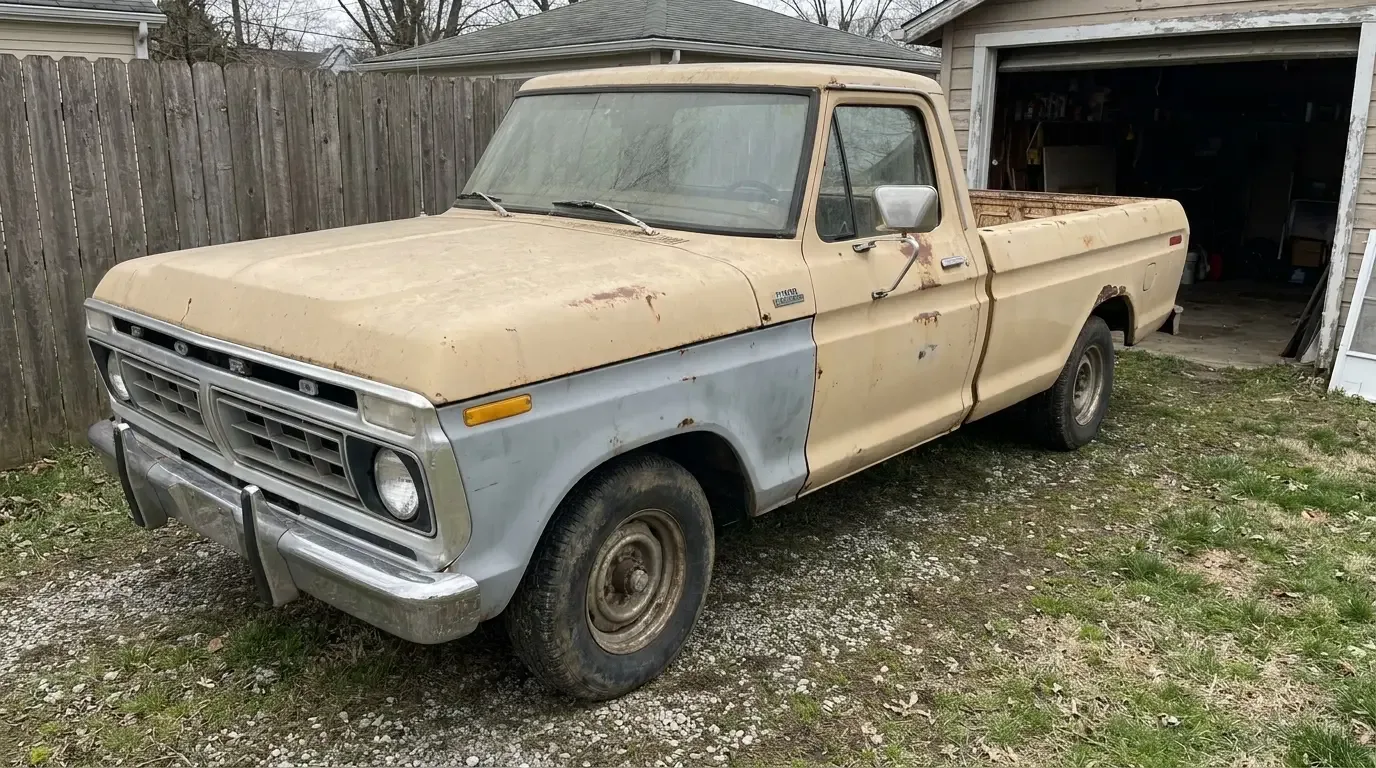
The old-truck market sorts vehicles into broad condition tiers. The insurance and auction world uses a numbered scale from #1 (concours) down to #4 (a running project), and it is worth learning because sellers quote it selectively. Someone will call a truck a "solid #2" when the doors do not shut square and the floors have been patched with sheet steel. Learn the tiers and you stop overpaying for a truck that is a full grade below its price.
The bands below are approximate and vary heavily by make, model, and year. A base-trim half-ton fleetside sits at the low end. A short-bed stepside, a factory big-block, or a first-year model can sit two or three times higher for the same condition grade. Treat these as a starting frame, not a quote.
| Tier | What it means | Approximate price band |
|---|---|---|
| #1 Concours | Better than new. Show-judged, correct fasteners and finishes, rarely driven. | Roughly $60,000 and up, model dependent |
| #2 Excellent | Clean, correct, driven sparingly. No stories. A truck you show and enjoy. | Roughly $35,000 to $60,000 |
| #3 Good driver | Honest, presentable, used. Minor flaws you notice up close. The heart of the market. | Roughly $18,000 to $35,000 |
| #4 Fair / project | Runs or rolls, needs work. Rust, tired paint, incomplete trim. | Roughly $6,000 to $18,000 |
Most buyers overpay in one specific place: the gap between #3 and #2. A good driver you can enjoy the day you buy it. A #2 costs meaningfully more, and unless you plan to show the truck, the extra spend buys bragging rights, not usability. My opinion, and I will stand behind it, is that a strong #3 is the smartest money in the truck hobby. You get the experience without funding someone else's restoration receipts.
What actually moves the value
Condition sets the tier. These factors decide where inside the tier a truck lands, and they are where the real money hides.
- Originality. A matching-numbers drivetrain, factory paint code, correct interior, and untouched trim command a premium that grows every year. Buyers pay for what cannot be undone. A repaint is reversible. A butchered firewall for a swap is not.
- Engine and drivetrain. A factory big-block, a rare high-output option, or a desirable transmission adds real money. A period-correct running engine matters more than raw horsepower here. Trucks are torque tools, and the market knows it.
- Four-wheel drive. Factory 4x4 is one of the strongest value multipliers in the segment. Original four-wheel-drive trucks were worked hard and scrapped, so survivors are scarce, and the demand from buyers who want to actually use them is deep.
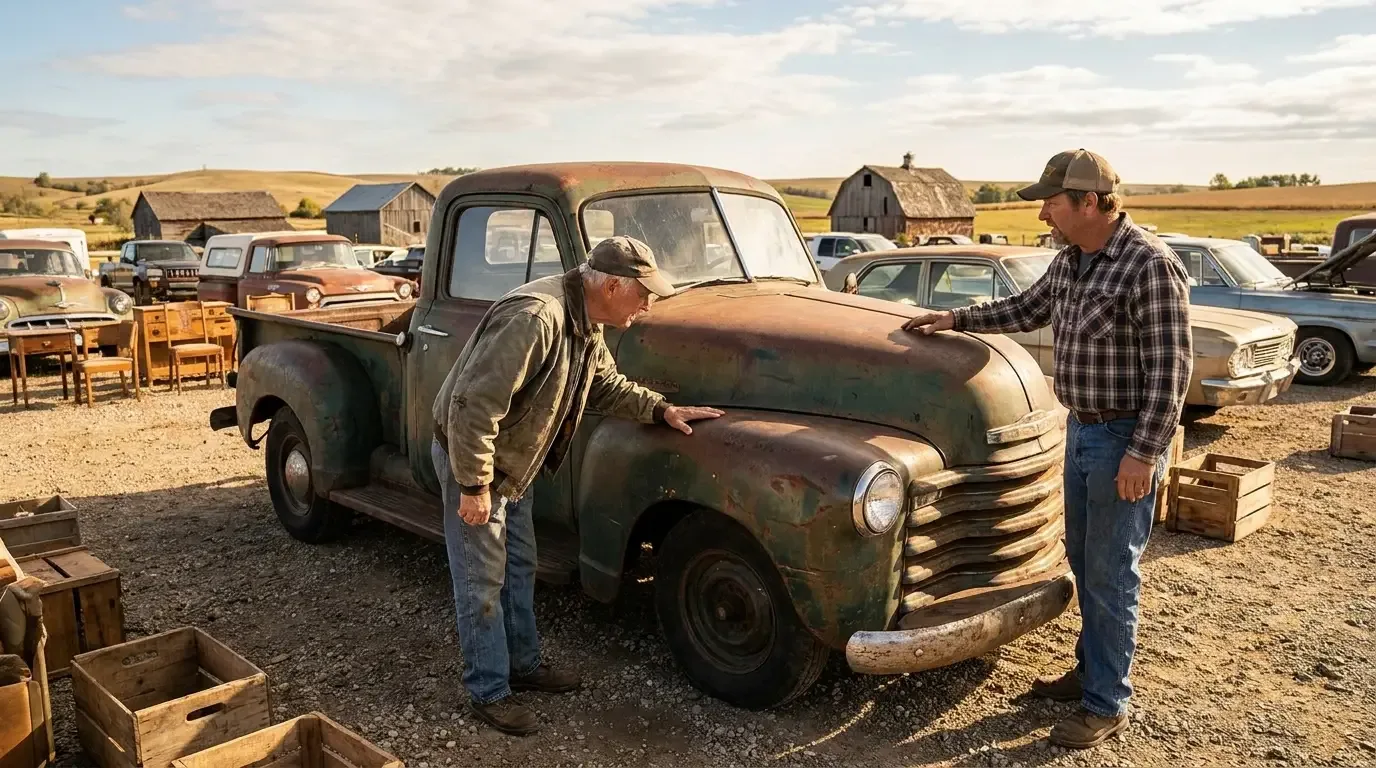
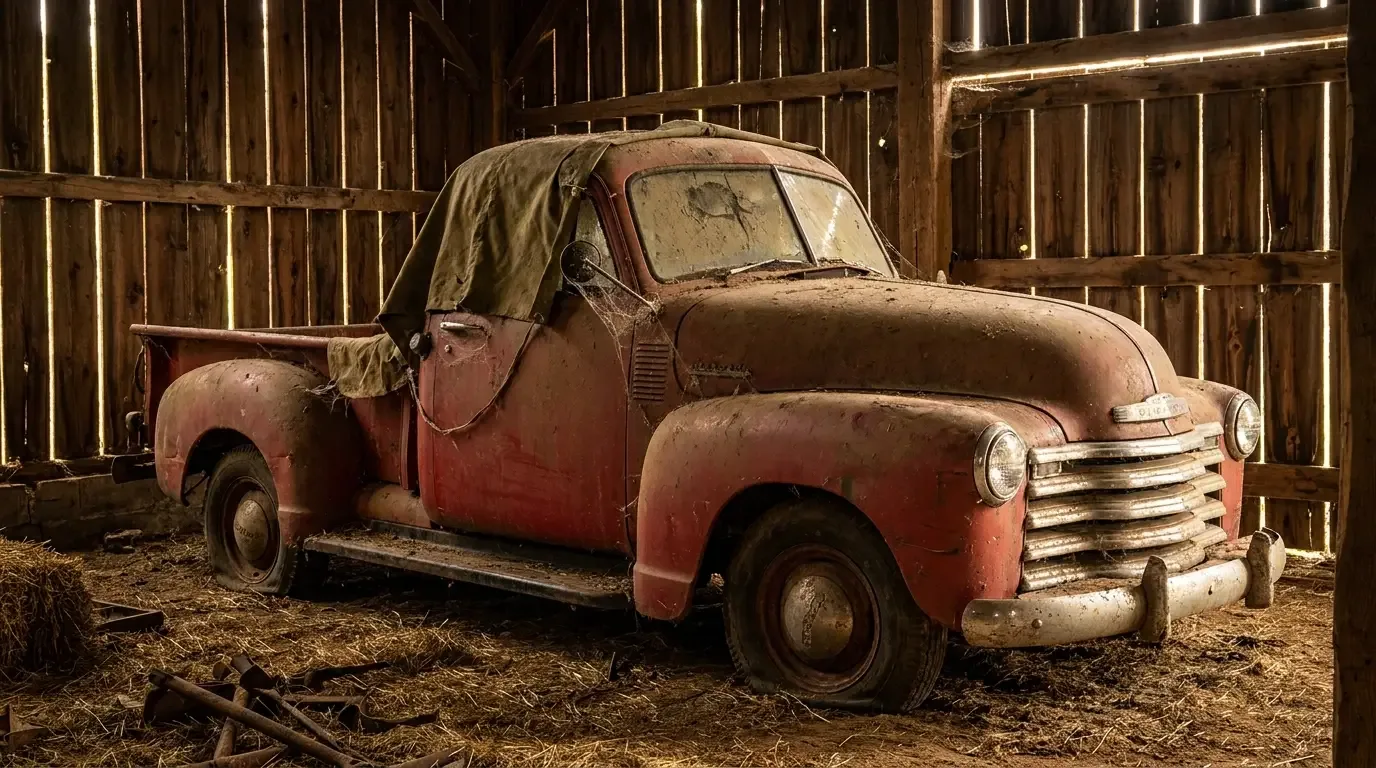
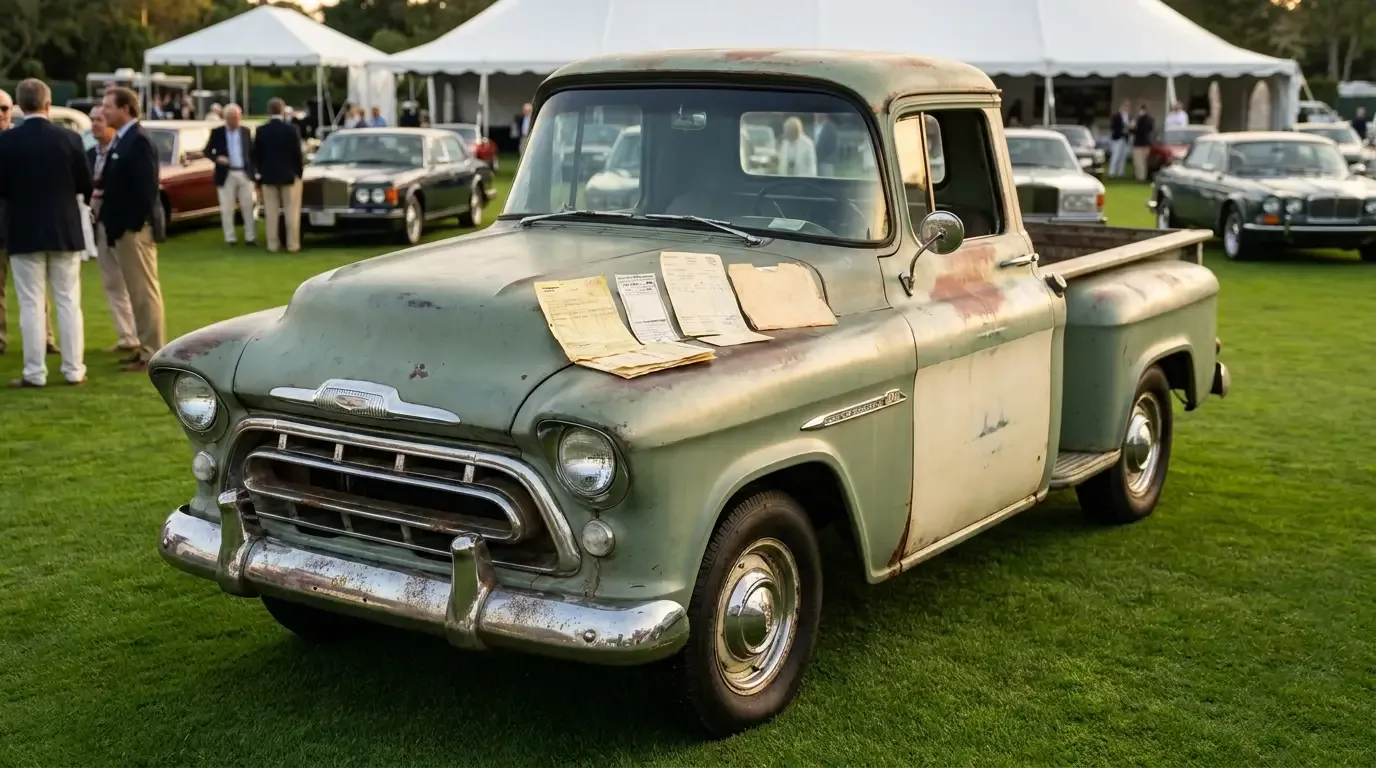
- Patina versus paint. Genuine, honest patina on a rust-free truck can now outsell a mediocre repaint. Buyers want the untouched look. Note the word "honest." Surface character on solid steel is an asset. Rust eating through a cab floor is not patina, it is a repair bill.
- Bed and body style. Short beds outsell long beds. Stepside versus fleetside preference shifts by era and model. A rare cab or trim package narrows the buyer pool but deepens the wallets in it.
How to sanity-check an asking price
An asking price is an opinion. Recorded sales are evidence. Before you take any seller's number seriously, build your own picture from what trucks like it have actually sold for, not what other sellers are hoping to get.
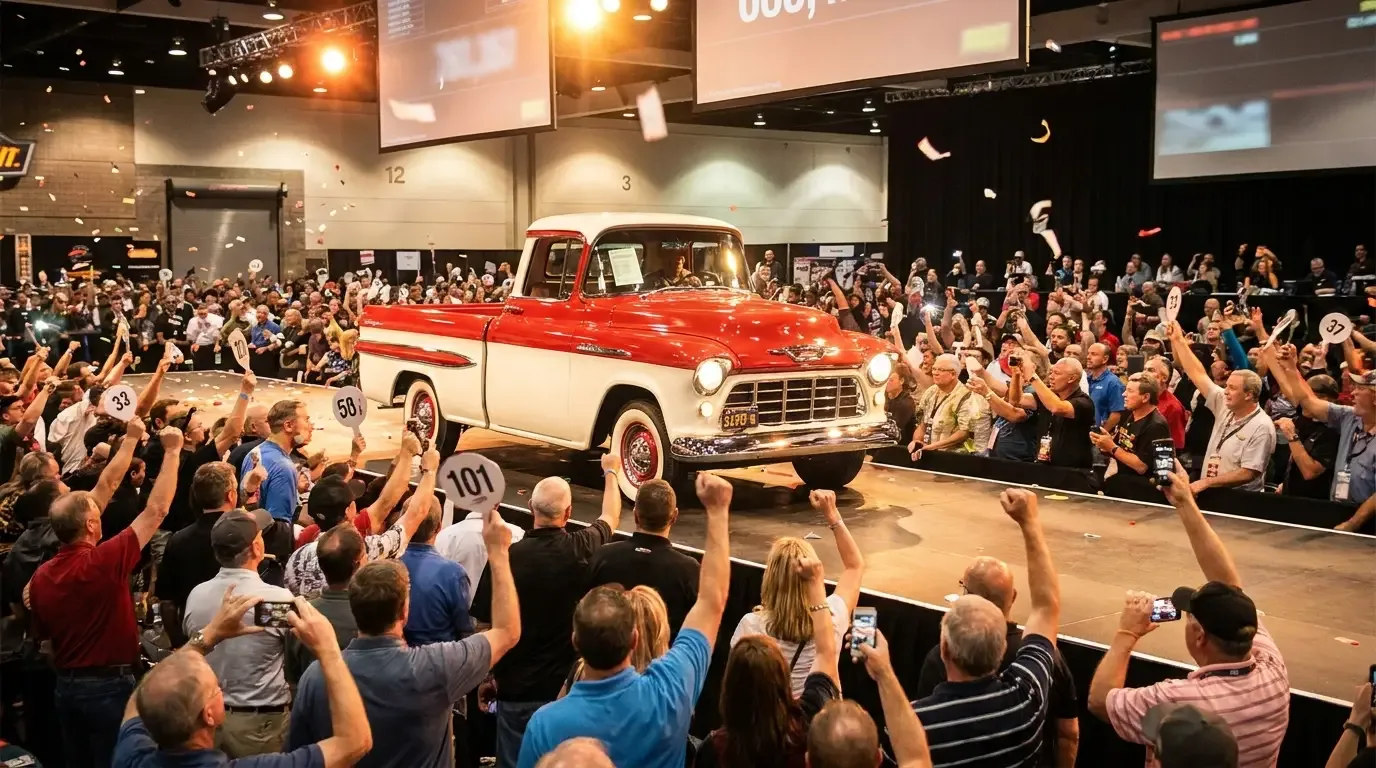
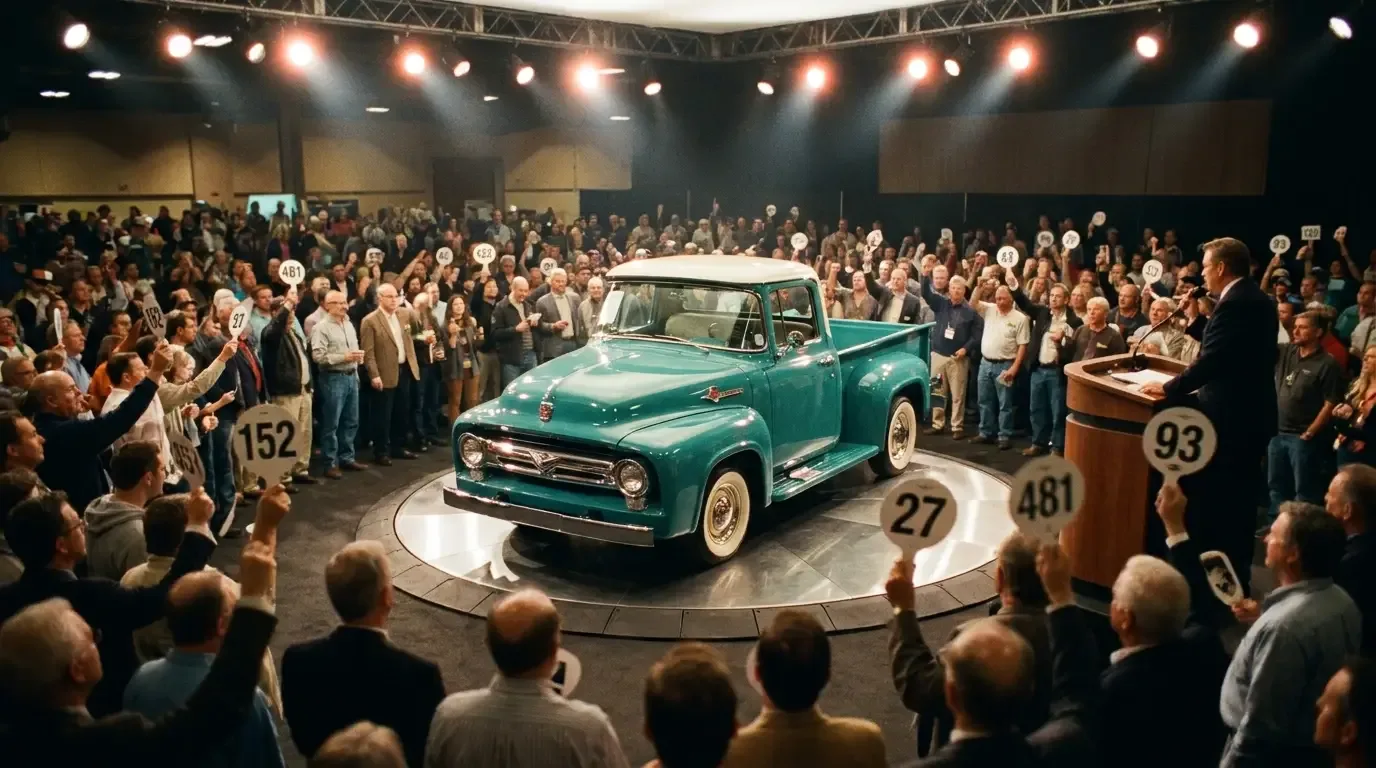
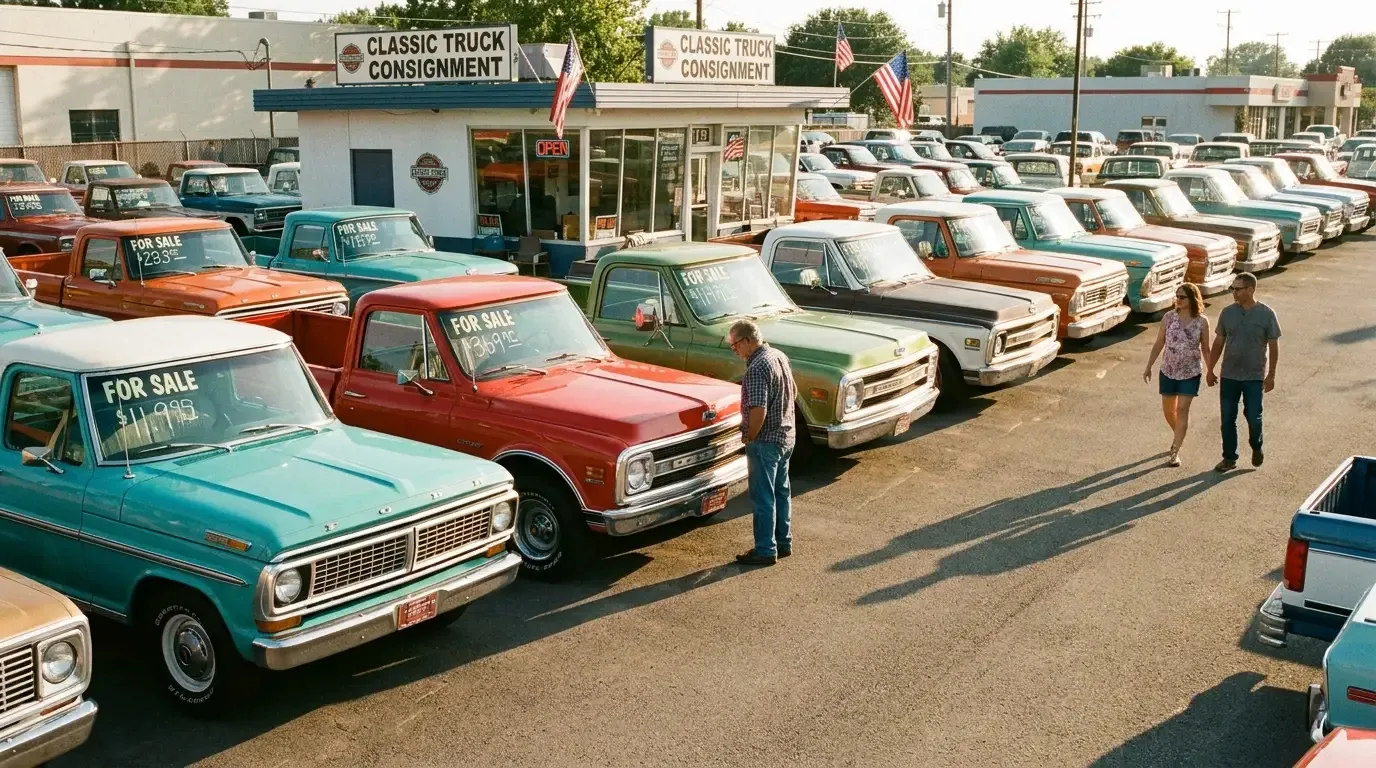
- Pull sold results, not listings. Auction result archives and completed sales tell you what buyers paid. Active classified listings tell you what sellers wish for. The two can differ by thousands. Weight the sold data.
- Match the spec, not just the model. A short-bed factory 4x4 with the correct engine is a different animal from a base long-bed two-wheel-drive of the same year. Compare like to like, including drivetrain, bed length, and trim.
- Grade the truck honestly, then place it in a band. Be your own harshest judge on the condition tier. If it is a #3 wearing a #2 asking price, that gap is your negotiating room.
- Price the gap to your target grade. If a project is priced like a driver, add up paint, interior, rust repair, and mechanical sorting. A restoration routinely costs more than buying a truck already done. Do that math before you fall in love.
- Check how long it has been listed. A truck that has sat for months at the same number is telling you the market disagrees with the seller. Time on market is free leverage.
"I have watched buyers pay #2 money for a #3 truck because the seller said the word original three times. Originality is worth a premium, but only when it is real and only when the truck backs it up. Verify the claim, grade the truck, then price it. In that order."
— David Mercer
Where the smart money buys
If I am spending my own money, I want the honest driver-grade truck with an original drivetrain, solid steel, and no fresh cosmetic cover-up hiding a story. That truck sits in the #3 band, gives me the full experience, and holds value because it is what most buyers actually want. The concours end of the market is thin and illiquid. The project end swallows more cash than it returns unless you can do the work yourself. The middle is where value lives.
Two closing rules. First, a rare, original, four-wheel-drive short-bed will always find a buyer, so paying near the top of its band is defensible if the truck checks out. Second, never pay a premium for a claim you have not verified. When you are ready to compare real examples against these bands, browse the current classic trucks for sale and grade each one against the tier table above before you let any asking price frame the conversation.
Sources and notes
- Collector-vehicle condition tier definitions (#1 to #4) as used by major valuation and insurance guides.
- Published auction results and sold-price archives for classic pickups.
- Classified market listings, used for asking-price context only, not as sold evidence.
- Marque and model histories for drivetrain, trim, and body-style option context.
- General collector-market appreciation reporting for the pickup segment. Specific figures marked approximate should be confirmed against current sold data before relying on them.