My grandfather kept a 1952 Chevrolet half-ton parked behind the barn long after it stopped being his daily driver. It hauled hay, pulled stumps, and carried three generations of dogs in the bed. When he finally sold the farm, the truck went with it, and I remember watching it disappear down the gravel road thinking that a machine could hold a family's whole working history. That is the thing about American trucks. They were never just transportation. They were the tools that built the country, and the ones that mattered most earned their place through decades of showing up.
The trucks below are the ones that shaped the segment. This is a roundup, not a deep study of any single model, so I am naming names on purpose. If you want the money-and-mechanics side of ownership, start with our classic truck collecting guide, then come back for the stories.
The trucks that put America to work
Before a pickup could be a collector's prize, it had to be a workhorse, and the earliest icons earned their reputation on job sites and farms. The Ford F-Series arrived in 1948 as the F-1 through F-8, Ford's first all-new postwar design and the first purpose-built truck cab rather than a passenger car with a bed bolted on. That "Bonus Built" line set the template every full-size pickup would follow, and the F-Series has been America's best-selling vehicle for decades since.
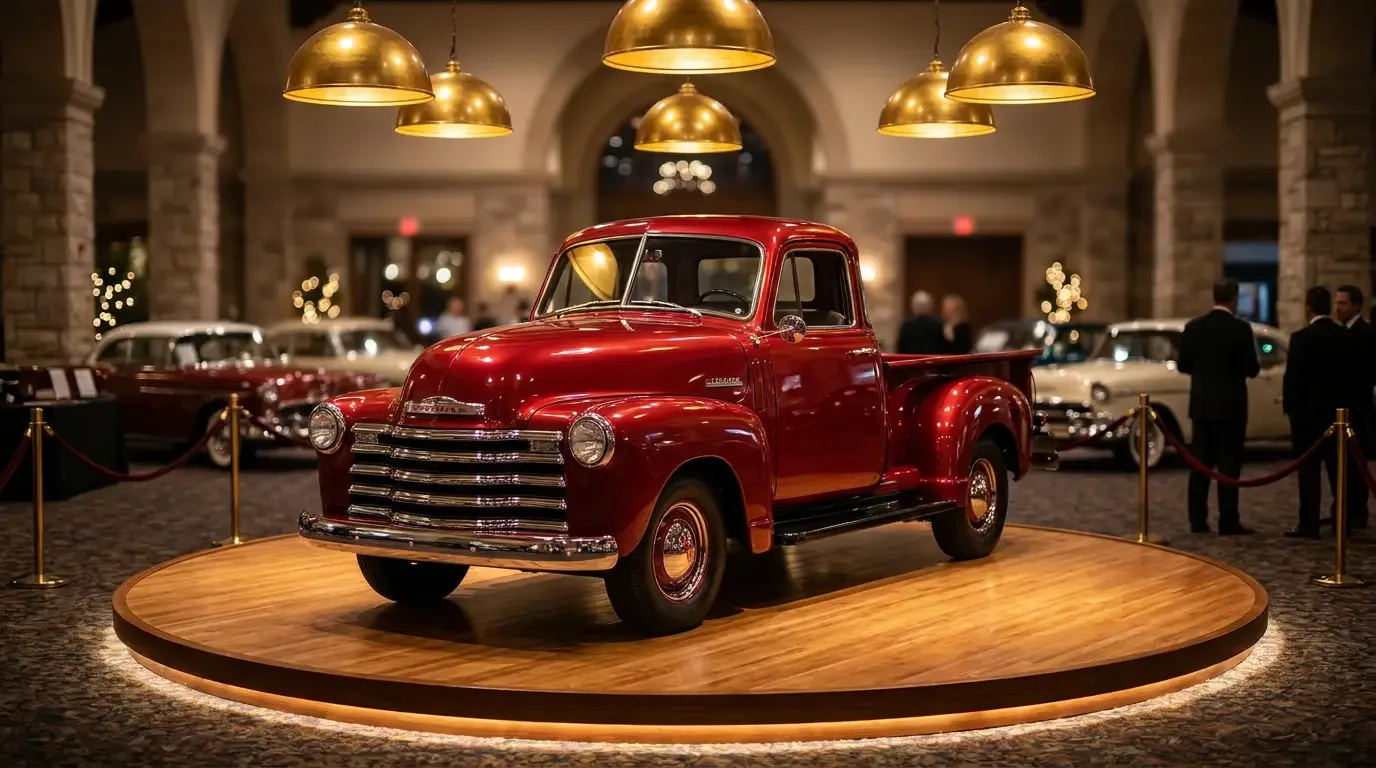
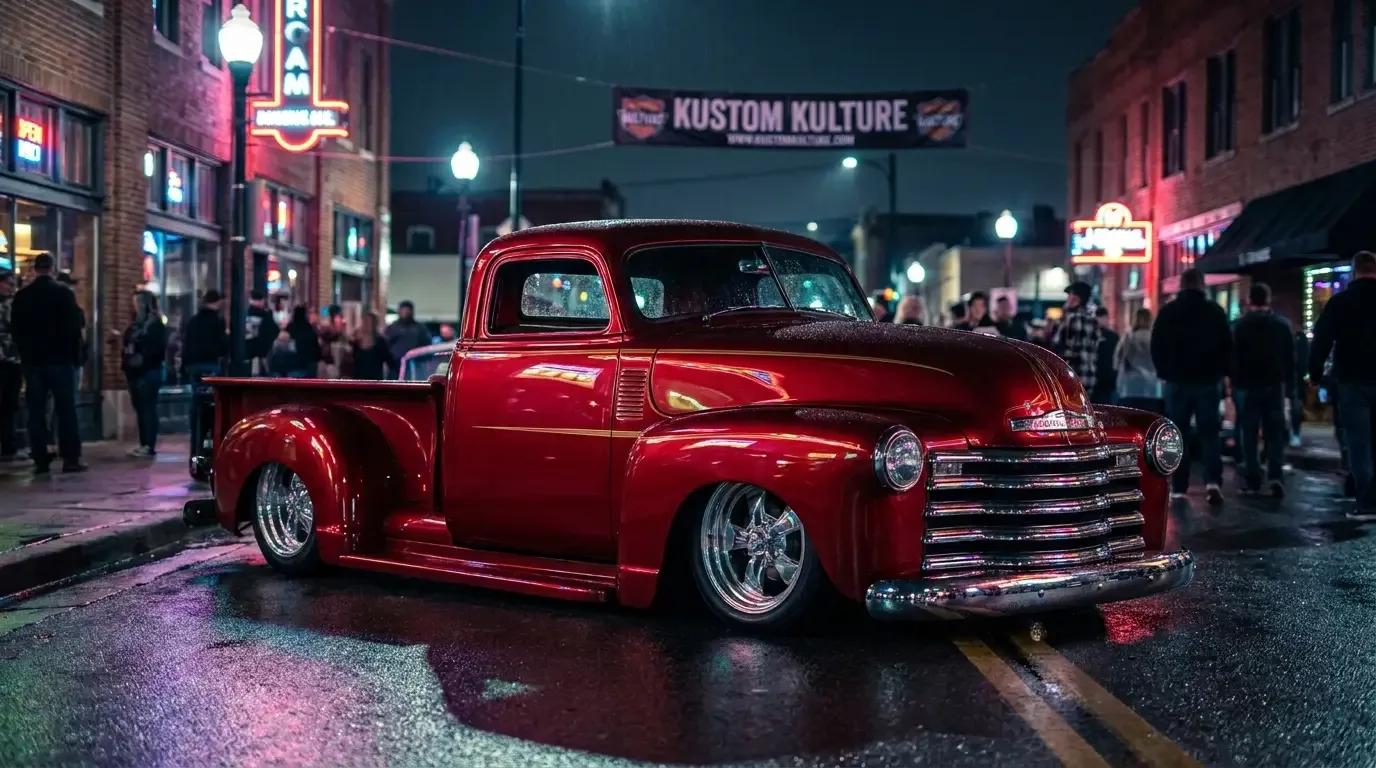
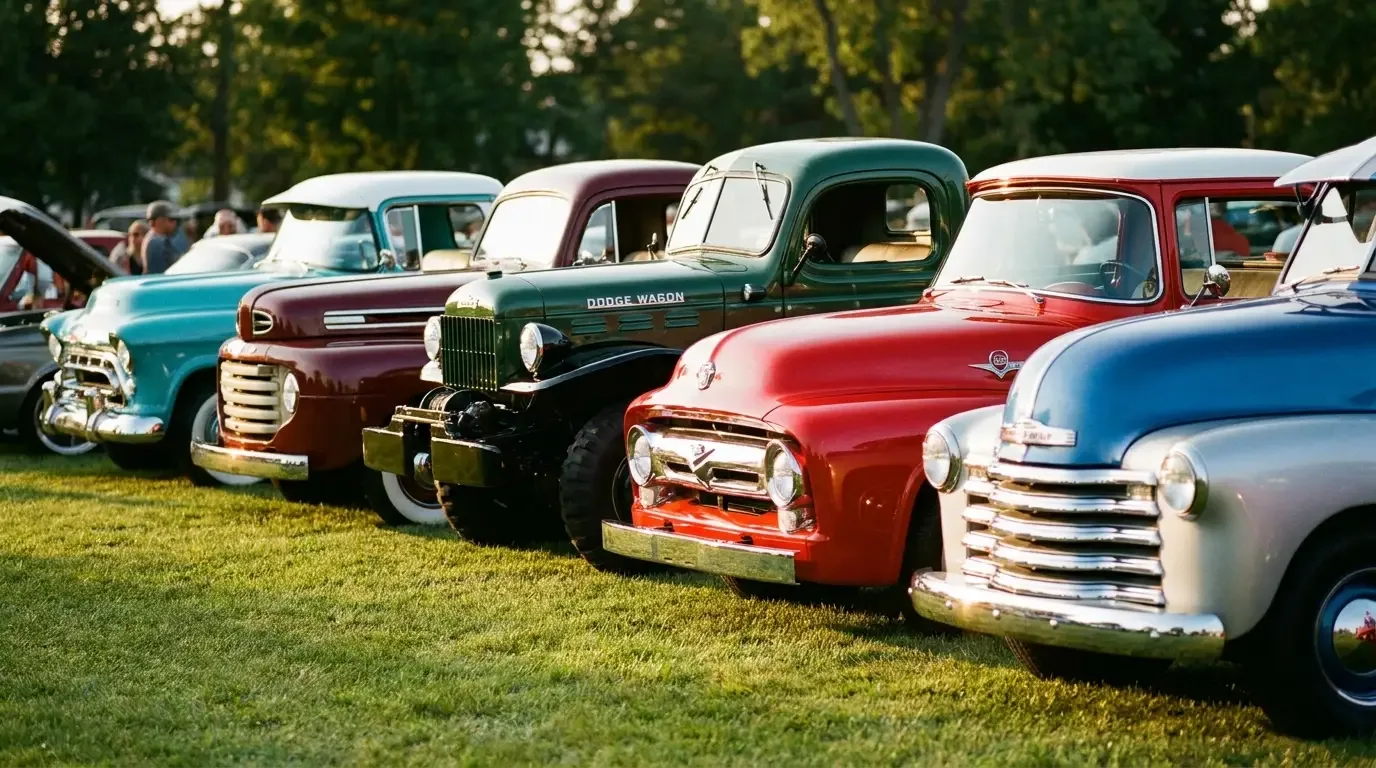
Chevrolet answered with the Advance Design series from 1947 through 1955, the rounded, friendly-faced trucks you still see in period photographs of small-town main streets. Dodge ran its own Pilot-House line in the same years, tall-cabbed and honest, favored by fleets that needed visibility and durability over style. These were the trucks that showed up every morning, and they are the reason the whole segment exists.
Style arrives in the driveway
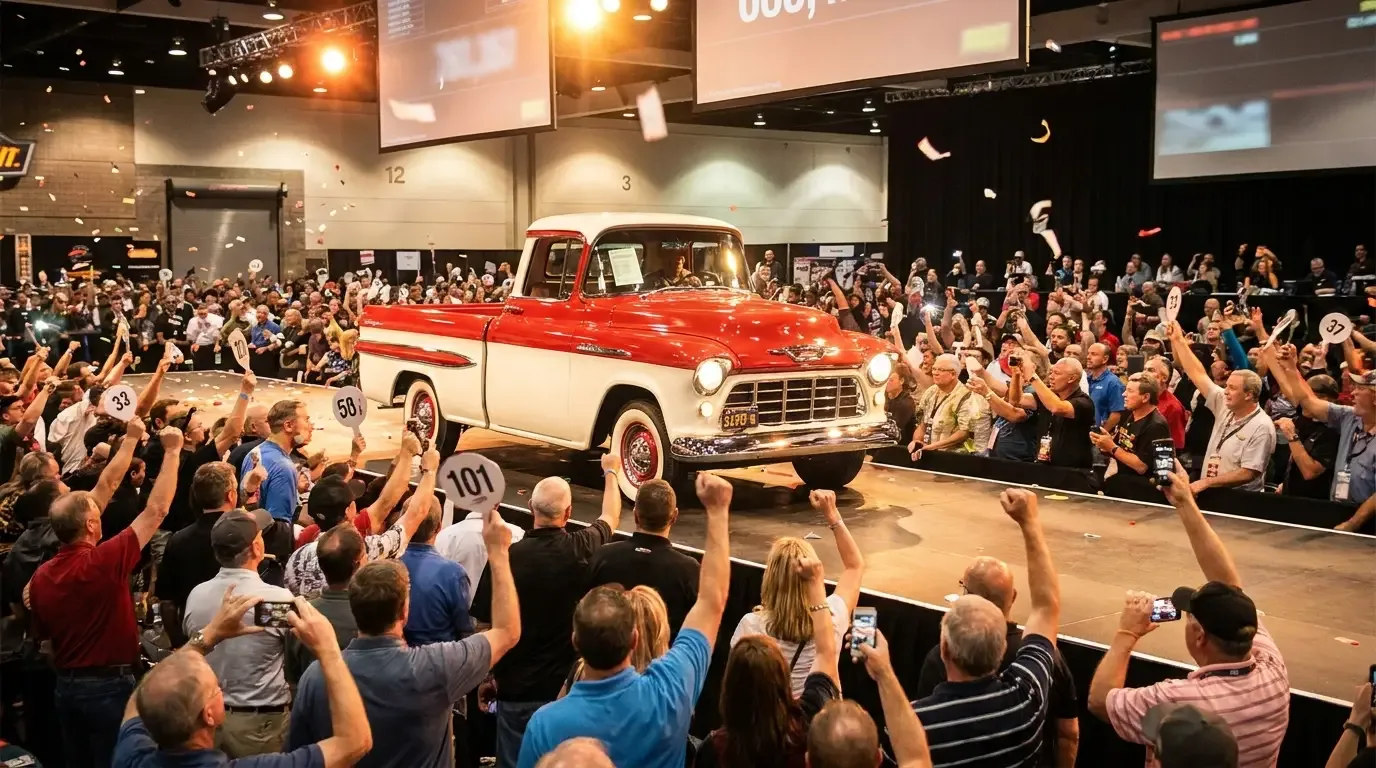
By the mid-1950s Detroit realized a truck could be handsome, and buyers were willing to pay for it. Chevrolet's Task Force generation, launched in 1955, brought wraparound windshields, two-tone paint, and the Cameo Carrier, a fleetside pickup with smooth bodywork and car-like trim that pointed straight at the suburban buyer. It was expensive and it did not sell in huge numbers, but it proved the point that a pickup could be a lifestyle choice, not just a load carrier.
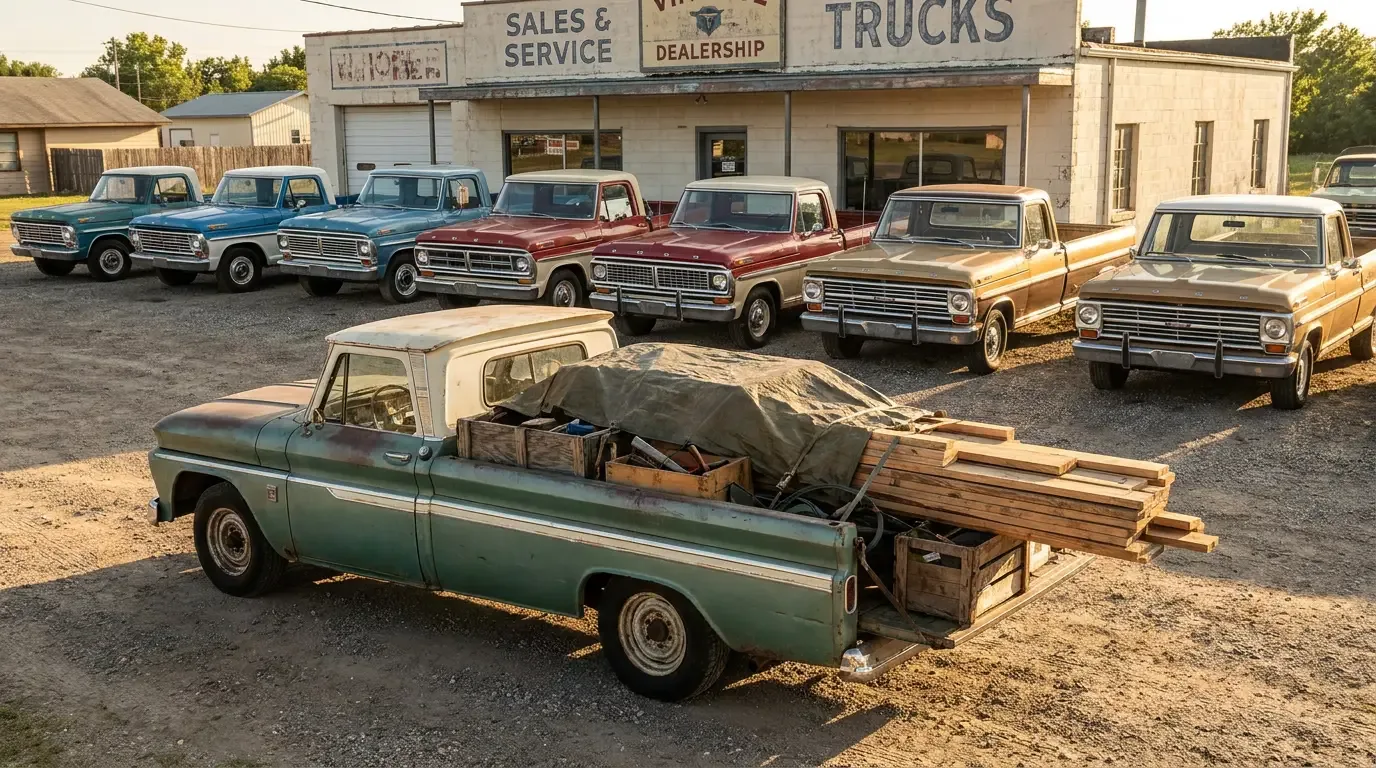
Ford's 1953 to 1956 F-100 gave the F-Series a cleaner, lower shape and a name that collectors still chase today. Then came the trucks that defined the 1960s. Chevrolet's C/K line, introduced for 1960 and redesigned in 1967, brought independent front suspension and a body so clean that the 1967 to 1972 run earned its own nickname among enthusiasts. Around the shop we still call them the "glamour trucks," and a straight one with the right small-block is one of the easiest classic trucks to live with.
"People ask me which one to start with, and I usually point them at a mid-1960s Chevy. Parts are everywhere, the mechanicals are simple, and you can drive it to work without a trailer following you home. A truck you can actually use is a truck you will actually keep."
— Patrick Walsh
Muscle, mud, and the specialty trucks
The segment was not all farm and family. A handful of trucks went sideways from the mainstream and became legends for it. The 1978 to 1979 Dodge Li'l Red Express, with its stacked exhaust stacks and gold pinstriping, slipped through an emissions loophole and was, for a brief window, one of the quickest American vehicles you could buy off a dealer lot. The Chevrolet El Camino and Ford Ranchero, half-car and half-truck, gave buyers who wanted a bed but loved a coupe something to argue about for the next fifty years.
Then there is the truck that changed what a pickup could be off-road. The International Harvester Scout and the early Ford Bronco, launched for 1966, blurred the line between truck and utility vehicle and seeded an entire collector category. And the Chevrolet 454 SS and GMC Syclone of the early 1990s proved a pickup could embarrass sports cars, though those sit at the newer edge of what most people call classic.
| Truck | Era | Why it matters |
|---|---|---|
| Ford F-Series (F-1) | 1948–1952 | First purpose-built postwar pickup; set the segment template |
| Chevrolet Advance Design | 1947–1955 | The friendly-faced workhorse of postwar small-town America |
| Chevrolet Cameo Carrier | 1955–1958 | Proved a pickup could be a style statement |
| Chevrolet C/K (short-bed) | 1967–1972 | Clean lines, simple mechanicals, easy to own today |
| Dodge Li'l Red Express | 1978–1979 | Loophole hot rod; stacks, stripes, and speed |
| Ford Bronco (first gen) | 1966–1977 | Seeded the off-road collector category |
Why these trucks still matter
A classic truck carries meaning that a comparable car rarely does. Part of it is honesty. There is no pretense in a bench seat, a column shift, and a bed you can throw a chainsaw into. Part of it is memory, because most people who grew up in America rode in one of these before they could drive, at a grandparent's place or a job site or the back of a parade. And part of it is the plain fact that they were built to last and many of them did, which means the survivors carry real scars and real stories rather than showroom polish.
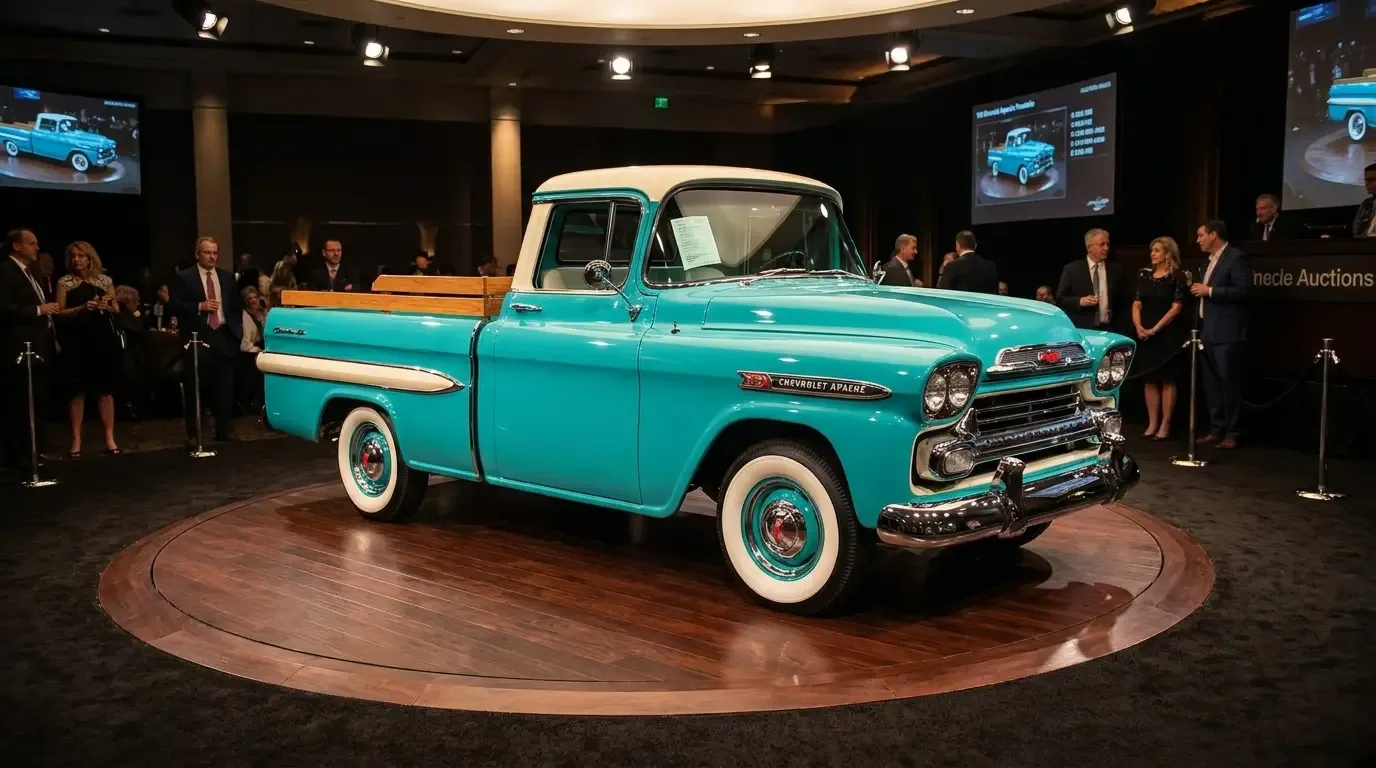
That connection is why values on the best examples have climbed hard over the last two decades, especially first-generation Broncos and clean short-bed Chevys, though prices vary enormously by condition and originality. A rough farm truck and a frame-off restoration of the same model can be separated by a factor of ten or more. If you want to see what is actually trading hands right now, browse our current classic trucks for sale and watch how the same nameplate spreads across the price ladder.
The trucks that defined this segment did it by earning trust, one hauling season at a time, and then by outliving the work they were built for. That is a story worth preserving, whether you keep one in a heated garage or, like my grandfather, behind a barn where the dogs can find it.
Sources and notes
- Manufacturer marque histories and model-year production summaries (Ford, Chevrolet, Dodge, International Harvester)
- Period road tests and factory sales literature from the postwar era
- Collector-market auction results and condition-based price guides
- Standard truck-collecting references and casting/serial-number identification guides