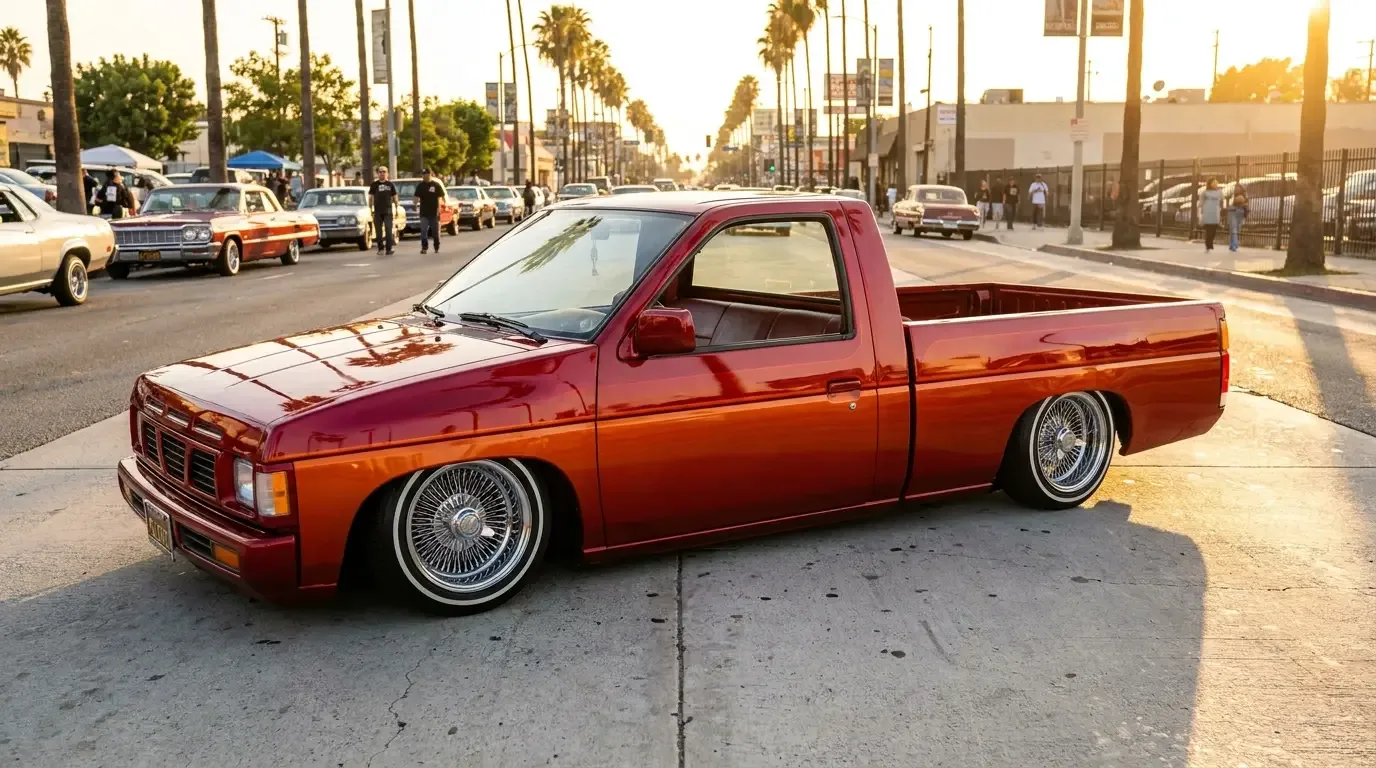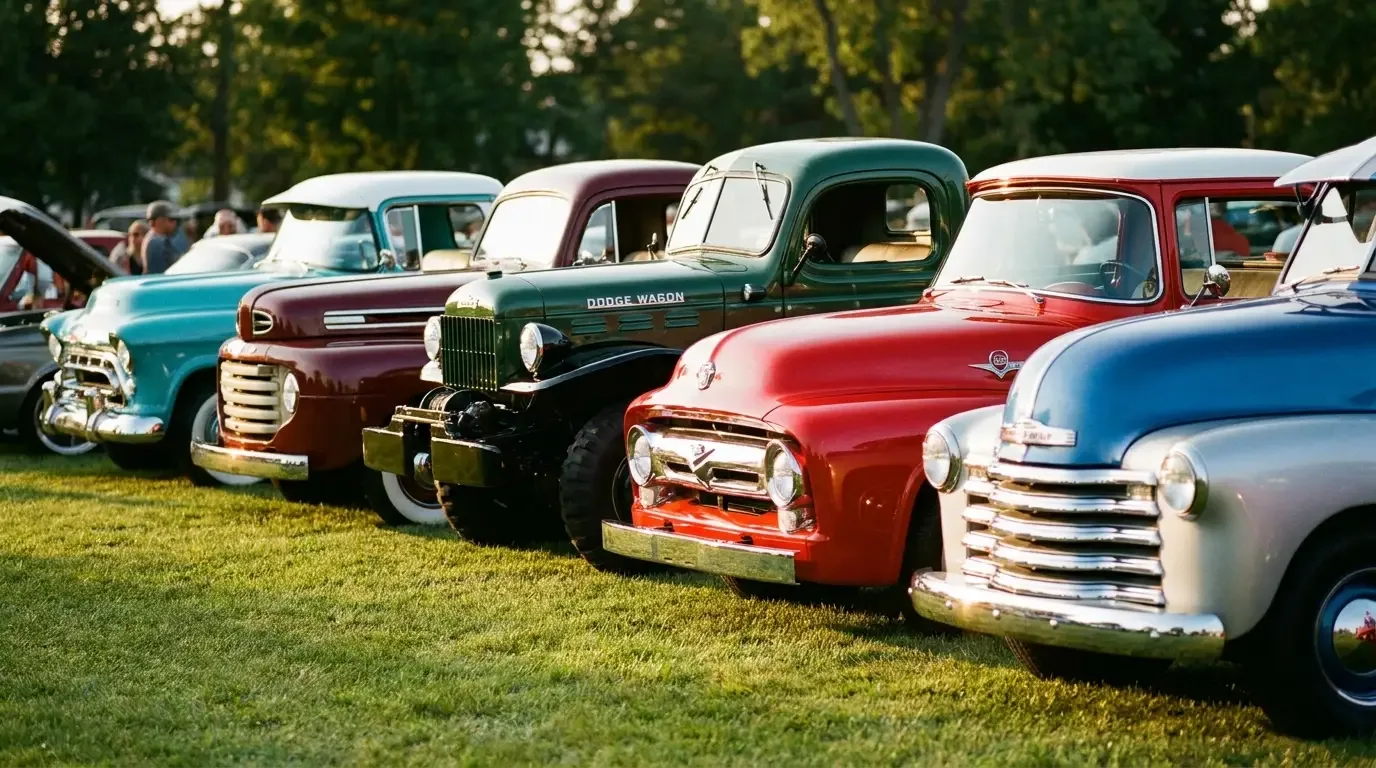
Walk any decent truck show and you can read a build in about ten seconds. The stance tells you first. A pickup sitting low over the tire, wheel tucked up into the arch, gaps closed down tight, that truck was built by someone who sweated the ride height. Next to it sits a stocker up on its factory springs looking like it just left the lot, and there is nothing wrong with that either. But the custom crowd plays a different game. We chase a look, a period, a feeling, and we argue about it endlessly. That argument is the culture, and it has been running since guys started dropping spindles under Advance-Design Chevys in somebody's driveway.
Custom classic trucks are their own world now, separate from the car side even though they share a lot of DNA. If you are still learning the segment, start with the broader classic truck collecting picture, then come back here for the part where we cut things up. This is about what makes a build legit, the styles that define the scene, and where the lines get drawn between real work and dress-up.
Where the custom truck culture came from
Trucks were the last thing anybody wanted to customize for a long time. A pickup was a work rig. You beat on it, you loaded it, you left it dirty. The car guys had the coupes and the roadsters and the money. But somewhere along the way people started looking at old pickups the way they looked at old cars, as a blank canvas with good bones and cheap entry.
The pattern that stuck was simple. Take a truck that was built to work, and make it do something it was never meant to do, which is look mean and ride low. The early moves were the same ones we still use. Drop the front with a spindle or a beam swap, lower the rear over the axle, throw a small-block in it because they are everywhere and cheap, and get the stance right. From there it split into camps. Some guys went full kustom with body mods and lead work. Some built hot rod pickups meant to run hard. And some just built a clean shop truck to haul parts and look good doing it.
The styles and what separates them
There is no single custom truck. There are camps, and each one has rules the people inside it take seriously. Knowing which lane a build is in tells you how to judge it, because a lowrider truck and a hot rod pickup answer to completely different gods.
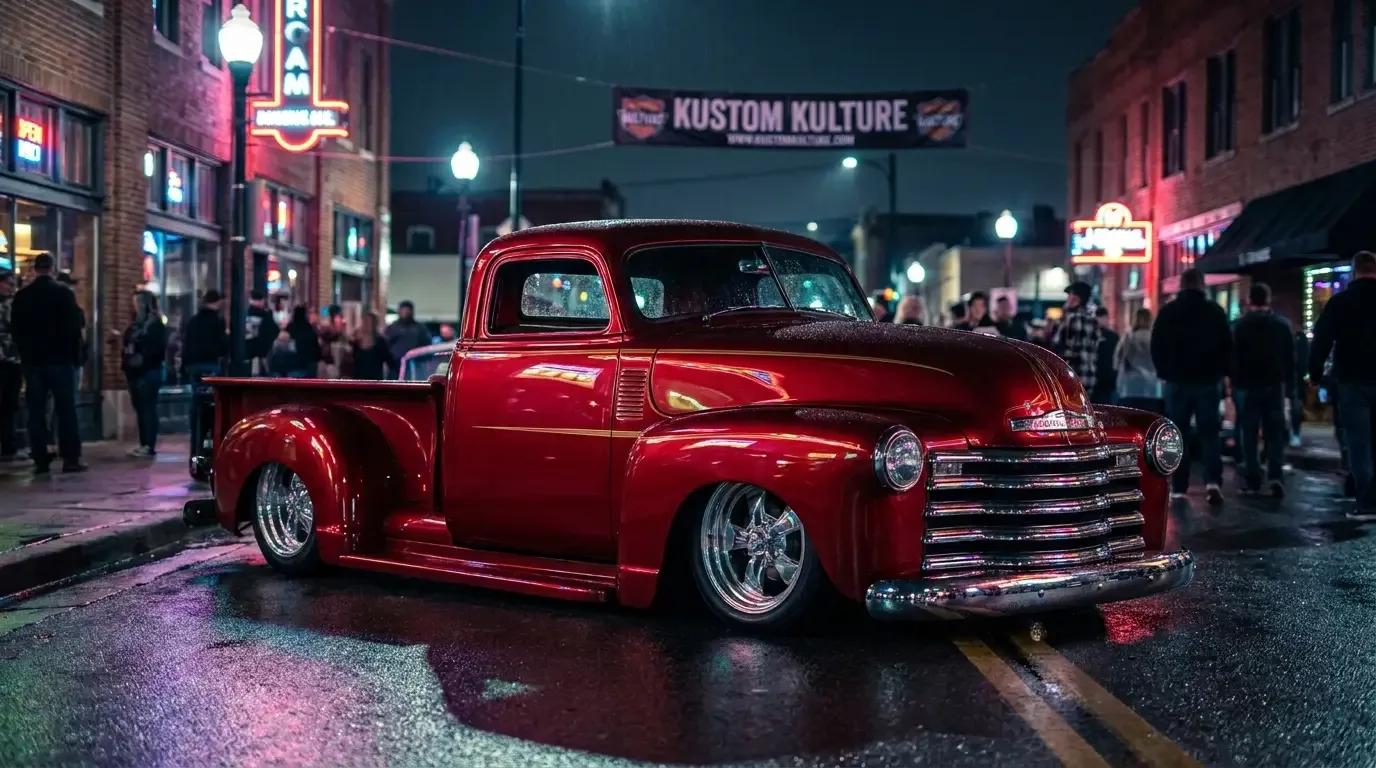
- Lowered street truck. The mainstream of the hobby. Clean body, dropped stance, nice wheels, a built or swapped engine, good paint. The C10 build scene lives here. It is about proportion and restraint more than shock value.
- Hot rod pickup. Older iron, usually prewar or early postwar, built to run. Bigger motor, often a chop, sometimes fenderless. This is the truck that traces straight back to traditional hot rodding, just with a bed on the back.
- Kustom. Spelled with a K on purpose. Heavy body modification. Chopped tops, shaved handles, molded seams, frenched lights, custom grilles. Lead work or modern filler doing the sculpting. This is the deep end.
- Bagged and body-dropped. Air suspension so it lays frame, or a body drop so the cab sits down over the rails. Modern, technical, and controversial with the traditional crowd, but undeniably its own art form.
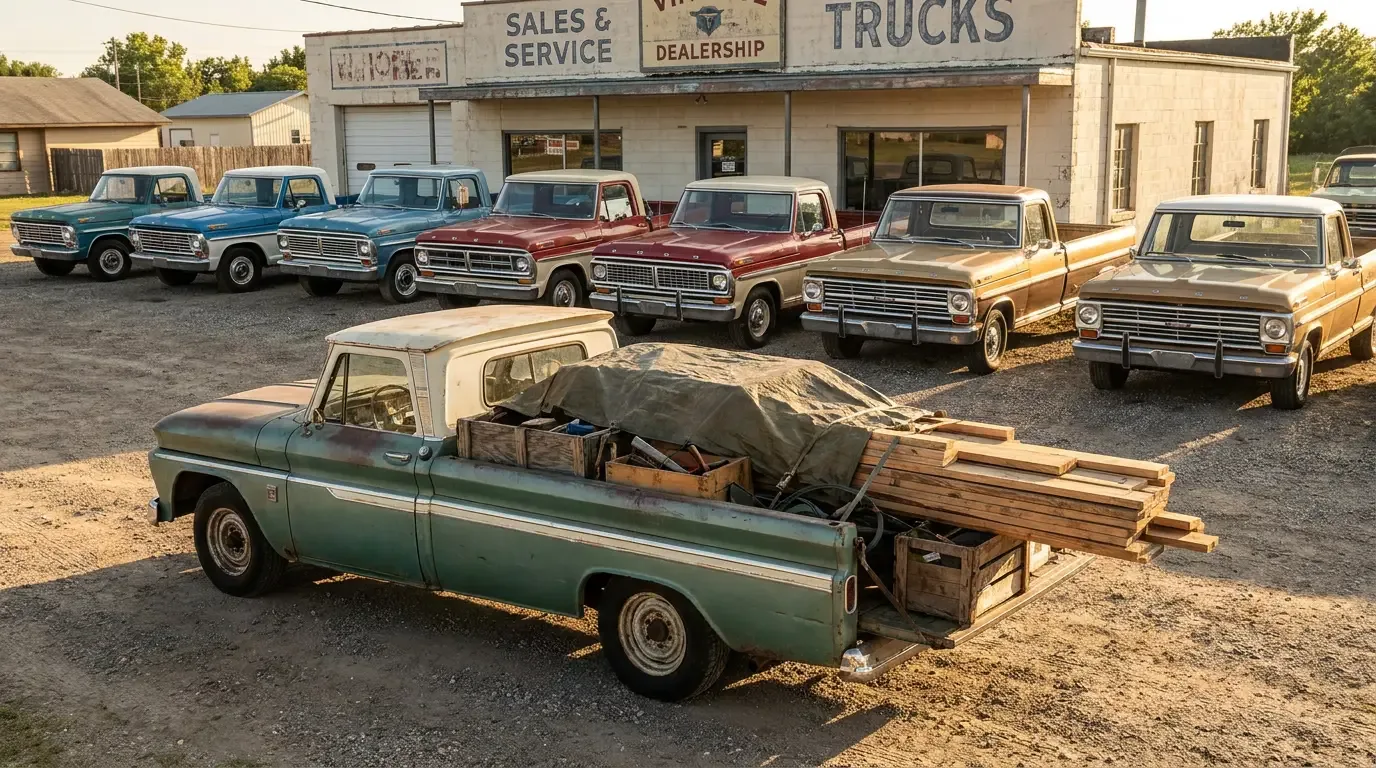
- Shop truck. The honest working custom. Patina or a quick single-stage job, a good stance, a strong motor, and zero pretense. Built to be driven and used. Some of the coolest trucks at any show are shop trucks.
None of these is more legit than another. What makes a build legit is whether it commits to its lane and executes. A half-bagged, half-chopped truck with mismatched wheels and a nice-from-far paint job is nobody's hero. Pick a direction and go all the way.
What makes a build legit
Here is where I get opinionated, because this is the whole point. A legit build is coherent. Every choice on the truck agrees with every other choice. The wheels match the era of the body mods. The stance matches the intent. The engine bay is finished to the same standard as the paint. When a truck reads as one idea instead of a parts pile, it is legit whether it cost five thousand or fifty.
The stance is the first tell and the hardest to fake. Anybody can slap lowering parts on. Getting a truck to sit right, wheel centered in the arch, rake dialed, gaps tight without dragging the oil pan on every driveway, that takes patience and usually a few tries. A good stance covers a multitude of sins. A bad stance ruins an otherwise beautiful truck.
Bodywork is the second. On a kustom, the chop and the panel work are the whole event. A chop that flows, with the right glass angles and pillars that look like they grew that way, is real skill. A chop that looks like the roof got stepped on tells everyone you rushed it. Shaved handles and smoothed firewalls are easy to do badly and hard to do so they still look factory-clean five years later.
"I do not care what a truck cost. I care whether it hangs together. Show me a shop truck with a killer stance, a motor that runs strong, and a driver's door that shuts like a bank vault, and I will take it over a trailer queen with a chop that does not flow. Commit to the look and finish the details nobody sees. That is the whole game."
— Jim Vasquez
Building it right, part by part
You do not have to spend a fortune to build something legit. You have to spend in the right order and to the right standard. Get the bones sorted first. A straight, solid cab and a frame that is not swiss cheese are worth more than any bolt-on. Then stance, then drivetrain, then paint. Paint last, always, because there is no point spraying a truck you are still cutting on.
| System | Common custom approach | What separates good from lazy |
|---|---|---|
| Front suspension | Drop spindles, lowering springs, or bags | Ride quality retained, no bump steer, wheel centered |
| Rear suspension | Flip kit, C-notch, or bagged four-link | Axle clears the frame, no bind, usable travel left |
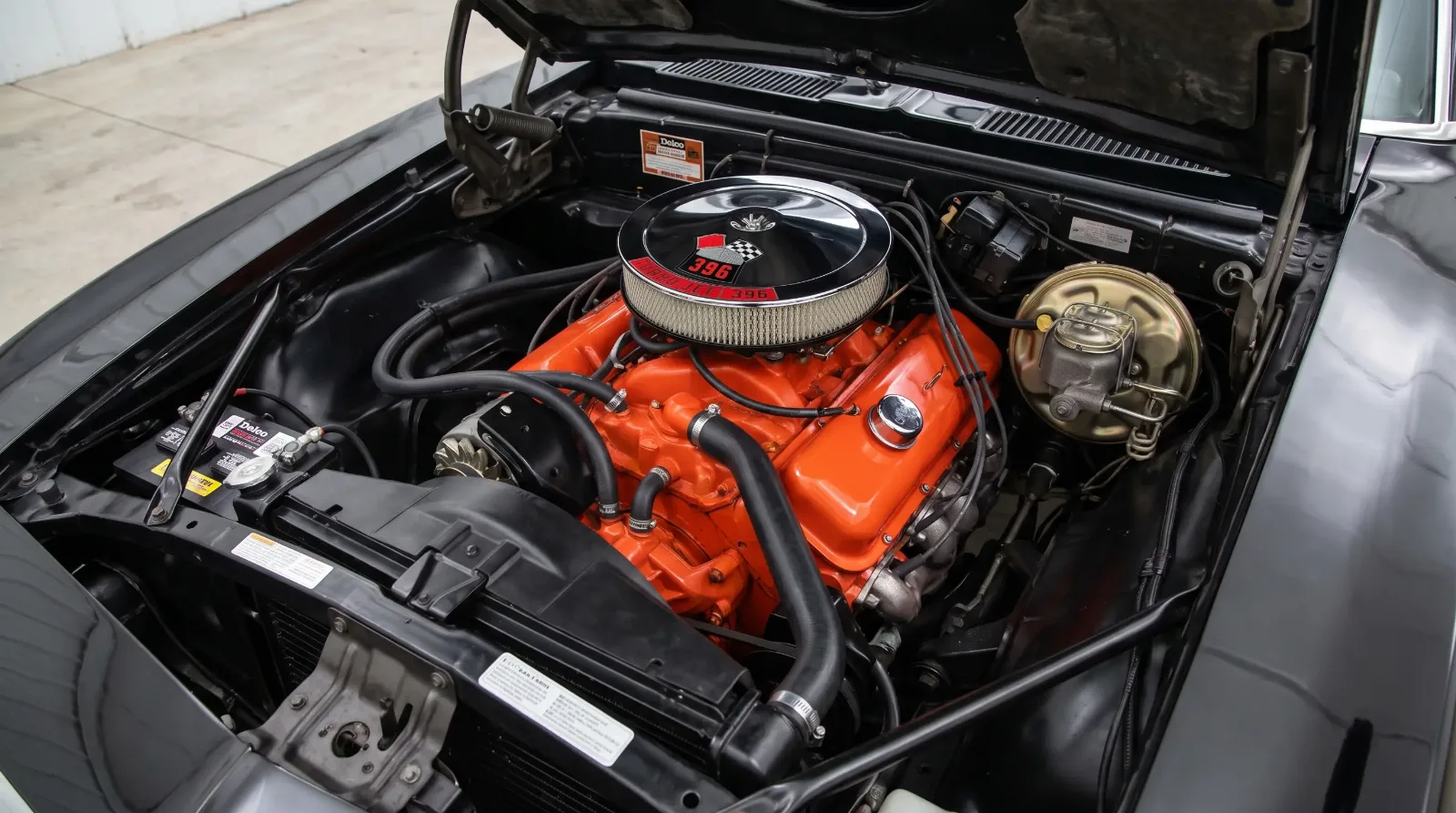
| Engine | Small-block swap or a built period motor | Detailed bay, correct accessories, tuned to run |
| Wheels | Steelies, five-spokes, or billet by era | Backspacing right so they tuck, sized to the arch |
| Body | Shaved, chopped, or left honest | Panels flow, gaps even, filler thin and worked |
Getting into the scene
If you want in, the smart move is to buy a truck that already has good bones and build from there, not to chase somebody else's abandoned project. The GM square-body trucks are the current sweet spot for a first custom because parts support is deep, the aftermarket is huge, and the platform takes a drop and a small-block without drama. You can browse square-body trucks for sale to get a feel for what running, solid examples cost before you commit to a build plan.
Whatever you land on, go look at it in person and get under it. A custom truck can hide a lot under fresh paint and a slammed stance. Rust in the cab corners, the bed floor, and the frame is what kills these projects, and it is exactly what a lowered stance and a shiny bed cover are good at hiding. Buy the metal, not the paint. The paint you can redo. The metal you cannot un-rust.
The scene rewards people who commit and finish. Nobody remembers the guy who bought a chopped project and let it sit in the garage for six years. They remember the shop truck that showed up running, sitting right, and getting driven. Build something that hangs together, drive it, and you are in.
Sources and notes
- Factory service manuals and body dimension references for period pickups
- Marque and model production histories for GM, Ford, and Dodge light trucks
- Period and modern truck-build features and how-to coverage from the custom truck press
- Auction results and classified listings for pricing context on driver-quality custom trucks
- Suspension and chassis fabrication guides for drop, C-notch, and air-ride installs