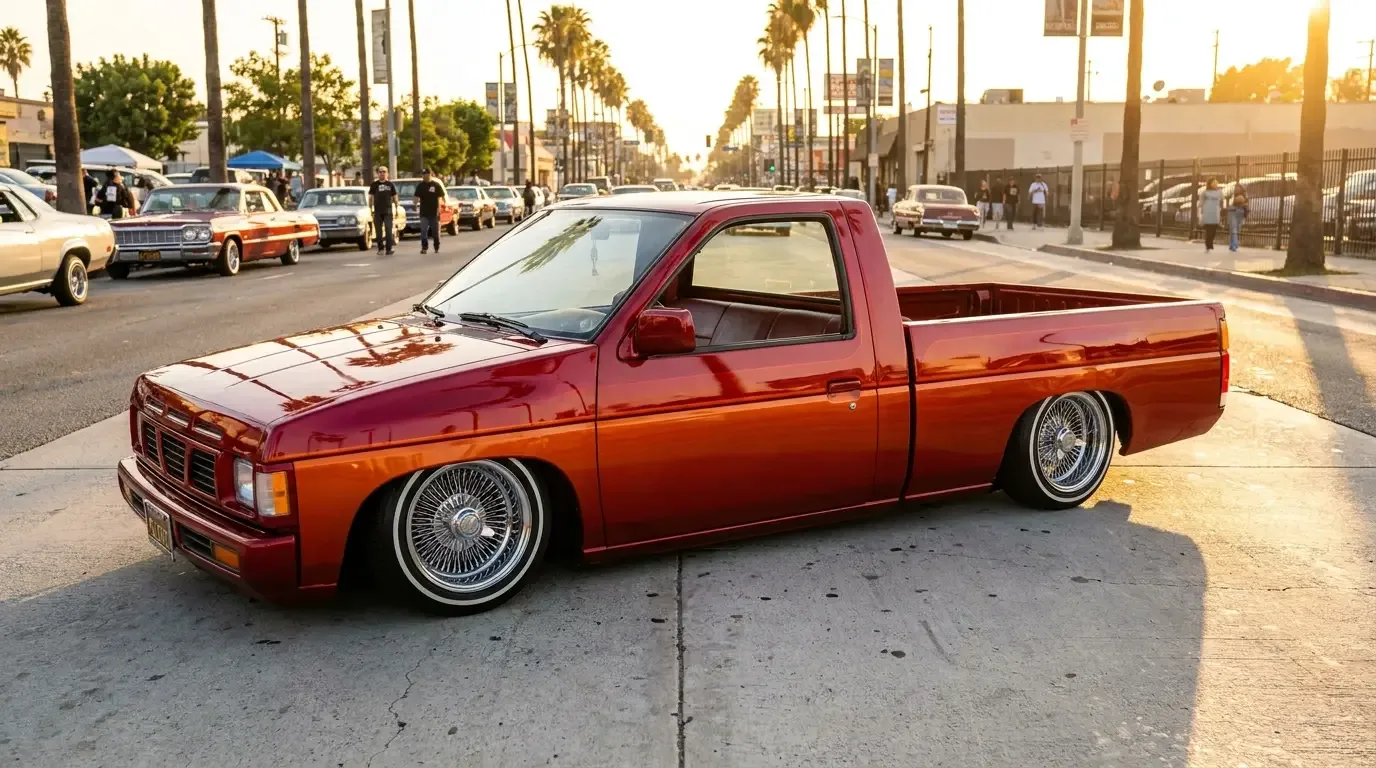
Roll into a park in East LA on a Sunday and you'll hear the trucks before you see them. Compressors ticking over, a valve dumps, and the front end of a mini-truck drops until the frame kisses the asphalt. This is a Southern California thing at its core, born in the barrios and body shops between LA and San Diego, and it runs on a different set of rules than anything the hot rod crowd cares about. Lowrider trucks are their own animal. Low and slow, laid out flat, built to sit right and move slower still.
If you've been reading about classic truck collecting and wondered where the laid-frame, candy-paint world fits in, this is the corner of the hobby I've spent my life in. Let me walk you through what makes these builds tick.
Where the tradition comes from
Lowriding started with cars, not trucks. The look goes back to the postwar years in Southern California, when Mexican-American car clubs took big American sedans, dropped them low, and cruised slow up and down the boulevard. It was a statement, the opposite of the tall, loud hot rod. Low and slow said you were in no hurry and you wanted everyone to see the work.
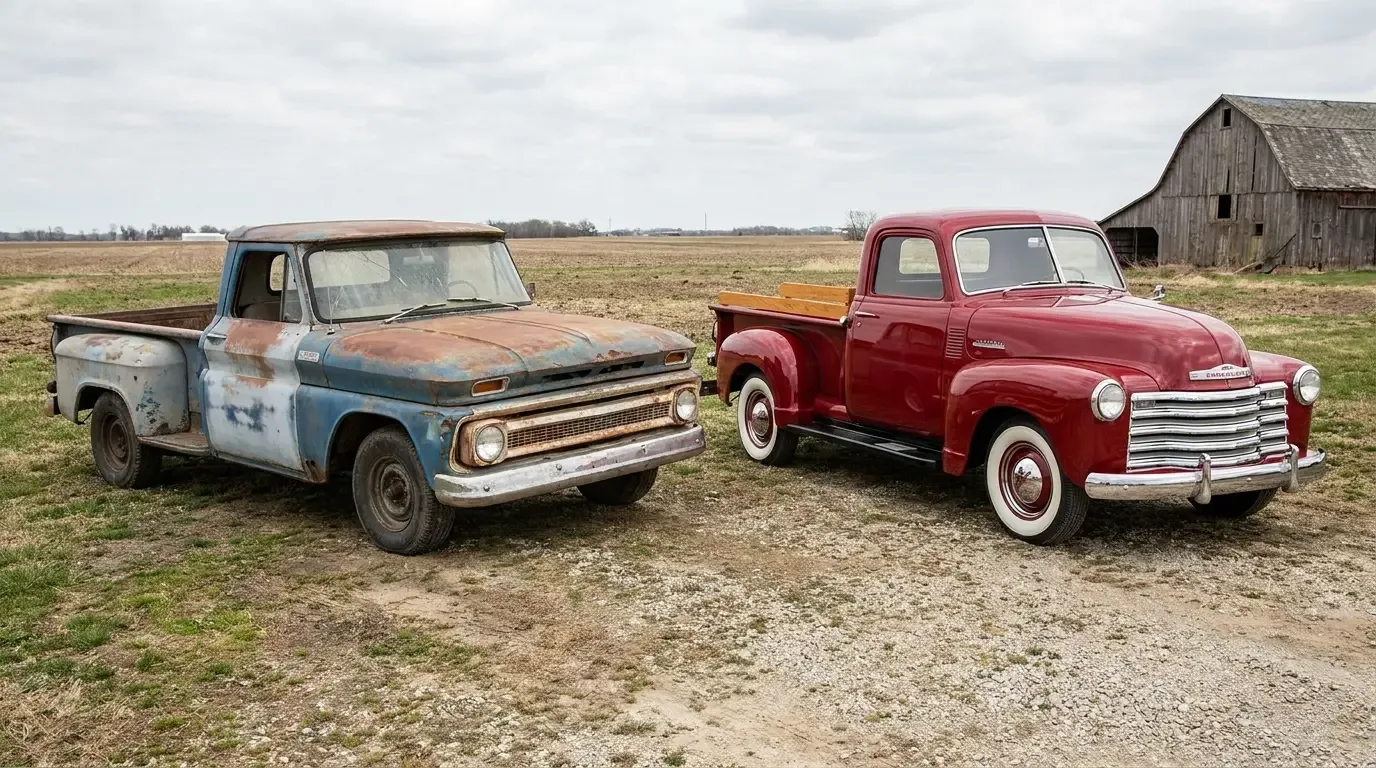
Trucks came into it later, and they came in two flavors. On one side you had the bombs, the fat-fendered pickups from the late 1930s through the mid-1950s, Chevrolet and GMC haulers that got the same treatment as the cars. On the other side, starting mostly in the late 1970s and blowing up through the 1980s, you had the mini-trucks, small imports and compact domestics that a younger crowd could actually afford. Both branches grew out of the same soil. Both are still going strong at shows today.
Mini-truck lowriding and the SoCal scene
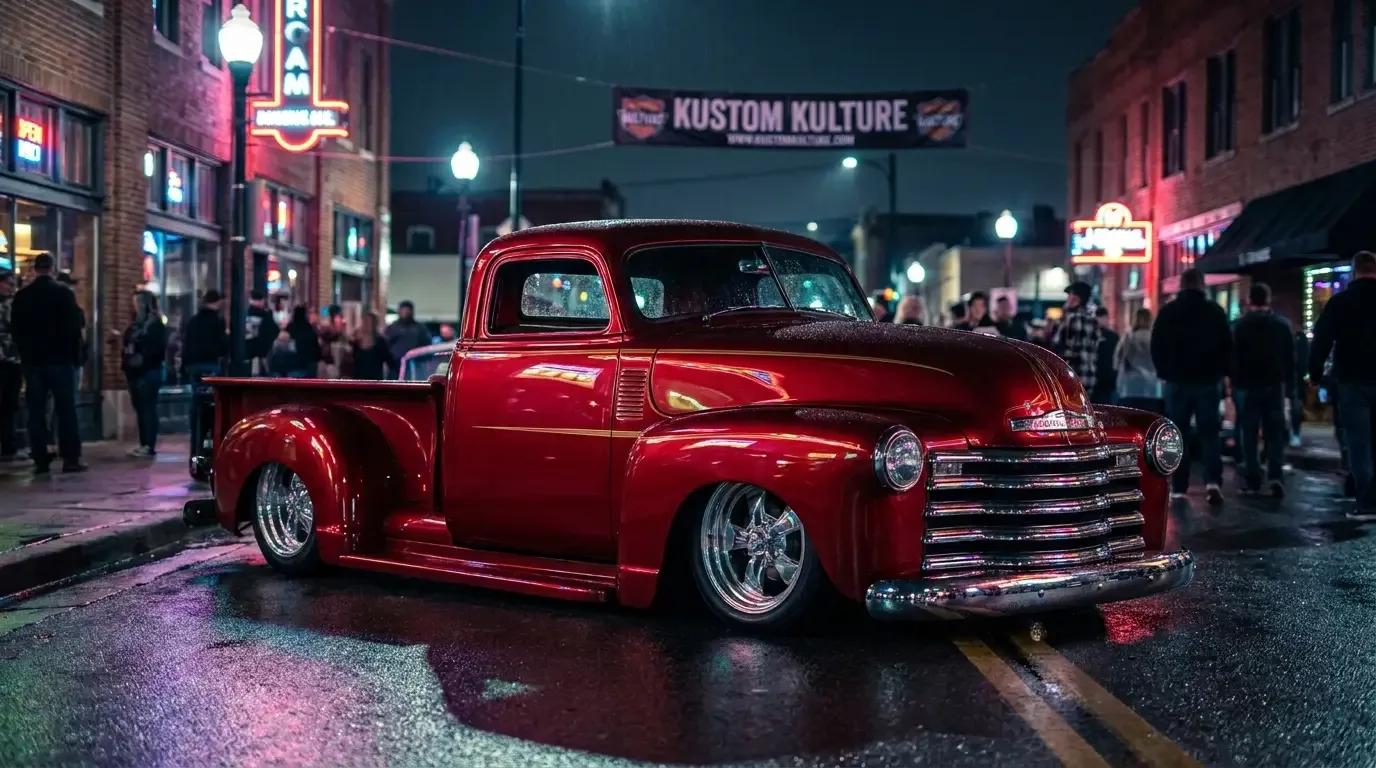
The mini-truck movement is where a lot of the energy went. Take a small pickup, chop the roof if it has a cab worth chopping, lay the frame out so the body sits on the ground, and go wild with the paint and the interior. These weren't restorations. They were canvases. Guys would tube the frame, section the body, and shave every handle and marker light until the sheet metal read as one clean surface.
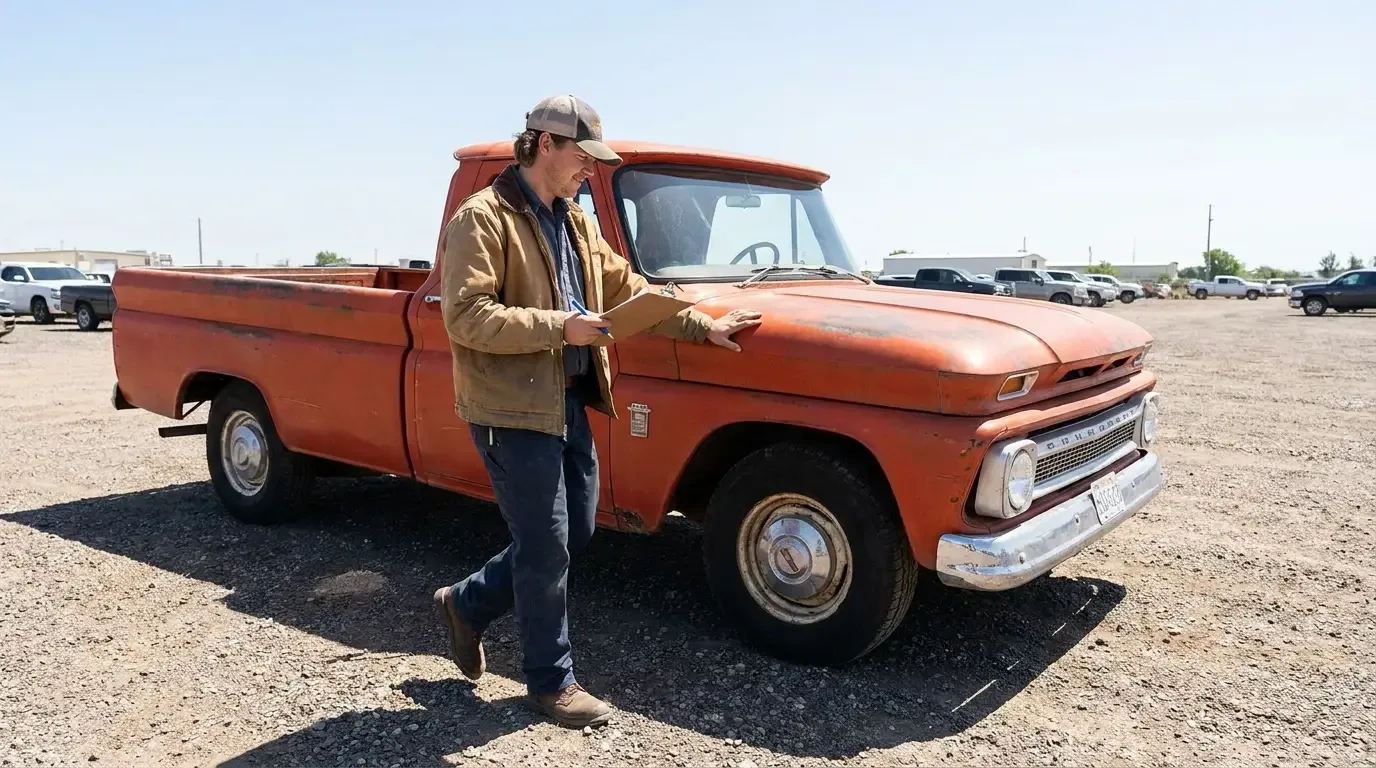
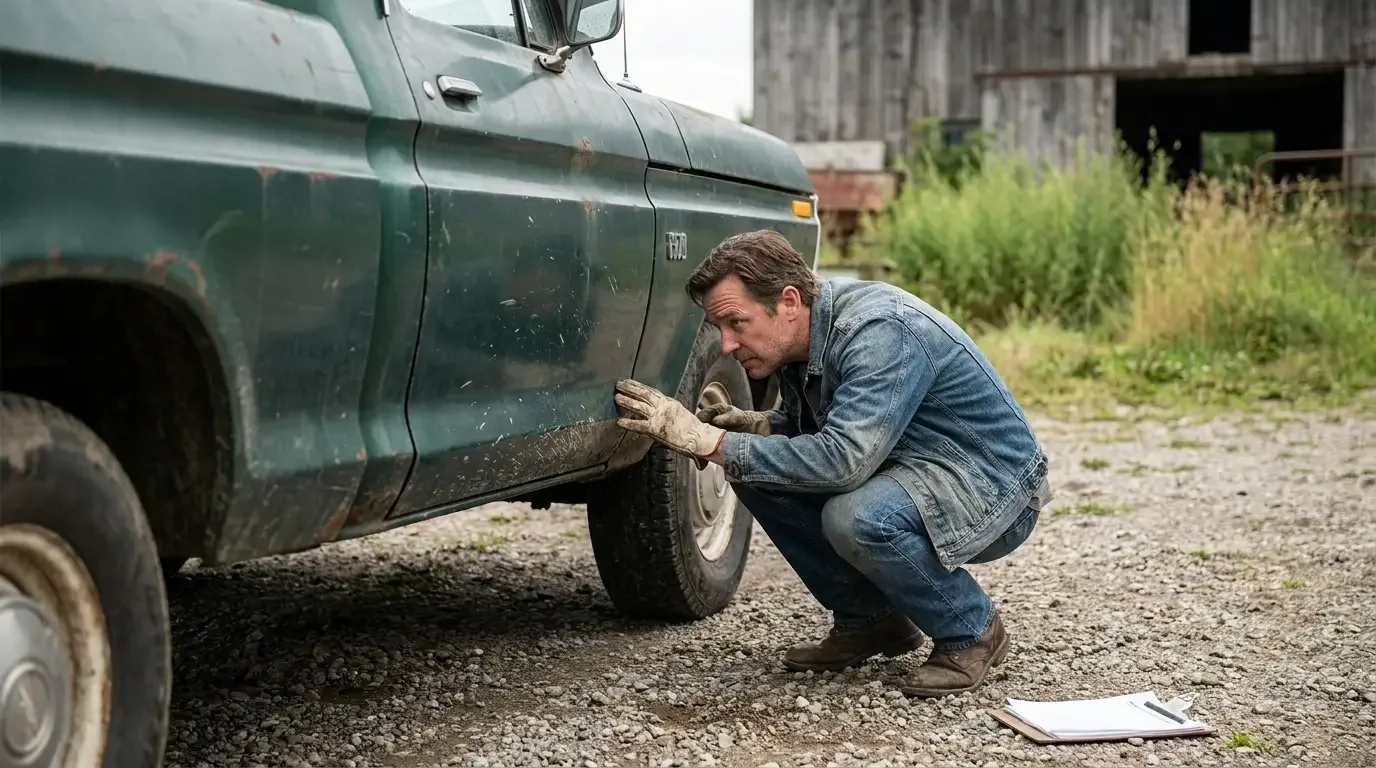
What separates a real build from a poseur job is the bodywork underneath the flash. Anybody can bolt on a set of wheels. Laying a body out flat and true, so the panel gaps stay even when the truck is dumped, takes real fabrication. When I judge a truck I look at the belly pan and the frame rails first. If the underside is as finished as the top, you're looking at somebody who knows what they're doing.
- Body drop. Cutting the floor and body mounts so the cab sits lower over the frame, letting the truck lay lower than a suspension drop alone allows.
- Shaved everything. Door handles, badges, antenna, gas door, all filled and smoothed so the paint flows uninterrupted.
- Tubbed and tucked. Wheel wells reworked so the tires disappear up into the body when it drops.
- Bed and belly work. Finished undersides, custom bed floors, and frames painted to match, because the whole truck gets seen when it's laid out.
"Paint hides nothing on a laid-out truck. The lower it sits, the more people crouch down and look under it. If your bodywork is wavy, the candy just makes the waves shine brighter. Get the metal straight first, always."
— Jim Vasquez
Hydraulics and air: the two schools
The thing that makes a lowrider truck do its trick is the suspension, and there are two camps. Hydraulics came first, straight off the cars. A set of pumps, batteries in the bed, and cylinders at each corner let you lift the truck to clear a driveway or slam it to the ground, and if you built it aggressive enough, hop the front end clean off the pavement. That hopping and dancing culture is pure lowrider, and it started with hydraulic setups pulled from surplus aircraft parts back in the day.
Air ride, or "air bags," came up strong in the mini-truck world. Instead of hydraulic fluid you run compressed air into bags at each corner. Air rides smoother on the road and lays out just as flat, which is why a lot of the show-and-cruise mini-trucks went that way. Hydraulics still rule where people want to hop and three-wheel. Air rules where people want a truck that drives nice and drops on command. Plenty of purists argue about which is "real." I say build what suits how you use the truck.
| Feature | Hydraulics | Air ride (bags) |
|---|---|---|
| Medium | Hydraulic fluid, pumps, cylinders | Compressed air, compressor, bags |
| Best for | Hopping, dancing, three-wheel | Smooth ride, quick layout, cruising |
| Ride quality | Firmer, more abrupt | Softer, more compliant |
| Roots | Lowrider cars, since the 1950s | Mini-truck scene, 1980s onward |
| Typical drawback | Weight, maintenance, harsh at speed | Air leaks, less lift for hopping |
Bombs, clubs, and the culture
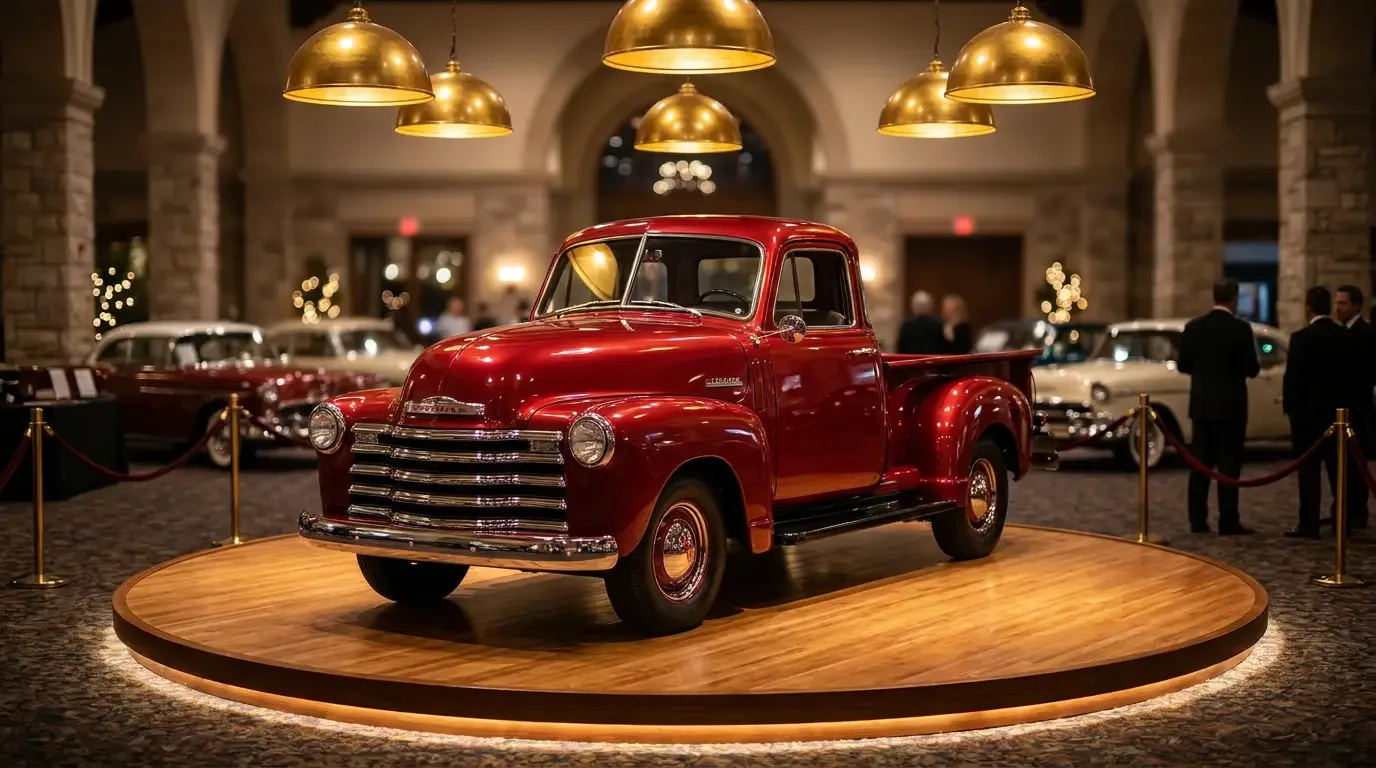
The bombs are the soul of the truck side. A fat-fendered Chevy hauler from the early 1950s, dropped just enough, riding on wide whitewalls and small chrome wheels, with a spotlight on the A-pillar and a set of skirts out back. Bombs don't chase the ground the way mini-trucks do. They ride a little taller, dignified, dressed in accessories. Half the game is period accessories: sun visors, fender skirts, grille guards, the right hood ornament. The other half is patina versus paint, and clubs argue about that all day.
Because none of this happens alone. Lowriding is a club culture from the ground up. The plaque in the back window tells you who somebody rolls with, and clubs like the ones that came out of LA and the surrounding valleys have carried the tradition for decades. It's family cookouts, caravans to shows, and older members mentoring the kids who are just learning to weld. When you buy into a lowrider truck you're buying into that, whether you know it yet or not.
How lowrider trucks differ from lowrider cars
People lump them together, and they share the low-and-slow philosophy, the hydraulics, the club culture. But a truck is a different build. The bed gives you a place to mount pumps, batteries, and tanks where everybody can see them, so the setup itself becomes part of the show, chromed and engraved and lit up. Cars hide their gear in the trunk. Trucks put it on display.
The bodywork problem is different too. A truck cab and a truck bed are big, flat, simple surfaces, which makes them a dream for smooth, shaved custom work but unforgiving of wavy metal. And the mini-truck branch has no real equivalent on the car side. It's its own subculture with its own heroes and its own rules about what's cool. If you're coming from the classic car hobby, understand that a lowrider truck is judged on the quality of the build and how it sits, not on numbers-matching originality. When you're ready to look at what's out there, browse the lowrider trucks for sale and pay attention to the fabrication, not just the flash.
Sources and notes
- Lowrider marque and movement histories covering the Southern California car-club tradition.
- Period and current lowrider and mini-truck enthusiast publications and show coverage.
- Custom fabrication references on body drops, frame work, and suspension setups.
- Club and show judging conventions for bombs and mini-trucks.
- General accounts of hydraulic and air-suspension development in the lowrider scene.