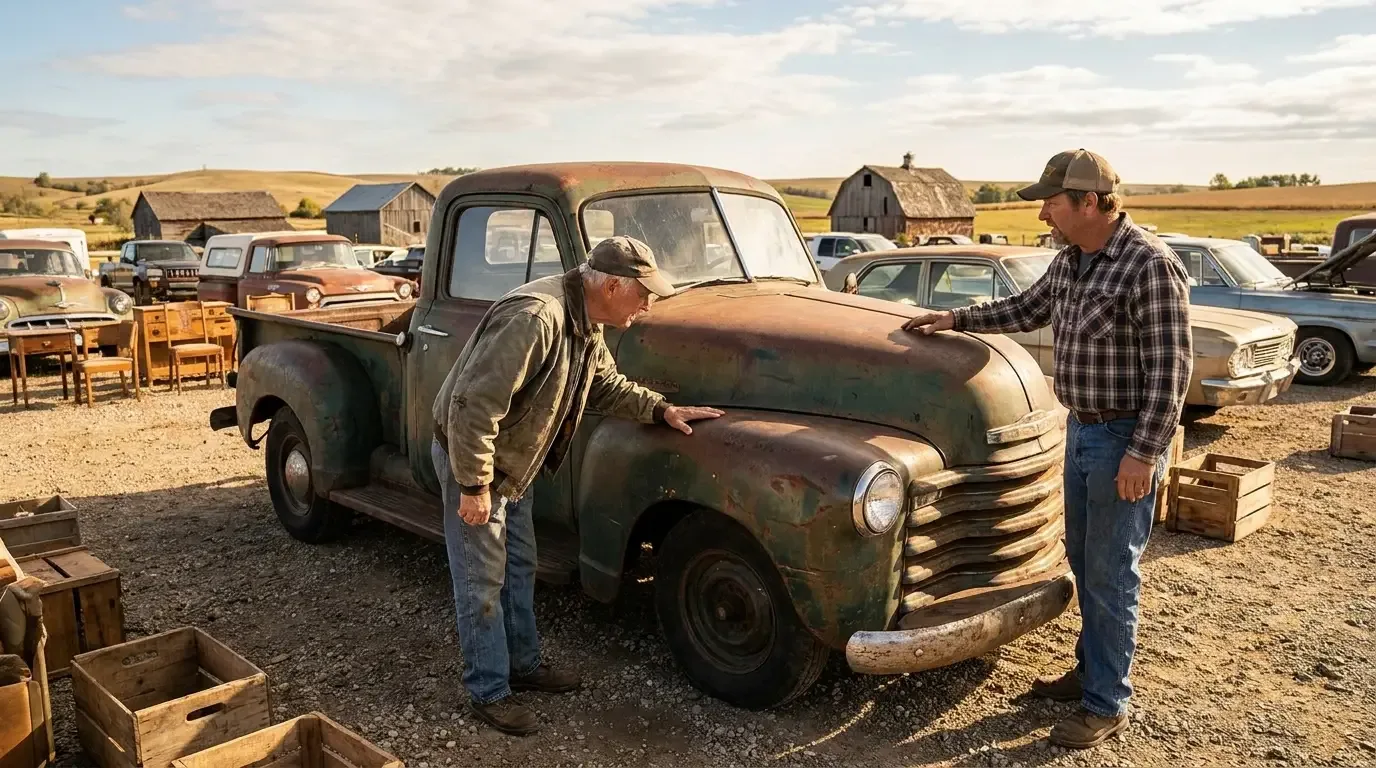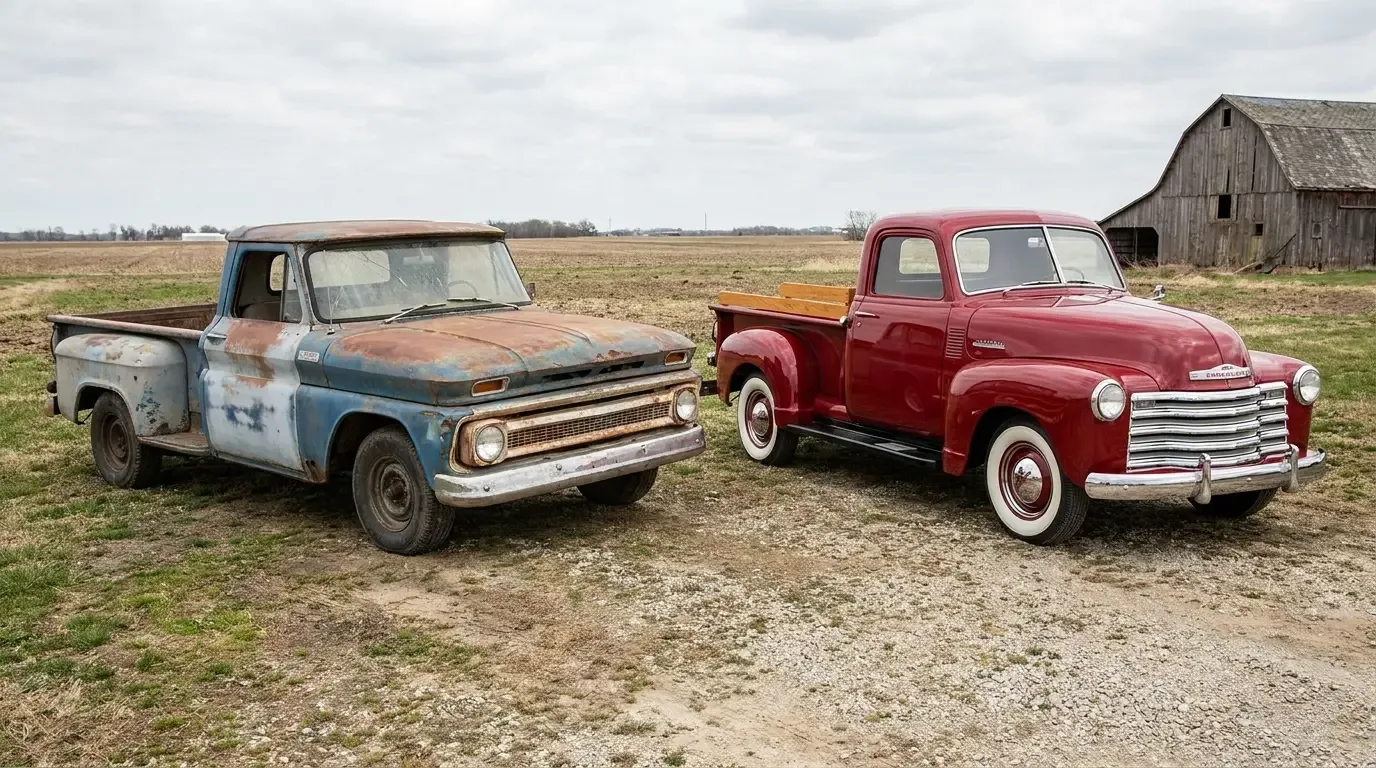
Every truck buyer eventually stands at the same fork. You can buy a rough one cheap and fix it, or you can pay up front for one that already runs and drives. Both roads end at a truck in your garage. They cost wildly different amounts of money, time, and patience to get there, and the cheaper-looking one is almost never the cheaper one. If you have not read how to buy a classic truck yet, start there. This is the money part of that same decision.
What a project truck and a driver actually are
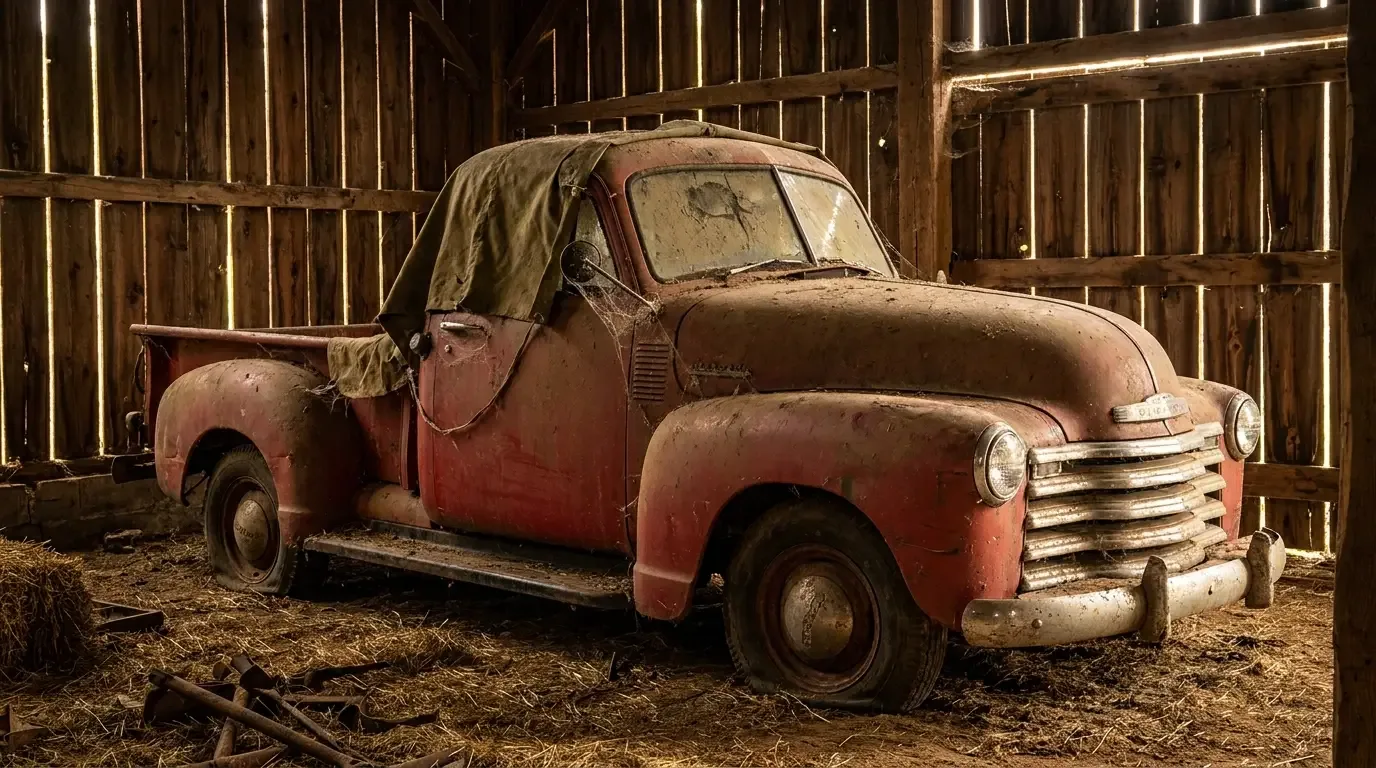
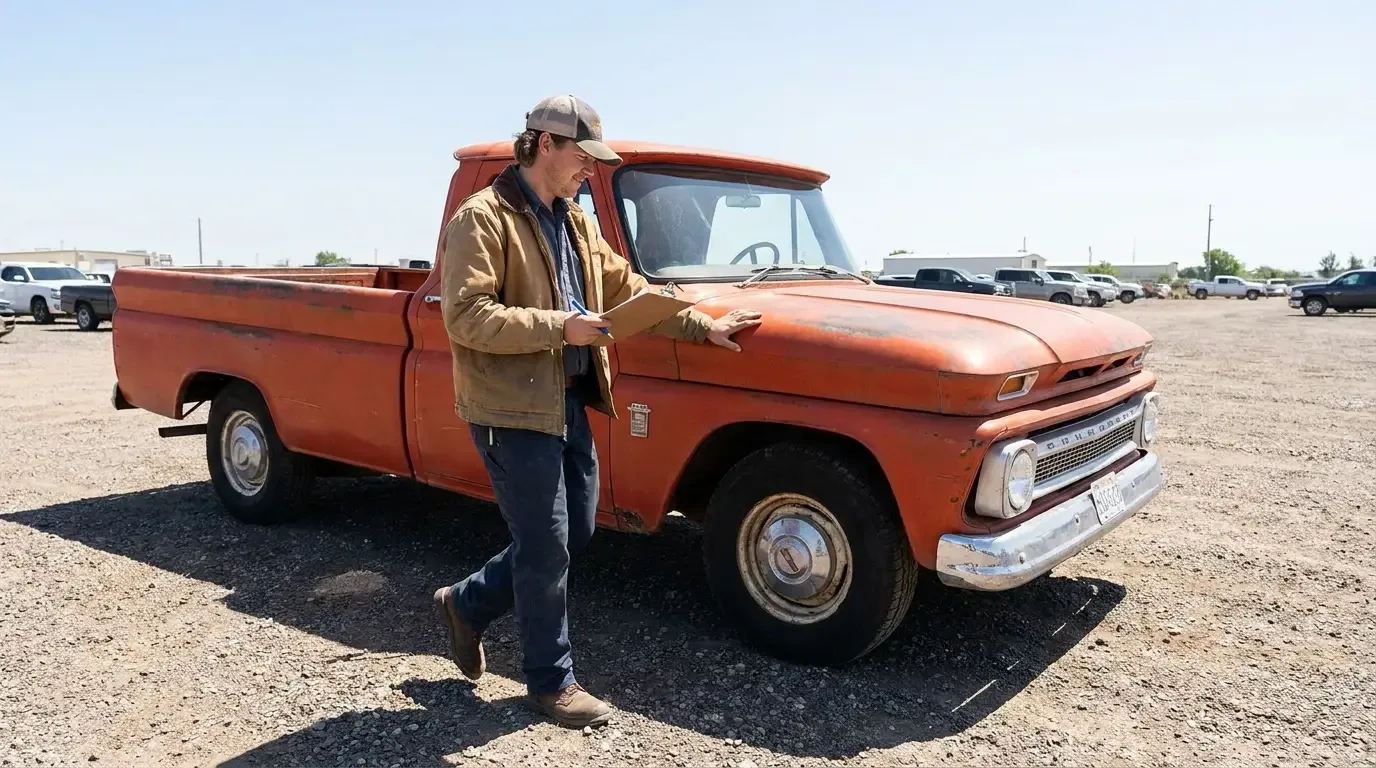
A driver is a truck you can get in and use. It starts, stops, steers, and holds an alignment. The paint might be tired and the seat might be split, but nothing on it needs a wrench before you drive it home. A project is everything else, and that word covers a lot of ground. On one end you have a running truck that needs brakes and a floor pan. On the far end you have a bare frame, three boxes of parts, and a title in a folder.
The trap is the middle. A truck that "runs and drives" in the ad but has a soft frame, a smoking engine, and wiring that somebody redid with household lamp cord is not a driver. It is a project wearing a driver's clothes. The difference is not how it looks in the photos. It is how much money stands between the truck as it sits and a truck you would trust on the highway at night in the rain.
The real cost math nobody puts in the ad
Here is where people fool themselves. They see a $4,000 project and a $12,000 driver and figure they are saving eight grand. They are not, and the math is not close. Add up what the project actually needs, then add the part you forget: the parts you have not found yet.
Run rough numbers before you commit. These are ballpark figures for common American trucks and will vary by model, region, and how much you farm out versus do yourself. Verify every one against real quotes for your specific truck.
| Job | DIY parts | Shop total |
|---|---|---|
| Brake system, full refresh | $400 to $700 | $1,200 to $2,000 |
| Engine rebuild, small V8 | $2,500 to $4,000 | $5,000 to $8,000 |
| Bed floor and wood, replacement | $600 to $1,500 | $2,000 to $4,000 |
| Cab corners and floor pans | $300 to $600 | $2,500 to $5,000 |
| Respray, driver-quality | $1,500 to $3,000 | $5,000 to $12,000 |
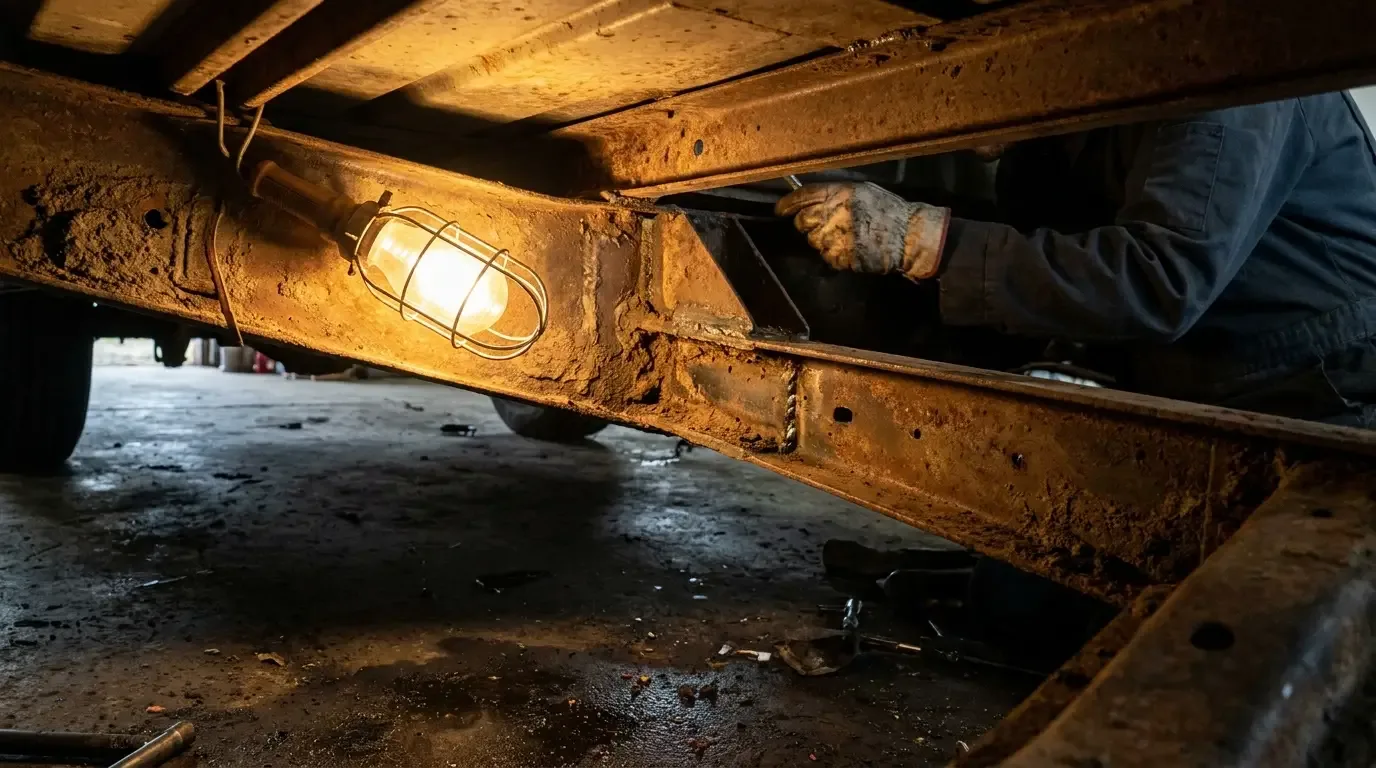
Total up a project that needs brakes, an engine, floor pans, and paint and you are past the price of a good driver before you have driven a foot. And that assumes nothing goes sideways. It always goes sideways. You pull the bed and find the frame is rotten under it. You open the engine and the crank is scored. Budget a fudge factor of at least a third on top of your honest estimate, because the honest estimate is always low.
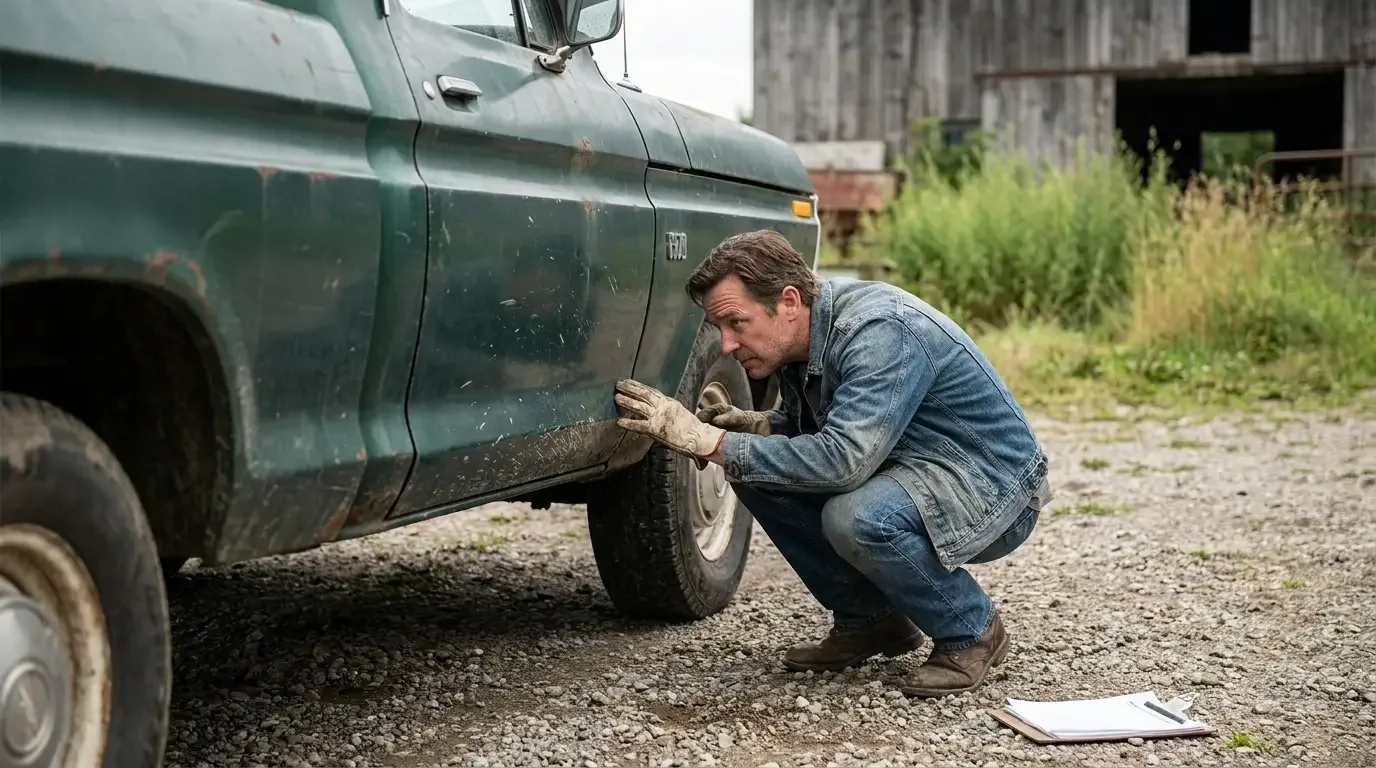
"I have never once torn into a project and found less wrong than the seller said. Not once in forty years. Get under it with a light before you buy, not a flashlight at arm's length, an actual light, and you cut your surprises in half."
— Robert Halloran
Why "buy the best you can afford" is usually right
The old advice holds up because of a simple truth about condition. It costs far more to bring a truck up a grade than the price gap between grades. Moving a rough truck to a solid driver can run you double the money you saved buying rough. You pay for the parts, you pay for the labor if you farm it out, and you pay in months of weekends you do not get back.
There is also the thing nobody prices in: the good driver was already sorted by somebody who ate those costs before you. When you buy the best truck you can afford, you are buying somebody else's finished project at a discount, because a used restoration almost never sells for what went into it. Let the last owner take the loss on the labor. That is the deal.
- A solid driver holds value. A stalled project loses it every month it sits.
- You can drive a driver this weekend. A project owes you a year first.
- Sorted trucks reveal their problems slowly. Projects hand you all of them at once.
- The resale market pays for a running truck, not for your receipts.
None of that means never buy a project. It means be honest that "buy the best you can afford" is the low-risk default, and a project is the bet you make on purpose, with your eyes open, for reasons that are yours.
When a project actually makes sense
A project is the right call more often than the numbers alone suggest, because not everybody is buying a truck to save money. Buy the project on purpose when one or more of these is true for you.
🔧 Inspection Priorities
- You want the build, not just the truck. If the wrenching is the point, the labor is not a cost, it is the hobby you were going to pay for anyway.
- The bones are right. A solid frame and straight, rust-free sheet metal forgive a lot. Mechanical parts are cheap next to bodywork and rust repair. Buy rust-free and running-rough over shiny and rotten every time.
- You want it exactly your way. A driver comes as somebody else built it. A project lets you spec the drivetrain, the stance, and the interior from the frame up.
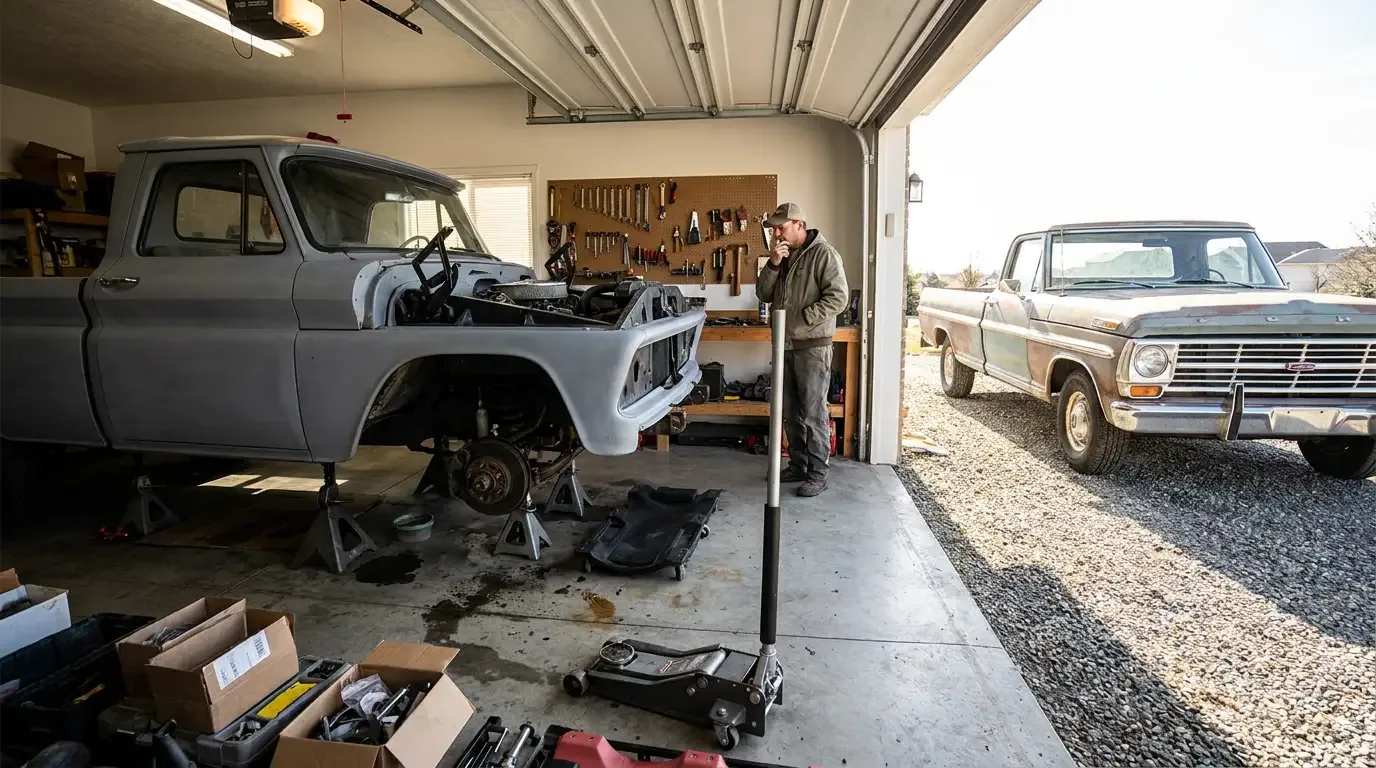
- You have the space and the time. A project needs a dry place to sit for a year or two and a person who will not resent it there. No garage, no project.
- The model is scarce in driver form. Some trucks rarely come up as good drivers. If a project is the only realistic way in, the math changes.
What kills projects is none of those. It is buying the cheapest rough truck you can find with no plan, no space, and a vague hope it will be cheaper than a driver. That truck becomes a lawn ornament. Then it becomes somebody else's cheap project, and the cycle starts over.
Making the call for your situation
Strip it down to what you actually want. If you want to drive a classic truck and the wrenching is a chore you tolerate, buy the driver. Pay more once, drive it now, and let somebody else own the surprises. If the build is the point and you have the space, the time, and a truck with good bones, the project is the honest choice even when it costs more, because you are buying the process, not just the result.
Where most first-time buyers land is the sweet spot in between: a running, driving truck that is honest about its flaws and priced accordingly. It needs work, but you can do that work from the driver's seat, one weekend at a time, while you are enjoying the thing. If a modest budget is your ceiling, our roundup of classic trucks under $10,000 is a realistic place to see what that money buys today, in both driver and project form. Just walk in knowing which one you are actually looking at.
Sources and notes
- Factory service manuals for brake, drivetrain, and body repair procedures and labor guidance.
- Independent restoration shop estimates and published flat-rate labor guides for cost ranges.
- Classic truck parts catalogs for representative panel, drivetrain, and trim pricing.
- Auction results and classified market listings for driver-versus-project price spreads.
- Marque and model histories for guidance on model scarcity in driver-grade condition.