A Generation That Was Never Supposed to Last This Long
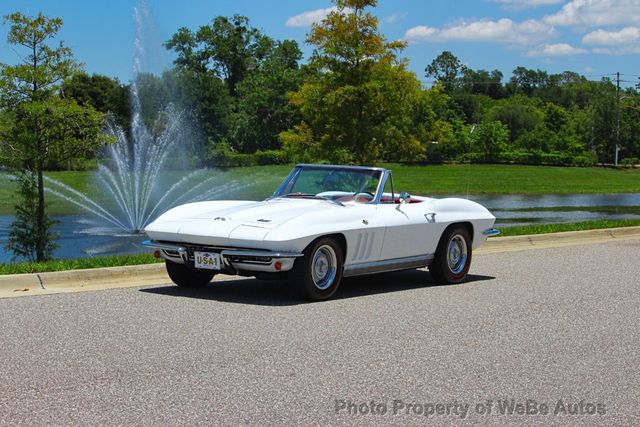
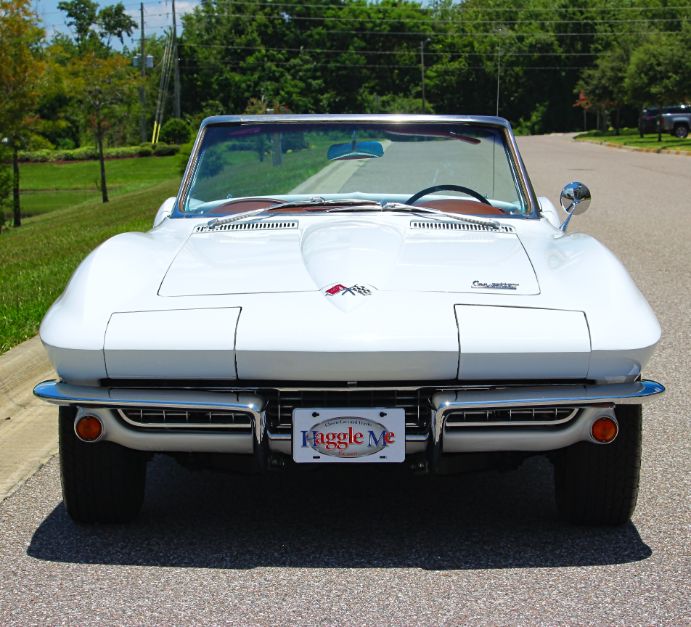
When Chevrolet unveiled the third-generation Corvette for the 1968 model year, the design was intended to serve as a bridge — a dramatic, Mako Shark-derived body that would carry the nameplate into a new decade while engineers prepared something even more radical for the early 1970s. Nobody at General Motors in 1967 would have predicted that the car they were about to launch would still be rolling off the St. Louis assembly line fourteen years later, outlasting the administrations of five presidents and surviving one of the most turbulent periods in American automotive history.
The C3 Corvette ran from 1968 through 1982, encompassing fifteen model years — a span no other Corvette generation has matched before or since. That longevity was not a triumph of planning. It was the product of repeated delays, regulatory disruption, and a series of engineering programs that came tantalizingly close to replacing the Sting Ray body before collapsing under their own ambitions or the weight of the era's economic pressures. Understanding why the C3 lasted so long requires understanding just how many times its replacement was nearly ready — and why, each time, Chevrolet chose to extend the existing platform rather than rush an unfinished successor to market.
For a broader look at where the C3's iconic shape came from, the Mako Shark era history traces Bill Mitchell's design influence across the generation's formative years.
The Aerovette and the False Starts of the C4
Serious work on a C3 replacement began in the early 1970s, driven partly by the recognition that the Sting Ray body — however dramatic — was approaching the limits of what could be done within its packaging constraints. The project that generated the most excitement internally was a mid-engine study that eventually crystallized into the Aerovette, a 400-horsepower, Wankel-powered concept that GM Chairman Tom Murphy reportedly championed for production as late as 1977.
The Aerovette's story is a useful window into the C4's troubled gestation. The car was genuinely breathtaking — a low, wedge-shaped coupe with a mid-mounted engine and gullwing doors — and period accounts suggest it came closer to production approval than any other Corvette concept of the decade. But the rotary engine program it depended on was cancelled after the 1973 oil embargo reshaped fuel-economy priorities, and without that powertrain, the mid-engine layout lost its central justification. By the late 1970s, the concept had been shelved, and the C4 program was redirected toward a more conventional front-engine, rear-drive architecture.
What followed was a development cycle that proceeded in fits and starts through the late 1970s and into the early 1980s. Engineering resources were stretched thin across the broader GM product portfolio during the fuel crisis years, and Corvette — a low-volume specialty car — rarely commanded top priority in budget allocation discussions. The tooling investment required to transition production from the C3 body was substantial, and every year that tooling costs could be amortized against existing C3 sales was a year that improved the financial calculus of eventually building the C4.
The C4's production launch was targeted for 1983, and the new Bowling Green, Kentucky assembly plant was built specifically for the next generation. But persistent quality and fit-and-finish issues with the first production units led GM to make the extraordinary decision to cancel the 1983 model year entirely and push the launch to 1984. The result was that the C3, which had been in runout mode for years, effectively gained one final model year by default.
Why Extending the C3 Was the Rational Choice
From a purely commercial standpoint, Chevrolet's repeated decisions to keep the C3 in production rather than rush a replacement were defensible — and arguably correct given the environment the company was navigating. The 1970s subjected American automakers to regulatory pressure that had no historical precedent: new emissions standards, evolving safety requirements, and the fuel economy mandates introduced in the wake of the oil crises all demanded engineering attention and capital that might otherwise have gone toward accelerating a new Corvette platform.
The C3 body, for all its age, was adaptable enough to accommodate the changes the era demanded. Bumpers were redesigned to meet federal impact standards. Emissions equipment was grafted onto engines with varying degrees of success. Catalytic converters arrived for 1975. Through each of these changes, the underlying platform absorbed the modifications without requiring the kind of wholesale redesign that a new generation would have entailed. It was not elegant engineering, but it was practical — and it kept the Corvette in showrooms during years when launching an all-new car would have meant navigating an exceptionally hostile regulatory and economic environment.
The malaise era horsepower story details the technical compromises that kept the C3 alive through its middle years, when power outputs fell dramatically before engineers found their footing again.
There is also a less flattering explanation: for much of the 1970s, the Corvette sold well enough that there was limited internal pressure to disrupt a profitable formula. Even in years when the car was, by its own historical standards, underpowered and compromised, buyers continued to appear in sufficient numbers to justify continued production. The car's cultural identity — its status as America's sports car, whatever the specification sheet said about horsepower — proved more durable than the engineering constraints that temporarily hobbled it.
Fifteen Years of Production: The Numbers Tell the Story
The production history of the C3 traces a clear arc: modest beginnings, a surge through the mid-to-late 1970s as the Corvette found its largest audience, and then a gradual decline as the platform aged visibly and the promise of a replacement grew more credible.
| Model Year | Units Produced | Notable Context |
|---|---|---|
| 1968 | 28,566 | First C3 year; transition from C2 platform |
| 1969 | 38,762 | Production stride; "Stingray" name returns as one word |
| 1973 | 34,464 | Urethane front bumper; last year of chrome rear |
| 1975 | 38,465 | Catalytic converter introduced; last convertible until 1986 |
| 1978 | 46,776 | 25th anniversary fastback restyle; Indy 500 pace car |
| 1979 | 53,807 | All-time C3 production peak |
| 1982 | 25,407 | Final C3 year; Collector Edition introduced |
The 1979 peak of 53,807 units represents something that would have seemed improbable at the C3's launch: a generation that had been in production for over a decade was outselling its early years by a margin of nearly two to one. Part of this reflects the growth of the sports car market generally; part of it reflects the Corvette's cultural entrenchment. By 1979, buyers were not purchasing a new car so much as purchasing an institution.
The 1978 fastback restyle was a significant factor in that late surge, giving the aging body a visual refresh that extended its showroom appeal into the early 1980s.
The subsequent decline from that peak through 1982 reflects a combination of factors: genuine platform age, growing buyer awareness that a replacement was coming, and the broader economic turbulence of the early 1980s, which affected discretionary spending across the automotive market. The 1982 total of 25,407 — less than half the 1979 figure — suggested a market that had largely decided to wait.
What Fifteen Years Did to the C3's Identity
No other Corvette generation encompasses the range of machines that the C3 designation covers. The 1969 L88, with its 427-cubic-inch engine producing a conservatively rated 430 horsepower and virtually no emissions equipment, exists in the same generational family as the 1975 base L48, which contemporary road tests recorded producing somewhere in the neighborhood of 165 net horsepower — a decline of roughly 60 percent in under a decade. That span of performance variation, within a single body generation, has no equivalent in Corvette history.
"The C3 is really three or four different cars wearing the same skin. The early big-blocks, the transition years, the malaise cars, and the late-generation recovery — they share a chassis and a roofline, but they represent entirely different philosophies about what a Corvette was supposed to be."
— Contemporary automotive historian, period interview
The generation also spans the shift from convertible to coupe as the defining Corvette body style. The last C3 convertible left the line in 1975, a casualty of anticipated (and ultimately never-enacted) federal rollover standards. For the final seven years of C3 production, the Corvette was a coupe-only proposition — a significant identity shift that the generation absorbed without comment, largely because buyers continued to appear regardless.
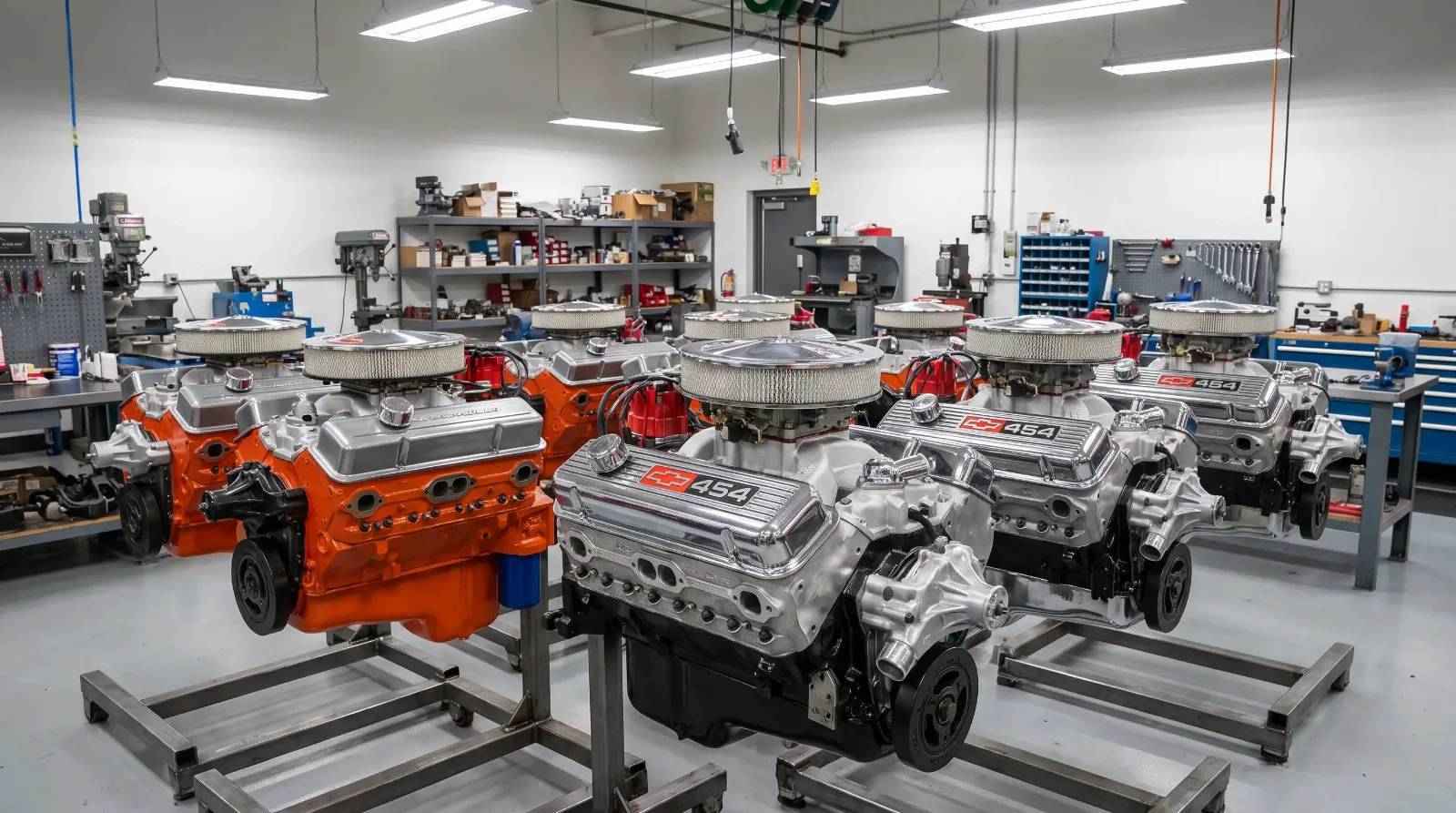
The big-block versus small-block debate within the C3 generation itself illustrates how much the car's character evolved across its run — the same body could house engines with fundamentally different personalities and intended audiences.
For collectors and enthusiasts today, the C3's fifteen-year span presents both richness and complexity. The generation offers entry points at nearly every performance and price level, from late-production malaise-era coupes to early big-block machines that represent the apex of American muscle-era engineering. The full Corvette lineage shows how the C3's unusually long run shaped the generations that followed — the C4 arrived with fifteen years of pent-up expectation and a public that had grown genuinely impatient for change.
The End of an Unplanned Era
The 1982 Corvette was the last of its kind in more ways than one. It was the final C3, obviously, but it was also the last Corvette to be built at the St. Louis plant that had been the car's home since 1953. Production would shift to Bowling Green for the C4, beginning a new chapter in a different facility with a different workforce and a different manufacturing philosophy.
Chevrolet marked the occasion with a Collector Edition — a package offering bronze-tinted glass, unique silver-beige paint, and lift-up rear glass on the hatchback, among other distinctions. It was the first Corvette to carry a base price above $20,000, a number that would have seemed extraordinary in 1968 and that reflected both inflation and the gradual repositioning of the Corvette toward a more premium market segment. Contemporary records indicate the Collector Edition sold for approximately $22,538 in base configuration.
What fifteen years of continuous production left behind was not merely a long-running car. It was a generation that had served as a mirror for everything that happened to American performance cars between 1968 and 1982 — the heights of the muscle era, the regulatory reckoning that followed, the painful accommodation to new realities, and the tentative recovery that was just beginning when the C4 finally arrived. No other Corvette generation was asked to carry that much history within a single body style. The fact that the design survived the exercise — that collectors still seek early C3s for their power and late C3s for their history — is perhaps the most honest measure of how much the platform was actually capable of.
Sources and notes
- National Corvette Museum — Corvette History — Official history resource covering production milestones and model year records
- MotorTrend — C3 Corvette Historical Overview — Period road tests and retrospective coverage of the third-generation model
- Hemmings Motor News — Evolution of the C3 Corvette — Year-by-year specification and production number documentation
- General Motors Corporate Archives — Production Records — Historical production data referenced in anniversary documentation
- Car and Driver — Corvette: A Complete History — Comprehensive coverage of the C4 development timeline and 1983 cancellation