
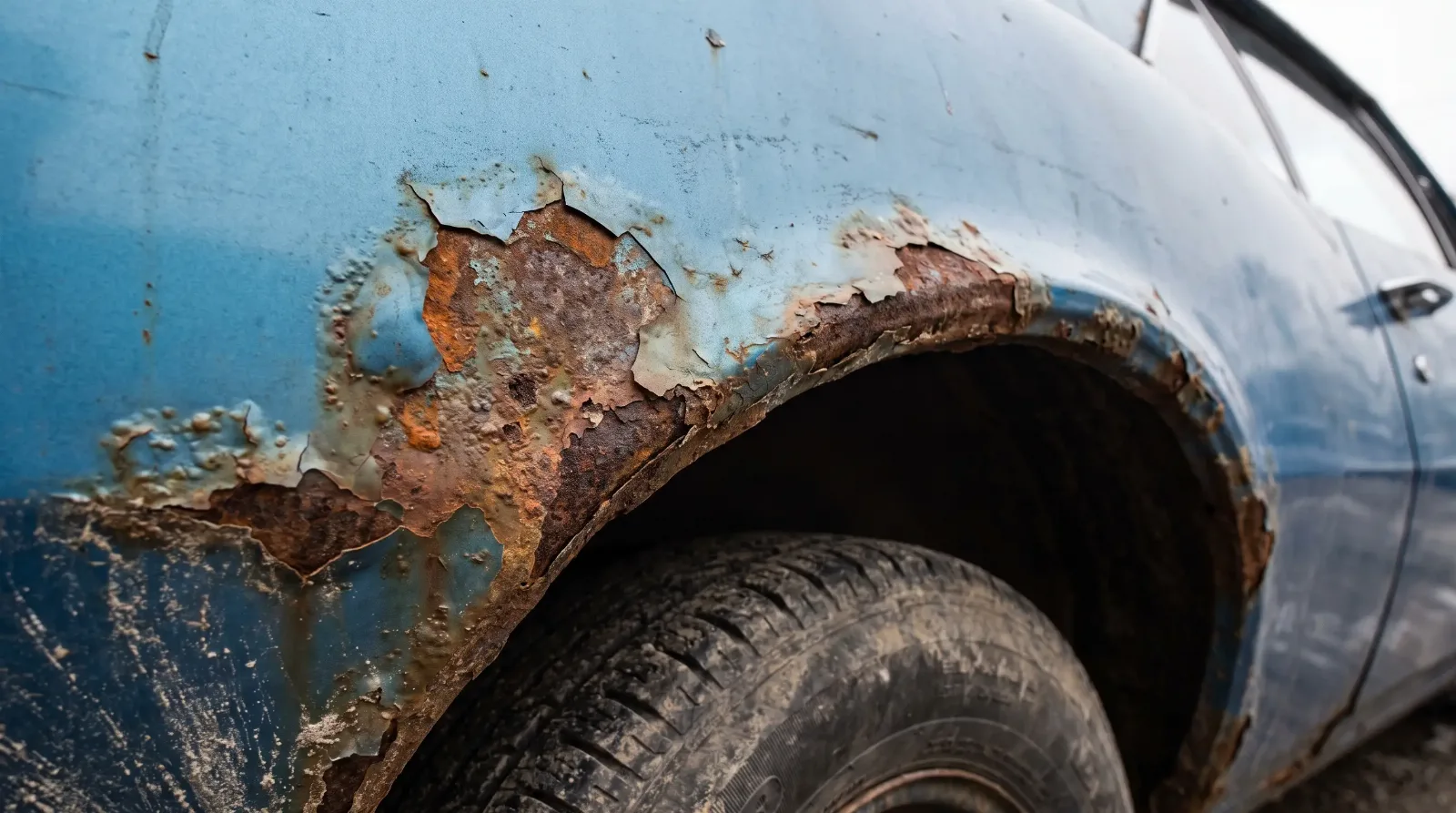
Where Camaros rust first
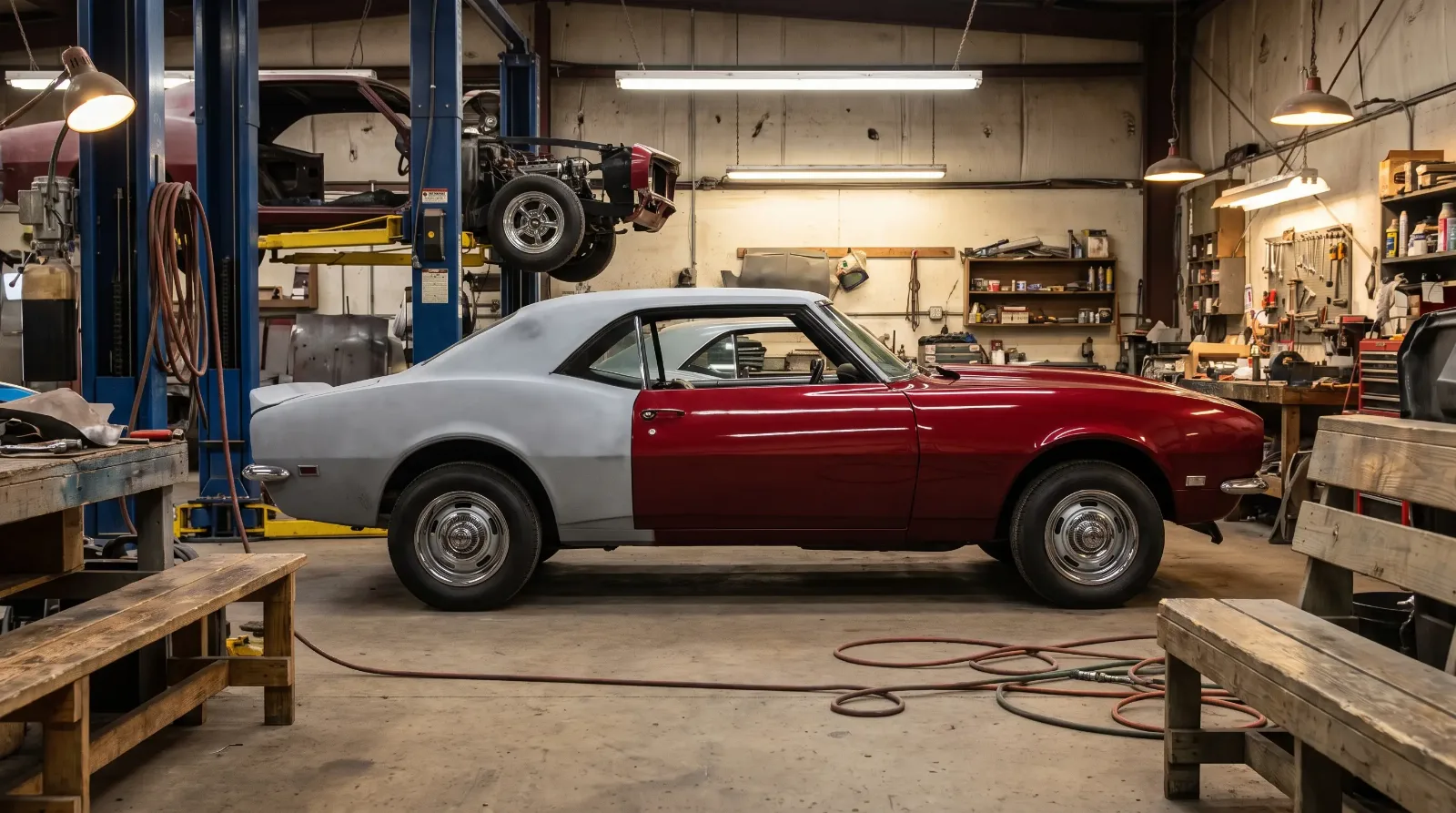
I've worked on enough of these cars in the Detroit area to tell you exactly where the money goes. First-gen and second-gen Camaros share a unibody design with a bolt-on front subframe that traps water in half a dozen spots, and every one of them bites you if you're not looking. The cowl is the most expensive surprise. The floor pans are the most common. The frame rails are the one that changes the whole conversation.
Before we get into repair specifics, if you want the full picture on bringing one of these cars back, read the full Camaro restoration guide. For cars from 1967 to 1969, the rust patterns and structural concerns are somewhat different from later cars, so also check out the first-generation restoration specifics before you commit to anything.
Here is where every Camaro rusts, roughly in order of how often you find it and how bad it gets.
The cowl and plenum: the hidden money pit
The cowl plenum sits at the base of the windshield where the hood meets the firewall. Water drains into this cavity through small channels, and when those channels clog with leaves and debris, water sits. The sheet metal inside the cowl is thin, uncoated, and completely invisible without removing the windshield and dashboard.
On a first-gen car, cowl rot typically starts in the lower corners of the plenum and works outward into the firewall and upper floor pan on the passenger side. By the time you see bubbling at the base of the windshield or rust staining inside the car near the firewall, the damage is already deep. Full cowl replacement on a first-gen requires cutting out the damaged section, welding in patch panels, and sealing everything before reinstalling the glass. Labor alone runs $1,500 to $3,000 at a competent body shop, and that assumes the firewall itself is clean.
On second-gen cars (1970-1981), the cowl design is different but the same basic failure mode applies. Water intrusion into the cowl on these cars tends to travel down into the A-pillars, which adds structural complexity to a job that already has plenty of it.
Floor pans and trunk floor
Floor pan rust is the most common Camaro repair job, and it ranges from a straightforward patch to a complete replacement depending on how long the car sat and where it lived. These cars were built with a seam between the outer rocker and the floor pan that traps moisture from underneath, and without regular inspection and undercoating, that seam rots from the outside in.
A car from the Midwest or Northeast that was driven through winters has almost certainly had water intrusion under the carpet. Pull the carpet back before you buy anything. Not just in the middle of the floor where it looks fine, but at the edges near the rockers, under the seats on both sides, and at the very front where the floor meets the firewall. Those corners are where the water collects and where the rust starts.
Partial floor pan sections run $80 to $200 each for reproduction panels. Full floor pans are available for most first-gen and second-gen cars from suppliers like AMD, Classic Industries, and Golden Star. The panels are affordable. The labor is not. Plan on 10 to 20 hours of shop time per side for a thorough floor replacement that includes proper seam sealing and undercoating.
The trunk floor is a separate issue. On first-gens especially, the trunk floor rusts around the spare tire well and along the rear seams where the body meets the tail panel. A rusted spare tire well is not structural on its own, but it usually means the tail panel and the rear frame extensions are also compromised. Check the trunk corners carefully, and probe the seam where the quarter panel meets the trunk floor.
More in this Camaro series: read about a first-gen restoration.
Frame rails and wheel houses
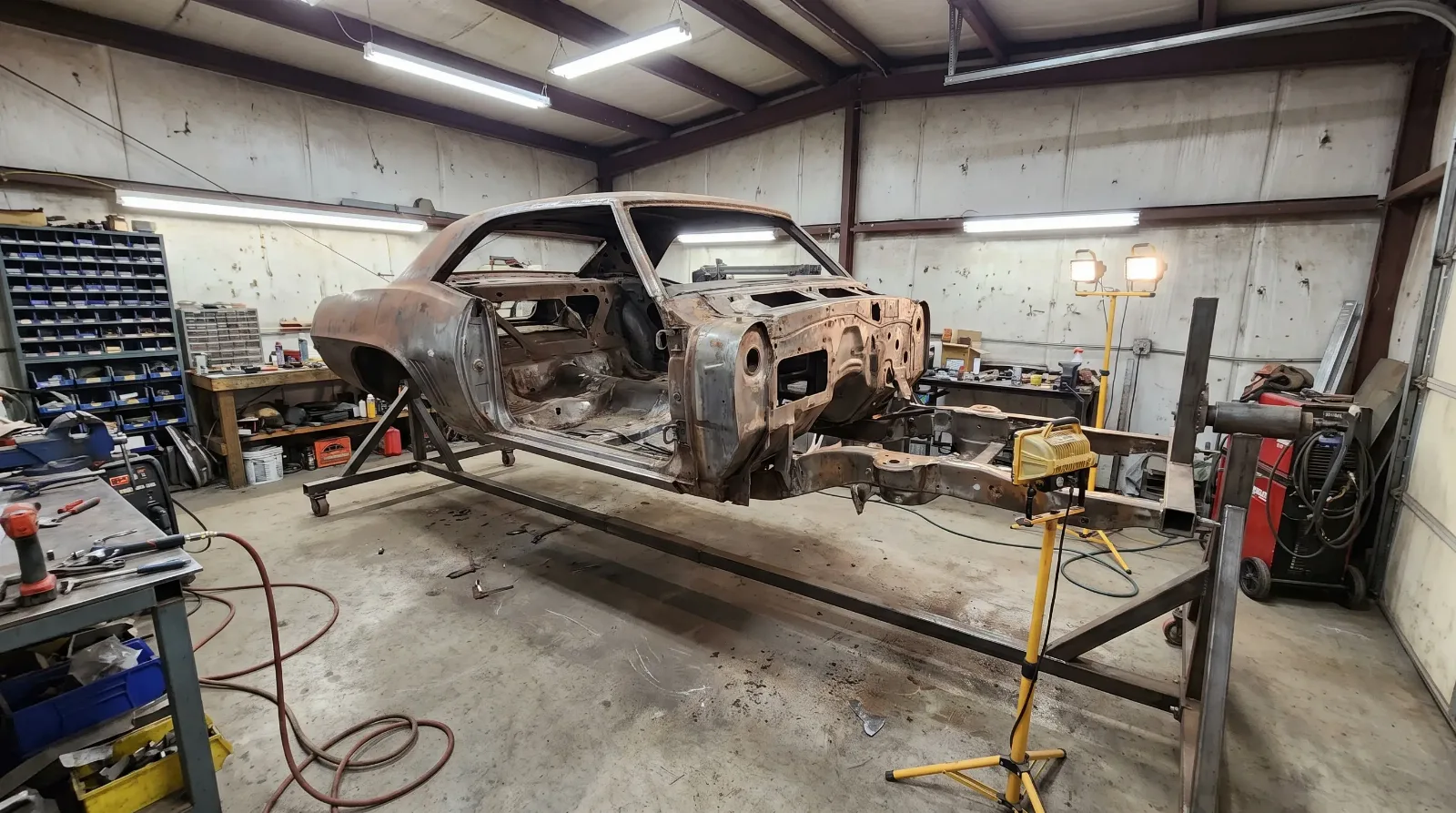
The Camaro is a unibody car carried on a bolt-on front subframe, and the integrity of that structure is what separates a restoration project from a parts car. Frame rail rust on these cars starts in the front subframe and torque-box areas and in the rear unibody rails behind the rear axle. Mud and road debris pack into the rail cavities and hold moisture against the steel for years.
A cosmetically clean car can still have compromised frame rails. I do not look at frame rails from the side. I get under the car with a light and a pick and I go at every suspicious spot. Solid metal rings. Rotted metal gives way. There is no substitute for that test.
Minor surface rust on frame rails can be treated: wire-brush, convert, coat, done. Active pitting that goes more than halfway through the rail thickness is a different matter. Frame rail fabrication or replacement changes the economics of the whole project. A pair of replacement rear frame rails with labor is a $2,500 to $5,000 job at minimum, and that assumes the rest of the structure is intact.
Wheel houses are adjacent to this inspection. The rear wheel houses on both first-gen and second-gen Camaros rust along the inner seam where they meet the trunk floor and along the outer seam where they meet the quarter panel. Repair panels are available, but wheel house work almost always reveals connected damage in the trunk floor and inner quarter. Budget accordingly.
🔧 Inspection Priorities
- Cowl plenum. Blocked drains allow standing water to rot the plenum from inside. Miss this on a purchase and you are looking at $2,000 to $4,000 in corrective work before the car can be sealed against further damage.
- Frame rails. Structural compromise changes the project entirely. Probe every inch of accessible rail with a pick before committing. Replacement of both rear rails with labor runs $2,500 to $5,000 at minimum.
- Floor pan edges and rocker seams. Pull the carpet all the way to the edges. The center of the floor can look perfect while the seams are gone. Partial patch panels run $80 to $200 each; labor for a proper replacement runs 10 to 20 hours per side.
- Trunk floor and spare tire well. Rust here usually connects to the tail panel and rear quarter seams. A rusted spare well is a warning that the surrounding structure needs scrutiny.
- Quarter panels and lower body. Surface rust on quarters is repairable. Through-rust that has reached the inner structure means cutting out metal that connects to the wheel house and rocker, which multiplies the repair scope quickly.
Quarter panels and lower body
The rear quarter panels on Camaros rust low. The bottom two inches of the quarter, just above the rocker, is where road splash sits and where paint chips go unnoticed. By the time you see a bubble in the paint there, the rust has typically worked inward to the inner quarter and sometimes to the outer wheel house seam.
Reproduction quarter panels are available for most years, and they are not cheap. Full quarters for a first-gen run $400 to $700 each for decent-quality reproduction steel. Installing them correctly, with proper seam alignment to the door and trunk lid gaps, is a full bodywork job. A shortcut quarter skin (just the outer skin rather than the full panel) costs less but does not address inner structure damage.
The rocker panels themselves rust from the inside out on these cars. Water gets past the door seals, sits in the bottom of the rocker cavity, and eats the steel from within. Tap the rocker every six inches with your knuckle. Solid steel has a flat, firm sound. A compromised rocker sounds hollow or soft. This is not a sophisticated test. It tells you what you need to know.
"Most of the Camaros I see that look like projects turn out to be parts cars once you get under them. The rust map is predictable, but the depth of it on a neglected car is not. I've seen cowl rot that went through the firewall. I've seen frame rails you could push a finger through. Know what you're buying before you write the check."
— Mike Sullivan
Repair versus replace: making the call
The repair-versus-replace decision comes down to three things: how deep the rust goes, whether the surrounding structure is clean, and what the car is worth when it's done. A numbers-matching 1969 Z/28 justifies more repair investment than a base V8 coupe. That is not a judgment on the base car, it is math.
For floor pans, repair with patch panels is standard practice when the surrounding metal is clean and the damage is localized. Full replacement with reproduction panels is the right call when multiple sections are compromised or when the shop is already in there for other reasons.
For cowl work, there is no patch-and-paint approach that lasts. The cowl has to be opened, cleaned, repaired properly, resealed, and drained correctly or the problem comes back. Same with frame rails. Surface treatment on a rail that is pitted through is not a repair, it is concealment.
The cost of missing a structural rust problem is not just the repair cost itself. It is the labor already spent on cosmetics over a compromised foundation. I've watched people put $8,000 into paint and interior on a car with frame rails that needed $5,000 worth of work underneath. The car looked right for a year and then showed them exactly what they skipped.
Sources and notes
Production figures, engine specifications, codes, and dates in this article are cross-referenced from established Camaro references, period documentation, and owner registries. Where sources differ, the most commonly cited value is used. Cost figures are indicative and vary by supplier, region, and condition.