Restomods for Sale

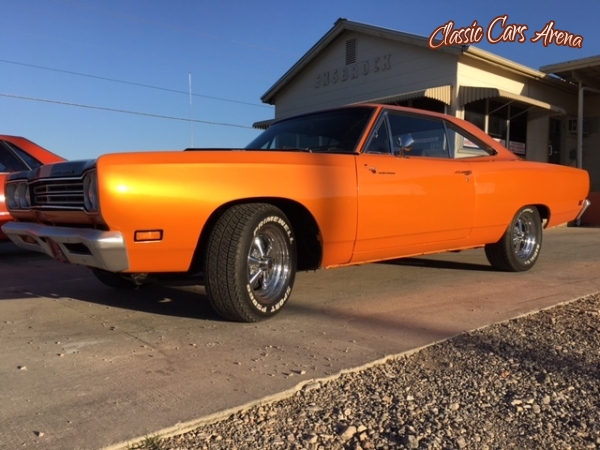
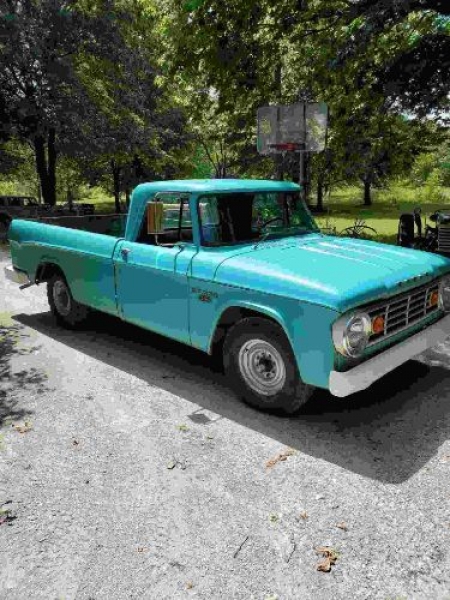
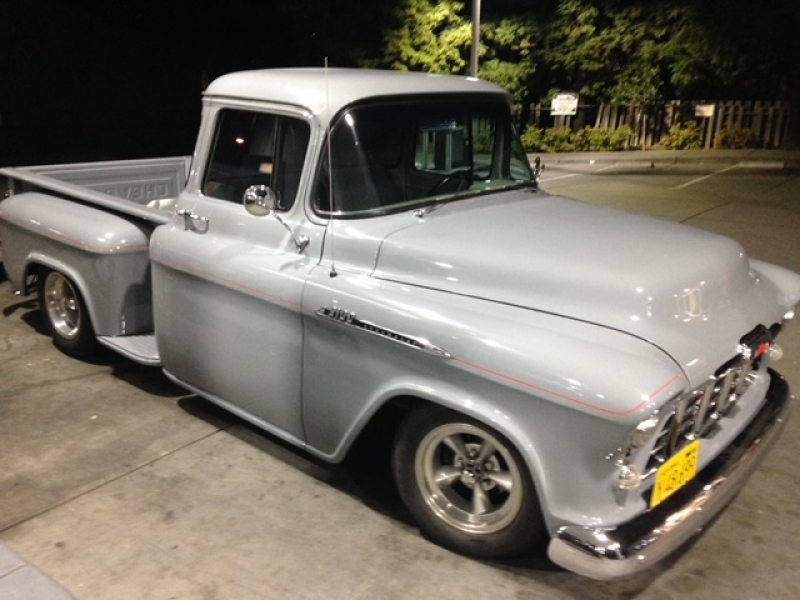
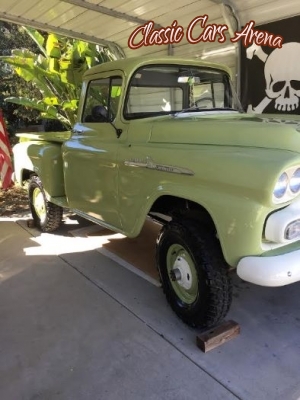
A restomod gives you the best of both worlds: factory styling from the golden era of American design combined with modern mechanicals that actually work reliably every day. LS-swapped first-gen Camaros, Coyote-powered early Mustangs, and EFI-equipped '57 Chevys can be daily drivers as well as show cars. Browse restomod listings below — and see what happens when classic cars get a serious mechanical upgrade.

1,187 listings found
What defines a restomod?

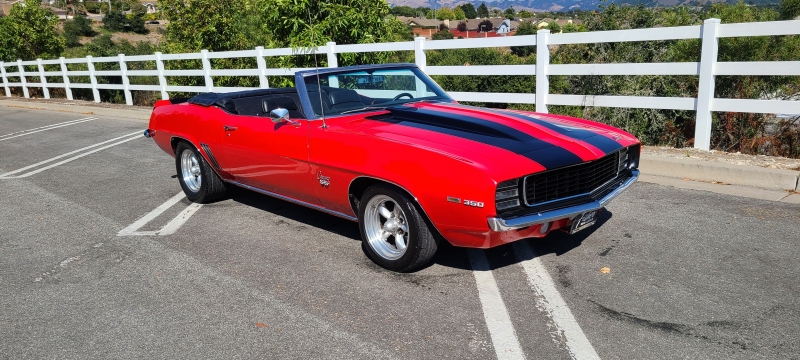
The term covers a broad range: anything from a mild upgrade (modern fuel injection and disc brakes on an otherwise stock car) to a full pro-touring build with a custom chassis, LS7 engine, and Brembo brakes. The common thread is that the car retains its original or period-correct body while using later-era performance components underneath.

Buying a restomod: what to know

Valuation is tricky. A well-executed restomod by a reputable builder can command serious money — six figures for top builds is not unusual. But execution quality varies enormously, and a poorly done restomod can be harder to sell than either a stock original or a full custom. Get a specialist inspection and document exactly what was done and by whom. Ask for the builder's name, look up their work, and verify the chassis modifications were done by a qualified fabricator.

Frequently asked questions

It depends entirely on execution quality and the specific model. For common cars, a well-built restomod often sells for more than a stock restoration because buyers want a car they can actually drive hard. For rare, numbers-matching collectibles, purist buyers pay premiums for originality that a restomod can't match. Know your buyer.
First-generation Camaro and Mustang lead the market by volume. 1955–1957 Chevys are perennial favorites. C2 and C3 Corvettes get frequent LS swaps. Tri-five Chevys and early Broncos have become increasingly popular. The common thread is strong aftermarket support and a large community of builders.
Quality of execution in the engine bay, under the car, and in the interior. Ask for the builder's name and look up their work. Verify the chassis modifications were done by a qualified fabricator. Check that the brakes, cooling, and electrical are properly sized for the power level. A restomod that was built to flip, not to last, can have serious hidden problems.
Pro-touring is a style of restomod focused on handling performance — big brakes, wide rubber, tubular suspension, and a chassis that can handle hard cornering. It evolved from SCCA road racing and Optima Batteries Challenge competition. A true pro-touring car drives very differently from a stock classic — it has modern cornering capability to match its modern engine power.
For most non-collectible classics, no — an LS swap typically adds value by making the car more driveable, reliable, and powerful. For rare, numbers-matching muscle cars, it can significantly hurt collector value because purists pay premiums for originality. A Chevelle SS 396 with its original numbers-matching engine is worth far more than the same car with an LS swap, all else equal.
A mild restomod (EFI conversion, disc brakes, upgraded suspension) on a solid donor car typically runs $25,000–50,000 all-in including the car. A full pro-touring build with custom chassis, 500+ hp engine, and show-quality paint can easily exceed $150,000. Labor is the largest component — a 2,000-hour build at $100/hr is $200,000 in labor alone before parts.

Browse related categories

Have a Classic Car for Sale?
Reach thousands of serious classic car collectors across the US.
Sell It Here →
Are You a Classic Car Dealer?
List your full inventory and connect with targeted classic car buyers.
Join as a Dealer →